2027 Online Sports Psychology Degree Programs Costs: Tuition & Fees

Co-Founder and Chief Data Scientist
The cost of an online Sports Psychology degree can range from manageable to expensive, depending on the credential level, school type, residency rules, credit requirements, and whether the program includes practicum or certification-related preparation. For many students, the main question is not simply “Can I afford tuition?” but “Will this program lead to the career outcome I want without creating unnecessary debt?”
This guide breaks down what students typically pay for online Sports Psychology programs, what tuition may and may not include, why costs vary so much among schools, and how online programs compare with campus-based options. It also explains financial aid considerations, return-on-investment factors, and practical ways to evaluate whether a program’s price is justified by its curriculum, flexibility, accreditation, support services, and career relevance.
Key Points About Online Sports Psychology Degree Costs
- Tuition for online sports psychology degrees typically ranges from moderate to high depending on the school, with per-credit costs often between $450 and $900.
- Students can reduce expenses through financial aid, scholarships, and employer tuition assistance commonly available for psychology-related programs.
- Online formats help lower overall costs by eliminating housing, transportation, and campus fees while allowing students to continue working full- or part-time.
What Is the Average Cost of an Online Sports Psychology Degree?
The average cost of an online Sports Psychology degree depends heavily on whether the student is pursuing a bachelor’s degree, master’s degree, or related concentration within psychology, kinesiology, counseling, or performance studies. Programs may publish tuition as a per-credit rate, annual cost, or total program charge, so students should compare total required credits rather than relying on a single advertised figure.
At the undergraduate level, tuition can be substantial because bachelor’s programs usually require about 120 credits. For example, Kent State University charges about $52,200 for 120 credits for in-state students. A bachelor’s degree may cost more overall than a master’s degree because of the longer credit requirement, even when the per-credit rate appears lower.
Graduate costs vary just as widely. The University of West Alabama charges $429 per credit hour, resulting in total tuition between roughly $16,700 and $23,200 depending on credit requirements. Adams State University offers master’s tuition as low as $4,590 annually for in-state students. Private programs can cost significantly more, sometimes reaching $21,000 to $34,000 for the entire graduate degree.
Compared with related online psychology fields, Sports Psychology programs are often competitively priced, but the label “sports psychology” can refer to different academic tracks. Some programs focus on mental performance consulting, while others are housed in psychology, counseling, sport science, or kinesiology departments. That distinction matters because it can affect tuition, practicum expectations, certification preparation, and career pathways.
Before comparing programs, confirm the following:
- Whether tuition is listed per credit, per semester, per year, or for the full program. A lower-looking rate may not be cheaper if the program requires more credits.
- Whether online students pay separate technology, distance learning, or course fees. These costs can change the actual total.
- Whether tuition differs by residency. Public universities may charge in-state and out-of-state online learners different rates.
- Whether practicum, internship, or certification-related expenses are included. These can add costs beyond tuition.
What Is Typically Included in the Tuition for an Online Sports Psychology Degree?
Tuition for an online Sports Psychology degree usually covers instruction and access to the academic systems needed to complete the program. However, it does not always cover every cost required to graduate. Students should read the tuition and fee schedule carefully and ask the program for a full cost-of-attendance estimate before enrolling.
Common tuition-covered items include:
- Online course access: Students typically receive access to virtual classrooms, recorded or live lectures, discussion boards, group activities, assignment portals, and instructor feedback.
- Faculty instruction: Tuition pays for the academic delivery of courses in areas such as performance psychology, motivation, athlete development, research methods, coaching behavior, and applied mental skills training.
- Learning management systems: Most programs include use of the school’s online platform, digital assignment submission tools, gradebook, and course communication systems.
- Academic support services: Advising, library access, writing support, tutoring, and technical assistance may be included, though the depth of support varies by institution.
- Digital academic resources: Many programs provide access to online journals, databases, library materials, and multimedia learning tools. Some digital textbooks or specialized resources may still cost extra.
- Practicum or internship coordination: If the program includes applied experience, tuition may cover advising and placement coordination, but not necessarily the costs associated with completing the placement.
Costs that are often not included in tuition may include textbooks, physical course materials, specialized software, application fees, graduation fees, background checks, liability insurance, proctored exam fees, certification exam fees, and travel related to practicums or internships. Students completing field experiences may also need to pay for transportation, professional attire, immunization records, site-specific requirements, or additional documentation.
A practical way to evaluate affordability is to ask each school for an itemized estimate that separates tuition from required fees, optional fees, books, supplies, and fieldwork-related expenses. This makes it easier to compare programs with different pricing models.
What Factors Influence the Cost of Pursuing an Online Sports Psychology Degree?
The cost of an online Sports Psychology degree is shaped by more than the advertised tuition rate. The total price can change based on school type, residency status, credential level, credit requirements, program format, and whether the curriculum prepares students for professional certifications or applied practice.
- Type of school: Public universities often offer lower tuition, especially for in-state residents. Private institutions tend to charge higher base tuition and may use the same rate for all online students regardless of location.
- Residency status: In-state students at public schools typically pay less than out-of-state students. Some online programs offer one flat online tuition rate, but others keep separate resident and nonresident pricing.
- Program level: Bachelor’s degrees often cost more in total because they require more credits. Master’s programs may have higher per-credit rates but fewer required credits overall.
- Program length and credit requirements: Bachelor’s degrees often require around 120 credit hours over four years, whereas master’s programs can range from 36 to over 54 credits and last 16 months to two years. Accelerated options, like the fastest online bachelor degree, may reduce total tuition exposure but can increase per-term costs.
- Technology and resource fees: Online platform fees, books, supplies, and resource kits around $160 per semester can add to the total cost. Practicum-related travel expenses may also apply.
- Transfer credit policies: Generous transfer policies can reduce the number of credits a student must complete at the school, which may lower total tuition for bachelor’s students and some graduate students.
- Program reputation and faculty expertise: Programs with specialized faculty, strong student support, research opportunities, or industry connections may charge more.
- Certification alignment: Courses aligned with professional certifications, such as the CMPC, may increase tuition but can also add career value for students seeking mental performance consulting roles.
- Enrollment pace: Part-time study may make payments easier to manage, but it can extend the time before graduation. Full-time or accelerated study may shorten completion time but require higher short-term cash flow.
Students should compare programs using total estimated cost, not only the per-credit rate. A program with a slightly higher rate may still be less expensive if it requires fewer credits, includes more resources, or accepts more transfer credit.
Are Online Sports Psychology Programs Cheaper Than Traditional Programs?
Online Sports Psychology programs are often cheaper than traditional campus-based programs, especially when students factor in housing, commuting, parking, relocation, and campus service fees. The tuition difference can also be significant, though it varies by school.
For the current academic year, online master’s tuition typically ranges from $525 to $859 per credit hour, with overall program expenses between $12,000 and $27,000, depending on the institution and study pace. Traditional on-campus programs at private universities usually charge around $1,397 per credit hour or approximately $28,017 per year.
The cost advantage of online study usually comes from three areas:
- Lower non-tuition expenses: Online students may avoid relocation, campus housing, meal plans, daily transportation, and some facility-related costs.
- Work-friendly scheduling: Many online students continue working while enrolled, which can reduce lost income and make tuition payments more manageable.
- Flat or discounted online rates: Some institutions charge online learners a separate tuition rate that is lower than campus-based tuition.
Online is not automatically cheaper in every case. Some online programs charge technology fees, higher per-credit rates, or the same tuition as campus programs. Students also need to consider whether the online format provides enough access to faculty, fieldwork support, and career preparation for their goals.
For students still deciding on an undergraduate path, the easiest bachelor degree to get may also be useful when comparing flexible foundational study options. However, students interested in Sports Psychology should prioritize program fit, accreditation, and career alignment over ease alone.
Are There In-state and Out-of-state Tuition for Online Sports Psychology Programs?
Yes, some online Sports Psychology programs charge different tuition rates for in-state and out-of-state students, especially at public universities. Other schools use a flat online tuition rate for all students. Residency rules can make a major difference in total cost, so students should verify pricing before applying.
Public institutions commonly charge lower rates to residents and higher rates to nonresidents. For example, East Central University bills $389 per credit hour for residents, while non-residents pay nearly double at $735. Kent State University also distinguishes between Ohio residents and students living elsewhere for its online bachelor’s program.
Private universities often use different pricing models. National University, for example, has adopted a flat-rate tuition model, charging all online students the same regardless of residency. Some public schools may also participate in regional tuition agreements that offer discounted rates to residents of neighboring states, though these discounts are rare for fully online programs.
Students should not assume an online program automatically offers in-state pricing. Before enrolling, ask the admissions or bursar’s office:
- whether online students are charged resident, nonresident, or flat-rate tuition;
- whether tuition changes if the student moves during the program;
- whether regional tuition discounts apply to online learners;
- whether fees differ for online and campus students;
- whether the quoted price applies to the full program or only one academic year.
Which Schools Offer the Most Affordable Sports Psychology Degree Programs?
The most affordable online Sports Psychology programs are usually public or tuition-conscious institutions that combine lower rates with flexible scheduling. Affordability should be measured by total program cost, not only annual tuition, because credit requirements, transfer policies, fees, and completion time can change what students actually pay.
Examples of lower-cost or cost-conscious options include:
- Troy University: Troy University offers a fully online master’s in sports psychology with an annual tuition of $7,125. The program is designed for flexibility and can be completed in about two years.
- Adams State University: Adams State University provides an online M.A. in Applied Sport Psychology for $7,992 per year. Its format is designed for professionals who need adaptable course schedules.
- California Baptist University: California Baptist University offers a fully online Bachelor of Science in Sport and Performance Psychology, charging $520 per unit with 49 units required. The program’s accelerated timeline supports degree completion in roughly 16 months.
When comparing affordable programs, students should look beyond the tuition line and evaluate whether the program includes the academic and professional preparation they need. A low-cost program may be a strong value if it offers qualified faculty, relevant coursework, reliable advising, and practical experience. It may be less valuable if it lacks the curriculum, support, or fieldwork structure needed for the student’s intended career path.
Key affordability questions include:
- How many credits must I complete at this school? Transfer credits can reduce total tuition for eligible students.
- Are online fees separate from tuition? Technology and course fees can narrow the gap between schools.
- Does the program support my career goal? Students interested in applied mental performance work should examine practicum, mentorship, and certification alignment.
- Can I keep working while enrolled? Flexible scheduling can improve affordability by preserving income.
Which Schools Offer the Most Expensive Sports Psychology Degree Programs?
The most expensive online Sports Psychology programs tend to be offered by private institutions or specialized programs with higher tuition, broader student services, or advanced curricula. A higher price can sometimes reflect stronger faculty access, certification-oriented coursework, or more comprehensive support, but it does not automatically guarantee better outcomes.
Examples of higher-cost options include:
- University of La Verne: This institution offers undergraduate sports psychology programs with tuition and fees totaling approximately $63,274 per year, making it one of the priciest choices nationally.
- University of Western States: Its fully online Master of Science in Kinesiology with a Sports Psychology concentration is offered at an annual tuition of $22,716.
- National University: National University offers a fully online MS in Sport Psychology with tuition costs of about $21,984 per year.
Higher tuition may be tied to institutional reputation, specialized faculty, student services, small class formats, career counseling, networking opportunities, research exposure, or coursework aligned with professional certifications like the CMPC. These features can be valuable, but students should connect them to a specific career plan before accepting a higher price.
To judge whether an expensive program is worth it, compare:
- Curriculum fit: Does the program match your goal, such as coaching, athletic performance consulting, graduate psychology preparation, or sport science leadership?
- Faculty qualifications: Do instructors have relevant academic credentials, applied experience, or certification-related expertise?
- Applied training: Are internships, practicums, or supervised experiences available and well supported?
- Career services: Does the school provide field-specific advising, networking, or job search support?
- Debt impact: Will the likely career path support the cost without creating unmanageable repayment pressure?
Students comparing programs may also find it useful to review accredited colleges online with no application payment, especially if they want to reduce upfront application costs while building a shortlist.
How Long Does It Take to See a Return on an Online Sports Psychology Degree?
The return on an online Sports Psychology degree depends on total program cost, student debt, career path, location, prior experience, and whether the graduate needs additional licensure or certification. For some students, the return comes through higher earnings. For others, it comes through career mobility, expanded coaching opportunities, or a pathway into graduate study or consulting.
Typically, graduates see a return on their investment within 2 to 5 years after starting work. Starting salaries vary widely: coaching positions often begin around $34,840 annually, while roles in sports business management can reach close to $90,870. Licensed sports psychologists have a median income near $94,310 per year. With a projected 7% growth rate in the field through 2029, demand is increasing, which may help graduates earn higher salaries sooner and shorten the payback period on their degrees.
Tuition costs are a major factor. Many online master’s programs range from $9,000 to $18,000 per year, and student loan debt can lengthen the repayment timeline. Students who receive scholarships, employer tuition assistance, transfer credits, or lower in-state tuition may reach a positive financial return sooner.
Students should also be realistic about career requirements. A Sports Psychology degree may support roles in coaching, performance consulting, sport administration, wellness, or athlete development, but the title “sports psychologist” may require additional graduate education, supervised experience, and licensure depending on the state and role. Those pursuing licensed psychology practice should verify state requirements before choosing a program.
A simple ROI check is to compare expected total debt with likely early-career earnings in the student’s intended role. If the program cost is high and the target role has modest starting pay, the student should look for scholarships, lower-cost alternatives, or part-time enrollment that allows continued employment.
Are Online Sports Psychology Students Eligible for Financial Aid?
Online Sports Psychology students are generally eligible for federal financial aid when they attend an accredited school that participates in federal aid programs. Eligibility usually requires completing the Free Application for Federal Student Aid (FAFSA) each year and meeting enrollment, citizenship or eligible noncitizen, academic progress, and program requirements.
Financial aid can be available for bachelor’s, master’s, and graduate certificate students, but eligibility depends on the school and program. Students should confirm that the specific online program, not just the institution, qualifies for aid. They should also review whether the program requires at least half-time enrollment for certain forms of assistance.
- Federal Student Loans: Available to eligible U.S. citizens or noncitizens enrolled at least half-time. These loans can help cover tuition costs and must be repaid, but they typically have lower interest rates and flexible repayment terms.
- Scholarships for Online Sports Psychology Graduate Students: Professional organizations such as the NSCA Foundation and some universities offer awards that may be merit-based, need-based, or connected to research interests. Scholarships do not require repayment.
- Grants: Some students may qualify for grants through federal, state, institutional, or private sources. Grant availability depends on degree level, financial need, and program eligibility.
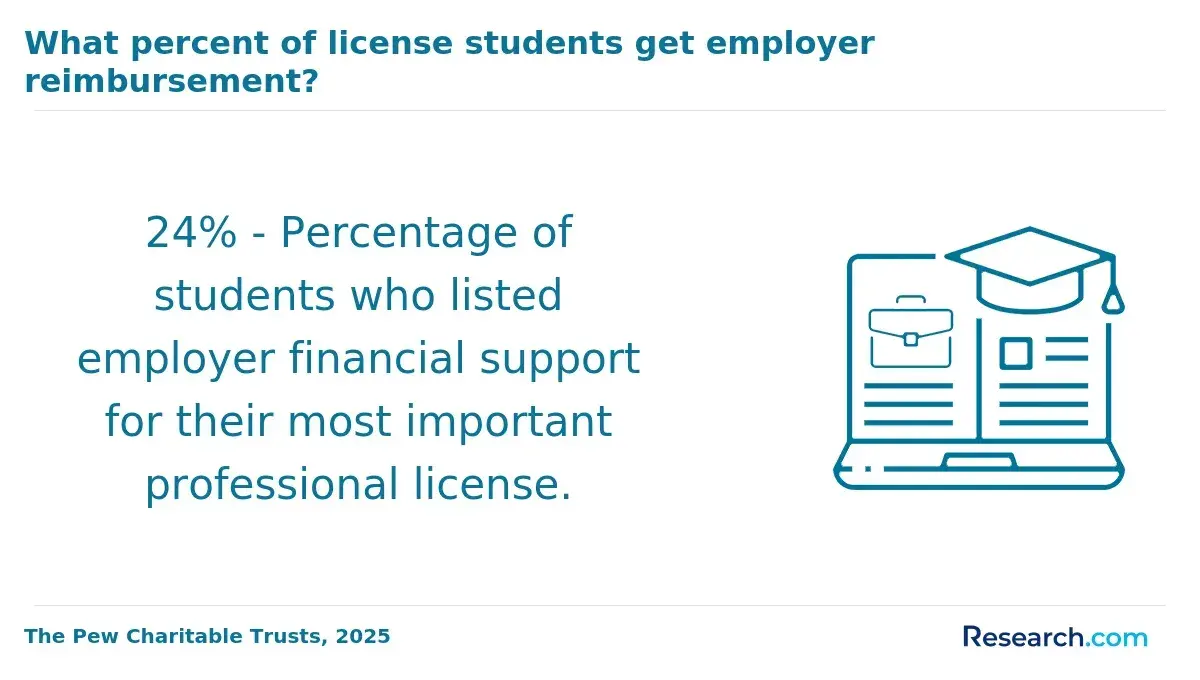
- Employer Tuition Assistance: Many employers provide tuition reimbursement or assistance, especially for working professionals pursuing a degree part time. Students should ask about annual limits, grade requirements, and repayment obligations if they leave the employer.
- Institutional Aid: Schools may offer online student discounts, graduate assistantships, military benefits, alumni scholarships, or payment plans.
For students researching schools, reviewing the top schools with national accredited status can help with quality and aid-related due diligence. However, students should also verify the type of accreditation, program eligibility, and whether the institution participates in the aid programs they plan to use.
Tuition costs for online Sports Psychology master’s degrees vary widely, from approximately $7,000 to over $20,000 annually, but financial aid can reduce out-of-pocket expenses. The best first step is to file the FAFSA early, then request a written aid offer and total cost estimate from each school under consideration.
Are Online Sports Psychology Program Costs Expected to Increase in the Coming Years?
Online Sports Psychology program costs may continue to rise in the coming years, but increases are likely to vary by institution. Tuition is influenced by demand, instructional technology, faculty costs, student support services, and the school’s broader pricing strategy. Students should plan for possible annual increases unless a program offers locked tuition or a fixed total program price.
Public universities often provide more affordable options, with annual tuition ranging from $8,000 to $15,000 for in-state students. Private universities generally charge higher rates, sometimes exceeding $25,000 per year, reflecting their specialized curriculum and resources.
Recent trends show gradual tuition increases, partly tied to investments in online learning technologies and demand for flexible programs. At the same time, online education has become more competitive, and many schools use scholarships, reduced online rates, transfer policies, or payment plans to attract students.
Students can reduce the risk of rising costs by asking each school these questions before enrolling:
- Is tuition locked for enrolled students? Some programs hold the rate steady for a cohort, while others may increase tuition each year.
- Are fees subject to change? Technology, course, and graduation fees can increase even when tuition looks stable.
- Can I accelerate completion? Finishing sooner may reduce exposure to future tuition increases, though it can raise short-term workload and payment pressure.
- Are scholarships renewable? A first-year scholarship may not apply for the full program unless renewal conditions are met.
- What is the total estimated cost to graduate? This is more useful than a single-year tuition figure.
The safest budgeting approach is to estimate tuition, required fees, books, supplies, and fieldwork expenses for the full program, then add room for possible increases. Students relying on loans should also consider how higher costs could affect monthly repayment after graduation.
What Students Say About The Cost of Pursuing Online Sports Psychology Programs
- Jaime: "Pursuing my online Sports Psychology degree has been a game-changer for my career. Despite the average cost of attendance being around $20,000, the knowledge and credentials I've gained have already opened doors to new coaching opportunities. The investment truly feels worth it, especially with flexible scheduling that fits my busy life."
- Enzo: "Reflecting on the cost of my online Sports Psychology program, which was quite reasonable compared to traditional schools, I believe the return on investment is significant. The skills I've developed have enhanced my understanding of athlete behavior, helping me transition smoothly into mental performance consulting. Financially and professionally, this degree has been a solid choice."
- Rowan: "From a professional standpoint, the cost associated with my Sports Psychology degree was a crucial factor in my decision. With tuition fees averaging about $18,000, it was important for me to find a program that delivered real value. Completing the course online allowed me to maintain my job while studying, making the expense more manageable and worthwhile for long-term career advancement."
Other Things You Should Know About Sports Psychology Degree Program Costs
No, technology fees are usually charged separately from tuition. Many programs add online access, learning management, and proctoring fees, often ranging from $25 to $150 per term. Some schools also list a one-time orientation fee or distance-learning fee on the cost sheet.
Tuition fees for online Sports Psychology programs can vary significantly by state in 2027. States may have different public education funding levels and residency requirements. Always check specific state policies and compare fees before enrolling in a program.
References
- MS in Sport Psychology | Online Master's Degree | Capella University https://www.capella.edu/online-psychology-degrees/ms-psychology-program/masters-sport-psychology/
- Sport and Exercise Psychology https://www.staffs.ac.uk/course/sport-exercise-psychology-bsc
- Online Medical Billing and Coding Training https://www.volstate.edu/workforce/online/medical-billing-coding-training
- How to Get Your Medical Coding and Billing Certification https://www.ultimatemedical.edu/blog/how-to-get-medical-coding-and-billing-certification/
- Bachelor of Science Psychology Degree Program Online https://www.parker.edu/academics/bs-sports-psychology/
- Medical Billing and Coding Certification I AMBCI CPC & CPB https://app.ambci.org/