2027 Weekly Start Online Degrees vs Self-Paced Accelerated Sports Psychology Degree Programs

Co-Founder and Chief Data Scientist
Choosing between weekly start online degrees and self-paced accelerated sports psychology programs poses challenges for many prospective students. Approximately 60% of online learners express difficulty aligning course schedules with professional commitments.
This article evaluates both formats' structure, time management demands, and career outcomes. It aims to equip students with clear, evidence-based insights to select the program best suited to their lifestyles and career goals in the evolving sports psychology field.
Key Benefits of Weekly Start Online Degrees vs Self-Paced Accelerated Sports Psychology Degree Programs
- Weekly start online degrees offer regular enrollment opportunities, enhancing flexibility for working professionals balancing sport schedules and studies in a demanding field like sports psychology.
- Self-paced accelerated sports psychology programs reduce overall tuition costs by shortening completion time, allowing students to enter the workforce sooner and save on living expenses.
- Both formats improve student success rates by adapting to individual learning speeds and commitments, with data showing increased retention in self-directed sports psychology studies.
How Are Weekly Start Online Degrees and Self-Paced Accelerated Sports Psychology Programs Structured?
Choosing between weekly start online degree programs and self-paced accelerated sports psychology degree formats requires understanding their structural differences. These differences impact how students manage time, coursework, and assessments.
Below is a comparative overview to help prospective students make informed decisions.
Weekly Start Online Degrees
- Course Pacing: Fixed pacing with clearly defined weekly modules ensures consistent progress and structured learning.
- Term Length: Typically preset between 6 to 12 weeks, offering a steady course cadence aligned with academic terms.
- Assignment Schedules: Regulated weekly deadlines with scheduled assignments, quizzes, and discussions maintain a predictable workflow.
- Time Commitment: Students usually dedicate 8 to 12 hours weekly, balancing coursework and other responsibilities with regular instructor interaction.
Self-Paced Accelerated Degrees
- Course Pacing: Flexible pacing allows students to advance based on their availability and time, accommodating varied schedules.
- Term Length: Variable terms that can be shorter or longer depending on individual progress, often enabling faster completion.
- Assignment Schedules: Open-ended assignments must be completed before final deadlines, offering freedom while ensuring accountability.
- Time Commitment: Weekly hours fluctuate considerably, frequently exceeding 15 hours during intense study phases focused on mastery learning.
Students weighing these options often consider their personal learning styles and time availability, especially when exploring specialized formats like the self-paced accelerated sports psychology degree format.
For those balancing work and study, understanding these options is critical. Additionally, exploring the cheapest online MBA programs can offer insight into flexible online degree choices across fields.
Are Weekly Start Online Sports Psychology Programs Easier to Get Into vs Self-Paced Accelerated Programs?
Admissions ease plays a key role when choosing between weekly start online sports psychology degree programs and self-paced accelerated options. Students often weigh acceptance rates and admissions criteria as they navigate these two popular formats, which differ notably in selectivity and structure.
Here are some important admissions factors to consider for each program type:
- Acceptance Rates: Weekly start online sports psychology degree admissions tend to have moderately competitive rates due to frequent start dates and higher application volumes, making them somewhat easier to get into than accelerated formats.
- GPA Expectations: Self-paced accelerated sports psychology program acceptance typically demands higher GPA thresholds, often around 3.0 or above, reflecting stricter academic preparedness requirements.
- Prerequisite Coursework: Accelerated formats usually require completed courses in psychology or biology, while weekly start programs may have more flexible prerequisites.
- Standardized Testing: Both formats tend to de-emphasize standardized tests, favoring holistic admissions that consider professional experience and personal statements.
- Admissions Focus: Self-paced programs often prioritize motivation and prior academic readiness, whereas weekly start programs balance accessibility with selectivity.
For prospective students exploring flexible options, researching online business colleges may provide additional insights on online program admissions trends and strategies.
How Long Does a Weekly Start Online Degree Take to Complete vs Self-Paced Accelerated Sports Psychology Degree?
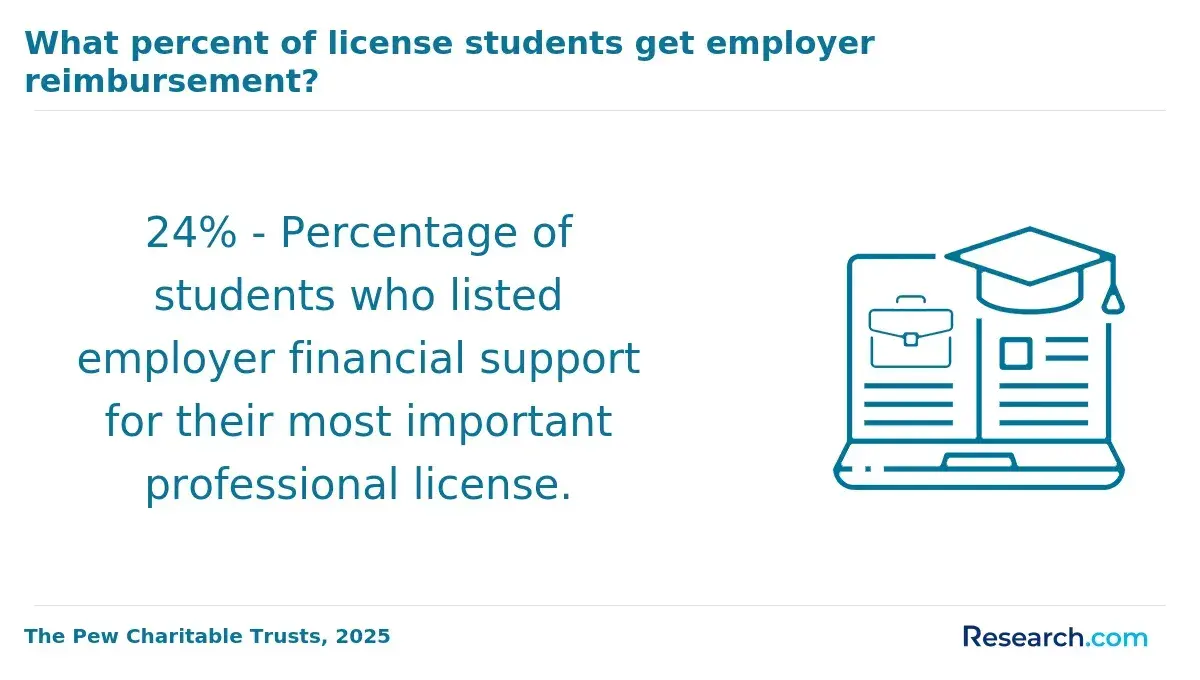
Completion time plays a crucial role for students managing their education plans, budgets, and career trajectories. Accelerated learning options are gaining popularity, with recent data showing that 36% of online learners choose faster tracks to save both time and money.
Comparing the duration of weekly start online degrees to self-paced accelerated sports psychology programs reveals differences important for planning.
- Term length: Weekly start programs follow fixed schedules, typically lasting eight to sixteen weeks per term, mirroring traditional academic calendars. Self-paced programs lack set terms, letting students progress independently, which can speed up or slow down completion.
- Pacing control: Weekly start formats have deadlines that require timely progress, offering less flexibility. In contrast, self-paced sports psychology students control their study rhythm fully, accommodating work or life demands.
- Credit load: Increasing credits per term reduces the overall time in weekly start courses but can intensify workload. Self-paced learners can adjust their pace by moving faster through material or taking breaks as needed.
- Transfer credits: Both formats accept transfer credits to shorten degree length, though assessments are needed to determine equivalency and applicability.
- Enrollment flexibility: Weekly start degrees often allow new student intake every week or term, providing regular entry points. Self-paced programs enable continuous enrollment without restrictions on when studies begin or pause.
A professional who completed a self-paced accelerated sports psychology degree shared that navigating the program required balancing full-time work with coursework demands.
"The freedom to set my own deadlines felt liberating but also daunting at times," he explained, recalling periods when motivation fluctuated.
He emphasized the importance of self-discipline, noting, "Without fixed semesters, it was easy to delay studies, but knowing I could finish faster if I pushed made me stay focused."
This experience highlights how self-paced formats offer unmatched flexibility but also call for strong personal time management strategies.
Balancing work, family, and other responsibilities makes flexibility essential for students pursuing degrees. Weekly start online degrees offer set schedules with new courses launching weekly, giving structured progress. By contrast, self-paced accelerated sports psychology programs allow learners to control their timing and pace.
Below is a comparison of their flexibility aspects.
- Scheduling control: Weekly start programs follow a fixed cohort calendar with predetermined class times, while self-paced formats permit students to choose when to study, adapting to personal routines.
- Pacing speed: Weekly start formats require steady weekly workloads, enforcing consistent progress; self-paced options let students speed up or slow down as needed.
- Start dates: Weekly start degrees have multiple scheduled start times throughout the year, but self-paced programs allow enrollment anytime without waiting.
- Assignment deadlines: Weekly start students must meet regular deadlines to keep pace, whereas self-paced learners often encounter flexible or no deadlines, easing time pressure.
- Instructor interaction: Weekly start formats provide planned opportunities for direct engagement with instructors, while self-paced courses may offer less frequent or more optional contact.
- Ability to pause or accelerate progress: Self-paced programs excel by letting students pause or intensify study periods, unlike weekly start programs, which have less flexible acceleration or breaks.
Research from the U.S. Department of Education and EDUCAUSE shows nearly 60% of students favor self-paced autonomy, while about 40% prefer the motivational structure of weekly start models. The choice depends on individual needs for freedom versus guided pacing.
How difficult a program feels can greatly influence a student's decision when choosing between self-paced accelerated and weekly start online sports psychology degrees. This perception impacts motivation and success, making it essential to understand the key differences in challenge level.
Comparing these formats reveals several critical factors affecting their relative difficulty.
- Workload intensity: Accelerated programs condense all coursework into a shorter timeframe, resulting in significantly heavier weekly study demands. Weekly start programs spread assignments over weeks, allowing a more manageable pace for many.
- Pacing expectations: Self-paced accelerated learners must independently organize their time and stay on track without consistent prompts. Weekly start options feature structured schedules with clear deadlines that provide external guidance.
- Self-discipline required: The intensity of accelerated formats demands high self-motivation and accountability, since students juggle a rapid succession of topics. In contrast, weekly start programs offer a steadier rhythm that can help maintain consistent engagement.
- Assessment structure: Accelerated courses often use cumulative exams or projects at the end, requiring retention of extensive material over a short period. Weekly start courses typically distribute tests and assignments throughout the term, offering frequent opportunities to reinforce learning.
- Instructor interaction: Weekly start programs tend to facilitate regular communication with instructors and peers, which can clarify difficult concepts and reduce stress. Accelerated self-paced learners might experience fewer check-ins, increasing the challenge of staying supported.
One graduate of a weekly start online sports psychology program shared her experience after I asked about the difficulty compared to accelerated tracks.
She described how the consistent deadlines helped her manage family responsibilities alongside coursework, saying, "Having a reliable schedule made it easier to plan my study time without feeling overwhelmed."
She also noted the value of frequent instructor feedback: "The regular discussions with professors kept me motivated and clarified topics that would have been tricky to tackle alone."
While her program was demanding, she felt the structured format provided a "balanced challenge" that supported her progress. Reflecting on her time in the program, she emphasized the confidence gained from paced achievement rather than rushing through material, reinforcing that weekly start designs can effectively foster both learning and retention.
Grading methods significantly impact how students manage their workload, face academic pressure, and monitor their progress in sports psychology programs. These factors play a crucial role in students' choice between weekly start online formats and self-paced accelerated options.
Below is a comparison highlighting the key differences in grading approaches between these two formats.
- Assessment frequency: Weekly start programs typically require assignments, quizzes, and discussions on a regular, often weekly, basis, promoting consistent engagement. In contrast, self-paced accelerated programs cluster evaluations, allowing students to complete assessments more sporadically according to their own schedule.
- Mastery requirements: Both formats emphasize mastery of essential exams or projects, but weekly start courses usually enforce a sequence of progressively challenging tasks. Meanwhile, self-paced students benefit from greater opportunities to revisit material before demonstrating mastery, enhancing flexibility in learning.
- Feedback timing: Students in weekly start programs often receive timely, scheduled feedback, enabling continuous refinement of skills throughout the course. Self-paced students might face longer waits for instructor responses, as interactions are less synchronized with fixed deadlines.
- Grading flexibility: Self-paced formats generally offer leniency in submission timing, which can help learners manage personal commitments but may also increase the risk of procrastination. Conversely, weekly start programs maintain strict deadlines to encourage steady progress and prevent backlog.
Tuition models are a key factor for students when selecting online degree programs, as they directly impact affordability and financial planning. Different structures influence how quickly students can complete their degrees and the predictability of their educational expenses.
- Pricing structure: Weekly start programs typically charge per credit, providing straightforward billing tied to course loads each term. Self-paced accelerated formats may have higher per-credit fees but often reduce overall costs by shortening program length.
- Time-to-completion: Weekly start degrees follow set academic calendars, which may extend program duration. Accelerated self-paced options allow students to finish faster by progressing at their own speed.
- Cost predictability: Fixed start dates help students budget tuition consistently each term. Self-paced programs' flexibility can make expenses less predictable due to variable course enrollment timing.
- Course intensity and fees: Accelerated degrees usually require intensive coursework, sometimes leading to higher upfront payments and charges for enhanced support or technology resources.
- Transfer credits impact: Both formats benefit from accepting prior learning credits, which can lower tuition by reducing required classes. The National Center for Education Statistics reports this flexibility can cut costs by 20% or more.
Instructor support and academic guidance play essential roles in the success of students pursuing online degree programs, influencing retention, satisfaction, and mastery of subject matter.
Below are key distinctions regarding instructor support across different program formats.
- Instructor Availability: Weekly start online sports psychology instructor support includes scheduled live sessions and consistent office hours, allowing students regular access to instructors. In contrast, self-paced accelerated programs limit direct availability, focusing on asynchronous communication.
- Response Times: Weekly start formats generally provide prompt feedback, often within 24 to 48 hours, supporting student engagement. Self-paced accelerated sports psychology program guidance tends to have longer response intervals, sometimes taking several days to address questions.
- Structured Interaction: Programs with weekly starts emphasize routine instructor contact and live discussions, offering more structured interaction. Self-paced accelerated options prioritize student autonomy, with minimal scheduled interactions and less synchronous advising.
- Opportunities for Live Communication: Regular live class meetings and office hours are hallmark features of weekly start degrees, facilitating immediate clarification. Self-paced students usually have fewer opportunities for real-time conversations and rely on email or forums.
- Academic Advising: Weekly start models include proactive advising checkpoints to monitor progress and address concerns early. Self-paced students must initiate advising contacts as needed, resulting in less frequent guidance.
- Expectations for Student Independence: Self-paced accelerated programs emphasize learner self-direction and responsibility for managing coursework and communication. Weekly start formats provide more instructor-led structure, reducing the burden on students to seek support actively.
For students interested in advanced online programs, exploring options like a PhD organizational leadership may complement interests in sports psychology by expanding leadership skills in educational or organizational contexts.
Employer perception of online sports psychology degree programs can significantly influence career outcomes. Hiring managers often consider the format of the degree as an indicator of a candidate's skills and readiness for workplace challenges.
Understanding these perceptions helps prospective students choose programs that align with employer expectations.
- Perceived Rigor: Weekly start online programs are often seen as more demanding due to fixed deadlines and scheduled interactions. Employers may view these structures as reflective of traditional academic rigor, which can reassure them about the candidate's discipline and consistency.
- Completion Timelines: Self-paced accelerated programs highlight a candidate's ability to learn quickly and manage intensive workloads. Employers looking for adaptability may value the ability to complete coursework at an accelerated pace, which shows initiative and drive.
- Time Management Skills: Weekly start schedules demonstrate a candidate's capability to meet regular deadlines and balance coursework with other commitments. This can translate to strong organizational skills relevant in team environments.
- Adaptability and Motivation: Self-paced accelerated degrees appeal to employers who emphasize independent problem-solving and self-motivation. The flexibility in pacing indicates a high level of personal discipline, important for dynamic or less structured roles.
- Collaboration Experience: Programs with weekly starts often include synchronous elements that facilitate peer interaction and teamwork. Employers valuing collaboration may find graduates of these programs better prepared to engage in group projects and communication.
- Alignment with Workforce Needs: Weekly start programs tend to fit roles requiring regular reporting and team coordination, while self-paced formats may suit positions that prioritize independent work and rapid learning.
This comparison reflects key factors influencing employer preferences for sports psychology online degrees and helps prospective students consider which program format best matches their career goals.
For those researching options, the best online masters programs can offer a variety of formats to suit different professional pathways.
Recent data indicates that graduates of accelerated online psychology degree programs can see initial salary increases of 5-10% compared to those who follow a typical pace.
Understanding potential salary differences is crucial for students considering online sports psychology degree programs, as these can impact long-term career earnings.
- Time-to-Completion: Accelerated self-paced degrees often enable earlier entry into the workforce, allowing graduates to start earning sooner and potentially increase lifetime earnings through quicker career advancement.
- Employer Perception: Some employers value the discipline demonstrated by students in weekly start programs, while others prioritize skills and demonstrated competencies regardless of the pacing format.
- Skills and Competencies: Both program types generally cover essential sports psychology knowledge, but practical experience gained alongside study, particularly in self-paced formats, can enhance job readiness and salary prospects.
- Career Advancement Opportunities: Networking and career support services, which differ across programs, influence how quickly graduates can progress in their careers and access higher salaries.
- Return on Investment: The flexibility of self-paced programs allows some students to balance work and study, potentially leading to better financial stability during education and affecting salary outcomes post-graduation.
Students aiming for better career earnings online accelerated sports psychology programs should weigh these factors carefully. For those exploring options, identifying easy online degrees might also play a role in balancing workload with timely completion.
What Graduates Say About Their Weekly Start Online Degrees vs Self-Paced Accelerated Sports Psychology Degrees
- Edith: "I chose the weekly start online sports psychology degree because the structured schedule helped me stay motivated and on track. Although the average cost around $30,000 felt steep at first, I managed it with a mix of scholarships and manageable payment plans. Now, as a certified performance coach, the degree has opened doors I never thought possible, giving me credibility in a highly competitive field."
- Mariana: "Selecting the self-paced accelerated sports psychology program was ideal for me since I needed flexibility around my full-time job. The cost was a concern, but by budgeting carefully and utilizing employer tuition assistance, I made it work without going into debt. Professionally, finishing faster meant I could apply new strategies immediately, boosting my resume and confidence in mental skills training."
- Lara: "I went with the weekly start online sports psychology degree because it offered consistent interaction with instructors and peers, which I find crucial for deep learning. The cost, just under $30,000, was significant, but I reflected on it as an investment in my future; with careful financial planning, it was manageable. The degree has been transformative, elevating my credibility as a consultant and helping clients achieve measurable performance improvements."
Other Things You Should Know About Sports Psychology Degrees
It is typically possible to transfer credits between weekly start online and self-paced accelerated sports psychology degree programs, though it depends on the policies of the institutions involved. Students should consult with both programs to ensure transferability of credits and maintain progress toward their degree.
For licensure or graduate admission, the program should be regionally accredited by a U.S. Department of Education-recognized accreditor. If the degree leads to psychology licensure, many states also require coursework that matches APA- or state board-approved standards, plus supervised hours and a passing EPPP score.
- Master’s Degree in Sports Psychology | Online | NU https://www.nu.edu/degrees/jfk-psychology/programs/masters-of-arts-in-sport-and-performance-psychology/
- Affordable Online College Courses | Pearson Accelerated https://www.pearsonaccelerated.com/students/online-courses.html
- Best Accelerated Self-Paced Online Colleges https://www.collegevaluesonline.com/accelerated/best-accelerated-self-paced-online-colleges/
- Explore One Year Psychology Master's Programs Online https://www.onlinemastersdegrees.org/best-programs/psychology/1-year-accelerated/
- Picture an Online Degree at Your Own Pace https://www.snhu.edu/about-us/newsroom/education/picture-an-online-degree-at-your-own-pace
- What to Look for in an Online School Psychology Degree Program https://www.allpsychologyschools.com/online-degrees/sport-psychology/
- Sport and Exercise Psychology https://www.staffs.ac.uk/course/sport-exercise-psychology-bsc
- Online College Degrees That Start Anytime and the Benefits of a Self-Paced Education | Academic Influence https://academicinfluence.com/inflection/online-degree/online-colleges-that-start-anytime
- Performance Psychology (Online Distance Learning Part-Time) MSc https://www.bangor.ac.uk/courses/postgraduate-taught/performance-psychology-online-distance-learning-part-time-msc
- Online Sports Psychology Degree Programs | Psychology.org https://www.psychology.org/online-degrees/sports-psychology/