2027 Online Artificial Intelligence Bachelor's Degree Programs Under $10,000

Co-Founder and Chief Data Scientist
Choosing an online bachelor's degree in artificial intelligence is usually a cost-and-credibility decision. You need a program that is affordable enough to finish, flexible enough to fit around work or family, and recognized enough to support a real career move.
That decision matters because the price of a traditional degree can exceed $30,000, while many adults entering AI cannot pause their careers or take on heavy debt. At the same time, 42% of AI-related job openings now prefer candidates with formal education in AI or related fields, making a structured degree more valuable than a collection of short courses alone.
Online artificial intelligence bachelor's degree programs under $10,000 can help close that gap. The best options usually combine accreditation, transfer-friendly policies, competency-based pacing, and practical coursework in programming, machine learning, data analytics, and automation.
This guide explains how to compare low-cost AI bachelor's programs, what accreditation to verify, how transfer credits affect the final price, which concentrations may lead to stronger earnings, and what support services to look for before enrolling.
Key Things to Know About Online Artificial Intelligence Bachelor's Degree Programs Under $10,000
- Online artificial intelligence bachelor's programs under $10,000 significantly reduce student debt-cost savings often exceed 70% compared to traditional degrees-opening opportunities for career changers and first-generation students.
- Graduates from affordable programs report competitive salaries, with a strong return on investment over time. Median starting salaries often surpass $65,000 annually in tech-driven markets.
- Many programs offer flexible pacing, prior learning assessments, and credit transfers, catering to working adults balancing education with professional and personal responsibilities.
What Are the Most Affordable Accredited Online Artificial Intelligence Bachelor's Degree Programs Under $10,000?
The most affordable accredited online artificial intelligence bachelor's degree programs under $10,000 are usually built around low tuition, transfer credit, prior learning assessment, or competency-based pacing. In practice, “under $10,000” should be read carefully: some schools can meet that price for students who already bring substantial credits, while others advertise low term-based or assessment-based costs that depend on how quickly a student completes the program.
For budgeting, a program costing under $10,000 total means the estimated tuition needed to complete required online bachelor's coursework, often assuming per-credit rates below $300 for around 120 credits or a reduced credit load through transfer. This estimate generally excludes technology fees, textbooks, assessment fees, graduation fees, and living expenses.
Accreditation should be the first filter, not an afterthought. Regionally accredited schools are generally more portable for credit transfer, graduate admission, and employer recognition. Key regional accreditors include the Higher Learning Commission (HLC), Southern Association of Colleges and Schools Commission on Colleges (SACSCOC), Middle States Commission on Higher Education (MSCHE), and Northwest Commission on Colleges and Universities (NWCCU).
Examples of low-cost accredited online options include the following programs and institutions, based on the tuition details stated by NCES College Navigator and university sources:
- Western Governors University: $3,920 per six-month term with competency-based learning, approximately 120 credits, totaling under $8,000. Accredited by NWCCU.
- Fort Hays State University: $226 per credit hour, roughly 120 credits, totaling about $8,700. Accredited by HLC.
- Columbia College: $285 per credit hour with an estimated 120 credits for about $9,500 total. Accredited by HLC.
- University of the People: $100 per course assessment with 40 courses required, totaling near $4,000. Nationally accredited by DEAC and recognized by CHEA, focusing on open access and affordability.
- Minot State University: $260 per credit hour with approximately 120 credits, totaling near $9,000. Regionally accredited by HLC.
- Excelsior College: Flat rate of $510 per course and flexibility through transfer credits and competency exams, enabling total costs below $10,000. Accredited by MSCHE.
- Thomas Edison State University: Tuition of $371 per credit but accommodates many transfer credits and prior learning assessments, allowing degree completion under $10,000 in practice. Accredited by MSCHE.
These programs are not identical. Some are best for first-time students who need a complete degree pathway; others are strongest for adults who already have college credits, military training, professional certifications, or relevant work experience. Before applying, ask the school for a written transfer evaluation and a full cost estimate, not just a per-credit or per-term rate.
Students comparing broader affordable pathways can also review online ai degree programs to see how AI-focused options vary by price, format, and academic structure.
Ultra-low-cost programs often reduce expenses by limiting campus-based services, relying on asynchronous delivery, accepting extensive transfer credit, or using competency-based assessments. That trade-off can be worthwhile, but students should still confirm access to tutoring, faculty help, career services, and hands-on AI tools.
For readers considering long-term academic progression after a bachelor's degree, researching doctoral programs online can provide context on accelerated and affordable postgraduate routes.
How Do Tuition Costs for Online Artificial Intelligence Bachelor's Programs Under $10,000 Compare Across Public and Private Universities?
Public and private universities can both offer online artificial intelligence bachelor's programs under $10,000, but they usually reach that price in different ways. Public universities often rely on lower subsidized tuition, especially for in-state students. Private nonprofit universities may rely more on uniform online pricing, accelerated terms, transfer credit, or prior learning assessment.
- Tuition rates: Public universities often benefit from state subsidies, leading to lower per-credit rates—typically between $150 and $300. This can help in-state students stay below the $10,000 threshold. Private nonprofit universities usually have higher per-credit costs, ranging from $250 to $400, but some reduce the final bill through shorter formats or generous transfer policies.
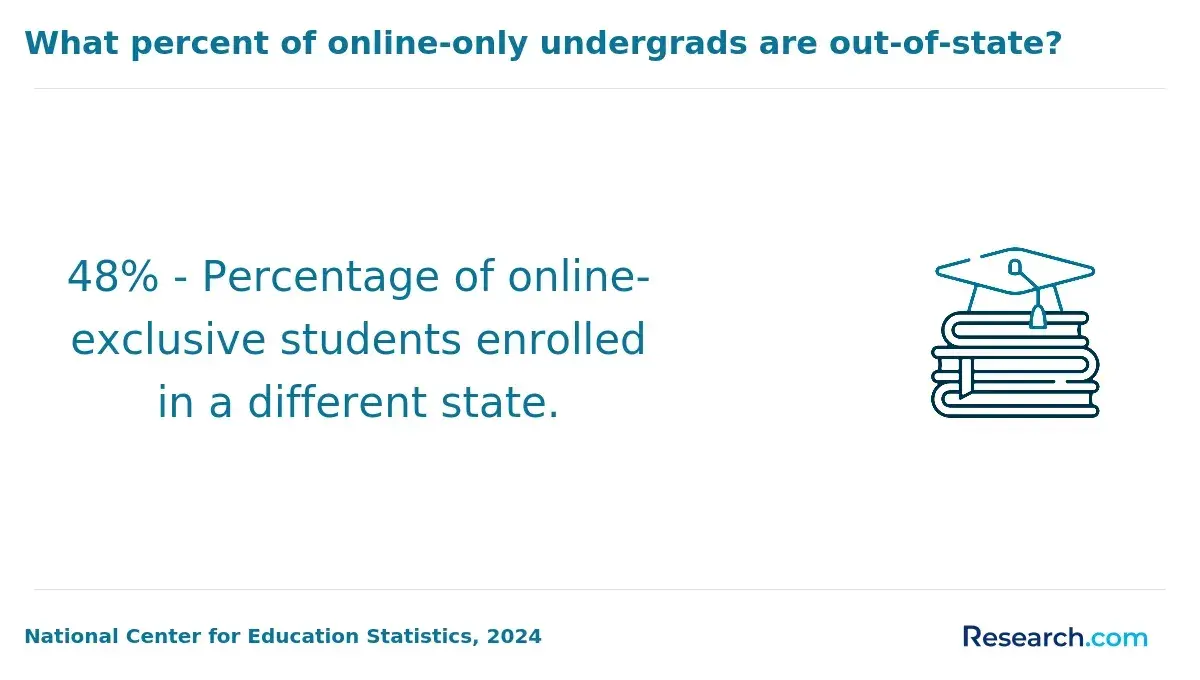
- Total program costs: Residency status can change the public university price substantially. An in-state student may qualify for the lowest tuition, while an out-of-state online student may exceed $10,000 unless the school offers a separate online rate. Private nonprofit schools often charge the same online tuition regardless of location, which can be useful for students who do not qualify for in-state public tuition.
- Program length and format: Private institutions sometimes offer accelerated or competency-based options that allow motivated students to finish faster. Public universities may follow a more traditional semester model, though many now offer online and year-round formats as well.
- Enrollment size and economies of scale: Large public universities may keep tuition lower because they serve more students and receive public funding. Smaller private nonprofits may charge more per credit but may also provide financial aid, advising, and flexible transfer rules.
- Financial aid and transfer policies: Both public and private schools generally participate in financial aid if they are eligible institutions. The better cost comparison is not sticker tuition alone; it is net price after grants, scholarships, accepted transfer credits, and required fees.
- Accreditation and quality: A low price does not automatically signal low quality. Online artificial intelligence Bachelor's programs under $10,000 from accredited public and private institutions can meet recognized academic standards. The more important question is whether the program has credible accreditation, relevant AI coursework, and support for career outcomes.
A practical way to compare public and private options is to request four numbers from each school: accepted transfer credits, remaining credits required, total tuition for those credits, and mandatory fees. This prevents a low advertised per-credit rate from hiding a higher final cost.
Students who plan to move into management or leadership roles later may also compare graduate pathways such as a doctorate organizational leadership online after completing an affordable AI bachelor's degree.
What Is the Typical Duration of an Online Artificial Intelligence Bachelor's Degree Under $10,000, and How Can Students Graduate Faster?
Most online artificial intelligence bachelor's degrees require about 120 credits and are designed for completion within four years of full-time study. Students who already have transfer credits, military training, professional certifications, or strong technical experience may finish faster, especially in programs with flexible assessment models.
- Standard credit requirements: Degrees typically include 120 credits across general education, mathematics, programming, statistics, computer science, and specialized ai studies. A traditional full-time pace usually follows a four-year timeline.
- Accelerated terms: Shortened, eight-week courses can help students complete more credits per year. The trade-off is intensity: accelerated courses require consistent weekly time and are less forgiving for students with unpredictable work schedules.
- Year-round enrollment: Programs that run fall, spring, and summer terms help students maintain momentum and reduce calendar time to graduation.
- Competency-based pathways: Competency-based learning lets students advance by demonstrating mastery rather than waiting for a traditional term to end. This format can benefit working adults who already know programming, databases, analytics, or related technical skills.
- Institution examples: Western Governors University and Southern New Hampshire University provide online ai bachelor's options costing below $10,000, with typical completion ranging from 2.5 to 4 years.
- Cost and time savings: Graduating sooner can reduce tuition, fees, and opportunity costs. It can also help students enter AI-related roles earlier, though speed should not come at the expense of portfolio quality or foundational skills.
Students who want to graduate faster should first complete a transcript audit. Identify courses that may satisfy general education, math, programming, or elective requirements. Then ask each school whether it accepts CLEP exams, DSST tests, military training credits, prior learning assessments, or industry certifications.
A professional who enrolled in an online artificial intelligence bachelor's program under $10,000 after leaving military service described the flexible format as essential for balancing school, work, and family. He said the accelerated terms were demanding at first but useful because they kept each course focused.
“At times, it was intense, but having the option to take courses year-round really helped me stay on track,” he noted. By demonstrating competence instead of simply sitting through courses he already understood, he shortened his route to graduation and reduced financial pressure.
The lesson is straightforward: the fastest program is not always the best program, but the right transfer policy and pacing model can make an affordable AI degree much more efficient.
Which Online Artificial Intelligence Bachelor's Programs Under $10,000 Offer the Best Earning Potential After Graduation?
The strongest earning potential usually comes from programs that combine a recognized bachelor's degree with applied technical skills: Python programming, machine learning, statistics, data engineering, cloud tools, and project-based AI development. A low-cost degree can be a good investment, but only if the curriculum helps students build evidence of job-ready ability.
The Bureau of Labor Statistics Occupational Outlook Handbook highlights careers in computer and information research, software development, and data science as top earners for graduates in this field. Within affordable AI bachelor's programs, the following concentrations are often linked to stronger career value:
- Machine Learning: This specialization trains students to build algorithms that allow computers to improve through experience. Graduates tend to become machine learning engineers, earning median salaries exceeding $120,000 nationally, especially in fields like technology, finance, and healthcare.
- Data Science and Analytics: This track focuses on interpreting large data sets and using AI-supported analysis to guide decisions. PayScale reports median earnings between $95,000 and $110,000, driven by demand for AI-powered analytic skills.
- Robotics and Automation: This path blends software programming, sensors, automation, and hardware-aware design. It can prepare students for robotics engineering jobs, with median wages near $100,000, supported by growth in manufacturing and logistics sectors.
- Natural Language Processing (NLP): NLP focuses on human-computer language interaction. Graduates may work on virtual assistants, chatbots, search tools, translation systems, or AI-enabled customer platforms, with salaries approaching $100,000 due to rising use of language technologies.
When comparing earning potential, look beyond the concentration name. Review whether the program includes capstone projects, portfolio assignments, internships, cloud-based tools, and faculty with relevant technical expertise. Employers often want proof that candidates can solve problems with data and models, not only a transcript showing AI coursework.
Programs with flexible transfer credit and prior learning assessments can also improve return on investment by reducing time to graduation. However, students should avoid choosing the cheapest option if it lacks serious programming depth, math preparation, or career support.
Those comparing affordability across career-oriented degree fields may also find it useful to review an accelerated finance degree online as a benchmark for how cost, speed, and earnings potential interact in another high-demand field.
What Financial Aid and Scholarship Opportunities Can Reduce an Online Artificial Intelligence Bachelor's Degree Cost Below $10,000?
Financial aid can turn an already low-cost online artificial intelligence bachelor's program into a much more manageable investment. The key is to calculate net price, not sticker price. Net price is what remains after grants, scholarships, tuition discounts, and accepted transfer credits are applied.
- Federal Pell Grants: This need-based aid from the government does not require repayment and often covers a significant portion of tuition for eligible low- to moderate-income students, according to FAFSA and College Board reports.
- Subsidized Federal Loans: These loans offer interest-free periods while enrolled at least half-time, providing a cost-effective borrowing option with lower interest rates than private loans. They should generally be considered after grant and scholarship options are used.
- Institutional Scholarships: Many colleges allocate scholarships for online learners, technology majors, transfer students, adult learners, or artificial intelligence students. These awards may be merit-based, need-based, or tied to enrollment status.
- State-Based Grants: Residents attending in-state institutions may qualify for state grants, which frequently stack with federal assistance to reduce total tuition costs, especially for online programs offered by public universities.
- Professional Association Scholarships: Several AI-focused organizations, such as the Association for the Advancement of Artificial Intelligence and other nonprofits, provide scholarships to support students pursuing careers in this field.
The first step is submitting the FAFSA annually. Even students who are unsure whether they qualify should file, because schools and states often use FAFSA information to determine eligibility for grants and other aid. The second step is asking each admissions or financial aid office for scholarships specifically available to online, transfer, adult, military, first-generation, or STEM students.
Students should also create a deadline calendar. Scholarship deadlines often arrive before enrollment deadlines, and missing one can increase the real cost of the degree. Keep copies of transcripts, recommendation letters, essays, military documentation, and prior learning records ready so applications can be submitted quickly.
A professional who completed her affordable online AI degree said the aid process felt overwhelming at first, but organization changed the outcome. “I never imagined the combination of grants and scholarships would cover so much,” she reflected. Her experience shows why students should not assume a program is unaffordable until they see the full aid package.
How Many Transfer Credits Do Online Artificial Intelligence Bachelor's Programs Under $10,000 Accept, and How Does This Reduce Total Cost?
Transfer credit is one of the most important tools for keeping an online artificial intelligence bachelor's degree under $10,000. Many low-cost programs are most affordable for students who do not need to complete all 120 credits at the enrolling institution.
Affordable institutions may accept credits from prior college coursework, standardized exams, military training, workplace learning, professional certifications, and prior learning assessments. The more credits accepted, the fewer courses the student must pay for and complete.
Some schools offer particularly generous policies, accepting up to 90 transfer credits. Students who already hold an associate degree or substantial prior credit may be able to move directly into upper-division coursework. Common credit sources include CLEP exams, DSST tests, and military training credits, often evaluated using recommendations from organizations such as the American Council on Education.
- Thomas Edison State University: Accepts up to 90 transfer credits from CLEP, DSST, and military training, enabling faster degree completion with fewer required classes.
- Excelsior College: Known for broad acceptance of transfer credits and prior learning assessments, helping students reduce tuition by more than 50% with prior credits.
- Liberty University: Allows up to 75 transfer credits and acknowledges standardized exams, significantly lowering both the length and cost of the program.
The math shows why this matters. A program requiring 120 credits at $300 per credit totals $36,000. If a student transfers 60 credits, the student pays for only the remaining 60 credits, reducing tuition to $18,000 before any grants, scholarships, discounts, or fees are considered. In programs under $10,000 total, similar credit acceptance can cut the cost by half or more.
Before applying, students should gather official transcripts, exam scores, military records, certification documents, and training records. Then they should request a preliminary transfer review from each school. Do not rely only on a general transfer-credit statement on a website; ask how each prior course applies to the AI major, general education requirements, electives, and residency requirements.
The best transfer policy is not simply the one with the highest maximum. It is the one that applies the most credits toward required degree categories so the student avoids retaking courses unnecessarily.
What Accreditation Should an Online Artificial Intelligence Bachelor's Program Under $10,000 Have to Ensure Quality and Employer Recognition?
An online artificial intelligence bachelor's program under $10,000 should have recognized institutional accreditation at minimum. Accreditation affects financial aid eligibility, transfer credit, graduate school admission, and how employers evaluate the degree.
Regional accreditation is generally more respected than national accreditation by employers and graduate schools in this field. It signals that the institution has passed an external review of academic quality, governance, faculty qualifications, student services, and financial stability.
Primary regional accrediting bodies include:
- HLC (Higher Learning Commission): Covers many central U.S. institutions and enjoys broad recognition.
- SACSCOC (Southern Association of Colleges and Schools Commission on Colleges): Oversees schools in the southern U.S. and is known for strict quality controls.
- NECHE (New England Commission of Higher Education): Accredits numerous prestigious northeastern colleges, ensuring strong academic programs.
Beyond institutional accreditation, some affordable programs may hold programmatic accreditation in computer science, engineering, or related technical fields. Programmatic accreditation is not always required for AI roles, but it can add credibility when the curriculum is closely tied to computing or engineering standards.
Students should be cautious with nationally accredited-only or non-accredited institutions. Credits may not transfer easily, graduate schools may reject the degree, and some employers may question its academic value. These risks are especially important when a low price is the main reason for considering a school.
Prospective students should verify accreditation through the U.S. Department of Education's accreditation database before enrolling. They should also confirm that the specific institution offering the online program is covered by the accreditation, not just a parent organization or unrelated campus.
Recent research shows that graduates from regionally accredited artificial intelligence programs earn approximately 15% more in their first five years compared to those from nationally accredited or non-accredited schools, highlighting the practical value of strong accreditation.
What Are the Admission Requirements for Online Artificial Intelligence Bachelor's Programs Priced Under $10,000?
Admission requirements for online artificial intelligence bachelor's programs priced under $10,000 vary by institution, but most are designed to be accessible to adult learners, transfer students, and first-time college students. The usual baseline is a high school diploma or GED.
Many schools request a minimum GPA between 2.5 and 3.0, although open-admission institutions may use broader criteria. SAT or ACT scores are often waived or optional, especially for online programs serving working adults. More selective schools may still consider test scores, academic history, essays, or evidence of college readiness.
Because AI coursework is technical, students should pay close attention to prerequisite expectations. Common preparation includes algebra, calculus, programming basics, and statistics. Applicants without this background may still be admitted but may need bridge courses, placement assessments, or introductory programming classes before moving into advanced AI topics.
Open-admission programs can be helpful for students who need a second chance or a flexible starting point. However, students should confirm that these programs provide enough academic support, tutoring, and career guidance. Selective programs may have higher entry standards but can offer stronger advising, peer networks, and employer connections.
Applicants who do not meet initial criteria can strengthen their profile by completing community college courses, earning relevant technology certifications, building a programming portfolio, or documenting work experience in IT, analytics, software, or automation. A clear personal statement can also help explain career goals and readiness for online study.
Students comparing AI with other career-focused fields may also review high paying jobs in forensic psychology to understand how admission requirements and career outcomes differ across disciplines.
How Do Online Artificial Intelligence Bachelor's Programs Under $10,000 Support Student Success Through Advising and Career Services?
Affordable tuition should not mean students are left on their own. The best online artificial intelligence bachelor's programs under $10,000 support student success through clear advising, technical help, tutoring, career coaching, and access to practical learning opportunities.
These services matter because online AI students often balance school with work, caregiving, military obligations, or career transition. Delays caused by poor course planning, lack of tutoring, or weak technical support can increase the true cost of a degree.
- Academic Advising and Tutoring: Strong advising helps students choose the right course sequence, avoid unnecessary classes, and stay on track for graduation. Tutoring is especially valuable in programming, statistics, data structures, machine learning, and math-heavy coursework.
- Mentorship Opportunities: Faculty or industry mentors can help students connect coursework to real career goals. Mentorship is especially useful for first-generation students and career changers who may not already know how AI hiring works.
- Mental Health Resources: Reputable online programs may provide counseling access, wellness resources, or resilience-building workshops. These supports can help students manage the pressure of technical study while working or raising a family.
- Internship Coordination and Job Boards: Even budget-friendly programs may maintain employer relationships, internship listings, or job boards focused on artificial intelligence, analytics, software, and technology roles. Practical experience can be just as important as the degree itself.
- Alumni Networks and Career Coaching: Alumni networks can support mentoring and referrals, while career coaching can help with resumes, GitHub portfolios, interview preparation, salary research, and job-search strategy.
- Student Satisfaction and Graduation Rates: According to NSSE data, programs with comprehensive support services consistently achieve higher student satisfaction and on-time graduation rates, directly reducing total education expenses for students balancing work and family.
Students seeking career support for online artificial intelligence students under 10,000 should ask direct questions before enrolling: Is tutoring included in tuition? Are career coaches familiar with AI roles? Does the program help students build a portfolio? Are internship opportunities available to online learners?
For a broader look at potential roles after graduation, review the bachelor applied artificial intelligence field and its career paths.
What Concentrations or Specializations Are Available Within Online Artificial Intelligence Bachelor's Programs Under $10,000?
Online bachelor's degree programs in artificial intelligence under $10,000 may offer concentrations that help students align coursework with specific career goals. Not every low-cost program offers every track, so students should compare the actual course list rather than relying on the program title alone.
- Machine Learning: This concentration focuses on algorithms that learn from data. Graduates may pursue machine learning engineer, data scientist, or AI developer roles, with median salaries typically above $115,000 and job growth faster than average.
- Robotics: Robotics emphasizes programming, automation, sensors, and intelligent systems used in areas such as healthcare and manufacturing. It can be a strong option for students interested in physical systems, automation, and applied engineering contexts.
- Natural Language Processing: NLP prepares students to work with language data, chatbots, voice assistants, translation tools, search systems, and text analytics. This track is useful for students interested in human-computer interaction and language-based AI products.
- Data Analytics: Data analytics teaches students to organize, interpret, and communicate insights from large data sets. While not exclusively AI, it provides a practical foundation for business intelligence, predictive analytics, and entry-level data roles.
- Computer Vision: Computer vision focuses on helping machines identify and process visual information. It is relevant to autonomous vehicles, medical imaging, quality control, security, and other fields that depend on image or video analysis.
Some concentrations may require additional certifications, software access, or advanced electives that can raise total costs above $10,000. Students should ask whether specialized courses are included in standard tuition or billed separately.
The best concentration depends on career goals. Students who want broad employability may prefer data analytics or machine learning. Students targeting robotics or computer vision should confirm that the program includes enough math, programming, and project-based work to support those specialized roles.
What Technology and Learning Platforms Do Online Artificial Intelligence Bachelor's Programs Under $10,000 Use?
Affordable online artificial intelligence bachelor's programs typically use learning management systems such as Canvas, Blackboard, and Moodle to deliver lectures, assignments, discussions, quizzes, grades, and course materials. A reliable learning platform is important because online students depend on consistent access to coursework.
AI programs also require hands-on technical tools. Students should expect to work with programming environments, data sets, cloud-based notebooks, and sometimes simulation platforms. Many of these tools are free or available through student access, but some programs may require paid software, upgraded hardware, or cloud usage beyond basic limits.
- Programming Environments: Python IDEs and Jupyter Notebooks are common for coding, data analysis, and model development. These tools are widely used because they support practical AI learning without expensive licensing.
- Simulation Tools: Virtual labs and simulation environments allow students to test algorithms, run models, and experiment with data. Some programs include these resources in tuition, while others may require separate access.
- Data Platforms: Cloud-based services like Google Colab or AWS Educate provide computing resources, storage, and development environments. These can be especially useful for students whose personal computers have limited processing power.
Students with limited internet access should look for asynchronous courses, downloadable materials, low-bandwidth options, and clear policies for technical disruptions. However, a stable broadband connection is still advisable for video lectures, software downloads, live meetings, and cloud-based labs.
A practical technical setup includes a computer with at least 8GB RAM, current operating system updates, coding software, and optionally a webcam and microphone for interactive sessions. Before enrolling, students should ask for a full technology requirement list so unexpected equipment or software costs do not push the total expense beyond the $10,000 threshold.
What Graduates Say About Their Online Artificial Intelligence Bachelor's Degree Programs Under $10,000
-
: "Choosing this online artificial intelligence bachelor's degree under $10,000 changed what felt possible for me. The price made it realistic, and the flexible format helped me keep working while studying. After graduating, I joined a tech startup where I now use AI concepts in daily projects.
— Jason"
-
: "I was skeptical about earning an AI degree online, but the curriculum was more practical than I expected. The cost-effectiveness mattered, but so did the structure. The program helped me build confidence and move toward a data science career without taking on unnecessary debt.
— Camilo"
-
: "I enrolled because I wanted to upskill without putting my finances at risk. The practical courses and faculty support kept me engaged, and the degree helped improve my job prospects. For me, the value came from combining affordability with skills I could actually use.
— Alexander"
Other Things You Should Know About Artificial Intelligence Degrees
Yes, many programs require a capstone in the final term. Students usually complete a project, portfolio, or research paper worth 3 to 6 credits, often after finishing most major requirements. Some schools also require a passing grade of C or higher in core AI courses.
To reduce costs, students can earn college credit through exams such as CLEP (College-Level Examination Program), DSST (DANTES Subject Standardized Tests), or prior learning assessments. These options allow students to demonstrate knowledge and potentially skip coursework, decreasing the total program expense for an artificial intelligence degree below $10,000.
Yes, there are online AI bachelor's programs costing under $10,000 that do not impose out-of-state tuition penalties. These programs often have flat-rate tuition fees, ensuring affordability for both in-state and out-of-state students. This pricing structure supports a diverse and geographically varied student body.
Admission prerequisites typically include a high school diploma or equivalent and satisfactory SAT or ACT scores. Some programs may require prerequisite courses in mathematics or computer science. Specific requirements vary by institution, so it's important to review each program's admissions criteria for 2027.
References
- Best Online AI Degrees: 2025 Rankings & Program Directory - MastersInAI.org https://www.mastersinai.org/degrees/online-artificial-intelligence-degrees/
- Online AI Degree Concentration | SNHU https://www.snhu.edu/online-degrees/bachelors/cyber-security/generative-ai
- Artificial Intelligence Concentration https://www.fullsail.edu/degrees/artificial-intelligence-bachelor-degree-program
- Who Accredits Artificial Intelligence (AI) Degree Programs? - AI Degrees Online https://aidegreesonline.com/accreditation/who-accredits-ai-degree-programs/