2027 How Many Hours Per Week Do Online BCBA Programs Require

Co-Founder and Chief Data Scientist
Choosing an online BCBA program is not only an academic decision. It is a weekly schedule decision. Most candidates are already working in education, autism services, healthcare, counseling, or another helping profession, so the real question is whether the program can fit alongside a job, family responsibilities, and supervised fieldwork without creating an unsustainable workload.
This guide explains how many hours per week online BCBA programs usually require, what drives the workload, how coursework and fieldwork interact, and what to check before enrolling. It is designed for prospective students comparing full-time, part-time, accelerated, and flexible online paths toward Board Certified Behavior Analyst certification.
Key Things You Should Know
- Online BCBA programs in 2026 typically require 15 to 20 hours per week, balancing coursework, practical assignments, and supervision components.
- The Behavior Analyst Certification Board mandates 1,500 hours of supervised fieldwork, often integrated within weekly study hours over 1.5 to 3 years online.
- Flexible scheduling in online programs allows working professionals to manage hours effectively, but consistent weekly time commitment is crucial for certification eligibility.
How Many Hours Per Week Do Online BCBA Programs Require?
Most online BCBA programs require about 10 to 20 hours per week for coursework, studying, assignments, discussion boards, and exam preparation. The lower end is more typical for part-time students taking a lighter course load. The upper end is more realistic for full-time or accelerated students who are completing several courses at once.
The weekly commitment can increase substantially when supervised fieldwork is added. Candidates pursuing BCBA certification must plan for coursework and fieldwork at the same time, and the supervised experience requirement can bring total weekly obligations to 25 hours or more during demanding periods.
A practical way to estimate the workload is to separate academic time from fieldwork time:
- Part-time online coursework: often closer to 10 hours per week, depending on course load and assignment deadlines.
- Full-time online coursework: often 18 to 20 hours per week, especially in programs with weekly readings, projects, and live meetings.
- Coursework plus fieldwork: may reach 25 hours or more per week when supervision, client services, documentation, and meetings overlap.
The U.S. Bureau of Labor Statistics projects a 22% growth for behavior analyst jobs from 2023 to 2033, compared with average occupational growth of 4%. That demand is one reason many programs are designed for working adults, but flexibility does not mean the workload is light. Students should confirm how many courses they will take per term, whether live attendance is required, and how fieldwork is scheduled.
Prospective students comparing cost and flexibility can review BCBA accredited programs online and ask each school for a sample weekly schedule before applying.
What Is a BCBA Certification and Its Education Requirements?
BCBA certification identifies a professional who has met advanced training standards in applied behavior analysis. BCBAs assess behavior, design intervention plans, supervise behavior technicians, monitor client progress, and help organizations use evidence-based behavior change procedures ethically.
To qualify, candidates generally need a master's degree or higher in behavior analysis, education, psychology, or a closely related field from an accredited institution. The coursework must meet Behavior Analyst Certification Board (BACB) standards and typically includes 270 classroom hours covering ABA concepts, assessment, intervention, measurement, research design, and ethics.
Online BCBA coursework usually requires 10 to 20 hours per week. That estimate covers lectures, readings, assignments, online discussions, projects, and preparation for assessments. It does not always include supervised fieldwork, which is a separate and often time-intensive requirement.
The required supervised experience generally totals 1,500 to 2,000 hours, depending on the chosen pathway, such as practicum or intensive fieldwork. Because these hours are usually completed while students are still taking courses, candidates should not evaluate a program by credit load alone. The more useful question is: How many hours will I need each week for classes, supervision, client-facing work, documentation, and travel or remote meetings?
After completing the education and supervised experience requirements, candidates must pass the BCBA exam to earn certification. The credential can lead to roles in schools, clinics, home-based ABA programs, healthcare settings, community agencies, and supervisory or consulting positions.
Salary data reflects the value of the credential: new BCBAs earn a median starting salary of $92,500, while the top 10% surpass $130,000 annually. These figures should be read as broad indicators rather than guarantees because compensation varies by region, employer, caseload, setting, and supervisory responsibilities. For a broader comparison of programs and certification pathways, see best BCBA programs.
How Long Do Online BCBA Programs Typically Take to Complete?
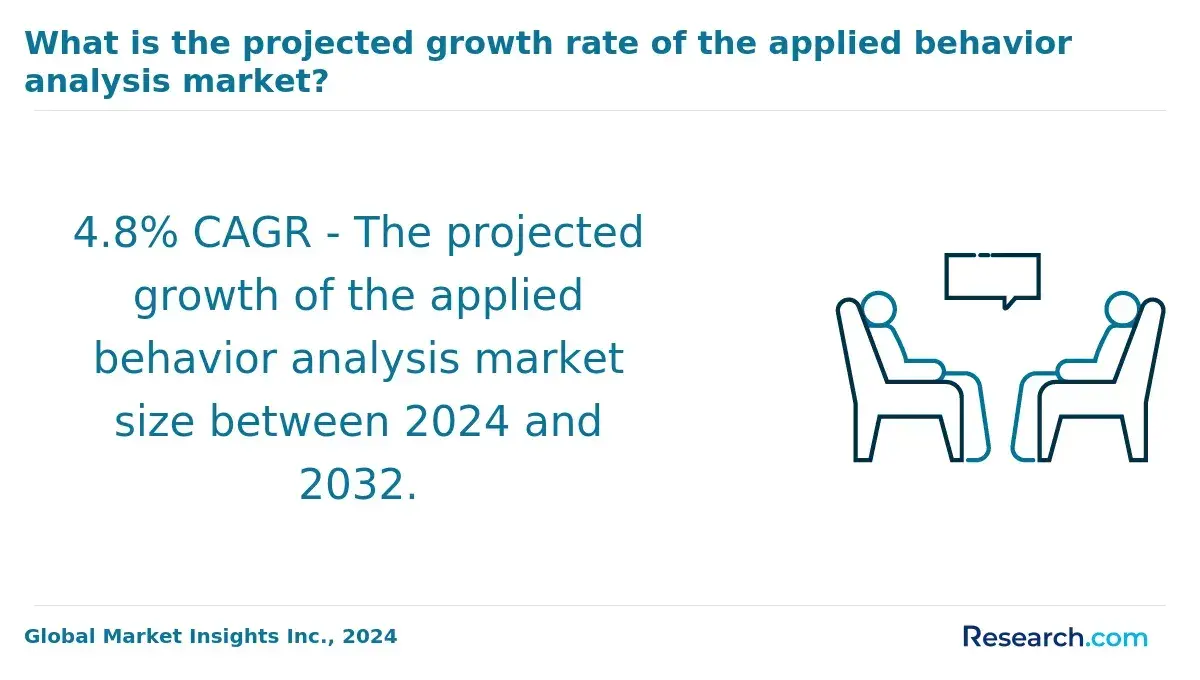
Online BCBA programs commonly take 9 to 18 months for full-time students. Part-time options may take 2 or 3 years, especially for students who are working, completing supervised fieldwork slowly, or taking fewer courses per term.
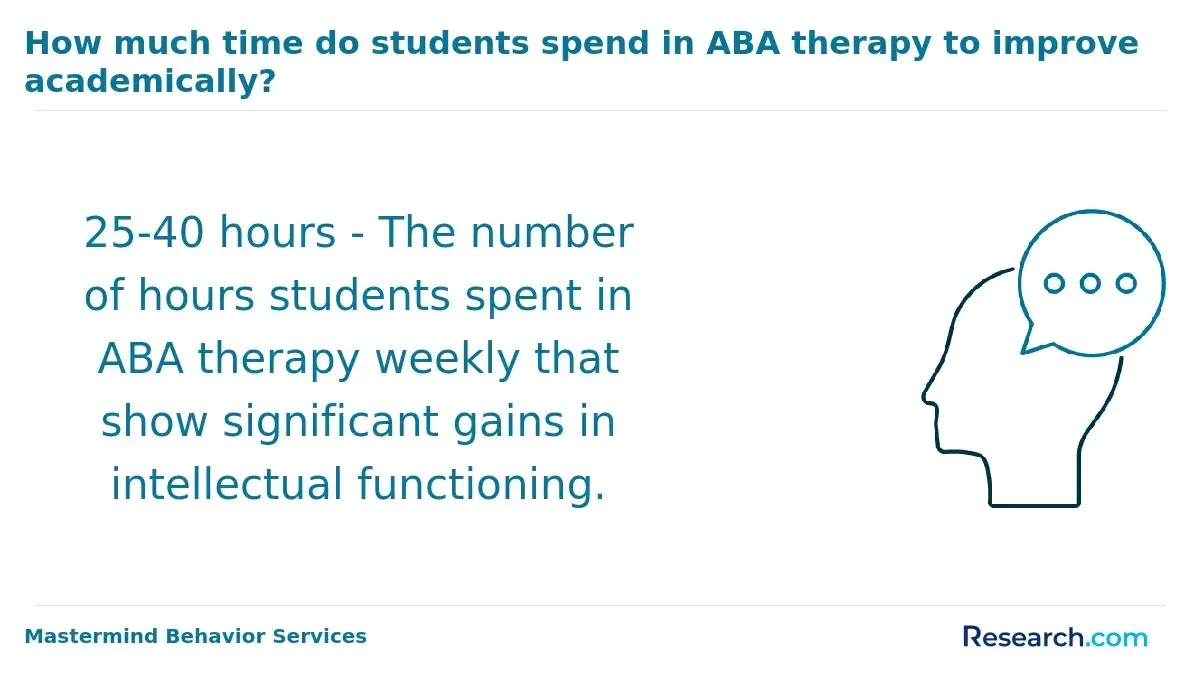
The difference comes down to pacing. Accelerated tracks usually compress coursework into shorter terms and may require 15-20 hours per week for coursework and supervision. More flexible programs often require 8-12 hours weekly for coursework, but the total calendar time is longer.
Students should evaluate program length using three factors:
- Course sequence: Some programs require courses to be taken in a fixed order, which can limit acceleration.
- Fieldwork availability: Even if coursework is fast, students still need supervised experience that meets BACB expectations.
- Personal capacity: A shorter program can be efficient, but only if the weekly workload is realistic.
Most programs follow the Behavior Analyst Certification Board's (BACB) requirement of about 1,500 hours of supervised experience. This clinical component often overlaps with coursework and can be the main reason students extend their timeline.
Tuition costs usually range from $25,000 to $40,000. According to the National University ABA Program Outcomes Study (2025), graduates from online programs see an average 45% salary increase within one year after certification. This suggests a typical 3-4 year period to recoup tuition expenses, though the actual return depends on salary, debt, employer support, and local job opportunities.
Students who want the fastest route should look for a clear course map, reliable fieldwork support, and frequent start dates. Students who need schedule stability may be better served by a part-time plan with predictable deadlines. For accelerated options, review this guide to the ABA master degree.
Online BCBA curricula are built around applied behavior analysis theory, ethical practice, assessment, intervention, measurement, research, and supervised application. Students typically complete 12 to 20 credit hours per semester, which can translate to about 15 to 25 hours per week for online BCBA coursework in more intensive terms.
Most programs align their coursework with Behavior Analyst Certification Board (BACB) expectations. The strongest programs do more than cover exam content; they teach students how to make defensible clinical decisions, interpret data, supervise staff, communicate with families and teams, and apply ethical standards in complex situations.
Common courses include:
- Behavioral Assessment and Measurement
- Ethical and Professional Conduct in ABA
- Single-Subject Research Design
- Behavioral Interventions and Treatment
Students should expect a mix of readings, recorded lectures, quizzes, discussion posts, case-based assignments, data collection exercises, treatment plan development, and supervision-related work. Many online programs combine asynchronous classes with occasional synchronous discussions, evening meetings, weekend sessions, or remote supervision activities.
When comparing curricula, look closely at these details:
- Live attendance requirements: Asynchronous courses are more flexible, but live sessions may improve interaction and accountability.
- Assessment style: Programs heavy on projects and case studies may require more weekly writing and planning time than exam-based courses.
- Fieldwork integration: A program that connects assignments to supervised practice can make the workload more useful and less fragmented.
- State and site requirements: Clinical site availability and state regulations can affect how quickly fieldwork is completed.
Online ABA master's programs have become more affordable, with average tuition falling 8% to about $650 per credit. This reflects competition among over 50 no-GRE options, increasing access without necessarily changing the academic expectations. Prospective students should confirm what is included in tuition and whether supervision, materials, or fieldwork support involve additional costs. For accessible program options, see the best online ABA certificate programs.
Admission requirements for online BCBA programs usually start with a bachelor's degree in psychology, education, behavior analysis, or a related field. Some applicants enter a master's program, while others already have a graduate degree and need only the verified coursework required for certification eligibility.
Most programs ask for official transcripts to confirm prior coursework and academic readiness. A typical minimum GPA is around 3.0. Applicants may also need letters of recommendation, a resume, and a personal statement explaining their interest in applied behavior analysis and their professional goals.
Experience in behavior analysis, special education, autism services, counseling, psychology, or human services can strengthen an application. Some programs require it, while others strongly encourage it. Applicants without an ABA background may need foundational courses before moving into advanced coursework, which can extend the overall timeline.
According to AppliedBehaviorAnalysisEdu.org's 2025 Online Degree Survey, 87% of online BCBA students enroll part-time to balance study with work, typically limiting weekly study to under 20 hours and finishing over three or more years. That pattern matters for admissions planning because applicants should be honest about how much time they can commit each week.
International applicants should prepare for additional requirements, such as English proficiency testing and credential evaluation. They should also verify whether the program's coursework and supervised experience pathway will support their certification and employment goals in the location where they plan to practice.
Before applying, ask each program these questions:
- Does the curriculum align with current BACB coursework expectations?
- Is supervised fieldwork built into the program, arranged separately, or supported through advising?
- Are live classes required, and if so, when are they scheduled?
- Can part-time students remain eligible for the same advising, supervision support, and course sequence?
- Are additional prerequisite courses required before starting the BCBA sequence?
Online BCBA programs typically cost between $7,000 and $18,000 in total tuition. The final cost depends on whether the student is completing a master's degree, a post-master's certificate, or a coursework-only pathway for certification eligibility.
Master's programs usually cost more because they include graduate credits beyond the BCBA coursework sequence and may involve broader research, capstone, or degree requirements. Post-master's certificate programs are often less expensive because they focus on the BACB-related coursework, but they may not provide the same degree credential or financial aid options.
Students should also budget for costs beyond tuition. Supervised fieldwork can be one of the largest expenses. Many programs charge between $40 and $75 per hour for field supervision, and because the BACB caps supervised hours at 130 monthly, candidates generally complete fieldwork over at least 16 months.
Common cost categories include:
- Tuition ranging from $7,000 to $18,000 based on program type
- Technology, platform, and course material fees
- Textbooks and assessment materials
- Supervised fieldwork costs of $40 to $75 per hour when supervision is not included
- BCBA exam application fee of $245
- State licensure fees after certification, where applicable
The most important budgeting mistake is comparing tuition alone. A lower-tuition program may become more expensive if students must arrange and pay for supervision separately. A higher-tuition program may be easier to manage if it includes advising, structured fieldwork support, and predictable course sequencing.
Students should ask each school for a total cost estimate in writing. They should also check whether federal financial aid, scholarships, payment plans, employer reimbursement, or tuition assistance apply to their specific program type.
Accredited universities offering online BCBA-aligned programs include Arizona State University, Ball State University, the University of Iowa, and Endicott College. These schools are often considered by working professionals because they combine online coursework with fieldwork or supervision structures that can support certification planning.
Coursework and fieldwork often require 10 to 15 hours weekly, though actual time varies by course load, supervision model, and field placement. Students should not assume that “online” means self-paced. Some programs use cohorts, fixed deadlines, live meetings, or required supervision check-ins.
Program differences matter:
- Arizona State University: supports online learners through advising and tele-supervision options.
- Ball State University: allows remote practicum hours, which can help working professionals reduce travel and scheduling conflicts.
- University of Iowa: emphasizes flexible fieldwork supervision through online platforms.
- Endicott College: uses a cohort-based model with synchronous and asynchronous coursework for students who want structure along with flexibility.
Remote supervision has become an important feature for online students. According to the University of Washington ABA Program Data, 2025 Fieldwork Report, 76% of BCBA fieldwork hours in 2025 were supervised remotely. Remote supervision can reduce travel costs by about 60%, which may make certification more feasible for students outside major metro areas.
Before enrolling, students should verify the program's accreditation status, BACB alignment, fieldwork policies, and remote supervision options directly with the university. They should also ask whether the school helps locate fieldwork sites or simply provides coursework. That distinction can affect both weekly workload and total cost.
BCBA certification can lead to clinical, educational, supervisory, consulting, administrative, and research-focused roles. Many BCBAs work with individuals with autism spectrum disorder, developmental disabilities, behavioral challenges, or skill acquisition needs in clinics, schools, homes, community programs, and healthcare settings.
Common career paths include:
- Clinical behavior analyst: assesses client needs, develops intervention plans, monitors progress, and adjusts treatment based on data.
- School-based behavior analyst: supports students, teachers, and special education teams with behavior intervention plans and staff training.
- ABA supervisor: oversees registered behavior technicians, trains staff, reviews documentation, and helps maintain treatment fidelity.
- Organizational behavior management consultant: applies behavior analysis to workplace productivity, safety, training, and performance systems.
- Research or academic professional: contributes to applied behavior analysis studies, program evaluation, or professional training.
- Program administrator or policy professional: manages services, compliance, staffing, quality assurance, or funding-related initiatives.
The Pepperdine University Online ABA Alumni Survey, Spring 2025, reports that 95% of online BCBA graduates secure applied behavior analysis employment within three months of certification. It also reports that 62% obtain supervisory positions with salaries exceeding $85,000 annually.
Students should choose a program with their intended career setting in mind. A candidate who wants to work in schools may value special education partnerships. A candidate interested in clinical leadership may need strong supervision training. Someone aiming for consulting or organizational behavior management should look for coursework and fieldwork opportunities beyond traditional autism service settings.
BCBA salaries in the United States vary by experience, location, employer type, caseload, and supervisory responsibility. Entry-level BCBAs typically earn between $55,000 and $70,000 annually. More experienced professionals can earn $75,000 to over $100,000, particularly in private practice, specialized clinical settings, or leadership roles.
Location has a major effect on pay. Urban areas in states such as California and New York often offer higher salaries, partly because living costs are higher and demand can be strong. Rural areas may offer lower pay, although they may also have fewer providers and different employment incentives.
Work setting also matters. BCBAs in schools or public agencies may have steadier schedules and strong benefits but lower salary ceilings. BCBAs in private healthcare, consulting, or multi-site clinical organizations may have higher earning potential, especially when they supervise teams or manage programs.
Factors that can increase earning potential include:
- Supervisory responsibilities
- Clinical leadership or program management duties
- Experience with complex cases
- Specialized work settings
- Continuing education and advanced professional development
- Private practice or consulting opportunities
Diversity remains an important workforce issue. Women make up 82% of new BCBAs certified, but only 14% identify as Hispanic/Latino, according to the BACB 2025 Certificant Demographics Report. Candidates entering the field should consider not only salary but also workplace culture, mentorship, representation, and long-term professional support.
What Is the Job Outlook for Board Certified Behavior Analysts?
The job outlook for Board Certified Behavior Analysts is strong in 2026, driven by demand for autism services, school-based behavioral support, developmental disability services, behavioral health programs, and evidence-based intervention planning. However, strong demand does not remove the need to manage workload carefully.
Training intensity is one of the biggest challenges for future BCBAs. The Hopebridge ABA Graduate Fellowship Study (2025) found that 42% of students completing 30 or more weekly fieldwork hours face high burnout risk, compared with 15% of those with 20 hours or fewer. This makes program pacing and fieldwork planning central to long-term success.
Students and new professionals should compare opportunities not only by salary, but also by caseload size, supervision quality, documentation expectations, billable-hour pressure, mentorship, benefits, and schedule stability. Clinical settings may offer rapid experience and higher earning potential, but they can also involve heavier caseloads. School, research, or administrative roles may provide more predictable schedules, though compensation structures can differ.
For a sustainable career, future BCBAs should look for programs and employers that provide clear supervision, ethical practice standards, manageable workloads, and opportunities for growth. The best path is not always the fastest one. It is the one that helps candidates complete certification requirements while building the clinical judgment and resilience needed for long-term practice.
Other Things You Should Know About Applied Behavior Analysis
Applied behavior analysis programs typically include supervised practicum or fieldwork hours, which allow students to gain hands-on experience working with clients under a certified BCBA. These practicum hours are often required to meet the Behavior Analyst Certification Board's standards and usually involve direct implementation of behavioral interventions and data collection. The number of required practicum hours varies but commonly ranges from 750 to 1,000 clocked hours.
The Behavior Analyst Certification Board, or BACB, verifies that the program meets coursework standards for BCBA eligibility. Programs must align with the BACB’s current Verified Course Sequence requirements, including approved content areas and graduate-level instruction before you can sit for the BCBA exam.
In 2027, online BCBA programs typically require students to commit around 20 hours per week to supervised fieldwork. The fieldwork is overseen by a qualified BCBA supervisor, ensuring compliance with standards set by the Behavior Analyst Certification Board (BACB).
Yes, 2027 online BCBA programs must meet standards set by the Behavior Analyst Certification Board (BACB). Accreditation ensures the program meets specific educational and ethical guidelines crucial for preparing students for certification and professional practice in behavior analysis.
- Average Behavior Analyst (BCBA) Salary By State - Alight Behavioral https://alightaba.com/blog/average-behavior-analyst-bcba-salary-by-state/
- BCBA Job Outlook in 2026 Explained | Divine Steps ABA https://www.divinestepstherapy.com/blog/bcba-job-outlook
- 11 Best BCBA Programs & Schools (In-Person & Online) https://www.crossrivertherapy.com/behavioral-analysts/best-bcba-programs
- 25+ Affordable ABA/BCBA Online Programs (Masters & Certs) https://abamastersprograms.org/affordable-online-aba-masters-programs/
- Online ABA Master's Programs: View & Compare Top Schools https://www.edumed.org/online-schools/masters-programs-aba/
- 14 Affordable ABA Programs: Expert-Verified Options Under $15,000 - Online ABA Programs https://onlineabaprograms.org/masters/affordable-aba-programs/
- BCBA Jobs & Board Certified Behavior Analyst Careers - LEARN Behavioral https://learnbehavioral.com/careers/advance-your-career
- BCBA Career Path To Take | Advanced Therapy Clinic https://www.advancedtherapyclinic.com/blog/bcba-career-path-to-take
- How Long Does It Take to Become a BCBA? https://bluegemsaba.com/how-long-does-it-take-to-become-a-bcba/
- What Jobs Can a BCBA Do - What are the Roles? https://www.biermanautism.com/resources/blog/what-jobs-can-a-bcba-do/