2027 Online ABA Programs for Students in Rural Areas

Co-Founder and Chief Data Scientist
Choosing an online applied behavior analysis program is harder when you live far from universities, clinics, and in-person supervisors. Rural students often need a program that does more than offer online classes: it must support certification goals, help solve fieldwork logistics, provide credible faculty access, and fit around work, family, and limited travel options.
Online ABA programs can make the field more accessible by delivering coursework remotely and, in some cases, helping students arrange supervision through local placements, telehealth models, or approved distance supervision. The right program can prepare students for behavior analysis roles without requiring them to relocate or pause their current employment.
This guide explains how online ABA programs work for rural learners, what accreditation and curriculum quality mean, how to evaluate admissions and costs, and what career and salary outcomes to consider before enrolling.
Key Things You Should Know
- Online aba programs in 2026 expand access for rural students, addressing geographic barriers with flexible, accredited courses recognized by the Behavior Analyst Certification Board.
- Studies show a 40% increase in enrollment among rural learners from 2024 to 2025, reflecting growing demand for remote education in aba and related fields.
- Technological advances like interactive platforms and virtual supervision improve training quality, enabling successful preparation for BCBA certification despite distance challenges.
What Are Online ABA Programs for Rural Students?
Online applied behavior analysis programs for rural students are degree, certificate, or course-sequence programs delivered primarily through digital platforms. They are designed for learners who cannot easily attend campus-based classes because of distance, work schedules, family responsibilities, or limited local higher education options.
These programs usually combine behavior analysis coursework with preparation for supervised fieldwork and, when relevant, certification pathways tied to Behavior Analyst Certification Board (BACB) standards. Students may attend live online classes, complete recorded modules, participate in virtual discussions, analyze case studies, and use digital tools for data collection, intervention planning, and progress monitoring.
Program formats vary. Some are fully asynchronous, allowing students to complete weekly work on their own schedule. Others require scheduled online meetings, group projects, or live seminars. Hybrid options may allow online coursework while requiring local or approved in-person fieldwork. For rural learners, the most important question is not simply whether the classes are online, but whether the program can support fieldwork and supervision in a realistic way.
Rural access matters because many communities have fewer certified ABA professionals and longer travel distances to therapy centers, schools, or clinics. The Growing Demand for ABA Services in Rural Communities report highlights up to 40% fewer providers per capita in rural areas than urban ones. Online education can help build a local workforce by allowing students to train where they already live.
Prospective students should look for programs that offer:
- BACB-approved or BACB-aligned coursework, when certification is the goal
- Clear guidance on supervised fieldwork requirements and documentation
- Access to qualified supervisors or support finding approved supervision
- Telepractice and distance-supervision preparation where permitted
- Flexible scheduling for students balancing employment, caregiving, and limited broadband access
- Transparent policies on practicum placement, technology requirements, and exam preparation
Rural learners comparing cost and certification pathways can review BCBA school online options to identify programs that combine affordability, flexibility, and recognized coursework.
Why Choose Online ABA for Rural Areas?
Online ABA programs are valuable for rural areas because they reduce the need to relocate, commute long distances, or leave local employment in order to train for behavior analysis roles. This matters in communities where service gaps can affect children, families, schools, and healthcare providers that need qualified ABA professionals.
Nearly 19% of Americans live in rural areas, and autism affects 1 in 36 children nationally. Yet access to ABA services is often more limited outside metropolitan regions. Online education helps address this mismatch by preparing students who may already understand rural school systems, family needs, transportation barriers, and local service shortages.
For students, the main advantages include flexibility, lower travel burden, and the ability to stay connected to local employers while completing coursework. For communities, the advantage is workforce development: students trained online may be more likely to provide services in underserved areas after graduation.
Strong online ABA programs for rural students often include:
- Telepractice training for remote consultation, caregiver coaching, and virtual service delivery
- Clinical mentorship that can be accessed without regular campus visits
- Support for arranging supervised fieldwork in schools, clinics, homes, or community agencies
- Course scheduling that works for employed students and those in different time zones
- Career guidance for rural, school-based, home-based, and telehealth ABA roles
Telehealth has become especially important for rural ABA access. Video-based observation and consultation can help supervisors monitor sessions, provide feedback, and support ethical practice when in-person supervision is difficult. However, students should verify whether a program’s telehealth and supervision options meet current certification, employer, and state requirements before enrolling.
Students who want programs designed around certification readiness can compare BCABA accredited programs and related ABA pathways with rural access needs in mind.
What ABA Accreditation Ensures Quality?
ABA accreditation and verified coursework help students identify programs that meet recognized academic and professional standards. For rural students, this is especially important because enrolling in the wrong program can lead to wasted tuition, delayed certification eligibility, or difficulty finding approved supervision.
The Behavior Analyst Certification Board (BACB) sets certification requirements for behavior analysts and verifies whether applicants meet education and supervised fieldwork standards for credentials such as the BCBA. Programs aligned with BACB expectations are more likely to cover the concepts, ethics, assessment methods, and intervention skills needed for certification preparation.
The Association for Behavior Analysis International (ABAI) also identifies Verified Course Sequences that meet specific coursework requirements. ABAI verification focuses on whether the required behavior analysis content is included in the curriculum. It does not replace the need to confirm degree requirements, fieldwork requirements, exam eligibility, or state-specific rules.
For rural students, accreditation and verification should be checked alongside fieldwork support. A program may offer strong online coursework but limited help finding supervisors. Because local ABA providers may be scarce, students should ask whether the program supports telesupervision, helps identify qualified supervisors, or has experience working with rural placements.
Telehealth and telesupervision can help address distance barriers when permitted by program policy and certification rules. For example, Powerback Pediatrics demonstrates how telesupervision supports consistent ABA therapy delivery to children with ASD in underserved areas. Still, students should confirm how virtual supervision is documented and whether it satisfies the requirements that apply to their credential goal.
Before applying, verify:
- Whether the institution is properly accredited
- Whether the ABA coursework is BACB-aligned or part of an ABAI Verified Course Sequence
- Whether supervised fieldwork is included, optional, or arranged separately
- Whether telesupervision is available and under what conditions
- Whether graduates are eligible to pursue the intended certification pathway
- Whether exam pass-rate information and student outcomes are published
Students seeking remote graduate options can compare accredited ABA master's programs online and review each program’s certification alignment before making a decision.
Admission requirements for online ABA programs usually depend on the credential level. Graduate ABA programs commonly require a bachelor’s degree, official transcripts, prerequisite coursework, a minimum GPA, a statement of purpose, references, and sometimes relevant work or volunteer experience. Certificate and course-sequence programs may require prior graduate enrollment or completion of a qualifying degree.
Rural applicants should begin by confirming whether their academic background meets the program’s entry requirements. Applicants often come from psychology, education, special education, social work, counseling, human services, or related fields. If a student lacks coursework in behavior analysis, statistics, research methods, or developmental psychology, some programs may allow conditional admission or require prerequisites before full enrollment.
This step can be especially important in rural regions, where only 18.6-19.2% of adults hold a bachelor's degree, limiting the local pool of candidates and making academic planning more important (NCES, "Educational Attainment in Rural Areas"). Students who are changing careers should ask admissions advisors whether their prior coursework and professional experience are sufficient.
Applicants pursuing Board Certified Behavior Analyst (BCBA) eligibility also need to understand that admission to a program is not the same as certification eligibility. BCBA candidates must complete qualifying coursework, document supervised fieldwork aligned with BACB guidelines, and meet all other applicable requirements. Rural students should address supervision early because local supervisors may be limited.
A practical admissions checklist includes:
- Request official transcripts from every college attended
- Confirm whether your degree field satisfies program requirements
- Identify missing prerequisites and ask whether they can be completed online
- Prepare a statement explaining your ABA career goals and rural service interests
- Ask how the program supports fieldwork, supervision, and certification planning
- Check technology requirements for video meetings, exams, learning platforms, and telepractice assignments
- Attend admissions webinars or advising sessions before submitting the application
Technical readiness should not be treated as an afterthought. Students need reliable internet, a device capable of video conferencing, access to required software, and a plan for completing exams or live sessions when connectivity is inconsistent.
Students comparing admissions standards and remote-learning support can review top applied behavior analysis graduate programs to better understand available online pathways.
A typical ABA curriculum teaches students how behavior is assessed, measured, changed, and evaluated using evidence-based methods. Strong programs balance theory with applied practice so graduates can design interventions, collect reliable data, monitor progress, and make ethical decisions with clients, families, schools, or organizations.
Core coursework commonly covers:
- Principles and concepts of behavior analysis
- Behavior assessment and functional behavior assessment
- Skill acquisition and behavior reduction procedures
- Measurement, data collection, and visual analysis
- Experimental design and single-subject research methods
- Ethics and professional conduct
- Autism spectrum disorders and developmental disabilities
- Verbal behavior, caregiver training, or school-based intervention, depending on the program
Students should expect frequent use of case examples, behavior intervention plans, graphing assignments, research article analysis, and ethics scenarios. Many programs also require supervised practicum or fieldwork experiences, though the structure varies by institution. Some include practicum support as part of the program; others expect students to arrange fieldwork independently.
Accredited or BACB-aligned programs generally structure coursework around certification exam content. For example, Endicott College's online MS in ABA offers BACB-aligned coursework and reports an 81% first-time BCBA exam pass rate while charging $662 per credit.
For rural and remote learners, curriculum delivery matters. Effective online programs use video demonstrations, interactive modules, virtual role-play, digital data systems, and remote supervision tools to help students practice applied skills rather than only reading about them. Students should ask how the program evaluates competence in observation, assessment, intervention design, and ethical decision-making.
When reviewing curriculum, focus on three questions: Does the coursework match your certification goal? Does the program provide enough applied practice? Does the program help rural students complete fieldwork without unrealistic travel demands?
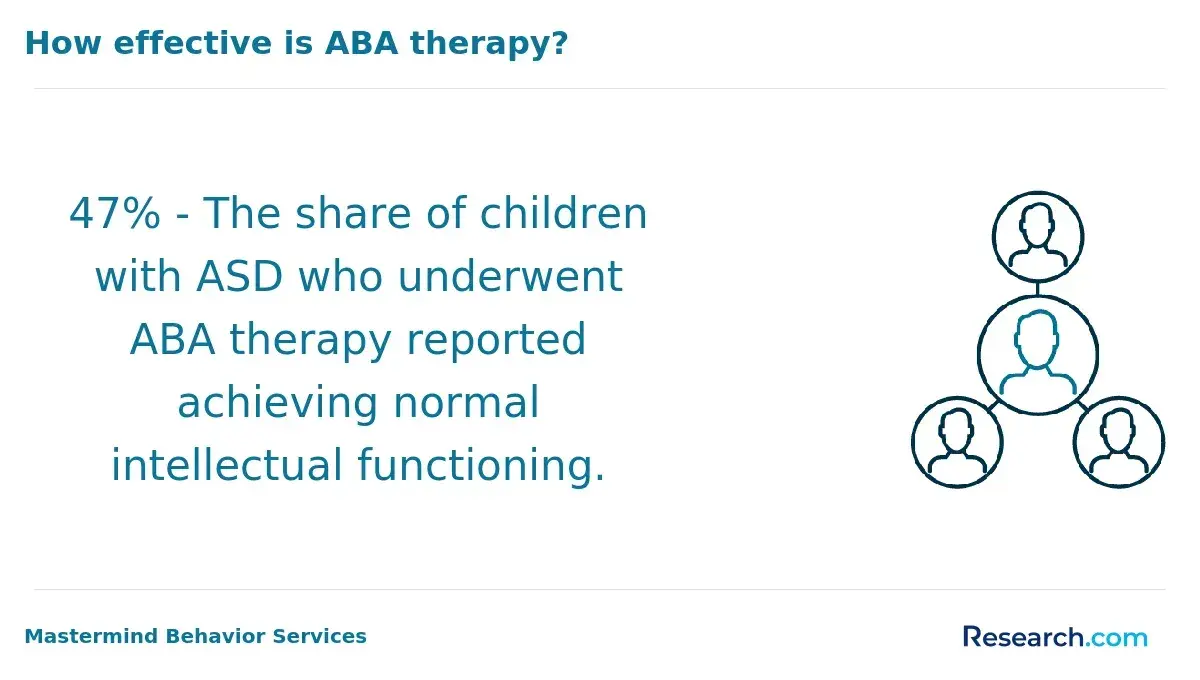
Online ABA programs for rural students typically take one to three years, depending on whether the student enrolls full time or part time and whether the program is a master’s degree, certificate, or verified course sequence. Most master's level programs require 30 to 45 credit hours, with part-time formats often designed for working professionals.
Cost depends on tuition per credit, number of credits, fees, books, technology requirements, exam preparation materials, and supervised fieldwork expenses. Rural students should also consider whether the program reduces or adds travel costs. A lower tuition rate may not be the best value if the student must travel frequently for supervision or campus requirements.
For example, Purdue University Global offers an affordable online MS in ABA at $420 per credit, supporting a 48% Board Certified Behavior Analyst (BCBA) exam pass rate. This reflects a balance of cost and outcome information, according to Applied Behavior Analysis Programs' "Top 15 Best ABA Programs Online."
Students should compare total program cost rather than tuition alone. Some programs include supervision support, advising, or exam preparation in the advertised cost. Others charge separately for practicum coordination, fieldwork supervision, background checks, software, or proctored exams.
Key cost questions to ask include:
- What is the total estimated tuition for all required credits?
- Are online course fees, technology fees, or proctoring fees charged separately?
- Is supervised fieldwork included, arranged by the student, or billed separately?
- Are there any required campus visits or travel-based intensives?
- Does the program publish BCBA exam pass rates or other outcome data?
- Can students enroll part time without losing access to advising or fieldwork support?
Accelerated formats can shorten time to completion, but they may be difficult for students working full time or arranging rural fieldwork. Part-time study may cost the same in tuition but can make workload, supervision, and family responsibilities more manageable. The best choice is the format that supports completion, certification readiness, and financial stability.
An ABA degree can lead to roles in behavior assessment, intervention planning, clinical supervision, education, autism services, developmental disability support, and organizational behavior. The most recognized professional pathway is Board Certified Behavior Analyst (BCBA), which requires meeting education, fieldwork, and exam requirements.
Graduates may work in schools, clinics, hospitals, home-based service agencies, community organizations, residential programs, or private practice settings. In rural areas, they may also support clients through telehealth, consult with school districts, train caregivers, or help agencies expand behavior services where local providers are scarce.
Common career paths include:
- Behavior analyst or BCBA, after meeting certification requirements
- Behavior therapist or intervention specialist
- Clinical supervisor for ABA therapy teams
- Autism specialist in school, clinic, or community settings
- Behavior consultant for educational or residential programs
- Caregiver or staff training coordinator
- Program director or service coordinator with additional experience
- Research or policy roles with further graduate preparation
Program quality matters because ABA roles require more than classroom knowledge. Employers often look for graduates who can conduct assessments, write behavior intervention plans, train staff or caregivers, analyze data, communicate clearly, and follow ethical standards. For example, the University of Washington's online ABA program boasts an 88% first-time BCBA exam pass rate, reflecting strong preparation for this credential.
Specializations can shape career options. Early intervention may suit students interested in young children and family coaching. School-based ABA can fit those with education backgrounds. Organizational behavior management may appeal to students interested in workplace performance and systems improvement. Gerontology and adult services can also expand the populations served.
Rural graduates may have a strategic advantage if they are trained in telehealth, interdisciplinary collaboration, and service delivery across broad geographic areas. However, students should confirm state licensure, employer credential requirements, and certification rules before assuming that an ABA degree alone is sufficient for a specific role.
The ABA salary outlook is generally strongest for professionals who complete graduate training, earn BCBA certification, and gain supervised clinical experience. Behavior analysts working in rural areas can expect annual salaries between $60,000 and $85,000, influenced by experience, certification, employer type, service model, and local demand.
Entry-level board certified behavior analysts (BCBAs) typically earn toward the lower end of that range, while experienced clinicians, supervisors, or program leaders may exceed $80,000. Compensation may also vary between school districts, private ABA agencies, healthcare employers, nonprofit organizations, and telehealth providers.
Demand for autism and developmental disability services is one factor supporting ABA employment. In rural regions, shortages of qualified providers can make certified professionals especially valuable. Telehealth roles may further expand opportunities by allowing clinicians to serve clients across distance while reducing travel requirements.
Some rural employers may offer added incentives, including signing bonuses, student loan repayment assistance, flexible schedules, or telecommuting options. These benefits can meaningfully affect total compensation, especially when combined with lower living costs in some rural areas.
Cost of living should be considered carefully. For example, a $70,000 income in a rural area may equal more than $90,000 in metropolitan areas, depending on housing, transportation, taxes, and local expenses. Salary alone does not show the full value of a job offer.
When evaluating ABA compensation, compare:
- Base salary or hourly rate
- Billable-hour expectations and caseload size
- Supervision responsibilities
- Travel requirements and mileage reimbursement
- Telehealth flexibility
- Health insurance, retirement benefits, and paid time off
- Loan repayment, bonuses, or continuing education support
Rural ABA positions can be financially and professionally attractive, but students should evaluate the full employment package and the support available for ethical, sustainable practice.
Job demand for board certified behavior analysts remains strong, with rural areas often facing the most difficult shortages. Median annual salaries exceed $70,000, reflecting the value employers place on advanced behavior analysis expertise. Online ABA graduates who are prepared for telehealth, school consultation, and rural service delivery may be well positioned for these needs after certification.
Several factors contribute to demand:
- Rural shortages of qualified BCBAs and limited access to specialized ABA services
- Need for behavior support in schools, homes, clinics, residential programs, and community agencies
- Growth in telehealth and hybrid service models
- Expanded insurance coverage mandates and government funding that increase demand for credentialed providers
- Need for supervisors who can train behavior technicians and support service quality
For new professionals, the strongest opportunities are often found where service gaps are clear: rural school districts, regional therapy providers, home-based ABA agencies, autism service organizations, and telehealth companies serving underserved communities.
Online ABA graduates should be realistic about the difference between completing a degree and becoming fully employable as a BCBA. Most employers hiring for BCBA roles require certification, documented fieldwork, and the ability to work independently with clients and teams. Students should choose programs that support exam preparation and supervised experience, not just coursework completion.
Career advantages for certified professionals may include:
- Access to roles in underserved rural and regional markets
- Flexible telehealth or hybrid positions
- Opportunities to supervise teams and expand local services
- Salary growth with experience, specialization, and leadership responsibility
Graduates who want to serve rural communities should build skills in remote consultation, caregiver training, school collaboration, ethical documentation, and interdisciplinary communication. These skills can make them more effective in settings where resources are limited and one clinician may cover a wide service area.
How to Select Top Online ABA Programs?
Selecting a top online ABA program requires more than checking whether classes are remote. Rural students should evaluate accreditation, certification alignment, fieldwork support, cost, flexibility, faculty access, and outcomes before applying. The best program is the one that fits both your credential goal and your real-life constraints.
Start with accreditation and certification alignment. Confirm that the institution is properly accredited and that the ABA coursework supports your intended path, especially if you plan to pursue BCBA certification. Ask whether the program follows BACB requirements, includes an ABAI Verified Course Sequence when applicable, and provides documentation needed for certification review.
Cost is another major factor. Over 25 fully online ABA master's programs offer tuition below $700 per credit, giving students multiple options to compare. However, low tuition should be weighed against exam outcomes, supervision support, program length, student services, and any additional fees.
Flexibility is especially important for rural students. Asynchronous coursework can help students manage work, caregiving, and limited local schedules. Synchronous sessions may provide more interaction but can be difficult across time zones or unreliable internet connections. Fieldwork flexibility is often the deciding factor: students should know whether they can complete supervision locally, remotely, or through an employer-based placement.
Use the following criteria when comparing programs:
- Institutional accreditation and ABA coursework recognition
- BACB alignment and clear certification guidance
- Total cost, not just tuition per credit
- Course format, including synchronous and asynchronous requirements
- Fieldwork, practicum, or supervision support for rural students
- Faculty credentials and access to instructors
- Academic advising, career services, and exam preparation
- Published outcomes such as graduation rates, job placement, and BCBA exam pass rates
- Technology requirements and support for online learners
- Policies for part-time enrollment, leaves of absence, and transfer credits
Common mistakes include choosing the cheapest program without checking certification eligibility, assuming fieldwork is included when it is not, overlooking state licensure rules, or enrolling in a program that requires travel the student cannot realistically complete.
Before committing, contact admissions and ask direct questions about your situation: where you live, whether you have a potential fieldwork site, your work schedule, your internet access, and your certification goal. A quality program should be able to explain how rural students complete coursework, supervision, and career preparation without vague promises.
Other Things You Should Know About Applied Behavior Analysis
Students in rural areas face challenges like limited broadband access, which can hinder online ABA service delivery. In 2027, these programs strive to overcome these barriers through improved technology infrastructure and specialized support to ensure effective behavior analysis interventions.
Yes, supervision is a critical component of applied behavior analysis training, especially for those pursuing certification as board certified behavior analysts (BCBAs). Supervised fieldwork allows trainees to apply ABA principles under an experienced professional's guidance, ensuring ethical practice and skill development. The Behavior Analyst Certification Board specifies minimum hours and supervision standards required for credential eligibility.
Yes. Most accredited online ABA programs require supervised fieldwork or practica, usually 1,500 to 2,000 hours, even when coursework is online. Students must complete direct supervision by a qualified BCBA and follow the Behavior Analyst Certification Board’s fieldwork standards.
Applied behavior analysis can be effectively delivered through online platforms, especially for educational and training purposes. Remote supervision, coaching, and client sessions have become increasingly common, allowing accessibility for individuals in rural areas. However, direct observation and hands-on practice remain important aspects that may require occasional in-person interaction depending on the case.
- The Rate of Job Growth for BCBAs https://www.astroaba.com/blog/the-rate-of-job-growth-for-bcbas
- Applied Behavior Analysis Online - Niagara University https://www.niagara.edu/programs/applied-behavior-analysis-online/
- 9 Careers in Applied Behavior Analysis | The Chicago School https://www.thechicagoschool.edu/insight/career-development/4-ways-to-use-degree-in-applied-behavior-analysis/
- Is Becoming a BCBA a Good Career in 2026? Salary, Growth, and What to Expect https://mindfulsproutsaba.com/blog/is-becoming-a-bcba-a-good-career-in-2026-salary-growth-and-what-to-expect/
- Navigating ABA Accreditation Legals365s Comprehensive Support for New Law Schools | Legals365 https://www.legals365.com/educations/navigating-aba-accreditation-legals365s-comprehensive-support-for-new-law-schools/
- BCBA Job Growth 2025: Why Demand is Outpacing Available Professionals https://www.weachieveaba.com/blogs/bcba-job-growth-2025-why-demand-is-outpacing-available-professionals
- BCBA Job Outlook 2025 Shows Strong Growth and Demand https://blossomabatherapy.com/blog/bcba-job-outlook
- Top Online ABA Master's Degrees Of 2026 | Psychology.org https://www.psychology.org/rankings/best-online-masters-applied-behavior-analysis/
- BCBA Jobs Outside of Autism: 10 ABA Career Paths https://www.appliedbehavioranalysisedu.org/10-things-you-can-do-with-an-aba-degree-other-than-work-with-kids-with-asd/
- ACT Changes: Shorter Test, Fewer Questions, and Optional Science Section https://todayscollegesolutions.com/2025/04/college-admission-requirements-explained/