2027 How to Prepare For the BCBA Exam: Study Strategy Guide

Co-Founder and Chief Data Scientist
The BCBA exam is the gatekeeper between completing behavior-analytic training and practicing as a certified behavior analyst. For many candidates, the challenge is not simply knowing applied behavior analysis concepts; it is learning how to apply them quickly, ethically, and accurately under exam conditions.
Preparation matters because the profession continues to face strong demand. Job postings for BCBAs increased a striking 58% from 2023 to 2024, which suggests that qualified, certified professionals remain in short supply. Passing the exam can affect where you work, the populations you serve, your salary trajectory, and your ability to qualify for clinical, educational, organizational, or supervisory roles.
This guide explains what the exam covers, how long to study, which materials are most useful, how to build a realistic study plan, and how to use mock exams effectively. It also covers common mistakes, pass-rate considerations, test-day anxiety, and how to strengthen the ethical and conceptual areas that often separate prepared candidates from underprepared ones.
Key things you should know about preparing for the BCBA exam
- Graduate-level coursework equips candidates with ABA knowledge and practical skills, providing a foundation for evidence-based interventions in diverse settings.
- Supervised fieldwork offers hands-on experience in assessment and behavior change, essential for real-world clinical and educational practice.
- Passing the BCBA exam demonstrates mastery of applied behavior analysis, preparing students for professional roles in treatment planning and behavior management.
What is the BCBA exam and what topics does it cover?
The BCBA exam is a certification exam for candidates seeking to become Board Certified Behavior Analysts. It measures whether you can use behavior-analytic principles, interpret data, select appropriate interventions, and make ethical professional decisions. The exam is not designed to reward memorization alone. Strong candidates understand concepts well enough to apply them to client scenarios, supervision questions, assessment decisions, and treatment-planning problems.
The core content areas include the following:
- Measurement and data analysis: You need to know how to define behavior, select measurement systems, collect reliable data, graph results, and interpret progress. This area matters because treatment decisions should be based on evidence rather than impressions.
- Experimental design: You should understand how behavior analysts identify functional relationships between environmental variables and behavior. Expect to review single-case designs, threats to validity, and how design choices affect interpretation.
- Behavior change procedures: This area covers evidence-based strategies used to increase helpful behaviors, decrease harmful or interfering behaviors, and teach new skills. You should be able to choose procedures based on assessment results and client needs.
- Assessment: Candidates must understand functional behavior assessment, preference assessment, skill assessment, and outcome evaluation. The exam often tests whether you can match an assessment method to a practical situation.
- Ethical and professional conduct: You must be able to apply BACB ethics requirements in real-world situations involving consent, confidentiality, scope of competence, documentation, supervision, conflicts of interest, and client welfare.
- Client-centered responsibilities: The exam expects candidates to prioritize safety, dignity, autonomy, cultural responsiveness, and meaningful outcomes for clients and stakeholders.
If you are still comparing formal training options, accredited BCBA school online programs can help you find coursework designed around BACB expectations and graduate-level ABA preparation.
How long does it take to prepare for the BCBA exam effectively?
Most candidates need three to six months of focused preparation, depending on how recently they completed coursework, how much supervised experience they have, and how many hours they can study each week. Candidates who studied ABA recently and are consistently applying concepts in fieldwork may need less review. Candidates who have been away from coursework or who struggle with test anxiety usually benefit from a longer timeline.
A realistic study schedule should account for more than calendar time. It should include review, application, practice questions, full mock exams, and time to correct weak areas. Many candidates plan for 10 to 15 hours per week, but the quality of those hours matters more than the total number.
Use these factors to estimate your preparation timeline:
- Weekly study hours: If you can study 10 to 15 hours per week, a three- to six-month plan is often manageable. If you have fewer hours, extend the timeline rather than relying on cramming.
- Coursework review: Revisit graduate-level ABA notes, assignments, and textbooks, especially topics you understood only superficially during the program.
- Practice integration: Use quizzes early, not only at the end. Practice questions reveal whether you can apply concepts, not just recognize terms.
- Progress tracking: Keep a simple log of completed topics, quiz scores, and recurring errors. This prevents you from repeatedly reviewing familiar material while avoiding difficult domains.
- Flexible adjustment: Revise your plan weekly. If data analysis or ethics is taking longer than expected, shift time from stronger areas instead of pushing ahead blindly.
A strong timeline includes a final review phase. In the last weeks, prioritize mixed practice questions, ethics scenarios, mock exams, and error review rather than rereading entire chapters.
What are the best BCBA exam study materials and resources to use?
The best BCBA exam resources do three things: align with the official exam content, explain concepts clearly, and give you enough practice applying those concepts under test-like conditions. Avoid using only one resource. A textbook may deepen understanding, but it will not teach pacing. Flashcards may strengthen vocabulary, but they will not prepare you for scenario-based questions.
Useful materials include:
- BACB Task List (5th Edition): Use this as your content map. It tells you what is testable and helps you organize your study plan by domain rather than by random topic.
- Cooper, Heron, and Heward textbook: This is a major reference for applied behavior analysis theory and practice. Use it to clarify difficult concepts, compare procedures, and understand the reasoning behind interventions.
- BCBA exam prep platforms: Online tools such as Pass the Big ABA Exam can provide structured modules, guided review, and interactive quizzes. These are most useful when you actively review missed questions instead of simply tracking scores.
- Practice exams: Simulations from Behavior Development Solutions can help you evaluate readiness under timed conditions and identify whether your errors come from content gaps, pacing problems, or misreading questions.
- Flashcards: Apps like ABA Wizard can help with terminology, definitions, and repeated recall. They work best when paired with scenario practice so that vocabulary turns into usable knowledge.
- Study groups: Peer study can improve accountability and expose you to different ways of explaining difficult concepts. Keep groups focused on application, not passive discussion.
Choose resources that match your weak areas. If you miss questions because you confuse terms, flashcards may help. If you miss questions because you cannot choose the best intervention in a scenario, you need more applied practice and error analysis.
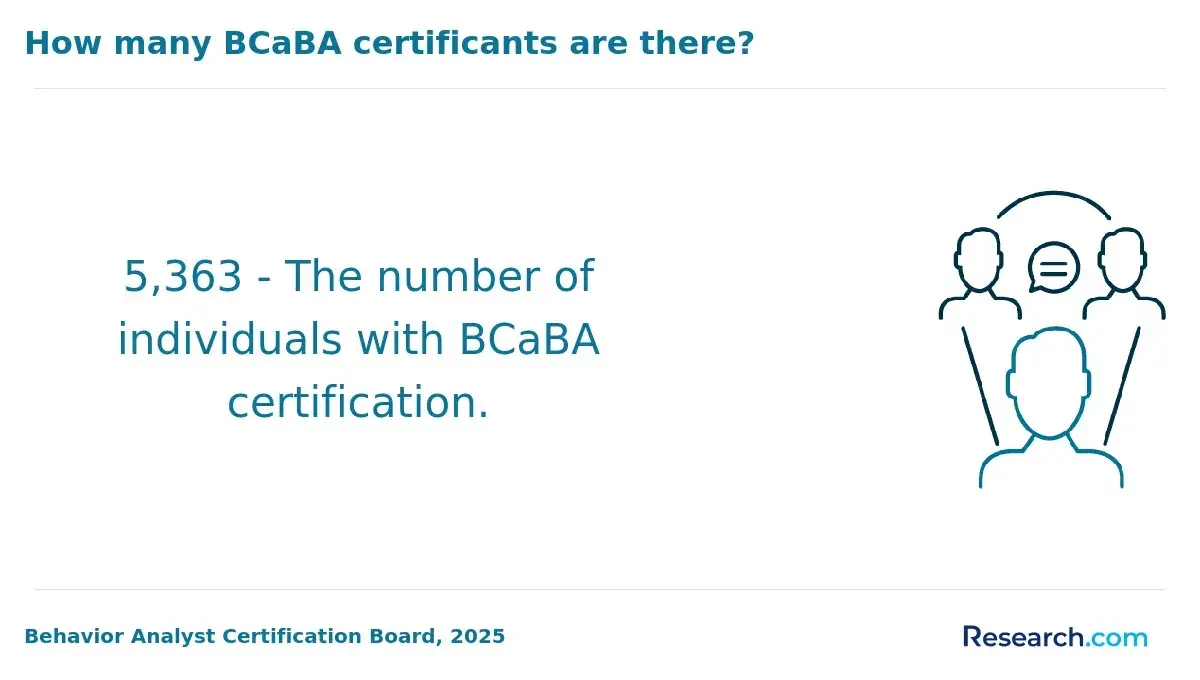
A good BCBA study plan is specific, realistic, and easy to adjust. It should tell you what to study, when to study, how to check mastery, and what to do when you fall behind. The goal is not to create a perfect calendar; it is to build a repeatable system that keeps you moving through the full content outline while protecting time for review and practice.
Start by identifying your exam window, weekly obligations, and available study blocks. Then assign content areas to specific weeks and reserve regular time for cumulative review. If you work full time or are completing fieldwork, shorter daily sessions may be more sustainable than long weekend marathons.
Use these strategies to organize your plan:
- Weekly topic planning: Assign each task list domain to specific weeks, but leave buffer time for topics that take longer than expected.
- Time blocking: Schedule uninterrupted study periods and treat them like appointments. A focused 60-minute session is often more productive than several distracted hours.
- Routine reviews: Revisit difficult topics repeatedly. Concepts such as motivating operations, verbal behavior, experimental design, and ethical decision-making often require multiple passes.
- Progress tracking: Use a checklist or spreadsheet to track completed readings, flashcard sets, quizzes, mock exams, and error patterns.
- Self-testing: Include short quizzes throughout the week. Do not wait until you “feel ready” to test yourself; testing is part of learning.
- Flexible pacing: Increase review time for weak domains and reduce time on areas where you consistently perform well.
A practical weekly routine might include concept review, applied examples, timed practice questions, and one dedicated error-review session. If your schedule is unpredictable, plan minimum study targets for busy weeks and expanded targets for lighter weeks.
The strongest BCBA exam strategies emphasize active learning. Reading chapters and highlighting notes may feel productive, but those methods often hide weak understanding. To pass on the first try, you need to retrieve information from memory, explain concepts clearly, apply procedures to cases, and learn from mistakes.
High-impact study strategies include:
- Active recall: Close your notes and explain a concept from memory. Then check what you missed. This works well for definitions, ethical standards, measurement systems, and behavior-change procedures.
- Spaced repetition: Review material at planned intervals instead of studying a topic once. This supports long-term retention and reduces the need for last-minute cramming.
- Concept mapping: Draw relationships among antecedents, consequences, motivating operations, reinforcement, punishment, extinction, stimulus control, and generalization. Mapping helps you see how concepts interact.
- Case application: Practice choosing assessments and interventions for real or hypothetical scenarios. Ask why one answer is best and why the alternatives are weaker.
- Peer instruction: Teach a topic to another person. If you cannot explain it clearly, you probably do not understand it well enough for the exam.
- Consistent practice: Review multiple content areas regularly. The exam can shift quickly from ethics to measurement to intervention design, so your preparation should be mixed as you get closer to test day.
Structured BCBA programs may be useful for candidates who want guided coursework, faculty support, and an organized path through certification requirements.
Mock exams are most valuable when you treat them as diagnostic tools, not score predictors alone. A practice test should tell you what you know, what you misunderstand, how well you manage time, and whether fatigue affects your accuracy. Taking practice questions without reviewing errors is one of the least efficient ways to study.
Use mock exams and practice tests in a structured way:
- Full-length simulations: Practice all 185 questions in the four-hour format so you can build stamina and learn how your attention changes over time.
- Error analysis: For every missed question, identify the cause. Was it a content gap, an ethics misinterpretation, a vocabulary issue, a careless reading error, or poor pacing?
- Score tracking: Monitor scores across multiple practice exams, but also track performance by topic. A stable overall score can hide recurring weaknesses in one domain.
- Pacing strategies: Learn when to move on from a question. Spending too long on one item can create pressure later and increase avoidable mistakes.
- Topic-specific review: After each mock exam, build a short review list based on repeated errors. Study those areas before taking another full test.
- Progressive difficulty: Start with targeted quizzes, move to mixed question sets, and then complete full simulations as exam day approaches.
After a mock exam, do not immediately take another one to “get a better score.” Review first. The improvement comes from understanding why your first answer was wrong and how to recognize the correct reasoning next time.
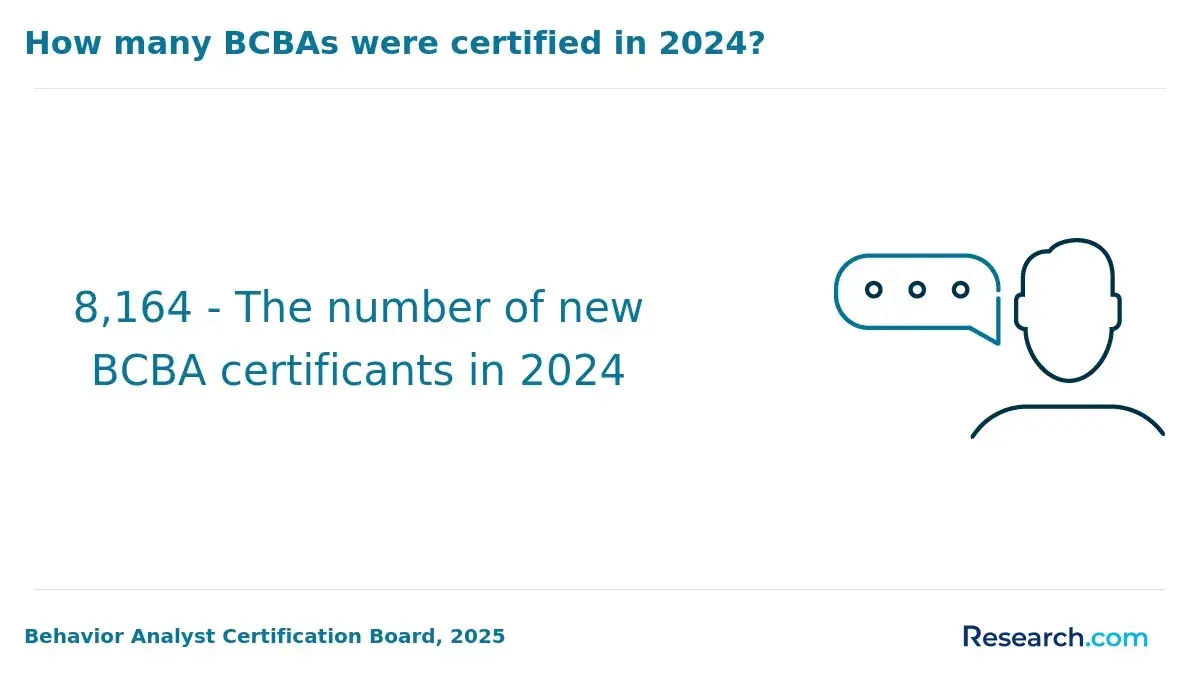
Many BCBA candidates study hard but inefficiently. The most common mistakes involve passive review, weak pacing practice, avoidance of difficult topics, and overconfidence after doing well on familiar material. Avoiding these habits can make your preparation more focused and less stressful.
Common mistakes include:
- Skipping ethics review: Ethics is not a section to save for the end. You need repeated practice applying ethical standards to realistic situations involving clients, families, supervisees, documentation, and professional boundaries.
- Cramming: Short-term memorization may help with definitions, but it rarely supports the applied reasoning needed for scenario-based questions.
- Limited practice testing: Without timed practice, candidates may know the material but struggle to finish efficiently or maintain focus during the full exam.
- Ignoring weak areas: It is tempting to keep reviewing topics you enjoy or already understand. Use performance data to spend more time where your scores are weakest.
- Using outdated materials: Make sure your resources align with the BACB’s latest task list and current ethics expectations. Old materials can create confusion if terminology or emphasis has changed.
- Overstudying without breaks: Studying for excessive hours without rest can reduce attention, increase frustration, and make errors harder to correct.
Another mistake is assuming speed is the same as readiness. Finishing practice sets quickly is useful only if your reasoning is accurate. Review both correct and incorrect answers, especially when you guessed or eliminated options without confidence.
Candidates comparing accelerated education pathways can review fastest BCBA program options, while still making sure speed does not come at the expense of quality preparation.
BCBA exam pass rates vary by candidate background, coursework quality, supervised experience, preparation method, and study consistency. No study method can guarantee a passing score, and reported outcomes may differ depending on how programs define participation or success. Still, the available patterns suggest that structured preparation, repeated practice, and strong supervised experience can improve readiness.
Key observations include:
- Overall pass rate: Approximately 62% for first-time examinees.
- Structured courses: Verified coursework sequences produce above-average outcomes, especially when candidates engage fully with assignments, feedback, and applied examples.
- Prep platforms: Guided programs report success rates of 70–80% among participants, though candidates should look closely at how those rates are calculated.
- Mock testing: Completing multiple simulations improves performance by around 25%, particularly when candidates use the results to guide targeted review.
- Peer learning: Study groups can improve accountability and comprehension, but only when sessions are organized and tied to exam content.
- Supervised experience: More fieldwork hours correlate with higher pass rates, likely because applied experience helps candidates connect concepts to real client situations.
When comparing preparation programs, look beyond marketing claims. Ask whether the program aligns with the official content outline, includes scenario-based questions, offers performance analytics, supports ethics review, and teaches candidates how to analyze errors. A lower-cost self-study approach may work for disciplined learners, while a structured course may be better for candidates who need accountability and guided sequencing.
Test-day performance depends on both knowledge and regulation. Anxiety can make familiar material feel harder to retrieve, while poor pacing can turn manageable questions into a time problem. The best approach is to practice exam behaviors before test day so they feel routine.
Use these strategies to reduce stress and maintain focus:
- Adequate rest and nutrition: Sleep and balanced meals support concentration, working memory, and endurance. Avoid making major changes to your routine on exam day.
- Mindfulness exercises: Deep breathing, brief grounding techniques, or short meditations can help calm nerves before and during the exam.
- Time awareness: Monitor your pace throughout the four-hour exam. If a question is taking too long, mark it if allowed and return later.
- Answer elimination: Remove clearly incorrect choices first, then compare the remaining options carefully. Look for the answer that best fits the question, not just an answer that seems generally true.
- Hydration: Staying hydrated can support alertness, but plan reasonably so it does not create unnecessary interruptions.
- Confidence reinforcement: Use realistic self-talk. Replace “I have to know everything” with “I can reason through the question using the principles I studied.”
- Pre-exam simulation: Take full-length practice tests under realistic conditions so the exam format feels familiar rather than new.
During the exam, read the question stem carefully before looking at answer choices. Many BCBA questions test the best response in context, so a technically correct statement may still be wrong if it does not address the scenario.
How should you review ethical and conceptual sections of the BCBA exam for higher scores?
Ethical and conceptual questions require more than memorizing definitions. You need to know the rules, understand the principles behind them, and apply them to realistic professional situations. These areas are especially important because they reflect how BCBAs protect client welfare, make treatment decisions, supervise others, and remain within their competence.
Use a deliberate review process for ethics and conceptual content:
- Daily code study: Focus on one ethical guideline per day. Summarize it in your own words, identify a real-world example, and note what a violation might look like.
- Case scenario practice: Work through sample dilemmas involving consent, confidentiality, data integrity, dual relationships, supervision, treatment modification, and scope of competence.
- Flashcards: Use flashcards for conceptual definitions and ethics terms, but add examples so you can move from recognition to application.
- Peer discussions: Discuss ethical scenarios with classmates or colleagues. Explaining your reasoning can reveal assumptions or gaps in your interpretation.
- Applied integration: Connect concepts to behavior-change examples. For instance, do not only define reinforcement; practice identifying reinforcement, extinction, motivating operations, and stimulus control in a case description.
- Check for updates: Review the BACB site for revisions to codes or task lists so your preparation reflects current expectations.
For conceptual review, compare similar terms side by side. Many missed questions come from confusing concepts that sound related but function differently. For ethics review, practice identifying the safest and most professionally appropriate action, especially when several answer choices appear plausible.
Students who want formal coursework in both conceptual foundations and ethics may compare ABA programs with structured modules and faculty-guided preparation.
Other things you should know about preparing for the BCBA exam
To qualify for the BCBA exam, candidates must hold a master’s degree in behavior analysis, education, or psychology from an accredited institution. They must also complete approved graduate-level coursework based on the BACB Task List and acquire supervised fieldwork experience under a qualified BCBA. These requirements ensure that examinees demonstrate both theoretical understanding and applied competence before certification.
If you do not pass the BCBA exam, you are allowed up to eight attempts within a single year, as long as you maintain active eligibility with the BACB. Each attempt requires a new application and exam fee, so a strategic review between tests is essential. Candidates often improve their performance by focusing on weaker content areas identified through score reports.
Applicants must complete the supervised fieldwork specified by the Behavior Analyst Certification Board. For 2027, that means meeting the current BACB pathway requirements, which include verified fieldwork hours, monthly supervision, and documented activities before the exam application is approved.
BCBA exam results are typically released within 45 days after the testing window closes. Candidates are notified via email once results are available through their BACB online account. If successful, the BACB then issues the official certification and includes the new certificant’s name in its public registry.
- Behavior Analyst Certification Board. (2024). BCBA examination content and pass rates. Retrieved from https://www.bacb.com/examination-information/
- Data USA. (2025). Behavioral sciences degree data. Retrieved from https://datausa.io/profile/cip/behavioral-sciences
- Indeed. (2024). How to become a board certified behavior analyst (BCBA). Retrieved from https://www.indeed.com/career-advice/career-development/how-to-become-bcba
- Salary.com. (2024). BCBA salary and job outlook. Retrieved from https://www.salary.com/research/salary/hiring/bcba-salary
- ZipRecruiter. (2025). Home-based BCBA salary. Retrieved from https://www.ziprecruiter.com/Salaries/Home-Based-Bcba-Salary
- Zippia. (2025). Behavior analyst job growth and study habits. Retrieved from https://www.zippia.com/behavior-analyst-jobs/trends/