2027 Can You Work Full-Time While Completing BCBA Fieldwork

Co-Founder and Chief Data Scientist
The hardest part of becoming a BCBA is often not the coursework—it is fitting supervised fieldwork into a real workweek. Many candidates need full-time income while completing BCBA requirements, but fieldwork has strict rules for supervision, documentation, monthly hours, and the types of activities that count.
This guide explains whether full-time work is realistic during BCBA fieldwork, what requirements candidates need to plan around, how long fieldwork can take, and how online programs, remote supervision, exam preparation, salary expectations, and job outlook should factor into the decision. The goal is practical: help you choose a path that keeps you employed without slowing certification progress more than necessary.
Key Things You Should Know
- Fieldwork guidelines from the BACB in 2025 allow full-time employment during BCBA supervision, but balancing hours and study demands requires careful time management.
- Research shows approximately 40% of BCBA candidates work full-time, which can extend fieldwork duration or reduce study efficiency.
- Many supervisors recommend limiting work hours to ensure quality client interaction and meet intensive supervision requirements effectively.
Can You Work Full-Time During BCBA Fieldwork?
Yes, you can work full-time while completing BCBA fieldwork, but it works best when your job is already connected to applied behavior analysis. A full-time role in an ABA clinic, school behavior program, autism intervention setting, residential program, or home-based therapy agency may allow many work duties to count toward fieldwork. A job outside ABA may still provide income, but it usually makes fieldwork harder to schedule.
The BACB requires a minimum of 2,000 hours for the standard track or 1,500 for the concentrated track. At least 60% of fieldwork should involve unrestricted activities, which are higher-level behavior-analytic tasks such as assessment, data analysis, treatment planning, staff training, parent consultation, and program modification. Direct implementation may be part of the experience, but candidates should not rely only on technician-style work if they want steady progress.
Full-time work is most manageable when three conditions are in place: your employer allows fieldwork activities during paid hours, your supervisor can observe and meet with you consistently, and your schedule leaves enough time for documentation, coursework, and exam preparation.
- Best-case scenario: Your paid job includes qualifying ABA duties, access to clients, and a BCBA supervisor who understands fieldwork requirements.
- More difficult scenario: Your job is unrelated to ABA, so fieldwork must happen before work, after work, on weekends, or through a separate placement.
- Common mistake: Assuming every hour at an ABA employer automatically counts. Hours must meet BACB activity, supervision, and documentation rules.
- Burnout risk: Working full-time, taking graduate courses, and adding fieldwork can quickly become unsustainable if the weekly schedule is not realistic.
Before accepting a job or enrolling in a program, ask whether the employer supports BCBA supervision, whether unrestricted activities are available, and whether your supervisor will help you track hours correctly. Candidates comparing flexible academic options can review BCBA schools online to find programs that better fit full-time employment.
What Are BCBA Fieldwork Requirements?
BCBA fieldwork is supervised practical training in applied behavior analysis. Depending on the model, candidates complete between 1,500 and 2,000 supervised hours. The purpose is not simply to log time; it is to demonstrate that you can apply ABA principles ethically and competently in real settings.
Supervision must include structured contact with a qualified BCBA supervisor. This typically involves observation, feedback, review of work products, discussion of cases, and guidance on professional judgment. Supervision must involve at least 5% of the trainee's total monthly hours through direct observation and face-to-face sessions. For example, if a trainee completes 100 hours in a month, at least 5 hours must be supervised.
Candidates often complete 20-130 hours of fieldwork each month, which gives some flexibility for people who are also working or enrolled in graduate courses. From 2027, the monthly cap will increase to 160 hours, which may give some full-time candidates more room to accelerate completion if they can also meet supervision and quality standards.
Fieldwork should include active behavior-analytic responsibilities, not passive observation alone. Useful activities may include assessment, intervention implementation, data collection, graphing, treatment plan updates, caregiver or staff training, and participation in clinical decision-making. Candidates also need accurate documentation because missing signatures, unclear activity descriptions, or incorrect monthly calculations can delay certification eligibility.
- Supervisor fit matters: Your supervisor should have experience in your practice setting and enough availability to provide meaningful feedback.
- Unrestricted hours matter: A placement heavy in direct therapy but light on assessment, planning, and analysis can slow progress.
- Documentation matters: Track hours regularly rather than reconstructing them weeks later.
- Ethics matter: Do not count activities that do not meet BACB rules, even if they occur at an ABA employer.
Balancing full-time work during BCBA fieldwork requires more than collecting hours. It requires a work setting, supervisor, and schedule that support skill development. Readers interested in career outcomes after certification can review details connected to BCBA salary.
How Long Does BCBA Fieldwork Take?
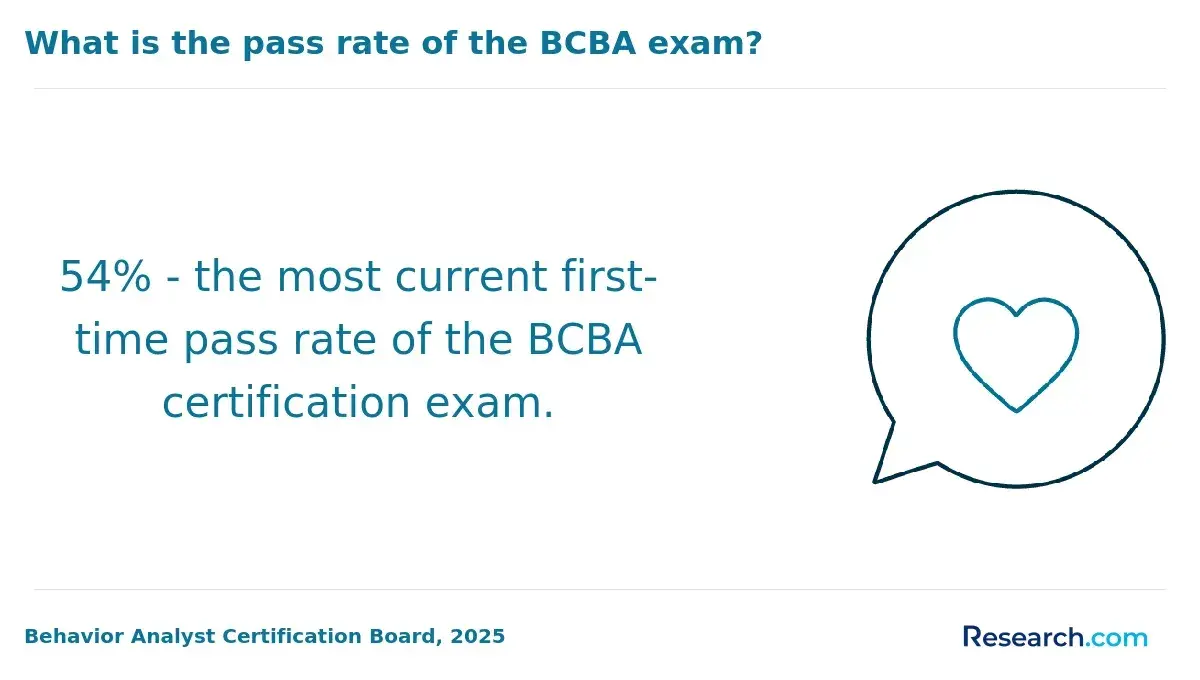
BCBA fieldwork usually takes 12 to 24 months, depending on whether the candidate is completing 1,500 or 2,000 hours, how many qualifying hours are available each month, and how consistently supervision requirements are met. Full-time candidates in strong ABA placements may finish closer to one year, while part-time candidates or those in jobs with limited qualifying activities may need up to two years.
The number of hours alone does not determine the timeline. Candidates must also meet monthly supervision rules. The BACB mandates a minimum monthly supervised contact of 5% of total hours accrued. Concentrated fieldwork demands 10% monthly supervision but will adjust to 7.5% starting in 2027, according to Operations Army. If a candidate logs many hours but does not receive enough qualifying supervision in that month, those hours may create problems for certification eligibility.
Several factors can lengthen or shorten the process:
- Job alignment: ABA-related employment can make it easier to accrue hours during paid work.
- Supervisor availability: Delayed observations or missed meetings can slow monthly progress.
- Unrestricted activity access: Candidates need enough higher-level ABA tasks, not only direct implementation.
- Course load: Graduate coursework can limit the number of fieldwork hours a candidate can handle each week.
- Personal sustainability: A faster timeline is not always better if it leads to poor learning, weak documentation, or burnout.
A candidate planning about 20 weekly hours may progress steadily, but completion will take longer than a candidate who can document more qualifying hours each week. Increasing weekly hours can shorten the timeline only if the supervision percentage, activity requirements, and documentation standards are also met.
Students considering an online masters degree in applied behavior analysis should compare program pacing with fieldwork demands. A fast academic program may not lead to fast certification if supervision and fieldwork placements are not already arranged.
The best online BCBA programs are not simply the fastest or cheapest. For working adults, the strongest programs combine flexible coursework, clear BACB-aligned curriculum planning, practical fieldwork support, and transparent outcomes. A program should help students understand exactly how coursework, supervision, documentation, and exam preparation fit together.
Online delivery can be a strong option for candidates who are already employed in ABA or who live far from campus-based programs. However, online coursework does not automatically solve the fieldwork challenge. Students still need a qualifying placement, enough unrestricted activities, and a qualified supervisor.
When comparing online BCBA programs, look for:
- BACB-aligned coursework: Programs should clearly explain how their courses meet current eligibility expectations.
- Fieldwork guidance: Strong programs help students understand supervision contracts, monthly forms, documentation, and activity categories.
- Support for working professionals: Asynchronous courses, part-time pacing, and evening options can make full-time employment more realistic.
- Supervisor access: Some programs help students identify supervisors, while others expect students to secure supervision independently.
- Unrestricted activity planning: Students should be able to build toward the required 60% unrestricted activities rather than discovering a shortfall late in the process.
- Exam preparation: Quality programs connect coursework and fieldwork to the skills tested on the BCBA exam.
Ask direct questions before enrolling: Does the program provide supervision, or only coursework? Are placement coordinators available? Can students complete fieldwork where they already work? What happens if a supervisor leaves? Are exam pass rates available? These answers often matter more than the program format.
Students seeking a flexible route can compare options through this behavioral science masters resource, especially if they need a program that fits full-time work and supervised fieldwork.
BCBA fieldwork can include online or remote components, but it is rarely as simple as completing every requirement from home. Remote supervision, telehealth observations, data review, parent or staff consultation, and case discussions may be possible when they meet BACB rules and employer policies. Direct client work may occur in person or through telepractice, depending on the service model, client needs, payer rules, and state or employer restrictions.
Remote fieldwork works best when the candidate, supervisor, and service site have clear systems for privacy, observation, documentation, and feedback. Supervisors may use secure video conferencing for real-time observation, review session recordings when allowed, discuss data remotely, and provide feedback on treatment plans or behavior support materials.
However, candidates should be cautious about programs or employers that imply fieldwork can be completed entirely online without confirming the details. Some states, agencies, schools, or funders may limit remote service delivery. Some clients require in-person support. Some supervision tasks are easier and more effective when the supervisor can observe directly in the natural setting.
Many new BCBAs manage over 40 work hours weekly, juggling 20-25 billable hours despite full-time roles, as noted in ABA professional discussions. Remote options can reduce commuting and improve scheduling, but they can also blur boundaries and increase screen fatigue.
To navigate remote BCBA fieldwork effectively:
- Confirm that remote supervision is allowed by your supervisor, employer, program, and applicable rules.
- Use secure systems for client information, video meetings, and documentation.
- Clarify which activities count as unrestricted and how they will be verified.
- Schedule observations and feedback sessions in advance instead of relying on informal check-ins.
- Plan for hybrid options if some client services or observations must occur in person.
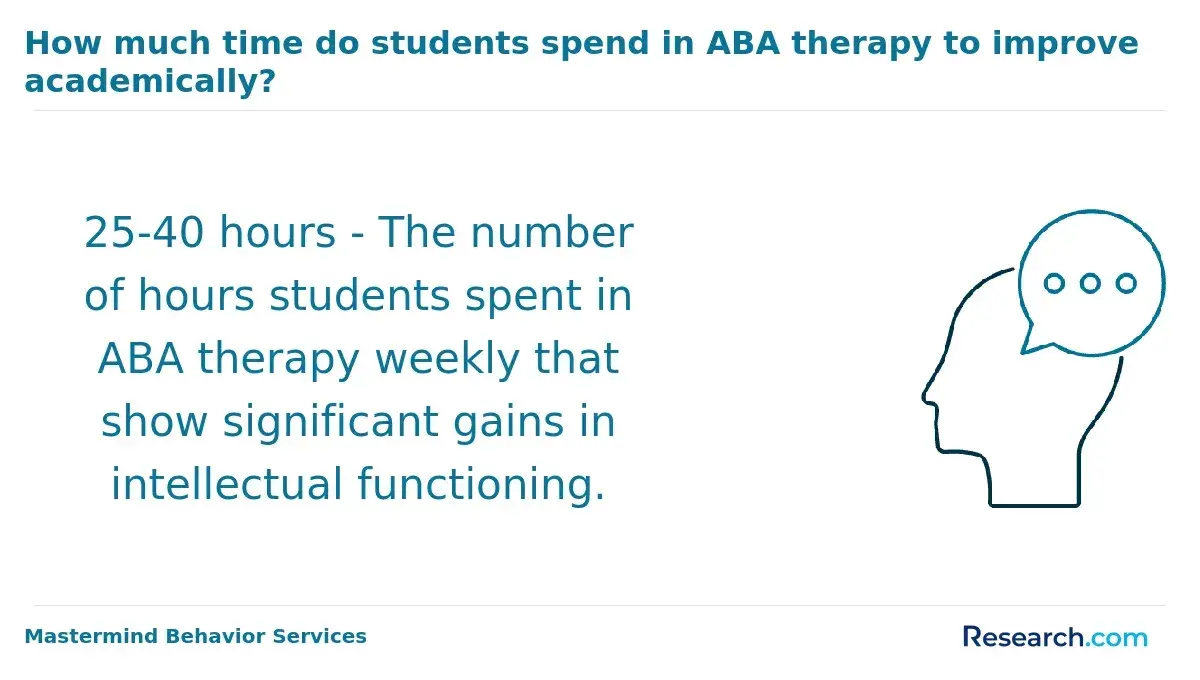
BCBA certification exam pass rates typically range from 50% to 60% for first-time takers, which reflects the breadth and difficulty of the exam. Candidates are tested on behavior analysis principles, measurement, assessment, intervention, ethics, supervision, and practical application—not just memorized terminology. Candidates who retake the exam often see cumulative pass rates exceed 70% by their second or third attempt.
Fieldwork quality is one of the most important preparation factors. Candidates who receive regular feedback, practice decision-making, analyze data, and participate in treatment planning are usually better positioned than candidates whose experience is limited to direct implementation. Coursework matters, but applied fluency matters too.
Strong exam preparation usually includes:
- Reviewing the current BACB task list and connecting each area to real fieldwork examples.
- Using practice questions to identify weak areas rather than only rereading notes.
- Studying ethics through scenarios, not just definitions.
- Creating a realistic study plan before fieldwork ends.
- Asking supervisors to explain the reasoning behind clinical decisions.
The job market adds pressure to pass efficiently. According to We Achieve ABA, job postings increased to 103,150, a 58% rise since the previous year, while the supply of certified professionals remains around 74,125. This gap signals strong opportunity, but candidates still need to pass the exam and meet all certification requirements before practicing as BCBAs.
For full-time workers, the main risk is leaving exam preparation until after fieldwork is complete. A better approach is to build study habits during fieldwork, using cases, supervision meetings, and data reviews as active exam preparation.
BCBA-holders can work in clinical, educational, residential, healthcare, home-based, and consulting roles. Most positions involve assessing behavior, designing intervention plans, training caregivers or staff, supervising direct service providers, reviewing data, and making treatment decisions. The exact job depends on the population served and the setting.
Common BCBA career paths include:
- Clinical BCBA: Designs and monitors behavior intervention programs in clinics, therapy centers, or healthcare settings.
- School-based behavior analyst: Supports students, teachers, and special education teams through behavior assessments and intervention plans.
- Early intervention specialist: Works with young children with developmental disabilities, including autism spectrum disorder.
- Home-based services BCBA: Supervises treatment in family homes and trains caregivers on behavior support strategies.
- Residential or community services BCBA: Supports individuals in group homes, residential treatment facilities, or adult service programs.
- Supervisor or clinical director: Oversees RBTs, BCaBAs, other staff, caseload quality, documentation, and ethical compliance.
- Consultant or trainer: Helps agencies, schools, or organizations apply behavior-analytic strategies and improve staff performance.
- Research or higher education role: Contributes to behavioral research, data analysis, training, or college-level teaching.
Demand varies by location and setting. Industries such as in-home therapy and residential treatment facilities actively seek BCBAs. Geographic demand is especially pronounced in states like California, accounting for 19% of nationwide BCBA job opportunities, with five states collectively representing 40% of the market, as noted by We Achieve ABA.
Candidates should evaluate more than job title and salary. Caseload size, supervision responsibilities, billable-hour expectations, travel requirements, evening or weekend work, mentorship, and ethical support all affect long-term sustainability. A high-demand market can create options, but not every role offers the same training quality or work-life balance.
The average BCBA salary in 2026 generally falls between $65,000 and $85,000 annually, with variation by location, employer type, experience, and role responsibilities. Entry-level BCBAs often earn around $60,000 to $70,000, while experienced BCBAs, supervisors, clinical directors, or specialists may exceed $90,000.
Location is a major driver of pay. Metropolitan areas and high-demand states such as California and New York often offer higher salaries than rural regions, although cost of living can offset some of the increase. Employment setting also matters. Healthcare facilities and private clinics may offer stronger compensation than school systems, which often follow fixed salary schedules.
Salary is also tied to the type of work expected. A role with heavy supervision, large caseloads, travel, evening appointments, or high billable-hour targets may pay more but create greater stress. A school or public-sector role may offer more predictable hours but less salary flexibility. Candidates should compare the full compensation package, not just base pay.
Almost half of BCBAs are under 35, and many have been certified in the last five years, indicating a young and rapidly growing workforce. This can create advancement opportunities, but it can also make mentorship and experienced clinical leadership especially important when choosing an employer.
For candidates still completing fieldwork, full-time employment can reduce financial pressure. The trade-off is time. A full-time job that supports qualifying fieldwork can accelerate both income and certification progress; a full-time job unrelated to ABA may protect short-term finances but extend the path to BCBA eligibility.
The job outlook for Board Certified Behavior Analysts remains strong because demand for behavior-analytic services continues to be high across clinical, school, home-based, and community settings. In 2023, job postings for BCBAs reached 65,300 while the number of certified professionals was 66,300, according to We Achieve ABA. This near one-to-one ratio suggests a tight labor market with substantial opportunity for qualified candidates.
Prospective BCBAs can expect opportunities in several areas:
- Clinical autism services: Many employers need BCBAs to design treatment plans and supervise direct service staff.
- Schools: Districts use behavior analysts to support students, teachers, and special education teams.
- Healthcare and residential services: BCBAs may support individuals with complex behavioral or developmental needs.
- Telehealth and hybrid services: Some organizations use remote consultation, caregiver training, and supervision models.
- Underserved regions: Rural areas and high-need states may offer incentives such as higher pay or relocation bonuses.
This labor market can give certified professionals job mobility and negotiating power, but candidates should still be selective. A vacancy does not automatically mean a healthy workplace. Ask about caseloads, billable expectations, supervision support, staff turnover, documentation systems, and ethical decision-making procedures.
Students completing BCBA fieldwork may find part-time, temporary, or entry-level roles that align with their training. Some employers offer flexible schedules to help candidates gain supervised experience while completing graduate coursework. The strongest strategy is to choose roles that support both certification progress and long-term professional development.
How to Choose an Accredited BCBA Program?
Choosing a BCBA program should start with eligibility, not marketing claims. Confirm that the program's coursework aligns with current BACB requirements and that the school clearly explains how graduates can meet certification standards. Do not rely only on the word “accredited” without verifying coursework, fieldwork support, supervision options, and exam outcomes.
Program format matters. In-person, hybrid, and fully online programs can all work, but the best choice depends on your schedule, location, learning style, and fieldwork access. A fully online program may be ideal for a working professional who already has an ABA employer. A hybrid or campus program may be better for a student who needs more structure or local placement connections.
Evaluate each program using these criteria:
- BACB coursework alignment: The program should clearly identify how its courses fit certification requirements.
- Fieldwork support: Ask whether the program provides supervision, helps locate supervisors, or expects students to arrange everything independently.
- Supervisor quality: Effective supervision should include observation, feedback, ethics discussion, and skill development—not just signed forms.
- Flexibility for full-time workers: Look for asynchronous classes, part-time pacing, evening options, and realistic assignment schedules.
- Outcome transparency: Review available BCBA exam pass rates, completion data, and job placement information when provided.
- Cost and financial fit: Compare tuition, fees, supervision costs, technology fees, and the potential need to reduce work hours.
- Student support: Advising, documentation guidance, exam preparation, and career services can reduce delays.
Course content should cover core applied behavior analysis competencies such as ethics, assessment, intervention design, measurement, data analysis, supervision, and professional practice. Students should cross-check program claims with BACB requirements and current task list expectations.
Some discussions reference recent BACB-endorsed proposals suggesting reducing fieldwork hours from 1,500 to 1,200 while maintaining 32 continuing education units every two years. Because certification rules can change, applicants should verify current requirements directly before enrolling or planning a fieldwork timeline.
The right program is the one that makes certification realistic for your life. For many candidates, that means a program with flexible coursework, reliable supervision pathways, clear documentation support, and a fieldwork model that fits full-time employment without compromising training quality.
Other Things You Should Know About Applied Behavior Analysis
You should keep a signed fieldwork log showing each supervised activity, date, hours, and the supervisor’s contact information. The BACB requires verification from a qualified supervisor, and many candidates retain monthly tracking records to support the final Fieldwork Verification Form if audited.
While prior experience in related areas such as psychology or special education can enhance understanding, it does not reduce the mandatory fieldwork hours required by the Behavior Analyst Certification Board (BACB). All candidates must complete the full number of supervised hours to qualify for the BCBA credential regardless of background.
Yes, BCBAs and those completing fieldwork must adhere to the BACB's Professional and Ethical Compliance Code. This includes maintaining client confidentiality, obtaining informed consent, and ensuring the welfare of clients throughout intervention and assessment processes. Ethical conduct is monitored closely during supervision.
Yes, BCBA fieldwork can be completed in a school setting while working full-time in 2027. To do this, ensure that the work aligns with supervision and task requirements. You may need to coordinate with both your employer and your supervisor to meet the BACB guidelines.
- Association for Behavior Analysis International Accreditation Board https://accreditation.abainternational.org/accredited-programs.aspx
- BCBA Job Outlook in 2025 Growing Demand and Opportunities https://www.connectncareaba.com/blog/bcba-job-outlook
- Who Can Count as a Client for BCBA Supervised Fieldwork? https://www.abaresourcecenter.com/post/clients-bcba-supervised-fieldwork
- Board-Certified Behavior Analyst (BCBA) Salary Guide â Trusted Health https://www.trustedhealth.com/allied-career-guide/behavior-analyst/salary-guide
- How Long Does It Take to Become a BCBA? | Timeline Guide https://www.appliedbehavioranalysisedu.org/2026/04/how-long-does-it-take-to-become-a-bcba/
- What’s Driving BCBA Exam Pass Rates to Historic Lows https://bhbusiness.com/2026/03/30/whats-driving-bcba-exam-pass-rates-to-historic-lows/
- Applied Behavior Analysis Master’s—100 % Online https://www.baypath.edu/academics/graduate-programs/applied-behavior-analysis-ms/
- BCBA Exam First Time Pass Rates Explained | Little Champs https://littlechampsaba.com/blog/bcba-exam-first-time-pass-rate/
- BCBA Jobs: What Can You Do as a Board Certified Behavior Analyst? https://www.moralismachina.com/blog/bcba-jobs
- Part-Time Job Options That Align with BCBA Fieldwork Hours https://hoomhouse.com/blog/navigating-part-time-jobs-while-collecting-bcba-fieldwork-hours