2027 BCBA Job Duties by Work Setting: What Changes From One Role to Another

Co-Founder and Chief Data Scientist
Choosing a BCBA career path is not just a question of earning the credential. The work can look very different depending on whether you serve children in schools, clients in clinics, families at home, patients in healthcare settings, or organizations seeking behavior-based performance improvement. The right setting affects your daily schedule, supervision duties, documentation load, collaboration style, salary range, and long-term career options.
This guide explains how BCBA job duties change by work setting, what education and certification steps are required, how online and campus ABA programs compare, what to expect from the certification exam, and how salaries and demand differ across roles. It is designed for prospective behavior analysts, career changers, graduate applicants, and current ABA professionals deciding which path fits their strengths and goals.
Key Things You Should Know
- BCBA job duties vary significantly by setting, with around 40% working in schools focusing on skill acquisition and behavior management, while healthcare roles emphasize clinical assessment and treatment plan development.
- In 2026, telehealth services expanded BCBA roles, incorporating remote data collection and parent training, increasing job diversity across geographic regions by 25% since 2024.
- Supervisory responsibilities differ; community-based BCBAs oversee direct care staff, whereas private practice BCBAs prioritize individualized client consultation and insurance documentation.
What Are BCBA Job Duties by Work Setting?
BCBA duties vary by setting, but the core responsibility is consistent: use applied behavior analysis to assess behavior, design ethical interventions, measure progress, supervise implementation, and adjust treatment based on data. What changes is the environment, the client population, the pace of decision-making, and the people the BCBA must train or coordinate with.
School-based BCBA duties
In schools, BCBAs typically support students with behavioral, developmental, and learning needs. Their work often includes functional behavior assessments, behavior intervention plans, staff training, classroom consultation, and collaboration with teachers, administrators, parents, and special education teams. Because interventions often connect to Individualized Education Programs (IEPs), school-based BCBAs must understand educational procedures, documentation expectations, and how behavior supports fit into academic goals.
Clinical and center-based BCBA duties
In clinics or ABA centers, BCBAs often oversee more structured treatment programs. They may create individualized plans for clients with autism spectrum disorder or developmental delays, supervise Registered Behavior Technicians (RBTs), review session data, modify intervention procedures, and communicate progress to caregivers and interdisciplinary providers. These roles can involve a high volume of treatment planning, supervision, and insurance-related documentation.
Home-based BCBA duties
Home-based BCBAs deliver or oversee services in the client’s natural environment. The work often emphasizes parent coaching, caregiver training, natural environment teaching, routines-based interventions, and generalization of skills across everyday activities. This setting requires strong flexibility because each family’s schedule, culture, resources, and home environment can affect how treatment is delivered.
Common duties across all BCBA roles
- Conducting behavioral assessments and interpreting assessment results.
- Developing behavior intervention and skill-acquisition plans.
- Collecting and analyzing behavioral data.
- Supervising RBTs or other direct-service staff.
- Training caregivers, teachers, or team members to implement procedures correctly.
- Monitoring treatment fidelity and revising plans when progress stalls.
- Maintaining ethical, accurate, and setting-appropriate documentation.
The ABA Resource Center / Lightcast via BACB reported 132,307 BCBA job postings nationwide in 2025, marking a 28% increase from 2024. For candidates comparing lower-cost education options, the cheapest BCBA certification programs can help identify more affordable pathways into the field.
How Do BCBA Roles Differ Across Settings?
BCBA roles differ most in four areas: who receives the service, who implements the intervention, how much supervision is required, and how documentation is handled. A BCBA in a school may spend much of the day consulting with adults who support a student. A BCBA in a clinic may spend more time supervising technicians and refining treatment protocols. A BCBA in a home-based role may focus heavily on caregiver coaching and routines that can be sustained outside formal sessions.
Home-based roles
Home-based BCBAs usually work closely with families. Caregiver training is central because the goal is not only to improve behavior during scheduled sessions but also to help families use effective strategies throughout the week. In this setting, caregiver consistency can improve long-term outcomes by up to 50%. Strong communication, cultural responsiveness, and practical problem-solving are especially important.
Clinical or center-based roles
Clinical BCBAs often oversee intensive ABA programs in a controlled environment. Their duties commonly include assessments, treatment design, RBT supervision, data review, parent meetings, and coordination with other clinicians. The advantage is that resources and supervision systems may be more centralized. The trade-off is that generalizing skills from the clinic to home, school, and community settings may require deliberate planning.
School-based roles
School-based BCBAs must balance individual student needs with classroom realities. They may train teachers and paraprofessionals, help design behavior supports, participate in IEP-related meetings, and adapt strategies so they can be used during instruction. This role is well suited to BCBAs who enjoy consultation, systems work, and collaboration with educators.
Outpatient or hospital-based roles
Outpatient and hospital-based BCBAs may work with more complex cases and coordinate with medical or mental health professionals. Their duties can include crisis planning, functional assessment, protocol development, family education, and careful documentation for interdisciplinary teams. These settings may require comfort with medical terminology, risk management, and rapid coordination across disciplines.
The main decision for future BCBAs is fit. If you prefer family coaching and natural environments, home-based work may fit well. If you want structured treatment systems and staff supervision, clinical work may be a better match. If you like education and consultation, school-based work may be the strongest option. Prospective students can compare training pathways through best BCBA programs to find programs aligned with their intended setting.
What Education Is Required to Become a BCBA?
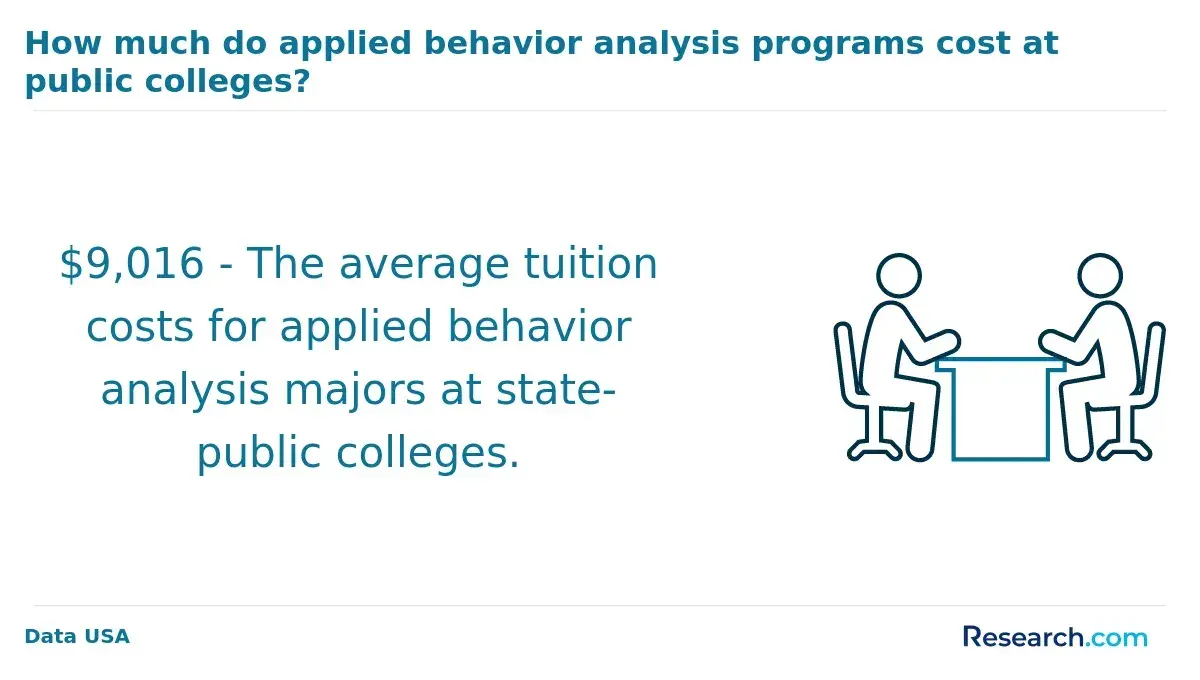
To become a Board Certified Behavior Analyst, candidates generally need graduate-level education that meets Behavior Analyst Certification Board standards. The degree is commonly in behavior analysis, education, psychology, or a related field, with coursework covering behavior-analytic concepts, ethics, assessment, intervention, research methods, and professional practice. Students who need flexibility while working may consider an online ABA masters that is designed around BCBA preparation.
Education alone is not enough. Candidates must also complete supervised fieldwork that meets BACB requirements. Supervised experience hours typically range from 1,500 to 2,000, depending on the supervision model. These hours help candidates apply behavior-analytic principles in real settings such as clinics, schools, homes, community programs, or healthcare environments.
What to look for in BCBA-focused coursework
- Behavior assessment: training in identifying the function of behavior and selecting appropriate measurement systems.
- Intervention design: instruction in skill acquisition, behavior reduction, generalization, and maintenance.
- Ethics: preparation for professional decision-making, consent, scope of competence, supervision, and client dignity.
- Research and data analysis: skills for evaluating whether an intervention is working and when to modify it.
- Supervision: preparation to train and monitor RBTs, caregivers, teachers, or other implementers.
The BCBA certification exam then evaluates whether candidates understand behavior-analytic concepts and ethical practice. After certification, BCBAs must complete continuing education to maintain the credential and stay current with professional standards.
Students should also consider how their intended work setting affects preparation. Future school-based BCBAs may benefit from coursework or experience in special education, developmental psychology, and school systems. Candidates interested in healthcare may need stronger exposure to interdisciplinary collaboration and complex behavior cases. Those considering corporate or consulting paths may look for training related to organizational behavior management. Clinic-based BCBAs often dedicate 30-40% of their weekly time to administrative duties like insurance authorizations, report writing, and treatment planning, so strong writing and organization skills matter as much as clinical knowledge.
The central credential for this career is the Board Certified Behavior Analyst credential issued by the Behavior Analyst Certification Board. To qualify, candidates must complete an eligible graduate degree, required behavior-analytic coursework, supervised practical experience, and the BCBA exam. Employers in schools, clinics, healthcare organizations, and private practice commonly use this credential as a baseline requirement for behavior analyst roles.
Licensing is separate from certification. BACB certification shows that a candidate has met national credentialing standards, while state licensure determines whether and how a professional may legally practice as a behavior analyst in a specific state. Licensing requirements for BCBAs vary significantly by state and can affect job eligibility, billing, supervision, and independent practice.
States like California and New York mandate a state-issued license in addition to BACB certification for educational and clinical services. Because rules differ, candidates should review the licensing board or state agency requirements where they plan to work before enrolling in a program, accepting supervised experience, or applying for jobs.
Additional credentials by setting
- Schools: districts may prefer or require teaching licensure, special education credentials, or experience with IEP processes.
- Clinics: employers may prioritize candidates with experience supervising RBTs, writing treatment plans, and meeting payer documentation requirements.
- Healthcare settings: additional training in crisis procedures, interdisciplinary documentation, or specialized populations may be expected.
- Private practice: state licensure, liability coverage, billing knowledge, and business compliance become especially important.
Supervised experience requirements range from 1,500 to 2,000 hours as per BACB standards, with some states imposing further mandates. Those seeking an earlier step into the ABA field may review online BCABA programs as a possible starting point before pursuing BCBA-level preparation.
Degree programs that lead to BCBA certification are usually graduate programs in applied behavior analysis, behavior analysis, psychology, education, special education, or a closely related field. The key issue is not the title alone; the program must include coursework that meets BACB expectations and prepares students for supervised fieldwork and the certification exam.
Programs titled Applied Behavior Analysis or Behavior Analysis are often designed directly around BCBA requirements. Related degrees, such as clinical psychology, special education, developmental disabilities, or mental health counseling, may also support BCBA eligibility if they include the required behavior analysis coursework. Applicants should verify requirements carefully before enrolling because a related degree without the right coursework may not be enough.
Common BCBA-aligned degree options
- Master’s in Applied Behavior Analysis: typically the most direct option for students focused on ABA practice.
- Master’s in Special Education with ABA coursework: useful for candidates planning to work in schools or educational consulting.
- Master’s in Psychology with behavior analysis coursework: may fit students interested in developmental, clinical, or research-oriented roles.
- Graduate certificate in ABA: may help candidates who already hold an eligible graduate degree but still need required coursework.
Many universities now offer verified hybrid or online master’s programs, which can be useful for working adults and students who cannot relocate. However, students should not choose based on convenience alone. The stronger program is the one that clearly supports eligibility, offers qualified faculty, helps students understand supervised fieldwork requirements, and prepares them for the kind of BCBA work they want to do.
Candidates must complete supervised fieldwork hours documented according to BACB standards. In hospitals, BCBAs may manage complex behavioral challenges, including treatment resistance and self-injurious behavior, while collaborating with psychiatrists and nurses, as explained by CertifyNDABA. Students interested in these higher-acuity environments should look for programs and fieldwork sites that expose them to complex assessment, safety planning, and interdisciplinary communication.
Online and campus ABA programs can both prepare students for BCBA certification, but they differ in structure, interaction, fieldwork support, and day-to-day learning experience. The better choice depends on your schedule, location, learning style, and access to supervised experience.
Online ABA programs
Online programs offer flexibility for students who work full time, live far from campus, or need to balance family responsibilities. They can be a strong option when the curriculum is rigorous and the program provides clear guidance on supervised fieldwork. The main challenge is that online learners may need to be more proactive in arranging practicum placements, securing qualified supervisors, and building professional networks.
Campus ABA programs
Campus programs may offer more structured access to faculty, labs, clinics, school partnerships, or university-affiliated practicum sites. Students who learn best through in-person discussion, live modeling, and immediate feedback may prefer this format. Campus programs can be especially useful for students targeting clinic or school settings where the university has established placement relationships.
Fieldwork is the deciding factor
Both formats must satisfy BACB requirements for supervised fieldwork hours, but how students obtain and experience those hours can differ substantially. Campus students may complete fieldwork through university-coordinated placements. Online learners often arrange fieldwork in their own communities, including home-based, clinic-based, school-based, or community settings. Champions ABA notes that community-based practicum fosters sustainable skill acquisition by delivering services in natural environments.
- Choose online if: you need schedule flexibility, already work in an ABA setting, or have access to qualified local supervision.
- Choose campus if: you want more in-person support, structured placements, and direct access to faculty and peer networks.
- Be cautious if: a program is unclear about fieldwork expectations, supervisor qualifications, exam preparation, or how coursework aligns with certification requirements.
For community-focused roles, an online program with strong local practicum options may be a good fit. For students targeting intensive clinical or school-based roles, a campus program with established fieldwork partnerships may offer more structure. In either case, ask detailed questions about supervision before enrolling.
The BCBA certification exam is administered through the Behavior Analyst Certification Board and evaluates whether candidates can apply behavior-analytic knowledge ethically and effectively. It includes about 150 multiple-choice questions covering areas such as foundational concepts, measurement, behavior assessment, intervention, supervision, and ethics. The exam’s first-time pass rate is around 60%, which reflects the level of preparation required.
Successful candidates usually do more than memorize terminology. They learn to interpret scenarios, apply ethical standards, evaluate data, and select interventions that match the function of behavior. Fieldwork experience is important because many exam concepts are easier to understand when candidates have seen them applied in real cases.
How to prepare effectively
- Use coursework aligned with BACB standards as the foundation rather than relying only on commercial study guides.
- Create a study schedule that gives extra time to weaker areas such as ethics, experimental design, or supervision.
- Practice interpreting graphs, assessment results, and treatment scenarios.
- Connect exam concepts to fieldwork cases, while protecting client confidentiality.
- Take practice questions to build stamina and identify knowledge gaps.
Many certified BCBAs later move beyond autism therapy into areas such as organizational behavior management (OBM), consulting, staff training, and program development. These career paths may require additional preparation in systems analysis, employee performance management, leadership, and organizational change. Passing the exam is an important milestone, but long-term career growth depends on continued learning and setting-specific competence.
BCBA salaries vary by setting, region, experience, responsibilities, and whether the role includes supervision or leadership. Pay should be evaluated alongside workload, documentation requirements, caseload size, benefits, travel expectations, and opportunities for advancement.
Clinical and ABA therapy settings
In clinical environments such as private practices or ABA therapy clinics, annual pay typically ranges from $60,000 to $85,000. These roles often involve treatment planning, direct oversight of ABA programs, parent meetings, and supervision of Registered Behavior Technicians. BCBAs currently supervise over 250,000 active RBTs (CertifyNDABA / BACB), which shows how central supervision is to many clinical roles.
Educational settings
In public schools or specialized educational programs, salaries usually fall between $55,000 and $75,000. These roles may offer school-year schedules or public-sector benefits, depending on the employer, but they can also involve complex collaboration with teachers, administrators, families, and special education teams. The work often requires patience with school procedures and skill in translating behavioral recommendations into classroom routines.
Healthcare and hospital settings
Healthcare systems and hospitals offer higher salaries, from $70,000 up to $95,000. Compensation tends to reflect the complexity of client needs, interdisciplinary coordination, documentation expectations, and potential crisis-related responsibilities. These roles may be a good fit for BCBAs who are comfortable collaborating with medical and mental health professionals.
Leadership roles
Leadership positions, including program coordinators or clinical supervisors, earn between $85,000 and $120,000 depending on agency size and location. These positions require more than clinical skill. They often involve staff development, quality assurance, scheduling oversight, compliance, treatment fidelity monitoring, and performance management.
Geographic location also matters. Urban areas or regions with higher demand may offer stronger wages, while rural or underserved areas may provide opportunities for broader responsibility earlier in a career. BCBAs with advanced credentials such as BCBA-D may command higher wages because of added expertise, leadership expectations, or specialized roles.
The job outlook for BCBAs remains strong, but demand is not identical across every role or region. Job postings have increased at a 44.2% compounded annual growth rate since 2017, driven by demand for qualified behavior analysts in clinical, educational, healthcare, and emerging practice areas.
Traditional employers include ABA clinics, healthcare facilities, schools, early intervention programs, and agencies serving people with developmental disabilities. Newer opportunities are also emerging in telehealth, organizational behavior management, autism insurance compliance, staff training, and program evaluation.
Where demand is expanding
- Telehealth: requires strong communication, independent judgment, technology comfort, and careful planning for caregiver implementation.
- Schools: demand is tied to student behavioral support, inclusion efforts, and consultation needs.
- Healthcare: roles may involve complex cases, crisis planning, and collaboration with medical teams.
- Organizational behavior management: focuses on workplace behavior, productivity, safety, and systems improvement rather than direct autism therapy.
- Rural and underserved communities: shortages may create openings for BCBAs willing to travel, use telehealth, or work across multiple service settings.
Employment projections indicate a 22% growth through 2029 in BCBA jobs, driven by workforce shortages reported by ConnectN Care ABA and the Bureau of Labor Statistics. Job seekers can improve their prospects by developing setting-specific strengths, such as school consultation, caregiver coaching, staff supervision, insurance documentation, crisis planning, or OBM-related skills.
Through 2026 and beyond, employers are likely to favor BCBAs who can adapt to diverse populations, work across disciplines, supervise effectively, and use data to make practical treatment decisions. Early-career professionals should choose fieldwork and continuing education with their target setting in mind.
How to Choose an Accredited BCBA Program?
Choosing an accredited or properly verified BCBA pathway is one of the most important decisions in the certification process. A program that does not meet current eligibility standards can delay certification, create extra coursework costs, or limit employment options. Start by confirming that the program’s coursework is recognized for BCBA eligibility through the appropriate Behavior Analyst Certification Board pathway.
Key factors to evaluate
- Eligibility alignment: confirm that the coursework satisfies BACB requirements before enrolling.
- Curriculum depth: look for strong coverage of ethics, measurement, behavior assessment, skill acquisition, behavior reduction, supervision, and research methods.
- Fieldwork support: ask whether the program helps arrange supervised experience or whether students must secure placements independently.
- Faculty qualifications: review whether instructors have BCBA experience, research expertise, and practical knowledge in your preferred setting.
- Exam preparation: ask how the program tracks outcomes, supports exam readiness, and helps students address weak areas.
- Format: compare online, hybrid, and campus options based on your schedule, supervision access, and learning style.
- Cost and financial aid: request full tuition, fee, and aid information early so you can estimate the total cost of completion.
Program length and cost vary widely. Some programs take less than two years; others require more time. A shorter program is not automatically better if it offers limited fieldwork guidance or weak exam preparation. Likewise, a more expensive program should be able to show clear value through faculty access, placement support, supervision quality, or strong student outcomes.
Applicants should also match the program to their intended career setting. Students interested in schools should look for special education partnerships or coursework relevant to IEPs and classroom consultation. Those aiming for clinical work should ask about RBT supervision, treatment planning, parent training, and insurance documentation. Students interested in healthcare or community-based services should seek fieldwork that exposes them to complex cases and interdisciplinary collaboration.
A strong BCBA program should make the path to certification clear, support ethical and competent practice, and prepare graduates for the realities of the settings where they plan to work.
Other Things You Should Know About Applied Behavior Analysis
BCBAs must document medical necessity, session goals, measurable behavior data, and time spent for each service. Payers often require progress notes signed promptly, and Medicaid or private insurers may reject claims without clear linkage to the treatment plan and the supervising BCBA’s credentials.
In 2027, BCBAs in community-based mental health centers must prioritize collaborating with multidisciplinary teams. They are also expected to address diverse client needs and follow up-to-date local regulations, ensuring ethical practice and culturally sensitive interventions.
Yes, supervision is a key responsibility for many BCBAs across settings. They provide ongoing training, coaching, and performance feedback to behavior technicians and other staff involved in implementing behavior plans. Effective supervision helps maintain treatment integrity and enhances client progress.
Yes, BCBAs working in home-based settings must maintain board certification and be adept in individualized treatment plans. A deep understanding of family dynamics and strong communication skills are essential, alongside regular collaboration with caregivers to ensure treatment fidelity.
- What is the Average Salary of a BCBA? https://bluegemsaba.com/average-salary-bcba/
- ABA Therapy Certification Requirements https://www.aprilaba.com/resources/aba-therapy-certification-requirements
- BCBA Job Responsibilities: What They Do and Why It Matters https://championsaba.com/bcba-job-responsibilities/
- What is the Pass Rate for the BCBA® Exam? https://passthebigabaexam.com/what-is-the-bcba-exam-pass-rate/
- The Complete Guide to BCBA Certification, Roles, & Responsibilities In ABA Therapy https://www.circlecareservices.com/blog/guide-to-bcba-roles-and-responsibilities
- BCBA Career Path To Take | Above and Beyond Therapy https://www.abtaba.com/blog/bcba-career-path-to-take
- As a New BCBA, What Should I Look for During my Job Search? https://www.hopebridge.com/blog/new-bcba-what-should-look-during-job-search/
- BCBA Job Description 2026 | Duties, Skills & Red Flags https://certifyndaba.com/blog/job-search/bcba-job-description-guide
- Association for Behavior Analysis International Accreditation Board https://accreditation.abainternational.org/accredited-programs.aspx
- Understanding the Roles of Behavior Analysts Across Environments: What Every Behavior Analyst Needs to Know (BehaviorLive) | BBC https://behavioristbookclub.com/learn/understanding-the-roles-of-behavior-analysts-across-environments/