2027 Working in Autism Services Before Becoming a BCBA: Is It Helpful

Co-Founder and Chief Data Scientist
Deciding whether to work in autism services before pursuing Board Certified Behavior Analyst certification is a practical career question, not just a résumé question. Entry-level autism services roles can help you test your fit for the field, build applied behavior analysis skills, and understand what supervised clinical work actually looks like. They can also add time, emotional demands, and scheduling pressure if you are trying to move quickly into graduate study.
This guide explains how autism services experience fits into the BCBA pathway, including the types of roles candidates often hold, whether experience is required for admission, how supervised hours may count, what education is still required, and how earnings and job outlook differ before and after certification. The goal is to help you decide whether working in autism services first will strengthen your path to becoming a BCBA—or whether you are ready to move directly into a qualifying graduate program.
Key Things You Should Know
- Working in autism services before becoming a BCBA offers practical experience, enhancing skills in behavior assessment and intervention strategies vital for certification success.
- A 2025 study found 68% of successful BCBA candidates had prior autism service experience, correlating with higher exam pass rates and job readiness.
- Hands-on experience promotes understanding of diverse client needs, improving tailored treatment planning, which is critical in evidence-based applied behavior analysis practice.
What roles do autism services professionals perform before pursuing BCBA certification?
Before becoming BCBAs, many professionals start in direct-service positions that involve implementing behavior plans, supporting clients with autism spectrum disorders, and collecting data under supervision. These roles are not the same as BCBA roles; they are usually implementation-focused rather than assessment-, supervision-, or treatment-design-focused.
Common pre-BCBA roles include Registered Behavior Technician (RBT), behavior technician, behavioral aide, classroom aide, paraprofessional, therapy assistant, and behavior interventionist. In these positions, workers may help run skill-acquisition programs, support communication and social goals, respond to challenging behavior according to a written plan, and document client progress for review by a supervising clinician.
Some candidates also gain relevant experience through case management, social skills coaching, parent training support, special education support, or home-based therapy programs. The work setting matters. A school role may expose you to classroom behavior support and individualized education plan collaboration, while a clinic or home-based position may offer more repeated practice with ABA treatment protocols and caregiver communication.
According to TYGES, by October 2025, 74,286 BCBA-level clinicians were certified in the U.S., with 72% focusing on autism spectrum disorders. That concentration explains why autism services are a common entry point for future BCBAs: many supervised opportunities, training systems, and career ladders are built around autism intervention.
When evaluating an autism services job before graduate school, look beyond the title. A strong role should offer structured onboarding, ethical supervision, clear data procedures, feedback from qualified clinicians, and exposure to individualized treatment plans. A weak role may provide limited training, inconsistent supervision, or tasks that do little to prepare you for graduate coursework or certification requirements. Candidates planning the next step can compare BCBA online masters programs once they understand the type of academic and fieldwork structure they need.
Is direct experience in autism services required before applying to BCBA programs?
Direct experience in autism services is usually not a formal admissions requirement for BCBA programs, but it can make an applicant better prepared. Programs generally focus on whether candidates meet academic prerequisites, can complete required coursework, and are positioned to fulfill supervised fieldwork expectations. Prior employment in autism services is helpful because it gives applicants a realistic understanding of client needs, data-based decision-making, and the pace of clinical work.
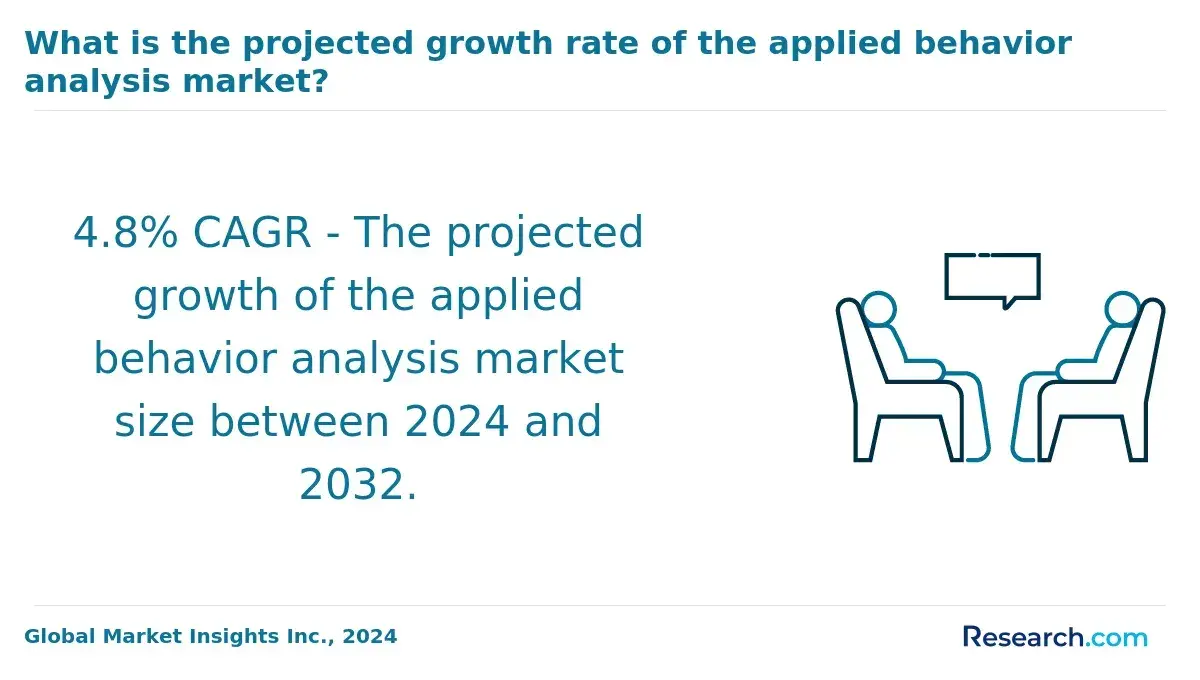
More than 72% of board-certified behavior analysts provide services to individuals with autism spectrum disorders in various settings such as clinics, schools, and homes. Because autism services make up such a large share of the field, experience in these settings can help applicants connect classroom concepts to the environments where many BCBAs work.
Applicants without direct autism services experience can still succeed. However, they may need more time to become comfortable with ABA terminology, data collection, behavior intervention plans, functional behavior assessment concepts, and ethical boundaries in clinical settings. Applicants with experience as RBTs, behavior technicians, classroom aides, or interventionists often enter coursework with examples they can draw from immediately.
The bigger question is not whether experience is required, but whether it will help you make a better decision. If you are unsure whether you want to work with clients, caregivers, schools, or intensive intervention programs, an entry-level or volunteer role can clarify your fit before you invest in graduate education. If you already have strong related experience in education, psychology, counseling, speech-language support, or disability services, you may be able to move directly into a program while arranging qualifying fieldwork.
Before applying, confirm three things: the program’s admissions requirements, whether its coursework aligns with BCBA eligibility expectations, and how students typically secure supervised fieldwork. Comparing accredited BCBA programs can help you identify options that fit your background and career timeline.
How many supervised hours of autism services work count toward BCBA eligibility?
The BACB mandates 1,500 hours of supervised independent fieldwork in autism services for BCBA eligibility. This supervised experience must span at least 9 months under the direct oversight of a qualified BCBA supervisor. In practice, hours are only useful for certification when they meet the required supervision, documentation, and activity standards. Simply working in an autism services job does not automatically mean every hour counts.
Autism services work that may count can include direct therapy, behavior intervention implementation, data collection, preparation for treatment activities, caregiver support activities, and other behavior-analytic tasks when they are properly supervised and documented. For example, an RBT working on an autism therapy team may be able to count eligible client-contact and related fieldwork activities if the experience is supervised according to the required standards.
Hours that are purely administrative, unrelated to behavior analysis, outside the supervision agreement, or not properly documented may not qualify. This is where many candidates make mistakes: they assume employment equals fieldwork, start tracking too late, or rely on a supervisor who is not prepared to document hours correctly.
Approved supervision should include regular meetings, performance feedback, review of client work, and accurate records. Hybrid or concentrated practical experiences meeting the 1,500-hour requirement are acceptable as long as supervision standards are upheld.
Between 2018 and 2021, certified BCBAs grew by 65%, reflecting a growing pipeline from entry-level roles like RBTs to BCBA certification (Behaven Kids). For candidates, the practical takeaway is clear: choose an autism services employer not only for the paycheck, but also for the quality of supervision and the reliability of hour tracking.
Before accepting a position, ask who will supervise your fieldwork, how often supervision occurs, whether the organization has supported BCBA candidates before, and how documentation is handled. Many candidates combine supervised employment with graduate study through BCBA masters programs that fit their certification timeline.
Autism services experience can strengthen a BCBA candidate, but it does not replace the educational requirements. To become a BCBA, candidates must earn at least a master's degree in behavior analysis, education, psychology, or a related field that includes BACB-verified coursework. The required academic preparation covers areas such as ethics, measurement, experimental design, assessment, and behavior-change procedures.
This distinction is important. A person may be highly skilled as an RBT, behavior technician, autism specialist, classroom aide, or therapy assistant, but those roles do not carry the same educational authority as the BCBA credential. BCBAs are expected to design and oversee interventions, interpret data, supervise others, and make clinical decisions within ethical and professional standards.
Many candidates start with a bachelor's degree, work in autism services, and then enroll in a qualifying graduate program while continuing to gain supervised experience. Online and campus-based options are available, including programs such as those listed among the best online ABA masters programs. Because 72% of the 74,286 BCBAs nationally work primarily in autism services, many candidates are able to find supervisors in autism-focused clinics, schools, and community programs.
In addition to coursework, candidates must complete 1,500 to 2,000 hours of supervised independent fieldwork, often while employed in autism services, and then pass the BCBA certification exam. The safest approach is to verify program eligibility, supervision arrangements, and documentation requirements before enrolling or counting hours. Experience helps you learn the field; verified coursework and supervised fieldwork make you eligible for certification.
Autism services positions can make BCBA exam preparation more concrete because candidates see behavior-analytic concepts applied with real clients. Instead of learning measurement, reinforcement, prompting, generalization, or behavior-reduction procedures only from textbooks, they practice or observe how these concepts affect treatment decisions, data quality, and client progress.
Daily work in autism services can strengthen several exam-relevant skills: collecting reliable data, following intervention protocols, recognizing antecedents and consequences, communicating with supervisors, and understanding why treatment plans must be individualized. Candidates also learn the limits of their role, which is essential for ethical practice.
According to TYGES citing the CDC, autism prevalence reached 1 in 31 (3.2%) among 8-year-old children, reflecting a growing need for qualified behavioral support staff. That demand creates more opportunities for future BCBAs to gain supervised experience in schools, clinics, home-based services, and interdisciplinary programs.
Roles such as Registered Behavior Technician and behavior interventionist are especially useful when they include close supervision and feedback. The best preparation comes from settings where candidates do more than follow instructions mechanically; they learn why data are collected, how behavior plans are adjusted, and how BCBAs balance effectiveness, ethics, and client dignity.
Autism services experience can support BCBA exam readiness by helping candidates:
- Connect ABA terminology to real treatment examples.
- Practice accurate data collection and graph-based decision support.
- Understand skill-acquisition and behavior-reduction procedures in context.
- Observe functional behavior assessment and treatment-planning processes.
- Develop professional judgment through supervised feedback.
- Build confidence before the exam by repeatedly applying core concepts.
Experience alone is not an exam-prep plan. Candidates still need systematic study, review of the exam content areas, practice questions, and disciplined scheduling. The advantage of autism services work is that the material is less abstract because candidates have seen how behavior analysis functions in practice.
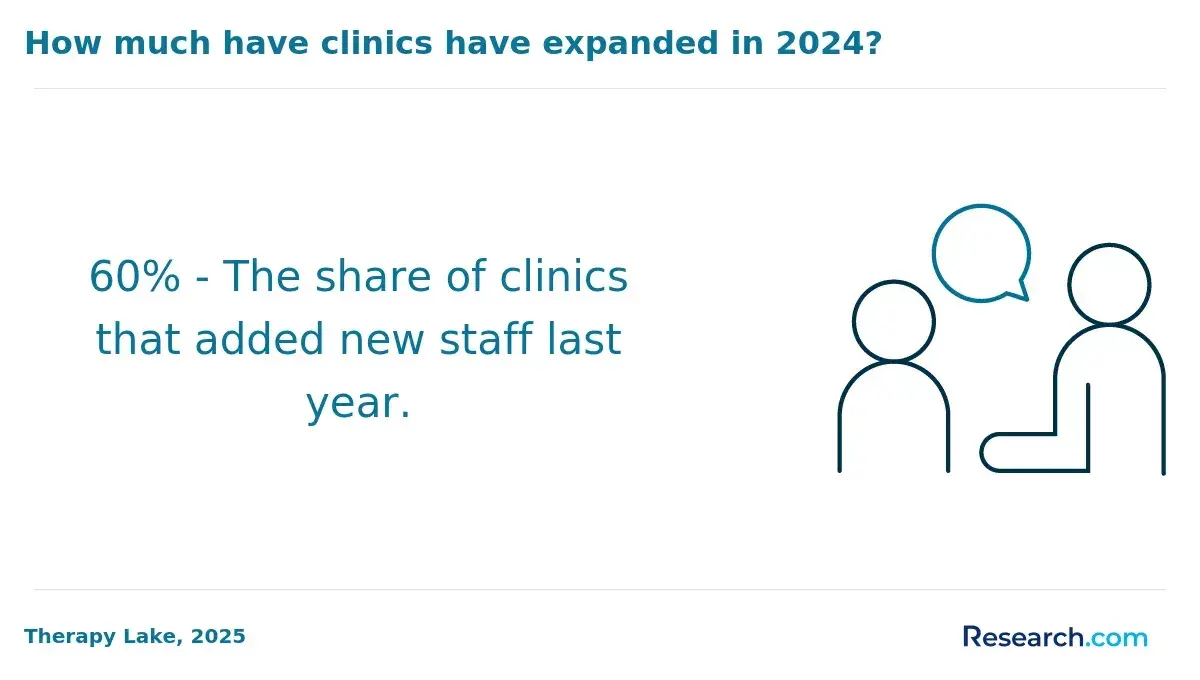
The typical progression from autism services to BCBA certification begins with direct client support, moves into graduate education and supervised fieldwork, and ends with certification, licensure considerations where applicable, and increased clinical responsibility. The timeline varies by education level, work schedule, program format, and access to qualified supervision.
A common path starts with roles such as RBT, behavior technician, paraprofessional, classroom aide, or therapist implementing applied behavior analysis services under supervision. These positions build the habits future BCBAs need: observing behavior carefully, collecting data consistently, following behavior plans, communicating with caregivers and teams, and responding professionally to difficult situations.
Candidates then enroll in a graduate degree in behavior analysis or a related field that meets Behavior Analyst Certification Board coursework requirements. While completing coursework, many continue working in autism services to complete 1,500 to 2,000 hours of supervised fieldwork with a qualified BCBA. This overlap can be efficient, but it requires strong time management and an employer that supports supervision requirements.
Professionals from allied fields may follow a slightly different route. Teachers, speech-language support professionals, psychology graduates, social service workers, and special education staff may already understand disability services or child development, but they still need qualifying coursework, supervised fieldwork, and exam preparation.
The demand for qualified BCBAs is high, with an estimated shortage of over 309,000 professionals nationwide to meet service needs. That demand can make the BCBA pathway attractive, but candidates should not treat certification as automatic career advancement. Employers look for clinical judgment, ethical practice, supervision readiness, and the ability to work effectively with families and teams.
Key steps for aspiring BCBAs include:
- Start in a direct-service role if you need field exposure or supervised hour opportunities.
- Choose a graduate program aligned with BCBA eligibility requirements.
- Confirm supervision arrangements before relying on a job for fieldwork hours.
- Track hours carefully and keep documentation current.
- Use autism services experience to strengthen exam preparation, not replace it.
- Plan for post-certification responsibilities such as supervision, assessment, treatment design, and possible state licensure requirements.
Many BCBA-aligned graduate programs value applicants with autism services backgrounds because these candidates often understand direct care, client diversity, and the realities of behavior intervention. Experience can strengthen an application, but it usually does not override academic prerequisites, GPA expectations, application materials, or required coursework.
Universities like the University of North Texas, Rutgers University, and Arizona State University often consider hands-on work in autism treatment centers, behavioral intervention, or special education as part of an applicant’s professional background. The University of Cincinnati's online BCBA program and Simmons University are also examples of programs applicants may evaluate when looking for options that fit autism-related experience and career goals.
Applicants should be cautious about assuming that prior work will lead to prerequisite waivers or automatic fieldwork credit. Some programs may review professional experience favorably, but supervised fieldwork must still meet documentation and supervision rules. Admissions committees may also want evidence that the applicant understands the difference between implementing services and taking responsibility for assessment, treatment design, and supervision as a BCBA.
When comparing programs, candidates with autism services backgrounds should ask practical questions:
- Does the curriculum meet BCBA coursework expectations?
- Can students complete supervised fieldwork while employed?
- Does the program help students find supervisors, or must students arrange supervision independently?
- Are there autism-focused electives, practicum options, or faculty with autism intervention expertise?
- Does the program format fit a working professional’s schedule?
- What support is available for exam preparation and professional development?
Job growth for BCBAs is strong in autism treatment and special education, driven by high demand for behavioral intervention. Programs that enroll experienced autism services workers may offer a smoother transition from direct care to graduate-level behavior analysis, but applicants should still verify eligibility details directly before committing.
Earnings in autism services before BCBA certification vary by role, location, schedule, employer type, credentials, and level of responsibility. Entry-level positions usually pay less than BCBA roles because they involve implementing plans under supervision rather than independently designing and overseeing treatment.
Registered Behavior Technicians typically earn hourly rates between $15 and $22, or roughly $31,000 to $45,000 annually for full-time work. Behavior technicians and paraprofessionals often fall within a similar range. These roles can be valuable for building experience, but candidates should consider whether the pay, hours, travel requirements, and benefits are sustainable while completing school or fieldwork.
Case managers or autism specialists with added responsibilities often earn between $40,000 and $55,000 annually. These positions may involve coordination, documentation, caregiver communication, and limited data analysis, depending on the employer and supervision structure. Supervisors supporting BCBAs without full certification can expect salaries from $50,000 to $65,000, reflecting greater responsibility and experience.
Geography can make a significant difference. Metropolitan areas may offer higher wages because of demand and cost of living, while some home-based roles may involve unpaid travel time or variable scheduling. Benefits also matter. A slightly lower hourly wage with reliable supervision, tuition support, paid training, and stable full-time hours may be more valuable than a higher hourly rate with inconsistent scheduling.
Demand for BCBAs and experienced autism service professionals remains strong, extending to areas such as pediatric feeding disorders and organizational behavior management. For pre-BCBA workers, the best earnings strategy is to build credentials, seek quality supervision, document experience, and move into roles with increasing responsibility without stepping outside ethical or credential limits.
Several credentials can strengthen your qualifications while you work in autism services, but they serve different purposes. Some are behavior-analysis credentials tied closely to supervised ABA practice, while others are autism-focused certificates that may broaden knowledge but do not replace BCBA requirements.
The Registered Behavior Technician credential is one of the most common entry-level options. It requires 40 hours of training, a competency assessment, and a certification exam. RBTs implement behavior-analytic services under BCBA supervision, making the credential especially useful for candidates who want direct experience before or during graduate study.
Other credentials and certificates may include Certified Autism Specialist, Autism Spectrum Disorder Certificate programs, Professional Crisis Management, and Certified Autism Provider. These may help educators, paraprofessionals, therapy assistants, and support staff build knowledge in autism intervention, crisis response, behavior support, or developmental disabilities. Their value depends on employer recognition, training quality, and relevance to your job duties.
Structural barriers can affect access to credentials and stable autism services roles. A PMC study showed 21.3% of caregivers in Pennsylvania reported their child received aba therapy, but employment status affected therapy access (p=0.021), highlighting how workforce stability, family access, and service availability are connected.
If your long-term goal is BCBA certification, prioritize credentials that support ethical ABA practice and supervised experience. Before paying for a certificate, ask whether employers recognize it, whether it includes competency-based training, whether it aligns with your job responsibilities, and whether it helps you move toward graduate study or supervised fieldwork. Avoid assuming that an autism certificate alone qualifies you to design treatment plans or practice independently as a behavior analyst.
How does the job outlook differ between autism services positions and BCBA roles?
Autism services positions and BCBA roles both benefit from strong demand, but they differ in entry requirements, authority, pay potential, and long-term career mobility. Entry-level autism services jobs are easier to enter and can provide immediate field experience. BCBA roles require more education and certification, but they typically offer greater responsibility, professional autonomy, and advancement potential.
Positions such as behavior technician, direct support professional, classroom aide, and paraprofessional often have lower barriers to entry. They are useful for candidates who want to confirm their interest in the field, build hands-on skills, and work under supervision while pursuing education. According to TYGES, citing CDC and Census data, about 2.9 million U.S. children under 21 are diagnosed with autism, representing 3.2% of that age group. This prevalence supports ongoing demand for autism service providers in homes, schools, clinics, and community settings.
BCBA roles are more selective because candidates must complete advanced education, supervised experience, and certification. In exchange, BCBAs may supervise teams, conduct assessments, design intervention plans, analyze outcomes, train caregivers and staff, and make higher-level clinical decisions. A national shortage of BCBAs contributes to job security and competitive salaries, especially for candidates with strong clinical experience and the ability to supervise ethically.
Working in autism services before becoming a BCBA can improve the transition. Candidates who have already collected data, implemented plans, communicated with families, and observed behavioral changes often understand the practical consequences of BCBA decisions. That background can make them stronger supervisors later because they know what direct-service staff need to implement treatment accurately.
The trade-off is time. Spending too long in an entry-level role without a graduate plan can delay certification and earnings growth. The strongest strategy is to use autism services experience intentionally: gain skills, secure supervision, choose a qualifying program, and move toward BCBA eligibility on a clear timeline.
Other Things You Should Know About Applied Behavior Analysis
The Board Certified Behavior Analyst (BCBA) is a graduate-level credential that involves designing and overseeing behavior analysis programs, whereas a Registered Behavior Technician (RBT) is a paraprofessional who implements behavior plans under supervision. BCBAs develop assessment-driven interventions and supervise staff like RBTs, who provide direct one-on-one therapy. The two roles differ significantly in education, responsibilities, and scope of practice.
Having experience in autism services provides aspiring BCBAs with critical hands-on skills, familiarity with intervention techniques, and an understanding of client needs. This background can enhance the effectiveness of behavior interventions and improve the overall quality of care provided.
A BCBA candidate must complete either 2,000 supervised fieldwork hours or 1,500 concentrated supervised fieldwork hours under a qualified supervisor. The Behavior Analyst Certification Board requires these hours before a candidate can sit for the BCBA examination.
The Behavior Analyst Certification Board (BACB) sets ethical standards that BCBAs must follow, including client dignity, confidentiality, and evidence-based practice. These guidelines ensure safe, respectful, and responsible service delivery. Compliance with ethical codes is necessary to maintain certification and uphold professional integrity in applied behavior analysis.
- Certification Programs for Autism & other Cognitive Disorders: Education https://ibcces.org/certifications-education/
- Tips for Passing the BCBA Exam | Advanced Autism Services https://www.advancedautism.com/post/how-to-pass-the-bcba-exam
- What Jobs Can a BCBA Do - What are the Roles? https://www.biermanautism.com/resources/blog/what-jobs-can-a-bcba-do/
- Applied Behavior Analysis Jobs You Should Know https://centriahealthcare.com/resources/applied-behavior-analysis-jobs-you-should-know/
- BCBA Job Outlook 2025 Shows Strong Growth and Demand https://blossomabatherapy.com/blog/bcba-job-outlook
- Understanding BCBA Fieldwork Hours | ABA Resource Center https://www.abaresourcecenter.com/post/bcba-fieldwork-hours
- Path to Becoming a BCBA: Years of College Needed | Blue Jay ABA https://www.bluejayaba.com/blog/how-many-years-of-college-do-you-need-to-be-a-bcba
- Step-by-Step Guide on How to Become a BCBA | Little Rays ABA https://www.littleraysaba.com/blog/what-is-a-bcba
- Career Path Archives - Total Spectrum https://totalspectrumcare.com/blog/tag/career-path
- How to Become a BCBA https://bluegemsaba.com/how-to-become-a-bcba/