2027 BCBA Pathway for School Psychologists

Co-Founder and Chief Data Scientist
School psychologists who want to add BCBA certification are usually not starting from zero. They already understand assessment, consultation, student support, special education teams, and school systems. The challenge is that the Board Certified Behavior Analyst credential has its own education, supervised fieldwork, and examination rules, and those rules do not always line up neatly with school psychology training.
This guide explains how the BCBA pathway works for school psychologists in 2026, including coursework, supervised experience, admissions expectations, online versus campus options, cost, program selection, and career outcomes. It is written for licensed or aspiring school psychologists who want to expand into applied behavior analysis without choosing a program that fails to meet certification requirements or creates unnecessary delays.
Key Things You Should Know
- School psychologists pursuing BCBA certification in 2026 must complete a verified coursework sequence aligned with the 2022 Behavior Analyst Certification Board standards, ensuring updated academic requirements.
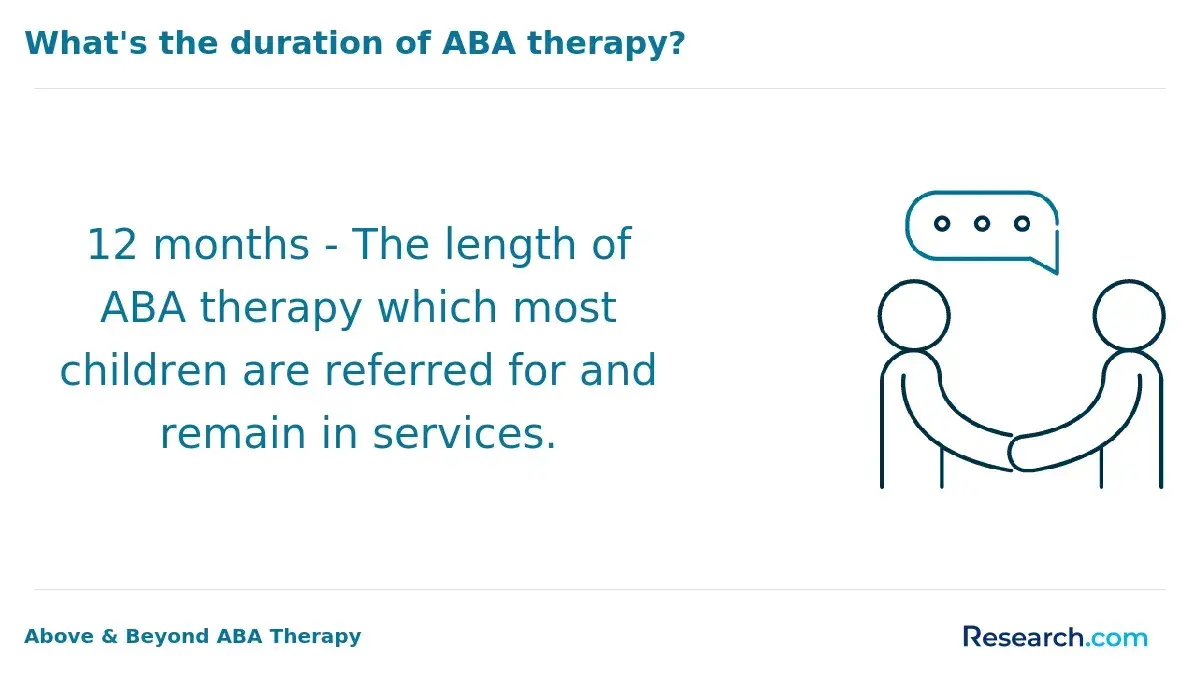
- Supervised fieldwork hours remain essential, with a minimum of 1,500 hours under a qualified BCBA supervisor, typically spanning 12 months to qualify for the BCBA exam.
- Integration of applied behavior analysis skills into school settings improves behavioral interventions for students, aligning with the increasing demand for evidence-based psychological services in U.S. schools.
What is a BCBA pathway for school psychologists?
A BCBA pathway for school psychologists is a structured route that adds graduate-level applied behavior analysis training to an existing background in school psychology. The goal is not to replace school psychology practice, but to strengthen it with behavior-analytic assessment, intervention design, data-based decision-making, and consultation skills that are especially useful in schools.
For school psychologists, the pathway typically connects three parts: qualifying graduate coursework, supervised behavior-analytic fieldwork, and the BCBA examination. Under earlier certification models, many candidates completed a Verified Course Sequence approved by the Behavior Analyst Certification Board. For candidates planning in 2026, the more important step is confirming that the university can document that its coursework meets current BACB requirements.
This credential can be especially valuable in roles that involve functional behavior assessment, behavior intervention plans, autism support, classroom behavior systems, crisis prevention, and consultation with teachers and families. A school psychologist with BCBA training can often move more confidently between psychoeducational assessment and behavior-analytic treatment planning.
The pathway has several practical checkpoints:
- Confirm that your graduate degree and planned coursework satisfy current BACB education requirements.
- Choose coursework that fits your schedule, especially if you are working full time in a school district.
- Secure qualified supervision before assuming your current job duties will count toward fieldwork.
- Track hours and activities carefully so your experience is acceptable when you apply for the exam.
- Prepare for the BCBA exam with enough time to review concepts that may not have been emphasized in school psychology training.
Some school psychologists pursue stand-alone ABA coursework, while others choose a full graduate program. Those comparing flexible options may want to review online ABA master's programs, especially if relocation or campus attendance is not realistic.
The career case is also strong. According to the Bureau of Labor Statistics, school psychologists in elementary and secondary schools earn a median annual wage of $90,940, 12% above the average for all occupations. BCBA certification may improve mobility into behavior specialist, district consultant, clinical, supervisory, or private-practice roles, although pay depends on employer type, location, experience, and scope of responsibility.
What are BCBA certification requirements for school psychologists?
School psychologists seeking BCBA certification must meet education, supervised experience, and examination requirements. A school psychology degree can be a strong foundation, but it does not automatically make a candidate eligible. The key question is whether the candidate’s graduate coursework and supervised fieldwork meet BACB standards.
At a minimum, candidates must hold a graduate degree, typically a master's or higher, in psychology, education, or behavior analysis with coursework aligned to BACB standards. Because the verified course sequence pathway ended on December 31, 2025, universities now provide attestation confirming that the coursework meets the updated curriculum requirements for school psychologists pursuing BCBA certification requirements for school psychologists in the United States.
Applicants must also complete 2,000 to 2,500 hours of supervised experience with a qualified BCBA supervisor. This is where many school psychologists need the most planning. Not every school-based task qualifies as behavior-analytic fieldwork, even if it involves behavior. Activities usually need to connect clearly to applied behavior analysis, such as assessment, intervention planning, data analysis, treatment evaluation, caregiver or staff training, and ethical practice.
The final requirement is passing the BCBA exam, which measures knowledge of foundational principles, measurement, experimental design, behavior assessment, intervention, supervision, and ethics. Candidates who have been trained primarily in psychoeducational assessment may need additional preparation in behavior-analytic terminology, single-case design logic, and behavior-change procedures.
Before enrolling, school psychologists should ask each program three questions:
- Will the university provide the required coursework attestation for BCBA eligibility?
- Does the program help students locate or structure qualified supervised fieldwork?
- Does the curriculum support school-based practice, not only clinic-based ABA?
Those who want a degree-based route can compare BCBA master's programs that combine coursework, research, and applied training. The safest approach is to verify requirements directly before enrollment rather than assuming a psychology, counseling, education, or special education program will qualify.
How can school psychologists become BCBA certified?
School psychologists can become BCBA certified by building a plan around three requirements: approved graduate-level ABA coursework, supervised fieldwork, and the BCBA exam. The fastest route is usually the one that aligns these requirements from the beginning instead of treating them as separate steps.
The coursework portion has historically included a verified course sequence with at least 270 hours covering foundational principles, ethics, assessment, and intervention techniques. In current planning, school psychologists should confirm that any coursework option meets the applicable BACB requirements and that the institution can provide the documentation needed for certification review.
Many working professionals choose flexible online or part-time programs because they need to maintain employment while completing coursework and supervised hours. A full ABA master degree may be useful for candidates who need both structured coursework and a graduate credential that supports advancement.
The supervised experience requirement involves completing 1,500 hours of independent fieldwork or 2,000 hours of practicum under the supervision of a Board Certified Behavior Analyst. School psychologists should be careful here: hours are not automatically acceptable just because they occur in a school. Strong fieldwork plans often include functional behavior assessments, behavior intervention plans, progress monitoring, staff consultation, caregiver collaboration, data-based modification of interventions, and ethical documentation.
A practical sequence looks like this:
- Review your current graduate transcripts and identify any gaps in ABA coursework.
- Select a program that can document eligibility under current BACB rules.
- Find a qualified BCBA supervisor before beginning fieldwork hours.
- Set up a tracking system for hours, supervision meetings, restricted and unrestricted activities, and documentation.
- Use your school role strategically, but only count activities that meet fieldwork standards.
- Begin exam preparation before coursework ends, not after all hours are complete.
Demand is one reason school psychologists consider this credential. Currently, there is one school psychologist for every 1,233 students, far above the recommended 1:500 ratio by the National Association of School Psychologists (APA Monitor, January 2024). BCBA certification can help school psychologists respond to behavioral needs more directly, expand their role in special education teams, and qualify for positions that require advanced behavior intervention expertise.
The best BCBA programs for school psychologists are not simply the most recognizable programs. They are programs that meet certification requirements, support supervised fieldwork, and prepare candidates for school-based behavior consultation. Accreditation and eligibility documentation should come before convenience, cost, or speed.
Strong options accredited by the Behavior Analyst Certification Board include Western Michigan University's Applied Behavior Analysis program, University of North Texas, and Florida Institute of Technology. These programs are often discussed because they combine rigorous ABA coursework with training models that can support working professionals.
When comparing programs, school psychologists should look for features that match educational practice:
- Coursework in functional behavior assessment, behavior intervention, measurement, ethics, and supervision.
- Opportunities to apply ABA in schools, special education programs, early intervention, or related settings.
- Faculty with experience in both behavior analysis and education-facing service delivery.
- Clear guidance on fieldwork supervision and documentation.
- Flexible scheduling for professionals employed by school districts.
- Preparation for collaboration with teachers, administrators, families, and multidisciplinary teams.
School psychologists should also distinguish between a program that is academically strong and a program that is a good personal fit. A campus program may provide more direct faculty access and structured practicum opportunities. An online program may be better for a licensed school psychologist who already has access to a school-based setting and only needs coursework plus qualified supervision.
Salary data highlights why many school psychologists consider the added credential. School psychologists earn an average of $90,940 annually in elementary schools, with higher wages-around $105,140-working in offices of other health practitioners. These figures do not guarantee a raise after certification, but they show that related settings can offer different compensation opportunities.
For candidates who need flexibility, ABA online pathways can be practical, provided the program satisfies certification requirements and the student can secure appropriate supervised fieldwork.
A BCBA curriculum teaches school psychologists how to analyze behavior, design interventions, measure outcomes, and make treatment decisions using applied behavior analysis. For school-based professionals, the most useful programs connect ABA concepts to real educational problems: disruptive behavior, skill deficits, autism support, classroom systems, attendance, social behavior, and intervention fidelity.
Core coursework usually covers behavior principles, measurement, data display, assessment, intervention design, ethics, supervision, and behavior-change procedures. School psychologists may recognize some overlap with consultation and assessment training, but ABA coursework uses a distinct framework. It emphasizes observable behavior, environmental variables, function-based intervention, repeated measurement, and ongoing adjustment based on data.
Important curriculum areas include:
- Behavioral principles: reinforcement, punishment, stimulus control, motivating operations, generalization, and maintenance.
- Assessment: functional behavior assessments, indirect assessments, direct observation, and hypothesis development.
- Intervention: antecedent strategies, replacement behavior teaching, reinforcement systems, and consequence-based procedures.
- Measurement: frequency, duration, latency, interval recording, graphing, and treatment evaluation.
- Ethics: consent, scope of competence, confidentiality, cultural responsiveness, documentation, and responsible service delivery.
- School collaboration: coaching teachers, working with families, participating in IEP teams, and supporting implementation across classrooms.
Supervised practicum or fieldwork is a critical part of preparation. It allows candidates to apply coursework to cases involving students diagnosed with autism spectrum disorder or attention deficit hyperactivity disorder, as well as students with other behavioral, developmental, or learning needs. The strongest field experiences teach candidates how to move from assessment to intervention to progress monitoring, rather than stopping at recommendations.
Programs should also prepare school psychologists to work within legal and ethical frameworks such as IDEA. A behavior plan that is technically sound but unrealistic for a classroom, poorly documented, or disconnected from special education procedures can fail in practice.
With school psychologist employment projected to grow 1% from 2023 to 2033 and about 2,600 openings annually due to retirements and replacements, ABA training can help school psychologists compete for specialized positions and respond to complex behavioral needs in schools.
School psychologists can complete BCBA preparation through online, hybrid, or campus-based programs. The best format depends on work schedule, access to supervision, learning style, cost, and whether the student already has a fieldwork setting.
Online programs are often the practical choice for full-time school psychologists. They may offer asynchronous coursework, evening classes, or part-time pacing, which allows candidates to continue working while completing graduate requirements. This can be especially important for professionals in rural areas or districts far from universities with ABA programs.
Campus programs offer a different advantage: structure. Students may have easier access to faculty, peer cohorts, research labs, practicum partnerships, and in-person mentoring. For candidates who are newer to ABA or who do not yet have a suitable fieldwork site, a campus program may reduce the burden of finding training opportunities independently.
| Format | Best fit | Main advantage | Main risk to check |
| Online | Working school psychologists, rural professionals, candidates who cannot relocate | Flexible scheduling and local fieldwork possibilities | Student may need to arrange qualified supervision independently |
| Campus | Candidates who want structure, faculty access, and in-person training | More direct academic and practicum support | Less flexibility for full-time school employees |
| Hybrid | Professionals who can attend occasional campus sessions | Balance of flexibility and face-to-face interaction | Travel, scheduling, or residency requirements may add cost |
Regional shortages also affect access. Southern states and rural communities often face more severe shortages, which can make online options more important. According to APA Monitor, federal grants totaling $141 million were awarded in 2023 to 103 states and districts to support recruitment efforts. This funding frequently underwrites tuition assistance and expands online program availability, making remote BCBA pathways more attainable nationwide.
Before choosing a format, school psychologists should verify four details: whether the coursework meets current certification rules, whether supervision is included or separate, whether school-based fieldwork is acceptable, and whether the schedule is sustainable during the school year.
Admission requirements vary by institution, but most BCBA programs look for academic readiness, relevant professional experience, and a clear reason for pursuing behavior analysis. School psychologists often meet many baseline expectations, but they still need to confirm program-specific prerequisites.
Admission for BCBA programs generally requires a bachelor's degree from an accredited institution, though most candidates hold a master's degree in psychology, education, or related fields. Some applicants enter through a full graduate degree program, while others enroll in post-master’s or certificate coursework if they already hold an eligible graduate degree.
Common application materials include:
- Official transcripts from prior colleges or universities.
- Recommendation letters from supervisors, faculty, or professional colleagues.
- A statement of purpose explaining career goals in applied behavior analysis.
- Documentation of relevant work or volunteer experience with individuals who have behavioral, developmental, or learning needs.
- A resume or curriculum vitae showing school, clinical, research, or consultation experience.
Prerequisite coursework may include behavior assessment, intervention strategies, ethics, and data analysis. Some programs allow students to complete prerequisites after admission, while others require them before enrollment. GRE scores are becoming less common requirements, but some programs still request them. International students must demonstrate English proficiency via tests like TOEFL or IELTS. Interviews may also be part of the application to assess fit for ABA training.
School psychologists should pay attention to the difference between admission requirements and certification requirements. Being admitted to a program does not automatically mean the student will qualify for the BCBA exam. Applicants should ask whether the program’s coursework is designed for current BACB eligibility and whether the institution will provide the documentation needed at the time of application.
Licensure rules can also shape planning. For instance, Texas requires a 1,200-hour internship for school psychologist licensure, with at least 600 hours completed in public schools. This benefits those targeting school-based BCBA roles by ensuring substantial hands-on skills in educational environments (Texas Behavioral Health Executive Council, 22 TAC 463.9). However, licensure internship hours and BCBA fieldwork hours should not be assumed to be identical; candidates must verify what can count under each system.
BCBA preparation usually takes long enough to complete graduate coursework, supervised fieldwork, and exam preparation. For school psychologists who are working full time, the pacing is often determined less by the number of courses and more by how quickly they can complete acceptable supervised hours without overloading their professional responsibilities.
BCBA programs generally require 1.5 to 3 years to complete, depending on whether students attend full-time or part-time. Full-time students often finish in about two years, while part-time options-common among working professionals like school psychologists-may take three years or longer. Programs include graduate-level courses, supervised fieldwork, usually around 1,500 hours, and passing the BCBA exam.
Costs vary widely by institution and format. Traditional on-campus master's degrees typically range from $15,000 to over $30,000 for tuition alone, while online BCBA programs cost between $6,000 and $15,000. Additional expenses include supervision fees, study materials, and exam fees of approximately $245. Travel expenses may also apply for in-person requirements.
A realistic budget should include more than tuition. School psychologists should account for:
- University tuition and mandatory fees.
- Books, assessment tools, software, and study materials.
- Supervision fees if supervision is not provided by the employer or program.
- Exam preparation resources and the BCBA exam fee.
- Travel or residency costs for hybrid or campus-based programs.
- Reduced income if the student cuts work hours to complete fieldwork.
For example, a school psychologist working while studying might select a part-time online program costing about $10,000 over three years. Budgeting an extra $3,000 or more for supervision and exam prep is advisable. The lower-tuition option is not always the lowest-cost option if it leaves the student to arrange expensive outside supervision.
According to Applied Behavior Analysis, the top 10% of school psychologists earn over $132,000 annually. Obtaining dual NCSP and BCBA credentials can significantly enhance job opportunities and income potential in educational and clinical settings, but the return on investment depends on whether the credential leads to a higher-paid role, added contract work, leadership responsibilities, or expanded practice options.
BCBA-certified school psychologists can work in roles that combine assessment, consultation, intervention planning, and behavioral systems support. The credential is most valuable when the professional wants to move beyond traditional psychoeducational evaluation into more intensive behavior assessment and intervention leadership.
Many remain in public or private schools, where they develop behavior intervention plans, consult with teachers, support IEP teams, train staff, and evaluate student progress. Salaries in these roles are often tied to district salary schedules and typically fall between $65,000 and $85,000 annually.
More advanced school-based roles may involve district-level consultation, supervision of behavior specialists, crisis prevention systems, autism programming, special education leadership, or professional development for educators. Professionals in these responsibilities can earn between $85,000 and $110,000, depending on district structure, region, years of experience, and whether the position is part of an administrative track.
BCBA-certified school psychologists may also work in early intervention programs, private agencies, therapeutic clinics, hospitals, university-affiliated centers, or consulting practices. Additional roles combine school psychology with behavior analysis skills, especially in early intervention or therapeutic agencies, offering pay in the $70,000 to $95,000 range based on location and employer. Independent practitioners and specialized consultants in behavior analysis may surpass $120,000 depending on expertise and client demand.
Common career paths include:
- School psychologist with behavior intervention specialization.
- District behavior consultant or behavior specialist.
- Autism program consultant.
- Special education behavioral support coordinator.
- Clinical or agency-based BCBA serving children and adolescents.
- Independent consultant for schools, families, or service agencies.
- Supervisor or trainer for behavior technicians, educators, or intervention teams.
New training models are also emerging. The University of Alabama at Birmingham's 2-year EdS program starting in fall 2024 provides part-time, hybrid training funded by federal grants, preparing about 12 specialists annually with combined school psychology and applied behavior analysis expertise (APA Monitor, January 2024). Programs like this are designed to address shortages in underserved districts.
The strongest salary outcomes usually come from pairing the BCBA credential with experience in behavioral assessment, intervention implementation, staff training, supervision, and cross-disciplinary leadership. The credential can open doors, but employers still evaluate results, communication skills, ethical judgment, and the ability to work within school systems.
What is the job outlook for BCBA school psychologists?
The job outlook for BCBA school psychologists is favorable because schools need professionals who can address academic, emotional, developmental, and behavioral concerns with evidence-based methods. The dual credential is especially useful in districts serving students with autism spectrum disorder, emotional and behavioral challenges, developmental disabilities, and complex special education needs.
Several forces support demand:
- Schools continue to need function-based behavior intervention rather than generic discipline plans.
- IEP teams often need professionals who can connect assessment results to measurable intervention strategies.
- Autism and developmental disability services create demand across schools, clinics, agencies, and early intervention settings.
- Districts value staff who can train teachers, coach paraprofessionals, consult with families, and evaluate intervention data.
- Professionals with both school psychology and BCBA preparation can often move between educational and clinical environments more easily than candidates with only one specialty.
For school psychologists, the credential can improve competitiveness for behavior specialist roles, district leadership positions, consultative work, and interdisciplinary teams. It may also support career flexibility if a professional wants to move from a school district into private practice, an agency, a university-affiliated clinic, or a supervisory role.
The main caution is that demand does not remove the need for proper credential maintenance. School psychologists must keep BCBA certification current, follow ethics requirements, maintain scope of competence, and comply with state licensure rules for school psychology or other regulated practice areas. A strong career plan should account for both credentials, not just the initial certification.
Overall, school psychologists who add BCBA certification can position themselves for roles that require deeper behavioral expertise, stronger data-based intervention planning, and leadership in student support systems.
Other Things You Should Know About Applied Behavior Analysis
In 2027, school psychologists pursuing the BCBA pathway must complete 270 hours of graduate-level coursework in areas like behavioral assessment, ethical practices, and intervention strategies. The coursework must be verified by the Association for Behavior Analysis International (ABAI).
School psychologists pursuing the BCBA pathway in 2027 must pass the BCBA certification exam offered by the Behavior Analyst Certification Board (BACB). This exam assesses knowledge and skills in applied behavior analysis necessary for board certification.
The BACB accepts Supervised Fieldwork and Concentrated Supervised Fieldwork. Supervised Fieldwork requires at least 2,000 hours, while Concentrated Supervised Fieldwork requires at least 1,500 hours, both completed under an approved supervisor and documented to BACB standards.
- 25+ Affordable ABA/BCBA Online Programs (Masters & Certs) https://abamastersprograms.org/affordable-online-aba-masters-programs/
- 11 Best BCBA Programs & Schools (In-Person & Online) https://www.crossrivertherapy.com/behavioral-analysts/best-bcba-programs
- Association for Behavior Analysis International Accreditation Board https://accreditation.abainternational.org/accredited-programs.aspx
- How Much Does it Cost to Take (Or Retake) the BCBA® Exam? https://passthebigabaexam.com/how-much-does-it-cost-to-take-or-retake-the-bcba-exam/
- How to Become a Behavior Analyst https://onlinecounselingprograms.com/mental-health-careers/how-to-become-behavior-analyst-bcba/
- What is a BCBA? Your Guide to the BCBA Certification and Exam https://www.thechicagoschool.edu/insight/career-development/bcba-guide-bcba-certification-exam/
- Top Online ABA Master's Degrees Of 2026 | Psychology.org https://www.psychology.org/rankings/best-online-masters-applied-behavior-analysis/
- BCBA Job Outlook 2025 Shows Strong Growth and Demand https://blossomabatherapy.com/blog/bcba-job-outlook
- Best Masters in Psychology Degrees with an Applied Behavior Analysis Emphasis https://www.appliedbehavioranalysisedu.org/23-best-masters-in-psychology-programs-with-aba-emphasis/
- Applied Behavior Analysis (ABA)—Board Certified Behavior Analyst (BCBA) Certification - University of Mount Saint Vincent https://mountsaintvincent.edu/graduate-adult/graduate-programs/applied-behavior-analysis-aba-board-certified-behavior-analyst-bcba-certification/