2027 Top Interview Questions for Entry-Level BCBA Jobs

Co-Founder and Chief Data Scientist
Preparing for an entry-level Board Certified Behavior Analyst role is not just about memorizing ABA terms. Employers want to know whether you can assess behavior, use data, write practical intervention plans, communicate with caregivers and teams, and make ethical decisions when cases become complicated.
This guide helps new and transitioning candidates understand what BCBA interviewers typically evaluate, how entry-level responsibilities differ from training experiences, what certification requires, and how to talk about salary, job outlook, accreditation, and preparation with confidence. Use it to organize your examples, identify gaps in your experience, and practice answers that show clinical judgment rather than scripted knowledge.
Key Things You Should Know
- Entry-level BCBA interviews increasingly focus on applied behavior analysis principles, ethics, and case study analysis to assess candidate readiness in real-world clinical settings.
- Data from 2024 shows 62% of employers prioritize experience with functional behavior assessments and behavior intervention plan development during interviews.
- Strong communication skills and familiarity with recent BACB guidelines are essential, with 78% of job postings requiring knowledge of updated professional and ethical standards.
What are the top interview questions for entry-level BCBA jobs?
Entry-level BCBA interviews usually test three things: whether you understand core ABA principles, whether you can apply them safely in real cases, and whether you can work professionally with families, technicians, teachers, and clinical supervisors. Expect questions that combine technical knowledge with judgment-based scenarios.
Common entry-level BCBA interview questions
- How would you conduct a functional behavior assessment? Interviewers want to hear how you define the behavior, collect ABC data, review records, interview stakeholders, observe the client, and use the information to form a function-based hypothesis.
- How do you decide which intervention to recommend? A strong answer connects the intervention to assessment data, client needs, setting constraints, caregiver capacity, and ethical standards.
- Describe a time you used data to change a treatment plan. Employers are looking for evidence that you can interpret trends, not just collect numbers.
- How would you respond if an RBT was not implementing a plan correctly? Your answer should include supportive coaching, treatment fidelity checks, documentation, and follow-up.
- What would you do if a caregiver requested a strategy that was not evidence-based? This question tests ethics, communication, and your ability to explain ABA recommendations respectfully.
- How do you handle disagreement with teachers, parents, or other clinicians? Interviewers want collaboration, not defensiveness.
- How do you prioritize a caseload when several clients need attention? Good answers mention risk, clinical urgency, supervision requirements, deadlines, and communication.
Many beginner behavioral analyst interview questions focus on functional behavior assessments, data collection, intervention design, progress monitoring, ethics, and collaboration. The strongest responses are specific: name the setting, explain the behavior concern, describe what you did, and show how data guided your next step.
Demand also shapes the interview environment. With 132,307 BCBA positions posted compared to only 83,586 active BCBAs in the US (certifyndaba.com, citing BACB/Lightcast 2026), employers may be eager to hire, but they still need candidates who can practice safely and independently within their competence. Candidates who need to strengthen their foundation often compare BCBA courses online before applying to roles or completing certification requirements.
What does a BCBA do in entry-level roles?
An entry-level BCBA typically assesses behavior, designs behavior intervention plans, supervises implementation, reviews data, trains caregivers or staff, and documents progress. The role is “entry-level” because the BCBA may have less independent experience, but the clinical responsibility is still significant.
Core responsibilities in entry-level BCBA jobs
| Responsibility | What it looks like in practice | What interviewers may ask |
| Assessment | Conducting interviews, observations, record reviews, preference assessments, and functional behavior assessments. | “How would you identify the function of self-injurious behavior?” |
| Intervention planning | Writing function-based behavior intervention plans with prevention strategies, replacement skills, reinforcement procedures, and safety considerations. | “How do you select replacement behaviors?” |
| Data analysis | Reviewing graphs, identifying trends, and modifying goals or procedures when progress stalls. | “Tell us about a time data changed your clinical decision.” |
| Supervision | Training and monitoring Registered Behavior Technicians (RBTs) to support treatment fidelity. | “How would you correct inconsistent plan implementation?” |
| Caregiver and team collaboration | Explaining behavior plans in practical language and coordinating with families, teachers, clinicians, and administrators. | “How do you handle resistance from a caregiver or staff member?” |
| Documentation and compliance | Writing session notes, progress reports, supervision records, and plan updates that meet organizational and payer requirements. | “How do you manage documentation while maintaining clinical quality?” |
Entry-level BCBA job responsibilities often involve children with developmental disabilities or behavioral challenges, but roles can also include school-based services, telehealth, early intervention, clinics, home programs, and multidisciplinary care teams. A BCBA might, for example, complete a functional behavior assessment to identify triggers for self-injurious behavior and then design a plan that teaches a safer communication response.
New BCBAs should be ready to work within real-world limits, including staffing shortages, caregiver availability, school schedules, payer rules, and resource constraints. Strong candidates show that they can translate behavioral principles into plans that people can actually implement.
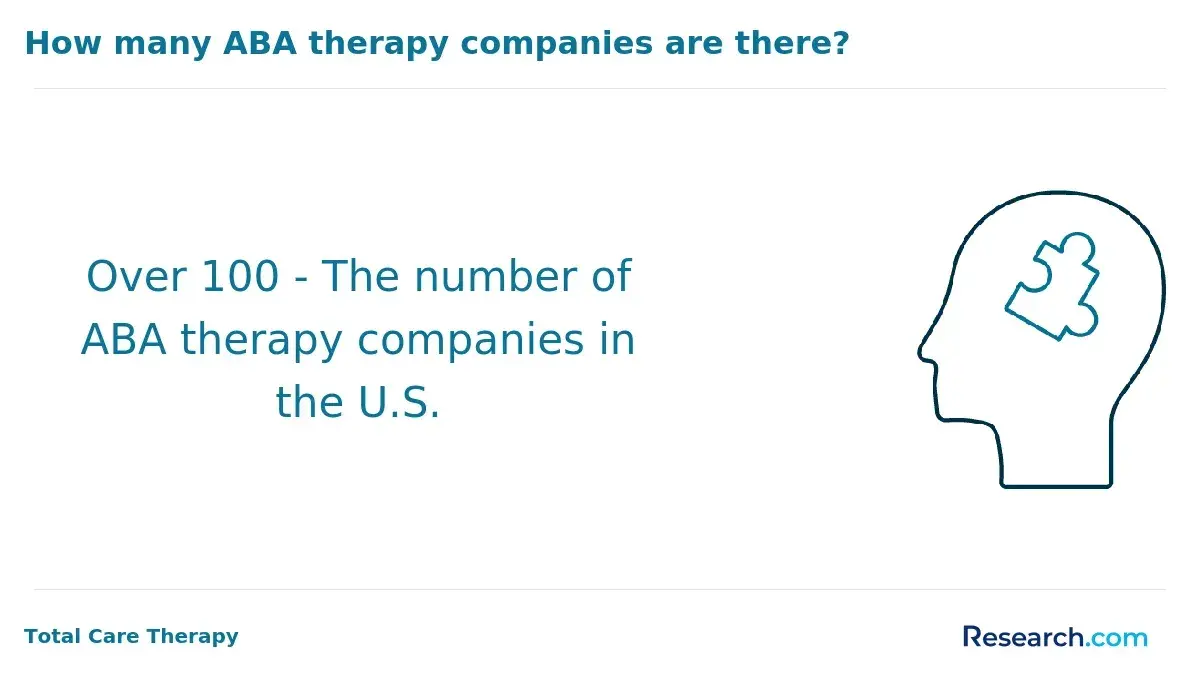
Demand for these responsibilities continues to expand. With a 28% rise in job postings from 2024 to 132,307 in 2025 (BACB/Lightcast 2026 report), aspiring BCBAs should be prepared for varied caseloads and service models. Students comparing training paths can review BCBA certification schools to understand how different programs support coursework, fieldwork, and exam readiness.
How do you become a certified BCBA?
To become a certified BCBA in the United States, candidates must satisfy the Behavior Analyst Certification Board (BACB) requirements for graduate education, behavior-analytic coursework, supervised field experience, and examination. The process is structured, document-heavy, and best planned before enrolling in a program.
Typical path to BCBA certification
- Earn an eligible graduate degree. Candidates generally complete a master's degree in a relevant field such as psychology, education, or behavior analysis from an accredited institution. Some students choose an online masters in applied behavior analysis, while others complete on-campus or hybrid programs.
- Complete BACB-aligned coursework. Coursework must cover areas such as measurement, assessment, intervention, ethics, research methods, and professional conduct.
- Accumulate supervised fieldwork. Candidates generally complete between 1,500 and 2,000 hours of practical Applied Behavior Analysis work under a credentialed BCBA's guidance.
- Maintain accurate documentation. Supervision contracts, monthly forms, final verification forms, and fieldwork records must be complete and consistent.
- Apply for the BCBA exam. After coursework and supervised experience are complete, candidates submit documentation to the BACB.
- Pass the BCBA exam. The exam assesses knowledge in areas such as measurement, assessment, intervention, ethics, and professional conduct.
- Maintain certification. Certification requires ongoing continuing education after passing the exam.
A common mistake is treating certification as a simple degree outcome. A graduate program may provide required coursework, but students are still responsible for completing and documenting supervised experience according to BACB rules. Candidates should confirm requirements directly before making enrollment or employment decisions.
There is also a strong workforce need. Approximately 46% of counties lack a BCBA presence, creating job opportunities, especially in underserved and rural areas. Candidates willing to work in high-need communities may find broader options, but they should still evaluate supervision quality, ethical support, caseload size, and state licensure rules before accepting a role.
BCBA certification requires graduate-level education. To meet entry level BCBA certification requirements in the United States, candidates need a master's degree or higher in behavior analysis, education, psychology, or a related field from an accredited institution, along with BACB-aligned coursework.
The required coursework typically totals 270 hours and covers areas such as ethical considerations, research methods, assessment, and intervention techniques. Many candidates complete a master's in Applied Behavior Analysis designed around BACB criteria. Others earn a related graduate degree and complete a graduate-level verified coursework sequence to meet behavior analysis coursework requirements.
What to check before choosing a program
- Institutional accreditation: The college or university should be properly accredited so the degree is recognized for certification and employment purposes.
- BACB coursework alignment: Confirm that the coursework is designed to meet current BACB standards, not outdated requirements.
- Fieldwork support: Ask whether the program helps students identify supervised experience sites or whether students must arrange fieldwork independently.
- Faculty and supervision quality: Look for instructors and supervisors with practical ABA experience across the populations or settings you hope to serve.
- Exam preparation: Ask about pass-rate support, mock exams, study planning, and remediation for students who need additional review.
In addition to academic qualifications, candidates must complete substantial supervised experience, ranging from 1,500 to 2,000 hours depending on the chosen pathway. This supervision must be conducted by a qualified BCBA to ensure adherence to professional guidelines. Before applying for the BCBA exam, all coursework and fieldwork must be approved by BACB.
The exam is demanding. First-time pass rates declined from 66% in 2020 to 51% in 2025, which makes program quality, fieldwork depth, and structured study time especially important. Prospective students comparing flexible options can use information on an online applied behavior analysis masters degree to evaluate whether a program fits their certification timeline, budget, and supervision needs.
Behavioral interview questions ask how you handled past situations or how you would respond to realistic clinical challenges. For BCBA roles, these questions usually focus on ethics, caregiver communication, staff supervision, crisis response, data-based decisions, and collaboration.
Examples of behavioral BCBA interview questions
- Tell us about a time you had to adjust a treatment plan based on data. Explain the original goal, what the data showed, what you changed, and how you monitored the result.
- Describe a time you worked with a difficult caregiver, teacher, or team member. Show that you listened, clarified expectations, documented concerns, and kept the client’s needs central.
- Tell us about an ethical dilemma you faced during fieldwork or clinical practice. Reference professional standards and explain how you sought consultation or supervision when needed.
- Describe how you handled an RBT performance issue. Focus on training, modeling, feedback, fidelity checks, and respectful follow-up.
- Tell us about a case where progress was limited. Discuss how you reviewed data quality, treatment integrity, reinforcement, motivation, environmental barriers, and possible reassessment.
How to structure strong answers
Use a clear case-based format: situation, client need, your action, data reviewed, outcome, and what you learned. Entry-level candidates do not need to pretend they have years of independent practice. It is better to explain what you did under supervision, what clinical reasoning you used, and how you stayed within your competence.
Interviewers expect professionalism aligned with Behavior Analyst Certification Board (BACB) ethical guidelines. A strong answer avoids blaming families, staff, or clients. It shows that you can identify risk, ask for help, document accurately, and make decisions based on data and client welfare.
Compensation can reflect the value of these early competencies. Entry-level BCBAs earn about $65,120 annually, rising to $71,675 with 1-5 years of experience. That makes it important to demonstrate behavioral and ethical readiness from the first interview, not only technical vocabulary.
The best online BCBA programs are those that combine appropriate institutional accreditation with BACB-aligned coursework. For students, “best accreditation” does not mean the program sounds prestigious; it means the degree and coursework will support certification eligibility, employer acceptance, and, where applicable, state licensure review.
Accreditation factors to verify
| Accreditation or approval factor | Why it matters | What to verify before enrolling |
| Regional institutional accreditation | Confirms that the college or university meets recognized academic standards. | Check the institution’s accreditor, such as the Higher Learning Commission (HLC) or the Southern Association of Colleges and Schools Commission on Colleges (SACSCOC). |
| BACB Verified Course Sequence or BACB-aligned coursework | Helps ensure coursework is designed to satisfy certification-related content requirements. | Confirm current BACB status directly rather than relying only on marketing pages. |
| Fieldwork support | Coursework alone is not enough for certification; supervised experience is also required. | Ask whether the program provides practicum options, placement support, or guidance for securing qualified supervision. |
| State licensure relevance | Some states may have additional requirements beyond certification. | Ask whether the program tracks state licensure expectations in the states where graduates commonly work. |
Examples of online BCBA programs include Florida Institute of Technology, Ball State University, and Simmons University. These institutions are commonly associated with online, BACB-approved coursework and recognized regional accreditation. Students should still verify current program status before enrolling because requirements and approvals can change.
Program recognition may matter more in high-demand markets. California accounts for 15% of national BCBA job postings, and the top five states collectively represent 38% of job demand (certifyndaba.com, citing Lightcast 2025). If you may relocate or work across states, choose a program with clear documentation, strong academic credibility, and transparent support for certification preparation.
Before committing, request written answers to practical questions: Does the program meet current BACB coursework expectations? Does tuition include exam preparation resources? Are synchronous meetings required? Can students complete supervised fieldwork in their local area? What happens if a fieldwork site falls through? These details often matter as much as the program name.
Technical BCBA interview questions test whether you can explain ABA concepts and apply them to clinical decisions. Interviewers may ask direct knowledge questions, give you sample data, or present a scenario and ask what you would do next.
Technical areas commonly tested
- Behavior measurement: Frequency, rate, duration, latency, interresponse time, partial interval, whole interval, and momentary time sampling.
- Data interpretation: Identifying trends, levels, variability, changes in behavior, and whether intervention adjustments are justified.
- Functional behavior assessment: Defining antecedents, behaviors, and consequences; identifying possible functions; and selecting appropriate assessment methods.
- Reinforcement and punishment: Distinguishing positive and negative reinforcement from positive and negative punishment, and explaining ethical use.
- Skill acquisition: Shaping, chaining, prompting, prompt fading, task analysis, generalization, and maintenance.
- Behavior reduction: Extinction, differential reinforcement, antecedent strategies, replacement behavior training, and crisis planning.
- Motivating operations: Explaining how value-altering and behavior-altering effects influence responding.
- Experimental design: Reversal, multiple-baseline, and alternating treatment designs.
Examples of technical interview prompts
- “Describe how you would conduct an FBA for a client with escape-maintained behavior.”
- “How would you select appropriate reinforcers?”
- “Look at this graph. What trend do you see, and what would you recommend?”
- “When would you use partial interval recording instead of frequency recording?”
- “How would you evaluate whether an intervention is being implemented with fidelity?”
Strong technical answers are concise but applied. For example, if asked about escape-maintained behavior, explain that you would verify the function through assessment, teach an appropriate way to request breaks or help, adjust task demands when appropriate, reinforce the replacement behavior, and avoid accidentally strengthening the challenging behavior.
The need for technical competence is not theoretical. The 291% increase in BCBA job postings in Oregon from 2023 to 2024, outpacing national growth, highlights the growing demand for professionals who can move beyond terminology and make defensible, data-based decisions.
Entry-level BCBAs in the U.S. typically start with salaries between $55,000 and $70,000 annually, though compensation varies by location, employer type, caseload expectations, billable-hour requirements, benefits, and demand. Some rural or underfunded settings may start closer to $50,000, while urban markets or specialized clinical environments may offer salaries on the higher end.
How employer type can affect compensation
| Work setting | Possible compensation pattern | Trade-offs to consider |
| School districts | May offer lower base pay than some clinics. | Often provide stable schedules, school calendars, benefits, and pension plans. |
| Private ABA clinics | May offer higher earning potential, including productivity-based bonuses. | Caseload size, billable expectations, and evening availability may be more demanding. |
| Home-based services | Pay can vary widely by region, payer mix, and travel requirements. | Consider mileage, cancellations, safety protocols, and supervision structure. |
| Healthcare or specialty settings | May pay competitively for specialized experience or interdisciplinary work. | May require stronger documentation, coordination, and compliance skills. |
Private clinics may include bonuses linked to productivity, which can raise annual income beyond $75,000 after a year. However, candidates should compare total compensation rather than salary alone. Ask about health insurance, retirement benefits, paid time off, continuing education support, mileage reimbursement, supervision expectations, documentation time, and caseload caps.
The national demand for BCBAs far exceeds supply. Only about 30,000 BCBAs serve in direct clinical roles currently, compared to an estimated 100,000 needed. This shortage can strengthen salary offers, especially in states with Medicaid-funded ABA services or agencies facing recruitment challenges. Candidates open to high-demand or underserved areas may encounter signing bonuses or higher hourly rates.
Salary discussions should be specific. Instead of asking only, “What is the salary?” ask, “How many clients are assigned to a full-time BCBA, what are the billable expectations, how is non-billable work handled, and what support is available for documentation and supervision?” These questions reveal whether the pay is sustainable.
The job outlook for entry-level BCBAs is strong, supported by demand in autism services, schools, early intervention, developmental disability services, behavioral health, and caregiver training. Employers need clinicians who can assess behavior, design measurable plans, supervise technicians, and document outcomes for families, schools, agencies, and payers.
Growth is visible across related credentials as well. Job postings for board certified assistant behavior analysts (BCaBAs) grew by 131% from 2023 to 2024, outpacing BCBA growth, according to certifyndaba.com citing Lightcast 2025. This points to broader expansion in behavior-analytic services and support roles.
Where entry-level BCBAs commonly find opportunities
- Schools: Supporting special education teams, behavior intervention plans, classroom systems, and compliance-related services.
- Private ABA providers: Serving clients in clinics, homes, community settings, or hybrid models.
- Healthcare and developmental services: Working with interdisciplinary teams that may include physicians, psychologists, speech-language pathologists, occupational therapists, and social workers.
- Early intervention programs: Designing proactive supports for young children and coaching caregivers.
- Underserved regions: Filling gaps in counties or communities with limited access to behavior analysts.
Certification alone may not be enough to stand out in competitive markets. Employers increasingly value skills in data analysis, parent training, report writing, grant writing, staff coaching, telehealth delivery, crisis prevention, and multidisciplinary collaboration. Entry-level candidates can strengthen their outlook by documenting fieldwork outcomes and preparing examples that show measurable client progress.
Challenges remain. Delayed licensing, inconsistent reimbursement rates, travel demands, and uneven supervision quality can affect first jobs. Candidates should network through professional associations, maintain relationships from fieldwork placements, and ask detailed questions about caseloads and supervision before accepting an offer.
How to prepare effectively for BCBA job interviews?
Effective BCBA interview preparation should combine technical review, case reflection, employer research, and practice explaining decisions out loud. The goal is not to recite definitions; it is to show that you can make ethical, data-based decisions in realistic service settings.
Step-by-step preparation plan
- Review core ABA concepts. Focus on measurement, assessment, reinforcement, punishment, extinction, prompting, shaping, chaining, generalization, maintenance, experimental design, ethics, and treatment fidelity.
- Prepare three to five clinical examples. Choose examples from supervised fieldwork, practicum, internships, or related experience. Include one assessment example, one data-based decision, one collaboration challenge, one ethical issue, and one supervision or training example if possible.
- Practice scenario answers. Rehearse prompts such as “Describe a time you modified a treatment plan based on data” and “How do you ensure treatment fidelity in a clinical setting?”
- Research the employer. Learn the organization’s client population, service model, locations, payer environment, supervision structure, and stated values.
- Prepare questions for the interviewer. Ask about caseload size, RBT support, mentorship for new BCBAs, documentation expectations, crisis procedures, continuing education, and performance metrics.
- Check licensure and certification logistics. If the role is in a state with licensure requirements, clarify what must be completed before you can practice independently.
Questions to ask before accepting an entry-level BCBA offer
- What is the expected caseload for a new BCBA?
- How many RBTs or direct staff would I supervise?
- Is mentorship available for newly certified BCBAs?
- How are treatment fidelity and clinical quality monitored?
- How much time is protected for documentation, caregiver meetings, and data review?
- What are the billable-hour expectations?
- How does the organization handle ethical concerns or clinical disagreements?
Behavioral health roles are growing rapidly, with a projected 17% employment increase through 2034-five times the national average. That growth creates opportunity, but it also raises expectations. Candidates who can explain their reasoning, acknowledge limits, use data clearly, and ask informed questions are better positioned to earn trust in entry-level BCBA interviews.
Other Things You Should Know About Applied Behavior Analysis
Ethical considerations in applied behavior analysis focus on maintaining client dignity, obtaining informed consent, and ensuring interventions are evidence-based and least restrictive. BCBAs must adhere to the Behavior Analyst Certification Board's Professional and Ethical Compliance Code, which also emphasizes confidentiality and responsible data collection. Ethical practice safeguards client rights while promoting effective treatment.
Data collection in applied behavior analysis involves systematic observation and recording of behaviors to measure treatment progress objectively. BCBAs use methods such as frequency counts, duration, and interval recording to monitor behavior changes. This data guides decision-making and adjustments to interventions to improve client outcomes.
Interviewers most often test assessment, behavior-change procedures, measurement, data display, ethical decision-making, and supervision from the BACB task list. For entry-level BCBA roles, they may also ask how you would explain behavior functions, choose interventions, and monitor treatment outcomes using objective data.
Entry-level BCBA job interviews in 2027 focus on evaluating skills such as understanding of evidence-based interventions, data collection, and analysis. Applicants should also demonstrate the ability to conduct functional behavior assessments (FBAs) and showcase strong ethical decision-making abilities in behavioral treatment plans.
- 14 Behavior Analyst Interview Questions & Answers https://www.crossrivertherapy.com/behavioral-analysts/interview-questions-and-answers
- BCBA Job Outlook in 2026 Explained | Divine Steps ABA https://www.divinestepstherapy.com/blog/bcba-job-outlook
- ABA Certification Explained: RBT, BCaBA, BCBA, BCBA-D https://onlinecounselingprograms.com/mental-health-careers/how-to-become-behavior-analyst-bcba/aba-certification-explained/
- How to Prepare for an ABA Job Interview: 7 ABA Interview Questions https://www.appliedbehavioranalysisedu.org/2022/07/how-to-prepare-for-an-aba-job-interview/
- ABA Therapy Interviews: Top Questions and Advice from BCBAs - Bluesprig Autism https://www.bluesprigautism.com/blog/aba-therapy-interviews-top-questions-and-advice-from-bcbas/
- Choosing Excellence: Discover the Best BCBA Programs Online | Brighter Strides ABA https://www.brighterstridesaba.com/blog/bcba-programs-online/
- 9 Types of People Who Should Apply for an Entry-Level ABA Job - LEARN Behavioral https://learnbehavioral.com/blog/9-types-of-people-who-should-apply-for-an-entry-level-aba-job
- What to Expect from a BCBA Job: Salary, Growth & Opportunities - Big Dreamers ABA https://www.bigdreamersaba.com/blog/what-to-expect-from-a-bcba-job-salary-growth-opportunities
- The Best ABA Programs for BCBA Certification https://www.abaresourcecenter.com/post/best-aba-programs-for-bcba-certification
- Applied Behavior Analysis Jobs You Should Know https://centriahealthcare.com/resources/applied-behavior-analysis-jobs-you-should-know/