2027 BCBA for Occupational Therapy Professionals: Career Transition Guide

Co-Founder and Chief Data Scientist
Occupational therapists who want stronger tools for behavior assessment and intervention often consider the Board Certified Behavior Analyst credential. The decision is not simply whether BCBA certification is useful; it is whether the coursework, supervised fieldwork, exam preparation, cost, and scope-of-practice implications fit your career goals.
For OT professionals, applied behavior analysis can add a structured, data-based way to address behaviors that interfere with participation, learning, communication, self-care, and therapy progress. It can also open roles in schools, pediatric clinics, autism services, early intervention, consultation, supervision, and interdisciplinary program leadership.
This guide explains how occupational therapy professionals can move toward BCBA certification, what the credential adds to OT practice, which degree and certificate pathways are commonly used, what programs usually require, how long they take, what they may cost, and how to evaluate salary and job demand without overestimating the return on investment.
Key Things You Should Know
- Occupational therapy professionals transitioning to BCBA roles must complete a verified course sequence, accrue 1,500 supervised hours, and pass the 150-question certification exam.
- The demand for BCBA-certified occupational therapists is projected to grow 20% by 2030, driven by increased ABA integration in therapeutic settings.
- BCBA certification enhances career flexibility and average annual salaries, which range from $65,000 to $90,000 depending on experience and region.
What is a BCBA and its role in occupational therapy?
A Board Certified Behavior Analyst, or BCBA, is a professional credentialed in applied behavior analysis (ABA). ABA uses observable behavior, environmental variables, reinforcement, data collection, and evidence-based intervention to understand why behaviors occur and how to support meaningful behavior change.
In occupational therapy, BCBA training can strengthen clinical reasoning when behavior affects function. Many OT clients need support with routines, transitions, self-care, school participation, emotional regulation, safety, feeding, sensory-related responses, or adaptive skills. A BCBA-informed OT perspective can help identify what maintains a behavior and which intervention strategies are most likely to improve participation.
How BCBA skills complement OT practice
- Assessment: BCBAs conduct behavioral assessments, including functional behavior assessments, to identify antecedents, consequences, and patterns that influence behavior.
- Intervention design: They create behavior intervention plans that define target behaviors, replacement skills, reinforcement strategies, and measurement methods.
- Data-based decision-making: BCBA practice emphasizes collecting and analyzing data to determine whether an intervention is working.
- Team collaboration: BCBAs often work with OTs, speech-language pathologists, teachers, physicians, psychologists, families, and behavior technicians.
For example, an OT may be helping a child improve dressing, feeding, handwriting, or classroom participation. If avoidance, aggression, elopement, or refusal prevents progress, BCBA training can help the clinician analyze the behavior function and design supports that make the occupational goal more achievable.
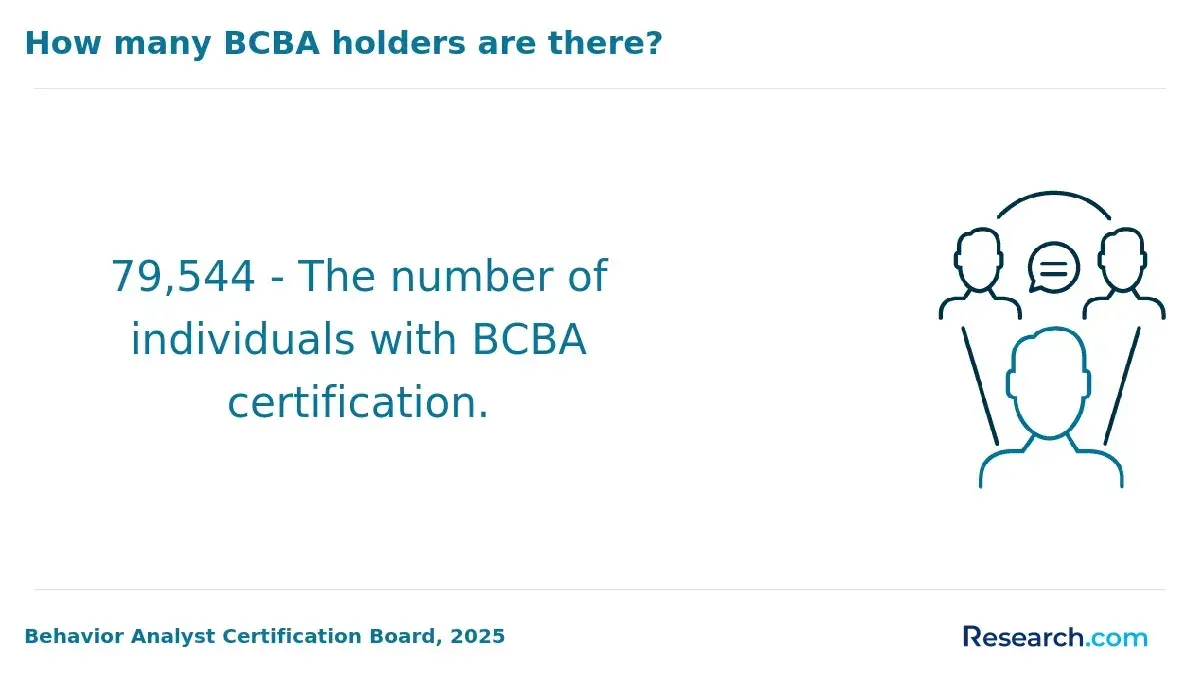
The credential can be especially relevant in services for autism spectrum disorder, developmental disabilities, intellectual disabilities, and behavioral challenges. Demand is also notable: in 2025, employers posted more than 130,000 positions requiring BCBA certification, surpassing the number of active certificants. That figure signals strong labor-market interest, although actual opportunities still depend on state, setting, experience, and whether the employer recognizes combined OT and ABA expertise.
To become certified, candidates generally need graduate-level ABA coursework, supervised fieldwork, and a passing score on the BCBA certification exam through the Behavior Analyst Certification Board (BACB). OT professionals comparing flexible options can review a BCBA masters program online to understand how online coursework may fit around clinical work.
Can occupational therapists become certified BCBAs?
Yes. Occupational therapists can become certified BCBAs if they meet the BACB’s education, supervised fieldwork, and examination requirements. An OT background can be a strong foundation because occupational therapy already emphasizes function, development, disability, environmental supports, client-centered goals, and interdisciplinary care.
The transition is still a formal credentialing process, not a simple add-on. In the United States, occupational therapy professionals pursuing BCBA certification must complete graduate-level coursework aligned with BACB standards and complete 1,500 to 2,000 hours of supervised fieldwork. For many working clinicians, this means 1-2 years of additional education and supervised practice, depending on enrollment pace, supervision access, and prior graduate preparation.
Why an OT may pursue BCBA certification
- To address behavior more systematically: ABA training can help OTs identify why a behavior occurs rather than relying only on general management strategies.
- To expand into autism and developmental services: Many ABA roles are concentrated in pediatric, school, and developmental disability settings.
- To qualify for supervision or program roles: BCBA certification may support advancement into clinical oversight, staff training, and behavior program development.
- To strengthen interdisciplinary credibility: Dual OT and BCBA expertise can be valuable when teams need both functional and behavioral perspectives.
The demand case is strong but should be interpreted carefully. Employment is projected to grow 22% through 2029, exceeding the 14% growth expected for occupational therapists from 2024 to 2034. These projections suggest that ABA expertise can broaden options, but they do not guarantee a specific salary, caseload, or work setting.
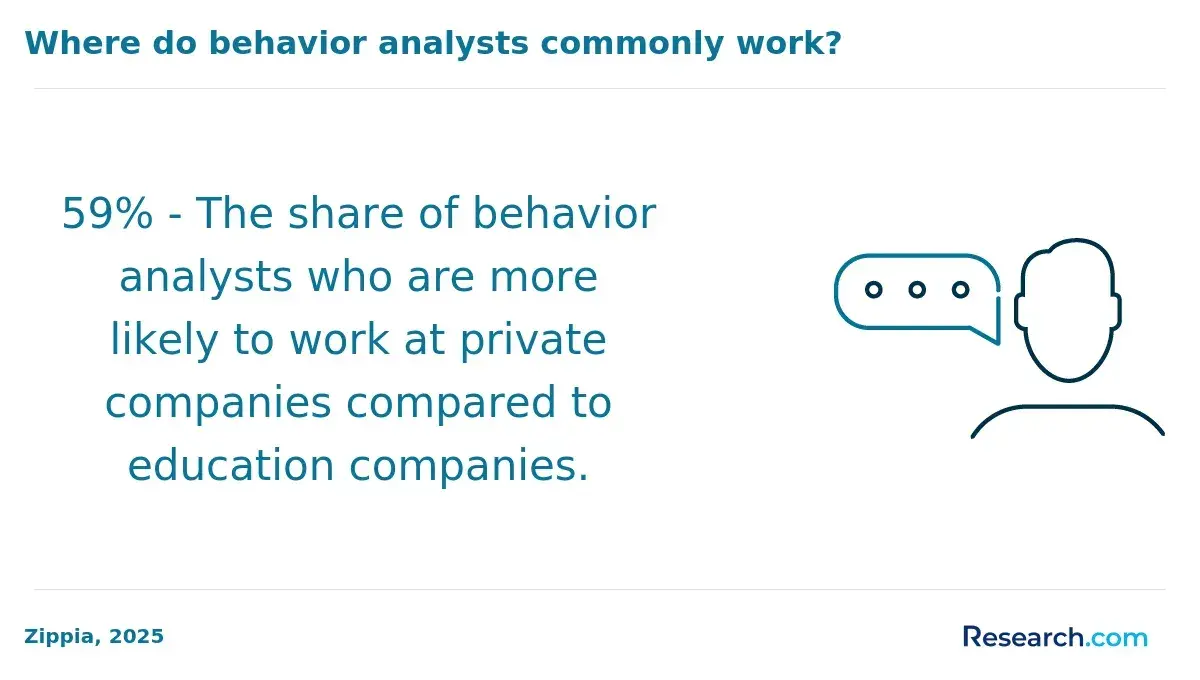
OTs who become BCBAs may work in schools, clinics, private practices, early intervention programs, autism centers, home-based services, or consulting roles. The key professional challenge is scope clarity: occupational therapy and behavior analysis have different practice frameworks, documentation expectations, ethics standards, and payer requirements. Strong candidates learn how to integrate both disciplines without presenting one credential as a substitute for the other.
Before enrolling, compare accredited BCBA programs against BACB requirements, state practice rules, fieldwork availability, and your long-term career goal.
What are BCBA certification requirements for professionals?
BCBA certification is built around three core requirements: qualifying graduate education, approved behavior-analytic coursework, and supervised fieldwork, followed by the BCBA exam. Occupational therapy professionals should verify the current BACB rules before applying because certification standards and acceptable pathways can change.
Core requirements to plan for
| Requirement | What it means for OT professionals | Decision point |
| Graduate degree | Candidates need a relevant graduate degree, usually a master's or higher, from a regionally accredited institution in fields such as occupational therapy, psychology, or education. | Confirm whether your existing OT degree satisfies the education pathway before paying for new coursework. |
| ABA coursework | Coursework must cover topics such as ethics, assessment, behavior change methods, and research techniques, totaling at least 270 classroom hours approved by the BACB. | Choose a program that clearly maps each course to BACB content requirements. |
| Supervised fieldwork | Candidates typically must complete over 1,200 hours of supervised fieldwork under a qualified BCBA who provides direct oversight and feedback. | Secure supervision early; coursework is easier to schedule than high-quality fieldwork. |
| Certification exam | After education and fieldwork are complete, candidates take the BCBA exam covering behavior analysis concepts, applications, measurement, ethics, and professional practice. | Ask programs about exam preparation support, pass-rate transparency, and advising. |
| Continuing education | Certified professionals must complete continuing education to maintain certification over time. | Plan for ongoing professional development costs and time commitments. |
For occupational therapists, the supervised experience requirement deserves special attention. A general OT caseload does not automatically count as BCBA fieldwork. The work must meet BACB supervision and activity rules, and it must be overseen by an eligible supervisor. If your current employer does not have a qualified BCBA, you may need an external supervision arrangement or a different fieldwork site.
Data from advancedtherapyclinic.com show that BCBA certification requirements for occupational therapy professionals align with a growing job market, with BCBA job postings increasing 9.2-fold since 2017. That growth can make the credential appealing, but a strong plan should still include program quality, supervision quality, exam readiness, and ethical fit.
OT professionals comparing flexible graduate options can evaluate reputable ABA master's programs online, especially if they need asynchronous coursework while maintaining clinical employment.
The main pathways to BCBA certification involve graduate-level behavior analysis coursework and supervised fieldwork. Candidates typically hold a master's or doctoral degree in behavior analysis, psychology, education, special education, or a related field. Occupational therapy can be relevant when it satisfies the graduate-degree requirement, but candidates must still complete the required ABA coursework and fieldwork.
Common pathways for occupational therapy professionals
| Pathway | Best for | Trade-off |
| Master's in applied behavior analysis | OT professionals who want a full ABA graduate degree and a structured certification pathway. | Usually more comprehensive, but may cost more and take longer than a certificate route. |
| Graduate certificate or Verified Course Sequence (VCS) | OTs who already have a qualifying graduate degree and need only the required ABA coursework. | More efficient, but candidates must independently confirm fieldwork and exam eligibility. |
| Doctoral-level pathway | Clinicians interested in research, teaching, leadership, or advanced specialization. | Requires a larger time and financial commitment than most practice-focused candidates need. |
A common route for OTs is to keep the existing occupational therapy graduate degree and add a Verified Course Sequence approved by the BACB. This can help working clinicians avoid earning a second full degree when a certificate sequence is sufficient. However, the most efficient option is not always the best option if it lacks advising, exam preparation, or access to qualified supervision.
Shared competencies can make the transition smoother. OT professionals are already trained to analyze functional performance, adapt environments, collaborate with caregivers, document outcomes, and work with clients who have developmental or neurological needs. According to beaminghealth.com, transferable skills allow approximately 45% of occupational therapists to shift practice settings within five years, which can support movement into ABA-related roles.
Still, ABA is its own discipline. Candidates must learn behavior-analytic terminology, single-case design, functional assessment, reinforcement systems, behavior reduction procedures, ethical decision-making, and data-based intervention. They must also complete BACB-supervised practicum or independent fieldwork hours to qualify for the BCBA exam.
OTs seeking flexible options can compare best online ABA certificate programs that offer Verified Course Sequences aligned with BACB standards.
The best pathway is the one that matches your existing degree, budget, timeline, supervision access, and target job setting. Before enrolling, ask the program to explain exactly how its coursework supports BCBA eligibility and what responsibilities remain outside the program.
A BCBA program curriculum is designed to prepare students to assess behavior, design behavior-change interventions, measure progress, and practice ethically. For occupational therapy professionals, the curriculum adds a behavior-analytic lens to functional goals already familiar in OT practice.
Typical curriculum areas
- Concepts and principles of behavior: Students learn foundational terms such as reinforcement, punishment, stimulus control, motivating operations, shaping, chaining, and extinction.
- Measurement and data display: Programs teach how to define behavior, collect reliable data, graph results, and interpret trends.
- Behavior assessment: Coursework covers functional behavior assessments, interviews, observation, descriptive assessment, and functional analysis concepts.
- Behavior-change procedures: Students study skill acquisition, behavior reduction, reinforcement systems, prompting, fading, generalization, and maintenance.
- Ethics and professional conduct: Programs emphasize the BACB’s ethical expectations, client dignity, consent, competence, documentation, and supervision responsibilities.
- Research methods: Students learn applied research methods, especially single-subject experimental designs used to evaluate behavior-change interventions.
- Supervision and service delivery: Many programs address staff training, treatment fidelity, caregiver coaching, and collaboration with other professionals.
For OTs, the most valuable courses are often those that connect assessment to intervention. A functional behavior assessment can help clarify whether a behavior is related to escape, attention, access to tangibles, sensory variables, task difficulty, communication barriers, or environmental conditions. That information can make occupational therapy interventions more precise.
Many BCBA programs include supervised practical experience or help students coordinate fieldwork with qualified BCBAs. This practical component matters because behavior analysis is not learned through theory alone. Students need repeated practice defining behavior, collecting data, implementing procedures, adjusting plans, and receiving feedback.
Job demand reinforces the value of applied training. Job demand for BCBAs increased by 14% from 2022 to 2023, with 65,300 postings. For OT professionals, this demand may be strongest where behavioral services intersect with pediatric care, schools, autism services, developmental disability programs, and home- or community-based interventions.
Admission requirements vary by institution and by whether the program is a master's degree, graduate certificate, or Verified Course Sequence. In 2026, most BCBA-focused programs look for evidence that applicants can handle graduate-level behavioral science coursework and complete any required fieldwork.
Common application requirements
- Relevant degree: Programs commonly require a bachelor's or master's degree in psychology, education, health sciences, or a related field. Occupational therapy is often relevant, especially for post-professional or certificate applicants.
- Minimum GPA: Many programs expect a minimum GPA around 3.0 on a 4.0 scale, although selectivity varies.
- Official transcripts: Applicants usually submit transcripts from all prior colleges and universities.
- Letters of recommendation: Recommendations may come from faculty, clinical supervisors, employers, or professionals who can speak to academic ability and ethical judgment.
- Personal statement: Programs often ask applicants to explain their interest in behavior analysis, career goals, and relevant clinical or educational experience.
- Prerequisite coursework: Some programs expect foundational knowledge in applied behavior analysis, psychology, education, research methods, ethics, measurement, or intervention strategies.
- Fieldwork planning: Online and hybrid programs may ask whether applicants have access to practicum sites or supervisors who meet BACB criteria.
Occupational therapy applicants should use the personal statement strategically. Instead of giving a generic reason for pursuing ABA, explain the specific client populations, practice problems, or career roles that make BCBA training necessary. For example, a pediatric OT may discuss behavior barriers affecting feeding, school routines, toileting, transitions, or participation in therapy.
One common mistake is assuming that admission to a program automatically guarantees BCBA exam eligibility. It may not. Candidates should ask whether the program’s coursework is BACB-aligned, whether it is a Verified Course Sequence, how supervised fieldwork is handled, and what students must arrange independently.
Because requirements differ across schools, applicants should compare program pages, speak with admissions staff, and request written clarification when a requirement is unclear. Careful verification before enrollment can prevent delays, duplicate coursework, or fieldwork that does not count toward certification.
Most BCBA programs take 1 to 2 years of full-time study, depending on the credential level, school calendar, prior coursework, and whether the student attends full time or part time. Working occupational therapy professionals often choose part-time, online, or hybrid formats, which can make the schedule more manageable but may extend the timeline.
The largest time variable is supervised fieldwork. BCBA candidates generally need around 1,500 to 2,000 supervised fieldwork hours, as set by the Behavior Analyst Certification Board (BACB). Completing those hours can be straightforward if your employer has a qualified BCBA supervisor and appropriate behavior-analytic activities. It can be much harder if you must find supervision outside your job.
Typical cost factors
| Cost category | What to consider |
| Tuition | Total tuition commonly ranges from $8,000 to $20,000 for the entire program, depending on institution, format, and whether it is a certificate or degree. |
| Supervision | Some students receive supervision through employment or practicum placement; others may pay separately for supervision. |
| Fees and materials | Application fees, technology fees, textbooks, assessment materials, and course materials can add to the total. |
| Exam-related costs | Exam registration and preparation resources may total several hundred to more than a thousand dollars. |
| Opportunity cost | Reduced work hours, unpaid practicum time, or schedule changes can affect income while completing requirements. |
Online courses may reduce commuting and relocation costs, but they are not automatically cheaper once fees, supervision, and exam preparation are included. Certificate tracks may be more affordable for OTs who already hold a qualifying master's degree because they focus on BCBA-specific coursework rather than a full second graduate degree.
Financial aid availability depends on program type and institution. Degree programs may offer broader federal aid options than some standalone certificate programs. Employer tuition reimbursement can also help, especially for clinicians already working in autism services, schools, behavioral health, or pediatric therapy organizations.
Before choosing a program, calculate the total cost of completion, not just tuition. Include supervision, fees, exam preparation, lost work time, and the realistic timeline for finishing fieldwork. A lower-cost program may not be the best value if it leaves you without supervision or delays exam eligibility.
BCBA-certified occupational therapy professionals can work in direct care, consultation, supervision, program design, training, and leadership. The strongest fit is usually in settings where behavior affects functional participation and where interdisciplinary collaboration is expected.
Common roles for OT professionals with BCBA training
- Clinical Supervisor: Oversees junior therapists, behavior technicians, or interdisciplinary staff to support treatment fidelity and ethical implementation.
- Program Director: Manages therapy programs, develops treatment protocols, coordinates interdisciplinary teams, and monitors outcomes.
- Consultant: Advises schools, healthcare providers, agencies, or companies on behavior intervention plans, staff training, and regulatory expectations.
- Research Coordinator: Supports clinical research in behavior analysis and occupational therapy, including data collection, protocol implementation, and outcome evaluation.
- Trainer or Educator: Designs and delivers professional development on behavior-analytic strategies for OTs, teachers, caregivers, and allied health professionals.
BCBAs in occupational therapy may also work in community agencies, pediatric therapy centers, autism programs, residential services, home-based programs, early intervention, or specialized clinics serving clients with complex behavioral and sensory integration challenges.
The dual credential can be especially useful when clients need both functional skill development and behavior support. For example, a clinician may design interventions that address daily routines, adaptive skills, feeding participation, communication supports, transitions, and caregiver implementation while also measuring behavior change with ABA methods.
Career advancement often depends on more than certification. Leadership roles may require experience with supervision, payer documentation, compliance, staff training, caseload management, family systems, school collaboration, and program evaluation. Continuing education in administration, ethics, supervision, and interdisciplinary practice can strengthen advancement prospects.
Professionals should also be clear with employers and clients about which role they are performing at any given time. OT and BCBA services may overlap in client populations, but billing, documentation, treatment planning, and ethical responsibilities can differ.
The salary outlook for BCBA-certified professionals is generally strong, particularly in states with high service demand such as California, Massachusetts, Texas, Florida, and Georgia. Pay is influenced by location, employer type, caseload intensity, years of experience, supervision responsibilities, and whether the role requires travel, evening hours, or leadership duties.
Entry-level BCBAs typically start between $55,000 and $70,000 annually. Median salaries often range from $75,000 to $90,000 depending on experience and location. Experienced professionals, especially those who also bring occupational therapy expertise, can earn between $95,000 and $120,000 or more.
What affects BCBA compensation
- Geography: Metropolitan areas such as Los Angeles and Boston may offer salary premiums because of workforce shortages, but higher pay can be offset by higher living costs.
- Employer setting: Schools, hospitals, private clinics, autism service providers, consulting firms, and home-based agencies may structure compensation differently.
- Role level: Supervisory, director, and consultant roles often pay more than entry-level direct service positions.
- Caseload and productivity expectations: A higher salary may come with larger caseloads, billable-hour targets, travel, or after-hours caregiver meetings.
- Dual expertise: OT plus BCBA training may be valuable in interdisciplinary pediatric, developmental, and behavioral health settings, but the premium varies by employer.
Salary comparisons should account for cost of living. For example, $100,000 in Texas generally goes further than the same amount in California. Benefits also matter: health insurance, retirement contributions, paid documentation time, continuing education support, supervision responsibilities, mileage reimbursement, and paid time off can change the real value of an offer.
When evaluating a position, ask about billable expectations, cancellation policies, documentation time, travel radius, supervision load, crisis responsibilities, and whether the employer supports ethical caseload management. A strong salary is less valuable if the workload is unsustainable or the role does not match your clinical goals.
What is the job demand for BCBAs working with OTs?
Job demand for BCBAs working with occupational therapy professionals is growing as schools, clinics, autism programs, and developmental services look for interdisciplinary care models. According to online.uc.edu, job openings rose by 58% from 2023 to 2024, reflecting increased need for professionals who can address both functional participation and behavior support.
BCBAs can enhance occupational therapy teams by developing behavior intervention plans that support learning, safety, sensory and motor participation, communication, routines, and adaptive skill development. OT professionals with BCBA certification may be particularly competitive in settings where behavior is a major barrier to therapy progress or daily functioning.
Settings with demand for OT-BCBA collaboration
- Schools: Support behavior plans, classroom participation, transitions, adaptive skills, and collaboration with individualized education program teams.
- Pediatric clinics: Address behavior barriers that affect feeding, toileting, sensory routines, play, and therapy engagement.
- Early intervention programs: Coach families and caregivers on routines, communication, and behavior supports in natural environments.
- Autism and developmental disability services: Combine skill acquisition, caregiver training, sensory-informed supports, and behavior intervention.
- Residential and community programs: Support clients with complex behavioral, adaptive, and participation needs.
Employers increasingly value professionals who can collaborate across disciplines rather than work in silos. For occupational therapists, BCBA certification can expand career options beyond traditional OT roles, but it is most useful when the clinician wants to work directly with behavioral assessment, intervention planning, supervision, or program development.
The best employment prospects are likely for candidates who can show more than credentials. Employers look for ethical judgment, data fluency, caregiver communication, staff training ability, interdisciplinary respect, and experience with the populations they serve. OT professionals who combine those strengths with BCBA certification may be well positioned for integrated care environments such as pediatric therapy centers, specialized schools, and developmental service agencies.
Other Things You Should Know About Applied Behavior Analysis
Transitioning from Occupational Therapy to becoming a BCBA in 2027 is both rewarding and demanding. It requires additional coursework in behavior analysis concepts and passing the BCBA exam. Adaptability and dedication are crucial, given the differences in treatment approaches and client interactions between the two fields.
Occupational therapy professionals must have a master's degree in behavior analysis, education, or psychology to qualify for BCBA certification in 2027. Additionally, they need specific coursework outlined by the Behavior Analyst Certification Board, including behavior assessment and ethical considerations.
Occupational therapy professionals can qualify through Supervised Fieldwork or Concentrated Supervised Fieldwork approved by the Behavior Analyst Certification Board. In 2027, candidates need either 2,000 hours of Supervised Fieldwork or 1,500 hours of Concentrated Fieldwork, completed under an authorized supervisor and tied to verified behavior-analytic experience.
BCBAs can work in diverse settings such as schools, hospitals, private clinics, and mental health facilities. In 2027, as Occupational Therapy Professionals transition to BCBA roles, understanding these environments is crucial for effective career planning and aligning with personal and professional goals.
- BCBA Programs & Schools | Sunray ABA https://www.sunrayaba.com/post/bcba-programs-schools-203c1
- ABA Program Curriculum: What You Will Study - ABA Masters Programs https://abamastersprograms.org/curriculum/
- How Much Does it Cost to Take (Or Retake) the BCBA® Exam? https://passthebigabaexam.com/how-much-does-it-cost-to-take-or-retake-the-bcba-exam/
- BCBA Job Outlook in 2026 Explained | Divine Steps ABA https://www.divinestepstherapy.com/blog/bcba-job-outlook
- Years of College Do You Need to Be a BCBA | Level Ahead ABA https://www.levelaheadaba.com/blog/how-many-years-of-college-do-you-need-to-be-a-bcba
- BCBA Certification Requirements - Bluebell ABA https://bluebellaba.com/blog/bcba-without-masters-degree/
- ABA Therapy and Occupational Therapy Integration - Up & Up ABA https://www.upandupaba.com/faqs-resources/aba-therapy-and-occupational-therapy-integration
- Master of Science in Applied Behavior Analysis (ABA) https://tsengcollege.csun.edu/programs/ABA/curriculum
- How to Become a Behavior Analyst https://onlinecounselingprograms.com/mental-health-careers/how-to-become-behavior-analyst-bcba/
- BCBA and ABA Salaries by State https://www.appliedbehavioranalysisedu.org/salaries/