2027 ABA Degree Concentrations Explained for Future BCBAs

Co-Founder and Chief Data Scientist
Choosing an ABA degree concentration is not just an academic preference; it affects whether your coursework, supervised experience, and career preparation line up with Board Certified Behavior Analyst (BCBA) certification. This decision can be especially confusing if your bachelor's degree is in another field, if you need an online format, or if you are comparing programs that use similar language but do not offer the same certification support.
This guide explains what ABA degrees cover, how BCBA-focused concentrations differ, what accreditation and supervised fieldwork requirements to check, and how to compare online, campus-based, affordable, and career-focused options. It is written for prospective graduate students, career changers, educators, behavior technicians, and professionals who want a clearer route into applied behavior analysis without losing time or money on a program that does not meet their goals.
Key Things You Should Know
- In 2026, ABA degree concentrations typically focus on autism spectrum disorders, behavioral health, and organizational behavior management, reflecting evolving workforce demands.
- Approximately 65% of BCBA candidates pursue autism-related specializations, as it remains the largest service area requiring certified professionals.
- Programs increasingly incorporate trauma-informed care and telehealth applications, aligning with 2025 trends in effective ABA service delivery and accessibility.
What is an ABA degree and what do BCBA concentrations focus on?
An ABA degree prepares students to use the science of behavior to assess needs, design interventions, measure progress, and improve outcomes that matter in daily life. In a BCBA-focused program, the coursework is usually built around the knowledge and practice areas needed for behavior analyst certification, including ethics, behavior assessment, intervention planning, data collection, and supervision.
ABA degree concentrations help students connect those core behavior analytic skills to a specific professional setting. Common focus areas include autism spectrum disorders, developmental disabilities, education, early intervention, behavioral health, and organizational behavior management. The right concentration depends on the population you want to serve and the type of work environment you are targeting.
| Concentration area | What it typically emphasizes | Common work settings |
| Autism spectrum disorders | Communication, social behavior, adaptive skills, parent training, and behavior intervention plans | Clinics, homes, schools, early intervention programs |
| Developmental disabilities | Functional assessment, skill acquisition, daily living skills, and support for individuals with complex needs | Community agencies, residential programs, healthcare and support services |
| Education | Classroom behavior support, individualized interventions, progress monitoring, and collaboration with teachers | Public and private schools, special education programs, school districts |
| Organizational behavior management | Performance improvement, workplace safety, staff training, and systems-level behavior change | Businesses, healthcare organizations, government agencies, consulting firms |
Coursework is only one part of preparation. Strong ABA programs also help students connect classroom learning to supervised fieldwork, case documentation, professional ethics, and data-based decision-making. This matters because employers often look for graduates who can move beyond theory and apply behavior analytic methods responsibly in real settings.
With Minneapolis, MN leading the nation in ABA degree recipients, the region shows strong educational opportunities and demand in this field (Data USA). Students who need a flexible route can compare online BCBA program options, but they should verify that any program they consider supports the coursework and fieldwork requirements tied to their certification goals.
What are the accreditation and licensing requirements to become a BCBA?
To become a Board Certified Behavior Analyst, students must plan around education, supervised fieldwork, examination, and any state-level licensing rules that apply where they intend to work. The safest approach is to confirm requirements before enrolling, not after completing a degree. A program may use ABA-related language and still fail to provide the exact coursework sequence or support needed for certification.
BCBA candidates generally need a graduate degree, usually a master's or higher, from an accredited university with behavior analytic coursework that meets BACB standards. Accreditation standards for BCBA programs in North America may involve recognition by the Association for Behavior Analysis International (ABAI) or regional accreditation with BACB-approved coursework. Students should ask the school to identify the specific pathway it supports and provide written documentation of how its curriculum aligns with current certification expectations.
After the educational component, candidates must complete supervised fieldwork under a qualified BCBA supervisor. The original certification pathway described here includes at least 1,000 hours of supervised fieldwork, with requirements for appropriate client contact, supervision frequency, documentation, and supervisor qualifications. Poorly documented fieldwork can delay eligibility, so students should use the required tracking systems from the start.
The next major step is the BCBA exam, which assesses behavior analytic knowledge, ethical practice, assessment, intervention, measurement, and professional responsibilities. Passing the exam is central to certification, but it may not be the final step for employment. Many states have separate licensure rules that can include background checks, applications, fees, continuing education, or additional documentation.
| Requirement area | What students should verify |
| Graduate degree | The institution is properly accredited and the degree level fits BCBA eligibility expectations. |
| Coursework | The program includes a verified or clearly documented behavior analytic course sequence aligned with BACB standards. |
| Supervised fieldwork | Qualified supervisors are available, hours are trackable, and the setting matches certification rules. |
| Exam preparation | The curriculum and advising process prepare students for the BCBA exam, not just degree completion. |
| State licensure | The program can explain how graduates pursue licensure in the state where they plan to practice. |
William James College's online MA in ABA program reported an 80% graduation rate within an average of 23 months during the 2022-23 cohort, illustrating one possible timeline for students working through graduate-level requirements. When comparing programs, ask not only how long students take to graduate, but also how many complete fieldwork, sit for the exam, and move into relevant roles.
Students comparing degree pathways can review a behavioral analysis degree guide to better understand how program structure, accreditation, and certification planning fit together.
What is the typical curriculum and coursework in ABA degree programs?
ABA degree programs usually combine behavior analytic theory, assessment methods, intervention design, ethics, research, and applied practice. A BCBA-oriented curriculum should do more than introduce ABA terminology; it should train students to define behavior objectively, collect and interpret data, select evidence-based interventions, monitor outcomes, and revise plans when the data show limited progress.
Most students complete at least 18 graduate-level credit hours aligned with the Behavior Analyst Certification Board (BACB) requirements. Core coursework in Applied Behavior Analysis degree programs commonly includes:
- Concepts and principles of behavior analysis
- Measurement and data analysis
- Behavioral assessment methods
- Intervention strategies for diverse populations
- Ethical and professional standards
- Single-subject research methodology
- Supervision, consultation, and professional practice
Strong programs make the connection between coursework and practice explicit. For example, assessment courses should teach students how to conduct functional behavior assessments, not just describe them. Intervention courses should require students to design plans that include measurable goals, data collection procedures, implementation steps, and criteria for evaluating progress.
Electives and concentrations can shape a student's professional direction. Autism-focused electives may emphasize verbal behavior, social communication, and caregiver collaboration. Education-focused options may cover classroom systems and behavior supports. Organizational behavior management courses may focus on employee performance, safety, training, and workplace systems.
Supervised fieldwork or practicum is where students learn whether they can apply ABA principles under real-world constraints: family preferences, school policies, staffing shortages, client safety, documentation standards, and ethical dilemmas. Students should ask whether fieldwork is embedded in the program, arranged through partnerships, or left largely to the student to secure.
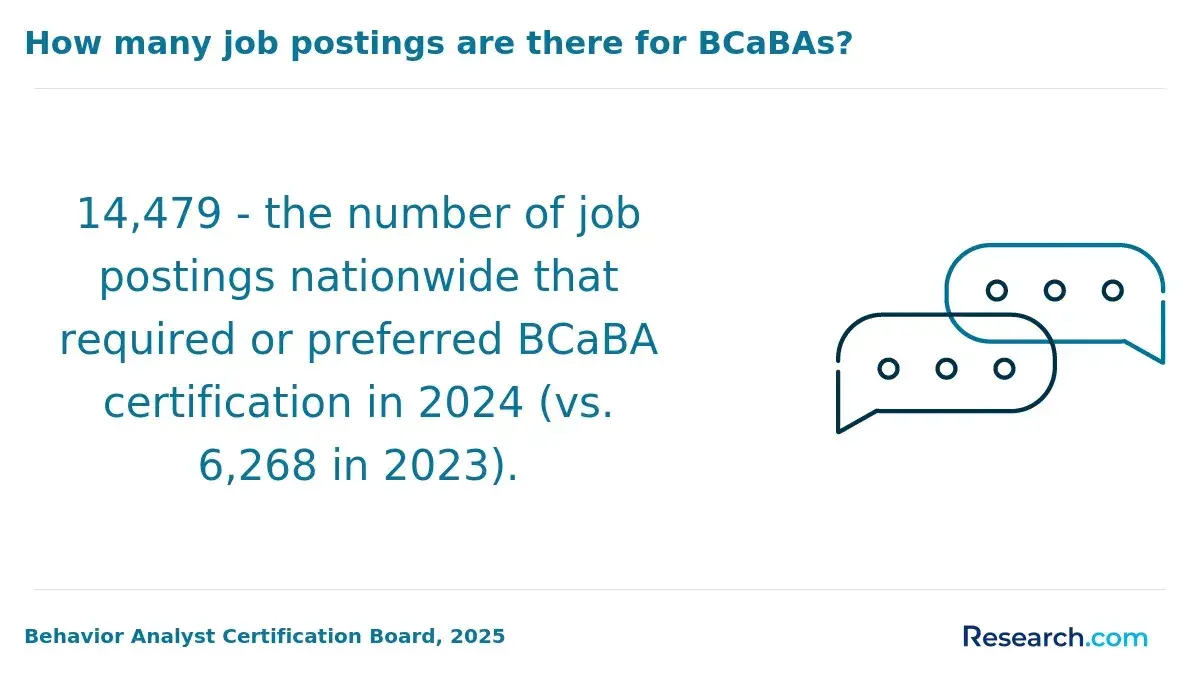
The demand for BCBAs is projected to grow 14% from 2023 to 2033, faster than many occupations, which makes rigorous preparation important. Students reviewing accredited online BCBA master's programs should confirm that speed does not come at the expense of certification alignment, supervised practice, or exam readiness.
Online and campus-based ABA programs can both prepare students for BCBA-related goals when the curriculum, accreditation, supervision model, and state requirements are properly aligned. The better choice depends less on format alone and more on how the program handles advising, fieldwork, faculty access, exam preparation, and professional networking.
| Factor | Online ABA programs | Campus-based ABA programs |
| Flexibility | Often better for working adults, parents, and students who cannot relocate. | Usually more structured, with scheduled classes and on-campus expectations. |
| Fieldwork | Students may need to locate approved local placements and supervisors. | Programs may have established relationships with nearby schools, clinics, or agencies. |
| Faculty interaction | Depends on live sessions, virtual office hours, and responsiveness. | May offer more spontaneous access before or after class and during campus events. |
| Peer network | Can be strong if the program uses cohorts, discussion groups, and synchronous meetings. | Often easier to build through in-person classes, labs, and local practicum sites. |
| Cost considerations | May reduce commuting, relocation, and housing expenses, though tuition varies widely. | May involve commuting or relocation but can include more direct access to campus services. |
Online ABA programs are often attractive because they let students continue working while completing graduate coursework. This can be a major advantage for registered behavior technicians, teachers, paraprofessionals, and healthcare workers who already have access to relevant settings. However, online students must be especially careful about supervised fieldwork. A program that delivers coursework online but gives little placement support may require the student to secure qualified supervision independently.
Campus-based programs may offer more direct mentorship, structured practicum arrangements, and immediate peer support. They can be especially useful for students who are new to ABA, need more academic structure, or want to build local professional contacts. The trade-off is that campus programs may require relocation, commuting, or reduced work hours.
Salary prospects are generally tied to credentials, experience, location, and role rather than whether the degree was earned online or on campus. Entry-level BCBAs earn a median of $65,000, rising to $85,000 after experience (Salary.com). Students should therefore focus on whether the program helps them become certifiable, employable, and competent, not simply whether the delivery format looks convenient.
Prospective students comparing online ABA and BCaBA-related program options should review accreditation, practicum support, faculty qualifications, exam preparation, technology requirements, and state licensing fit before enrolling.
Admission requirements for ABA degree programs vary by level, but most schools look for academic readiness, relevant experience, clear career goals, and the ability to handle data-driven coursework. Applicants from psychology, education, social work, healthcare, and human services backgrounds may find the transition more direct, but students from unrelated majors can still be competitive if they show strong preparation and motivation.
Bachelor's applicants generally need a high school diploma, strong academic records, and acceptable SAT or ACT scores when required by the institution. Coursework in psychology, statistics, biology, child development, or social science can strengthen an application. Some programs may also ask for letters of recommendation, a personal statement, or evidence of volunteer or work experience with children, people with disabilities, or community services.
Master's program applicants must hold a bachelor's degree, commonly in psychology or education, with GPA requirements typically around 3.0. Programs may prefer applicants who have completed undergraduate courses in behavior analysis principles, research methods, developmental psychology, or statistics. Clinical or research experience through internships, schools, clinics, residential programs, or behavior technician roles can be a significant advantage.
Doctoral applicants usually need a master's degree in ABA or a related field and must demonstrate stronger research readiness. Admissions committees may review GRE scores, writing samples, research proposals, faculty fit, and prior professional experience. Board Certified Behavior Analyst (BCBA) certification or similar experience can strengthen an application, particularly for practice-focused or research-intensive programs.
Common application materials
- Official transcripts from prior schools
- Resume or curriculum vitae
- Personal statement explaining ABA career goals
- Letters of recommendation from faculty, supervisors, or clinical professionals
- Proof of prerequisite coursework, if required
- Interview, writing sample, or research statement for selective graduate programs
Financial fit should be part of the admissions decision. Master's programs average $30,000 in tuition but offer about a 250% return on investment within five years due to starting salaries above $75,000, according to EducationData.org. Applicants should compare total cost, completion time, fieldwork support, exam preparation, and employment outcomes rather than choosing a program based on tuition alone.
An ABA degree with a BCBA concentration generally takes 2 to 4 years, depending on the degree level, enrollment pace, transfer credits, fieldwork model, and whether the student studies full time or part time. The degree timeline is only part of the planning process because BCBA preparation also includes supervised fieldwork and exam eligibility steps.
Bachelor's programs often last 4 years and provide foundational study in psychology, education, human development, research methods, and introductory behavior analysis. A bachelor's degree alone is not usually the endpoint for BCBA preparation, but it can position students for graduate-level ABA study and entry-level work in behavior support roles.
Master's degrees with a BCBA focus typically require about 2 years of full-time study beyond the bachelor's degree. These programs usually combine advanced coursework in behavior analysis with supervised practicum or fieldwork requirements. Part-time students may take 3 to 4 years to complete a master's-level ABA degree with BCBA requirements, especially if they are balancing employment, family responsibilities, and fieldwork hours.
The Behavior Analyst Certification Board mandates completing specific coursework and a supervised practicum totaling 1,500 to 2,000 hours. This fieldwork commitment often determines the real timeline. Students who can complete supervised hours consistently may move faster, while those who need to change supervisors, find new placements, or pause enrollment may take longer.
| Pathway factor | How it can affect completion time |
| Full-time enrollment | Usually shortens coursework time but may limit work flexibility. |
| Part-time enrollment | Allows more flexibility but can extend the program to 3 to 4 years at the master's level. |
| Online or hybrid format | Can make coursework more accessible, but fieldwork still requires careful local planning. |
| Embedded practicum | May simplify scheduling if the program coordinates placements and supervision. |
| Student-arranged fieldwork | Can work well for employed students but requires more responsibility and documentation. |
Regional program availability can also influence timing. Melbourne, FL, led the nation in 2023 for ABA degree recipients in concentration and absolute numbers, highlighting geographic hotspots for study and career opportunities. Students in areas with more programs, clinics, and supervisors may have an easier time finding appropriate fieldwork placements.
Before enrolling, students should ask for a term-by-term plan showing coursework, fieldwork timing, supervision expectations, and the likely point at which they can apply for certification. A clear plan can prevent delays near graduation.
After earning a BCBA credential, professionals can work in clinical, educational, community, healthcare, and organizational settings. The most common roles involve assessing behavior, designing intervention plans, training caregivers or staff, supervising implementation, analyzing data, and adjusting services based on measurable outcomes.
Many BCBAs work with individuals with autism spectrum disorder and developmental disabilities. In these roles, they may supervise behavior technicians, collaborate with families, create skill acquisition plans, reduce harmful or disruptive behavior, and coordinate with speech-language pathologists, occupational therapists, teachers, physicians, or social workers.
Schools and educational agencies hire BCBAs to support students with behavioral needs, train teachers, design classroom behavior systems, and help teams use data to guide decisions. Some BCBAs work as behavior specialists, special education consultants, district-level coordinators, or members of multidisciplinary support teams.
Organizational behavior management (OBM) offers a different route. Instead of focusing on individual clinical services, OBM applies behavior analysis to workplace performance, safety, training, staff retention, productivity, and organizational systems. Roles may include consultant, performance analyst, trainer, or program evaluator in corporate, nonprofit, healthcare, or government settings.
Healthcare and behavioral health settings may employ BCBAs in hospitals, rehabilitation centers, mental health programs, outpatient clinics, and interdisciplinary treatment teams. These roles can involve complex cases and require strong collaboration, documentation, and ethical decision-making.
Research and academic careers are also possible, especially for those who pursue doctoral study. These professionals may teach, conduct behavior analytic research, evaluate programs, publish studies, or train the next generation of practitioners.
| Career path | Typical responsibilities |
| Clinical BCBA | Assessment, intervention planning, caregiver training, supervision, and treatment evaluation |
| School-based behavior analyst | Classroom supports, student behavior plans, teacher consultation, and data review |
| Clinical supervisor | Staff training, case oversight, quality assurance, and supervision of service delivery |
| OBM consultant | Workplace performance analysis, training systems, safety programs, and process improvement |
| Researcher or faculty member | Teaching, research design, publication, program evaluation, and professional training |
About 89% of ABA master's enrollees are female, reflecting significant growth and expanding job availability in the field (National Center for Education Statistics). For new BCBAs, the strongest opportunities often go to candidates who can document supervised experience, communicate well with families and teams, and show skill in ethical, data-based practice.
The average salary for Board Certified Behavior Analysts ranges from $60,000 to $85,000 annually, with pay influenced by experience, region, work setting, caseload complexity, supervisory duties, and employer type. Entry-level professionals typically earn between $55,000 and $65,000, while those with five or more years of experience or supervisory roles may surpass $90,000. Specialized roles in healthcare or private practice can offer higher pay when demand, responsibility, and case complexity are greater.
Job outlook remains strong across education, healthcare, autism services, developmental disability services, and behavioral health. The U.S. Bureau of Labor Statistics projects growth well above the average for all occupations, reflecting broader use of behavior analytic interventions and continuing demand for qualified professionals in schools, clinics, early intervention programs, and outpatient services.
Salary should be evaluated alongside workload and employment conditions. A higher-paying role may involve billable-hour expectations, evening family sessions, travel between client locations, high documentation demands, or supervision of multiple technicians. A lower-paying school or agency role may offer more predictable hours, stronger benefits, or better work-life balance. Candidates should compare total compensation, not just base salary.
| Salary factor | Why it matters |
| Experience level | More experienced BCBAs may qualify for supervisory, director, or consulting roles. |
| Location | Urban areas may offer higher salaries but also higher living costs. |
| Setting | Private practice, healthcare, schools, and agencies can differ significantly in pay and benefits. |
| Specialization | Complex clinical work, supervision, and niche expertise may improve earning potential. |
| Certification outcomes | Graduating from a rigorous program can support exam readiness and job competitiveness. |
Pass rates for the BCBA exam also matter when evaluating programs. Leading university programs report 70-85% success rates for recent graduates, according to the Behavior Analyst Certification Board. While pass rates are not the only measure of quality, they can indicate whether a program's curriculum, advising, and exam preparation are helping students meet professional standards.
For job seekers, the best strategy is to research salaries in the specific state and setting where they plan to work, ask about supervision and caseload expectations, and weigh compensation against ethical workload, benefits, advancement opportunities, and long-term career fit.
The cost of an ABA degree program in the United States varies widely by degree level, institution type, residency status, delivery format, and whether the program includes fieldwork support. Certificate programs may start around $10,000, while bachelor's degrees at private universities can exceed $50,000. Public universities usually offer more affordable tuition, ranging from $15,000 to $30,000 for in-state students. Graduate ABA programs geared toward BCBA certification frequently cost over $40,000, especially at highly regarded schools.
Online programs are not automatically cheaper. They may reduce commuting, relocation, and housing costs, but students should still review tuition, technology fees, course materials, supervision costs, exam preparation resources, and any travel requirements. For BCBA-focused programs, the true cost includes both academic expenses and the time needed to complete supervised fieldwork.
| Cost category | What to check before enrolling |
| Tuition | Per-credit rate, total credit requirement, in-state versus out-of-state pricing, and annual increases |
| Fees | Technology, online learning, student services, clinical placement, graduation, and course material fees |
| Fieldwork costs | Whether supervision is included, employer-provided, separately billed, or student-arranged |
| Indirect expenses | Transportation, childcare, reduced work hours, internet access, and required software or textbooks |
| Credentialing expenses | Exam preparation, application fees, background checks, and state licensure costs where applicable |
Financial aid may include federal grants, federal student loans, institutional scholarships, private scholarships, employer tuition support, and state or local grants. The Pell Grant offers up to $7,395 annually for eligible undergraduates. Federal student loans provide fixed interest rates with flexible repayment plans, but students should borrow carefully and compare projected monthly payments with expected starting salaries.
Many universities offer scholarships for students in ABA-related fields, especially those with strong academic records, financial need, or a commitment to underserved communities. Employer tuition reimbursement may be available through schools, clinics, healthcare organizations, and human services agencies that need behavior analytic staff. Students already working in ABA should ask whether their employer supports graduate coursework, supervision, exam preparation, or credentialing fees.
Students should file the FAFSA early, ask financial aid offices for a full cost-of-attendance estimate, and request written information about scholarships and assistantships. Community college transfer pathways can reduce the cost of undergraduate preparation before students move into a four-year or graduate program. Private scholarships and professional ABA associations may also provide support, but deadlines can be early, so research should begin before the application cycle closes.
How do you choose an accredited ABA program that meets your professional goals?
Choosing an ABA program should start with one question: will this program qualify and prepare you for the role you actually want? Accreditation, coursework, supervised fieldwork, faculty expertise, cost, format, and career outcomes should all be evaluated together. A convenient or inexpensive program can become costly if it does not support certification, licensure, or employability.
Verify that the program's accreditation and coursework meet the standards relevant to your BCBA pathway. Ask the school to explain its relationship to BACB requirements, whether it offers a verified course sequence or equivalent documented coursework, and how it helps students prepare for certification. Do not rely only on marketing language such as "ABA-focused" or "behavioral studies"; request specifics.
Program focus should match your goals. If you want to work with children with autism, look for faculty, practicum sites, and coursework tied to pediatric services, caregiver training, verbal behavior, and early intervention. If you are interested in organizational behavior management, prioritize programs with OBM coursework, consulting projects, and faculty with applied workplace experience. If you expect to use telehealth, ask whether the curriculum addresses remote assessment, virtual caregiver coaching, privacy, technology, and digital intervention delivery.
Telehealth has seen a 40% increase in demand for BCBAs between 2023 and 2025, according to the BACB Workforce Analysis. Programs with practicum or training in remote service delivery or digital behavior intervention may be useful for students who want flexible service models or plan to work in areas with limited in-person provider access.
Questions to ask before choosing a program
- Is the institution properly accredited, and how does the ABA coursework align with BCBA requirements?
- Who helps students secure supervised fieldwork, and what happens if a placement falls through?
- What are the program's board exam pass rates, graduation rates, and employment outcomes?
- Do faculty members have experience in your intended specialization?
- Are courses synchronous, asynchronous, hybrid, or fully in person?
- How much does the program cost after fees, books, supervision, and indirect expenses?
- Does the program meet or support licensure requirements in the state where you plan to practice?
- How are students supported if they are changing careers or entering ABA from an unrelated field?
Request syllabi, fieldwork policies, outcome data, faculty biographies, and written advising documents before committing. Prioritize programs that combine verified accreditation, relevant curriculum, transparent supervision support, ethical training, strong student outcomes, and a format you can realistically complete. The best ABA program is not simply the fastest or cheapest; it is the one that gets you to certification eligibility and competent practice with the least avoidable risk.
Other Things You Should Know About Applied Behavior Analysis
An ABA concentration should include the verified coursework sequence required by the Behavior Analyst Certification Board, including classes in ethics, assessment, behavior change procedures, and research methods. To qualify for BCBA fieldwork, the program must also align with the 2027 BCBA coursework standards and include supervised practical training.
In 2027, essential concentrations for ABA degrees include autism spectrum disorder, behavioral gerontology, organizational behavior management, and education and consultation. Each prepares students for specialized BCBA roles, emphasizing tailored interventions and diverse professional applications.
BCBAs commonly work with diverse populations including children with autism spectrum disorder, individuals with developmental disabilities, and those facing behavioral challenges in educational or clinical settings. They also support adults in various environments, applying behavior analysis principles to improve daily functioning and quality of life.
Fieldwork for BCBA candidates involves working under the supervision of a qualified BCBA who provides guidance, feedback, and oversight. This supervised experience includes direct client work, data collection, and implementation of behavior interventions, ensuring trainees meet competency requirements before taking the certification exam.
- Professional Developments Plan for BCBAs https://bluegemsaba.com/professional-developments-plan-for-bcbas/
- Applied Behavior Analysis Jobs You Should Know https://centriahealthcare.com/resources/applied-behavior-analysis-jobs-you-should-know/
- Applied Behavior Analysis Graduate Programs | Autism Therapy Services https://www.hiddengemsaba.com/articles/applied-behavior-analysis-graduate-programs
- Best ABA Master’s Programs Online in 2025: Get BCBA Certified https://www.onlinemastersdegrees.org/best-programs/applied-behavior-analysis-aba/
- Applied Behavior Analysis Master’s—100 % Online https://www.baypath.edu/academics/graduate-programs/applied-behavior-analysis-ms/
- Psychology Degrees with a Focus in Applied Behavior Analysis | Degrees in Psychology with ABA Track https://www.appliedbehavioranalysisedu.org/degrees-in-psychology-with-a-focus-in-aba/
- The Rate of Job Growth for BCBAs (In 2023) https://www.crossrivertherapy.com/behavioral-analysts/job-growth
- BCBA Requirements: College Years Explained | Divine Steps https://www.divinestepstherapy.com/blog/bcba-exam-college-years
- What Does a Behavior Analyst Do? - How to Become a BCBA | UMass Global https://www.umassglobal.edu/blog-news/what-does-a-behavior-analyst-do
- ABA Program Curriculum: What You Will Study - ABA Masters Programs https://abamastersprograms.org/curriculum/