2027 BCBA Credential Timeline From Bachelor's to Certification

Co-Founder and Chief Data Scientist
Moving from an unrelated bachelor’s degree into behavior analysis is possible, but it is not a one-step career change. BCBA certification requires graduate education, approved behavior-analytic coursework, supervised fieldwork, and a passing exam score. The main challenge for career changers is knowing which requirements can overlap, which must be completed in sequence, and how to choose a program that will not create credentialing delays later.
This guide explains the path from bachelor’s degree to Board Certified Behavior Analyst certification, including education requirements, timelines, exam eligibility, online and campus program options, coursework, admissions, cost, financial aid, careers, salaries, and job outlook. It is written for prospective graduate students, educators, psychology graduates, RBTs, career changers, and working professionals who want a practical view of what it takes to qualify for BCBA roles in the United States.
Key Things You Should Know
- Becoming a BCBA in 2026 requires completing a relevant bachelor's degree, followed by a master's-level ABA coursework approved by the BACB, typically taking 2-3 years post-bachelor's.
- Candidates must complete 1,500 hours of supervised fieldwork, with the option of concentrated hours completed over 9 months to 2 years, per BACB 2025 standards.
- The BCBA exam pass rate is approximately 60%, with candidates advised to prepare via updated 2025 resources reflecting changes in ethical and applied behavior analysis content.
What is the BCBA credential and who needs it?
The BCBA, or Board Certified Behavior Analyst, is a graduate-level credential for professionals who assess behavior, design behavior-change interventions, analyze data, supervise staff, and guide applied behavior analysis services. It is most often associated with autism services and developmental disability support, but BCBAs also work in schools, clinics, hospitals, community agencies, organizational behavior management, and related human-service settings.
The credential matters because it signals that a practitioner has met formal standards for education, supervised experience, ethical practice, and examination. In many workplaces, a BCBA is the person responsible for developing behavior intervention plans, reviewing assessment data, training behavior technicians, and ensuring that services are delivered according to professional and regulatory expectations.
BCBA certification is especially important for people who want to move beyond direct-service or assistant-level roles into independent or supervisory behavior analysis work. Professionals in special education, psychology, speech-language support, counseling-adjacent services, and behavior technician roles often pursue the credential to qualify for higher-responsibility positions.
In the United States, candidates typically need at least a master’s degree in behavior analysis, psychology, education, or a related field that meets BACB coursework standards. A bachelor’s degree by itself is not enough for BCBA certification, but it is the starting point for graduate study. Candidates must also complete supervised practical experience and pass the certification exam.
Demand for BCBAs in the US rose by 30% between 2020 and 2025, while exam participation surged 82%. That growth makes the credential more visible, but it also makes program choice and exam preparation more important. Students comparing advanced options may also review BCBA doctoral programs online when planning long-term academic or leadership goals.
In short, the BCBA credential is for professionals who want to be qualified behavior analysts, not just support staff in ABA settings. It is best suited to candidates who are prepared for graduate-level study, detailed documentation, supervised fieldwork, and ongoing professional accountability.
What education is required to become a BCBA?
BCBA candidates in the United States must hold a master’s degree in behavior analysis, education, or psychology from an accredited institution. A bachelor’s degree alone does not satisfy BCBA bachelor degree requirements in the United States, but it allows a student to apply to the graduate programs that can lead to eligibility.
The most direct route is a graduate program with coursework designed around BACB standards. Common options include a Master of Education in Applied Behavior Analysis, a Master of Science in Applied Behavior Analysis, or a Master of Science in Psychology with ABA coursework. Some students also complete an approved ABA course sequence as part of a broader graduate degree, provided the coursework meets the certification requirements in effect for their application cycle.
BCBA coursework usually covers behavior assessment, behavior-change procedures, ethics, measurement, research methods, supervision, and data-based decision-making. The Behavior Analyst Certification Board requires applicants to complete specific graduate coursework aligned with its updated 5th edition task list, including behavior assessment, intervention, ethics, and research methods. Because certification rules can change, prospective students should verify current BACB requirements before enrolling rather than relying only on a school’s marketing language.
Students should ask three questions before choosing a program:
- Does the degree or course sequence meet current BACB coursework standards?
- Does the school help students arrange supervised fieldwork, or must students secure placements independently?
- Does the program publish exam-support resources, completion expectations, and advising procedures clearly?
Before beginning supervised fieldwork, which typically involves 1,500 hours under approved supervisors, students should understand how their program sequences coursework and experience. Some programs are designed so fieldwork can occur while coursework is in progress, while others expect students to complete certain classes first. That difference can affect the total timeline.
As the profession grows, evidenced by 48,352 active BCBA certificants in July 2025, graduate preparation is becoming a more important filter for career entry and advancement. Students comparing program quality, accreditation, and delivery formats can use BCBA degree guides as a starting point, then confirm details directly with each institution and the BACB.
How long does it take from bachelor's to BCBA certification?
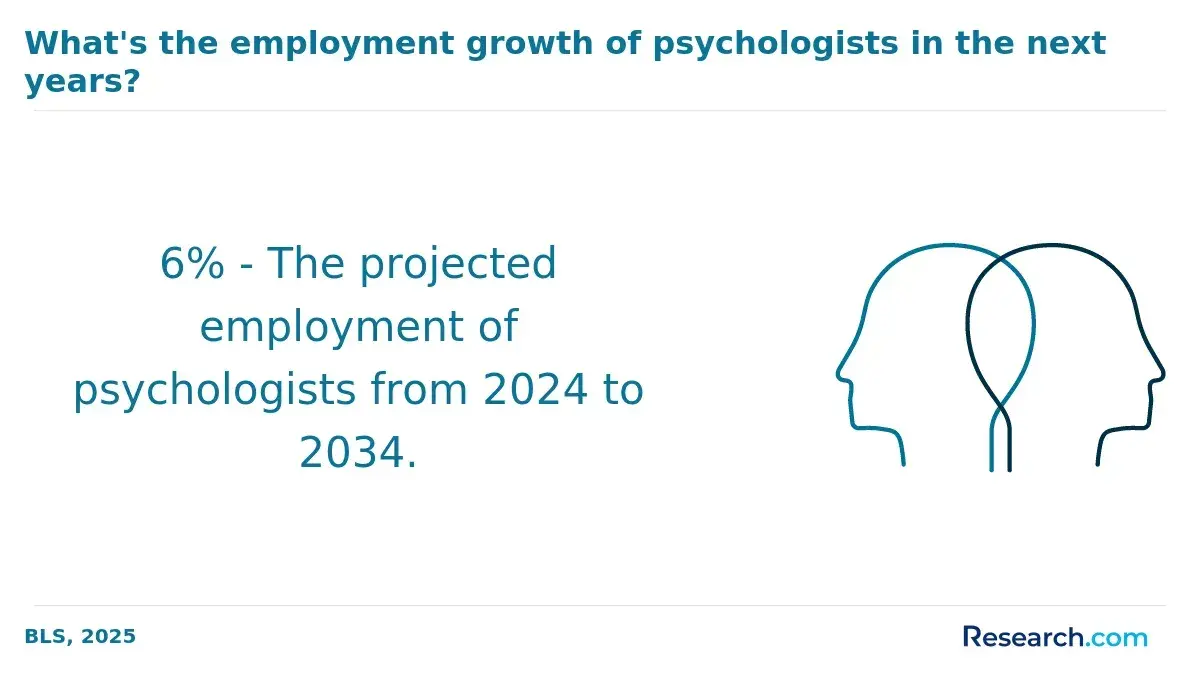
The BCBA certification timeline from bachelor’s degree usually spans 2 to 3 years. The exact length depends on the graduate program format, whether the student attends full time or part time, how quickly supervised hours are accrued, and how much time is needed for exam preparation.
For many students, the largest time commitment is the master’s degree. A full-time graduate program often takes about 2 years. Working professionals may choose part-time or online study, which can make the schedule more manageable but may extend the overall timeline.
After or during graduate study, candidates must complete 2,000 to 2,500 hours of supervised experience. This stage can overlap with the master’s program if the student has access to an approved site and qualified supervision. Candidates who can log consistent weekly hours may progress faster, while those relying on part-time work, limited placements, or changing supervisors may need more time.
A practical planning sequence looks like this:
- Finish the bachelor’s degree and confirm graduate admission requirements.
- Enroll in a master’s program or approved graduate coursework pathway.
- Begin supervised fieldwork when program and BACB rules allow.
- Track supervision documentation carefully from the beginning.
- Apply for exam eligibility after education and experience requirements are complete.
- Prepare for and sit for the BCBA exam.
The time required to complete BCBA certification after bachelor’s also depends heavily on exam readiness. Pass rates have declined, with first-time success dropping from 37% in 2020 to 22% in 2025. That does not mean candidates should avoid the field, but it does mean they should choose programs with strong advising, current coursework, practice assessments, and high-quality supervision.
Career changers should also budget time for prerequisites if their bachelor’s degree was unrelated to psychology, education, human services, or behavior analysis. Students comparing accelerated and flexible options can review masters applied behavior analysis programs, but speed should not be the only criterion. A faster program that offers weak fieldwork support can create delays later.
The best way to keep the 2 to 3 year window realistic is to choose a program early, confirm exam-eligibility rules in writing, secure supervision before fieldwork begins, and maintain complete records throughout the process.
BCBA certification exam eligibility requirements United States candidates face generally fall into three categories: graduate-level education, approved behavior-analytic coursework, and supervised fieldwork. Candidates must complete the required academic preparation, document qualifying practical experience, apply for exam authorization, and then pass the BCBA exam.
Coursework is usually completed through a Behavior Analyst Certification Board Verified Course Sequence, often called a VCS, or through another pathway that meets BACB review standards. The coursework covers ethical conduct, behavior assessment, measurement, research design, behavior-change procedures, supervision, and foundational concepts in applied behavior analysis.
Supervised experience is equally important. Candidates must complete between 1,500 and 2,000 hours of supervised independent fieldwork or practicum over at least 12 months. Supervision must be provided by a qualified BCBA and should include direct observation, performance feedback, case discussion, data review, and opportunities to practice assessment and intervention planning.
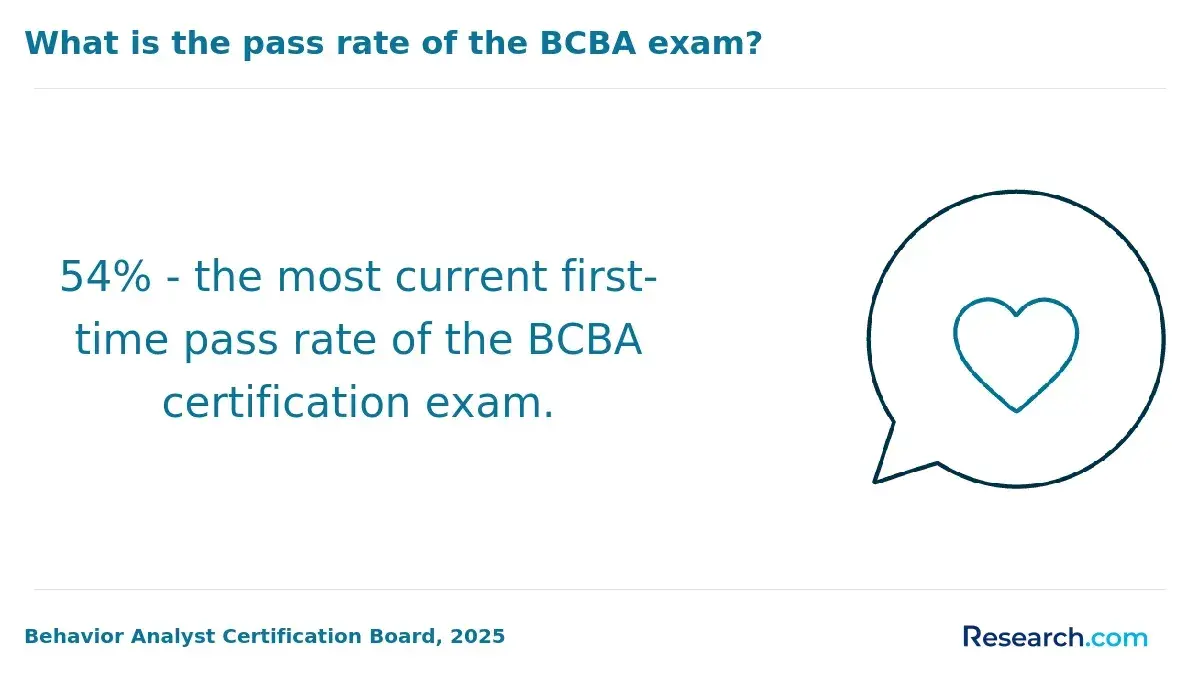
After coursework and fieldwork requirements are met, candidates may apply to sit for the BCBA exam. The exam uses multiple-choice questions based on BACB task lists and is designed to test whether candidates can apply behavior-analytic concepts, not simply memorize definitions. First-time pass rates have fallen to 54%, down from 79% just a few years ago, so candidates should treat exam preparation as a separate phase of the certification process.
Strong candidates usually do the following before applying:
- Confirm that every required course is listed correctly on official transcripts.
- Keep supervision contracts, monthly forms, and final verification documents organized.
- Review the current BACB exam content outline before choosing study materials.
- Use practice exams to identify weak areas before scheduling the actual exam.
- Ask supervisors for feedback on applied decision-making, not just hour completion.
Students considering flexible graduate options can compare accredited online masters ABA programs, but they should confirm how each program supports fieldwork documentation and exam preparation. The most common mistake is assuming that admission to an ABA program automatically guarantees exam eligibility. Candidates should verify that the coursework, degree, supervision, and documentation all meet current requirements.
ABA programs that prepare students for BCBA certification are available online, on campus, and in hybrid formats. The right format depends on a student’s work schedule, location, need for faculty access, fieldwork opportunities, and learning style. The coursework format is important, but supervised fieldwork access is often the deciding factor.
Online programs, including options at Ball State University and Florida Institute of Technology, are often designed for working professionals. They allow students to complete didactic coursework remotely while arranging supervised fieldwork in their own area. This can be a strong option for students who already work in ABA, special education, or a related setting where qualified supervision is available.
Campus-based BCBA tracks, including programs at Simmons University and the University of North Texas, may offer more structured faculty interaction, in-person peer learning, and closer connections to local practicum sites. They can be especially useful for students who are new to ABA and need help building professional contacts or securing supervised experience.
Hybrid programs, such as the one at Capella University, combine online coursework with periodic campus sessions, residencies, or structured in-person experiences. This format can work well for students who want flexibility but also benefit from direct interaction and scheduled academic checkpoints.
When comparing online and campus BCBA tracks, students should look beyond convenience:
- Fieldwork support: Does the program place students, maintain agency partnerships, or only provide general guidance?
- Supervisor access: Are approved supervisors available locally, remotely, or through employer partnerships?
- Exam preparation: Does the program include practice exams, review courses, or faculty-led preparation?
- Student fit: Can the student succeed in asynchronous online classes, or is a live classroom structure better?
- Cost and logistics: Are travel, residency, technology, and supervision fees included in the estimate?
Securing high-quality supervised fieldwork remains essential for BCBA exam success. Retake pass rates improved slightly to 25% in 2024, which reinforces the importance of practical training, not just course completion. A program with strong fieldwork advising may be more valuable than a cheaper or faster option that leaves students to solve supervision problems alone.
A typical BCBA coursework curriculum teaches students how to define behavior, measure it accurately, identify why it occurs, design interventions, evaluate outcomes, and practice ethically. The goal is to prepare students to make data-based decisions in real service settings, not simply to understand ABA terminology.
Core topics usually include behavior assessment, intervention design, measurement, data analysis, experimental design, ethics, supervision, and behavior-change systems. Students learn how reinforcement, stimulus control, prompting, shaping, chaining, extinction, and other principles are used to build skills and reduce harmful or interfering behavior.
Assessment coursework is especially important. Students study functional analysis, direct observation, interviews, rating scales, and other behavior assessment methods. The purpose is to identify the function of behavior accurately before recommending an intervention. Poor assessment can lead to ineffective plans, ethical concerns, and wasted treatment time.
Intervention coursework often includes skill acquisition methods such as discrete trial training and natural environment teaching. Students also learn how to select goals, write measurable objectives, collect data, graph progress, and adjust intervention plans when data show limited improvement.
Research and measurement courses teach single-subject research designs, reliability, validity, visual analysis, and experimental control. These skills matter because BCBAs are expected to evaluate whether an intervention is working for an individual client, classroom, or program.
Ethics training is a central part of the curriculum. Students study the Behavior Analyst Certification Board’s ethics requirements, including client dignity, informed consent, confidentiality, accurate representation of competence, data integrity, and appropriate supervision. Ethical practice is not a separate administrative task; it affects assessment, intervention, billing, documentation, and communication with families or teams.
Many programs also include supervised practicum or fieldwork components so students can apply coursework under BCBA supervision. This is where students learn to translate classroom knowledge into professional judgment, including how to respond when a plan does not work as expected.
The BCBA exam is challenging, with about 9,955 first-time candidates and a 66% pass rate, while 13,196 retakes pass at 31%, according to the BACB Annual Data Report. Students should choose courses that build applied reasoning, not just exam vocabulary. Active participation, repeated practice with data, and feedback from supervisors can make a major difference.
Most BCBA-focused graduate programs require a bachelor’s degree from a regionally accredited institution. Preferred undergraduate backgrounds often include psychology, education, special education, human services, social sciences, or related fields, but students with unrelated degrees may still be considered if they can show academic readiness and a clear reason for entering behavior analysis.
Applicants may be asked to provide official transcripts, a statement of purpose, letters of recommendation, a resume, and proof of relevant work or volunteer experience. Some programs still require GRE scores, but this is becoming less common. Programs that do not require the GRE may place more weight on grades, professional experience, writing quality, and fit with the field.
Foundational coursework can matter for applicants without an ABA background. Essential classes typically include principles of behavior analysis, ethics, experimental analysis of behavior, and research methods. Some schools admit students conditionally if they need to complete prerequisite or leveling courses before beginning the main ABA sequence.
Applicants should also understand how fieldwork expectations relate to admission. Some programs expect students to already work in a setting where supervised experience is possible. Others help students identify placements after enrollment. Applicants usually need to complete supervised fieldwork ranging from 750 to 1,500 hours, depending on the specific coursework model. For example, the coursework sequence model requires around 750 hours, while experiential models demand more extensive practical experience.
Before applying, students should prepare the following:
- Official transcripts from all colleges attended.
- A resume showing education, work experience, and any behavior-related roles.
- A focused personal statement explaining career goals and readiness for ABA practice.
- Recommendation letters from instructors, supervisors, or professionals who can assess reliability and analytical ability.
- Questions for admissions staff about fieldwork, exam eligibility, and student outcomes.
The BCBA exam pass rate has declined significantly, dropping to 35%, with a large percentage of exam attempts not resulting in certification. This makes admission planning more than a paperwork exercise. Students should choose a program that admits them into a realistic path toward coursework completion, supervised experience, and exam preparation.
BCBA programs generally cost between $7,000 and $12,000 for the coursework needed to become eligible for certification. The actual cost depends on the institution, residency status, delivery format, degree type, supervision structure, and required fees. Public universities often offer lower tuition for in-state students, sometimes around $7,000, while private or specialized programs can exceed $10,000.
Students should separate tuition from the full cost of becoming certified. In addition to coursework, they may need to pay for application fees, textbooks, technology fees, supervision costs, exam preparation materials, and the BCBA exam fee, currently $245. If a program requires campus visits or residencies, travel and lodging can also increase the total.
Financial aid depends on whether the student is enrolled in a degree-granting program, certificate program, or standalone course sequence. Many accredited BCBA programs qualify for federal aid like Stafford loans and Pell Grants, which are awarded based on financial need. Scholarships specifically for behavior analysis students are sometimes available, and employer tuition reimbursement can reduce out-of-pocket costs for working professionals.
Common funding options include:
- Federal aid: Available for many eligible degree programs, depending on student status and institutional participation.
- Scholarships: May be offered by universities, professional associations, or departments serving ABA students.
- Employer tuition assistance: Useful for RBTs, teachers, and clinic employees whose employers need future BCBAs.
- Payment plans: Some schools allow students to spread tuition across the term instead of paying all at once.
- Graduate assistantships: More common in campus-based programs, though availability varies widely.
Students should weigh cost against completion support. An accelerated online option may reduce commuting and living costs, especially for students who continue working. A traditional two-year program may cost more but could offer stronger advising, practicum connections, and institutional aid. The least expensive program is not always the lowest-risk option if students struggle to secure supervision or prepare for the exam.
After certification, maintaining credentials also carries ongoing costs. Renewal fees, continuing education units, and supervision-related obligations may be part of long-term professional planning. According to BACB Certificant Data, as of April 1, 2026, active certificants have reached record levels due to sustained retention, highlighting the importance of budgeting beyond initial certification.
BCBA certification can open roles in clinical care, education, autism services, developmental disability programs, behavioral consultation, staff supervision, and organizational behavior management. It is most valuable for professionals who want responsibility for assessment, treatment planning, data review, program oversight, and supervision of other ABA personnel.
As of July 2025, there were 48,352 certificants nationwide, highlighting growing needs in autism treatment, developmental disabilities, and behavior management services, according to Connect n Care ABA credential counts. That demand supports a range of job titles, though availability varies by state, employer type, funding model, and licensure rules.
Common BCBA roles include:
- Clinical BCBA in an autism or ABA therapy clinic.
- School-based behavior analyst supporting students, teachers, and intervention teams.
- Autism specialist or developmental disability program consultant.
- Program supervisor overseeing RBTs, behavior technicians, or case teams.
- Behavior consultant for community agencies or family-support programs.
- Organizational behavior management consultant in business or workplace settings.
Annual salaries vary by location, employer, and experience. Entry-level BCBAs typically start around $60,000, with experienced professionals earning between $75,000 and $95,000. Metropolitan areas and specialized sectors such as private practice or corporate consulting may offer $100,000 or more. Supervisory roles and additional credentials can increase earning potential.
Salary should be evaluated alongside workload and job structure. Some positions involve high caseloads, extensive travel, evening family sessions, or responsibility for supervising many technicians. Others offer school schedules, clinic-based teams, research opportunities, or administrative advancement. A higher salary may come with more compliance, billing, documentation, or supervisory pressure.
The credential can also support related paths in behavior intervention training, academic research, policy advising, quality assurance, and program administration. BCBAs who combine clinical skill with leadership, data analysis, or research experience may have broader advancement options.
Students should compare regional demand and salary benchmarks before choosing a program or fieldwork site. The strongest career planning strategy is to build experience in the setting where the candidate hopes to work after certification.
What is the job outlook for BCBA professionals?
The job outlook for BCBA professionals remains strong because schools, healthcare providers, autism service organizations, and community agencies continue to need qualified behavior analysts. Demand is influenced by autism service needs, developmental disability supports, special education requirements, insurance coverage, and the growing use of behavior analysis in organizational and community settings.
Expanded insurance coverage for behavior-analytic services has helped increase employment opportunities, particularly in healthcare and education. States with stronger service networks, autism insurance mandates, and dense metropolitan markets may offer more openings, while rural areas may have fewer employers but significant unmet need.
By mid-2025, there were nearly 187,000 RBT certificants, creating a strong pipeline for future BCBA practitioners. Many RBTs use direct-service experience to decide whether they want to pursue graduate study and move into supervisory or clinical decision-making roles.
Career paths for BCBAs vary widely. Some professionals remain in direct clinical supervision, while others move into school consultation, staff training, research, operations leadership, private practice, or organizational behavior management. Advancement often depends on experience, state licensure rules, supervisory competence, and the ability to communicate effectively with families, educators, funders, and interdisciplinary teams.
Employment projections indicate BCBA roles will grow faster than average health occupations. Specialists focusing on autism spectrum disorders or pediatric populations see particularly strong demand. However, job quality can vary, so candidates should evaluate caseload expectations, supervision structure, documentation standards, and ethical culture before accepting a role.
Key points to consider:
- Insurance expansions increase funding for behavior-analytic services.
- RBT certification serves as a stepping stone to BCBA credentials.
- State licensure requirements and geographic mobility influence career prospects.
- Urban markets may offer more employers, while underserved areas may offer strong demand with fewer local resources.
- Strong supervision and ethical practice remain important for long-term career stability.
Prospective BCBAs should monitor credentialing developments, state requirements, and employer expectations throughout their training. For broader education and career planning resources, visit research.com.
Other Things You Should Know About Applied Behavior Analysis
No, you cannot work as a BCBA without supervised fieldwork experience. To qualify for BCBA certification in 2027, candidates must complete supervised fieldwork that meets specific requirements set forth by the Behavior Analyst Certification Board. This includes gaining hands-on experience in applied behavior analysis services under supervision.
The Behavior Analyst Certification Board, or BACB, sets the BCBA certification standards in 2027. It defines the required graduate coursework, supervised fieldwork, and exam rules, and it administers the BCBA exam for candidates seeking certification from a bachelor’s degree pathway.
For BCBA certification in 2027, supervised fieldwork requires completing 2,000 hours of fieldwork experience under a qualified supervisor, as outlined by the Behavior Analyst Certification Board (BACB). These hours must include a mix of direct and indirect activities, with regular supervision meetings.
- How Long Does It Take to Become an ABA Therapist? Our Guide https://championsaba.com/how-long-does-it-take-to-become-an-aba-therapist/
- Best BCBA Programs Online for Success | Connect n Care ABA https://www.connectncareaba.com/blog/bcba-programs-online
- Board-Certified Behavior Analyst (BCBA) Salary Guide â Trusted Health https://www.trustedhealth.com/allied-career-guide/behavior-analyst/salary-guide
- Discover the Highest Paying BCBA Jobs in Georgia & Nebraska https://www.levelaheadaba.com/blog/highest-paying-job-for-bcba
- BCBA Career Path to Take https://www.besteveraba.com/blog/bcba-career-path-to-take
- Can You Become a BCBA Without a Master’s? | Kids N Heart ABA https://kidsnheartaba.com/blog/bcba-without-masters-degree/
- BCBA® Certification & Requirements: A Step-by-Step Guide https://www.appliedbehavioranalysisedu.org/bcba-certification/
- What Jobs Can a BCBA Do - What are the Roles? https://www.biermanautism.com/resources/blog/what-jobs-can-a-bcba-do/
- Applied Behavior Analysis Master’s—100 % Online https://www.baypath.edu/academics/graduate-programs/applied-behavior-analysis-ms/
- Guide to Becoming a BCBA - Bluesprig Autism https://www.bluesprigautism.com/blog/guide-to-becoming-a-bcba/