2027 BCBA Job Search Guide for New Graduates

Co-Founder and Chief Data Scientist
Choosing a BCBA career path is not just a question of earning a graduate degree. You also need to confirm that your coursework, supervised fieldwork, exam eligibility, and job-search strategy line up with Behavior Analyst Certification Board expectations and employer needs. For new graduates, the challenge is often practical: getting enough supervised experience, choosing a credible ABA program, understanding regional demand, and presenting limited experience in a way that shows readiness for client-facing work.
This guide explains the major decisions involved in becoming a Board Certified Behavior Analyst, from certification requirements and degree options to accreditation checks, curriculum, admissions, timelines, salary expectations, and job outlook. It is designed for students comparing ABA programs, career changers considering behavior analysis, and recent graduates preparing to enter the applied behavior analysis workforce.
Key Things You Should Know
- The demand for Board Certified Behavior Analysts (BCBAs) is projected to grow 20% by 2030, driven by increasing recognition of applied behavior analysis in healthcare and education sectors.
- Passing the BACB examination requires completion of verified coursework and supervised fieldwork, typically around 1,500 hours, a critical step before employment eligibility.
- Entry-level BCBA salaries average $68,000 annually in 2025, with variations based on location, work setting, and experience, emphasizing the value of geographic flexibility.
What is a BCBA certification and what does it require?
A BCBA certification is a professional credential for practitioners who design, supervise, and evaluate behavior-analytic services. In the United States, the credential is administered by the Behavior Analyst Certification Board (BACB) and is commonly required for behavior analyst roles in autism services, schools, clinics, and other settings that use applied behavior analysis.
For new graduates, the main requirements include graduate-level education, behavior-analytic coursework, supervised fieldwork, and a passing score on the BCBA certification exam. Candidates must hold a master's degree or higher in behavior analysis, education, psychology, or a related BACB-approved field. They must also complete at least 1,500 hours of supervised practicum or fieldwork under a qualified BCBA supervisor.
The BCBA exam evaluates whether candidates can apply behavior-analytic principles safely and ethically. It covers areas such as assessment, intervention planning, data analysis, ethics, supervision, and professional conduct. Passing the exam is not the end of the credentialing process: BCBAs must complete continuing education credits every two years to keep the certification active.
BCBA certification matters because many employers use it as a baseline qualification for clinical leadership, treatment planning, and supervision. School districts may require BCBAs to support Individualized Education Programs (IEPs) that include behavior interventions. Autism service providers often require BCBA oversight for assessment, treatment design, and staff training.
Demand remains a major reason students pursue this credential. The BACB/Lightcast Report noted 132,307 annual job postings for BCBA and BCBA-D roles in 2025, a 28% increase from the prior year. That demand does not eliminate competition, especially for new graduates, but it does show that the credential is tied to a large and active labor market.
Students comparing education options can review flexible routes through the best BCBA programs online, while still verifying that each program aligns with current BACB requirements before enrolling.
What are the educational pathways to become a Board Certified Behavior Analyst?
The standard pathway to become a Board Certified Behavior Analyst begins with a graduate degree and coursework that satisfies BACB expectations. Most candidates earn a master's degree or higher in behavior analysis, psychology, education, or a related field from a regionally accredited institution. The program must include approved behavior-analytic coursework, often through a BACB Verified Course Sequence (VCS) or an equivalent curriculum.
Verified coursework typically covers ethical practice, behavioral assessment, research design, measurement, intervention strategies, and supervision. Students whose previous degrees are outside behavior analysis may need additional coursework before they can meet exam eligibility requirements. For example, a psychology graduate may still need behavior analysis-specific classes if their master's program did not include the required content.
After coursework, candidates complete 1,500 to 2,000 hours of supervised independent fieldwork under BCBA supervision over a minimum of nine months. This fieldwork is where students learn to conduct assessments, collect and interpret data, design intervention plans, train caregivers or staff, and make ethical decisions in real service environments such as schools, clinics, homes, and community programs.
The final credentialing step is the BCBA certification exam. Candidates should treat exam preparation as a separate phase of the pathway, not as something to begin only after fieldwork is complete. The strongest candidates connect course concepts to their supervised cases throughout training.
Common BCBA education routes
| Pathway | Who it fits | Key consideration |
| Master's degree with BCBA-aligned coursework | Students starting graduate study with BCBA certification as the goal | Confirm the coursework meets current BACB standards before enrolling. |
| Graduate degree plus additional behavior analysis coursework | Professionals who already hold a master's degree in a related field | A post-master's certificate may be needed to close coursework gaps. |
| Bachelor's-to-master's planning route | Undergraduates preparing early for BCBA eligibility | Choose prerequisites, internships, and research experiences that support ABA admission. |
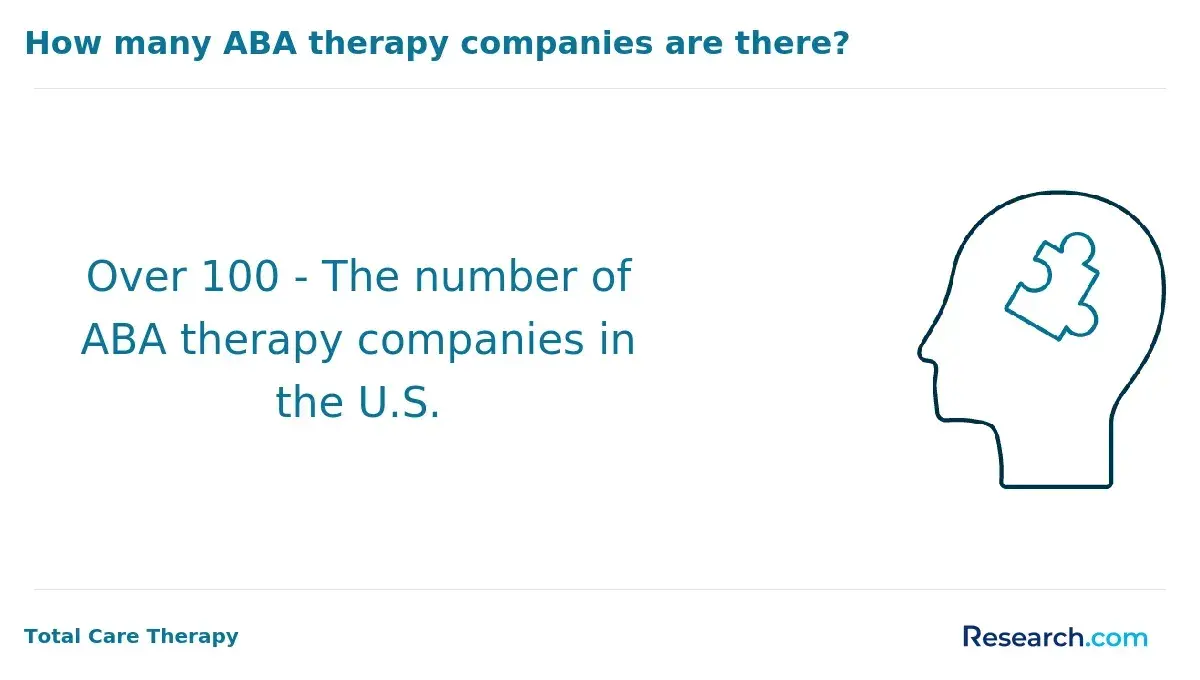
Demand for BCBAs is one reason these pathways attract students. Job postings increased at a 44.2% compound annual growth rate from 2017 to 2025, according to BH Business citing BACB/Lightcast data. To compare graduate options, students can review BCBA master's programs and then verify each program's current eligibility details directly with the school and the BACB.
How do online and campus-based ABA degree programs compare?
Online and campus-based ABA degree programs can both prepare students for BCBA-track training, but they differ in flexibility, supervision logistics, peer interaction, and local networking. The right choice depends less on whether the format is online or in person and more on whether the program gives you reliable coursework, qualified faculty access, and a realistic plan for supervised fieldwork.
Online programs are often better for working professionals, parents, military-connected students, and learners who do not live near an accredited ABA program. They may offer asynchronous coursework, evening classes, or part-time schedules. The trade-off is that students must be proactive about time management, faculty communication, and securing fieldwork sites.
Campus-based programs provide more face-to-face contact with faculty and classmates. They may also make it easier to build relationships with local clinics, schools, and supervisors. This can be useful in strong regional job markets. For example, California accounted for 19% of nationwide BCBA job opportunities in 2025, according to We Achieve ABA, citing BACB data.
| Factor | Online ABA programs | Campus-based ABA programs |
| Schedule | Often more flexible for work and family responsibilities | More structured class times and campus expectations |
| Networking | May require extra effort through virtual events and local fieldwork sites | Often stronger built-in peer and faculty interaction |
| Fieldwork | Students may need to locate approved supervision in their area | Programs may have established local practicum relationships |
| Learning style | Best for self-directed students who communicate well online | Best for students who prefer in-person discussion and mentorship |
Before choosing either format, ask how the program supports fieldwork placement, whether faculty are available for advising, how often courses are offered, and whether students can complete requirements without delaying graduation. Also consider whether the program has relationships in the geographic area where you want to work after graduation.
Students who need schedule flexibility can explore accredited ABA master's programs online, but speed should not be the only priority. A fast program is only valuable if it supports certification eligibility, ethical practice, and employability.
Before enrolling in an ABA program, verify that the school and coursework can support BCBA exam eligibility. Accreditation and course alignment are not administrative details; they affect whether your credits are recognized, whether you qualify for certification, and whether employers trust your training.
Start with institutional accreditation. The college or university should be accredited by a recognized regional or national accrediting body. This helps protect academic quality, credit transferability, and financial aid eligibility. Then review the program-level requirements related to behavior analysis. Many students prioritize programs with a Verified Course Sequence (VCS) recognized by the Behavior Analyst Certification Board (BACB), because this designation indicates that the coursework has been reviewed against BACB content expectations.
Also confirm that the curriculum aligns with the current BACB Task List competencies. Behavior analysis is an applied field, and outdated coursework can leave students underprepared for the exam and for real client needs. Ask when the curriculum was last reviewed, how ethics and supervision are taught, and whether the program has changed its courses in response to BACB updates.
Accreditation and eligibility checklist
- Confirm that the institution is accredited by a recognized regional or national accreditor.
- Check whether the program includes a BACB Verified Course Sequence (VCS) or equivalent approved coursework.
- Ask how the program maps courses to current BACB Task List competencies.
- Verify whether supervised fieldwork support is built into the program or must be arranged independently.
- Request clear information on exam eligibility, graduate outcomes, and advising support.
Supervised fieldwork is especially important. BACB requirements include specific supervised experience hours, and not every academic program provides placement help. Some programs have partnerships with clinics, schools, or community agencies; others expect students to find their own qualified supervisors. This difference can affect both your timeline and your total cost.
Program quality also matters in a competitive labor market. With approximately 65,300 BCBA job postings nearly matching the number of certified professionals, students should avoid programs that create credential barriers or leave fieldwork planning unclear. To compare legitimate options, review applied behavior analysis masters programs and then confirm accreditation and BACB alignment directly with each institution.
BCBA-track degree programs teach students how to assess behavior, design interventions, measure outcomes, and practice ethically. A strong curriculum does more than prepare students for an exam; it trains them to make data-based decisions in schools, clinics, homes, and community settings.
Core coursework usually includes the principles of behavior, experimental analysis, assessment methods, behavior-change procedures, ethics, research design, and data interpretation. Students learn how to identify why a behavior occurs, select appropriate interventions, monitor progress, and adjust treatment when the data show that a plan is not working.
Common BCBA-track curriculum areas
- Foundations in experimental analysis of behavior
- Behavioral assessment and functional behavior assessment
- Behavior-change procedures and skill acquisition
- Ethical and professional conduct in ABA practice
- Research methods and single-subject designs
- Data collection and interpretation
Applied training is a central part of the learning process. Through supervised fieldwork, students practice skills such as conducting observations, writing operational definitions, graphing data, communicating with families, and training staff. These experiences help students understand how behavior analysis works with different ages, diagnoses, environments, and support needs.
Some programs also offer electives in areas such as behavior pharmacology or organizational behavior management. These courses can be valuable for students who want to work beyond traditional autism service settings, but electives should not replace the core certification-aligned curriculum.
Students should look for programs that emphasize ethical decision-making and individualized intervention. In practice, two clients with similar behaviors may need very different supports because the function, environment, medical context, communication skills, and family priorities may differ. Programs that teach students to analyze these variables are better preparation for independent practice.
The need for well-trained behavior analysts is visible in regional demand shifts, including a 291% increase in job listings in Oregon from 2023 to 2024. That growth makes curriculum quality important: graduates need both certification eligibility and practical competence to compete for roles.
Most accredited applied behavior analysis programs require a bachelor's degree from an accredited institution, a competitive academic record, and application materials that show readiness for graduate-level study and client-focused work. Requirements vary by school, so applicants should review each program's admissions page carefully rather than assuming all ABA programs use the same criteria.
A minimum GPA is common, typically around 3.0 on a 4.0 scale. Programs may prefer applicants with prior coursework in psychology, education, behavior analysis, research methods, statistics, or ethics. Applicants without this background may still be considered, but they may need prerequisite coursework or stronger evidence of relevant experience.
Common application materials include letters of recommendation, a statement of purpose, and a resume. Strong letters usually come from professors, supervisors, or professionals who can speak to the applicant's judgment, communication skills, reliability, and ability to work with vulnerable populations. A strong statement of purpose should explain why the applicant wants to study ABA, what populations or settings interest them, and how the program fits their certification and career goals.
Some master's programs require direct client experience, often about 100 hours under supervision, while others focus more on academic preparation. Relevant experience may include work as a behavior technician, classroom aide, research assistant, paraprofessional, residential support staff member, or volunteer in a clinical or educational setting. GRE scores are seldom mandatory but may be requested by some universities.
International students typically need to demonstrate English proficiency through tests such as TOEFL or IELTS. Background checks are also common because ABA students may complete fieldwork with children, people with disabilities, or other protected populations.
The applicant pool can be competitive. According to We Achieve ABA, 47% of Board Certified Behavior Analysts (BCBAs) are aged 34 or younger, which reflects a field with many early-career professionals. To strengthen an application, start preparing before deadlines: document relevant hours, request recommendations early, clarify your career goals, and make sure your resume highlights measurable responsibilities rather than only job titles.
The full path to BCBA certification generally takes 4 to 6 years of study and training, depending on where a student starts, whether they attend full time or part time, and how quickly they complete supervised fieldwork. The timeline is shorter for candidates who already hold a relevant graduate degree, but fieldwork and exam preparation still take time.
Many candidates begin with a bachelor's degree in psychology, education, or a related field, which typically takes 4 years. They then complete a master's degree in behavior analysis or a closely related discipline, adding 1.5 to 3 more years depending on program format and enrollment intensity.
Supervised fieldwork is often the most variable part of the timeline. Candidates must complete 1,500 hours of supervised fieldwork that meets BACB standards. This practicum usually spans 12 to 24 months, depending on the number of eligible hours completed each week and the availability of qualified supervision. Students who work in an ABA setting may be able to build hours steadily, while students who need to find external placements may experience delays.
After coursework and fieldwork, candidates prepare for and take the BCBA exam. Many spend several months reviewing task-list content, practicing applied scenarios, and identifying weak areas. Candidates should plan for this study period rather than assuming they can sit for the exam immediately without preparation.
What can shorten or lengthen the timeline?
- Can shorten it: entering with a relevant master's degree, enrolling full time, choosing an accelerated or combined bachelor's/master's program, and securing reliable supervised fieldwork early.
- Can lengthen it: part-time enrollment, changing programs, limited access to BCBA supervisors, working in a role where hours do not qualify, or delaying exam preparation.
The time investment can lead to strong career opportunities. According to the U.S. Bureau of Labor Statistics, the occupation is experiencing 22% projected job growth through 2029, well above the national average. Students should still evaluate cost, supervision access, and local job demand before choosing a program, because a faster path is not always the best path if it creates eligibility or training gaps.
The job outlook for behavior analysts remains strong, with demand across schools, healthcare organizations, autism service providers, community agencies, and some corporate settings. Behavior analyst careers are expanding at an annual growth rate near 20%, which is faster than many occupations. Even so, demand is not identical in every state, employer type, or job level.
New graduates should understand an important market shift: 21 states saw a drop in BCaBA job listings in 2025. This can push BCBAs toward roles with more supervision, program management, staff training, and clinical oversight. In other words, employers may expect new BCBAs to develop leadership skills earlier than they anticipated.
Common employment settings include public and private schools, autism service organizations, behavioral health clinics, home-based service providers, residential programs, early intervention agencies, and community organizations. Emerging opportunities also include:
- Organizational behavior management
- Virtual therapy services
- Specialized education programs
Schools increasingly hire BCBAs to help design individualized behavior plans, train staff, support classroom systems, and contribute to special education teams. Healthcare and behavioral health organizations may use behavior analysis in treatment planning, skill development, caregiver training, and chronic disease management. Telehealth skills can also help candidates compete for roles that involve remote parent training, supervision, or consultation.
For new graduates, the strongest job-search strategy is targeted rather than broad. Identify regions with active school hiring, healthcare infrastructure, autism service providers, and professional networks. Join local behavior analysis associations, attend employer events, and maintain BCBA certification renewal requirements. Skills in telehealth, supervision, data analytics, caregiver collaboration, and interdisciplinary communication can improve long-term mobility.
For more career planning resources in applied behavior analysis, visit research.com.
New BCBA graduates in 2026 can expect starting salaries typically ranging from $50,000 to $65,000 annually. Actual pay depends on location, employer type, service setting, caseload expectations, supervision responsibilities, and prior experience. Public schools and nonprofits may start closer to $50,000, while private clinics, urban employers, and hard-to-staff regions may offer higher starting compensation.
Salary is only one part of the offer. New BCBAs should compare total compensation, including health insurance, paid time off, retirement benefits, bonuses, continuing education reimbursement, exam or certification fee support, mileage reimbursement, and flexible scheduling. A role with a slightly lower base salary may be more valuable if it includes strong supervision, manageable caseloads, paid documentation time, and professional development support.
| Compensation factor | Why it matters for new BCBAs |
| Base salary | Shows guaranteed annual pay, but may not reflect workload or unpaid travel time. |
| Caseload size | Affects quality of service, burnout risk, and documentation burden. |
| Continuing education support | Can reduce the cost of maintaining certification and improving skills. |
| Mileage or travel reimbursement | Important for home-based or community-based service roles. |
| Supervision and mentorship | Especially valuable for new graduates building clinical judgment and leadership skills. |
Market conditions also affect negotiation. BH Business, citing BACB and Lightcast data, reports that BCBA job postings dropped in 21 states during 2025, accompanied by a 25% decline in BCaBA openings to 10,717 positions. This does not mean opportunities are disappearing everywhere, but it does mean candidates should evaluate local demand and avoid assuming every market will offer the same leverage.
To negotiate effectively, new graduates should document their supervised fieldwork experience, assessment skills, populations served, data systems used, caregiver training experience, and any leadership responsibilities. Employers are more likely to improve an offer when candidates can show concrete clinical readiness, not just certification eligibility.
How should you evaluate and compare accredited ABA programs before enrolling?
To evaluate accredited ABA programs, start with certification eligibility and then compare cost, fieldwork support, faculty quality, outcomes, and fit. A program should not be chosen only because it is convenient or advertised as flexible. It should help you meet BACB requirements, gain supervised experience, and enter the job market with usable skills.
First, verify accreditation status from recognized bodies such as the Behavior Analyst Certification Board (BACB) or the Association for Behavior Analysis International (ABAI), and confirm that the institution itself is properly accredited. Then check whether the program meets BACB coursework and supervised experience requirements needed to qualify for the BCBA exam. The curriculum should cover behavior assessment, intervention design, ethics, measurement, research methods, and supervision.
Next, review faculty qualifications. Instructors who are active in research, clinical practice, supervision, or professional service can provide more current and practical training. Look for faculty access as well as credentials; a strong faculty roster is less useful if students cannot receive advising, feedback, or mentorship.
Fieldwork support is one of the most important comparison points. Programs with partnerships in local clinics, schools, or service agencies may make it easier to secure supervised hours. Programs without placement support can still be viable, but students must have a realistic plan for finding qualified supervision. Notably, the percentage of U.S. counties without BCBAs decreased recently, so selecting programs with strong regional placement can enhance job prospects in underserved areas.
Questions to ask before enrolling
- Does the program clearly explain how it meets BACB coursework requirements?
- What supervised fieldwork support is available, and who is responsible for finding placements?
- What are the program's BCBA exam pass rates and employment outcomes?
- How accessible are faculty and advisors?
- Can working students complete the program part time, online, or in a hybrid format?
- What is the full cost after tuition, fees, books, supervision expenses, and travel?
- Are career services, alumni networks, or employer partnerships available?
Graduate outcomes can reveal how well a program supports students beyond admission. Ask for BCBA exam pass rates, employment rates, practicum placement information, and career support details. If a school does not publish these metrics, request them directly.
Finally, compare affordability and return on investment. Tuition matters, but so do time to completion, fieldwork access, financial aid, and whether the program supports the type of role you want after graduation. Speaking with alumni and current students can help you identify issues that brochures often miss, such as advising delays, limited supervision options, or uneven course availability.
Other Things You Should Know About Applied Behavior Analysis
Employers often value supervised experience, but added credentials can help new BCBAs stand out. The most relevant is BCBA certification from the Behavior Analyst Certification Board. First aid, CPR, and state licensure, where required, also strengthen a job application for clinical, school, or autism-service roles.
Clinical experience is a crucial requirement for BCBA certification, typically gained through supervised fieldwork. While some non-clinical roles related to behavior analysis exist, such as research or administrative positions, the BCBA credential itself mandates practical experience to ensure competency in real-world applications. Thus, you cannot become a fully certified BCBA without relevant clinical fieldwork.
New BCBA graduates in 2027 should begin by identifying preferred work environments, networking within professional communities, and tailoring their resumes to emphasize clinical competencies. Utilizing job boards dedicated to behavioral health and engaging in informational interviews can also enhance job search outcomes.
New BCBAs often encounter challenges such as managing complex caseloads, balancing paperwork and clinical duties, and adapting to diverse client needs. They may also need to develop strong communication skills to collaborate with families and interdisciplinary teams. Ongoing professional development and mentorship can help address these early-career hurdles effectively.
- Master of Science in Applied Behavior Analysis (ABA) https://tsengcollege.csun.edu/programs/ABA/admission-requirements
- What to Look for in a Quality Center-Based ABA Therapy Program | Advanced Autism Services https://www.advancedautism.com/post/what-to-look-for-in-a-quality-center-based-aba-therapy-program
- Behavior Analyst Degree Programs | Find Your BCBA Path https://www.appliedbehavioranalysisedu.org/behavior-analyst-degree-programs/
- Association for Behavior Analysis International Accreditation Board https://accreditation.abainternational.org/faqs.aspx
- 4 Best Online Courses For Learning ABA Therapy https://www.crossrivertherapy.com/aba-therapists/best-online-courses
- Best Practices for BCBA Job Postings: A Guide for ABA Hiring Managers https://www.abaresourcecenter.com/post/best-practices-for-bcba-job-postings
- Is Becoming a BCBA a Good Career in 2026? Salary, Growth, and What to Expect https://mindfulsproutsaba.com/blog/is-becoming-a-bcba-a-good-career-in-2026-salary-growth-and-what-to-expect/
- What Is A Board Certified Behavioral Analyst (BCBA)? https://www.psychology.org/resources/bcba-meaning-career-overview/
- BCBA Job Outlook in 2025 Growing Demand and Opportunities https://www.connectncareaba.com/blog/bcba-job-outlook
- Ultimate Guide To Choosing The Right ABA Therapy For Your Child https://www.cvlighthouse.com/the-ultimate-guide-to-choosing-the-right-aba-therapy-program-for-your-child