2027 Online Learning Tips for ABA Students Who Struggle With Focus

Co-Founder and Chief Data Scientist
Online applied behavior analysis courses give students flexibility, but they also shift more responsibility onto the learner. Instead of relying on a classroom schedule, in-person reminders, and immediate instructor cues, ABA students must manage attention, screen fatigue, assignments, readings, fieldwork planning, and certification preparation from home.
This guide is for students who want to stay focused in online ABA courses and for prospective students comparing online programs before enrolling. It explains why focus can be harder in virtual ABA training, how online coursework differs from campus-based study, what accreditation and degree requirements matter for BCBA eligibility, and how to evaluate curriculum, admissions, costs, career outcomes, and job outlook without overlooking practical learning challenges.
Key Things You Should Know
- Students studying applied behavior analysis online in 2026 benefit from structured schedules, as 72% report improved focus with consistent daily routines tailored to their cognitive patterns.
- Incorporating frequent short breaks and active learning techniques increases retention rates by 35%, addressing common attention challenges faced by ABA students during virtual sessions.
- Utilizing technology tools such as task timers and distraction blockers correlates with a 40% reduction in off-task behavior, supporting sustained engagement in demanding coursework.
What are effective online learning tips for ABA students struggling with focus?
The most effective focus strategies for online ABA students combine environmental control, structured study blocks, active learning, and regular feedback. ABA coursework often requires careful attention to terminology, measurement systems, ethics, data interpretation, and intervention planning, so passive watching or last-minute studying usually leads to weak retention.
Build a study environment that reduces competing stimuli
Start by treating your study space as part of your learning plan. Use one consistent location if possible, keep only the materials needed for the current task visible, and silence nonessential notifications before lectures or readings. Noise-cancelling headphones can help when home distractions are unavoidable, but the larger goal is to reduce the number of cues competing for your attention.
- Keep your learning platform, notes, and assignment instructions open, but close unrelated tabs.
- Use website blockers or focus apps during scheduled study periods.
- Tell household members when you are unavailable for class, supervision meetings, or exams.
- Prepare water, textbooks, and note-taking tools before you begin so you do not interrupt your session repeatedly.
Use shorter, more deliberate study sessions
Many students focus better in blocks of 25-30 minutes than in long, unstructured sessions. A Pomodoro-style routine works well for dense ABA topics: choose one objective, study without multitasking, take a brief break, then return with a new objective. For example, one block might focus only on identifying antecedents and consequences in sample scenarios, while the next might focus on summarizing intervention steps.
Turn lectures into active learning tasks
ABA students should avoid relying only on recorded lectures. Pause videos to define key terms in your own words, write examples, and compare procedures that are easy to confuse. When reviewing behavior intervention plans, rewrite the major steps after watching the lecture rather than copying slides word for word. This forces retrieval practice, which is more useful than rereading notes.
Students who find online material hard to follow should use every available format: transcripts, captions, visual aids, lecture outlines, quizzes, and instructor examples. This matters because 40% of students find online material challenging to understand. If a concept remains unclear, document the exact point of confusion and ask a targeted question instead of waiting until the exam review period.
Add accountability and reinforcement
Online learners often need external accountability. Join a study group, schedule weekly check-ins with a classmate, or use discussion boards to explain concepts aloud. Set small, observable goals for each session, such as “complete five functional behavior assessment practice items” or “summarize the ethics reading in 10 bullet points.” Then reinforce completion with a short break or preferred activity.
Instructor contact is also part of effective online learning. Ask for clarification, examples, alternative explanations, or feedback on practice work before small misunderstandings become larger gaps. Students comparing programs should look for organized course design, accessible faculty, and strong student support. Reviewing accredited BCBA schools online can help prospective students identify options that combine flexibility with structure.
Why do ABA students often struggle with focus in online learning?
ABA students often struggle with focus online because virtual learning increases the need for self-regulation. In a physical classroom, schedules, instructor presence, peer behavior, and environmental cues help students stay on task. Online, those cues are weaker, and students must manage attention, pacing, technology, and motivation more independently.
A 2024 PMC focus group found that neurodiverse learners, many in ABA programs, can experience up to 25% higher cognitive load when studying online versus traditional settings. Higher cognitive load can make it harder to filter distractions, process new terminology, and switch between lecture content, readings, assignments, and fieldwork requirements.
Common reasons focus breaks down
- Screen clutter: Multiple tabs, notifications, chat windows, and learning platform tools can split attention.
- Reduced classroom structure: Asynchronous courses provide flexibility, but they also make procrastination easier.
- Less immediate feedback: Students may not know whether they understand a concept until graded work is returned.
- Multitasking pressure: Home responsibilities, work schedules, and mobile devices can interrupt study blocks.
- Motivation gaps: Without regular prompts or reinforcement, students may delay difficult readings, data exercises, or exam preparation.
How to reduce the problem
Students can improve focus by making online study more structured and more interactive. Use a weekly schedule, divide assignments into smaller tasks, disable non-essential notifications, participate in live sessions when available, and complete quizzes or practice items soon after lectures. Programs that provide timely, personalized feedback can also make online learning easier to sustain.
Prospective students considering a BCBA degree should evaluate not only the curriculum but also the learning format. A strong online program should help students stay engaged through clear deadlines, instructor availability, discussion opportunities, and practical assignments that connect coursework to behavior-analytic practice.
How does online ABA coursework differ from traditional campus programs?
Online ABA coursework differs from traditional campus programs mainly in pacing, interaction, supervision logistics, and accountability. The academic content may cover similar behavior-analytic principles, but the way students access instruction and support can feel very different.
Structure and time management
Campus programs usually have fixed class meetings, in-person routines, and immediate reminders from faculty and peers. Online ABA programs often rely on asynchronous lectures, digital modules, and independent assignment planning. That flexibility helps working adults and geographically distant students, but it also requires stronger time management. Research from National University indicates that poor time management in distance learning is linked to 20-30% higher stress levels and disrupted sleep patterns.
Interaction and feedback
In campus-based programs, students can ask questions before or after class, observe instructor reactions, and build peer relationships through regular face-to-face contact. Online students must be more intentional. They may need to use virtual office hours, email, discussion boards, live webinars, and peer groups to recreate that interaction. Students who wait passively for help may fall behind, especially in technical topics such as measurement, experimental design, or functional behavior assessment.
Fieldwork and applied practice
Traditional programs may make practica or local placements easier to coordinate because students are already near faculty, clinics, schools, or partner sites. Online students may still complete strong applied training, but they often need to arrange remote supervision, local fieldwork sites, or approved experience settings with more independence. Before enrolling, students should ask how the program supports supervision planning, documentation, and applied skill development.
For students who need flexibility but want graduate-level preparation, an online masters in applied behavior analysis can be a practical route. The best fit depends on whether the student can maintain a consistent schedule, seek feedback proactively, and secure appropriate fieldwork opportunities.
ABA online programs should be evaluated for both institutional accreditation and alignment with Behavior Analyst Certification Board (BACB) coursework expectations. Accreditation affects academic quality, transferability, financial aid access, employer confidence, and, in some cases, eligibility pathways for certification or licensure.
Check institutional accreditation first
The school offering the program should hold regional institutional accreditation recognized by the U.S. Department of Education. Examples include the Higher Learning Commission and the Middle States Commission on Higher Education. Institutional accreditation helps confirm that the college or university meets broad standards for governance, faculty qualifications, student services, and academic integrity.
Verify BACB-related coursework
For students pursuing BCBA certification, the Behavior Analyst Certification Board (BACB) is central. Many students look for a Verified Course Sequence (VCS), which indicates that the coursework has been reviewed for alignment with BACB requirements. A VCS does not automatically award certification, but it can help students confirm that the academic portion of the pathway is designed around expected content areas.
Students should verify details directly through the BACB's official list, the program website, and the institution's accreditation information. Do not rely only on marketing language such as “BCBA-prep” or “certification-ready” without checking the specific coursework, degree level, fieldwork expectations, and current certification pathway.
Why unaccredited or poorly aligned programs are risky
An unaccredited or misaligned program can waste time and money. Credits may not transfer, financial aid options may be limited, and graduates may discover too late that they have not met certification or employer expectations. This is especially important in ABA because coursework, supervised experience, ethics, and exam eligibility are closely connected.
Online program design also matters. ABA concepts can be complex, so interactive tools, examples, practice quizzes, and timely feedback can improve engagement. Studies from Grateful Care ABA show e-learning platforms with such tools can increase knowledge retention by up to 60%. Students comparing recognized options can review current online ABA programs while still confirming accreditation and BACB alignment independently.
Online degrees can qualify students for BCBA certification when they meet the Behavior Analyst Certification Board (BACB) education, coursework, supervised fieldwork, and examination requirements. The degree itself is only one part of the pathway. Students must confirm that the program’s content and fieldwork structure match current certification expectations.
Common qualifying degree areas
Graduate students typically pursue a master's or doctoral degree in applied behavior analysis, behavior analysis, psychology, education, special education, or another related field with BACB-approved or BACB-aligned coursework. Some universities offer a dedicated ABA degree, while others offer a psychology or education degree with a behavior analysis track.
Coursework usually includes behavior assessment, intervention design, ethics, measurement, research methods, supervision, and data-based decision-making. Students should look for a verified course sequence when appropriate and should ask the program to explain how its curriculum supports BCBA eligibility.
Fieldwork is required in addition to coursework
Students should not assume that finishing online classes is enough. BACB standards require at least 1,500 hours of supervised independent fieldwork or 1,000 hours of concentrated fieldwork. These supervised hours are essential components of certification beyond coursework alone, and they can be one of the most challenging parts of an online pathway to organize.
Before enrolling, ask these questions:
- Does the program include a verified course sequence or clearly documented BACB-aligned coursework?
- Does the school help students identify supervision options?
- Are fieldwork expectations explained before admission?
- Will online students have access to exam preparation, advising, and documentation support?
- Does the degree level and subject area fit the student’s intended certification pathway?
Focus and completion matter
Online ABA students need disciplined study habits because certification pathways involve rigorous coursework and long-term fieldwork planning. Chronic absenteeism in K-12 online learning nearly doubled to 30% in recent years, driven largely by distractions in lower-income households per April ABA resources. While graduate ABA students are a different population, the broader lesson is relevant: online learning environments must be intentionally structured to support attendance, engagement, and completion.

Online ABA programs usually cover the science of behavior, behavior assessment, intervention planning, ethics, measurement, research methods, and applied practice. A strong curriculum should prepare students not only to understand ABA concepts but also to use data responsibly, design interventions ethically, and communicate recommendations clearly.
Foundational ABA content
Most programs begin with core principles of behavior, including reinforcement, punishment, stimulus control, motivating operations, extinction, generalization, and maintenance. Students learn to define behavior in observable terms and to distinguish behavior-analytic explanations from vague or subjective descriptions.
Measurement and data analysis
ABA practice depends on data. Coursework commonly includes frequency, duration, latency, interval recording, graphing, visual analysis, treatment integrity, and reliability. Students learn how to collect data, interpret patterns, and make decisions based on evidence rather than impressions.
Assessment and intervention
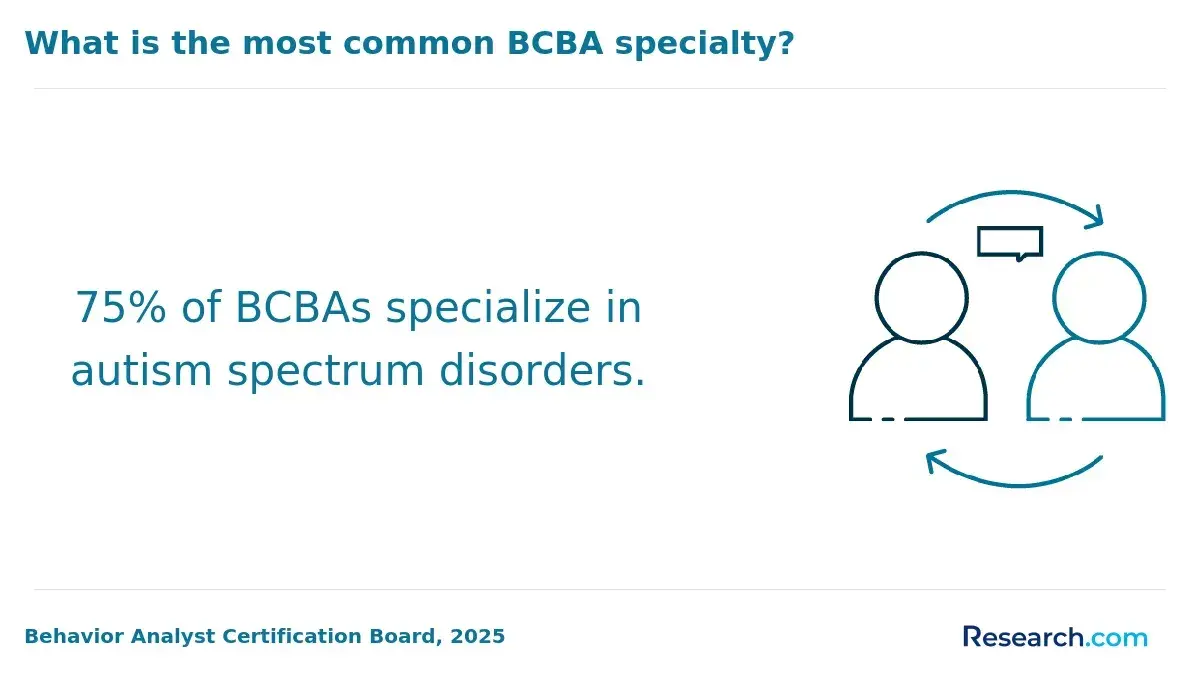
Programs typically cover functional behavior assessment, skill acquisition, behavior reduction, behavior intervention plans, and evidence-based strategies for different populations. These topics often include children with autism and individuals with developmental disabilities, though ABA skills may also apply in schools, clinics, homes, organizations, and community settings.
Ethics, supervision, and professional practice
Ethical decision-making is central in ABA because practitioners work with clients, families, schools, agencies, and vulnerable populations. Courses may address consent, scope of competence, confidentiality, cultural responsiveness, documentation, supervision, and professional boundaries.
Applied learning tools
Online ABA programs may use case studies, scenario-based assignments, video examples, behavior tracking tools, and data management software. These activities help students connect theory to practice. Specialization options such as early intervention or school-based ABA may allow students to align coursework with career goals, but students should make sure specialization does not replace core certification-related content.
Admission requirements for online ABA degrees vary by degree level. Undergraduate programs generally require proof of secondary education, while graduate programs usually require a completed bachelor's degree, official transcripts, and evidence that the applicant is prepared for advanced study in behavior analysis or a related field.
Typical undergraduate requirements
For entry-level online applied behavior analysis degrees, applicants usually need a high school diploma or GED. Some programs may request prerequisite college courses in psychology, education, statistics, or related subjects. Official transcripts are commonly required, while standardized test scores are less commonly requested today.
Typical graduate requirements
Graduate ABA programs often ask for official transcripts, letters of recommendation, a resume, and a personal statement. The personal statement should explain the applicant’s interest in applied behavior analysis, relevant experience, career goals, and readiness for online learning. Professional experience in education, autism services, behavioral health, human services, or related settings can strengthen an application.
How to strengthen an application
- Explain why ABA is the right field for your goals, not just why you want an online degree.
- Highlight experience working with children, individuals with disabilities, schools, clinics, or behavioral support teams.
- Show evidence of self-regulation, such as successful online coursework, work experience, or project management.
- Complete missing prerequisites through community college courses or certificates when appropriate.
- Confirm that you have reliable internet access, updated technology, and time for synchronous requirements if the program includes them.
Given that online high schools have a reported 50% graduation rate, according to the Grateful Care ABA summary, applicants to online ABA programs should take readiness seriously. Admissions committees may look for signs that a student can manage deadlines, communicate proactively, and stay engaged without daily in-person supervision.
Requirements differ widely, so prospective students should check each program’s admissions page carefully. Conditional admission may be available for applicants from other fields if they complete foundational coursework before or during the program.
Online applied behavior analysis programs vary in length and cost based on degree level, credential goal, course load, institution type, and whether supervised fieldwork is included or arranged separately. Students should compare the total cost of completion, not only tuition.
Typical completion timelines
Online applied behavior analysis (ABA) programs typically last between 12 and 24 months, depending on certification level and course intensity. Registered Behavior Technician (RBT) training usually requires about 120 hours and can be completed in 3 to 6 months online. More advanced options, such as Board Certified Behavior Analyst (BCBA) certification, often involve master's degrees or graduate certificates that last 18 to 24 months.
Typical cost ranges
Costs differ significantly by program type and school. Basic RBT online courses generally range from $1,000 to $2,500. Graduate-level ABA programs may cost between $10,000 and over $30,000. Students should also budget for additional expenses such as supervision hours, exam fees, textbooks, software, background checks, travel to fieldwork sites, and graduation or technology fees when applicable.
What to compare before enrolling
- Accreditation and BACB alignment: A cheaper program is not a good value if it does not support the intended credential pathway.
- Fieldwork support: Ask whether supervision is included, optional, or entirely the student’s responsibility.
- Course format: Self-paced programs offer flexibility, while cohort-based programs may provide more structure.
- Faculty access: Instructor responsiveness can affect both learning and exam readiness.
- Financial aid and payment plans: Compare aid eligibility, employer tuition assistance, and installment options.
Accountability is a major factor in completion. Hidden Gems ABA reports 73% of U.S. students favor online classes for flexibility, while 68.9% prefer in-person settings for accountability. Online ABA students can offset this gap by forming virtual study groups, scheduling regular supervision meetings, using shared calendars, and choosing programs with structured deadlines.
ABA graduates can work in schools, clinics, homes, hospitals, community programs, autism service agencies, behavioral health organizations, and private practice settings. Career options and pay depend on degree level, certification, supervised experience, state requirements, employer type, and job responsibilities.
Common ABA career paths
- Board Certified Behavior Analyst (BCBA): Designs, supervises, and evaluates behavior intervention and skill acquisition programs.
- Behavioral therapist or behavior technician: Provides direct services under supervision, depending on role and credential level.
- Clinical supervisor: Oversees cases, trains staff, monitors treatment integrity, and supports data-based decisions.
- School-based behavior specialist: Works with educators, families, and students to support behavior plans and learning goals.
- Program developer or trainer: Builds systems, trains staff, and improves service delivery across organizations.
Salary expectations
Graduates with a degree in applied behavior analysis (ABA) have diverse career options, including roles as board certified behavior analysts (BCBAs), behavioral therapists, and clinical supervisors. Salaries vary significantly by experience and setting, typically ranging from $55,000 to $120,000 annually.
Specialized ABA professionals working in schools usually earn between $50,000 and $75,000, often with more predictable schedules and stable employment structures. Those employed in clinical or private practice settings often make over $90,000, depending on client volume, billing model, supervision duties, location, and experience.
Career growth can extend into clinical leadership, program development, research, quality assurance, staff training, and supervision of future clinicians. Salaries often exceed $100,000 for advanced certifications or leadership roles, though outcomes vary by market and employer.
Skills that improve career readiness
Employers value graduates who can collect and interpret data, write clear behavior plans, communicate with families and teams, follow ethical standards, and adapt interventions when progress stalls. Online students should also build comfort with telehealth tools, digital documentation, and remote collaboration.
Training design can affect long-term retention. Grateful Care ABA reports that gamification can increase e-learning retention rates to 90% compared to the traditional 8-10%. For ABA students, interactive practice, scenarios, and feedback may help strengthen the applied judgment needed in demanding job environments.
What is the job outlook for Board Certified Behavior Analysts?
The job outlook for board certified behavior analysts (BCBAs) remains strong through 2026, supported by demand in education, healthcare, autism services, developmental disability services, behavioral health, and telehealth. Employers continue to need professionals who can design data-driven interventions, supervise service delivery, and document progress clearly.
The U.S. Bureau of Labor Statistics projects growth in positions requiring applied behavior analysis expertise, largely due to expanding services for individuals with autism spectrum disorder and related developmental challenges. Demand is shaped by schools seeking behavior support, clinics expanding ABA services, insurers recognizing credentialed providers, and families looking for evidence-based intervention.
Why BCBA skills are in demand
- More service settings use individualized behavior intervention and skill acquisition plans.
- Schools and clinics need professionals who can supervise teams and evaluate progress.
- Telehealth and hybrid service models require clinicians who can adapt interventions across formats.
- Employers value analysts who can combine ethical practice, data analysis, and practical communication.
Prepare for both in-person and remote practice
BCBAs working in telehealth must manage challenges that are less common in face-to-face sessions, including technology interruptions, caregiver coaching at a distance, and fewer immediate environmental cues. Research published by ABT ABA PubMed highlights that 42.6% of students struggle to resolve doubts without real-time interaction, underscoring the importance of timely feedback, ongoing assessment, and flexible communication in virtual learning and practice environments.
Graduates who want to compete well should prioritize competencies in progress monitoring, ethical decision-making, supervision, parent and caregiver training, and adaptation of interventions across settings. Maintaining certification through ongoing education is also essential for long-term advancement in the field.
Other Things You Should Know About Applied Behavior Analysis
ABA students can enhance focus by creating a structured schedule, using tools like the Pomodoro Technique for timed study sessions, and minimizing distractions with apps that block non-essential websites. Additionally, engaging in regular mindfulness exercises can help improve concentration during online learning.
A stable broadband connection of at least 25 Mbps download, 3 Mbps upload, and a laptop or desktop with a webcam and microphone are the minimum setup for live online ABA classes in 2027. A second monitor or split-screen view helps students track lectures, notes, and behavior data without losing focus.
Ethics play a central role in applied behavior analysis, guided by standards such as those from the Behavior Analyst Certification Board. Practitioners must ensure client dignity, confidentiality, and informed consent while delivering interventions. Ethical decision-making is part of both training and professional conduct to protect vulnerable populations and maintain professional integrity.
Yes, applied behavior analysis techniques are used beyond clinical environments, including education, organizational management, and animal training. The principles of behavior modification help improve performance, communication, and social skills in diverse contexts. This versatility contributes to the discipline's widespread application in real-world problem-solving.
- Study Tips to Help Autism Spectrum Students Stay Focused https://spiritaba.com/studying-with-autism/
- Is a Master's in ABA Worth It? The Real ROI https://www.appliedbehavioranalysisedu.org/2026/04/is-a-masters-in-aba-worth-it/
- BCBA Certification Requirements - Bluebell ABA https://bluebellaba.com/blog/bcba-without-masters-degree/
- Best ABA Master’s Programs Online in 2025: Get BCBA Certified https://www.onlinemastersdegrees.org/best-programs/applied-behavior-analysis-aba/
- When the Tide Goes Out: Identifying and Supporting Struggling Students in Online Courses https://www.facultyfocus.com/articles/online-education/identifying-and-supporting-struggling-students-in-online-courses/
- BCBA Job Outlook in 2026 Explained | Divine Steps ABA https://www.divinestepstherapy.com/blog/bcba-job-outlook
- The Importance of Teacher and School Involvement in ABA Therapy https://www.crossrivertherapy.com/articles/the-importance-of-teacher-and-school-involvement-in-aba-therapy
- Pros and Cons of Online ABA Courses and Certifications | Links https://linksaba.com/pros-and-cons-of-online-aba-courses-and-certifications/
- Applied Behavior Analysis (M.Ed.) | York College of Pennsylvania https://www.ycp.edu/academics/programs/applied-behavior-analysis-master-ed
- Association for Behavior Analysis International Accreditation Board https://accreditation.abainternational.org/accredited-programs.aspx