2027 What to Know Before Switching From Counseling to BCBA

Co-Founder and Chief Data Scientist
If you already work in counseling, the move to Board Certified Behavior Analyst certification can be a logical career shift—but it is not automatic. Counseling and applied behavior analysis overlap in their concern for client outcomes, yet they use different methods, training standards, documentation practices, and credentialing rules. The main question is not whether your counseling background is useful. It is how much of it fits the formal BCBA pathway.
This guide explains what changes when you move from counseling to applied behavior analysis, what education and supervised fieldwork you may still need, how certification and state licensing work, and how to compare BCBA programs without wasting time or money. It is written for counselors, psychology graduates, school-based professionals, and career changers who want a practical roadmap to BCBA eligibility.
Key Things You Should Know
- Transitioning from counseling to BCBA requires understanding the rigorous certification process, including a minimum of 1,500 supervised hours and passing the Behavior Analyst Certification Board exam.
- The demand for BCBA professionals grows annually, with a 20% job growth projected through 2030 due to rising autism spectrum disorder diagnoses nationwide.
- Salary differences are notable: BCBAs earn a median annual income about 30% higher than typical counseling roles, reflecting specialized skills and industry recognition.
What is a BCBA and how does it differ from counseling?
A Board Certified Behavior Analyst, or BCBA, is a graduate-level professional trained to assess behavior, identify environmental factors that influence it, and design data-based interventions. BCBAs often work with people with autism, developmental disabilities, behavioral challenges, skill deficits, or support needs in schools, clinics, homes, healthcare settings, and community programs.
Counseling and BCBA practice can both support meaningful client change, but they are built on different professional models. Counseling usually focuses on emotional processing, mental health symptoms, coping strategies, insight, relationships, and talk-based therapeutic approaches. Applied behavior analysis focuses on observable behavior, measurable goals, reinforcement, functional assessment, intervention fidelity, and ongoing data review.
| Area | Counseling | BCBA practice |
| Primary focus | Mental health, emotions, coping, relationships, adjustment, and insight | Behavior change, skill acquisition, functional assessment, and measurable outcomes |
| Common methods | Talk therapy, cognitive-behavioral strategies, psychoeducation, crisis support, and treatment planning | Functional behavior assessment, behavior intervention plans, reinforcement systems, data collection, and caregiver or staff training |
| Typical documentation | Clinical notes, diagnoses when applicable, treatment goals, and progress summaries | Operational definitions, baseline data, intervention data, graphs, treatment integrity, and outcome measures |
| Credential pathway | State-specific counseling degree, supervised clinical hours, exam, and licensure | BACB-aligned graduate coursework, supervised fieldwork, BCBA exam, and state licensure where required |
For example, a counselor may help a client manage anxiety through cognitive-behavioral therapy and emotional regulation skills. A BCBA may design a reinforcement-based intervention to reduce disruptive behavior and teach replacement communication skills, then adjust the plan based on collected data.
The career market is one reason many counseling professionals consider this transition. In 2025, employers posted over 130,000 positions requiring BCBA certification, but fewer than 85,000 professionals held active credentials in the U.S. That gap does not guarantee a job in every location or setting, but it does point to strong demand for qualified behavior analysts.
If your goal is to move into structured behavioral intervention, autism services, school-based behavior support, clinical ABA, or program leadership, BCBA training may be a strong fit. If your primary interest is psychotherapy, diagnosis, trauma treatment, or broad mental health counseling, remaining in counseling or adding a different clinical credential may be more appropriate. Prospective students comparing routes can review BCBA schools online as part of a broader credential plan.
What education is required to become a BCBA from counseling?
To become a BCBA after counseling, you generally need a qualifying graduate degree, BACB-aligned behavior analysis coursework, supervised fieldwork, and a passing score on the BCBA exam. A counseling degree may help satisfy the graduate-degree expectation if it falls within an accepted field, but it usually does not by itself include all required applied behavior analysis coursework.
The educational requirement centers on graduate-level preparation in behavior analysis, education, psychology, or a related field. Candidates must complete coursework aligned with Behavior Analyst Certification Board standards, including ABA concepts, ethics, measurement, experimental design, assessment, intervention, supervision, and professional practice.
If your counseling program did not include an ABA course sequence, you may need to complete an approved graduate-level ABA course sequence with roughly 270 hours of instruction. This is one of the most common routes for counseling professionals who already hold a master’s degree but need behavior-analysis-specific coursework.
You should also plan for supervised practical experience. At least 1,500 hours is necessary under some pathways, while some BACB pathways may require up to 2,000 hours. During fieldwork, candidates typically practice skills such as collecting behavioral data, conducting assessments, developing intervention plans, training caregivers or staff, and evaluating client progress under qualified supervision.
Typical path for a counseling professional
- Review your current degree and transcripts against BCBA eligibility requirements.
- Identify missing ABA coursework, especially ethics, assessment, intervention, measurement, and research design.
- Enroll in a qualifying graduate certificate, master’s program, or verified coursework sequence as needed.
- Secure an approved fieldwork site and qualified BCBA supervisor before accumulating hours.
- Track fieldwork activities carefully so your documentation supports your certification application.
- Apply for the BCBA exam after meeting education and experience requirements.
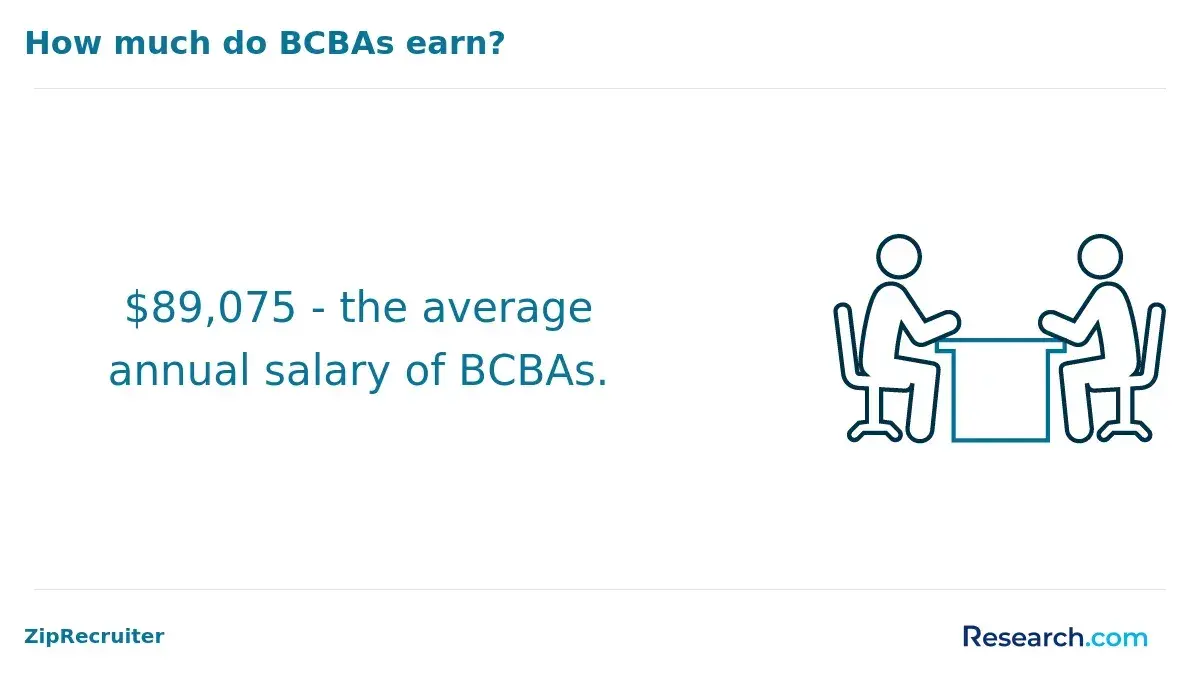
Salary potential is another reason to evaluate the transition carefully. Entry-level BCBAs earn about $65,120 annually, with averages rising to $71,675 within 1-5 years of experience. These figures should be viewed as broad estimates rather than guarantees, because pay depends on employer type, location, specialization, caseload, and leadership responsibility.
When comparing BCBA masters programs, counseling professionals should look beyond convenience. Confirm whether the program meets current certification standards, whether it helps students find supervision, how it supports exam preparation, and whether its curriculum fills the gaps left by your counseling training.
Can counseling experience count toward BCBA certification?
Counseling experience may count toward BCBA certification only when the work meets BACB fieldwork rules. General counseling, psychotherapy, case management, crisis support, or talk therapy usually will not qualify unless the activities are behavior-analytic, supervised appropriately, and documented in the required format.
The key issue is not your job title. It is what you did, how the work was supervised, and whether the activities applied ABA principles to behavior-change programming. Hours are more likely to be relevant if you conducted functional behavior assessments, collected and graphed behavioral data, implemented reinforcement-based interventions, wrote or evaluated behavior intervention plans, trained staff or caregivers on ABA procedures, or monitored treatment integrity under a qualified BCBA supervisor.
| Counseling activity | Likely BCBA fieldwork value | Why it matters |
| Traditional talk therapy sessions | Usually low | They may support clients clinically but often do not involve ABA assessment or intervention procedures. |
| Behavior tracking with measurable goals | Potentially relevant | Data collection and measurable behavior definitions are central to ABA practice. |
| Functional behavior assessment under BCBA supervision | Potentially strong | This directly aligns with behavior-analytic assessment skills. |
| Parent or staff coaching on reinforcement procedures | Potentially relevant | Training others to implement behavior-change procedures can fit ABA fieldwork expectations. |
| Case coordination without ABA programming | Usually limited | Coordination alone does not show behavior-analytic practice. |
Before assuming your counseling hours will transfer, ask a qualified BCBA supervisor to review your duties, supervision arrangement, and documentation. Misclassified hours can delay certification, especially if you discover late in the process that your activities or supervisor qualifications do not meet requirements.
Good documentation should describe the client-related or program-related activity, the ABA methods used, the supervisor’s role, the dates and hours completed, and how the work connected to behavior-analytic competencies. Keep records as you go; reconstructing fieldwork months later is risky.
Demand varies by state and employer. California leads national BCBA demand with 15% of job postings, while the top five states-including New Jersey, Texas, Massachusetts, and North Carolina-account for 38% of openings. Counseling professionals who can document legitimate ABA experience may be better positioned for these roles, but most will still need formal coursework and supervised fieldwork. If you need an academic bridge, masters ABA online programs may help you complete required training while continuing to work.
BCBA certification and state licensure are related, but they are not the same. Certification is granted through the Behavior Analyst Certification Board after candidates meet education, coursework, fieldwork, and exam requirements. Licensure is controlled by individual states and determines whether, where, and how you may legally practice behavior analysis in that state.
At the certification level, candidates typically need a master's degree in behavior analysis, education, psychology, or a related field; verified graduate-level coursework in applied behavior analysis; supervised fieldwork under a qualified BCBA supervisor; and a passing score on the BCBA exam. The coursework should address behavioral assessment, intervention, ethics, research methods, measurement, and professional conduct.
The supervised experience requirement is substantial. A commonly cited requirement is 1,500 hours of supervised independent fieldwork under a qualified BCBA supervisor, though candidates should verify the pathway that applies to them before planning their timeline. Fieldwork is where many counseling professionals experience the biggest shift, because ABA supervision is structured around observable competencies and documented behavior-analytic tasks.
The BCBA exam assesses behavior-analytic concepts, ethical guidelines, assessment, intervention design, data interpretation, supervision, and professional standards. Passing the exam leads to certification, but maintaining the credential also requires ongoing continuing education and compliance with ethics requirements.
Licensing considerations for counseling professionals
State licensing rules can affect your career plan. Some states require behavior analysts to hold a state license in addition to BCBA certification. Others may recognize certification without a separate behavior analyst license, or they may regulate practice through related professional boards. Requirements can also affect scope of practice, telehealth, supervision, insurance reimbursement, and whether you may practice independently.
If you are already a licensed counselor, do not assume that your counseling license authorizes ABA practice. Likewise, a BCBA credential does not automatically authorize psychotherapy or counseling services. Professionals who hold both credentials must understand which scope of practice applies to each service they provide.
Preparation is easier if you collect transcripts, course syllabi when needed, supervision contracts, fieldwork verification forms, exam documentation, and ethics compliance records early. Demand across credential levels remains strong: BCaBA-related job postings increased 131% from 2023 to 2024. For candidates who need an efficient academic route, accredited programs offering ABA masters online options may help align coursework with certification requirements.
BCBA training is offered through graduate degrees, graduate certificates, and verified coursework sequences in applied behavior analysis. The safest choice is a program that clearly aligns with current Behavior Analyst Certification Board requirements and can document that its coursework meets certification standards. Some programs are housed in education, psychology, special education, or behavior analysis departments.
Applicants should be careful with the word “accredited.” For BCBA eligibility, the practical question is whether the coursework is recognized for the certification pathway you plan to use. Candidates should verify program status through the BACB’s verified course sequence directory or the appropriate official source before enrolling. Do not rely only on marketing language, admissions emails, or a program page that may be outdated.
Many well-known institutions offer behavior analysis training, including Arizona State University, Endicott College, and Simmons University. Some options are fully online, while others are campus-based or hybrid. For working counselors, online or hybrid delivery can be useful, but only if the program also provides clear guidance on supervision, fieldwork planning, exam preparation, and state-specific licensure considerations.
What to confirm before applying
- Certification alignment: Ask how the program satisfies current BACB coursework requirements.
- Degree fit: Determine whether you need a full master’s degree or only post-master’s ABA coursework.
- Fieldwork support: Find out whether the school helps students secure qualified supervisors or expects students to arrange everything independently.
- Exam preparation: Ask about exam pass-rate support, review tools, faculty advising, and remediation options.
- Licensure fit: Check whether the program meets requirements in the state where you intend to practice.
- Total cost: Include tuition, fees, supervision costs, textbooks, exam fees, and travel if any in-person requirements apply.
Program choice matters because employers often look for graduates who can move quickly from academic knowledge to competent practice. According to the U.S. Bureau of Labor Statistics, employment in behavioral health is projected to grow 17% through 2034, significantly faster than average. A strong program should prepare you not only to qualify for the exam but also to work ethically and effectively with clients, families, schools, and care teams.
A BCBA program curriculum teaches students how to assess behavior, design interventions, measure progress, and make decisions from data. For counseling professionals, the biggest adjustment is often the shift from interpretive clinical formulation to observable behavior definitions, environmental analysis, and frequent measurement.
Core coursework usually covers principles of behavior, measurement, assessment, intervention, ethics, research design, and supervision. Students learn how reinforcement, punishment, extinction, stimulus control, motivating operations, prompting, shaping, chaining, and generalization apply to real behavior-change programs.
Common curriculum areas
- Behavioral principles: Foundational concepts that explain how behavior is learned, maintained, increased, reduced, and generalized.
- Measurement and data analysis: Methods for defining behavior, collecting reliable data, graphing results, and making treatment decisions.
- Functional behavior assessment: Procedures for identifying why a behavior occurs and what environmental variables maintain it.
- Intervention design: Strategies for teaching new skills, reducing interfering behavior, and selecting procedures that match assessment results.
- Ethics and professional conduct: Training in consent, scope of competence, client dignity, documentation, supervision, conflicts of interest, and responsible service delivery.
- Research methods: Experimental design and evaluation skills that help practitioners judge whether an intervention is producing meaningful change.
- Supervision and collaboration: Skills for training technicians, working with families, coordinating with schools, and communicating with interdisciplinary teams.
Many programs include supervised fieldwork or coordinate with fieldwork sites, though the structure varies. Hands-on practice is essential because BCBA work requires more than knowing terminology. Candidates must be able to collect accurate data, interpret patterns, adapt interventions, train others, and maintain ethical standards under real-world conditions.
Some curricula emphasize autism spectrum disorder interventions, while others prepare students for broader work in schools, intellectual and developmental disability services, behavioral health, organizational behavior management, or community settings. The best fit depends on your intended career path.
The need for strong training is reinforced by workforce growth. The University of Cincinnati's blog on behavior analyst job outlook reported a 58% rise in behavior analyst positions. Prospective students should confirm that any curriculum they consider is aligned with Behavior Analyst Certification Board standards and supports the type of practice they want to enter.
Yes. Many online BCBA programs are designed for working professionals, including counselors who cannot leave employment to attend a full-time campus program. The strongest online options combine flexible coursework with clear certification alignment, meaningful faculty access, and practical support for supervised fieldwork.
Online formats vary. Some courses are asynchronous, allowing students to complete lectures and assignments on their own schedule. Others include live virtual sessions, group projects, synchronous discussions, or scheduled supervision meetings. Hybrid programs may require occasional campus visits, in-person intensives, or local practicum arrangements.
| Format | Best for | Potential drawback |
| Asynchronous online | Professionals with unpredictable work schedules or family responsibilities | Requires strong self-discipline and may offer less real-time interaction |
| Live online | Students who want structure, discussion, and direct faculty engagement | Class times may conflict with work or fieldwork schedules |
| Hybrid | Students who want online flexibility with some in-person learning | Travel or campus attendance may increase cost and scheduling difficulty |
| Online coursework with local fieldwork | Working professionals who can complete supervised hours near home | Students may need to find qualified BCBA supervision independently |
For online BCBA students, fieldwork planning is often the deciding factor. A convenient online curriculum will not help if you cannot access appropriate supervision or qualified fieldwork activities. Before enrolling, ask whether the program maintains supervisor partnerships, reviews fieldwork documentation, provides advising on BACB requirements, or helps students identify appropriate sites.
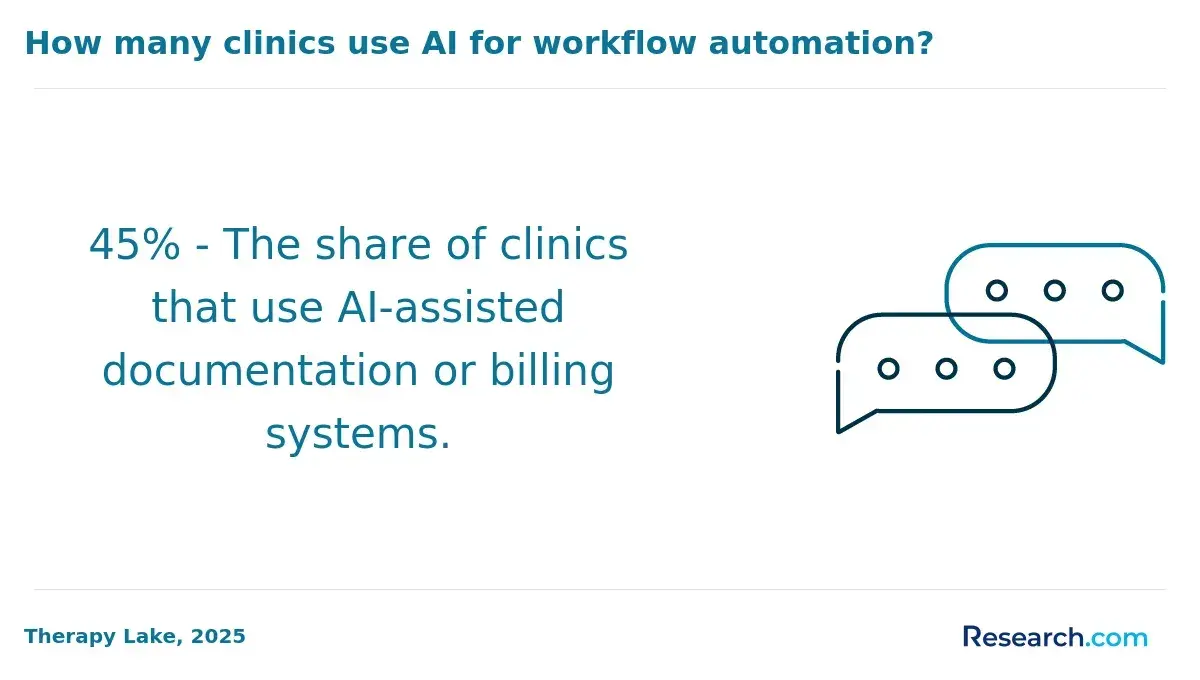
Accredited and BACB-recognized coursework is especially important for online students because program quality varies. Confirm eligibility before you apply, and make sure the program fits the state where you plan to practice. According to kidsclubaba.com, newly certified BCBAs have a 94% job placement rate within three months. That figure points to strong career prospects, but individual outcomes still depend on location, experience, specialization, employer demand, and credential readiness.
BCBA training commonly takes 1 to 2 years beyond a bachelor’s or master’s degree, depending on what education you already have, whether you study full time or part time, and how quickly you can complete supervised fieldwork. Counseling professionals with a relevant graduate degree may need less academic time than candidates starting from scratch, but they still must meet ABA coursework and fieldwork requirements.
The timeline has three major parts: graduate-level coursework, supervised practical experience, and exam preparation. Candidates must complete a graduate-level certification program aligned with Behavior Analyst Certification Board standards, accumulate between 1,500 and 2,000 hours of supervised practical experience, and pass the BCBA exam. Full-time students often finish in about a year, while part-time students may take up to two years depending on schedules and previous coursework.
| Cost or time factor | Typical range or consideration | What to ask before enrolling |
| Program length | 1 to 2 years for many candidates | Can I study part time, and how often are courses offered? |
| Supervised experience | Between 1,500 and 2,000 hours | Does the program help me secure qualified supervision? |
| Tuition | $6,000 to $15,000 | Is this only tuition, or does it include fees and materials? |
| Total credential cost | $8,000 and $20,000 | Are supervision, exam registration, renewals, and study materials included? |
| Exam preparation | Several months after coursework is completed | Does the program offer review support or practice exams? |
Costs vary widely by institution, delivery format, residency status, and whether you need a full degree or a post-master’s course sequence. Additional expenses may include supervision fees, textbooks, background checks, technology fees, exam registration, study materials, and credential renewal costs. Some employers offer tuition reimbursement, which can reduce out-of-pocket spending.
Field growth may make the investment attractive, but it should still be evaluated carefully. The field is growing rapidly, with job opportunities expanding by approximately 18-20% annually through 2026, according to Kids Club ABA. This growth translates into 30,000 to 35,000 new positions driven by increasing demand for evidence-based therapies in healthcare, schools, and clinics.
To avoid delays, secure qualified supervision early, confirm that your job duties can generate acceptable fieldwork hours, and choose a program with predictable course sequencing. Candidates with related degrees or prior ABA experience may shorten the timeline, while those changing settings or working full time may need more time.
BCBA salaries vary by role, setting, location, experience, and responsibility level. The credential can lead to clinical, school-based, supervisory, consulting, telehealth, and leadership roles, but compensation is not uniform across the field. Candidates moving from counseling should compare not only pay but also workload, documentation expectations, billable-hour models, travel requirements, and supervision duties.
According to certifyndaba.com's 2026 job outlook report, clinical director BCBAs generally earn between $85,000 and $100,000 yearly, reflecting leadership and administrative duties. Traveling behavior analysts may earn from $75,000 up to $125,000 annually, shaped by contract terms and demand in various regions.
| BCBA role | Salary range stated | Trade-off to consider |
| Clinical director BCBA | $85,000 and $100,000 yearly | Higher responsibility, staff supervision, quality oversight, administrative work, and leadership expectations |
| Traveling behavior analyst | $75,000 up to $125,000 annually | Potentially higher pay and flexibility, but less stability and more travel or contract-based uncertainty |
The job outlook remains strong because demand for behavior analysis services continues across education, healthcare, autism services, early intervention, private clinics, and community programs. However, high demand does not remove the need for careful employer evaluation. Ask about caseload size, supervision support, billing expectations, ethical safeguards, training resources, and opportunities for advancement.
For counseling professionals, the strongest job fit is often a role that values clinical communication skills while requiring rigorous ABA practice. Your counseling background may help with rapport, family collaboration, crisis sensitivity, and interdisciplinary teamwork. You will still need to demonstrate competence in behavior assessment, data analysis, intervention design, and ethical ABA service delivery.
How do I choose the best BCBA program after counseling?
The best BCBA program after counseling is the one that fills your specific eligibility gaps, fits your work schedule, supports supervised fieldwork, prepares you for the exam, and aligns with the state where you plan to practice. Do not choose solely by tuition, speed, or online convenience.
Start by verifying that the program is approved or aligned with Behavior Analyst Certification Board requirements for your intended pathway. This protects you from completing coursework that does not support exam eligibility. If you already have a counseling master’s degree, ask whether you need a full ABA degree or whether a graduate certificate or verified course sequence is enough.
Program selection checklist
- Certification eligibility: Confirm that coursework meets current BACB requirements and ask for written documentation.
- State licensure fit: Check whether the program satisfies requirements in the state where you intend to practice.
- Fieldwork access: Ask whether the program helps arrange practicum or supervised fieldwork in schools, clinics, homes, community agencies, or other relevant settings.
- Faculty expertise: Review whether faculty have experience with the populations and practice areas that match your goals.
- Mentorship quality: Look for advising, supervision guidance, exam preparation, and feedback on professional development.
- Outcomes: Ask about graduation rates, BCBA exam pass rates, employment outcomes, and how recently those data were collected.
- Format: Compare full-time, part-time, online, hybrid, and campus-based options against your work and family responsibilities.
- Total cost: Include tuition, fees, supervision expenses, books, exam preparation, exam registration, and potential travel.
Hands-on experience should carry significant weight in your decision. Fieldwork is where you learn to translate ABA concepts into ethical, measurable intervention. A program with weak fieldwork guidance may leave you responsible for finding a qualified supervisor, identifying appropriate activities, and interpreting documentation rules on your own.
Faculty and mentorship also matter. Programs with experienced behavior analysts, smaller classes, and clear advising may provide better support for counseling professionals who are learning a new professional model. Ask how the program helps students transition from counseling or psychology backgrounds into behavior-analytic thinking.
Program outcomes should be evaluated carefully. Since 76% of employers report challenges filling BCBA positions due to high demand, programs with strong employer networks can improve your access to opportunities. Still, employment statistics should not replace due diligence. A lower-cost program with poor support may cost more in delays, extra supervision, or failed exam attempts. A more expensive program may be worth it if it provides strong coursework, supervision connections, and exam preparation that directly support your credential goal.
Other Things You Should Know About Applied Behavior Analysis
Candidates need 2,000 concentrated fieldwork hours or 2,000 supervised independent fieldwork hours before taking the BCBA exam, under BACB supervision rules. The hours must be completed through an approved fieldwork arrangement and documented for certification review by the Behavior Analyst Certification Board.
To qualify for BCBA certification in 2027, you need a relevant graduate degree such as a master's in behavior analysis, psychology, or education. Additionally, verified coursework in behavior analysis and supervised experience are required as per BACB guidelines.
Ethics in applied behavior analysis focus on maintaining client dignity, ensuring informed consent, and delivering interventions that are effective and least restrictive. The Behavior Analyst Certification Board (BACB) has established a Professional and Ethical Compliance Code that BCBAs must follow to safeguard client welfare. Practitioners are also required to avoid conflicts of interest and maintain confidentiality at all times.
To transition to a BCBA by 2027, you need a master's degree, completed coursework in applied behavior analysis, supervised fieldwork, and passing the BCBA exam by the Behavior Analyst Certification Board (BACB). Ensure your program is verified by the BACB.
- Master of Science in Applied Behavior Analysis (ABA) https://tsengcollege.csun.edu/programs/ABA/curriculum
- How to Become a BCBA https://bluegemsaba.com/how-to-become-a-bcba/
- Understanding Certification and Licensure in Behavior Analysis Practice https://www.abatechnologies.com/blog/understanding-certification-and-licensure-in-behavior-analysis-practice
- Board-Certified Behavior Analyst (BCBA) Salary Guide â Trusted Health https://www.trustedhealth.com/allied-career-guide/behavior-analyst/salary-guide
- A Guide on Evolving from an RBT to a BCBA – Brightside ABA https://brightsideabatherapy.com/a-guide-on-evolving-from-an-rbt-to-a-bcba/
- Adding a Behavior Analyst Certification to Your Master’s Degree https://www.apu.edu/articles/adding-a-behavior-analyst-certification-to-your-masters-degree/
- BCBA Career Outlook: Essential Guide to Salary and Growth Trends https://www.hiddenlightaba.com/bcba-career-outlook-essential-guide-to-salary-and-growth-trends/
- 11 Best BCBA Programs & Schools (In-Person & Online) https://www.crossrivertherapy.com/behavioral-analysts/best-bcba-programs
- How Much Does it Cost to Take (Or Retake) the BCBA® Exam? https://passthebigabaexam.com/how-much-does-it-cost-to-take-or-retake-the-bcba-exam/
- MA in Counseling Psychology with ABA Concentration. Meets LPC Requirements. https://www.eastern.edu/academics/graduate-programs/ma-counseling-psychology-concentration-applied-behavior-analysis