2027 How to Find ABA Experience Before Graduate School

Co-Founder and Chief Data Scientist
Before applying to graduate school for applied behavior analysis, many future students face the same problem: programs and employers value real ABA exposure, but entry-level opportunities can be hard to identify if you are changing careers, still finishing college, or working around a busy schedule.
ABA experience matters because it helps you test whether the day-to-day work fits your strengths. It also gives admissions committees evidence that you understand client-centered services, supervision, data collection, and the ethical responsibilities of behavior-analytic work. A strong application is not built only on interest in autism services or psychology; it is strengthened by documented, supervised experience in settings where ABA principles are used responsibly.
This guide explains what counts as ABA experience before graduate school, how to find it with or without a degree, which paid and volunteer roles are most useful, and how certifications such as the RBT can help you become a stronger applicant. It also compares online and campus program expectations so you can choose experience that supports both admission and long-term career goals.
Key Things You Should Know
- Gaining ABA experience before graduate school increases admission chances by showcasing practical knowledge and commitment; an estimated 65% of ABA programs prefer applicants with prior fieldwork.
- Volunteering, internships, and Registered Behavior Technician (RBT) certification offer accessible routes to accumulate required supervised hours and enhance skill development.
- Recent data indicates that ABA experience correlates with higher pass rates on the BCBA exam, emphasizing its role in both education and career readiness.
What is ABA experience and why need it before grad school?
ABA experience is supervised exposure to applied behavior analysis in real service, school, clinical, research, or community settings. The strongest experience involves observing or helping implement behavior-analytic procedures, collecting data, supporting skill acquisition programs, and learning how behavior intervention plans are used under professional supervision.
Before graduate school, this experience serves two purposes. First, it helps you decide whether the work is a good fit. ABA can involve close client interaction, detailed documentation, collaboration with families or educators, and frequent problem-solving. Second, it helps graduate programs see that you understand the field beyond textbooks and are prepared for applied coursework.
Common pre-graduate ABA experience includes behavior technician work, school-based behavioral support, supervised volunteer roles, ABA-focused research assistance, and internships in clinics or early intervention programs. The most useful roles include direct contact with behavior-analytic methods rather than only general childcare, tutoring, or administrative support.
Experience is especially valuable because demand for Board Certified Behavior Analysts (BCBAs) surged by 122% from 2022 to 2025, reflecting increased autism services driven by insurance mandates. As more students pursue the field, documented ABA exposure can help distinguish applicants who have already tested their interest and built basic professional skills.
Readers planning a longer pathway can also compare BCBA courses online to understand how graduate preparation connects with certification and career advancement.
How to gain ABA experience without a college degree?
You can gain ABA experience without a college degree by targeting roles that require a high school diploma, reliable availability, and willingness to complete employer training. Many behavior technician, therapy assistant, and behavioral aide roles are designed for entry-level workers who will receive supervision from experienced clinicians or BCBAs.
The most direct option is to apply for behavior technician or ABA technician positions. These jobs may involve helping clients practice communication, daily living, social, or learning skills while collecting data during sessions. Because the work is supervised, it can provide meaningful exposure to ABA procedures even before you begin college or graduate study.
Volunteer roles can also help, especially if paid positions are not immediately available. Schools, autism centers, early intervention programs, community disability organizations, and behavioral health nonprofits may allow volunteers to observe sessions, support structured activities, or assist staff with non-clinical tasks. These roles are less likely to provide intensive hands-on ABA practice, but they can help you learn terminology, professional expectations, and client populations.
Online training can strengthen your readiness, but it should not replace supervised field exposure. Entry-level courses, workshops, and Registered Behavior Technician (RBT) preparation can help you understand data collection, reinforcement, prompting, and professional boundaries before applying for client-facing roles.
| Pathway | Best for | What to verify |
| Behavior technician job | Paid, direct ABA exposure | BCBA supervision, training, and documentation of duties |
| Volunteer role | Exploring the field with limited availability | Whether you can observe or support ABA-related services |
| RBT preparation | Improving employability for technician roles | Training requirements, competency assessment, and employer expectations |
| School aide or paraprofessional role | Learning behavior support in education settings | Whether ABA methods are used and supervised |
The demand for ABA therapists is growing rapidly, with employment projected to increase 22% from 2024 to 2034, much faster than average. That growth can create openings for candidates who are new to the field but willing to complete training and work under supervision.
If your goal is graduate study, keep records from the start: job title, dates, setting, supervisor name, client population, duties, and any training completed. These details will later help you explain your preparation when applying to accredited BCBA programs.
What counts as valid ABA experience for grad applications?
For graduate applications, valid ABA experience is usually experience that shows direct exposure to behavior-analytic work, preferably under the supervision of a BCBA or another qualified professional. Admissions teams want to see that you understand how ABA is applied with real clients, not just that you have worked in a helping profession.
Strong experience typically includes tasks such as collecting behavior data, implementing skill-building procedures, following behavior intervention plans, assisting with assessments, supporting clients in structured sessions, or participating in ABA-related research. The experience should be specific enough that you can explain what you did, what you learned, and how supervision worked.
Examples of experience that may strengthen an application include:
- Registered Behavior Technician (RBT) work providing direct client services under supervision.
- Behavior intervention assistant roles in clinics, schools, homes, or community programs.
- Research roles involving behavior intervention data, observation, coding, or analysis.
- Internships or volunteer work where ABA strategies are observed or applied in a supervised setting.
- Paraprofessional roles that involve behavior support plans and data collection.
Experience is weaker when it is mostly administrative, unrelated childcare, general tutoring, or unsupervised support work with no clear connection to ABA principles. These roles can still show maturity and service orientation, but they may not satisfy programs looking for behavior-analytic preparation.
Documentation matters. Keep copies of job descriptions, supervisor confirmations, training certificates, evaluation notes, and a simple log of dates and responsibilities. If a program asks for experience details, vague statements such as “worked with children” are less persuasive than clear descriptions of supervised ABA-related duties.
Data from the 2025 ABA Salary Survey by the Behavior Analyst Certification Board highlights that entry-level BCBAs with prior ABA experience earn a median starting salary approximately 18% higher than those without such verified field hours. That makes quality experience useful not only for admission but also for early professional positioning.
Applicants comparing top applied behavior analysis graduate programs should review how each program defines preferred or required experience before assuming that all hours will be valued equally.
Yes. Volunteer and paraprofessional roles can provide useful ABA experience before graduate school, especially when they place you in settings where behavior-analytic services are delivered by qualified staff. The value of the role depends less on the title and more on the duties, supervision, and documentation.
Volunteer opportunities may be available through clinics, schools, early intervention centers, autism programs, disability nonprofits, or community organizations. These roles often involve observation, classroom support, activity assistance, or limited client interaction. They are useful for exploring the field, but they may not provide the same depth of experience as a paid technician role.
Paraprofessional roles are often stronger for graduate preparation because they can involve more regular client contact. School paraprofessionals, behavioral aides, and RBT assistants may help implement behavior support strategies, collect data, and support skill-building activities under direction from teachers, clinicians, or behavior analysts.
Many prospective students pursue RBT certification to qualify for paid paraprofessional or technician positions. This can make your experience more structured because the RBT role is specifically tied to supervised behavior-analytic service delivery.
Tracking hours is important. Most ABA graduate programs expect 500 or more pre-graduate experience hours. The National Association for Behavior Analysis 2025 Admissions Data Report shows applicants with 500+ hours had a 35% higher acceptance rate.
To make volunteer or paraprofessional experience more useful for applications:
- Prioritize settings where ABA services are clearly used, not just general caregiving environments.
- Ask who will supervise you and whether that person has ABA credentials or relevant expertise.
- Request a written description of your duties if possible.
- Keep a log of dates, hours, client population, setting, and ABA-related tasks.
- Seek exposure to different populations or age groups when feasible.
Volunteer work can help you confirm interest; paraprofessional work can help you build stronger applied skills. If you are comparing academic pathways, review ABA degree programs alongside the type of experience each program expects from applicants.
Yes. Paid entry-level ABA jobs are one of the most practical ways to build experience before graduate school. Common titles include behavior technician, Registered Behavior Technician (RBT), behavioral aide, ABA therapist, therapy assistant, and direct support professional in programs that use behavior-analytic methods.
These roles often involve working with clients in homes, clinics, schools, or community settings. Typical responsibilities include following a behavior intervention plan, prompting new skills, reinforcing target behaviors, collecting session data, documenting progress, and communicating with supervisors. The work can be demanding, but it gives applicants a realistic view of ABA practice.
Behavior technicians earn between $15 and $22 per hour, with some employers also providing sign-on bonuses or tuition assistance for advanced certification. For students who need income while preparing for graduate school, these roles can be more sustainable than unpaid observation or volunteer hours.
Before accepting a job, ask specific questions about supervision and training. Not every job with “behavior” in the title offers meaningful ABA experience. Look for employers that provide structured onboarding, regular feedback, ethical caseload expectations, and access to a supervising BCBA.
- Ask whether sessions are supervised by a BCBA.
- Confirm whether the employer supports RBT certification or competency assessment.
- Clarify whether you will collect data and implement behavior plans.
- Ask how often supervisors observe sessions and provide feedback.
- Keep records of your duties, dates, and supervisor information.
Research from Georgetown University's Center on Education and the Workforce shows BCBA candidates with pre-graduate paid ABA experience recover their master's tuition 1.2 years faster and realize a 285% net ROI over five years post-certification.
Flexible or part-time behavior technician roles can work well for applicants balancing school, family, or another job. Start by contacting local ABA clinics, autism service providers, school districts, early intervention agencies, and behavioral health organizations. A short message that explains your graduate school goal, availability, and interest in supervised ABA experience can lead to interviews even if you are new to the field.
Online and campus ABA programs both value pre-graduate experience, but they may evaluate it differently. Campus programs often emphasize local, in-person experience because students may be expected to participate in nearby practicum networks, faculty-supervised projects, or partnerships with schools and clinics. Online programs may accept a wider range of documented experience because students are geographically dispersed.
For campus programs, admissions committees may look closely at whether you have worked in environments similar to the program’s training model. Experience in clinics, schools, early intervention programs, or autism service centers can show that you are ready for applied coursework and local practicum expectations. A campus program in California, for example, might favor applicants with experience in local autism service centers because of the state's robust ABA infrastructure.
Online programs often focus more on the quality of documentation, supervisor feedback, professional maturity, and ability to succeed independently. They may value in-person, hybrid, or remote experience if the work involved behavior-analytic tasks and appropriate supervision. Telehealth-related ABA exposure may be relevant, but applicants should be clear about what they actually did and how supervision occurred.
| Program format | How experience is often reviewed | Applicant strategy |
| Campus ABA program | May emphasize in-person client contact, local service settings, and faculty or provider networks | Highlight direct service, local partnerships, and readiness for hands-on training |
| Online ABA program | May emphasize documentation, supervision quality, self-management, and varied experience settings | Show clear records, strong supervisor feedback, and ability to work independently |
| Either format | Values ethical, supervised, ABA-relevant experience | Prioritize quality of duties and supervision over vague hour accumulation |
Both modalities recognize that pre-graduate ABA experience supports certification readiness and career success. California, hosting 28% of all U.S. BCBAs, offers a significant number of entry-level ABA roles annually, supported by state-funded autism programs (BACB 2025 Geographic Distribution Report). This creates many possible settings for building practical skills.
The best approach is to check each program’s admissions page and contact an advisor when requirements are unclear. Ask whether the program prefers direct client hours, RBT work, research experience, school-based roles, or documented supervision. A smaller number of well-supervised hours may be more persuasive than a larger number of loosely related hours.
The most useful pre-graduate ABA certification for many students is the Registered Behavior Technician (RBT) credential. It is widely recognized, designed for entry-level service delivery, and connected to supervised work under a BCBA. The RBT credential requires 40 hours of training and a competency assessment.
RBT preparation can help you qualify for behavior technician roles and understand basic ABA procedures before graduate school. It does not make you an independent practitioner, but it can show employers and admissions committees that you have taken a concrete step toward the field.
Another option is the Certified Autism Specialist (CAS), which requires more prerequisites and focuses on evidence-based interventions for autism spectrum disorder. This credential may be useful for candidates whose work or graduate interests center on autism services, although it is not a substitute for supervised ABA experience.
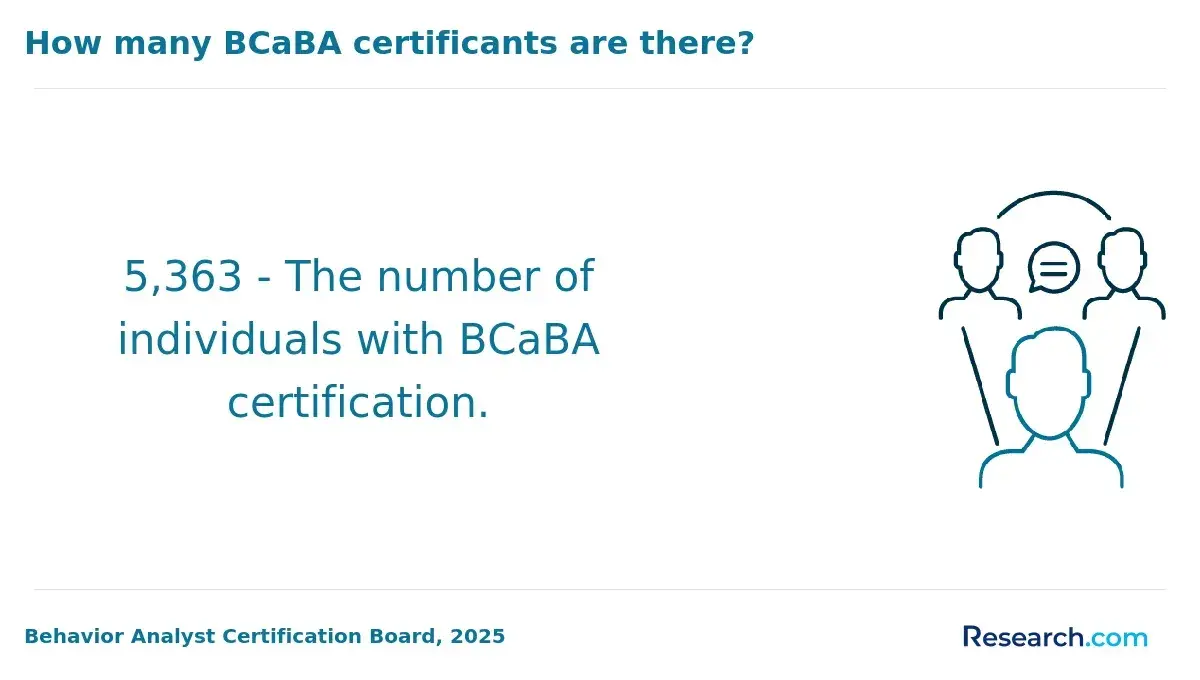
The Board Certified Assistant Behavior Analyst (BCaBA) credential is more advanced. It requires a bachelor's degree and supervised fieldwork, and it allows a broader role in behavior-analytic services than technician-level work. For students who already have a bachelor's degree and want deeper preparation before graduate school, the BCaBA can be a meaningful step, but it requires a larger commitment.
| Certification | Typical value before graduate school | Best fit |
| RBT | Builds entry-level ABA service skills under supervision | Students seeking paid technician roles and direct client experience |
| CAS | Signals autism-focused knowledge | Candidates interested in autism services and related intervention settings |
| BCaBA | Provides more advanced ABA preparation before graduate study | Bachelor’s degree holders ready for supervised fieldwork and greater responsibility |
Autism prevalence in the U.S. reached 1 in 31 children, driving a 45% rise in applied behavior analysis therapy referrals. Because demand is high, early certification can make it easier to enter supervised roles and build the practical judgment graduate programs value.
For most pre-graduate students, the RBT is the most practical first credential. CAS or BCaBA preparation may make sense later depending on your education level, career goals, and the type of ABA setting you want to enter.
The undergraduate majors that most directly support ABA experience are psychology, education, human development, and social work. Each can prepare you for client-facing roles, but they build different strengths. The best choice depends on whether you want stronger behavioral science foundations, school-based preparation, developmental knowledge, or community service experience.
Psychology is often the most direct academic foundation because it may include learning theory, behavior principles, research methods, developmental psychology, and statistics. Students interested in ABA research or BCBA preparation often benefit from this background.
Education, especially special education, can be highly practical for students who want school-based ABA experience. These programs may include classroom observation, behavior support, individualized education planning, and work with students with disabilities.
Human development programs help students understand developmental milestones, family systems, communication, and social-emotional growth. This can be useful for ABA work with children, adolescents, and individuals with developmental disabilities.
Social work can also be relevant, particularly for students interested in community services, case coordination, disability support, or behavioral health settings. Field placements may help students gain experience with diverse populations, though students should verify whether placements include ABA-related supervision or duties.
| Undergraduate degree | ABA-related strengths | What to look for |
| Psychology | Behavior principles, research methods, learning theory | Courses in behavior analysis, statistics, and developmental psychology |
| Education or special education | School-based intervention, classroom support, disability services | Practicum access and behavior support training |
| Human development | Developmental milestones, family context, social-emotional growth | Fieldwork with children or developmental disability populations |
| Social work | Community services, advocacy, case coordination | Placements where behavior support or ABA-informed services are used |
Students should prioritize programs with practicum placements, research opportunities, or partnerships with local clinics and schools. A degree title alone does not guarantee strong ABA preparation; supervised experience and relevant coursework matter more.
Data from BACB's 2025 Examination Results Summary show first-time BCBA exam pass rates of 68%, rising to 82% for candidates with over 1,500 supervised ABA hours before graduate school. That makes early field exposure a major advantage regardless of undergraduate major.
Top graduate programs in applied behavior analysis generally require between 100 and 300 hours of supervised practical experience before admission, with many competitive schools expecting at least 150 hours. Some highly selective programs may require up to 300 hours to show sustained engagement with ABA practice.
Applicants should treat these numbers as a planning range rather than a universal rule. Some programs list required hours, while others describe experience as preferred or strongly recommended. The quality of experience still matters: a well-documented technician role under regular BCBA supervision is usually stronger than loosely related hours with unclear duties.
Eligible experience may include RBT work, behavior technician employment, supervised internships, ABA-focused research, paraprofessional roles, or volunteer work that involves direct exposure to behavior-analytic strategies. Programs may also value work with autism, developmental disabilities, school behavior support, early intervention, or clinical service delivery.
Because tuition for VCS-approved ABA master's programs can average around $28,500 and are increasing, gaining extensive pre-grad ABA experience can improve chances of receiving scholarships covering up to 40% of tuition. These awards are frequently based on applicants' practical experience and professionalism.
Use the following targets when planning your application:
- Aim for at least 150 hours of supervised ABA experience if you want to be competitive.
- Build toward the upper end of the 100 and 300 hours range for selective programs.
- Choose roles with direct ABA duties, not only general support work.
- Document supervisor names, credentials, dates, settings, and responsibilities.
- Ask programs in advance how they evaluate volunteer, paid, research, and paraprofessional hours.
The strongest applications usually combine academic readiness, clear career motivation, and evidence that the applicant understands the realities of ABA service delivery.
What career paths open with ABA experience before grad school?
ABA experience before graduate school can open several entry-level career paths while also preparing you for advanced study. The most common starting point is a behavior technician or RBT role, where you work under supervision to provide direct services, collect data, and help implement behavior plans.
School-based behavioral aide and paraprofessional roles are also common. These positions can expose you to classroom behavior support, collaboration with educators, and interventions for students with developmental, behavioral, or learning needs. They are especially useful for applicants interested in school consultation or special education settings later in their careers.
Research assistant positions can be valuable for students who want a stronger academic or data-focused profile. ABA-related research work may involve observation, coding, data analysis, literature review, or support for intervention studies. This pathway can be especially helpful for applicants considering doctoral study or graduate programs with a research emphasis.
Other possible roles include behavior support specialist, case manager, healthcare assistant, and paraprofessional positions in community, disability, or mental health settings. These jobs may not all be purely ABA roles, so applicants should evaluate whether they include behavior-analytic methods, structured supervision, and relevant documentation.
| Career path | What you gain | Graduate school value |
| Behavior technician or RBT | Direct ABA implementation, data collection, client interaction | Strong evidence of applied readiness |
| School paraprofessional or behavioral aide | Classroom support, behavior plans, collaboration with educators | Useful for school-based ABA interests |
| ABA research assistant | Data skills, intervention analysis, research exposure | Helpful for research-oriented programs |
| Behavior support specialist or case manager | Coordination, documentation, community-based service exposure | Shows broader professional maturity and service experience |
These roles can help applicants develop professionalism, ethical awareness, communication skills, and comfort with data-driven practice. They also help students determine whether they prefer clinical service, school consultation, research, program coordination, or another ABA-related path.
These various roles help accumulate the 2,000+ restricted fieldwork hours needed for BCBA certification by 2030, as outlined in the BACB 2025-2030 Fieldwork Handbook Projections. Starting early with supervised, client-facing work can make graduate school more purposeful and support a smoother transition into certified ABA practice.
Other Things You Should Know About Applied Behavior Analysis
Yes, if the hours involve direct behavior-analytic activities and are supervised by a qualified behavior analyst such as a BCBA. Many graduate programs accept unpaid placements, but they usually require documented hours, duties, and supervisor contact information rather than informal shadowing alone.
To gain ABA experience before graduate school in 2027, consider volunteering or working as a behavior technician, finding internships with ABA providers, participating in relevant research projects, or attending workshops and conferences focused on ABA methodologies. Networking with professionals in the field can also provide meaningful opportunities.
ABA experience demonstrates a candidate's commitment and practical understanding of the field, strengthening graduate school applications. Admissions committees often view meaningful experience as evidence of readiness for rigorous graduate coursework and research. It can also distinguish applicants in competitive programs.
Yes, ABA experience can involve a wide range of populations, including adults with developmental disabilities, individuals with behavioral challenges in schools, and people in organizational settings. Gaining exposure to different client types broadens a candidate's skills and applicability of ABA interventions beyond autism spectrum disorder.
- Best Practices For Autism-Friendly Volunteer Programs https://www.allaboutaba.com/blog/best-practices-for-autism-friendly-volunteer-programs
- ABA Career Path: Job Opportunities in Applied Behavior Analysis - Apple ABA https://appleabacare.com/aba-therapy-careers/aba-career-path/
- How to Start a Career in ABA Therapy With No Experience https://bridgewayintegratedhealthcareservices.com/blog/how-to-start-a-career-in-aba-therapy-with-no-experience
- ABA Therapy Certification & Training | Above and Beyond Therapy https://www.abtaba.com/blog/aba-therapy-certification-training
- 9 Types of People Who Should Apply for an Entry-Level ABA Job - LEARN Behavioral https://learnbehavioral.com/blog/9-types-of-people-who-should-apply-for-an-entry-level-aba-job
- 25+ Affordable ABA/BCBA Online Programs (Masters & Certs) https://abamastersprograms.org/affordable-online-aba-masters-programs/
- Behavior Analysis Certification With an ABA Graduate Certificate https://www.appliedbehavioranalysisedu.org/behavior-analysis-certificate/
- Volunteer Abroad with Therapy Volunteers | Make a Difference https://therapyvolunteers.org/why-volunteer-with-therapy-adventures/
- ABA Therapy Certification Requirements https://www.aprilaba.com/resources/aba-therapy-certification-requirements
- “I’m in an ABA Graduate Program … Now What?” https://www.hopebridge.com/blog/fieldwork-hours-for-aba-graduate-students/