2027 ABA Programs for Parents of Children With Autism: Career Path Guide

Co-Founder and Chief Data Scientist
If you want to move into applied behavior analysis without earning a second unrelated degree, the key decision is not simply “Which ABA program is best?” It is whether a program will qualify you for the credential, fieldwork, supervision, and state requirements tied to the role you want. Parents of children with autism, career changers, educators, and human services professionals often need a path that is credible, flexible, and realistic alongside work and family responsibilities.
ABA training can lead to several different outcomes: entry-level technician work, parent-mediated intervention skills, graduate study, BCBA preparation, or more advanced clinical and supervisory roles. The right route depends on your current education level, your schedule, your budget, and whether you need certification or licensure for employment in your state.
This guide explains how ABA programs work, what credentials employers look for, how online and campus formats compare, and what to check before enrolling. It is designed for readers who need a practical, decision-focused overview of ABA education pathways rather than a generic list of programs.
Key Things You Should Know
- Applied behavior analysis programs for parents in 2026 emphasize skill-building to support children's developmental goals, with over 70% of programs incorporating telehealth options for broader accessibility.
- Certification requirements for ABA practitioners increasingly include supervised experience and ongoing education, reflecting a growing demand for qualified professionals in autism support careers.
- The average annual salary for ABA therapists in the U.S. rose to approximately $65,000 in 2025, indicating strong career prospects driven by expanding insurance coverage and public funding.
What is Applied Behavior Analysis and why are ABA programs growing for autism intervention?
Applied behavior analysis is the systematic use of learning principles to understand behavior and teach new skills. In practice, ABA professionals observe what happens before and after a behavior, collect data, identify patterns, and design interventions that encourage helpful behaviors while reducing behaviors that interfere with learning, safety, communication, or independence.
ABA is often associated with autism intervention because it gives clinicians, educators, and parents a structured way to teach communication, social interaction, daily living skills, and adaptive routines. Effective ABA is not a one-size-fits-all script. It should be individualized, data-informed, ethically delivered, and adjusted as the child’s needs change.
Demand for ABA programs has grown as more families seek evidence-based autism services and as schools, clinics, and home-based providers need trained staff. According to CDC data, autism affects 32.2 per 1,000 children, up from 27.6 per 1,000 just a few years earlier. That increase has intensified the need for professionals who can deliver services and for parents who can reinforce strategies between therapy sessions.
Common ABA methods include discrete trial training (DTT), natural environment teaching (NET), verbal behavior approaches, functional communication training, and parent coaching. Each method has a different purpose. Some are highly structured and skill-specific, while others use everyday routines to help children generalize skills outside the therapy setting.
For parents, ABA training can make home routines more predictable and improve collaboration with therapists and schools. For career changers, ABA can open roles in clinics, schools, early intervention programs, residential settings, and telehealth-supported services. Those seeking advanced certification should compare program cost, supervision support, and credential alignment carefully; a useful starting point is this overview of the most affordable BCBA online programs.
What are the educational requirements and credentials needed to work in ABA?
The education you need for ABA depends on the job title. Entry-level positions may require only a high school diploma or equivalent plus approved training, while clinical design and supervision roles usually require graduate education, supervised fieldwork, and a professional credential. Before enrolling, identify the role you want first, then work backward to the required credential.
Common ABA credentials and what they usually mean
- Registered Behavior Technician (RBT): An entry-level credential for staff who implement behavior plans under supervision. RBT candidates generally need a high school diploma or equivalent, 40-hour training, and a competency exam.
- Board Certified Assistant Behavior Analyst (BCaBA): A mid-level credential for practitioners who may assist with assessment, intervention, and supervision under appropriate oversight.
- Board Certified Behavior Analyst (BCBA): A graduate-level credential for professionals who design, manage, and supervise ABA programs. The BCBA is commonly expected for independent clinical and supervisory responsibilities.
- Board Certified Behavior Analyst-Doctoral (BCBA-D): A designation for BCBAs with doctoral-level training.
- Licensed Behavior Analyst (LBA): A state-regulated license where required. Rules vary, so applicants should verify requirements with their state board.
To earn BCBA certification, applicants must have a graduate degree, finish approved coursework by the Behavior Analyst Certification Board (BACB), and complete about 1,500 hours of supervised practical experience. Because credential rules and state licensure requirements can change, students should confirm current requirements directly with the BACB, the program, and the state where they plan to practice.
Formal coursework is only one part of preparation. ABA work requires accurate data collection, ethical decision-making, family communication, cultural responsiveness, and the ability to adjust intervention plans based on outcomes. Supervised fieldwork is where students learn how to apply those skills responsibly with real clients.
Research also highlights the value of parent training and support. Studies, including one by Walden University scholarworks on parent-led ABA groups, suggest meaningful benefits like a 21% reduction in parenting stress. For students comparing graduate pathways, this guide to the best BCBA programs can help clarify how programs differ in coursework, certification preparation, and delivery format.
What degree levels and program formats are available for ABA training?
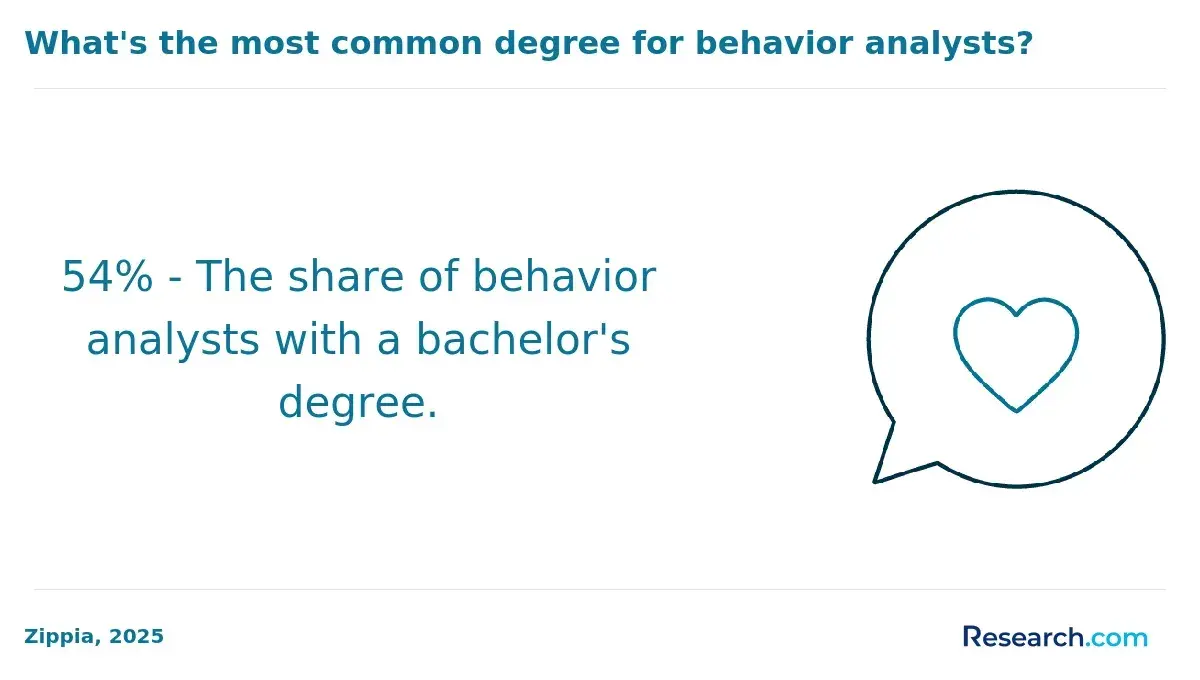
ABA training is available at several levels, from short technician courses to graduate degrees. The best option depends on whether you want to understand ABA strategies for parenting, qualify for entry-level work, earn a bachelor’s-level credential, or become eligible for BCBA certification.
Degree and non-degree options
- RBT training: A short training route for people who want entry-level, supervised ABA work.
- Undergraduate coursework or bachelor’s degrees: Programs in psychology, education, special education, human services, or behavior analysis can build a foundation for ABA-related roles.
- Graduate certificates: These are often designed for students who already hold or are pursuing an advanced degree and need behavior-analytic coursework aligned with certification requirements.
- Master’s degrees in applied behavior analysis: These are common pathways for BCBA preparation because they combine advanced coursework with fieldwork planning or support.
- Doctoral study: This route is usually for professionals interested in research, university teaching, advanced clinical leadership, or specialized practice.
Online, hybrid, and campus formats
Online ABA programs may be asynchronous, synchronous, or a mix of both. Asynchronous courses are more flexible because students can complete lectures and assignments on their own schedule. Synchronous courses require live attendance, which can improve accountability and interaction. Hybrid programs combine online coursework with in-person meetings, labs, or practicum requirements.
For parents and working adults, flexibility matters. Evidence shows that parents completing at least 40 hours of virtual ABA training aligned with BACB standards experience over a 39% boost in knowledge and more than 40% improvement in implementation success, addressing challenges like therapist shortages and time constraints.
When comparing formats, do not look only at convenience. Ask whether the program helps students locate supervised fieldwork, whether faculty are accessible, whether coursework maps to current certification expectations, and whether the schedule is realistic for your caregiving or work responsibilities. Students who need a faster route may want to compare an accelerated BCBA program online, but speed should not come at the expense of supervision quality or certification eligibility.
Accreditation and certification are related, but they are not the same. Accreditation evaluates schools or programs. Certification evaluates individual professionals. Confusing the two can lead to a costly mistake: enrolling in a program that is legitimate academically but does not meet the coursework or fieldwork expectations for the credential you need.
Accreditation vs. certification
| Standard | What it applies to | Why it matters |
| Institutional accreditation | The college or university | Helps establish academic legitimacy and may affect transfer credit, financial aid eligibility, and employer recognition. |
| Program alignment or recognition | ABA coursework or degree pathway | Helps students determine whether coursework is designed around behavior analysis standards and certification preparation. |
| Professional certification | The individual practitioner | Shows that a person has met education, training, supervised experience, and examination requirements for a credential such as RBT or BCBA. |
| State licensure | The individual practitioner in a specific state | May be required to practice or bill for services, depending on state law and employer requirements. |
The Behavior Analyst Certification Board (BACB) sets standards for credentials such as RBT and BCBA. Programs may prepare students for those credentials, but the student is responsible for confirming that the coursework, degree level, supervision, and exam eligibility requirements are satisfied.
Quality matters because the field faces access challenges. Significant shortages of certified ABA behavior technicians have led to waitlists and service access barriers. According to JMIR Pediatrics and Parenting, parent-led ABA models are emerging to address care gaps, with one 2024 program serving nearly 200 patients despite staffing challenges.
Before applying, ask the program these questions:
- Is the institution accredited?
- Does the ABA coursework align with BACB expectations for the credential I want?
- Does the program provide or help arrange supervised fieldwork?
- Are there additional state licensure requirements where I plan to work?
- What percentage of students complete the program and move into certification pathways?
Students comparing online options should pay special attention to fieldwork and supervision logistics. A program may be academically strong but still require students to secure their own local placements. For a broader comparison of recognized online pathways, review these ABAI accredited online programs.
Accredited ABA degree programs are built around the science of behavior, ethical practice, assessment, intervention design, data analysis, and supervised application. The goal is to prepare students to make decisions based on observable behavior and measurable outcomes, not guesswork.
Core coursework areas
- Principles of behavior: Reinforcement, punishment, stimulus control, motivation, generalization, and maintenance.
- Behavior assessment: Functional behavior assessments, direct observation, interviews, rating tools, and data interpretation.
- Intervention planning: Skill acquisition plans, behavior reduction procedures, functional communication training, and reinforcement systems.
- Ethics and professional conduct: Client rights, consent, scope of competence, supervision, confidentiality, and responsible treatment planning.
- Research and measurement: Single-subject research designs, graphing, progress monitoring, and data-based decision-making.
- Autism and developmental disabilities: Evidence-based strategies for communication, social skills, adaptive behavior, and family collaboration.
Many programs include experimental analysis of behavior, behavior analytic theory, verbal behavior, consultation, supervision, and behavioral pharmacology. Quantitative analysis and research methods are emphasized because ABA professionals must be able to evaluate whether an intervention is working and change course when it is not.
Fieldwork is the bridge between coursework and competent practice. Students may complete supervised hours in clinics, schools, homes, early intervention programs, or community agencies. During this training, they learn how to conduct assessments, implement intervention plans, collect reliable data, communicate with caregivers, and document progress.
ABA coursework often includes autism-specific content because many graduates work with children on the autism spectrum. Intensive ABA programs offering 20-40 hours per week demonstrate significant improvements in intellectual functioning and social skills in children, as supported by the CDC and HRSA. Programs should therefore teach students not only intervention techniques, but also how to individualize intensity, goals, and family involvement.
A strong curriculum should leave graduates able to explain the purpose of an intervention, show the data behind it, adapt it ethically, and collaborate with families and other professionals. If a program is vague about supervision, ethics, or applied practice, treat that as a warning sign.
Entry-level ABA programs are usually accessible, but requirements vary by credential level and institution. A short RBT-oriented course may have minimal academic prerequisites, while a bachelor’s or graduate pathway will require a more formal admissions process.
Typical entry requirements
- RBT or technician training: A high school diploma or equivalent is commonly required, and many certificate programs set a minimum age of 18.
- Community college or vocational certificates: Applicants may be admitted directly, although placement testing or basic academic readiness requirements may apply.
- Bachelor’s programs: Students usually complete general education requirements and may need standardized test scores like the SAT or ACT.
- BCaBA-aligned coursework: Programs preparing students for Board Certified Assistant Behavior Analyst eligibility may require coursework aligned with Behavior Analyst Certification Board (BACB) standards.
Helpful preparation includes introductory psychology, education, child development, statistics, biology, or human services coursework. These subjects are not always mandatory at the entry level, but they can make ABA coursework easier because the field relies heavily on observation, measurement, and interpretation of behavior data.
Programs may also require a background check, personal statement, interview, immunization records, or documentation needed for field placements. These requirements are common when students will work with children or vulnerable populations.
Experience with autism spectrum disorder (ASD) is not always required, but it can strengthen an application and help students decide whether ABA work is a good fit. Volunteering in schools, respite care, camps, clinics, or community programs can provide useful exposure before committing to a longer degree pathway.
Research shows that intensive, long-term applied behavior analysis (25-40 hours per week over 1-3 years) significantly improves language and daily living skills (Autism Speaks). Because ABA work can be intensive and detail-oriented, applicants should honestly assess whether they are prepared for structured data collection, consistent implementation, and close supervision.
ABA program length and cost depend on the credential level, whether the program is part of a degree, and whether supervision is included. Short technician training can be completed quickly, while BCBA preparation usually takes longer because it combines graduate coursework with extensive fieldwork.
Typical timelines and costs
| Pathway | Typical length | Typical tuition or cost | Important cost factor |
| RBT training | 40 to 60 hours | $1,000 to $2,500 | May include competency preparation, but supervision arrangements can vary. |
| BCBA graduate preparation | Often two years or more when combined with graduate studies | $15,000 to $30,000 | Supervision fees and fieldwork support can significantly affect total cost. |
| BCBA fieldwork | 1,500 to 2,000 fieldwork hours | Varies by supervision model | Students should confirm whether supervision is built into tuition or billed separately. |
Registered Behavior Technician (RBT) courses usually require 40 to 60 hours, including 20% supervised direct treatment time, meeting standards from the Council of Autism Service Providers (2014). BCBA certification demands around 1,500 to 2,000 fieldwork hours, often extending the timeline to two years or more when combined with graduate studies.
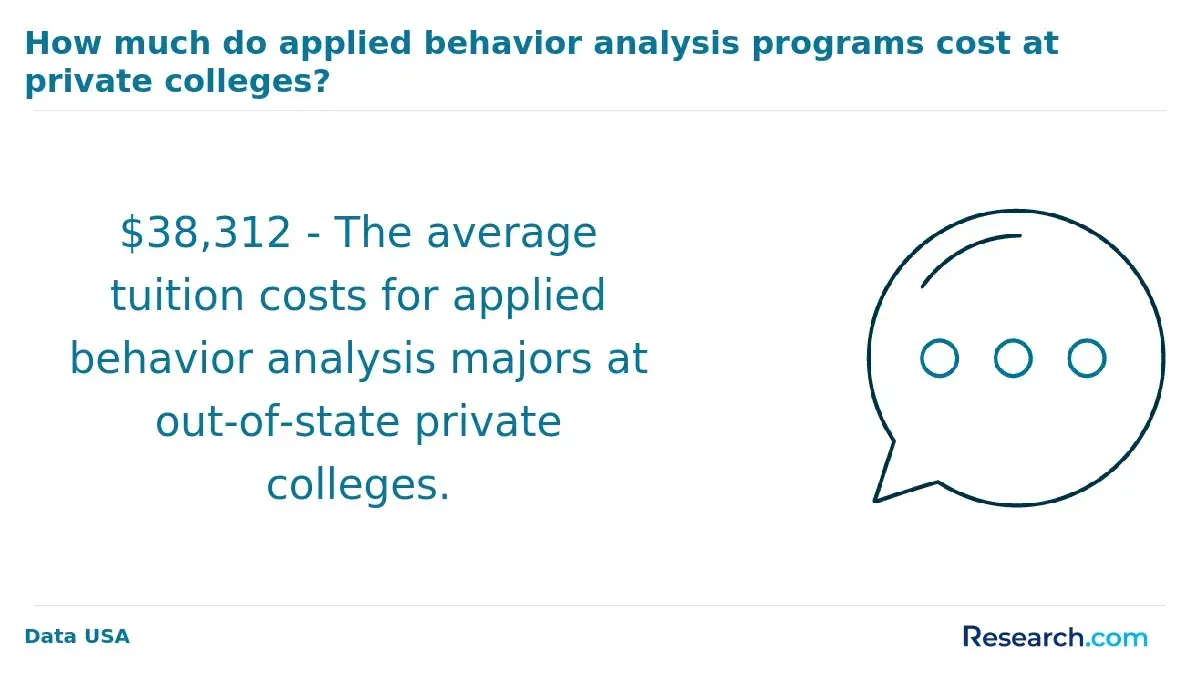
Tuition varies widely. Entry-level RBT programs cost between $1,000 and $2,500, while BCBA graduate programs range from $15,000 to $30,000, influenced by delivery method and institution. Some programs include supervision fees, raising costs but ensuring credential compliance.
Parent-mediated ABA programs are gaining traction as a cost-effective alternative that boosts parental self-efficacy. These require fewer hours than practitioner-led options but still align with the 20% supervised therapeutic hours recommended in research such as that from Walden University scholarworks.
When comparing programs, calculate the full cost, not just advertised tuition. Include application fees, textbooks, technology fees, exam preparation, supervision, travel to fieldwork sites, and any state licensure-related expenses. Also ask whether the program schedule allows you to continue working while completing supervised hours.
- Confirm the program length and weekly time commitment before enrolling.
- Ask whether supervision fees are included in tuition or charged separately.
- Verify that coursework and supervision align with the certification path you want.
- Look for hands-on opportunities, including parent-mediated therapy or applied fieldwork where appropriate.
ABA training can lead to direct service, classroom support, parent coaching, clinical supervision, program management, and research-related roles. The titles available to you depend on your education level, certification, supervised experience, and state requirements.
Common ABA job titles
- Registered Behavior Technician (RBT): Implements behavior plans and collects data under supervision.
- ABA Technician or Behavioral Therapist: Provides direct intervention services in homes, schools, clinics, or community settings.
- Behavioral Interventionist: Supports children or clients with behavior goals, often in educational or early intervention environments.
- Autism Support Specialist: Helps implement autism-focused strategies in school, clinic, or home programs.
- Inclusion Facilitator: Supports participation and skill use in classroom or community settings.
- Early Intervention Specialist: Works with young children and families to build communication, adaptive, and social skills.
- Behavioral Consultant: Consults with families, schools, or agencies on assessment and intervention planning.
- BCaBA: Assists with behavior analytic services under appropriate supervision.
- BCBA: Conducts assessments, designs programs, supervises staff, trains caregivers, and monitors outcomes.
Direct-service roles are best for people who enjoy working hands-on with clients and implementing structured plans. Supervisory and analyst roles require more education and responsibility, including assessment, treatment planning, documentation, ethics, staff training, and communication with families and other professionals.
ABA professionals work in autism clinics, public and private schools, early intervention agencies, pediatric therapy centers, home-based service organizations, hospitals, residential programs, and telehealth-supported models. Some also move into special education, speech-language collaboration, mental health programs, organizational behavior management, or research.
Research from JMIR Pediatrics and Parenting highlights that parent-led focused ABA under 25 hours per week can still produce skill gains, with intermediate intensities optimizing outcomes. This supports career paths that combine direct intervention with caregiver training, especially in areas where provider shortages limit access to traditional service models.
Before choosing a program, decide whether you want to spend most of your workday delivering therapy, supervising others, designing programs, coaching parents, or coordinating services. That decision will determine whether a short credential, undergraduate pathway, graduate program, or licensure-focused route makes the most sense.
The job outlook for ABA professionals is strong, supported by a 10% projected growth rate from 2024 to 2034 according to the U.S. Bureau of Labor Statistics-faster than average across all occupations. Demand is closely tied to autism diagnosis rates, school-based service needs, insurance-supported therapy, and the continued use of evidence-based behavioral interventions.
The field’s growth is also linked to outcomes associated with early intervention. For instance, nearly half of children with autism succeed in mainstream classrooms after early ABA therapy, according to data from Cross River Therapy, reinforcing the field's importance.
Salary potential varies by credential, education level, location, employer type, specialization, and years of experience. Entry-level Board Certified Assistant Behavior Analysts (BCaBAs) typically earn between $40,000 and $55,000 annually. Board Certified Behavior Analysts (BCBAs), especially those with master's degrees and supervised experience, often make $60,000 to $90,000, with some exceeding $100,000 in high-demand regions. Supervisory or specialized clinical roles can yield higher earnings.
Factors that influence ABA pay
- Credential level: BCBA roles generally offer higher earning potential than technician or assistant-level roles.
- State licensure: Some employers require licensure in addition to certification, especially for clinical or insurance-funded services.
- Work setting: Clinics, schools, telehealth providers, healthcare organizations, and private agencies may pay differently.
- Supervisory duties: Roles involving staff supervision, program design, and clinical oversight often pay more than direct-service positions.
- Location: High-demand regions may offer stronger compensation, but cost of living should be considered.
Career paths include schools, clinics, healthcare settings, research organizations, community programs, and telehealth. Telehealth can expand access for families and may offer scheduling flexibility, but many roles still require in-person assessment, observation, or direct service.
Professionals who want long-term advancement should pursue the appropriate certification, understand state licensure requirements, keep up with continuing education, and build experience with different age groups and settings. Networking with autism advocacy organizations, schools, clinics, and early intervention providers can also improve job stability and referral opportunities.
- Strong employment growth is driven by rising autism diagnosis rates and intervention needs.
- Salary range: $40,000 to $100,000+, depending on certification and experience.
- Certification as BCaBA or BCBA is necessary for many advancement opportunities.
- Common settings include clinics, schools, telehealth, healthcare, and research.
How do you choose between online and campus-based ABA programs?
Choose between online and campus-based ABA programs by looking at three things: how you learn best, how you will complete supervised practice, and whether the format supports your certification goal. Both formats can be credible, but they create different advantages and risks.
When an online ABA program may be a better fit
- You need flexibility because of work, parenting, caregiving, or location.
- You are comfortable managing deadlines without frequent in-person reminders.
- You have reliable internet access and can participate in live or recorded coursework.
- You already have, or can secure, a suitable local fieldwork site.
- You want access to programs outside your region without relocating.
When a campus-based ABA program may be a better fit
- You prefer face-to-face instruction and structured weekly routines.
- You are new to ABA and want closer in-person support from faculty and peers.
- The campus has established practicum partnerships with clinics, schools, or service providers.
- You value local networking, job placement relationships, and direct observation opportunities.
- You learn best through immediate feedback in a physical classroom or lab setting.
The biggest mistake is assuming online means easier or campus means better. A strong online program can be rigorous and well aligned with certification standards. A weak campus program can still leave students scrambling for supervision. The deciding factor should be whether the program provides the coursework, fieldwork support, faculty access, and credential preparation you need.
Consider these critical factors when making your decision:
- Practical experience: Campus programs may offer built-in supervised clinical opportunities, while online students may need to secure local practicum sites independently.
- Networking opportunities: On-campus programs can make local professional connections easier, but online programs may connect students with broader networks.
- Technology and self-discipline: Online success requires reliable technology, time management, and consistent participation.
- Accreditation and certification eligibility: Both formats should meet BACB standards if your goal is certification eligibility.
- State requirements: If you plan to practice in a state with licensure rules, confirm that the program supports those requirements.
Demand for parent certifications is growing amid workforce shortages. According to the US Surgeon General's report, ABA therapies account for 45% of effective long-term outcomes for children with autism, emphasizing the importance of choosing programs that ensure both competency and certification readiness.
Before enrolling, request a written explanation of how the program supports certification preparation, supervised fieldwork, and licensure planning. If the admissions team cannot clearly answer those questions, keep comparing options.
Other Things You Should Know About Applied Behavior Analysis
In 2027, ABA programs for parents of children with autism enhance understanding of behavioral strategies, promoting effective communication with therapists. This empowers parents to make informed decisions about therapy, potentially leading to roles in advocacy, education, or consulting, aligning their career paths with a commitment to autism awareness and support.
Parents play a crucial role in applied behavior analysis by reinforcing interventions at home and collaborating with therapists to ensure consistency across settings. Their involvement enhances skill generalization and supports long-term outcomes for children receiving ABA services.
Parents can earn a certificate of completion, and some programs award continuing education units approved by the Behavior Analyst Certification Board. Many short courses run 8 to 12 weeks and focus on data collection, reinforcement, and behavior support plans rather than a state license.
Ethical considerations in applied behavior analysis include ensuring interventions are individualized, humane, and respect the child's dignity. Board-certified behavior analysts must follow professional guidelines to avoid harm and prioritize the welfare of clients while involving families in treatment decisions.
- What Is the Cost of ABA Therapy? https://www.magnetaba.com/blog/cost-of-aba-therapy
- The Rate of Job Growth for BCBAs | Grateful Care ABA https://www.gratefulcareaba.com/blog/the-rate-of-job-growth-for-bcbas
- Career in ABA Therapy: Roles, Training, and Growth Paths https://championsaba.com/career-in-aba-therapy/
- ABA Certification: Master 4 Tiers, Success 2025 https://bedrockaba.com/blog/aba-certification/
- The Controversy Around ABA - Child Mind Institute https://childmind.org/article/controversy-around-applied-behavior-analysis/
- ABA Therapist Qualifications https://www.aprilaba.com/resources/aba-therapist-qualifications
- ABA Therapy Certification Requirements | Advanced Autism Services https://www.advancedautism.com/post/aba-therapy-certification-requirements
- ABA History: Applied Behavior Analysis Therapy Evolution - LEARN Behavioral https://learnbehavioral.com/blog/understanding-the-evolution-of-aba
- Understanding School-Based vs Center-Based ABA Therapy https://inbloomautism.com/aba-therapy/pros-and-cons-of-school-based-vs-center-based-aba/
- What's the Job Outlook for a BCBA in 2024? | Level Ahead ABA https://www.levelaheadaba.com/blog/bcba-job-outlook