2027 BCBA Program Accreditation Guide: How to Choose Approved Schools

Co-Founder and Chief Data Scientist
Choosing a BCBA program is not just a question of convenience or tuition. The program you select can affect whether your coursework is accepted for certification, whether your supervised experience is properly documented, and how prepared you are for applied behavior analysis practice. That matters because behavior analyst roles are tied to formal credentialing, employer trust, and, in many states, licensure rules.
Behavior Analyst Certification Board (BCBA) programs prepare students for work in applied behavior analysis, a field projected to grow 20% over the next decade. With median salaries around $76,000, prospective students should compare programs carefully before enrolling. The strongest choice is usually a program that clearly aligns with BACB requirements, offers qualified supervision, provides transparent cost information, and fits the student’s schedule and career goals.
This guide explains how BCBA program approval works, how to verify a school’s status, how online and in-person options differ, what to ask about fieldwork, and how to compare cost, curriculum, and career outcomes before committing to a program.
Key things you should know about BCBA program accreditation:
- Accredited BCBA programs provide structured coursework, giving students foundational knowledge and applied skills necessary for effective behavior analysis practice.
- Supervised practicum experiences ensure hands-on training, allowing students to apply theory in real-world clinical, educational, and community settings.
- BCBA exam eligibility confirms professional readiness, demonstrating mastery of ABA principles and opening pathways to advanced roles in behavior intervention and support.
What is BCBA program accreditation and why does it matter for students?
BCBA program accreditation refers to formal quality assurance that shows a program meets recognized standards for behavior analysis education. In practice, students should pay close attention to whether the program’s coursework is approved or verified for BCBA certification purposes and whether the institution itself is properly accredited. These details affect certification eligibility, transferability, financial aid access, and employer confidence.
For students, accreditation and BACB alignment are risk-control tools. A program may advertise behavior analysis training, but that does not automatically mean its courses satisfy certification requirements. Before enrolling in campus-based or BCBA courses online, students should confirm that the program’s coursework, supervision guidance, and faculty support match the credentialing pathway they plan to follow.
Accreditation matters because it helps students avoid three costly problems: completing courses that do not count, struggling to find acceptable supervised fieldwork, or graduating with a credential employers do not recognize. It also signals that the program has been reviewed against defined educational and ethical expectations.
- Certification and licensure planning: Students need coursework that supports BCBA exam eligibility and, where applicable, state licensure requirements.
- Curriculum consistency: Approved programs are more likely to cover essential areas such as ethics, assessment, intervention, measurement, research design, and behavior-change procedures.
- Quality assurance: Accreditation or formal approval gives students a way to evaluate whether the program follows recognized academic and professional standards.
- Employer recognition: Employers often prefer candidates whose training can be verified through a recognized program or approved course sequence.
- Supervision readiness: Strong programs help students understand how supervised fieldwork must be arranged, documented, and reviewed.
- Long-term professional fit: Programs aligned with certification standards better prepare students for continuing education, ethical practice, and career advancement.
How do I verify if a school’s BCBA program is BACB-approved?
The safest way to verify a BCBA program is to check official sources before relying on admissions materials. A school may describe a program as “ABA-focused,” “BCBA preparation,” or “behavior analysis,” but students should confirm the exact approval status, the covered coursework, and the certification pathway the program supports.
Start with the BACB’s approved or verified course information, then compare what you find with the school’s catalog, program page, and advisor responses. Keep screenshots or written confirmations for your records, especially if you are applying to a program that is changing curriculum, launching a new online format, or revising degree requirements.
- Check the BACB Verified Course Sequence: Use the BACB database to confirm whether the school’s coursework is listed and whether the listing matches the degree, department, and delivery format you plan to enter.
- Review the official program page: Look for direct language about BACB approval, verified coursework, certification preparation, fieldwork expectations, and the exam pathway.
- Ask the program advisor for written confirmation: Request the exact course sequence, catalog year, and whether completing the listed courses satisfies the educational coursework requirement for the BCBA credential.
- Compare syllabi with BACB content expectations: Confirm that courses cover ethics, assessment, intervention, measurement, research methods, and supervision-related content.
- Clarify what is not included: Ask whether fieldwork placement, supervision fees, exam preparation, and licensure guidance are included or handled separately.
A useful question to send an advisor is: “If I enroll in this program for the upcoming term and complete the listed courses, will those courses meet the current BACB coursework requirement for BCBA exam eligibility?” A clear answer should reference the approved sequence, catalog year, and any conditions students must meet.
What are the key differences between accredited and non-accredited BCBA programs?
The main difference is risk. Accredited or BACB-aligned programs give students a clearer path toward certification because the coursework has been reviewed against professional standards. Non-accredited or unverified programs may still teach useful material, but students can face problems when they try to document coursework, qualify for the BCBA exam, obtain licensure, or compete for jobs.
Students should be especially cautious with programs that use vague language, promise fast certification without explaining fieldwork, or avoid naming the specific approval status of their courses. A low tuition price or short completion timeline is not a good deal if the program does not support the credential you need.
| Comparison area | Accredited or BACB-aligned program | Non-accredited or unverified program |
| Exam eligibility | Designed to support the BCBA certification pathway when students complete the required coursework and fieldwork. | May not satisfy certification requirements, which can delay or prevent exam eligibility. |
| Curriculum coverage | Typically includes ethics, behavior assessment, intervention strategies, research methods, measurement, and applied practice. | May leave gaps in required content areas or use courses that do not map clearly to BACB expectations. |
| Supervised experience | Usually provides clearer guidance on practicum or supervised fieldwork documentation. | May require students to find, verify, and manage supervision with limited institutional support. |
| Employer recognition | Signals that the student completed training through a recognized academic pathway. | May require additional explanation to employers, licensing boards, or certification reviewers. |
| Student protection | Offers more transparency through catalogs, approval listings, policies, and review processes. | Can be harder to evaluate, especially if approval language is unclear or outdated. |
- Exam eligibility: Graduates from BACB-accredited programs are eligible to sit for the BCBA exam, while students from non-accredited programs may be blocked from certification entirely.
- Curriculum completeness: Accredited programs cover all BACB-required content areas, including ethics, behavior assessment, intervention strategies, and research methods, whereas non-accredited programs may leave gaps in core competencies.
- Supervised experience: Accredited programs provide structured practicum and fieldwork hours under certified BCBAs, while non-accredited programs often offer little or no verified supervision.
- Employer recognition: Employers actively seek graduates from accredited programs because BACB approval signals verified training quality, while non-accredited program graduates may struggle to find competitive positions.
- Professional credibility: Accreditation ensures graduates are recognized by professional associations and state boards, while non-accredited program credentials may not be acknowledged in official or regulatory contexts.
- Ethical oversight: Accredited programs include formal ethics training and monitoring aligned with BACB standards, whereas non-accredited programs may provide minimal or inconsistent guidance on professional conduct.
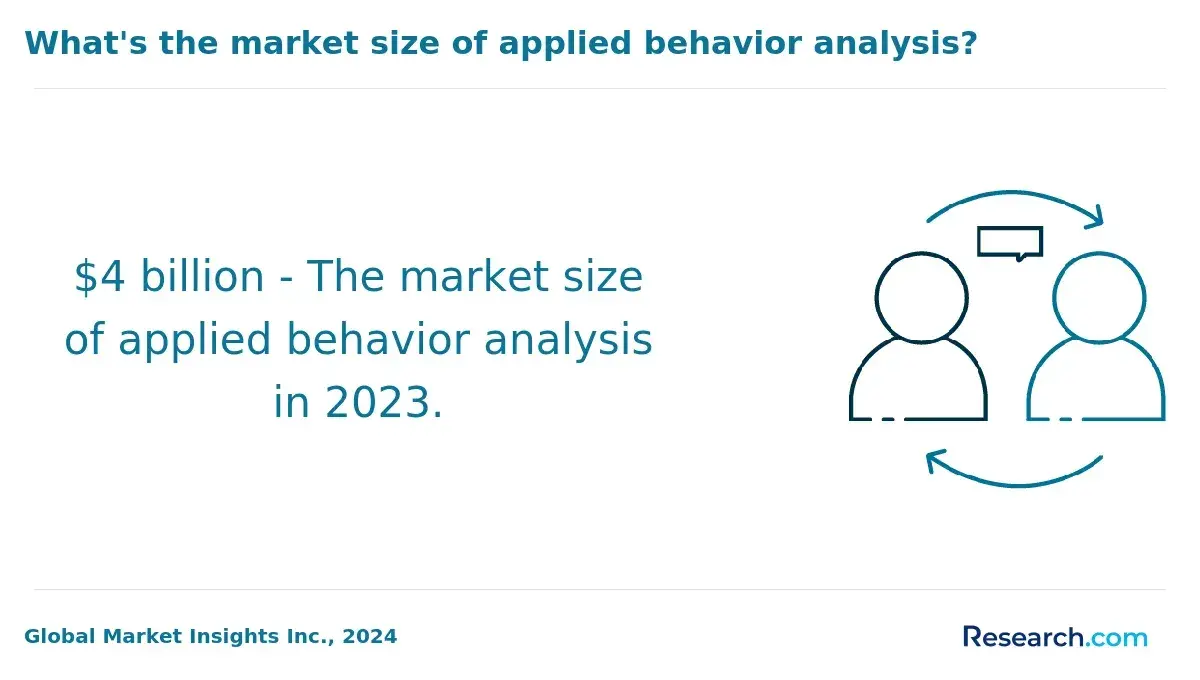
After confirming approval status, choose a BCBA program based on fit, support, cost, and outcomes. The best program is not automatically the fastest, cheapest, or most selective option. It is the one that helps you complete required coursework, secure appropriate supervision, prepare for the exam, and enter the practice setting you want.
Students should compare programs using the same criteria rather than relying only on rankings or admissions claims. Pay particular attention to fieldwork support, because a program with strong coursework but weak practicum guidance can create delays near graduation.
- Program format: Decide whether online, in-person, or hybrid study fits your work schedule, learning style, and need for face-to-face mentoring.
- Faculty credentials: Look for instructors who are BCBAs and who have relevant clinical, school-based, research, or supervisory experience.
- Course sequence clarity: The school should show exactly which courses students must complete and when they are offered.
- Supervised fieldwork access: Ask whether the program helps students find placements, approves outside supervisors, or requires students to arrange fieldwork independently.
- Cost and financial aid: Compare total program cost, not just tuition per credit. Include fees, books, technology, travel, and supervision-related costs.
- Student outcomes: Review exam pass rates and employment statistics of graduates when available, and ask how recently the data was collected.
- State requirements: If you plan to practice in a specific state, confirm whether the program provides licensure guidance for that location.
- Student support: Strong programs offer advising, exam preparation, fieldwork documentation help, and timely faculty access.
Before applying, ask each school the same set of questions: Is the course sequence approved? Who teaches the courses? How is supervision handled? What is the total cost? What happens if a student moves states during the program? How does the school support students who are working full time?
Many students can complete BCBA coursework online, but they should not assume the entire certification process is virtual. Online programs can deliver lectures, discussions, assignments, case studies, and faculty mentoring remotely. However, supervised fieldwork usually requires real practice with clients, schools, clinics, agencies, or approved service settings.
Online study is often a strong fit for working professionals, career changers, and students who do not live near a campus-based behavior analysis program. It can also make it easier to compare programs nationally. The trade-off is that students may need to be more proactive about finding approved fieldwork sites, managing documentation, and building professional relationships.
Top BCBA programs may combine asynchronous coursework, live virtual classes, faculty advising, and in-person practicum experiences. When comparing online and campus-based options, focus less on the delivery format and more on whether the program provides the structure needed to complete certification requirements correctly.
| Program format | Best for | Potential drawback |
| Online | Students who need scheduling flexibility or live far from campus. | Fieldwork may require independent local placement planning. |
| In-person | Students who want campus access, local faculty relationships, and structured site connections. | Less flexibility for full-time workers or students outside the region. |
| Hybrid | Students who want online convenience with some face-to-face training. | May require travel for intensives, labs, or scheduled campus sessions. |
Before enrolling in an online BCBA program, confirm technology requirements, live attendance expectations, time zone issues, placement policies, and whether the school can support students in your state. Also ask whether the program has experience working with distance learners who need local supervised fieldwork.
BCBA program costs vary by institution type, residency status, degree level, course load, and delivery format. Accredited programs average $10,000 to $25,000 for full coursework, but the total amount a student pays can be higher once fees, books, supervision costs, and travel are included.
Students should compare the full cost of attendance rather than looking only at advertised tuition. An online program may reduce relocation and housing expenses, but it can still include technology fees or require students to pay separately for supervised fieldwork. A shorter program may appear less expensive, but it can require a heavier course load that is difficult to manage while working.
- Tuition range: Accredited programs average $10,000 to $25,000 for full coursework.
- Financial aid: Federal aid, scholarships, and employer tuition reimbursement are often available.
- Online vs on-campus: Online programs may reduce housing costs, but can include technology fees.
- Program duration: Shorter programs may cost less but require intensive scheduling.
- Hidden fees: Lab, practicum, or supervision fees can increase total costs.
- Return on investment: Higher-cost programs often have stronger career placement rates.
- State residency discounts: In-state tuition can significantly reduce costs at public universities.
When estimating affordability, include every required expense: application fees, tuition, university fees, course materials, background checks, liability insurance, technology requirements, practicum fees, supervision fees, travel, exam preparation, and certification-related costs. If you are using employer tuition assistance, confirm whether reimbursement applies to graduate certificates, master’s programs, online coursework, and repeated courses.
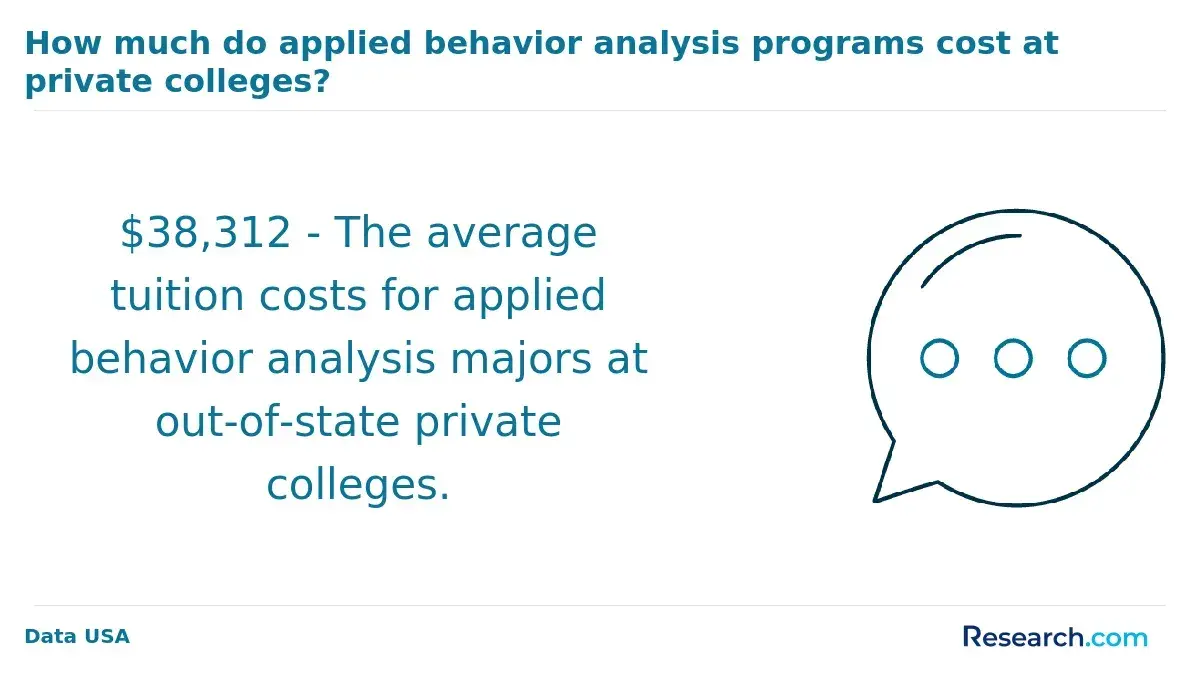
BCBA-approved programs generally take 1 to 2 years for full-time students, while part-time students may need longer. The timeline depends on course availability, whether the student is completing a certificate or degree, and how fieldwork is integrated with academic study.
The curriculum usually moves from foundational principles to applied assessment and intervention. Students learn how behavior is measured, how interventions are selected, how ethical decisions are made, and how data is used to evaluate progress. Strong programs connect assignments to real practice rather than treating coursework and fieldwork as separate experiences.
- Foundational courses: Principles of behavior analysis, ethics, and research methods.
- Advanced topics: Behavior assessment, intervention strategies, and applied ABA techniques.
- Practicum experience: Hands-on training under a certified BCBA supervisor.
- Data analysis coursework: Instruction in measurement, statistics, and functional assessment.
- Capstone or thesis: Some programs require a final project demonstrating applied skills.
- Electives: Specialized topics such as autism intervention or organizational behavior.
- Fieldwork integration: ABA master degree programs emphasize supervised practical experience.
A well-designed sequence should make it clear when students take each course, which courses are prerequisites, whether courses are offered every term, and how fieldwork expectations align with classroom learning. Students who plan to work full time should ask whether the recommended course load is realistic for employed learners.
Supervised fieldwork can be the deciding factor in whether a BCBA program is practical for a student. Coursework may be online and flexible, but fieldwork requires access to appropriate settings, qualified supervisors, consistent hours, and accurate documentation. If a program does not offer clear fieldwork support, students may face delays even after completing their classes.
Most programs require 1,500 to 2,000 supervised hours (BACB, 2025). Those hours must be planned carefully around employment, family responsibilities, site availability, and supervisor capacity. Students should ask detailed questions before enrolling, especially if they live outside the school’s region or plan to complete fieldwork through their current employer.
- Hours required: Most programs require 1,500 to 2,000 supervised hours (BACB, 2025).
- Placement options: Schools often partner with clinics, schools, and hospitals.
- Supervisor qualifications: Supervisors must be certified BCBAs with active licenses.
- Flexibility: Some programs allow local placements to reduce travel challenges.
- Documentation: Programs guide students in tracking hours and competencies effectively.
Before choosing a program, ask whether the school places students directly, approves outside sites, or expects students to secure their own supervision. Also ask what happens if a placement falls through, a supervisor leaves, or your work setting does not provide enough qualifying activities. A strong program should have a clear process for reviewing sites, confirming supervisor credentials, and helping students correct documentation issues early.
Graduates from BACB-accredited programs can pursue roles in clinical, educational, residential, healthcare, and organizational settings. BCBA certification is especially relevant for professionals who design behavior intervention plans, supervise ABA services, analyze behavioral data, and support clients with evidence-based interventions.
Career outcomes depend on more than the credential alone. Location, supervised experience, population served, employer type, and state licensure rules all affect job options and salary. Students who enter a program with a clear practice goal can choose electives, fieldwork sites, and mentors that match their intended career path.
- Competitive salary: BCBA-certified behavior analysts earn a median annual salary of approximately $76,000, reflecting strong demand for qualified professionals.
- High-demand employment locations: Graduates are most frequently hired in urban centers, school districts, and specialized treatment facilities where ABA services are in demand.
- Diverse employers: Hospitals, autism treatment centers, private clinics, and educational institutions commonly recruit BCBA-certified professionals.
- Strong career growth: The field of behavior analysis is projected to grow 20% over the next decade, offering expanding job opportunities.
- Specialization pathways: Graduates can focus on pediatric, adult, school-based, or organizational behavior analysis, depending on interests and practicum experience.
- Remote and flexible roles: Telehealth, virtual consultation, and online supervision positions are increasingly available, providing geographic flexibility.
- Advanced professional opportunities: With additional training, BCBAs may pursue supervisory positions or BCBA-D credentials to lead programs and research initiatives.
Students should evaluate career support before enrolling. Ask whether the program provides practicum connections, alumni networking, employer partnerships, resume support, and exam preparation. If you want to work in schools, hospitals, autism services, adult services, or organizational behavior management, look for faculty and fieldwork sites with experience in that area.
How often do BCBA program accreditations change, and how can students stay updated?
BCBA program approval or accreditation status can change when schools revise curricula, update faculty, adjust course sequences, undergo review, or lose alignment with professional requirements. Students should not assume that a program listed in an old brochure, blog post, or admissions email is still approved for their enrollment term.
The best practice is to verify status before applying, again before enrolling, and once more before completing the final required course. This is especially important for students who defer admission, switch from full-time to part-time study, change catalog years, or transfer between programs.
- BACB website: Regularly check the verified course sequence list.
- Program notifications: Subscribe to updates from program administrators.
- Professional networks: Follow BACB newsletters and association announcements.
- State licensing boards: Some states provide alerts for program changes.
- Accreditation renewal cycles: Ask the school when its current approval or accreditation period is reviewed and whether any curriculum changes are planned.
Students should keep copies of catalogs, advising emails, course plans, syllabi, and approval confirmations. If a program’s status changes while you are enrolled, contact the program director immediately and ask how the school will protect current students’ certification pathway.
Other things you should know about the BCBA program accreditation
A BCBA program must align its curriculum with the BACB Task List, which covers behavior-analytic concepts, measurement, experimental design, ethics, and behavior-change procedures. Programs also need verified coursework that supports eligibility for the BCBA exam and meets BACB requirements for supervised fieldwork.
Supervised fieldwork is critical because it allows students to apply ABA principles in real-world settings under guidance from certified BCBAs. This hands-on experience is required for certification and helps students develop essential clinical, educational, and organizational skills. Quality supervision also strengthens practical understanding, confidence, and readiness for independent practice.
- Association for Behavior Analysis International (n.d.). Verified Course Sequence Directory. Retrieved from https://www.abainternational.org/vcs/directory.aspx abainternational.org
- Behavior Analyst Certification Board (2022). BCBA Handbook. Retrieved from https://www.bacb.com/wp-content/uploads/2025/08/BCBAHandbook_250818-2-a.pdf
- Behavior Analyst Certification Board (2025). Verifıed Course Sequences. Retrieved from https://www.bacb.com/verified-course-sequences/ Behavior Analyst Certification Board
- U.S. BLS (2024). Careers in mental‑health services. Retrieved from https://www.bls.gov/careeroutlook/2023/article/careers-in-mental-health-services.htm Bureau of Labor Statistics
- U.S. BLS (2025). A‑Z Index of Occupational Outlook Handbook. Retrieved from https://www.bacb.com/wp-content/uploads/2022/01/BCBAHandbook_250304-3.pdf