2027 The Real Cost of Delaying BCBA Certification by One Year

Co-Founder and Chief Data Scientist
Postponing BCBA certification is rarely just a scheduling decision. For many candidates, a one-year delay can mean a year of lower earnings, continued dependence on supervised roles, slower access to leadership opportunities, and additional exam-preparation costs. The decision is especially important for graduate students, behavior technicians, special educators, psychology graduates, and career changers who are trying to judge whether the timing, tuition, supervision requirements, and exam risk are worth it.
This guide explains the practical cost of waiting one year to become a Board Certified Behavior Analyst. It covers the certification timeline, degree and curriculum requirements, online options, program costs, expected salaries, job outlook, and how to choose an accredited BCBA program. The goal is to help you compare the cost of acting now with the hidden cost of delaying.
Key Things You Should Know
- Delaying BCBA certification by one year can result in an average loss of $15,000 to $25,000 in starting salary due to missed employment and experience opportunities.
- The time gap can hinder professional growth as employers increasingly prefer certified professionals with up-to-date credentials in behavioral interventions.
- Certification delays may extend the timeline for advancing to senior roles, affecting lifetime earnings by up to 10%, based on 2024-2025 labor market analyses.
What is the real cost of delaying BCBA certification by one year?
The real cost of delaying BCBA certification by one year is the combination of lost income, slower career progression, added preparation expenses, and delayed eligibility for roles that require independent clinical judgment. Tuition is only one part of the calculation. The larger cost often comes from spending an extra year in a lower-paid or more limited role while certified peers move into BCBA-level positions.
In 2025, only 51% of first-time candidates passed the BCBA exam, and retakes were successful just 23% of the time. That matters because waiting does not automatically make certification easier. A delayed candidate may need to rebuild study momentum, relearn material, pay for additional prep, and manage exam anxiety after a longer gap from coursework.
The delaying BCBA certification financial impact commonly includes:
- Lost income: Certified BCBAs may qualify for higher compensation than candidates working under supervision, including a $10,000 to $20,000 annual raise depending on region and employer.
- Delayed advancement: Without certification, candidates may be blocked from leadership roles, specialized caseloads, supervisory duties, and independent practice opportunities.
- Additional exam-related expenses: Retakes can cost between $250 and $500, not including possible review courses, tutoring, updated materials, or unpaid study time.
- Longer dependence on supervision: Candidates who postpone the process may remain tied to supervisor availability, employer policies, and fieldwork documentation requirements longer than necessary.
- Opportunity cost: A year of delay can also mean one fewer year building a BCBA-level résumé, gaining payer or school-system experience, and qualifying for higher-level clinical or management roles.
A practical way to view the decision is to compare the short-term savings from waiting with the income and experience that may be lost during the same period. For many candidates, delaying one year can cost more than the direct fees associated with certification.
Prospective students should build a realistic certification calendar before enrolling or pausing. That includes coursework, supervised fieldwork, exam preparation, employer support, and personal obligations. Candidates who need flexibility can compare BCBA courses online to control scheduling and reduce avoidable delays.
How long does it take to become a BCBA after starting?
After starting the certification path, becoming a BCBA typically takes 18 to 30 months. The timeline usually includes graduate-level Applied Behavior Analysis coursework, supervised fieldwork, exam preparation, and the application process. Candidates who study full time and secure supervision early may finish closer to the shorter end of the range, while part-time students or those with limited supervision access may need longer.
A typical timeline includes:
- Graduate coursework: A graduate-level Applied Behavior Analysis course sequence generally lasts 1 to 2 years.
- Supervised fieldwork: Candidates complete between 1,500 and 2,000 hours of supervised fieldwork.
- Full-time fieldwork pace: Supervised experience usually takes about 9 to 12 months full-time, but may extend longer for part-time candidates.
- Exam preparation and scheduling: Preparing for and scheduling the BCBA exam can add several weeks.
The biggest timeline risk is assuming coursework and supervised fieldwork will align automatically. They often do not. A student may complete classes but still need additional supervised hours, or may work in a setting that does not provide the right type of supervision. Before enrolling, candidates should ask how the program supports fieldwork planning, documentation, supervisor matching, and exam preparation.
Common causes of delay include limited local supervisors, changing jobs during fieldwork, incomplete documentation, part-time enrollment, family or work obligations, and waiting too long to start exam preparation. The growing demand for behavior analysts in the U.S. makes timely planning important for candidates who want to enter the market while opportunities are available.
Applicants comparing the best BCBA programs should evaluate not only academic quality, but also how quickly and reliably the program helps students move from enrollment to exam eligibility.
What are BCBA certification requirements in the US?
BCBA certification requirements in the US are set by the Behavior Analyst Certification Board (BACB). Candidates must meet graduate education requirements, complete approved behavior-analytic coursework, accrue supervised practical experience, and pass the BCBA certification exam. Each requirement is important; missing or misdocumenting one can delay eligibility even if the candidate has completed a degree.
The core US BCBA certification eligibility criteria include:
- Graduate-level education: Candidates must complete a graduate-level program that aligns with BCBA certification requirements in the US.
- Verified coursework: Coursework must cover at least 270 hours of verified course sequence (VCS) content in areas such as ethics, experimental design, and behavior assessment.
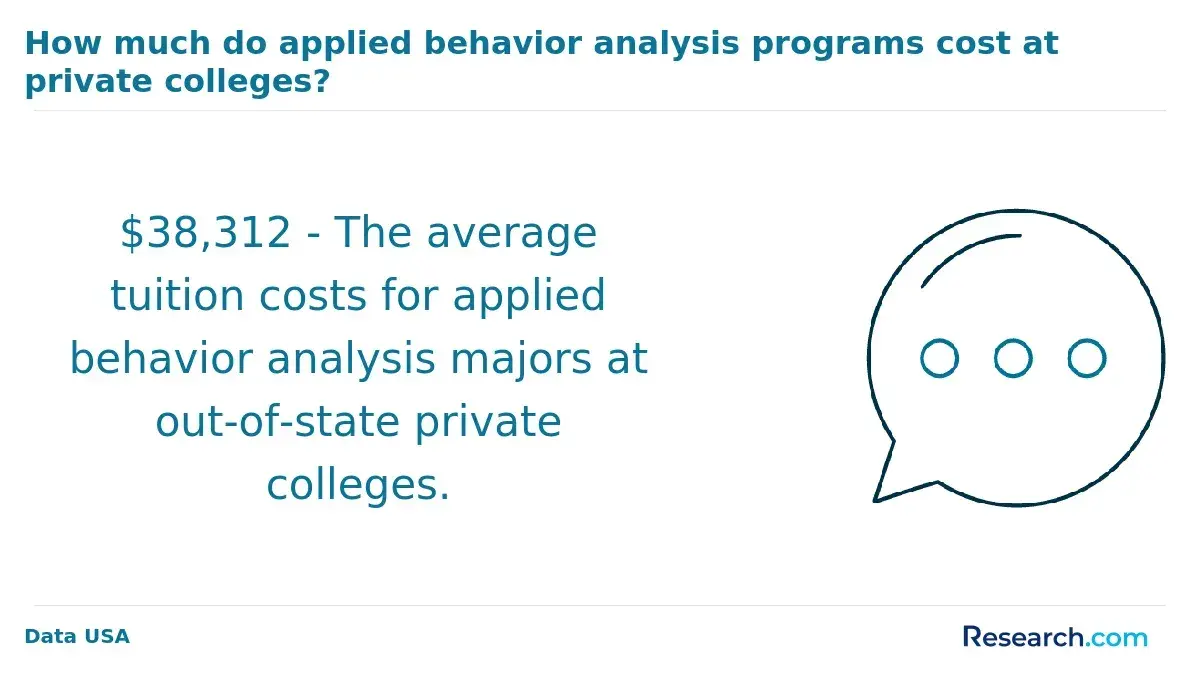
- Supervised fieldwork: Applicants need to accumulate 1,500 to 2,000 hours of supervised practical experience under qualified BCBA supervision.
- Certification exam: After meeting education and fieldwork requirements, candidates must pass the BCBA certification exam.
Because these requirements are sequential for many candidates, a delay in one area can affect the entire timeline. For example, choosing a program without the right coursework may require additional classes later. Starting fieldwork without clear supervision arrangements can lead to documentation problems or unusable hours.
The financial stakes are also meaningful. Median BCBA salaries range from $75,000 to $95,000, while roles such as clinical directors or private practitioners can earn from $100,000 to $150,000 or more. The growth in salary allows new BCBAs to recover certification costs within 12 to 24 months.
Prospective students seeking required coursework for BCBA certification in the US should compare programs for verified coursework, fieldwork support, exam preparation, and timeline fit. Those considering accelerated routes can review the top applied behavior analysis graduate programs online to identify options that may reduce time to certification.
To qualify for BCBA certification in 2026, candidates must hold an approved graduate degree in behavior analysis, education, psychology, special education, or closely related fields. The degree alone is not always enough. It must also be paired with coursework and supervised experience that meet Behavior Analyst Certification Board (BACB) standards.
Common qualifying degree paths include:
- Behavior analysis: A graduate degree focused directly on ABA or behavior analysis is often the most straightforward route.
- Psychology: A master's degree in psychology may qualify when it includes an emphasis on behavior analysis and the required ABA coursework.
- Education or special education: These degrees may qualify when they incorporate BACB-aligned ABA coursework and supervised fieldwork.
- Doctoral study: Doctoral degrees in clinical psychology or education may qualify if the necessary ABA content and supervision are completed.
Degrees outside these areas often require additional BACB-verified coursework before the candidate can become eligible. Individuals with unrelated graduate degrees should not assume they can sit for the exam without completing a formal ABA course sequence. That mistake can create avoidable tuition costs, delayed fieldwork, and a longer path to certification.
Exam outcomes also show why academic preparation matters. Exam pass rates have declined, with only 8,021 out of 23,151 candidates earning certification recently. Candidates should choose programs that prepare them for both eligibility and exam performance, not just degree completion.
Many aspiring professionals explore online ABA masters programs because they offer flexibility for working students. When comparing online or campus-based degrees, confirm that the program supports BCBA certification requirements and provides clear guidance on supervised experience.
A BCBA certification program curriculum is designed to teach candidates how to assess behavior, design interventions, measure outcomes, apply ethical standards, and supervise behavior-analytic services. Strong programs connect theory with real client, classroom, clinical, or organizational situations so students can make defensible decisions in practice.
Core curriculum areas typically include:
- Behavioral assessment: Students learn to conduct functional behavior assessments, identify maintaining variables, and use assessment results to guide intervention planning.
- Measurement and data analysis: Coursework covers data collection, reliability, graphing, interpretation, and decision-making based on measurable behavior change.
- Experimental design: Students learn how to evaluate whether an intervention is producing meaningful effects.
- Behavior-change procedures: Programs cover reinforcement, punishment, stimulus control, skill acquisition, behavior reduction, and generalization strategies.
- Ethics and professional conduct: Candidates prepare to manage consent, confidentiality, scope of competence, documentation, conflicts of interest, and responsible service delivery.
- Supervision and management: Coursework often includes staff training, performance feedback, treatment integrity, and systems-level support.
Hands-on practicum or supervised fieldwork is the bridge between coursework and independent practice. Candidates may work with diverse populations, including individuals with autism spectrum disorder or developmental disabilities. Some programs also include advanced topics such as verbal behavior, teaching complex skills, and behavior reduction strategies.
The curriculum affects more than exam eligibility. It shapes how prepared a new BCBA will be to manage caseloads, communicate with families and teams, supervise staff, and respond to payer or school documentation requirements. Delaying certification by a year also delays the candidate's ability to apply these skills in BCBA-level roles.
Students should also account for administrative and billing realities in the field. Credentialing backlogs currently last 60-180 days due to NCQA changes effective in 2025, temporarily halting in-network billing for important CPT codes, including 97153, which can severely impact clinic cash flow. For candidates planning to work in clinics, private practice, or payer-funded service settings, understanding these operational issues is part of career readiness.
Yes. Candidates can complete BCBA certification coursework through online programs, provided the program meets the academic requirements needed for eligibility. Online study can be a practical route for working professionals, rural students, parents, and career changers who cannot relocate for a campus-based program. However, online coursework does not remove the need for supervised fieldwork.
Accredited online master's degrees or verified course sequences cover Applied Behavior Analysis topics such as behavior assessment, skill acquisition, measurement, ethics, and intervention design. Many programs also help students coordinate supervised fieldwork remotely or locally, although the quality and structure of that support vary widely.
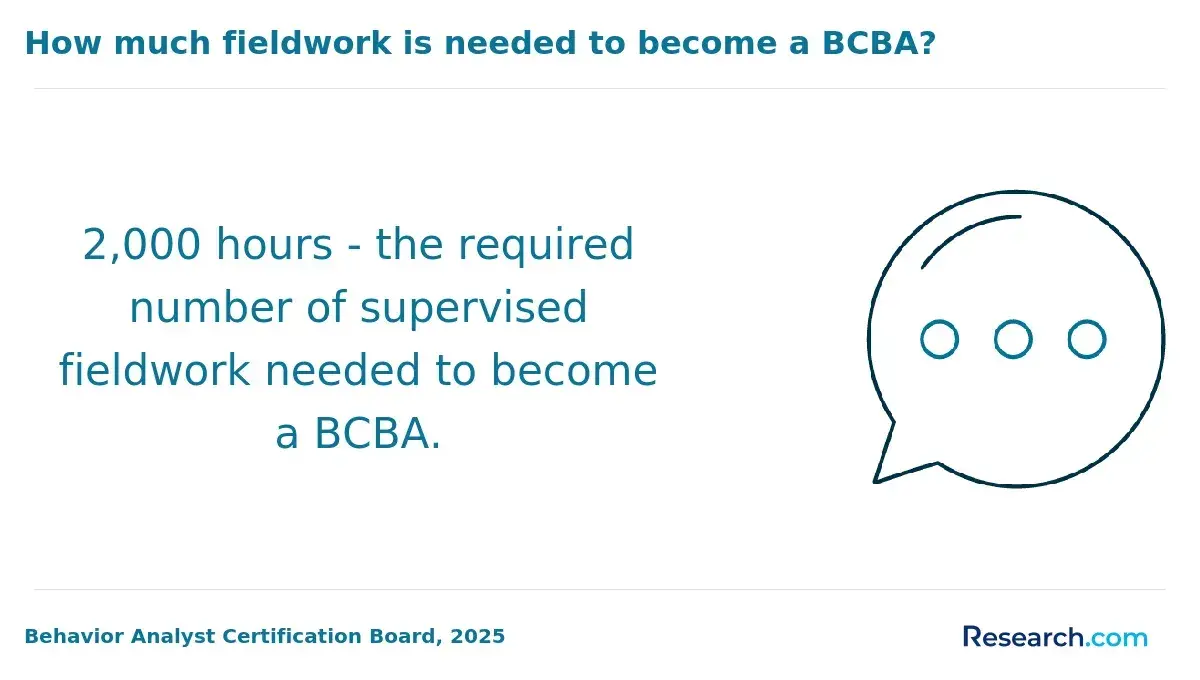
Costs for online BCBA certification vary significantly. Total fixed minimum expenses for first-time candidates, including certification fees and exams, can start around $420. Tuition ranges widely from $6,000 to $60,000 depending on program prestige and delivery format. Lower-cost options can be attractive, but candidates should confirm that the program supports BACB eligibility before enrolling.
Before choosing an online BCBA pathway, prospective students should ask:
- Does the program meet BACB coursework expectations for certification eligibility?
- Is supervision included, arranged separately, or entirely the student's responsibility?
- How does the program help students document fieldwork hours correctly?
- Are courses asynchronous, synchronous, or a mix of both?
- What exam-preparation support is included?
- What costs are not included in tuition, such as supervision, textbooks, application fees, or exam fees?
- Do graduates find BCBA-level roles in the regions or settings where the student wants to work?
Online programs can reduce commuting and scheduling barriers, but they require discipline. Students must manage deadlines, supervision meetings, work schedules, and exam preparation without the built-in structure of a campus environment. The best online option is not simply the cheapest or fastest one; it is the program that provides eligible coursework, reliable supervision planning, and a realistic path to passing the exam.
The average cost of BCBA programs typically ranges from $7,000 to $15,000 for accredited coursework and supervision. The final price depends on the institution, delivery format, whether supervision is included, and how many additional resources a student needs before taking the exam.
Some programs include practicum supervision in tuition, while others charge separately for supervised experience hours. Additional expenses such as exam fees, study materials, and application charges commonly add $1,000 to $2,000 to the total investment. For example, a traditional online program might cost approximately $10,000 to cover Behavior Analyst Certification Board (BACB) requirements, with an added $1,500 for individual supervision fees. Intensive boot camp-style programs can cost up to $15,000 but offer quicker completion and faster time-to-certification.
When comparing costs, candidates should separate required expenses from optional expenses:
- Required costs: Tuition, required coursework fees, supervision if not included, application fees, and exam fees.
- Likely additional costs: Study materials, exam review courses, tutoring, background checks, travel, technology, and unpaid time spent completing fieldwork or studying.
- Potential delay costs: Lost BCBA-level income, extended time in supervised roles, and possible retake expenses.
Financial planning is critical because the cheapest program may not be the best value if it offers weak supervision support or poor exam preparation. Conversely, a more expensive program may be worthwhile if it shortens the timeline, includes structured fieldwork, and helps students avoid retakes.
Candidates should consider employer tuition assistance, scholarships from professional organizations, and federal aid to reduce expenses. New BCBAs often recoup certification costs within 12 to 24 months through raises and higher salaries. Independent consultants may see a return on investment within a quarter due to higher hourly rates.
BCBA certified professionals in the United States typically earn between $60,000 and $85,000 annually. Actual compensation depends on experience, location, employer type, caseload complexity, supervisory duties, and whether the role is in a school, clinic, healthcare company, nonprofit, or private practice setting.
Entry-level BCBAs generally start near $60,000, especially in rural or less competitive areas. Experienced BCBAs in urban environments or specialized clinical settings may earn $85,000 or more. Candidates should treat salary ranges as planning estimates rather than guarantees, because local reimbursement rates, school district budgets, and employer demand can vary substantially.
Key salary factors include:
- Geographic location: States with higher living costs like California and New York tend to offer higher salaries.
- Work setting: Positions in school districts or nonprofit organizations often pay less than private clinics or healthcare companies.
- Experience level: BCBAs with stronger assessment, supervision, payer documentation, and leadership experience may qualify for higher-paying roles.
- Specialization: Advanced skills or supervisory roles can lead to premium salaries.
Delaying BCBA certification by one year can postpone entry into this salary range. It may also delay eligibility for supervisor, clinical lead, or program management roles that build long-term earning power. According to data from certifyndaba.com, pass rates for first-time BCBA exams dropped by 15 percentage points from 2020 to 51% in 2025, below the historical 55-65% average. This decline increases the importance of structured preparation and timely testing.
For students and graduates, certification timing should be part of salary planning. The earlier a candidate becomes eligible for BCBA-level roles, the earlier they can begin accumulating the experience that supports future raises, promotions, and specialized opportunities.
The job outlook for board certified behavior analysts (BCBAs) remains strong because healthcare, education, and social services continue to need professionals who can assess behavior, design intervention plans, supervise implementation, and measure outcomes. Demand is especially tied to services for individuals with developmental disabilities and autism spectrum disorder.
Most BCBA-level roles require active certification. That means delaying certification can keep candidates in assistant, technician, or supervised positions longer than planned. Early certification can improve access to openings in clinics, schools, home-based service organizations, healthcare companies, and supervisory roles.
Job opportunities vary by region and setting. Urban areas and states with robust developmental disability services tend to offer more openings and higher salaries. Rural areas may have fewer jobs, but some may include loan forgiveness or incentives. Candidates who are open to relocation, hybrid work, school-based roles, or underserved regions may find more options.
Long-term career planning should also include the cost of maintaining certification. A $215 BACB recertification fee is required every two years, along with 32 continuing education units, including ethics and supervision training. These courses can cost between $300 and $800. Entering the field earlier gives professionals more time to spread these recurring costs across a longer BCBA-level career.
For candidates close to eligibility, the job outlook generally supports moving forward rather than waiting without a clear reason. The main exception is when a candidate needs additional preparation to avoid an avoidable exam failure, correct fieldwork documentation problems, or choose a stronger program.
How to choose an accredited BCBA program?
To choose an accredited BCBA program, start by confirming that the program meets Behavior Analyst Certification Board (BACB) requirements for exam eligibility. Do not rely only on marketing language such as “ABA-focused” or “behavioral science concentration.” Ask the program directly how its coursework, supervision support, and graduate outcomes align with BCBA certification.
Use these criteria to compare programs:
- BACB alignment: Confirm that the coursework supports eligibility for the BCBA exam and aligns with the BACB's 5th Edition Task List, including ethics, measurement, assessment, skill acquisition, behavior reduction, and systems support.
- Supervised fieldwork structure: Evaluate how the program helps students complete around 1,500 hours of structured, supervised fieldwork. Strong programs offer clear documentation guidance, supervisor expectations, and practicum or placement support.
- Delivery format: Decide whether online, hybrid, or in-person study best fits your work schedule, location, and learning style. Programs offering remote or hybrid options can improve access in regions facing BCBA shortages and care deserts.
- Total cost: Review tuition, fees, supervision charges, textbooks, exam preparation, and financial aid. Costs range widely, with tuition from around $5,000 to over $20,000.
- Program length: Compare program durations between 1 and 3 years and decide whether the timeline supports your certification and income goals.
- Exam outcomes: Graduate outcomes are telling; programs with BCBA exam pass rates above 70% demonstrate effective preparation.
- Student support: Look for advising, mentorship, exam preparation, alumni access, and help resolving fieldwork or documentation issues.
Before enrolling, speak with admissions staff, current students, and alumni. Ask how long students usually take to finish, whether supervision is easy to secure, how responsive faculty are, and where graduates work after certification. A program that looks inexpensive upfront may become costly if it leads to delays, retakes, or unsupported fieldwork.
The best BCBA program is the one that meets certification requirements, fits your schedule and budget, supports supervised experience, and gives you a realistic path to passing the exam and entering the workforce without unnecessary delay.
Other Things You Should Know About Applied Behavior Analysis
Board Certified Behavior Analysts typically work in a variety of settings, including schools, hospitals, residential treatment centers, and private practices. Many also provide in-home services to clients with developmental disabilities or behavioral challenges. The flexibility of settings allows BCBAs to adapt their interventions to meet diverse client needs.
Continuing education is mandatory for BCBAs to maintain their certification. Engaging in ongoing training helps professionals stay current with best practices and emerging research in the field of Applied Behavior Analysis. This commitment enhances the quality of care provided and can also improve career advancement opportunities.
Yes, BCBAs work with a broad range of populations beyond children with autism, including individuals with developmental disabilities, mental health disorders, and behavioral challenges in schools or workplaces. Their expertise in behavior modification principles allows them to address diverse behavioral issues across age groups and conditions.
The Behavior Analyst Certification Board, or BACB, sets the requirements, exam rules, and certification standards for BCBA candidates in 2027. Its handbook governs eligibility, supervised fieldwork, the BCBA exam, and renewal requirements, so any delay must still meet BACB deadlines and current policy updates.
- Average BCBA Salaries https://www.besteveraba.com/blog/average-bcba-salaries
- How Long Does It Take to Become a BCBA? https://bluegemsaba.com/how-long-does-it-take-to-become-a-bcba/
- BCBA Job Outlook in 2025 Growing Demand and Opportunities https://www.connectncareaba.com/blog/bcba-job-outlook
- BCBA vs BCBA-D: Requirements, Exam, Cost, and ROI https://flashgenius.net/blog-article/bcba-vs-bcba-d-requirements-exam-cost-and-roi
- BCBA Job Outlook in 2026 Explained | Divine Steps ABA https://www.divinestepstherapy.com/blog/bcba-job-outlook
- 25+ Affordable ABA/BCBA Online Programs (Masters & Certs) https://abamastersprograms.org/affordable-online-aba-masters-programs/
- Littlechampsaba https://littlechampsaba.com
- BCBA Certification Costs https://emobehaviorlab.com/freebies/BCBA_Certification_Costs_2026_Guide.html
- BCBA Programs & Schools | Sunray ABA https://www.sunrayaba.com/post/bcba-programs-schools
- BCBA Job Outlook 2025 Shows Strong Growth and Demand https://blossomabatherapy.com/blog/bcba-job-outlook