2027 BCBA Career Guide for Social Work Professionals

Co-Founder and Chief Data Scientist
Social workers who are considering BCBA certification usually have a practical question: is this credential worth the time, cost, supervision hours, and career shift? Applied behavior analysis can open roles in schools, autism services, developmental disability programs, clinics, hospitals, community agencies, and private practice. It can also require a more technical, data-driven scope of work than many traditional social work positions.
This guide explains how social work graduates and licensed professionals can move toward Board Certified Behavior Analyst status without wasting time on the wrong coursework or an unsupported program. You will learn what BCBA certification means, how education and supervised fieldwork requirements work, how online and campus programs compare, what the exam involves, what costs to expect, and how to evaluate salary, licensing, and continuing education obligations before committing.
Key Things You Should Know
- Becoming a BCBA requires completing a master's degree in a related field, accruing 1,500 supervised hours, and passing the BACB certification exam, reflecting rigorous education and training standards.
- The U.S. Bureau of Labor Statistics projects a 10% growth rate for behavior analysts through 2031, driven by rising demand in autism spectrum disorder interventions and social services.
- Social work professionals with BCBA credentials can increase earning potential, with median salaries around $70,000 annually and expanded roles in clinical and educational settings.
What is a BCBA certification and why do social workers pursue it?
A Board Certified Behavior Analyst certification is a professional credential for practitioners who assess behavior, design behavior intervention plans, supervise behavior services, and use data to evaluate client progress. For social workers, the BCBA can be a strong fit when their career goals include measurable intervention outcomes, autism and developmental disability services, school-based behavioral support, or clinical leadership in applied behavior analysis programs.
The credential is not a replacement for social work training. It adds a specialized behavior-analytic framework to skills many social workers already use, including assessment, family engagement, case coordination, advocacy, ethical decision-making, and interdisciplinary collaboration. The major shift is that BCBA work depends heavily on observable behavior, environmental variables, data collection, treatment fidelity, and ongoing progress monitoring.
Demand is one reason social workers consider this path. Recent data indicates there were 65,300 unduplicated job postings for BCBAs, closely matching the 66,300 certificants recognized by the BACB. That balance suggests a large and active labor market, though opportunities still vary by state, employer type, funding source, and client population.
Social workers often pursue BCBA certification for several reasons:
- Specialized clinical practice: ABA training prepares professionals to develop interventions for clients with autism spectrum disorder, developmental disabilities, severe behavior concerns, and skill acquisition needs.
- Broader employment options: BCBAs work in schools, clinics, home-based programs, hospitals, residential services, early intervention, consulting, and private practice settings.
- Supervisory opportunities: Many BCBAs oversee registered behavior technicians, behavior interventionists, case teams, and treatment plan implementation.
- Data-based decision-making: The credential emphasizes measurable outcomes, which can strengthen treatment planning and program evaluation.
- Career mobility: Social workers who want to move from general case management into a more defined intervention specialty may find ABA a practical route.
The path usually requires graduate-level ABA coursework, supervised fieldwork, and a passing score on the BCBA exam. Social workers comparing programs should look for coursework that matches current BACB eligibility standards, clear supervision support, and transparent costs. Flexible options, including online ABA master's programs, may help working professionals meet requirements without leaving their current roles.
What are the education requirements to become a Board Certified Behavior Analyst?
To become a Board Certified Behavior Analyst, candidates must meet graduate education, behavior-analytic coursework, supervised fieldwork, and examination requirements. For social workers, the key first step is determining whether an existing graduate degree can be used or whether a new ABA-focused master's degree is needed.
Candidates must have at least a master's degree in behavior analysis, education, psychology, or a related field from an accredited institution. Social work may be treated as a related field depending on the current eligibility pathway and the candidate's specific academic record, so applicants should confirm requirements directly before enrolling in additional coursework.
The required coursework is graduate-level and must align with BACB expectations. It typically covers ethics, measurement, behavior assessment, intervention design, supervision, research methods, and experimental design. Many candidates complete a Verified Course Sequence (VCS) or a master's program built around BCBA eligibility requirements.
Education requirements generally include:
- A qualifying graduate degree: usually a master's degree or higher from an accredited institution.
- Graduate ABA coursework: courses in behavior principles, assessment, intervention, ethics, supervision, and research design.
- Supervised fieldwork: at least 1,500 hours of supervised practicum or fieldwork under a qualified supervisor, when that is the applicable pathway.
- Documentation: accurate records showing that coursework, supervision, and fieldwork meet BACB standards.
- BCBA exam eligibility: approval to sit for the certification exam after education and fieldwork requirements are verified.
Social workers with a qualifying master's degree may not need to complete a second full graduate degree, but many still need additional ABA coursework. This is where careful program selection matters. A short certificate can be efficient if the degree requirement is already satisfied, while a full master's program may be better for professionals who need a stronger ABA foundation or want a degree specifically in behavior analysis.
| Applicant background | Common next step | Decision point |
| MSW or related master's already completed | Complete missing ABA coursework and supervised fieldwork | Confirm that the degree and courses satisfy current BACB eligibility rules |
| Bachelor's degree only | Enroll in a qualifying master's program with ABA coursework | Choose a program that supports both coursework and supervision planning |
| Graduate degree in another field | Evaluate transcript, then add ABA coursework if eligible | Avoid assuming all related degrees automatically qualify |
BCBA professionals earn significantly more than social workers, with top earners in some states making upwards of $95,000 annually. Salary should not be the only reason to pursue the credential, but it can be an important factor when weighing tuition, supervision time, and career goals. Students comparing options can review BCBA schools to identify programs that fit their timeline, budget, and eligibility needs.
How does the BCBA exam work and what is the pass rate?
The BCBA exam is a computer-based certification test that evaluates whether candidates can apply behavior-analytic principles ethically and effectively. It is not simply a vocabulary test. Many questions require candidates to interpret scenarios, choose appropriate assessments, evaluate data, identify ethical issues, or select intervention procedures based on client needs.
The exam consists of 150 multiple-choice questions. Of these, 135 are scored and 15 are unscored pretest items. Candidates have four hours to complete the test. Content includes ethical considerations, behavior assessment, intervention techniques, data analysis, supervision, measurement, and practical application of behavior-analytic concepts. The exam has been described as aligning with the BACB's Fourth Edition Task List, but candidates should always verify the current exam content outline before preparing because certification requirements can change.
The overall BCBA exam pass rate statistics in the United States for first-time test takers typically range from 60 to 65%. That range shows that the exam is manageable for well-prepared candidates but difficult enough that coursework alone may not be sufficient.
Strong preparation usually includes:
- Early review: do not wait until fieldwork is complete to begin revisiting concepts from earlier courses.
- Task-list mapping: organize study time around the exam content areas rather than rereading notes randomly.
- Practice questions: use exam-style questions to build speed, endurance, and applied reasoning.
- Ethics practice: study ethical decision-making in context, not just definitions.
- Data interpretation: practice reading graphs, identifying trends, and selecting treatment decisions based on evidence.
- Fieldwork integration: connect study topics to real cases observed during supervised experience.
Program quality can affect readiness. Candidates who complete structured, verified coursework and receive strong supervision often have a clearer path than those who try to piece together requirements without advising. Study groups and formal review courses can help, but they should supplement—not replace—solid coursework and supervised practice.
Demand for BCBAs is also expanding. Job postings in 2023 increased 9.2 times compared to 2017, driven by rising autism diagnoses and mandated ABA services, according to BACB data cited by bhbusiness.com. For candidates who want a stronger academic foundation before testing, comparing accredited BCBA master's programs can help identify programs with the coursework, advising, and supervision guidance needed to prepare effectively.
The main difference between online and campus-based BCBA programs is how students complete coursework, interact with faculty, and secure supervised fieldwork. Both formats can prepare students for certification if they meet current requirements. The better choice depends on work schedule, location, learning style, access to supervisors, and the amount of structure a student needs.
| Factor | Online BCBA programs | Campus-based BCBA programs |
| Schedule | Often more flexible, with asynchronous or evening coursework | More fixed class times and in-person attendance expectations |
| Best for | Working professionals, rural students, and those who cannot relocate | Students who want regular face-to-face instruction and campus resources |
| Faculty interaction | Virtual meetings, discussion boards, video feedback, and online office hours | In-person feedback, live discussion, and closer daily contact |
| Fieldwork support | May require students to arrange local supervision independently | May offer affiliated clinics, school partnerships, or local practicum sites |
| Cost considerations | Can reduce commuting or relocation costs, though tuition varies | May include campus fees, commuting, housing, or relocation expenses |
Online BCBA programs are often attractive to social workers because they allow students to keep working while completing coursework. They can be especially useful for professionals outside major metro areas or for those already employed in a setting where supervised ABA experience may be arranged. The risk is that online students may receive less hands-on help finding a qualified supervisor, so the fieldwork plan must be confirmed before enrollment.
Campus-based programs offer more immediate access to faculty, peers, labs, clinics, and structured practice opportunities. They may be easier for students who learn best through live discussion, role-play, observation, and direct coaching. A campus program can also be valuable in regions with strong school, clinic, or hospital partnerships.
Before choosing either format, ask these questions:
- Does the coursework meet current BCBA eligibility requirements?
- Who helps students plan supervised fieldwork?
- Are local supervisors available where I live or work?
- What percentage of students complete the program on time?
- How does the program support exam preparation?
- What are the total costs, including tuition, fees, supervision, books, and travel?
Students in states like California, Texas, or Florida—where BCBA demand is projected to grow—may find campus options helpful because of local clinical networks. Students in areas with fewer programs may prefer online study to avoid relocation. Prospective students can compare flexible ABA therapy programs to evaluate delivery format, fieldwork support, and cost.
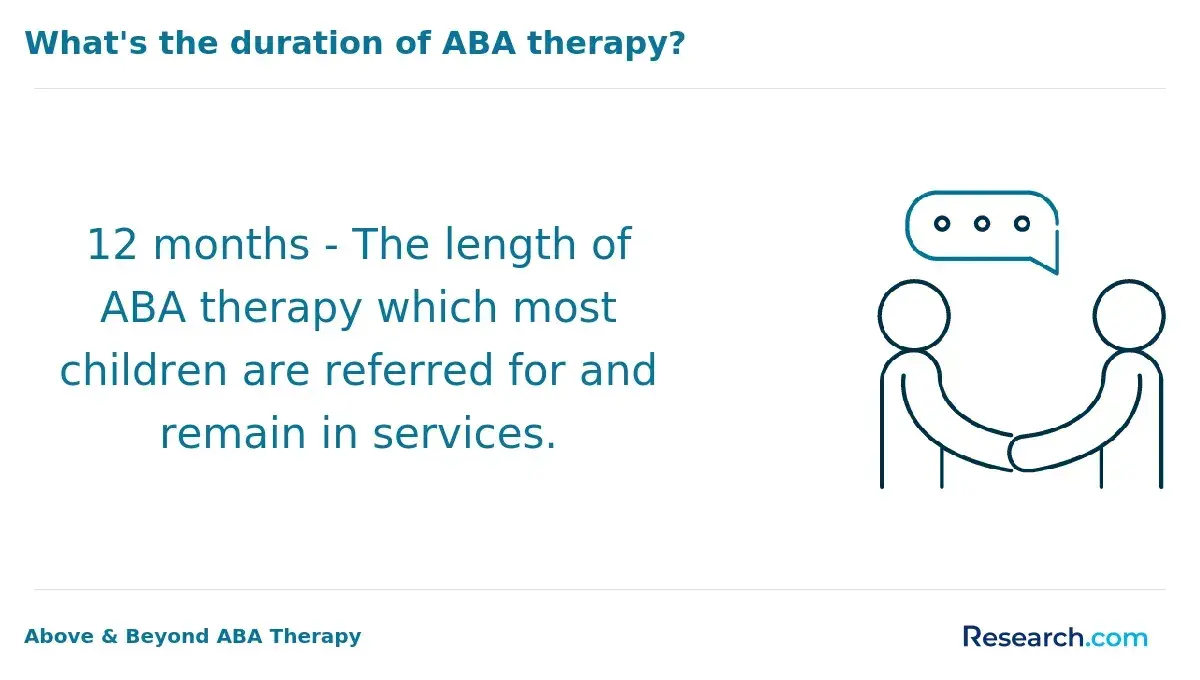
Completing the BCBA pathway generally takes 1.5 to 3 years, depending on prior education, whether the student enrolls full time or part time, how quickly supervised fieldwork is completed, and whether any coursework gaps must be filled. Social workers who already hold a qualifying master's degree may move faster than students who still need to complete a full graduate program.
The timeline has two major parts: coursework and supervised fieldwork. Some students complete both at the same time, while others finish coursework first and then continue accumulating supervised hours. Coordinating these requirements early can prevent delays.
| Pathway | Typical timeline | Who it may fit |
| Full-time graduate program | About two years | Students who can reduce work hours and prioritize school |
| Part-time or online program | Closer to three years | Working social workers balancing employment, family, and fieldwork |
| Post-master's coursework route | Varies by coursework gaps and fieldwork pace | Professionals who already hold a qualifying graduate degree |
The supervised experience requirement can be the biggest scheduling challenge. The coursework involves about 1,500 hours of supervised fieldwork combined with graduate-level classes covering behavioral principles, ethics, and assessment methods. Those hours must occur under a qualified BCBA supervisor and must be documented correctly.
Common causes of delay include:
- starting coursework before confirming that it meets current requirements;
- waiting too long to identify a qualified supervisor;
- working in a setting that does not provide enough eligible ABA activities;
- underestimating weekly time demands for data collection, meetings, and documentation;
- needing to retake courses or correct incomplete supervision records.
For social workers considering this path, the timeline should be weighed against labor-market opportunity. BCBA job growth is projected at 22% by 2029, far exceeding the 6% growth expected for social work roles. A flexible online master's in applied behavior analysis may help working professionals complete coursework efficiently, but only if it also supports a realistic fieldwork plan.
BCBA certification costs typically range from $1,500 to $3,000 for the full credentialing process, excluding the possibility of higher graduate tuition when a full master's degree is required. Candidates should separate certification-related costs from degree costs so they understand the true investment.
Common expenses include the BCBA exam fee, currently $245, coursework fees, application processing, certification maintenance, continuing education, books, study materials, background checks if required by fieldwork sites, and possible supervision costs. Verified course sequences through universities may cost around $1,000, while BACB-approved professional programs often exceed $2,000. Supervised fieldwork is usually unpaid or low-paid, which can create an opportunity cost for working professionals.
| Cost category | What to check before enrolling |
| Coursework or degree tuition | Whether the program is a certificate, master's degree, or post-master's sequence |
| Supervision | Whether supervision is included, employer-provided, or paid separately |
| Exam and application fees | Current BACB fee schedule and retake costs if needed |
| Study materials | Practice exams, review courses, textbooks, and flashcards |
| Ongoing credential maintenance | Continuing education and renewal expenses every cycle |
Financial aid options can reduce out-of-pocket costs, especially when coursework is part of an eligible degree program. Candidates should investigate funding before committing, because some aid cannot be applied retroactively.
- Employer tuition reimbursement: social service agencies, school districts, autism service providers, and healthcare organizations may pay part of tuition in exchange for continued employment.
- Federal financial aid: FAFSA may apply to eligible degree programs, including some graduate programs with behavior analysis coursework.
- Scholarships and grants: professional associations, universities, and behavior analysis organizations may offer limited awards.
- Payment plans: some universities and course providers allow students to spread payments across terms.
- Assistantships or paid fieldwork: some students reduce costs by working in ABA settings that provide supervision while paying wages.
- Loan forgiveness programs: health and human services professionals serving underserved communities may qualify for certain programs, depending on employer, role, and location.
With the robust BCBA growth rate estimated between 8 and 22 percent through 2030, exceeding national averages, the investment can be financially rewarding. Still, candidates should calculate total cost, lost work time, supervision availability, and likely salary in their region before enrolling.
The job outlook for Board Certified Behavior Analysts is strong across healthcare, education, autism services, social services, and private practice. Demand is shaped by insurance coverage for ABA services, school district needs, autism service expansion, developmental disability programs, and shortages of qualified supervisors.
Salary varies widely by location, experience, caseload, funding model, and work setting. Urban BCBAs typically earn between $70,000 and $100,000 annually, reflecting higher living costs and concentrated demand. Rural BCBAs might expect $55,000 to $75,000 but may face less competition and have broader responsibilities earlier in their careers.
| Setting | Career advantages | Potential trade-offs |
| Schools | Stable schedule, interdisciplinary teams, direct impact on student behavior plans | Salary may be tied to district pay scales and academic calendars |
| ABA clinics | High demand, structured supervision teams, frequent work with autism services | Caseload intensity and productivity expectations can be high |
| Home and community services | Real-world intervention settings and family collaboration | Travel, scheduling complexity, and variable work environments |
| Hospitals or healthcare systems | Complex cases and multidisciplinary care | May require specialized experience and stricter compliance requirements |
| Private practice or consulting | Higher income potential and autonomy | Business, billing, liability, and referral responsibilities |
Key factors affecting salary and opportunity include:
- Location: urban centers may offer more positions and higher salaries but also more competition and higher living costs.
- Experience: entry-level BCBAs often start lower, while supervisors, clinical directors, and specialized consultants can earn more.
- Population served: autism services, severe behavior programs, school consultation, and adult disability services may have different pay structures.
- Supervisory responsibility: BCBAs who supervise teams or manage programs often earn more than those in primarily direct-service roles.
- Licensure rules: state requirements can affect where and how a BCBA may practice.
Rural areas can be a strategic option for new BCBAs because provider shortages may create faster entry into responsible roles and broader client exposure. Urban positions may offer higher compensation, stronger professional networks, and more specialized teams. The best choice depends on whether the candidate values salary, mentorship, autonomy, caseload diversity, or long-term advancement most.
Several U.S. universities offer BCBA-focused programs for working professionals through online, hybrid, or flexible formats. Notable institutions include Arizona State University, University of Cincinnati, Florida Institute of Technology, and Endicott College. These programs are commonly considered by students who need graduate-level ABA coursework while maintaining employment.
Because eligibility rules can change, applicants should verify the current status of any program directly with the institution and the appropriate credentialing or course-sequence authority before enrolling. A program being well known is not enough. Students should confirm that its coursework, supervision guidance, and degree structure match their intended BCBA pathway.
Program durations typically range from 12 to 24 months with part-time options common, allowing students to balance education with full-time employment. Many programs use asynchronous coursework, evening classes, or hybrid delivery. Practicum or fieldwork requirements may be completed through local supervision, employer partnerships, or structured university support.
- Arizona State University: offers online BCBA coursework and practicum options for students seeking flexible study.
- University of Cincinnati: offers a fully online model with employer-friendly scheduling and practicum arrangements tailored to active professionals.
- Florida Institute of Technology: offers a hybrid format with local supervision flexibility.
- Endicott College: offers a part-time online program focused on applied behavior analysis theory and practice.
Working professionals should compare programs using practical criteria:
- Does the program fit my current degree status?
- Can I complete coursework without leaving my job?
- Will the school help me identify qualified supervision?
- Are courses asynchronous, synchronous, or hybrid?
- What is the total tuition and fee structure?
- Does the program provide exam preparation support?
- Can graduates sit for the BCBA exam after meeting all other requirements?
Demand for BCBA professionals is strong, rising 14% from 2022 to 2023 with a projected 22% growth through 2029. Choosing a program aligned with current eligibility standards, supervision access, and career goals can improve the return on that educational investment.
What are the licensing and continuing education requirements after BCBA certification?
After earning BCBA certification, professionals must keep the credential active and comply with any state licensing rules that apply where they practice. Certification and state licensure are related but not always the same. A BCBA credential may be required for employment, while a separate state license may be required to legally provide behavior analytic services in some jurisdictions.
The Behavior Analyst Certification Board requires a recertification cycle every two years. During that period, certificants must complete at least 32 continuing education units, including a minimum of 4 hours dedicated to ethics. CEUs may come from approved workshops, conferences, seminars, university coursework, or other accepted professional development activities.
Continuing education should not be treated as a last-minute administrative task. BCBAs should use CEUs to stay current on ethics, supervision, assent and consent, cultural responsiveness, severe behavior treatment, data-based decision-making, and changes in professional standards.
State licensure regulations vary widely. Some states require a separate behavior analyst license. Others may rely on BCBA certification, exempt certain school-based roles, or regulate practice through different professional boards. Requirements may include additional applications, fees, background checks, jurisprudence exams, supervision documentation, or renewal training. Professionals should verify rules with the state board where they practice and not assume that certification alone is sufficient.
Good compliance habits include:
- tracking CEUs throughout the two-year cycle;
- keeping certificates, agendas, transcripts, and proof of attendance;
- documenting ethics CEUs separately;
- monitoring state licensure renewal deadlines;
- confirming telehealth and cross-state practice rules before serving clients in another jurisdiction;
- updating employers and insurers when certification or licensure status changes.
Audits on continuing education records are common, so organized documentation can help prevent delays, suspension, or credential problems. The demand for ABA-related roles is rapidly growing, with BCBA-related jobs increasing 58% between 2023 and 2024. That growth creates opportunity, but it also makes ongoing competence, ethical practice, and licensing compliance essential for long-term career stability.
Other Things You Should Know About Applied Behavior Analysis
BCBAs commonly work in diverse settings including schools, clinics, hospitals, residential facilities, and home-based environments. Many also provide services in community centers or private practices, tailoring interventions to meet the needs of individuals with developmental disabilities, autism spectrum disorder, or behavioral challenges. The setting often depends on the population served and the BCBA's specialty area.
Yes, social workers trained in applied behavior analysis often combine ABA techniques with other evidence-based therapeutic approaches like cognitive-behavioral therapy or family counseling. Integrating these methods allows for a more holistic treatment plan that addresses both behavioral and psychosocial factors. This multidisciplinary approach enhances client outcomes by utilizing diverse strategies within the social work framework.
After BCBA certification, ongoing supervision is not mandatory but highly recommended, especially early in one's career. BCBAs must complete continuing education hours and adhere to ethical guidelines, which sometimes include supervision or peer consultation. Maintaining quality service delivery and professional development is essential for effective practice.
BCBA practice is governed by the Behavior Analyst Certification Board’s Ethics Code for Behavior Analysts. It requires informed consent, competence, client dignity, data-based decisions, and strict boundaries around dual relationships. Social work professionals must also follow their state licensure rules and any employer or agency policies.
- What Is A Board Certified Behavioral Analyst (BCBA)? https://www.psychology.org/resources/bcba-meaning-career-overview/
- Library: Centre for Career and Personal Development Degree Profiles: Faculty of Social Work https://libguides.ucalgary.ca/guides/CCPD/degree-profiles/socialwork
- What Jobs Can a BCBA Do - What are the Roles? https://www.biermanautism.com/resources/blog/what-jobs-can-a-bcba-do/
- What Is a BCBA? All You Need to Know | Inclusive ABA https://www.inclusiveaba.com/blog/what-is-a-bcba
- 25+ Affordable ABA/BCBA Online Programs (Masters & Certs) https://abamastersprograms.org/affordable-online-aba-masters-programs/
- Achieve Professional Excellence: Obtaining BCBA Licensure | Brighter Strides ABA https://www.brighterstridesaba.com/blog/bcba-licensure/
- Guide to Careers in Social Work https://www.onlinemswprograms.com/careers/
- BCBA Exam Pass Rates by School | 2024 BACB Data https://www.appliedbehavioranalysisedu.org/bcba-exam-pass-rate-by-school/
- How to Pass the BCBA Exam: Tips & Preparation https://www.crossrivertherapy.com/behavioral-analysts/pass-exam
- Online https://online.uc.edu