2027 How to Start a Career in Applied Behavior Analysis

Co-Founder and Chief Data Scientist
Starting a career in applied behavior analysis (ABA) means planning around credentials, supervised experience, and state rules—not just choosing a psychology or education degree. Demand is strong: job postings for Board Certified Behavior Analysts (BCBAs) increased by a striking 58% from 2023 to 2024, reflecting rapid expansion in healthcare and education. For students and career changers, that growth creates opportunity, but it also makes program choice, exam preparation, and fieldwork planning more important.
This guide explains the education path for ABA careers, how BCBA certification works, which entry-level roles can help you qualify, what skills employers value, and how salary, licensing, supervised fieldwork, and career advancement fit together. Use it as a practical roadmap for comparing programs, avoiding credentialing mistakes, and deciding whether ABA aligns with your long-term professional goals.
Key things you should know about starting an ABA career
- Graduate-level coursework builds foundational ABA knowledge and practical techniques, equipping students to design and implement evidence-based behavioral interventions.
- Supervised fieldwork provides hands-on experience under qualified BCBAs, essential for applying theory in clinical, school, and home settings.
- BCBA certification demonstrates professional competence and expertise, preparing practitioners for advanced roles in assessment, therapy, and program supervision.
What educational path do I need to start a career in applied behavior analysis?
Most ABA careers begin with undergraduate study in psychology, education, special education, human services, or a closely related field. A bachelor’s degree can qualify you for entry-level support roles, but it usually is not enough for independent behavior analyst practice. Students who want to become BCBAs typically continue into a graduate program that includes behavior-analytic coursework, research training, ethics, assessment, intervention design, and supervised practice preparation.
The best educational path depends on your current degree level and your career target. If you are just starting college, choose a major that builds a strong foundation in learning, behavior, development, and data analysis. If you already have a bachelor’s degree, focus on whether your master’s or certificate pathway satisfies current BACB eligibility expectations and supports supervised fieldwork.
- Bachelor’s degree in psychology or education: This is a common starting point because it introduces learning theory, human development, research methods, and classroom or clinical applications.
- Master’s degree in ABA: A graduate ABA program is the standard route for students seeking BCBA certification and more advanced clinical, supervisory, or consulting roles.
- Online degree programs: Flexible BCBA degree online options can help working students complete required coursework, but you should confirm how the program supports fieldwork and exam preparation.
- Certificate programs in ABA: A certificate may be useful for students who already hold a graduate degree and need focused ABA coursework for certification eligibility.
- Research and statistics courses: ABA depends on measurement, progress monitoring, and data-based decisions, so coursework in research design and statistics strengthens professional readiness.
- Practicum preparation: Programs that help students connect with supervised placements can reduce delays in completing fieldwork requirements.
Before enrolling, compare programs against three practical questions: Will the coursework align with your certification goal? Can you access qualified supervision? Will the program format fit your work schedule, finances, and state requirements?
How do I become a board‑certified behavior analyst (BCBA)?
Becoming a BCBA requires more than completing a degree. The credential signals that you have met graduate education, supervised fieldwork, examination, and ethics requirements for professional behavior-analytic practice. Because certification rules and state licensure rules can change, candidates should verify requirements directly with the BACB and the state where they plan to work before choosing a program or supervisor.
The typical BCBA pathway includes these major steps:
- Complete graduate education: Candidates need a master’s or doctoral degree that satisfies BACB eligibility requirements. The program should include behavior-analytic coursework, ethics, assessment, intervention, measurement, and supervision content.
- Complete supervised fieldwork: Students must complete a specified number of hours under a qualified BCBA supervisor. The quality of supervision matters; strong supervision includes observation, feedback, documentation review, ethical decision-making, and exposure to different client needs.
- Prepare for the BCBA examination: The exam tests knowledge of behavioral principles, assessment, intervention design, data interpretation, ethics, and professional practice. Exam preparation should begin before graduation, not after fieldwork is complete.
- Submit the application: Candidates submit transcripts, supervised experience documentation, and application fees to the BACB. Incomplete logs or mismatched documentation can delay approval.
- Maintain certification: BCBAs must complete continuing education, including ethics-related training, to keep the credential active and remain current with professional standards.
A common mistake is treating certification as a final paperwork step. In reality, your choices during graduate school—course sequencing, supervisor selection, fieldwork setting, and documentation habits—determine how smoothly you can qualify for the exam.
What entry-level jobs exist in applied behavior analysis and how can I qualify for them?
Entry-level ABA jobs are the bridge between classroom learning and professional practice. These roles help students build direct-service skills, learn how treatment plans are implemented, and accumulate experience that can support later certification goals. They also help you decide whether you prefer school-based work, clinic-based therapy, home services, research, or program operations.
Employers commonly look for dependability, comfort working with children or adults with behavioral needs, accurate data collection, communication skills, and willingness to follow a treatment plan under supervision. Some roles require a specific credential, while others may provide training after hire.
- Behavior Technician/Registered Behavior Technician (RBT): Provides direct services to clients under BCBA supervision. The RBT credential and related training are commonly expected for direct ABA therapy roles.
- ABA Therapy Assistant: Supports clinical programs in schools, homes, or clinics while learning how intervention plans are implemented and adjusted.
- Clinical Support Staff: Helps with session preparation, data collection, progress tracking, documentation, and coordination within treatment centers.
- Educational Paraprofessional: Works in classrooms and assists with behavior support plans, often under the direction of teachers, special education teams, and behavior specialists.
- Research Assistant: Supports behavior analysis studies and learns assessment procedures, observation methods, data coding, and basic analysis.
- Program Coordinator Trainee: Assists with scheduling, records, family communication, authorization tracking, and service logistics for ABA organizations.
To qualify, build a resume that shows relevant coursework, experience with children or individuals with disabilities, data collection ability, and reliability in structured service settings. If your goal is BCBA certification, prioritize roles that offer consistent qualified supervision and clear documentation procedures.
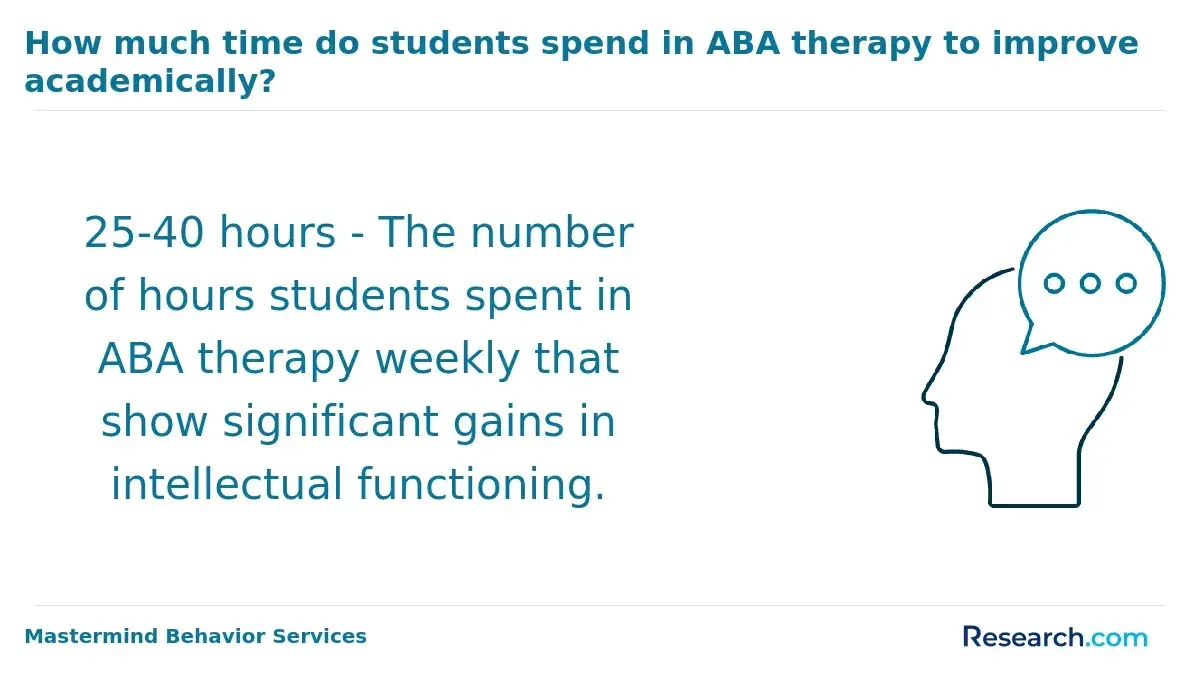
ABA professionals need both technical precision and strong human skills. The work involves collecting data, identifying behavior patterns, designing interventions, coaching caregivers or staff, and making changes when progress stalls. A strong practitioner can explain complex behavior plans in plain language while staying grounded in evidence and ethics.
The following competencies are especially important:
- Analytical skills: ABA decisions are based on data. Professionals must interpret behavior patterns, recognize whether an intervention is working, and avoid relying only on impressions.
- Communication skills: Practitioners explain goals, procedures, and progress to families, teachers, clients, and interdisciplinary teams. Clear communication improves consistency and trust.
- Problem-solving skills: Behavior plans often need revision. Successful ABA professionals can identify barriers, adjust procedures, and match strategies to the individual rather than applying one method to everyone.
- Ethical reasoning: ABA work can affect vulnerable clients. Professionals must prioritize client dignity, informed consent, confidentiality, cultural responsiveness, and appropriate scope of practice.
- Organizational skills: Accurate records, treatment notes, graphs, supervision logs, and progress reports are essential for quality care, compliance, and continuity.
Students can strengthen these skills through direct-service roles, research experience, supervised practicum, mock treatment planning, and feedback from experienced clinicians. The most employable candidates are not only knowledgeable; they are coachable, careful with documentation, and consistent in professional judgment.
Pay in applied behavior analysis varies by credential, role, location, employer type, experience, and whether the work is school-based, clinic-based, home-based, telehealth-supported, or supervisory. Certification generally improves earning potential because it qualifies professionals for higher-responsibility roles such as assessment, treatment design, supervision, and program management. Students comparing programs should weigh tuition and time investment against realistic career outcomes for their region.
Common salary examples include:
- Registered Behavior Technician (RBT): Entry-level practitioners earn approximately $40,000 annually.
- Board-Certified Behavior Analyst (BCBA): Median salaries are around $76,000 per year, depending on region and experience.
- Senior BCBA or Program Supervisor: Experienced professionals can earn $90,000 to $110,000 annually.
- School-based ABA Specialist: Salaries vary widely, typically ranging from $50,000 to $70,000 depending on district funding.
- Private clinic ABA Therapist: Compensation may include bonuses or higher rates for specialized programs.
Urban centers often offer higher pay but come with higher living costs. Benefits also matter. When comparing offers, look beyond base salary and review supervision support, caseload size, billable-hour expectations, paid documentation time, mileage reimbursement, continuing education support, health benefits, and promotion pathways.
If you are considering a BCBA degree, use salary information as one part of the decision—not the only factor. The right program should also help you meet credentialing requirements, prepare for the exam, and build supervised experience in settings aligned with your career goals.
Licensing requirements for ABA depend on where you plan to practice. BCBA certification is a widely recognized professional credential, but some states also require behavior analysts to hold a state license, register with a board, or meet additional documentation and continuing education requirements. That means a program that prepares you for national certification may still need to be evaluated against state-specific rules.
Key licensing and credentialing considerations include:
- BACB-approved coursework: Students should confirm that their coursework satisfies current BACB certification requirements before enrolling or changing programs.
- Supervised experience hours: Candidates must complete a set number of hours under a qualified BCBA supervisor before applying for certification.
- State licensure requirements: Some states require additional credentials or registration beyond national certification. Requirements may affect job eligibility, title use, insurance billing, and independent practice.
- Continuing education: Maintaining licensure and certification requires ongoing ethics and professional development training.
- Credential verification: Verification of transcripts and supervised experience is required during the BCBA application process.
Before committing to a master’s program, check three sources: the BACB requirements, the state licensing board where you intend to work, and the program’s credentialing disclosures. If you may move states, ask whether graduates have successfully obtained licensure in multiple jurisdictions.
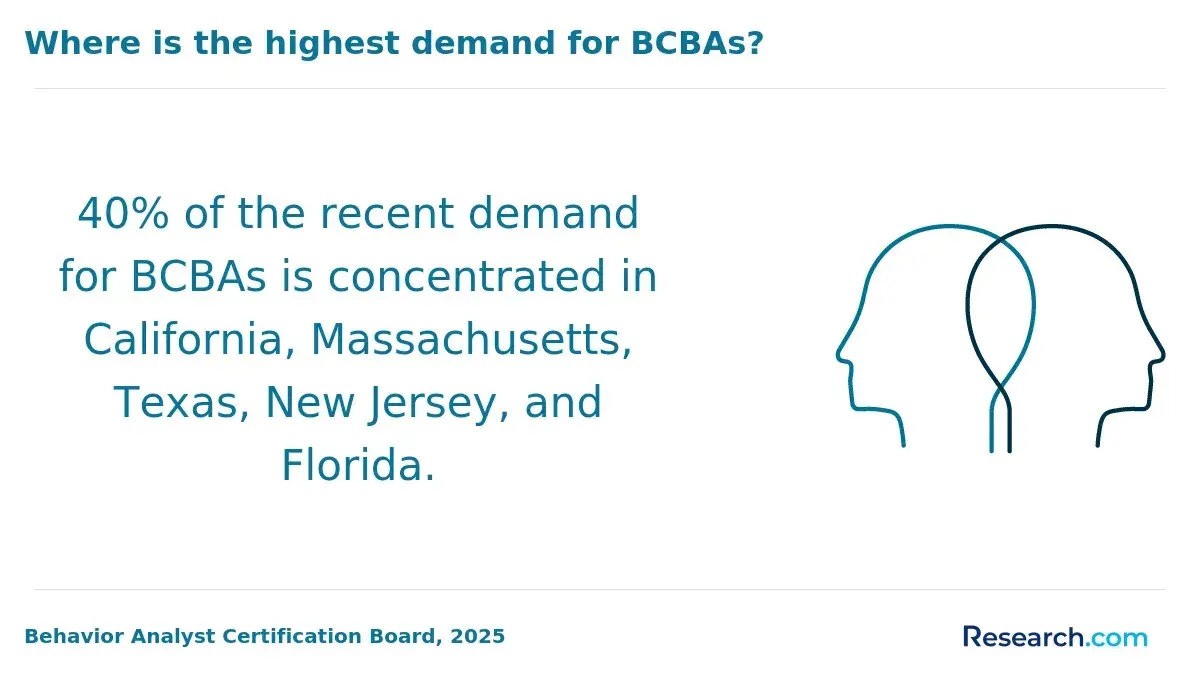
The right ABA master’s program should do more than deliver coursework. It should help you meet certification requirements, prepare for supervised practice, understand ethical responsibilities, and build competence with real client needs. Program format matters, but convenience should not outweigh credential alignment, fieldwork access, faculty quality, and total cost.
Students comparing campus-based and online masters ABA programs should evaluate the same core factors:
- BACB-approved curriculum: Confirm that the coursework meets Behavior Analyst Certification Board requirements and matches your intended certification timeline.
- Faculty experience: Instructors with BCBA certification and applied practice experience can provide stronger mentorship, case examples, and professional guidance.
- Practicum and internship opportunities: Programs that help students locate or coordinate supervised fieldwork can make certification planning more manageable.
- Program reputation: Accredited and well-regarded programs may support stronger networking, employer recognition, and career mobility.
- Cost and financial aid: Compare tuition, fees, books, exam preparation costs, fieldwork-related expenses, and available funding before enrolling.
Ask admissions offices direct questions: Does the program publish exam pass support resources? How are online students supported in finding supervision? Are faculty active in ABA practice or research? What happens if a student cannot secure fieldwork locally? Clear answers are a sign of a program that understands professional preparation, not just enrollment.
ABA career advancement usually follows a progression from direct service to assessment, supervision, program leadership, consulting, or research. Early roles build implementation skills; BCBA-level roles add responsibility for treatment design, supervision, ethical oversight, and outcome evaluation. Long-term advancement depends on clinical judgment, leadership ability, documentation quality, and experience with complex cases.
Common advancement pathways include:
- Senior BCBA: Experienced BCBAs may oversee treatment programs, supervise staff, review clinical documentation, and manage multiple clients or service teams.
- Program Director: Leads clinical operations, staff training, quality assurance, service development, and organizational compliance in ABA settings.
- Clinical Supervisor: Mentors junior BCBAs, RBTs, and trainees while ensuring ethical practice, treatment fidelity, and strong client outcomes.
- University or Research Roles: Experienced BCBAs may pursue academic positions, contribute to behavioral research, teach future practitioners, or support grant-funded projects.
Professionals who want to advance should seek varied experience across age groups, settings, and presenting concerns. Leadership roles often require more than clinical skill; they also demand staff coaching, conflict resolution, compliance awareness, and the ability to translate data into operational decisions.
Supervised fieldwork is one of the most important parts of ABA preparation because it turns coursework into professional skill. It is also one of the most common sources of delay for aspiring BCBAs. Students need qualified supervision, appropriate client-facing or behavior-analytic activities, accurate logs, and regular feedback that aligns with BACB expectations.
Practical ways to gain supervised ABA fieldwork experience include:
- University-affiliated practicum: Many master’s programs coordinate supervised placements in clinical, school, or community settings.
- Registered Behavior Technician (RBT) positions: Working as an RBT allows students to accumulate supervised hours while providing direct therapy under BCBA oversight.
- Clinical internships in autism centers: These placements can provide experience with assessment, intervention implementation, data review, and family or caregiver support.
- School-based fieldwork: Collaborating with special education programs offers exposure to classroom-based ABA interventions, behavior support plans, and multidisciplinary teams.
- Home-based therapy programs: Fieldwork in family homes allows practice with individualized intervention plans and caregiver collaboration.
- Volunteer opportunities: Nonprofit organizations or research projects may provide supervised experience hours when supervision and activities meet applicable requirements.
- Documentation and logging: Maintaining accurate records of hours and activities ensures compliance with BACB requirements.
When evaluating a fieldwork opportunity, ask who will supervise you, how often supervision occurs, what activities count toward requirements, how documentation is reviewed, and whether you will receive feedback on assessment, treatment planning, ethics, and data interpretation. A paid role is useful, but poor supervision can slow your path to certification.
What are the trends for careers in applied behavior analysis?
ABA careers are expanding as healthcare organizations, schools, clinics, and families seek evidence-based behavioral support. Growth is especially visible in autism services, school-based behavior intervention, behavioral health, and remote or hybrid service models. For students, the trend is positive, but it also raises the bar: employers increasingly expect strong data skills, ethical judgment, documentation accuracy, and readiness to work across settings.
Current trends shaping ABA careers include:
- Growing job market: Employment for BCBAs is projected to increase significantly over the next decade due to rising demand in healthcare and education.
- Expansion of telehealth services: Remote ABA therapy has increased access to clients and created flexible job opportunities.
- Specialization in autism treatment: Demand for professionals trained in autism-focused interventions continues to rise.
- Integration in school programs: ABA techniques are increasingly implemented in educational settings to support individualized learning.
- Online ABA education programs: Growth of accredited online programs enables more students to pursue certification through masters in ABA online programs while working.
- Higher emphasis on data-driven practice: Employers value professionals who can analyze and report behavioral data effectively.
Students preparing for the field should build adaptable skills: direct service experience, comfort with technology-supported care, strong supervision habits, and the ability to explain data to non-specialists. The strongest career outlook belongs to professionals who combine certification readiness with ethical practice, measurable outcomes, and clear communication with families, schools, and clinical teams.
Other things you should know about starting an ABA career
In 2027, obtaining a BCBA certification typically requires at least a master's degree in behavior analysis or a related field, followed by 1,500 to 2,000 hours of supervised practical experience. The entire process usually takes between two to four years, depending on the program and individual pace.
Most behavior technician jobs require a high school diploma or equivalent, while many employers prefer candidates with a bachelor’s degree in psychology, education, or a related field. RBT certification through the Behavior Analyst Certification Board also requires a 40-hour training course, competency assessment, and background check.
- Behavior Analyst Certification Board. (2025). Become a BCBA®. https://www.bacb.com/bcba/
- Data USA. (2025). Applied Behavior Analysis (ABA) Professionals. https://datausa.io/profile/soc/behavior-analysts
- Salary.com. (2024). BCBA Salary. https://www.salary.com/research/salary/benchmark/board-certified-behavior-analyst-bcba-salary
- U.S. Bureau of Labor Statistics. (2024). Occupational Outlook Handbook: Behavior Analysts. https://www.bls.gov/ooh/community-and-social-service/behavior-analysts.htm
- Zippia. (2025). BCBA Jobs and Career Growth. https://www.zippia.com/bcba-jobs/
- ZipRecruiter. (2025). Registered Behavior Technician Salary. https://www.ziprecruiter.com/Salaries/Registered-Behavior-Technician-Salary