2027 How to Find Employers That Support BCBA Fieldwork Hours

Co-Founder and Chief Data Scientist
Choosing where to earn BCBA fieldwork hours is one of the most important practical decisions on the path to certification. The right employer can provide qualified supervision, appropriate client experience, reliable documentation, and sometimes paid work while you complete required hours. The wrong placement can create delays, rejected hours, unclear expectations, or financial pressure.
This guide is for students, career changers, and graduate learners who need supervised applied behavior analysis experience but are not sure which employers support BCBA fieldwork requirements. It explains what fieldwork hours are, why employer supervision matters, where to search, what qualifications to verify, which industries commonly offer opportunities, and what to ask before accepting a role.
Use this as a decision checklist: confirm the supervisor’s credentials, understand the type of hours you will earn, ask how documentation is handled, and compare whether the position supports both certification eligibility and long-term career growth.
Key Things You Should Know
- Most employers supporting BCBA fieldwork hours in 2026 require candidates to meet specific supervision and documentation standards aligned with BACB guidelines, ensuring quality training and compliance.
- Data from 2024 show that healthcare providers and school districts account for over 60% of BCBA fieldwork opportunities, reflecting strong demand in clinical and educational settings.
- Networking through professional associations and targeted job platforms increases access to verified employers offering paid or unpaid BCBA fieldwork placements, crucial for meeting certification requirements.
What Are BCBA Fieldwork Hours?
BCBA fieldwork hours are supervised practical experience hours that candidates complete before becoming eligible to sit for the Board Certified Behavior Analyst exam. During fieldwork, candidates apply behavior-analytic concepts in real settings, receive feedback from a qualified supervisor, and learn how to assess behavior, design interventions, monitor data, and make ethical clinical decisions.
The Behavior Analyst Certification Board requires between 1,500 and 2,000 hours depending on the supervision model used. The total is not just a time requirement; the experience must be supervised, documented, and aligned with BACB standards. Hours that are poorly tracked or supervised by an ineligible professional may not count.
Common BCBA fieldwork pathways include:
- Supervised fieldwork: A standard route that generally requires the higher total hour count and ongoing oversight from a qualified supervisor.
- Concentrated supervised fieldwork: A more supervision-intensive route that can require about 1,500 hours when all BACB conditions are met.
- Practicum or program-connected fieldwork: A placement tied to graduate coursework, academic oversight, or university partnerships, depending on the program structure.
Strong employers do more than let candidates log time. They provide structured supervision, appropriate client cases, regular observation, feedback, and documentation systems that match BACB expectations. This matters because fieldwork is where candidates learn how to move from coursework to competent practice.
Students should speak with academic advisors, program fieldwork coordinators, and practicing BCBAs before accepting a placement. Candidates comparing graduate options may also want to review online BCBA masters programs that include or help arrange supervised fieldwork. As US demand grows by 14% annually, candidates who secure compliant, well-supervised experience can avoid delays and enter the field with stronger preparation.
Why Do Employers Need to Supervise BCBA Fieldwork?
Employers supervise BCBA fieldwork because certification depends on more than completing a set number of hours. Candidates must demonstrate that they can apply behavior-analytic procedures ethically, safely, and effectively with real clients. Employer supervision helps ensure that fieldwork is meaningful, properly documented, and consistent with Behavior Analyst Certification Board expectations.
According to the BACB Fieldwork Standards 2022-2027, only 60% of BCBA candidates pass fieldwork requirements on their first attempt, largely due to supervision compliance issues. That makes employer quality a practical certification risk. A placement may look attractive because it offers many hours, but those hours are useful only if the supervision, activities, and records meet the required standards.
Effective employer supervision usually includes:
- direct observation of the trainee’s work;
- regular feedback on assessment, intervention, and data-based decision-making;
- review of behavior plans, progress data, and ethical concerns;
- clear documentation of supervised and independent activities;
- consistent communication about whether the candidate is meeting performance expectations.
Employers also have responsibilities to clients, families, schools, and healthcare partners. Supervision helps protect vulnerable populations by making sure trainees are not practicing beyond their competence. It also supports the organization’s quality standards by developing future BCBAs who already understand its systems, population, and clinical expectations.
For candidates, the benefits of employer support for bcba fieldwork supervision are practical: fewer documentation problems, better feedback, stronger professional references, and clearer career pathways. Before enrolling in or transferring programs, students can compare the best BCBA programs to understand how coursework and supervised experience fit together.
How Can You Find Employers Supporting BCBA Fieldwork?
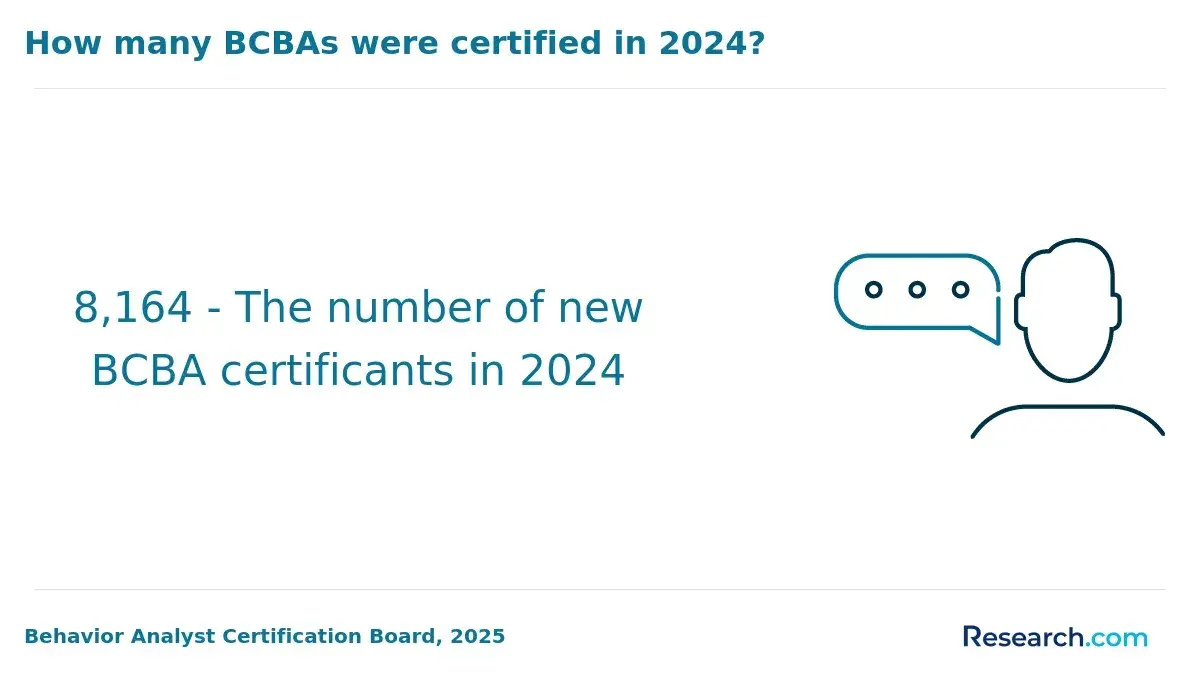
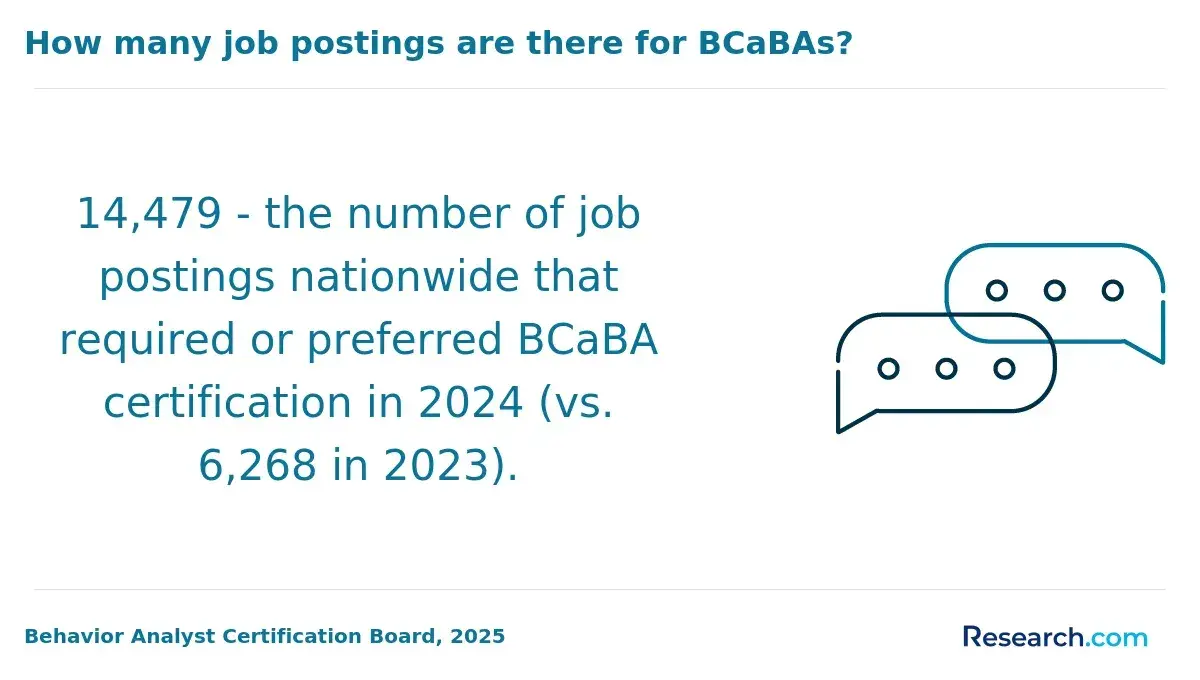
The most efficient way to find employers supporting BCBA fieldwork is to search for organizations that explicitly mention supervised fieldwork, BCBA supervision, trainee programs, or certification support in their job postings. A 28% increase in BCBA job postings requiring supervised fieldwork from 2023 to 2025 shows that more employers are building these opportunities into hiring pipelines.
Start with targeted searches instead of broad entry-level job applications. Look for job titles and phrases such as behavior technician, RBT, student analyst, BCBA trainee, fieldwork student, supervised fieldwork, unrestricted hours, and paid supervision. Then verify the details directly with the employer before assuming the role qualifies.
Useful search channels include:
- ABA provider websites: Large clinics and regional providers often list trainee pathways, supervision benefits, and internal promotion tracks.
- University networks: Faculty, fieldwork coordinators, and academic advisors may maintain lists of employers that have successfully supervised past students.
- Professional associations and local ABA groups: Chapter events, workshops, and networking meetings can connect candidates with supervisors before positions are advertised.
- Specialized job boards: Behavior analysis job boards and BACB-related career resources can help narrow postings to roles that mention supervision.
- Direct outreach: Contact clinics, school districts, residential programs, and early intervention agencies to ask whether they accept fieldwork students.
When reviewing employers, do not stop at “we provide supervision.” Ask who provides it, whether the supervisor meets BACB requirements, how often meetings occur, what kinds of activities count toward your hours, and how the organization tracks documentation. Candidates should also ask whether there are enough unrestricted activities, not only direct implementation tasks.
Networking with practicing BCBAs can reveal opportunities that are not advertised. Conferences, continuing education events, university panels, and local ABA meetups are especially useful because they allow candidates to evaluate the supervisor’s approach before applying.
Prospective students pursuing a masters degree in applied behavior analysis should make fieldwork planning part of the program selection process. A fast or flexible program is less useful if the student cannot secure compliant supervised experience on time.
An employer is eligible to support BCBA fieldwork only if the supervision is provided by qualified professionals who meet Behavior Analyst Certification Board® requirements. The organization itself may be a clinic, school, healthcare provider, nonprofit, agency, or private practice, but the key issue is whether the assigned supervisor is properly credentialed and able to oversee fieldwork according to BACB rules.
In general, candidates should verify that the supervisor:
- holds an active BCBA certification in good standing;
- has completed required supervision training;
- has relevant experience in applied behavior analysis;
- can provide direct observation, feedback, and documentation;
- understands state licensure or practice requirements that may apply in the work setting.
Qualified employers for BCBA fieldwork supervision commonly include ABA clinics, pediatric therapy centers, healthcare facilities, public and private schools, early intervention providers, residential treatment centers, and human services agencies. These settings can qualify when they employ or contract with BCBAs who can verify and oversee the candidate’s fieldwork.
A school district, for example, may be an appropriate fieldwork setting if a qualified BCBA supervises the trainee and the activities meet BACB requirements. A general healthcare provider without a qualified behavior analyst may offer relevant work experience but would not automatically provide approved BCBA supervision.
The Lightcast 2026 Behavior Analyst Demand Report highlights that BCBAs with employer-supported fieldwork earn a median starting salary 15% higher than those completing hours independently. Candidates seeking paid or career-connected fieldwork should therefore evaluate both compliance and professional value. A placement that offers structured mentorship, varied cases, and reliable records can be more valuable than a role that simply allows hour accumulation.
Students comparing academic pathways can explore accredited ABA programs and ask each program how it helps students identify qualified fieldwork employers.
BCBA fieldwork opportunities are most common in industries that already deliver behavior-analytic, developmental, educational, or behavioral health services. The best setting depends on the client population you want to serve, the type of supervision available, and whether the role gives you a balance of direct service, assessment, planning, data review, and professional collaboration.
Common industries include:
- ABA clinics and outpatient therapy providers: These employers often serve children with autism spectrum disorder and developmental disabilities. They may offer structured supervision, frequent observation, and a clear path from technician roles to BCBA positions.
- Healthcare and pediatric service organizations: Pediatric centers, behavioral health providers, and residential treatment facilities can expose candidates to multidisciplinary teams and complex clinical needs.
- Public and private schools: School-based roles may involve behavior support plans, classroom consultation, special education collaboration, and skill-building within educational environments.
- Early intervention programs: These settings often focus on young children, family coaching, natural environment teaching, and developmental support.
- Human services and nonprofit agencies: Organizations serving individuals with developmental or intellectual disabilities may provide community-based experience, adaptive skill training, and support across home or residential environments.
- Residential and community programs: These roles can offer exposure to daily living skills, severe behavior support, staff training, and long-term service planning.
Each industry has trade-offs. Clinics may offer more ABA-specific supervision but can involve high caseload pressure. Schools may provide stable schedules and team collaboration, but supervision quality depends on whether a qualified BCBA is available. Residential and community agencies may offer diverse experience, but candidates must confirm that activities and oversight meet BACB standards.
Employer investment in BCBA fieldwork can also benefit organizations. Research shows a 250% return on investment within two years post-certification. That return can come from stronger retention, internal promotion, reduced recruitment costs, and a more prepared clinical workforce.
BCBA fieldwork requirements include supervised applied behavior analysis experience completed under a qualified BCBA supervisor. Candidates generally need a minimum of 1,500 hours of supervised experience, with total requirements varying by supervision pathway. Some routes require up to 2,000 hours, depending on the supervision model and BACB criteria in effect for the candidate.
Fieldwork should include activities that build competence as a future behavior analyst, not only routine service delivery. Appropriate experience may involve direct client work, data collection, behavior assessment, intervention planning, caregiver or staff training, literature review related to cases, progress monitoring, and consultation under supervision.
Candidates should pay close attention to three categories of requirements:
- Hour totals: Confirm whether your pathway requires 1,500 or 2,000 hours and whether your weekly schedule can realistically support completion.
- Supervision structure: Supervision standards include regular meetings, observation, performance feedback, and review of fieldwork activities. Some programs describe expectations as at least two hours of supervision weekly, with one hour being individual one-on-one sessions, but candidates should verify the current BACB rules that apply to their eligibility pathway.
- Documentation: Every hour should be recorded accurately, reviewed consistently, and supported by supervisor verification.
Group supervision can be useful for discussion, case review, and peer learning, but it cannot replace all individual oversight. Candidates should understand how the employer separates individual supervision, group supervision, direct observation, restricted activities, and unrestricted activities in its tracking system.
According to the PMC Survey of ABA Field 2024, organizations offering formal BCBA fieldwork supervision retain 78% of trainees as full-time BCBAs, compared to a 45% average across the industry. This suggests that structured fieldwork programs can support both certification progress and long-term hiring outcomes.
Before starting, ask for the employer’s fieldwork process in writing. A strong employer should be able to explain who supervises you, how hours are logged, how often records are reviewed, what happens if a supervisor leaves, and how the organization helps candidates avoid documentation errors.
Online BCBA programs typically arrange fieldwork in one of three ways: they connect students with partner employers, help students identify qualified local sites, or require students to secure their own placement with program guidance. Because online learners may live far from the university, fieldwork planning should begin before enrollment, not after coursework starts.
Common fieldwork arrangements include schools, clinics, home-based ABA services, early intervention providers, and community agencies. The student may work for the employer while completing supervised hours, or the placement may be structured as a practicum, internship, or trainee role. In every case, the site supervisor must meet BACB supervision requirements.
Students in online programs should ask admissions or fieldwork staff:
- whether the program has employer partnerships in the student’s state or region;
- whether the program helps verify supervisor eligibility;
- how students outside major metro areas usually complete hours;
- whether fieldwork support is included or limited to general advising;
- what happens if a placement falls through mid-program.
Some online programs use internal platforms or networks to connect students with employers seeking BCBA trainees. These systems can be helpful, but availability depends heavily on location. Students in rural areas or states with fewer ABA providers may need more time to secure a compliant placement.
To improve fieldwork prospects, students should:
- verify that the employer meets BACB supervision requirements before accepting the role;
- use program resources early rather than waiting until the first fieldwork deadline;
- consider high-opportunity regions like California or Texas if relocation is realistic;
- ask whether remote supervision models are available and appropriate for the setting;
- keep backup placement options in case staffing or supervisor availability changes.
Geographic location strongly influences access to fieldwork. According to BACB Employment Demand 2025, California and Texas account for 42% of national postings and have employer-sponsored opportunities at twice the national rate. Students in less populous states often need to be more proactive, especially when seeking paid fieldwork or a supervisor with availability.
Before accepting a BCBA fieldwork position, ask direct questions about supervision, hour tracking, client experience, compensation, and what happens if requirements are not being met. A placement should be evaluated like both a job and a certification pathway.
Start with supervisor qualifications. Confirm that your clinical supervisor is a Board Certified Behavior Analyst and ask whether the supervisor is in good standing, has completed required supervision training, and has experience supervising trainees. You should also ask how many supervision hours per week will be provided and how supervision is scheduled.
Important questions include:
- Who will supervise me? Ask for the supervisor’s credential, role, availability, and backup plan if they leave the organization.
- What types of hours will I earn? Clarify how the employer supports both restricted and unrestricted activities.
- How will my hours be documented? Ask whether the employer uses an electronic system, manual logs, or both, and how often records are reviewed.
- What client populations will I serve? Ask about ages, diagnoses, settings, and case complexity.
- Will I receive direct observation and feedback? Supervision should involve more than signatures on a log.
- Is the position paid? Clarify hourly wages, stipends, benefits, productivity expectations, and unpaid training requirements.
- What professional development is included? Ask about team meetings, case reviews, workshops, internal trainings, and exam preparation support.
- What happens if my hours are not meeting BACB expectations? A quality employer should have a correction process, not leave the issue to the candidate alone.
Ask about the types of cases and client populations you will encounter. Experience with autism-related cases can be especially relevant, as demand for BCBA-supervised autism services increased significantly, with over 15,000 fieldwork-eligible positions projected. Employers with active autism service programs often provide hands-on exposure to assessment, treatment planning, parent training, and progress monitoring.
Finally, pay attention to how the employer answers. Clear, specific answers suggest an established fieldwork process. Vague answers such as “we will figure it out later” or “all our hours count” are warning signs. Your goal is to choose a placement that supports certification, protects clients, and helps you become a competent behavior analyst.
Board Certified Behavior Analysts in the U.S. typically start with salaries between $60,000 and $75,000 annually after completing fieldwork and earning certification. Actual earnings depend on location, employer type, caseload expectations, setting, experience, and whether the role includes supervisory or program-management responsibilities.
Employer setting can affect compensation. School districts may offer more predictable schedules and public-sector benefits, while private clinics or corporate healthcare organizations may offer higher salary potential tied to demand, caseloads, or leadership opportunities. The gap between settings is changing as educational systems invest more in behavioral support.
Paid fieldwork opportunities are expanding, with 35% of large ABA clinics and 22% of school districts offering paid BCBA fieldwork, up from only 12% two years earlier. For candidates, paid fieldwork can reduce financial pressure while building experience. It can also create a direct path to a full-time BCBA role after certification.
Many employers provide incremental salary increases after internship completion and certification. Average BCBA salaries rise to around $80,000-$95,000 within two years post-certification. Candidates who complete structured employer-supported fieldwork may be better positioned for raises because the employer has already observed their clinical skills, documentation habits, and professional judgment.
When comparing offers, look beyond salary alone. Consider supervision quality, billable-hour expectations, benefits, paid time off, continuing education support, caseload size, travel requirements, and promotion pathways. A slightly lower starting salary may be worthwhile if the employer provides stronger mentorship and a sustainable workload.
Review industry data at the ABA Resource Center Workforce Report to stay informed on salary trends and workplace opportunities.
What Is the Job Outlook for BCBAs Post-Certification?
The job outlook for BCBAs remains closely tied to demand for behavioral health, autism services, school-based supports, early intervention, and developmental disability services. Employers increasingly prefer candidates who can show not only that they completed hours, but that they completed high-quality, well-documented, employer-supported fieldwork.
By 2027, 65% of BCBA roles are expected to require documented unrestricted fieldwork, which currently makes up over 60% of total fieldwork hours. This points to a stronger emphasis on activities that develop analytical, supervisory, assessment, planning, and consultation skills rather than only direct implementation experience.
Post-certification prospects are generally stronger for candidates who can demonstrate:
- experience across more than one client or setting type;
- competence with assessment, intervention design, and data-based decision-making;
- reliable documentation and ethical practice habits;
- experience with unrestricted fieldwork activities;
- strong supervisor references;
- readiness to supervise staff or collaborate with interdisciplinary teams.
Employer-supported fieldwork can improve competitiveness because it shows that the candidate trained within real service systems and received ongoing professional feedback. Hospitals, school districts, specialized ABA providers, and larger healthcare organizations may place particular value on structured fieldwork completed under qualified supervision.
BCBA candidates should focus on placements that build marketable skills, not just completed hours. Strong fieldwork can lead to full-time offers, better references, faster advancement, and more confidence when moving into independent professional responsibilities after certification.
Other Things You Should Know About Applied Behavior Analysis
Yes, remote ABA work can count if the supervision, client contact, and unrestricted tasks meet BACB fieldwork standards. The BACB requires fieldwork to include documented supervision, and many employers use weekly virtual supervision meetings with signed logs to verify hours for 2027 eligibility.
Employers should provide signed fieldwork verification forms, detailing the number of hours completed, the tasks performed, and confirmation that supervision met BACB standards. This documentation is critical for submission when applying for the BCBA certification exam in 2027.
BCBAs must adhere to the BACB's Professional and Ethical Compliance Code, which emphasizes client welfare, informed consent, confidentiality, and avoidance of dual relationships. Ethical practice includes delivering interventions based on scientific evidence and consistently monitoring client progress. These standards protect both clients and practitioners and uphold the integrity of applied behavior analysis services.
- Remote BCBA Supervision With All Unrestricted Hours | Nationwide BCBA Fieldwork | Applied Behavior Analysts https://www.appliedbehavioranalysts.com/
- How to Track BCBA Fieldwork Hours | ABA Resource Center https://www.abaresourcecenter.com/post/how-to-track-bcba-fieldwork-hours
- How to Get BCBA Supervision Hours: A Complete Guide https://www.passagehealth.com/blog/how-to-get-bcba-supervision-hours
- Weachieveaba https://weachieveaba.com
- How to Become a BCBA Supervisor - Online ABA Programs https://onlineabaprograms.org/career-pathways/bcba-supervisor/
- How Long Does It Take to Get 1500 Hours for BCBA? | Blue Jay https://www.bluejayaba.com/blog/how-long-does-it-take-to-get-1500-hours
- BCBA Fieldwork: Is Remote Supervision Right for You? https://hoomhouse.com/blog/bcba-fieldwork-is-remote-supervision-right-for-you
- Is BCBA Certification Worth It? Expert Analysis | Level Ahead https://www.levelaheadaba.com/blog/is-bcba-certification-worth-it
- BCBA and ABA Salaries by State https://www.appliedbehavioranalysisedu.org/salaries/
- BCBA Fellowship - Field Work Hours | Helping Hands Family https://hhfamily.com/jobs/bcba-fellowship-field-work-hours/