2027 What to Ask Alumni Before Choosing a BCBA Program

Co-Founder and Chief Data Scientist
Choosing a BCBA program is not just a degree decision. It affects whether you qualify for certification, how quickly you can complete supervised fieldwork, how prepared you feel for the exam, and how confidently you enter behavior-analytic practice. The hardest part is that program websites often describe similar features—online flexibility, BACB-aligned coursework, faculty support, and career preparation—without showing what students actually experience.
Alumni can help you test those claims. Graduates can tell you whether supervision was easy to secure, whether faculty feedback was timely, whether exam preparation matched the BCBA test, and whether career support continued after graduation. This guide explains what to ask alumni before enrolling so you can compare BCBA programs with more confidence and avoid common problems such as hidden costs, delayed fieldwork hours, weak mentorship, or poor exam preparation.
Key Things You Should Know
- Alumni insights on program accreditation and fieldwork opportunities help gauge the quality and practical experience crucial for BCBA certification success, which has a national pass rate of about 50-60% in recent years.
- Evaluating alumni career outcomes reveals how well programs prepare students for diverse roles; nearly 70% of graduates report employment within six months of certification.
- Discuss program support and mentorship with alumni to understand access to resources and networking, essential factors linked to higher board exam pass rates and job placement.
What does a Board Certified Behavior Analyst do in their daily work?
A Board Certified Behavior Analyst, or BCBA, uses applied behavior analysis to assess behavior, design intervention plans, monitor progress, and help clients build useful skills. The work is highly data-driven. BCBAs do not simply recommend strategies; they collect information, identify patterns, test interventions, and adjust plans based on measurable outcomes.
Daily responsibilities vary by setting. A BCBA in a school may support students, teachers, and families. A BCBA in a clinic may supervise behavior technicians and review treatment data. A BCBA working in homes or community settings may coach caregivers and coordinate with other professionals. Across settings, the role requires clinical judgment, ethical decision-making, documentation, and clear communication with people who may not have a behavior analysis background.
Common BCBA responsibilities include:
- Conducting direct observations and functional behavior assessments to understand why behaviors occur.
- Collecting, graphing, and interpreting behavior data to evaluate client progress.
- Developing individualized behavior intervention plans based on assessment results.
- Training parents, caregivers, teachers, staff, or technicians to use intervention strategies consistently.
- Supervising implementation and correcting procedures when plans are not being followed accurately.
- Updating treatment plans when data show that an intervention is not working or a client’s needs change.
- Documenting services, protecting confidentiality, and following ethical standards established by the Behavior Analyst Certification Board.
The BCBA exam is intended to confirm that candidates understand both the science and professional responsibilities of the field. In fact, 54% of first-time candidates passed recently, producing 8,164 new certificants from 9,911 test-takers. That pass rate makes program quality important: coursework, supervision, and exam preparation can materially affect readiness.
If you are comparing training options, start by reviewing online BCBA college programs, then ask alumni whether their program prepared them for the actual work of assessment, supervision, treatment planning, and ethical practice—not just for completing assignments.
What are the education requirements to become a BCBA?
To become a BCBA, candidates must complete graduate-level education that satisfies Behavior Analyst Certification Board requirements. This generally means earning a master’s degree or higher in behavior analysis, psychology, education, or a related discipline and completing coursework that covers core areas such as ethics, measurement, research methods, behavior assessment, intervention, and supervision.
Coursework alone is not enough. Candidates must also complete supervised fieldwork. The requirement can be met through 1,500 hours of supervised independent fieldwork or 1,000 hours of concentrated fieldwork. Because fieldwork is often the part that creates delays, prospective students should ask whether the program helps students secure placements, match with qualified supervisors, and document hours correctly.
Exam outcomes also differ significantly by institution. For example, the University of Dayton's online master's in Applied Behavior Analysis had a 29% first-time BCBA exam pass rate, while the University of Kansas's online Applied Behavioral Science M.A. program reached a 93% pass rate. A pass rate does not tell the whole story, but it is a useful warning signal when combined with alumni feedback about teaching quality, exam review, and supervision.
Ask alumni these questions before enrolling:
- Did the program clearly explain the education requirements to become a certified BCBA?
- Was the verified course sequence or BACB-aligned coursework easy to identify before admission?
- Were fieldwork requirements integrated into the program, or did students have to arrange them separately?
- Were supervisors available, qualified, and responsive?
- Did the program provide exam preparation beyond regular coursework?
- Did students understand how to document hours and avoid eligibility problems?
Program quality can influence certification readiness, job options, and long-term compensation. When comparing schools, review both curriculum and outcomes, including how graduates describe workload, supervision, exam preparation, and BCBA salary expectations after certification.
How long does it take to complete a BCBA-accredited degree program?
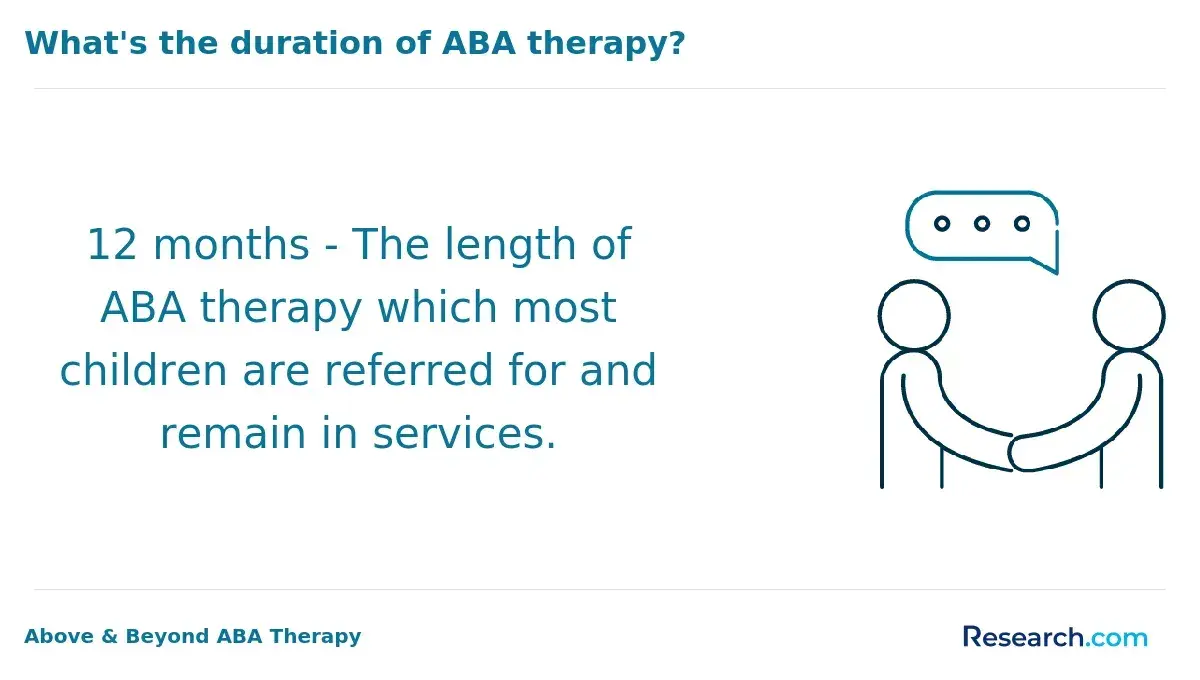
Most students complete a BCBA-accredited or BACB-aligned graduate degree program in 1.5 to 3 years. Full-time students often finish the academic portion in about two years, while part-time students, working professionals, and students who need more time to complete supervised fieldwork may take closer to three years.
The degree timeline depends on more than the number of credits. Course sequencing, start dates, practicum availability, supervisor access, and fieldwork documentation can all affect completion. A program that looks fast on paper may take longer if required courses are offered only once per year or if students struggle to find approved supervision.
Common factors that affect completion time include:
- Enrollment status: Full-time study is usually faster, but part-time study may be more realistic for working students.
- Program format: Online programs may offer more scheduling flexibility, while campus programs may follow stricter semester calendars.
- Fieldwork access: BCBA certification requires at least 1,500 hours of supervised fieldwork, and delays in placement can extend the timeline.
- Course availability: Cohort-based programs can be efficient, but missing or withdrawing from a course may delay graduation.
- Workload: Students balancing employment, family responsibilities, and fieldwork may need a slower pace to avoid burnout.
Students who need flexibility should compare scheduling models carefully. Some online BCBA master's programs are designed for working adults, but flexibility varies widely by school. Ask whether lectures are asynchronous, whether live sessions are required, and whether fieldwork support is available in your state or region.
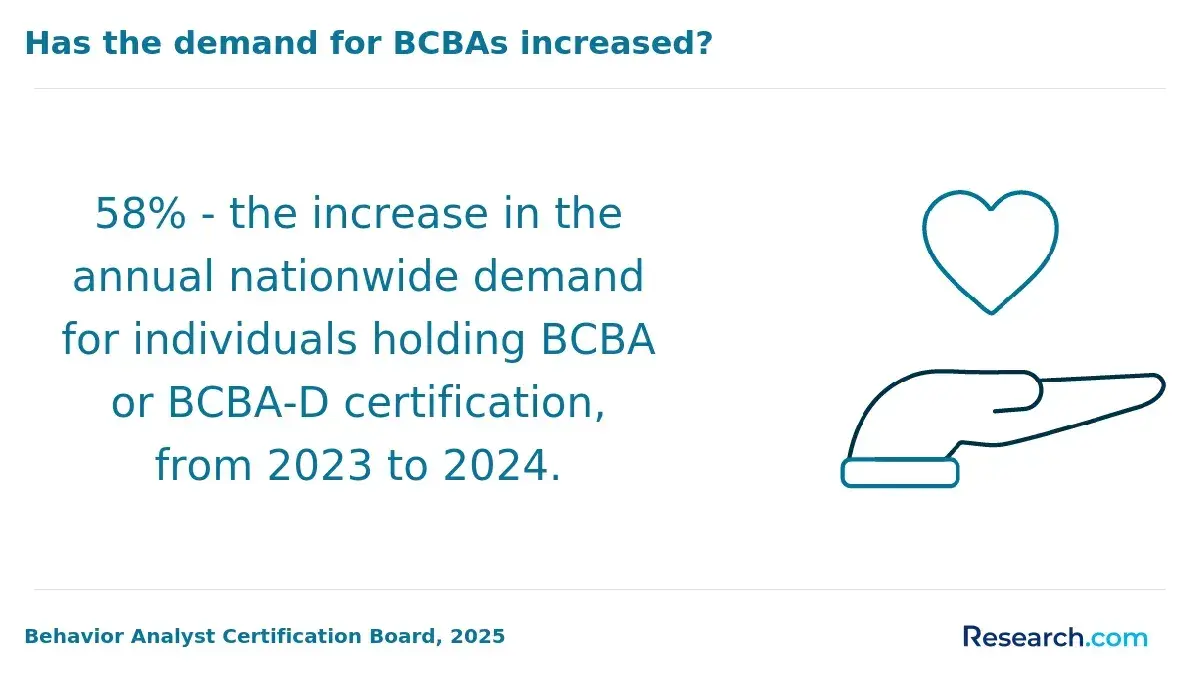
The BCBA certificant population increased 10% year-over-year, from 74,125 to 81,566, signaling strong demand for qualified professionals. However, faster is not always better. A shorter program is valuable only if it still provides strong supervision, clear certification guidance, and adequate exam preparation.
Useful alumni questions include:
- How long did it actually take you to complete coursework and fieldwork?
- Were there delays because of course availability, practicum access, or supervision challenges?
- Did the advertised timeline match your real experience?
- Could working students keep up with the pace?
- Did the program help you move from graduation to certification efficiently?
The main difference between online and campus-based BCBA programs is how students access instruction, faculty support, peer interaction, and fieldwork resources. Both formats can prepare students for certification if the coursework, supervision, and exam support are strong. The better choice depends on your schedule, learning style, location, and access to supervised experience.
Online BCBA programs are often best for students who are working, raising families, or unable to relocate. Asynchronous coursework can make it easier to study around a job, but students must be self-directed and comfortable communicating through learning platforms, email, video meetings, and online discussion boards. The biggest risk is isolation: if faculty feedback is slow or fieldwork support is limited, students may struggle to stay on track.
Campus-based BCBA programs provide more structured in-person learning. Students may benefit from direct faculty access, stronger peer relationships, campus clinics, labs, or local placement networks. The trade-off is less scheduling flexibility. Fixed class times and commuting requirements can be difficult for working professionals or students who do not live near a program.
When comparing online and campus formats, ask alumni about:
- How easy it was to communicate with instructors and receive timely feedback.
- Whether online students received the same attention and support as campus students.
- How the program arranged or supported practicum placements and supervision.
- Whether the format helped or hurt exam preparation.
- How students built professional networks with faculty, peers, alumni, and employers.
- Whether technology platforms were reliable and easy to use.
First-time BCBA candidates increased slightly to 9,955 from 9,911, with total candidates tested reaching 23,151, showing consistent demand for certification. Because more students are pursuing the credential, choosing the right format matters. A convenient program that offers weak supervision or limited feedback may cost more in the long run if it delays certification or requires extra exam preparation.
To compare flexible program options, review ABA master's programs and use alumni interviews to verify whether each program’s learning experience matches your needs.
BCBA degree programs generally cost between $15,000 and $25,000 for tuition, though total costs vary by institution, format, location, and whether supervision is included. Online programs are often more affordable, while in-person or university-affiliated options can exceed $30,000 once fees and materials are included.
Tuition is only one part of the cost. Students may also pay for textbooks, technology fees, background checks, liability insurance, supervision fees, exam application expenses, and exam preparation materials. Some students also lose income if they reduce work hours to complete fieldwork or attend required live sessions.
Before applying, ask the program and alumni to clarify:
- Does tuition cover all required coursework for certification eligibility?
- Are supervised fieldwork hours included, or do students pay separately for supervision?
- Are there additional fees for practicum placement, technology, textbooks, or graduation?
- Does the program include exam preparation, or do students usually buy outside prep courses?
- Are scholarships, stipends, assistantships, payment plans, or employer tuition assistance available?
- Do students commonly retake courses, extend enrollment, or pay for extra supervision?
Cost should be evaluated alongside outcomes. The exam pass rate for repeat BCBA candidates remains low, at 46%, highlighting the cost of inadequate preparation as reported by Connect n Care ABA and BACB data. A lower tuition program may be a good choice if it provides strong instruction and support. But if students often need outside tutoring, extra supervision, or multiple exam attempts, the total cost may be higher than expected.
Alumni can reveal expenses that are not obvious on a tuition page. Ask what they actually paid from enrollment through certification, whether they felt the program was worth the cost, and whether they would choose the same program again.
Accreditation and certification eligibility should be verified before you apply. Do not rely only on a program’s marketing language. Confirm that the coursework, degree level, and supervised fieldwork pathway align with current Behavior Analyst Certification Board requirements, and ask alumni whether the school explained those requirements clearly from the beginning.
Program quality goes beyond eligibility. A program can satisfy formal requirements and still leave students underprepared for the exam or the practical demands of BCBA work. Alumni are useful because they can describe what happened after admission: whether courses were rigorous, whether instructors were available, whether fieldwork was well supervised, and whether graduates felt ready for certification.
Ask alumni these accreditation and quality questions:
- Was the program clear about BACB requirements before and during enrollment?
- Did the coursework align with the BCBA exam content and current professional expectations?
- Were there any surprises about eligibility, documentation, or fieldwork approval?
- Were faculty members experienced in applied behavior analysis and active in the field?
- How often did supervisors provide meaningful feedback?
- Did the curriculum reflect current BACB task lists, ethics standards, and research?
- Were students supported if they failed the exam or needed additional preparation?
Ask specifically about exam pass rates, including first-time and overall results. With a noted drop in first-time pass rates to 51% recently despite thousands of test-takers, according to the BACB Annual Data Report, persistently low pass rates may indicate weak exam preparation, poor curriculum alignment, or insufficient academic support. Pass rates should not be the only factor, but they are important when interpreted with alumni comments.
Also ask about student services. Strong programs usually offer advising, fieldwork guidance, exam planning, retake support, and career resources. Weak programs may leave students to solve eligibility and placement problems on their own. Alumni can help you identify the difference before you invest time and money.
BCBA graduates' annual salaries typically range from $55,000 to $80,000, depending on location, employer type, experience, client population, and supervisory responsibilities. Entry-level roles in school systems or community agencies often fall near the lower end, while positions in private clinics, healthcare organizations, or corporate settings may reach $75,000 or more. Advanced supervisory or specialized roles can exceed $90,000.
Compensation can vary widely even among certified professionals. A BCBA supervising multiple technicians may earn more than a clinician with a smaller caseload. Urban areas may offer more openings but also higher living costs. Rural or underserved areas may have fewer employers but strong demand. School-based jobs may offer predictable schedules, while clinic or home-based roles may involve evenings, travel, or productivity expectations.
The job market remains strong. From 2021 to 2025, the number of certificants increased by about 50%, rising from 54,223 to 81,566, according to BACB data. Growth reflects continued demand in healthcare, education, autism services, developmental disability support, and behavioral health settings.
Ask alumni about employment outcomes in practical terms:
- What was your starting salary after certification?
- How long did it take to find your first BCBA role?
- Which employers recruited from the program?
- Did your fieldwork placement lead to a job offer?
- How did location affect salary and job availability?
- Did the program help you compare school, clinic, hospital, home-based, and private practice roles?
- What skills did employers value most during interviews?
Job security is generally supported by demand for behavior-analytic services, especially for developmental disabilities, autism spectrum disorders, and mental health-related needs. Still, graduates should evaluate job quality as well as job quantity. Caseload size, supervision responsibilities, ethical workplace practices, billing expectations, and opportunities for professional development all affect long-term career satisfaction.
BCBA programs prepare students for certification by combining graduate coursework, supervised fieldwork, ethics training, data-based decision-making, and exam-focused review. The strongest programs do not treat the BCBA exam as an afterthought. They build exam readiness into courses through applied projects, case examples, practice questions, feedback, and repeated use of behavior-analytic terminology.
Preparation should include both conceptual knowledge and practical application. Students need to understand measurement, assessment, experimental design, intervention, supervision, ethics, and professional conduct. They also need to apply those concepts to real cases, interpret data, make defensible decisions, and communicate recommendations clearly.
Programs differ in how directly they support exam readiness. Some offer structured review sessions, mock exams, study plans, faculty-led question analysis, and individualized feedback. Others provide the required coursework but expect students to prepare independently after graduation. Alumni can tell you which model the program actually follows.
The slight decrease in newly certified BCBAs to 5,021 in 2025, noted in the BACB Annual Data Report, highlights the importance of updated preparation strategies to maintain high pass rates amid growing candidate numbers.
Ask alumni these exam-preparation questions:
- Did the coursework match the content and difficulty of the BCBA exam?
- Were practice exams, review sessions, or study guides included?
- Did faculty teach students how to analyze exam-style questions?
- Did supervised fieldwork reinforce what appeared on the exam?
- Were students given individualized feedback on weak areas?
- Did the program provide support for students who delayed testing or needed to retake the exam?
- Did graduates feel ready to practice, not just ready to test?
Faculty mentorship can be especially important. Alumni frequently report that experienced instructors and supervisors helped them connect theory to practice, manage study time, and identify knowledge gaps before exam day. When comparing programs, look for evidence that exam preparation is systematic, current, and connected to real supervised experience.
Internship and supervised experience opportunities are central to BCBA preparation because they connect classroom learning to real behavior-analytic practice. They also determine how efficiently students can meet BACB fieldwork requirements. A program with strong coursework but weak supervision support can still delay certification.
Prospective students should ask what types of fieldwork are available, whether placements are arranged by the school or found independently, and whether supervisors are certified BCBAs. Settings may include schools, clinics, homes, community programs, or other service environments. The best option depends on your career goals. For example, a student who wants to work in schools should ask whether school-based placements are available, while a student interested in clinical autism services should ask about clinic and home-based experience.
Key fieldwork issues to verify include:
- Whether supervised hours are built into the program or arranged separately.
- Whether placements are paid or unpaid.
- Whether supervision is in person, remote, or hybrid.
- How many supervised hours students typically accrue each week or month.
- Whether supervisors provide direct observation, feedback, and skill development rather than only signatures.
- Whether placements expose students to assessment, intervention design, data analysis, caregiver training, and ethical decision-making.
- Whether the program helps students document hours correctly for BACB compliance.
Programs offering broad, varied supervised experience often report higher first-time exam pass rates, especially when they have six or more annual BCBA candidates. By contrast, limited placements or inexperienced supervisors can slow certification and leave graduates less confident in practice.
Ask alumni direct questions: How accessible were supervisors? Did supervision meetings happen consistently? Did placements align with your goals? Were you able to complete required hours on schedule? Did you receive enough hands-on practice to feel ready for BCBA responsibilities? Alumni answers can reveal whether the program’s fieldwork system is organized, ethical, and useful.
How do alumni rate their program's career support and job placement services?
Alumni ratings of career support can tell you whether a BCBA program helps students move from training to employment or simply hands them a diploma. Strong career services may include resume review, interview coaching, employer introductions, practicum-to-job pipelines, alumni mentoring, and guidance on comparing offers. Weak services may consist only of a general job board or occasional announcements.
Career support matters because BCBA roles differ substantially by setting. Graduates may work in schools, clinics, hospitals, home-based services, community agencies, or private practice. A useful program helps students understand those differences, prepare for interviews, evaluate ethical workplace expectations, and choose roles aligned with their interests and strengths.
Ask alumni these questions:
- How effective was the program in helping you find BCBA job opportunities after certification?
- Did internships, practicum placements, or supervised fieldwork lead to employment?
- Were career services available only while enrolled, or did support continue after graduation?
- Did faculty or career advisors respond quickly when you needed job-search help?
- Did the program connect students with employers in behavior analysis?
- Was there an active alumni network or mentoring program?
- Did the program help you negotiate salary, compare benefits, or evaluate caseload expectations?
Programs with formal employer partnerships often give students a clearer path into the workforce. In competitive markets, personalized guidance can make a meaningful difference. With over 81,566 certified BCBA professionals reported by the BACB Annual Data Report, candidates benefit from strong preparation, relevant fieldwork, and a professional network that helps them stand out.
Alumni feedback is especially valuable because career support can vary by region and specialization. Ask graduates in your target location and practice area whether the program’s reputation helped them get interviews, whether employers recognized the school, and whether they would recommend the program to someone with your goals.
Other Things You Should Know About Applied Behavior Analysis
Before choosing a BCBA program in 2027, consult alumni about qualifications such as required degrees and certifications. Most programs mandate a master's degree in behavior analysis or a related field, alongside practical experience and successful completion of the BCBA exam for certification.
Ask whether the program provides the BACB-required supervised fieldwork and how many supervised hours students can complete before graduation. In 2027, BCBA candidates must document at least 2,000 supervised fieldwork hours or 1,500 concentrated hours, with supervision from a qualified BCBA under BACB rules.
Ethical considerations are central to the practice of applied behavior analysis, guided by the BACB's Professional and Ethical Compliance Code. Behavior analysts must prioritize client welfare, informed consent, confidentiality, and evidence-based interventions. They are responsible for maintaining professional competence and avoiding conflicts of interest to ensure ethical and effective treatment.
Yes, applied behavior analysis techniques are frequently used beyond clinical or educational environments. For example, ABA principles are applied in organizational behavior management to improve workplace productivity and employee performance. They are also used in animal training, sports psychology, and public health to encourage positive behaviors and outcomes.
- Career Services Job Seeker Resources | Year Up United https://www.yearup.org/career-services-job-seekers
- Questions to Ask During Alumni Interview https://talk.collegeconfidential.com/t/questions-to-ask-during-alumni-interview/1660928
- Internships & Supervision - Mindsession Intercultural Psychology https://www.mindsession.com/en/clinicians-mindsession-intercultural-psychology/internships-supervision/
- Practicums Vs Internships: A Complete Guide | Psychology.org https://www.psychology.org/resources/internships-and-practicums/
- How Long Does It Take to Become a BCBA? | Timeline Guide https://www.appliedbehavioranalysisedu.org/2026/04/how-long-does-it-take-to-become-a-bcba/
- Association for Behavior Analysis International Accreditation Board https://accreditation.abainternational.org/accredited-programs.aspx
- What Qualifications Are Required to Become a BCBA? https://bluegemsaba.com/bcba-qualifications-requirements/
- Choosing Excellence: Discover the Best BCBA Programs Online | Brighter Strides ABA https://www.brighterstridesaba.com/blog/bcba-programs-online/
- BCBA Salary by State | Flywheel Centers https://flywheelcenters.com/bcba-salary-breakdown/