2027 Tips for First-Generation Students Applying to BCBA Programs

Co-Founder and Chief Data Scientist
Choosing a BCBA pathway can be confusing if you are the first in your family to apply to graduate school. You may be comparing degree names, BACB coursework rules, supervised fieldwork expectations, online formats, costs, and exam pass rates without a clear mentor to explain what matters. The stakes are real: selecting the wrong program can add time, debt, or coursework that does not move you efficiently toward certification.
This guide is for first-generation college graduates and other applicants who want a practical route into applied behavior analysis. It explains what a BCBA does, what education and fieldwork are required, how to verify program quality, what admissions committees usually expect, how online options work, and how to compare cost, time, salary, and career outcomes before you apply.
Key Things You Should Know
- First-generation students often benefit from tailored mentorship programs, which improve retention rates by up to 20% in BCBA pathways, addressing unique challenges in navigating academic culture.
- Financial support through scholarships and grants specifically for first-generation students can reduce economic barriers, crucial as BCBA program costs average $20,000-$35,000 annually in 2025.
- Understanding BCBA certification prerequisites early, including supervised experience requirements of 1,500 hours, helps first-generation students plan effectively to meet coursework and fieldwork demands.
What is a BCBA and why pursue certification?
A Board Certified Behavior Analyst, or BCBA, is a graduate-level professional credential for practitioners trained in Applied Behavior Analysis (ABA). BCBAs assess behavior, design intervention plans, review data, supervise implementation, and adjust treatment based on measurable outcomes. Their work is commonly associated with autism spectrum disorder and developmental disabilities, but behavior analysts also serve schools, clinics, healthcare organizations, community programs, and workplace settings.
Certification matters because it signals that you have completed a defined sequence of graduate study, supervised experience, and examination requirements. For employers, families, and agencies, the credential provides a recognizable standard for ethical and evidence-based practice. For first-generation applicants, it can also create a clearer career ladder than many helping-profession paths because the credential requirements are publicly defined.
Why first-generation students often consider BCBA certification
- Structured career progression: The path includes graduate coursework, supervised fieldwork, an exam, and continuing education, which can make planning more concrete.
- Multiple work settings: BCBAs may work in clinical practice, school consultation, research, program administration, or supervision of registered behavior technicians (RBTs).
- Professional credibility: Certification can support advancement in healthcare, education, behavioral services, and organizational behavior management.
- Meaningful client impact: BCBAs use data-based interventions to help clients build skills, reduce harmful behaviors, and improve daily functioning.
The demand for BCBAs is growing rapidly, reflected by over 10,000 first-time exam candidates from university programs. That growth makes program choice important: applicants should verify that a graduate program aligns with BACB coursework and supervised experience expectations before enrolling. If flexibility and affordability are priorities, compare BCBA courses online carefully rather than assuming every ABA-related program leads to certification.
What education is required for BCBA certification?
BCBA certification in the United States requires graduate-level education that satisfies Behavior Analyst Certification Board (BACB) standards. In practice, candidates typically complete a master's degree in behavior analysis, education, psychology, or a closely related field with verified coursework in behavior analytic principles, ethics, assessment, intervention, research methods, and data-based decision-making. Many universities offer dedicated ABA masters programs designed around these requirements.
Education alone is not enough. Candidates must also complete supervised fieldwork under qualified supervision. This is where students learn to apply classroom concepts to real clients, service plans, data collection systems, caregiver training, and ethical decision-making. Supervised independent fieldwork typically involves 1,500 hours or more under a qualified BCBA supervisor.
Core pieces of the certification path
- Graduate degree: A master's degree is the minimum educational expectation; some professionals later pursue doctoral study, but it is not the baseline requirement.
- BACB-aligned coursework: Courses should cover ethical and professional conduct, measurement, experimental design, behavioral assessment, intervention, supervision, and data analysis.
- Supervised fieldwork: Fieldwork connects academic training to practice and should be planned early because supervision availability can affect your timeline.
- Certification exam: Candidates must prepare for a comprehensive exam covering behavior analytic concepts, applications, supervision, and ethics.
- Continuing education: Maintaining certification requires ongoing professional development and attention to evolving ethical and clinical standards.
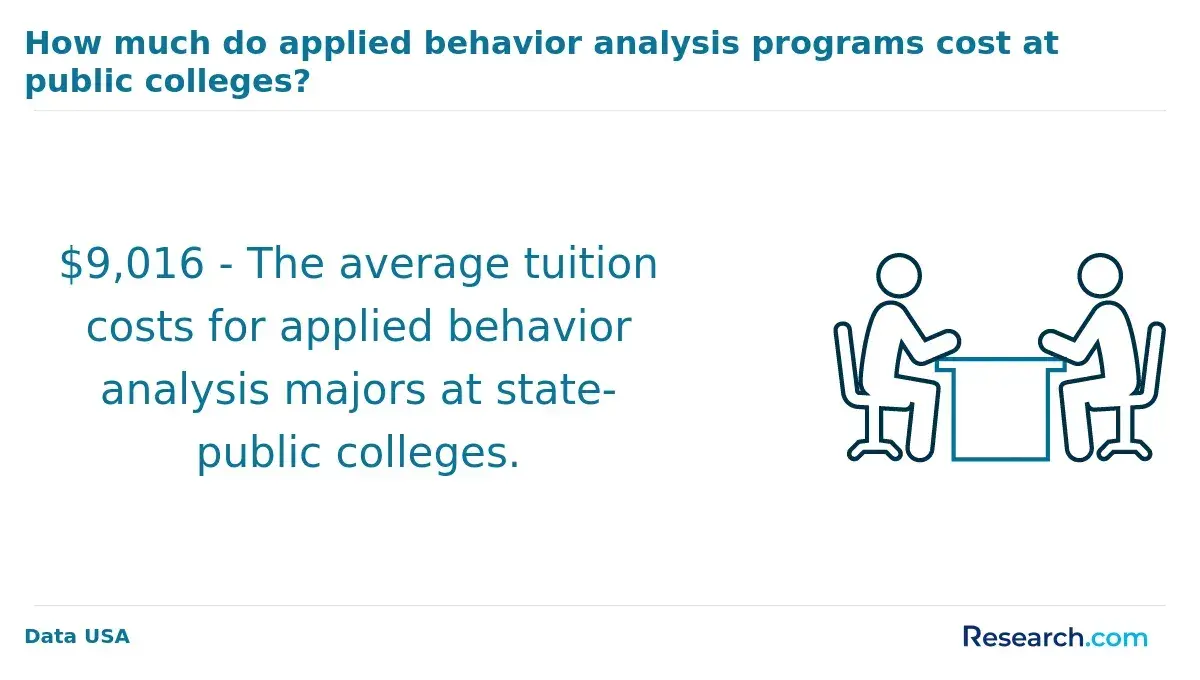
Financial planning should begin before you apply. Tuition fees for these programs often exceed $30,000, while a median BCBA salary of approximately $85,000 can make the investment worthwhile for graduates who choose a strong, efficient program and complete certification. First-generation students should ask each school about scholarships, grants, assistantships, employer tuition reimbursement, payment plans, and whether financial aid applies to the specific degree or certificate option they are considering.
How do I find accredited BCBA programs?
Start with verification, not marketing language. To find accredited BCBA programs in the United States, check whether the coursework is recognized through the Behavior Analyst Certification Board's official Verified Course Sequence (VCS) process. A program may advertise ABA training, autism studies, psychology, or special education, but that does not automatically mean it satisfies BCBA coursework expectations.
Applicants should confirm program status directly through official BACB resources and then cross-check details with the university. Requirements can change, so do not rely only on old catalog pages, third-party lists, or informal student comments.
What to verify before applying
- Coursework approval: Confirm that the program includes a BACB Verified Course Sequence or otherwise clearly explains how its coursework meets current certification requirements.
- Degree fit: Determine whether the option is a full master's degree or a standalone course sequence that must be paired with an eligible graduate degree.
- Format: Compare online, hybrid, and campus-based delivery based on your work schedule, learning style, and access to fieldwork sites.
- Fieldwork support: Ask whether the school helps students secure supervision or expects them to arrange all hours independently.
- Exam outcomes: Review first-time pass rates when available and ask how the program supports exam preparation.
- Student support: First-generation graduates are statistically 20% less likely to pursue graduate training without guidance, according to the National Center for Education Statistics, so advising and mentorship should be treated as quality indicators.
Accreditation and VCS status are necessary starting points, but they are not the only measures of fit. A program may meet academic standards and still be a poor choice if it lacks responsive advising, transparent fieldwork guidance, or realistic scheduling for working adults. Regional Applied Behavior Analysis chapters, local graduate groups, alumni, and supervisors can provide useful context about program reputation and student support.
If you need a flexible path, compare applied behavior analysis masters programs with the same level of scrutiny you would apply to campus programs: verify eligibility, fieldwork planning, cost, faculty access, and exam preparation.
Most BCBA programs require a bachelor's degree from an accredited institution. Many applicants come from psychology, education, special education, human services, social work, or related fields, but requirements vary by school. A minimum GPA of around 3.0 is commonly required, although programs may review applicants holistically when professional experience, recommendations, and personal statements show readiness for graduate work.
Admissions committees usually want evidence that you understand the field, can handle graduate-level reading and writing, and have the maturity to work ethically with vulnerable clients. First-generation applicants should not assume they are at a disadvantage if they lack family experience with graduate school; instead, they should use the application to show preparation, purpose, and practical exposure to behavior analysis.
Common application materials
- Official transcripts: Schools use these to verify degree completion, GPA, and prerequisite coursework.
- Personal statement: Explain why ABA fits your goals, what experiences shaped your interest, and how the program supports your certification plan.
- Resume or CV: Include work, volunteer roles, research, teaching, caregiving, clinical support, or RBT-related experience when relevant.
- Letters of recommendation: Strong letters from faculty, supervisors, or professionals who can discuss your reliability and analytical skills can strengthen your file.
- Prerequisites: Some programs expect prior coursework in behavior analysis, research methods, psychology, education, or statistics.
- Additional checks: Background checks and ethical compliance requirements are common because BCBA training often involves clinical or educational settings.
Some programs ask for documented experience in behavior analysis or related services, while others admit career changers who complete prerequisites after admission. GRE scores are usually not required, but policies differ by institution. International students and applicants with nontraditional academic histories may need transcript evaluations, proof of equivalency, or additional coursework.
Program quality can also show up in outcomes. Evidence shows top BCBA programs report first-time exam pass rates between 88-100% for cohorts exceeding 20 students, partly due to these strong faculty endorsements. If you are comparing an applied behavior analysis master's degree online with an in-person program, review admission expectations, support services, and certification alignment side by side.
A BCBA curriculum is built around the science and practice of behavior analysis. Students learn how behavior is measured, how environments influence behavior, how interventions are designed, and how ethical responsibilities shape every stage of practice. The best programs connect theory to repeated practice with data, client scenarios, supervision, and feedback.
Most curricula follow a sequence aligned with Behavior Analyst Certification Board (BACB) certification expectations. Course names differ by institution, but the core learning areas are similar.
Typical BCBA coursework
- Foundations of behavior analysis: Principles such as reinforcement, punishment, extinction, stimulus control, generalization, and motivating operations.
- Measurement and data collection: Methods for defining behavior, collecting reliable data, graphing results, and evaluating progress.
- Research methods: Single-subject research designs and experimental logic used to determine whether an intervention is working.
- Behavioral assessment: Functional assessment, skills assessment, preference assessment, and interpretation of assessment results.
- Intervention design: Evidence-based behavior-change procedures tailored to client needs, goals, and context.
- Ethics and professional conduct: Client dignity, informed consent, scope of competence, supervision, documentation, and responsible collaboration.
- Supervision and staff training: How BCBAs train, monitor, and support technicians, caregivers, educators, or other team members.
- Applied practicum or fieldwork: Supervised experience that helps students move from academic knowledge to professional judgment.
Completion of verified course sequences is often a prerequisite for taking the BCBA exam. According to ABA International job market analysis, demand for candidates meeting these criteria grew 35% year-over-year in 2025. That demand does not remove the need for rigorous preparation; employers still look for graduates who can define behavior clearly, interpret data, write ethical intervention plans, and communicate with families and interdisciplinary teams.
For first-generation students, curriculum fit should be evaluated in practical terms. Ask whether courses include exam preparation, applied case examples, writing support, faculty feedback, and opportunities to practice data-based decision-making. A convenient format is helpful, but a weak curriculum can make the certification exam and early professional practice much harder.
Yes. Accredited online BCBA programs can be a strong option for first-generation students who need to keep working, support family members, or avoid relocating. Online study can reduce schedule barriers, but it does not reduce certification expectations. Students still need BACB-aligned coursework, supervised fieldwork, exam preparation, and access to faculty or advisors who can explain the process clearly.
The main advantage of online programs is flexibility. The main risk is isolation. First-generation students should look for online programs that provide structured advising, clear fieldwork guidance, peer connection, and proactive communication rather than simply posting lectures and deadlines.
How to evaluate an online BCBA program
- Confirm certification alignment: Make sure coursework meets BACB requirements and ask how the program documents eligibility.
- Review pass rates: Pass rates are not the only quality measure, but they help show whether students are being prepared effectively.
- Ask about fieldwork: Determine whether you must find your own supervisor and whether remote or local supervision is acceptable for your situation.
- Check support services: Look for academic advising, mentoring, career counseling, writing support, and exam preparation.
- Look for community: Cohort models, peer groups, live sessions, and faculty office hours can reduce the isolation that online students often feel.
- Clarify cost: Ask about tuition, fees, supervision costs, payment plans, and scholarships before committing.
For instance, Ball State University reported a 53% pass rate for 832 first-time candidates in 2024, according to BACB BCBA Examination Pass Rates for University Training Programs, 2024. When reviewing any pass-rate data, compare programs with attention to cohort size, student profile, and available exam support rather than treating one number as the whole story.
State licensure eligibility is another key issue. Some states have separate licensing rules in addition to BCBA certification, so applicants should confirm whether the online program supports the requirements in the state where they plan to work. This step is especially important if you live in one state, enroll in an online program based in another, and plan to complete fieldwork locally.
BCBA programs generally take 1 to 2 years to complete. Full-time students may finish in 12 to 18 months, while part-time students often need closer to 24 months. Your actual timeline depends on course sequencing, start dates, fieldwork availability, employment schedule, and how quickly you can complete supervised experience.
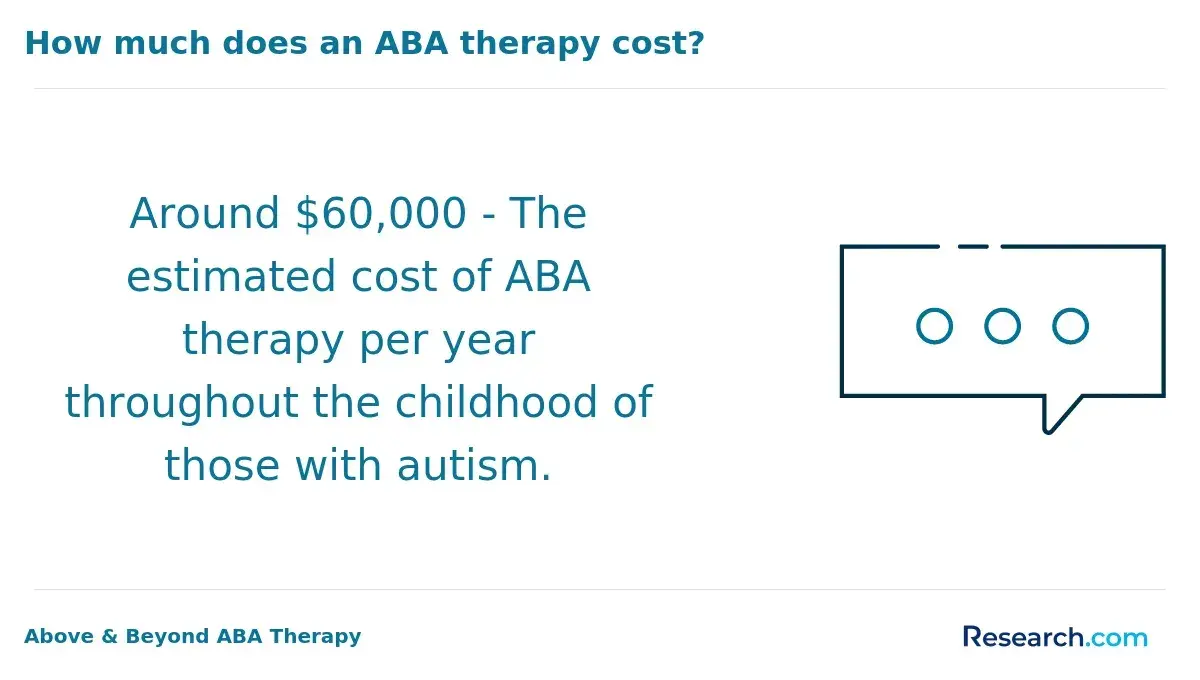
Tuition varies widely, typically between $10,000 and $25,000 for the entire program. Online options may reduce commuting or relocation costs, but they can still include technology fees, supervision expenses, textbooks, application costs, and exam preparation materials. Supervision fees can range from $1,500 to $3,000 annually, either bundled or billed separately depending on the institution. The BCBA exam fee is $245.
Cost questions to ask before enrolling
- Is the program a full master's degree, certificate, or verified course sequence?
- Does tuition include supervision, or will supervision be billed separately?
- Are textbooks, technology fees, background checks, or assessment tools extra?
- Can students use federal financial aid, employer reimbursement, scholarships, or payment plans?
- Are there extra costs for travel, in-person intensives, practicum sites, or exam preparation?
- What happens financially if fieldwork takes longer than expected?
Financial aid tends to be more limited for certificate programs compared to degree tracks, so first-generation students should confirm aid eligibility with the financial aid office, not just the academic department. Ask for a complete cost estimate in writing, including required and optional expenses.
The BACB certification renewal rate increased 28% from 2023 to 2025, creating a more competitive market that favors early applicants to accredited programs. Applying early can also help you secure advising appointments, fieldwork placements, and possible funding before seats or support resources fill.
BCBA certification can lead to roles in clinical services, schools, healthcare programs, community agencies, consulting, supervision, and organizational behavior management. The common thread is the use of behavioral assessment, data analysis, intervention design, and ethical practice to improve outcomes.
Many BCBAs work with children and adults with autism or developmental disabilities, but the credential is not limited to one population. Some professionals consult with schools on behavior support plans, train caregivers and staff, supervise RBTs, manage clinical teams, or support organizations that use behavioral principles to improve performance and safety.
Common BCBA career paths
- Clinical behavior analyst: Designs and monitors intervention plans in clinics, home-based services, or community programs.
- School-based behavior analyst: Supports students, teachers, and special education teams through assessment, intervention planning, and staff training.
- Clinical supervisor: Oversees RBTs or behavior technicians, reviews data, provides feedback, and ensures ethical service delivery.
- Consultant: Works with families, agencies, schools, or service providers on behavior support strategies and program improvement.
- Program manager or director: Leads service lines, develops procedures, monitors quality, and trains teams.
- Organizational behavior management practitioner: Applies behavior analytic methods to training, performance improvement, and workplace systems.
- Research or academic role: Contributes to studies, teaching, supervision, or program development in behavior analysis.
Exam preparation remains a serious part of the career path. First-time BCBA exam pass rates have declined, with institutions like Arizona State University reporting a 49% pass rate, highlighting the need for strong exam preparation. Students should avoid relying on last-minute review and instead build study habits throughout coursework: practice terminology, interpret graphs, complete mock questions, and connect concepts to fieldwork cases.
Prospective candidates should gain direct experience in more than one setting when possible. Working in schools, clinics, homes, or community programs can clarify which populations and work environments fit your strengths. Mentorship from seasoned BCBAs can also help with role selection, ethical decision-making, supervision quality, and early-career confidence.
BCBA professionals' median annual salaries in 2026 typically range from $65,000 to $85,000, influenced by location, experience, work setting, caseload, supervision responsibilities, and employer type. Entry-level BCBAs often start near $55,000, while those with experience in urban or specialized roles can earn over $90,000.
The job outlook is strong because behavior analysis services are used across healthcare, education, developmental disability services, and social service settings. The U.S. Bureau of Labor Statistics projects growth rates exceeding 20% in related fields, outperforming many other professions. Demand can be especially strong in areas with limited behavioral health resources.
Factors that influence BCBA pay
- Experience level: New BCBAs typically earn less than professionals who supervise teams or manage programs.
- Location: Salaries often vary by region, cost of living, service demand, and payer environment.
- Work setting: Clinics, schools, hospitals, private agencies, consulting firms, and corporate environments may pay differently.
- Specialization: Experience with complex cases, supervision, staff training, data systems, or interdisciplinary collaboration can improve marketability.
- Licensure and credential fit: Some employers require both BCBA certification and state-specific authorization.
- Median salary range: $65,000-$85,000
- Entry-level starting near $55,000
- Experienced roles can exceed $90,000
- Projected job growth over 20% through the next decade
- Peer networks improve exam pass rates and career outcomes
Support networks can affect both exam success and job opportunities. For example, Northern Kentucky University's ABA concentration reported an 88% first-time BCBA exam pass rate attributed partly to peer networks boosting retention by 25%, according to BACB BCBA Examination Pass Rates for University Training Programs, 2024. For first-generation students, cohorts, mentors, supervisors, professional groups, and alumni contacts can provide information that is often not obvious from a catalog page.
To improve employment prospects, choose programs with accessible faculty, strong fieldwork guidance, career services, and opportunities to practice communication with families, educators, clinicians, and administrators. Those skills often matter in salary negotiations because employers need BCBAs who can lead teams and explain data clearly.
How to choose the best BCBA program?
The best BCBA program is not simply the cheapest, fastest, or most recognizable. It is the program that meets certification requirements, fits your schedule, provides credible fieldwork and advising support, prepares you for the exam, and keeps total cost within a realistic plan. For first-generation applicants, transparency and support should weigh heavily in the decision.
Use this checklist before you apply
- BACB alignment: Confirm that coursework is approved or clearly mapped to certification requirements.
- Accreditation and institutional quality: Make sure the institution is properly accredited and that the program has a clear record of preparing BCBA candidates.
- Format: Decide whether online, in-person, or hybrid learning best fits your work, family, transportation, and learning needs.
- Faculty credentials: Look for instructors with active BCBA certification, applied experience, research engagement, or strong supervision backgrounds.
- Fieldwork structure: Ask whether placements are arranged, supported, or entirely student-led. Fieldwork can be the hardest part of the process to manage alone.
- Exam preparation: Review first-time pass rates, embedded exam review, practice assessments, and faculty feedback systems.
- Cost transparency: Compare tuition, fees, books, supervision expenses, travel, exam costs, and financial aid eligibility.
- Student support: Prioritize advising, mentorship, cohort access, career services, and alumni networks.
- Licensure fit: Verify that the program supports requirements in the state where you plan to practice.
- Graduate outcomes: Ask where graduates work, how quickly they complete fieldwork, and whether employers recruit from the program.
Faculty quality plays a major role in student success. Instructors who actively practice, supervise, or conduct research can help students connect coursework to real cases and professional standards. Fieldwork support is equally important because poorly planned supervision can delay certification even when coursework is completed on time.
Post-graduation prospects should also be part of your comparison. The U.S. Bureau of Labor Statistics projects a 22% growth in BCBA roles by 2030, with over 15,000 new jobs annually due to rising autism prevalence. Programs with strong career services, active alumni networks, employer relationships, and supervision partnerships may give graduates a smoother transition into paid BCBA roles.
Before making a final decision, speak with current students and alumni. Ask direct questions: How responsive are faculty? How hard is it to secure supervision? Are online students supported? What costs surprised them? How manageable is the workload for working adults? Their answers can reveal whether the program is genuinely built for students like you, not just marketed to them.
Other Things You Should Know About Applied Behavior Analysis
BCBA certification requires supervised fieldwork experience that meets the Behavior Analyst Certification Board (BACB) standards. This includes completing specific hours of practicum or intensive practicum under a qualified supervisor, focusing on applied behavior analysis interventions and data collection. The experience helps students develop real-world skills necessary for effective practice.
Yes, many BCBA programs offer financial aid, scholarships, and assistantships that first-generation students can access. Additionally, federal financial aid through FAFSA is available to qualified students. It is important to research each program's specific funding opportunities and reach out to their financial aid offices for guidance.
No. Most BCBA programs accept applicants from any major, but they require prerequisite coursework in behavior analysis, psychology, education, or related areas. Common prerequisites include about 40 credits, plus a qualifying bachelor’s degree from a regionally accredited institution before admission or before starting supervised coursework.
First-generation students should start by researching BCBA program requirements thoroughly. Networking with current students or faculty for insights, seeking mentorship programs designed for first-generation students, and exploring financial aid opportunities can provide a solid foundation for a successful application.
- Investigating the Best BCBA Programs & Schools - Big Dreamers ABA https://www.bigdreamersaba.com/blog/bcba-programs-and-schools
- Is Pursuing BCBA Certification a Smart Investment? https://blossomabatherapy.com/blog/is-bcba-certification-worth-it
- ABA Certification Explained: RBT, BCaBA, BCBA, BCBA-D https://onlinecounselingprograms.com/mental-health-careers/how-to-become-behavior-analyst-bcba/aba-certification-explained/
- Association for Behavior Analysis International Accreditation Board https://accreditation.abainternational.org/accredited-programs.aspx
- The Top 30 ABA Degree Programs for 2025 - ABA Masters Programs https://abamastersprograms.org/top-aba-degree-programs/
- Master of Science in Applied Behavior Analysis (ABA) https://tsengcollege.csun.edu/programs/ABA/admission-requirements
- BCBA® Certification & Requirements: A Step-by-Step Guide https://www.appliedbehavioranalysisedu.org/bcba-certification/
- How Much Does it Cost to Take (Or Retake) the BCBA® Exam? https://passthebigabaexam.com/how-much-does-it-cost-to-take-or-retake-the-bcba-exam/
- BCBA Salary Guide 2026 | How Much Do Behavior Analysts Make? https://special-learning.com/guides/bcba-salary/
- BCBA Job Outlook in 2026 Explained | Divine Steps ABA https://www.divinestepstherapy.com/blog/bcba-job-outlook