2027 Online Communication Degrees That Prepare Students for Communication Specialist Roles

Co-Founder and Chief Data Scientist
Choosing an online communication degree is really a career investment decision: will the program build the writing, media, strategy, and analytics skills employers expect from communication specialists? The field remains relevant because organizations need clearer internal messaging, stronger digital content, and faster crisis response. The U.S. Bureau of Labor Statistics reports a May 2024 median annual wage of $69,780 for public relations specialists, a common communication specialist pathway.
This guide helps prospective bachelor's and master's students compare formats, costs, requirements, career outcomes, and red flags before enrolling.
Key Things You Should Know
- Online communication degrees can prepare students for roles in public relations, corporate communications, social media, internal communications, content strategy, nonprofit outreach, and marketing communications, but job fit depends heavily on portfolio quality and specialization.
- College Board's 2024 pricing data lists average published 2024-25 tuition and fees at $11,610 for in-state public four-year colleges and $43,350 for private nonprofit four-year colleges, before grants, transfer credits, and living costs.
- BLS data lists a May 2024 median annual wage of $69,780 for public relations specialists and a 2023-2033 projected growth rate of 6%, which is faster than the average for all occupations.
What is an online communication degree and how does it prepare communication specialists?
An online communication degree is a college program delivered mostly or fully through digital coursework that teaches students how people, organizations, media platforms, and audiences exchange information. At the bachelor's level, it usually builds broad foundations in writing, public speaking, media literacy, persuasion, research, and digital communication. At the master's level, it often emphasizes leadership, campaign strategy, analytics, crisis communication, and organizational change.
For communication specialist roles, the degree matters because the job is not just "being good with words." Communication specialists translate organizational goals into messages that different audiences can understand and act on. They may write press releases, manage newsletters, support executives, produce social content, coordinate media inquiries, draft crisis statements, track campaign metrics, and help departments communicate change.
The best online programs prepare students by combining theory with applied work. A useful curriculum should require students to produce real artifacts, such as media kits, communication plans, brand messaging guides, social media calendars, audience research summaries, presentations, and analytics reports. Those assignments become portfolio evidence when applying for internships or entry-level jobs.
Online delivery also changes how students build professional habits. Because much of the learning occurs through discussion boards, video presentations, collaborative documents, and project-management tools, students practice the same asynchronous communication skills used in remote and hybrid workplaces. That is valuable for communication specialists who often work across departments, time zones, vendors, and leadership teams.
A communication degree is usually a good fit for students who enjoy writing, editing, audience analysis, strategy, and cross-functional work. It may be a poor fit for someone who wants a highly technical media-production career without writing responsibilities, a licensed clinical counseling path, or a narrowly quantitative business analytics role. In those cases, a journalism, film production, psychology, marketing analytics, or business degree may align better.
Which communication specialist roles can you qualify for with an online communication degree?
An online communication degree can support several early-career and mid-career paths, especially when students choose electives, internships, and portfolio projects that match a target role. Employers rarely hire based on the degree title alone; they look for evidence that a candidate can write clearly, adapt tone, manage deadlines, understand audiences, and measure communication performance.
The table below summarizes common roles connected to online communication degrees. It is most useful as a career-fit map: compare the daily work with the type of assignments you would want to complete while in school.
| Role | Typical responsibilities | Best-fit degree focus | Portfolio evidence to build |
| Communication specialist | Writes internal and external messages, coordinates campaigns, supports announcements, and maintains brand voice | Strategic communication, organizational communication, public relations | Communication plans, newsletters, executive messages, campaign briefs |
| Public relations specialist | Prepares press materials, pitches stories, tracks coverage, and supports reputation management | Public relations, media relations, strategic communication | Press releases, media lists, media kits, crisis response drafts |
| Social media specialist | Plans content calendars, writes posts, monitors engagement, and reports performance | Digital communication, social media strategy, marketing communication | Platform audits, content calendars, analytics summaries, campaign samples |
| Internal communications associate | Helps employees understand organizational updates, HR programs, leadership messages, and change initiatives | Organizational communication, corporate communication, human resources communication | Employee newsletters, change communication plans, intranet content |
| Content strategist or content coordinator | Plans website, email, blog, and campaign content around audience needs and organizational goals | Digital media, professional writing, marketing communication | Content audits, editorial calendars, SEO-informed briefs, style guides |
| Community relations or nonprofit outreach coordinator | Builds relationships with stakeholders, supports events, drafts outreach materials, and communicates impact | Public affairs, nonprofit communication, civic communication | Stakeholder maps, event messaging, donor updates, impact stories |
Students who want broader operations or team-leadership roles can pair communication with business coursework. For example, a project management bachelor degree may be a better fit than a communication degree if the target role centers on scope, budgets, schedules, and delivery ownership rather than messaging strategy.
Entry-level titles vary by employer, so students should search job postings using several keywords. Useful terms include communication coordinator, public relations assistant, social media coordinator, marketing communications associate, corporate communications assistant, content coordinator, outreach coordinator, and employee communications associate.
How do online communication degrees compare to campus programs for communication careers?
Online and campus communication degrees can lead to similar career paths when they come from accredited institutions and include comparable coursework, faculty access, feedback, and portfolio-building opportunities. The bigger difference is not the delivery format itself; it is how well the format supports your schedule, networking needs, learning style, and access to internships or applied projects.
The comparison below highlights decision factors that matter for communication careers. Use it to identify which format removes barriers and which one creates new ones.
| Factor | Online communication degree | Campus communication degree | Best choice when |
| Schedule flexibility | Often better for working adults, caregivers, military students, and transfer students | Usually better for students who can attend at set times | Choose online if you need to keep working; choose campus if structure helps you stay accountable |
| Networking | Can be strong if the program offers live sessions, alumni groups, career fairs, and faculty mentoring | Often easier for spontaneous networking, student media, and campus events | Choose the format with the stronger internship and alumni pipeline in your target market |
| Portfolio development | Depends on applied assignments, capstones, and instructor feedback | May include student newspaper, radio, agency labs, or campus communications offices | Choose the program that requires finished work samples, not only exams and discussion posts |
| Cost control | May reduce relocation and commuting costs, but online fees can vary | May include higher housing, transportation, and campus fees | Compare total cost of attendance, not tuition alone |
| Career services | Quality varies; some schools offer virtual coaching and remote employer events | May provide more in-person recruiting and local employer access | Choose the school that can show communication-specific placement support |
Online learning is especially practical for students who already work in customer service, administration, sales, education, journalism, marketing, or nonprofit roles and want to pivot into communication specialist work without pausing employment. Those students can often use their workplace as a setting for class projects, such as an internal newsletter audit or stakeholder communication plan.
Campus programs may offer an advantage for students who want highly immersive student media, debate, agency, or public-speaking experiences. If you are new to college and need frequent in-person feedback, a campus or hybrid format may provide more structure.
The main mistake is assuming "online" means easier or less respected. A rigorous online program should require substantial writing, revision, presentations, team projects, and instructor critique. If a program advertises speed but shows little evidence of applied communication work, employer-aligned assignments, or faculty interaction, treat that as a warning sign.
Students should also be honest about career direction. If your preferred work involves field operations, safety coordination, subcontractor communication, and client updates in the built environment, a construction management degree online may provide more direct industry preparation than a general communication degree.
What types of online communication degrees and specializations are available?
Online communication programs exist at several credential levels. The right one depends on whether you are starting college, finishing a degree, changing careers, or preparing for leadership roles.
The table below compares common degree options. It is designed to help you match your current education level with a realistic next credential.
| Credential | Typical student | Common career use | When it makes sense |
| Associate degree in communication | First-time students or students testing the field at lower cost | Transfer pathway, administrative communication support, customer-facing roles | You plan to transfer into a bachelor's program and want to reduce initial cost |
| Bachelor's degree in communication | Students seeking entry-level professional communication roles | Communication specialist, PR assistant, social media coordinator, content coordinator | You do not yet have a four-year degree and want the broadest entry-level qualification |
| Bachelor's degree completion program | Adults with prior college credits | Career pivot or advancement into communication, marketing, or internal communications | You have transfer credits and want to finish faster without starting over |
| Master's degree in communication | Working professionals or bachelor's graduates seeking advanced strategy roles | Senior communication specialist, communication manager, director-track roles | You already have experience and need strategic, leadership, or specialized training |
| Graduate certificate | Professionals who need a targeted skill upgrade | Digital strategy, crisis communication, PR, organizational communication | You already have a degree and need a shorter credential rather than a full master's |
Specializations matter because communication is broad. A student who wants to manage employee messaging should not choose the same electives as someone aiming for social media strategy or public affairs. Common online specializations include public relations, strategic communication, corporate communication, organizational communication, digital media, social media, health communication, political communication, technical communication, and marketing communication.
For students focused on platform strategy, influencer campaigns, content calendars, and engagement analytics, an online degree social media marketing may be more targeted than a general communication major. The trade-off is that a narrower program can be efficient for a specific goal but less flexible if you later want corporate communications, public affairs, or internal communication roles.
A bachelor's degree is usually the most practical credential for entry-level communication specialist jobs. A master's degree tends to make more sense after you have work experience or when your target roles require strategic planning, executive advising, team leadership, research design, or crisis communication expertise.
What courses and skills are typically included in online communication curricula?
Online communication curricula usually combine writing, theory, media analysis, research, strategy, and applied production. Strong programs do not treat communication as a soft skill alone; they teach students how to make audience-centered decisions, support messages with evidence, choose appropriate channels, and measure whether communication is working.
Most programs include a mix of foundational and applied courses. The following course areas are especially relevant for communication specialist preparation because they translate directly into workplace tasks.
- Strategic communication: teaches campaign planning, audience segmentation, message framing, channel selection, and evaluation.
- Public relations writing: develops press releases, media advisories, backgrounders, pitches, talking points, and reputation-focused messaging.
- Organizational communication: examines how information moves inside companies, nonprofits, agencies, and institutions.
- Digital and social media communication: covers platform strategy, content calendars, online communities, engagement metrics, and brand voice.
- Research methods: prepares students to use surveys, interviews, focus groups, media analysis, and audience data to guide decisions.
- Crisis communication: teaches preparation, response timing, stakeholder messaging, transparency, and post-crisis evaluation.
- Professional writing and editing: builds clarity, concision, tone control, grammar, accessibility, and revision discipline.
- Communication law and ethics: introduces privacy, copyright, defamation, disclosure, transparency, and responsible persuasion.
The most marketable skills are often built through repeated assignments rather than one course. Students should look for programs that require multiple rounds of writing feedback, presentations, team projects, research-based recommendations, and portfolio deliverables.
AI is changing what communication specialists need to know. Generative AI can help draft outlines, repurpose content, summarize research, and brainstorm message variations, but employers still need people who can verify accuracy, protect confidential information, maintain brand voice, avoid biased or misleading claims, and make judgment calls in sensitive situations. A good program should discuss AI ethics, source evaluation, prompt discipline, editing, and disclosure practices.
Students interested in employee messaging, change communication, benefits campaigns, and workplace culture may also compare communication programs with online masters programs in human resource management. HR programs are usually stronger for policy, talent systems, and employment practices, while communication programs are usually stronger for message strategy, writing, audience analysis, and media channels.
What admission requirements do online communication bachelor's and master's programs usually have?
Admission requirements vary by school, selectivity, and degree level, but online communication programs are usually more accessible than highly regulated fields such as nursing or teacher licensure. Still, students should read requirements carefully because transfer rules, GPA thresholds, writing expectations, and application deadlines can affect both admission and time to graduation.
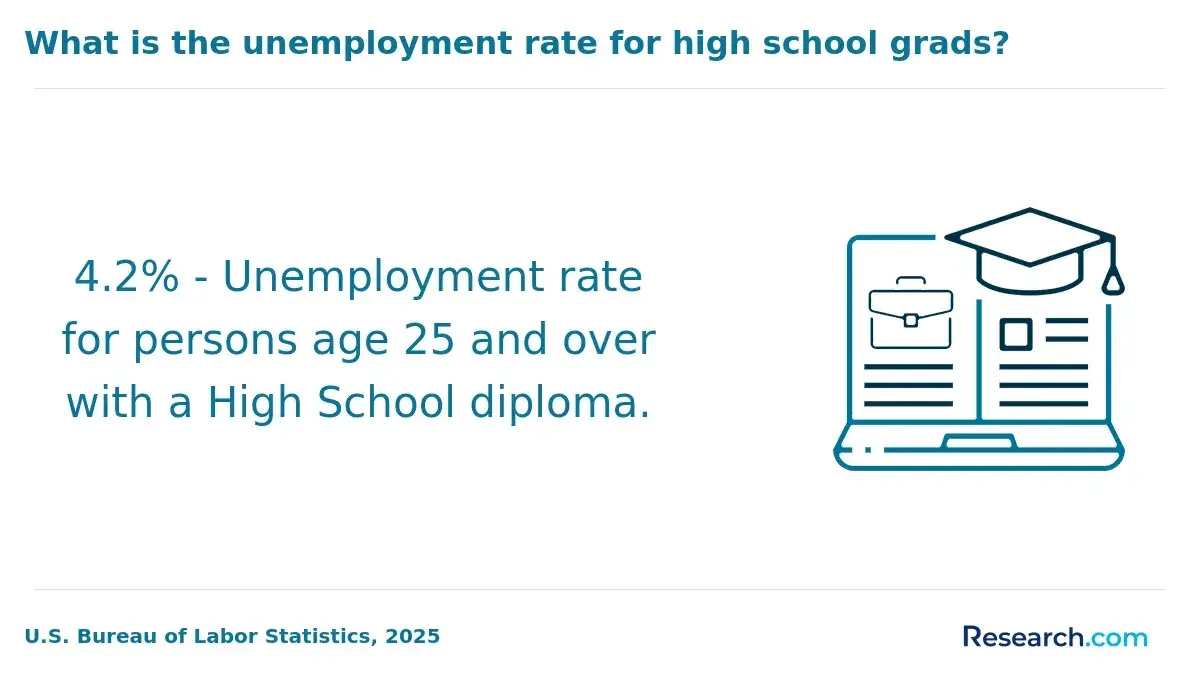
Bachelor's programs commonly require a high school diploma or equivalent, transcripts, an application form, and sometimes a personal statement. Test-optional policies are common, but some schools may request ACT or SAT scores for first-year applicants, scholarships, or placement. Degree-completion programs may require a minimum number of prior credits and a minimum transfer GPA.
Master's programs typically require a bachelor's degree from an accredited institution, official transcripts, a resume, a statement of purpose, and letters of recommendation. Some programs accept students from any undergraduate major, while others prefer applicants with communication, journalism, public relations, marketing, English, or related professional experience. GRE requirements are less common than they once were, but applicants should confirm each school's current policy.
Before applying, prospective students should prepare a focused set of materials. These steps can reduce delays and help applicants choose programs that match their goals.
- Request transcripts early from every college attended, even if you completed only a few credits.
- Ask admissions advisors for a written transfer-credit evaluation before committing to a bachelor's completion program.
- Prepare a writing sample if the program emphasizes public relations, strategic communication, journalism, or professional writing.
- Use the statement of purpose to connect the program's curriculum with a specific role, such as internal communication specialist or PR coordinator.
- Ask whether online students can access the same career services, library databases, tutoring, and faculty advising as campus students.
A common mistake is applying only to the fastest program without checking how many credits will actually transfer. A program advertised as accelerated may still take longer if it accepts fewer prior credits or requires sequential courses offered only once per year.
How long do online communication degrees take and what do they cost?
Program length depends on credential level, transfer credits, course load, academic calendar, and whether the school offers accelerated terms. A traditional bachelor's degree usually requires about 120 credits, while a master's degree often requires about 30 to 36 credits. Students with substantial transfer credit may finish a bachelor's completion program much faster than first-time college students.
Cost should be evaluated as total cost of attendance, not just tuition. College Board's 2024 pricing data lists average published 2024-25 tuition and fees at $11,610 for in-state students at public four-year colleges and $43,350 at private nonprofit four-year colleges. Those figures are sticker prices, so grants, scholarships, employer tuition assistance, military benefits, transfer credits, and online fee policies can significantly change the net amount a student pays.
The table below summarizes common timeline and cost drivers. It does not predict a specific school's price, but it helps identify which variables are most likely to affect your budget.
| Program type | Typical length | Main cost drivers | Cost-control strategy |
| Associate degree | About 2 years full time | Community college tuition, fees, books, transfer planning | Choose transferable general education and communication courses |
| Bachelor's degree | About 4 years full time | Tuition rate, residency status, transfer credits, online fees, textbooks | Maximize accepted transfer credits and compare net price after aid |
| Bachelor's completion program | Often 1 to 3 years depending on prior credits | Number of credits accepted, upper-division requirements, course availability | Get a written degree plan before enrollment |
| Master's degree | Often 1 to 2 years full time, longer part time | Graduate tuition, program fees, capstone or practicum requirements | Ask about employer reimbursement and part-time pacing |
| Graduate certificate | Often several months to 1 year | Per-credit tuition, stackability into a master's degree | Confirm whether credits can apply to a future graduate degree |
Students using federal loans should also consider borrowing costs. For the 2024-25 academic year, Federal Student Aid lists Direct Unsubsidized Loan interest at 6.53% for undergraduate borrowers and 8.08% for graduate or professional borrowers. That means reducing borrowed credits through transfer evaluation, scholarships, employer assistance, or part-time cash-flow planning can improve long-term return on investment.
To compare affordability fairly, ask each school for the same details: tuition per credit, required credits after transfer, online fees, technology fees, books and materials, graduation fees, internship travel expectations, and estimated time to completion. The lowest tuition rate is not always the lowest total cost if the program accepts fewer transfer credits or requires extra prerequisites.
How can students evaluate accreditation and program quality for online communication degrees?
Accreditation is the first quality checkpoint. Students should prioritize institutions accredited by recognized institutional accreditors because accreditation affects federal financial aid eligibility, credit transfer, graduate school admission, and employer confidence. Programmatic accreditation is less common in communication than in fields such as nursing or engineering, so institutional accreditation and program-level evidence become especially important.
Quality evaluation should go beyond rankings. A communication program can look attractive online but still provide weak writing feedback, limited career support, or few portfolio opportunities. Students should verify what the program actually requires and what support online learners receive.
Use the following checklist before enrolling. These questions help reveal whether the program can realistically prepare you for communication specialist roles.
- Is the institution listed as accredited by a recognized accreditor, and is the specific online program offered by the same accredited institution?
- Does the curriculum include applied assignments such as campaigns, media kits, communication audits, analytics reports, and capstone projects?
- Will online students receive detailed feedback on writing, presentations, and strategic plans?
- Are faculty members experienced in communication research, public relations, journalism, digital strategy, corporate communication, or related professional fields?
- Does the program publish clear information about tuition, fees, transfer credits, course rotation, graduation requirements, and student support?
- Can online students access internships, virtual career fairs, portfolio reviews, alumni mentors, and communication-specific job-search support?
- Are courses updated to address AI tools, accessibility, digital analytics, misinformation, crisis response, and current media practices?
Red flags include vague accreditation claims, pressure to enroll immediately, unclear total cost, no sample degree plan, limited faculty information, few applied assignments, and no evidence that online students receive career services. Another warning sign is a program that promises specific salaries or job placement. Schools can provide outcomes data, but they should not guarantee employment results.
Students should also check whether a program's learning format matches their needs. Some online degrees are asynchronous, meaning students complete work on weekly deadlines. Others require live evening sessions. Neither format is automatically better; the best choice depends on your schedule, need for interaction, and ability to stay engaged.
What salary ranges and advancement opportunities exist for communication specialists?
Communication salaries vary by role, industry, location, experience, portfolio strength, management responsibility, and technical skill. Students should use salary data as a planning tool, not a promise. The same degree can lead to different outcomes depending on whether someone works in a nonprofit, corporate headquarters, agency, healthcare system, government office, university, or technology company.
BLS May 2024 wage data provides a useful benchmark: public relations specialists had a median annual wage of $69,780. This is one of the closest national categories for communication specialist work, but it does not capture every related title, especially hybrid jobs that combine communication, marketing, content, social media, and employee engagement.
The table below places communication specialist pathways in a broader advancement context. It shows how responsibilities often expand as professionals move from execution to strategy and leadership.
| Career stage | Common titles | Typical scope | Skills that support advancement |
| Entry level | Communication assistant, PR assistant, social media coordinator, content coordinator | Drafts content, schedules posts, updates lists, supports campaigns, tracks basic metrics | Writing accuracy, reliability, editing, platform fluency, basic analytics |
| Early career | Communication specialist, PR specialist, internal communications specialist | Owns recurring communications, supports campaigns, coordinates stakeholders, reports outcomes | Audience analysis, message planning, project coordination, media judgment |
| Midlevel | Senior communication specialist, communication strategist, content strategist | Develops plans, advises departments, manages complex campaigns, improves processes | Strategic planning, research interpretation, crisis readiness, executive writing |
| Management | Communication manager, PR manager, internal communications manager | Leads staff or vendors, manages budgets, sets strategy, reports to leadership | Leadership, measurement, budgeting, cross-functional influence, coaching |
| Senior leadership | Director of communications, head of corporate communications, VP communications | Shapes reputation, executive messaging, brand trust, stakeholder strategy, crisis response | Business judgment, reputation management, executive advising, organizational leadership |
Advancement often depends on building proof of impact. Instead of relying only on job titles, professionals should document campaign goals, audience insights, content performance, media outcomes, employee engagement results, crisis-response improvements, and before-and-after examples of clearer messaging.
Graduate study can support advancement, but it is not always the first step. A master's degree may be worthwhile when it helps you move into strategy, leadership, research-heavy roles, or specialized fields such as health communication or crisis communication. For someone still seeking a first communication job, internships, portfolio work, writing samples, and platform experience may provide a faster return.
What is the job outlook for communication specialists and related communication roles?
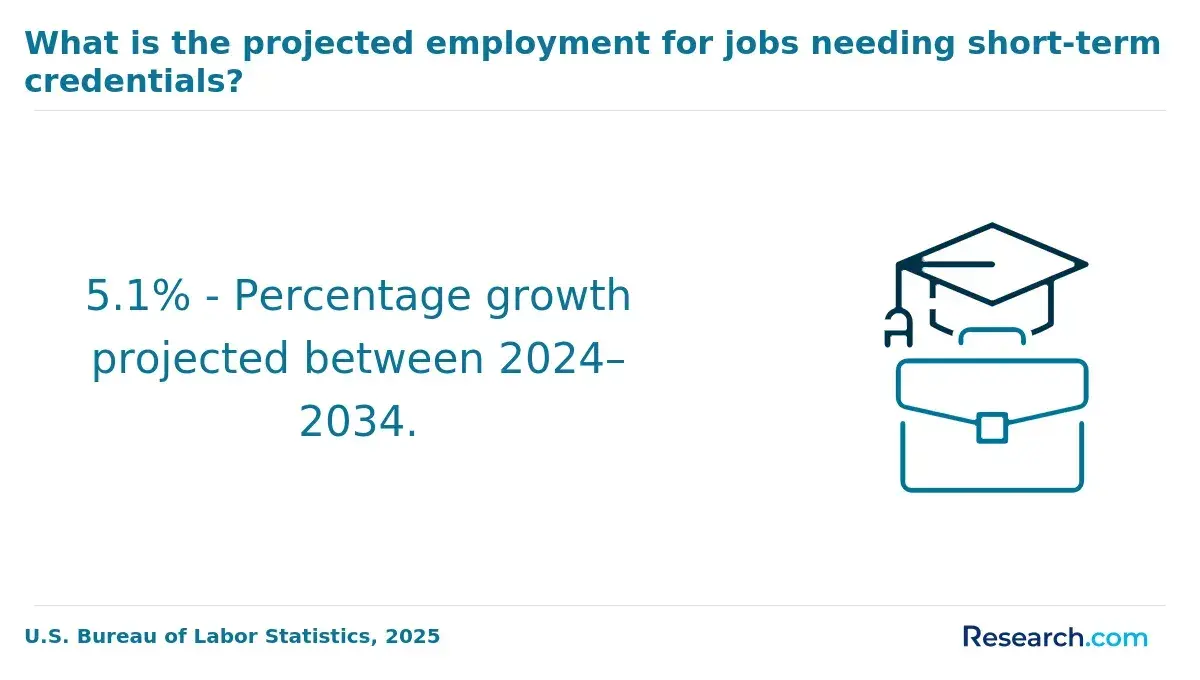
The job outlook for communication specialists is steady but competitive. BLS projects employment for public relations specialists to grow 6% from 2023 to 2033, faster than the average for all occupations. For students, the practical meaning is that opportunities are expected to exist, but applicants still need strong writing samples, digital skills, internship experience, and evidence that they can support organizational goals.
Several trends are shaping hiring. Employers increasingly expect communication professionals to understand analytics, manage fast-moving digital channels, adapt messages for multiple audiences, and respond responsibly during public scrutiny. Internal communication is also more important as organizations manage hybrid work, change initiatives, employee engagement, and leadership visibility.
AI is likely to change tasks rather than remove the need for communication judgment. Routine first drafts, summaries, and content variations may become faster, but human specialists remain responsible for accuracy, context, ethics, stakeholder sensitivity, confidentiality, and final editorial quality. Students who learn to use AI carefully while strengthening research and editing skills may be better prepared than students who treat AI output as finished work.
To improve job readiness while enrolled, students should take deliberate steps. These actions help convert an online degree into employable evidence.
- Build a portfolio with at least five polished samples, including a press release, communication plan, social media calendar, internal message, and analytics-based campaign summary.
- Complete an internship, practicum, freelance project, campus communications role, nonprofit volunteer project, or workplace communication project.
- Learn common tools used in the field, such as content management systems, email platforms, social scheduling tools, analytics dashboards, collaboration software, and presentation tools.
- Practice editing for accuracy, accessibility, plain language, brand voice, and audience fit.
- Track outcomes from projects, even small ones, so you can discuss results in interviews without overstating them.
Students should avoid a passive approach. Completing courses without networking, samples, internships, or measurable projects can make the job search harder. The smartest path is to choose a program that requires applied work and then use every major assignment as a potential portfolio piece.
Other Things You Should Know About Communication
Yes, introverts can excel in communication careers by leveraging their strong listening skills, ability to think critically, and preference for meaningful interactions. With the 2027 online communication degrees, introverted students can tailor their studies to roles that align with their strengths, such as content creation, research, or digital strategy.
Yes, a portfolio is strongly recommended. Employers often want to see writing samples, campaign materials, social posts, presentations, or communication plans that show judgment, clarity, and audience awareness.
They can be useful when they add a specific skill, such as analytics, social media management, project coordination, accessibility, or crisis communication. A certificate is most valuable when it supports a clear role rather than simply adding another credential.
References
- Communication Skills Course (Self-Paced) IDCOMM7050 https://www.graduateschool.edu/courses/communication-skills
- Future of Accreditation in E-Learning ‚ÄöѨ Prioritizing Public Interests https://elqn.org/the-future-of-accreditation-in-e-learning-prioritizing-public-interests/
- Fiche Métier Chargé de Communication : missions, formations et salaire https://www.iscparis.com/en/program/career-guides-communications-specialist/
- What is a Communication Specialist? | University of Phoenix https://www.phoenix.edu/articles/business/what-is-a-communication-specialist.html
- Best Online Communications Degrees: Top Programs in 2024 https://www.onlinecolleges.me/communications-degrees/
- The Role of Quality Assurance in Online and Distance Learning https://www.internationaleducationboard.co.uk/post/the-role-of-quality-assurance-in-online-and-distance-learning
- Online Communication Degree Programs - OnlineEducation.com https://www.onlineeducation.com/communication/
- How Institutions Can Improve the Quality of Distance Study Programs https://www.eucdl.com/post/how-institutions-can-improve-the-quality-of-distance-study-programs
- Best Online Professional Skills Courses and Programs | edX https://www.edx.org/learn/professional-skills