2027 Best Online Communication Degrees for Working Adults

Co-Founder and Chief Data Scientist
Choosing an online communication degree is really a question of time, cost, credibility, and career payoff. The U. S. Bureau of Labor Statistics reported a May 2024 median annual wage of $70,300 for media and communication occupations, making this field attractive for adults who want flexible, broadly useful skills. This guide is for working adults comparing online bachelor's programs, transfer options, career outcomes, and affordability. You'll learn how these degrees work, what to check before enrolling, and how to choose a program that fits your schedule and goals.
Key Things You Should Know
- An online communication degree is usually respected when it comes from an institutionally accredited U.S. college and lists the same degree title and transcript standards as the campus program.
- College Board's 2024-25 pricing data shows published tuition and fees of $11,610 for in-state public four-year colleges and $43,350 for private nonprofit four-year colleges, so transfer credits and tuition structure can strongly affect total cost.
- The strongest programs for working adults combine asynchronous coursework, generous transfer-credit review, career-focused concentrations, portfolio projects, and advising that supports part-time enrollment.
What is an online communication degree and how does it work for busy adults?
An online communication degree is a college program that teaches students how people, organizations, media platforms, and audiences create and interpret messages. At the bachelor's level, it usually leads to a Bachelor of Arts or Bachelor of Science in Communication, Strategic Communication, Communication Studies, Integrated Marketing Communication, or a closely related major.
For busy adults, the main advantage is not simply that classes are online. The real value is that many programs are designed around asynchronous coursework, compressed terms, transfer credits, and assignments that can connect directly to workplace experience. You may watch lectures, join discussions, complete writing or media projects, and submit presentations through a learning management system rather than attending class at a fixed time every week.
The format varies by school, so it helps to compare the learning model before applying. The table below explains the common online formats and what each one means for an adult balancing work, family, and school.
| Online format | How it usually works | Best fit for working adults | Main trade-off |
| Asynchronous | Students complete weekly modules, readings, discussions, and assignments on their own schedule. | Adults with changing work shifts, caregiving duties, or travel. | Requires strong self-management and fewer live interactions. |
| Synchronous | Students attend live online classes at scheduled times. | Adults who want real-time discussion and instructor access. | Less flexible if work hours change. |
| Hybrid or low-residency | Most coursework is online, with occasional campus or live requirements. | Students near campus or those who value in-person networking. | May create travel, childcare, or scheduling costs. |
| Accelerated terms | Courses run in shorter sessions, often 5 to 8 weeks. | Motivated students who want faster progress one course at a time. | Assignments move quickly and can be hard during busy work periods. |
A communication degree is often a good fit if you enjoy writing, persuasion, collaboration, public messaging, social media strategy, workplace communication, or audience research. It may not be the best fit if your goal is a highly technical role such as software engineering, licensed clinical therapy, or a regulated health profession unless you plan to pair the degree with additional training.
Are online communication degrees respected and properly accredited in the United States?
Yes, online communication degrees can be respected in the United States when the school is properly accredited, academically legitimate, and transparent about student support and outcomes. Employers generally care more about the institution, degree level, skills, portfolio, internships, and relevant work experience than whether every class was completed online.
The most important accreditation check is institutional accreditation from an agency recognized by the U.S. Department of Education or the Council for Higher Education Accreditation. Communication bachelor's programs typically do not require a specialized programmatic accreditor in the same way nursing, teaching, counseling, or accounting programs sometimes do. That means students should focus on whether the college itself is accredited and whether the curriculum matches their career path.
Use this quick distinction when reviewing schools because accreditation language can be confusing.
| Quality marker | What it tells you | Why it matters |
| Institutional accreditation | The college has passed a recognized review of academic quality, governance, student services, and financial stability. | It affects federal financial aid eligibility, credit transfer, graduate admission, and employer confidence. |
| Program reputation | The communication department has relevant faculty, concentrations, student media, portfolio work, or employer connections. | It helps you judge whether the major is career-aligned, not just available online. |
| Transcript treatment | The online degree is recorded the same way as the campus degree or clearly explained by the school. | It helps avoid confusion when applying for jobs or graduate programs. |
| State authorization | The school is approved to enroll online students in your state. | It matters for legal enrollment and access to certain complaint processes. |
Be cautious with schools that avoid naming their accreditor, pressure you to enroll immediately, promise guaranteed jobs, or refuse to provide total cost estimates. A legitimate program should be able to explain accreditation, transfer-credit rules, tuition, fees, course delivery, and graduation requirements before you commit.
How do online communication programs compare to campus-based options for flexibility and quality?
Online and campus-based communication degrees can cover the same academic material, but they differ in how students interact, build networks, access campus resources, and manage time. The better choice depends on your schedule, learning style, budget, and career goals rather than the delivery format alone.
The comparison below can help you identify which format is likely to support your success. It focuses on practical differences that matter most to working adults, not assumptions about quality.
| Decision factor | Online communication degree | Campus-based communication degree | What to consider |
| Schedule flexibility | Often stronger, especially with asynchronous classes. | More fixed class times and commuting requirements. | Online is usually better if your work schedule changes often. |
| Networking | Available through virtual events, group projects, alumni networks, and internships. | Often easier through in-person events, student media, and campus organizations. | Campus may help if you need local media or agency connections. |
| Learning experience | Requires writing, discussion boards, recorded presentations, and digital collaboration. | Offers more immediate classroom discussion and in-person presentation practice. | Choose based on how you learn and stay accountable. |
| Cost control | May reduce commuting, relocation, and schedule-disruption costs. | May offer more campus services but can require added living or travel expenses. | Compare total cost, not tuition alone. |
| Career preparation | Can be strong if the program includes portfolio projects, internships, and career coaching. | Can be strong if campus media, labs, and local employers are active. | Quality depends on program design, not format. |
Online programs are often the stronger option for adults who cannot pause work or relocate. Campus programs may be better for students who want daily face-to-face interaction, campus media experience, or a traditional college environment. A hybrid program can be a useful compromise if you live near the school and want occasional in-person access without giving up online flexibility.
What concentrations and courses are typically offered in online communication bachelor's programs?
Online communication bachelor's programs usually combine theory, writing, research, media literacy, persuasion, ethics, and applied projects. The goal is to help students understand how messages work and how to create communication strategies for real audiences.
Concentrations matter because communication is a broad field. A student who wants public relations needs a different skill mix than someone aiming for internal corporate communication, digital content, nonprofit advocacy, or graduate study. Some adults also compare communication with a business administration degree if they want broader training in management, finance, and operations.
Common concentrations include the following areas, each of which points toward different careers and portfolio projects.
- Strategic communication: focuses on persuasive campaigns, audience analysis, branding, public messaging, and integrated communication planning.
- Public relations: emphasizes media relations, crisis communication, press materials, stakeholder messaging, and reputation management.
- Digital media: covers social platforms, content strategy, multimedia production, analytics, and online audience engagement.
- Organizational communication: prepares students for internal communication, employee engagement, leadership messaging, training, and change communication.
- Journalism or media writing: develops reporting, editing, interviewing, fact-checking, storytelling, and publication skills.
- Health communication: applies messaging strategy to public health, patient education, healthcare organizations, and community outreach.
Courses differ by school, but most programs include a mix of foundational and applied classes. The table below shows common course types and how they connect to workplace skills.
| Course area | Typical topics | Workplace skill developed |
| Communication theory | Interpersonal, group, mass, and organizational communication models. | Understanding audiences, relationships, and message effects. |
| Writing for media | News releases, web copy, scripts, features, and professional writing. | Clear writing for different formats and audiences. |
| Research methods | Surveys, interviews, focus groups, content analysis, and data interpretation. | Evidence-based communication planning. |
| Public speaking | Persuasive presentations, recorded speeches, and visual support. | Confident, audience-centered presentation skills. |
| Campaign planning | Goals, audience segmentation, channel strategy, messaging, and evaluation. | Project-based strategic communication. |
| Ethics and law | Media law, privacy, copyright, misinformation, and professional responsibility. | Risk-aware and ethical decision-making. |
Because AI tools are changing content creation, strong programs increasingly emphasize judgment, audience research, ethics, verification, and strategy. Adults should look for courses that teach how to use digital tools responsibly rather than programs that treat communication as only writing and public speaking.
What admission requirements and prior experience do online communication degrees usually expect?
Admission requirements for online communication bachelor's programs are usually accessible, especially for adult learners and transfer students. Most schools want evidence that you are ready for college-level writing, reading, and discussion rather than prior professional communication experience.
Requirements vary, but many programs ask for the following materials. Checking these early helps you avoid delays and gives you time to collect transcripts from every college you have attended.
- High school diploma, GED, or equivalent if you have little or no college credit.
- Official transcripts from previous colleges, including community colleges, military education, and prior universities.
- Minimum GPA, often with conditional admission options for students below the standard threshold.
- Application form and fee, though some adult-focused programs waive fees during admissions events.
- Personal statement or short essay explaining goals, especially for degree-completion programs.
- English placement, writing placement, or completion of prerequisite composition courses.
Prior work experience can help, but it usually does not replace core degree requirements unless the school has a formal prior learning assessment process. Adults with military service, corporate training, professional certifications, or documented workplace learning should ask whether the college awards credit for prior learning and how that credit applies to the major.
Transfer policy is one of the biggest admissions issues for working adults. A program that accepts 75 to 90 transfer credits can be much faster and less expensive than one that accepts fewer credits or applies them only as electives. Before enrolling, ask for an official or written degree audit showing which credits count toward general education, major requirements, electives, and residency rules.
How long does it take to finish an online communication degree and what does it cost?
A full bachelor's degree typically requires about 120 semester credits, but working adults rarely start from zero. The timeline depends on transfer credits, course load, term length, and whether the program offers year-round enrollment. A student entering with an associate degree may finish much faster than a first-time college student attending part time.
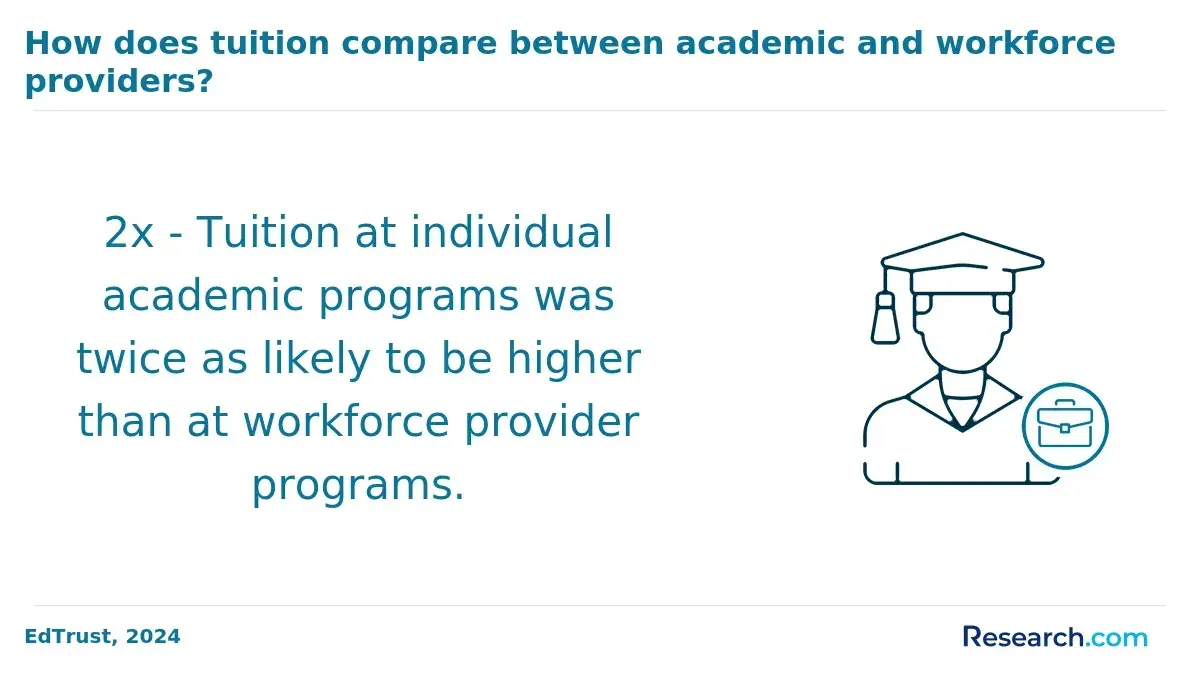
Cost also varies widely. College Board's 2024-25 data lists average published tuition and fees of $11,610 for in-state students at public four-year colleges and $43,350 at private nonprofit four-year colleges. Those figures are not online-specific net prices, but they show why adults should compare total cost, aid, transfer credits, and time to completion rather than relying on sticker price alone.
The table below summarizes common timeline and cost factors so you can estimate the real investment more accurately.
| Factor | How it affects completion | How it affects cost |
| Transfer credits | Can shorten the path by one to three years depending on credits accepted. | Usually reduces total tuition if credits apply to required courses. |
| Part-time enrollment | Extends the calendar timeline but may fit work and family responsibilities. | Can make payment more manageable but may extend fees over more terms. |
| Accelerated courses | Can speed progress if you can handle intensive deadlines. | May reduce time-related costs but not always tuition per credit. |
| Flat-rate tuition | May reward students who can take more credits per term. | Can lower per-credit cost for full-time students. |
| Technology and course fees | Usually do not affect timeline. | Can raise the total bill beyond advertised tuition. |
| Internship or capstone requirements | May require planning around work schedules. | Can create indirect costs if unpaid or time-intensive. |
To reduce cost, start with an official transfer evaluation, compare tuition per credit with total program cost, submit the FAFSA if eligible, ask about employer tuition assistance, and check whether your workplace training can count for credit. If your goal is a faster management-oriented path rather than a communication-specific major, an accelerated business administration degree online may also be worth comparing.
What careers can you pursue with an online communication degree as a working adult?
An online communication degree can lead to roles across business, media, government, education, healthcare, technology, and nonprofit organizations. The degree is broad, so career outcomes depend heavily on your concentration, portfolio, internships, existing work history, and ability to show measurable communication results.
For working adults, one advantage is that communication skills can build on prior experience. Someone with retail management experience might move into internal communication or training, while someone with healthcare experience might pursue patient education, outreach, or health communication. The table below shows common career paths and what these roles typically involve.
| Career path | Typical responsibilities | Helpful preparation |
| Public relations specialist | Writes press materials, coordinates media outreach, supports campaigns, and helps manage public reputation. | PR writing, campaign planning, media relations, and crisis communication projects. |
| Social media or digital content specialist | Creates content calendars, writes posts, tracks engagement, and adapts messages for different platforms. | Digital media, analytics, writing samples, and platform-specific portfolio work. |
| Corporate communication specialist | Develops employee messages, newsletters, leadership updates, and change-management communication. | Organizational communication, business writing, presentation skills, and HR familiarity. |
| Marketing communication coordinator | Supports brand messaging, campaigns, email content, event promotion, and customer communication. | Strategic communication, branding, audience research, and basic marketing analytics. |
| Technical or professional writer | Creates manuals, guides, web documentation, training materials, or process explanations. | Clear writing, editing, information design, and subject-matter research. |
| Community engagement or nonprofit communication coordinator | Builds outreach campaigns, donor messaging, advocacy materials, and community partnerships. | Public communication, grant or campaign writing, storytelling, and stakeholder engagement. |
Some graduates later pursue graduate study for leadership, research, teaching, speech-language pathology prerequisites, or specialized communication roles. If your long-term plan includes executive communication, research, or senior strategy roles, a masters in communications may be a later step, but it is usually not required for many entry-level communication jobs.
The smartest career strategy is to build a portfolio while you study. Save campaign plans, writing samples, social media audits, presentations, research reports, and capstone projects. Employers often need proof that you can produce clear, audience-focused work, not just a transcript showing communication coursework.
What salary ranges and earning potential are common for communication-related roles?
Communication-related salaries vary because the degree can lead to entry-level coordinator roles, specialized writing positions, marketing roles, public relations jobs, or management tracks. Location, industry, experience, technical skills, and portfolio quality can make a large difference.
The U.S. Bureau of Labor Statistics reported a May 2024 median annual wage of $70,300 for media and communication occupations. That midpoint is useful for context, but it should not be read as a promise for new graduates because early-career roles often pay less than experienced or managerial positions.
The table below gives salary context for several roles that communication graduates may consider. These figures reflect national BLS May 2024 median annual pay where available, so local wages and employer requirements may differ.
| Role | Median annual pay | How to interpret the figure |
| Public relations specialist | $69,780 | Relevant for graduates interested in media relations, campaigns, and reputation management. |
| Market research analyst | $76,950 | Often requires stronger data, survey, and analytics skills than a general communication role. |
| Technical writer | $91,670 | Can reward clear writing plus technical, scientific, software, or process knowledge. |
| Editor | $77,660 | Often requires strong judgment, grammar, content strategy, and subject expertise. |
| Advertising, promotions, and marketing manager | $159,660 | Usually reflects management-level experience rather than an entry-level outcome. |
To evaluate earning potential realistically, compare the jobs you want with the skills your program teaches. A broad communication studies degree may be excellent for flexibility, while a program with analytics, digital strategy, business writing, and campaign measurement may be stronger for marketing communication or PR roles. Salary outcomes also depend on whether you continue building experience through internships, freelance work, volunteer campaigns, or workplace projects while enrolled.
What is the job outlook for communication professionals across industries?
The job outlook for communication professionals is mixed but generally resilient because organizations still need people who can explain ideas, manage reputation, reach audiences, and translate information across channels. The strongest opportunities tend to be in roles that combine communication with data, digital platforms, business strategy, healthcare, technology, or crisis response.
BLS projections published for the current occupational cycle show faster-than-average growth for market research analysts, reflecting employer demand for audience insights and data-informed decision-making. For communication students, this means that research methods, analytics, survey interpretation, and campaign measurement can improve career flexibility.
AI is also reshaping the field. Generative tools can draft copy, summarize materials, and support content production, but they do not replace the need for message strategy, ethical judgment, source verification, audience insight, crisis sensitivity, and brand voice. Adults choosing a program should look for coursework that teaches both communication fundamentals and responsible use of digital tools.
Several industries commonly hire communication graduates, but they value different strengths. Healthcare organizations may prioritize clarity and compliance-aware messaging. Technology companies may value technical writing and product communication. Government and nonprofits may emphasize public outreach and stakeholder trust. Agencies may expect fast writing, client service, campaign planning, and comfort with metrics.
If you are comparing communication with adjacent fields, think about your preferred work. Communication is strongest if you want writing, messaging, media, persuasion, stakeholder engagement, or organizational communication. Marketing may be better if you want demand generation and customer acquisition. Business may be better if you want operations, finance, management, or entrepreneurship. Speech-language pathology is a different licensed clinical path; if that is your goal, research prerequisites and graduate requirements carefully, including options such as an online masters in speech pathology.
How can you choose a reputable online communication program that matches your career goals?
The best online communication degree for a working adult is the one that is accredited, affordable for your situation, realistic for your schedule, and aligned with the roles you actually want. Rankings can be useful starting points, but they should not replace a careful fit check.
Use the steps below to compare programs in a practical order. This sequence helps you eliminate risky options before spending time on applications.
- Verify institutional accreditation through recognized accreditation databases and confirm the school is authorized to enroll students in your state.
- Request a written transfer-credit evaluation before committing, especially if you have prior college, military, or workplace training.
- Compare total program cost, including tuition, fees, books, technology charges, residency requirements, and any unpaid internship expectations.
- Match concentrations to target roles, such as public relations, digital media, organizational communication, technical writing, or health communication.
- Review course delivery carefully, including asynchronous access, live class requirements, exam proctoring, group projects, and term length.
- Ask how online students access career services, internships, portfolio support, alumni networks, writing help, and faculty advising.
- Look for applied assignments that produce portfolio artifacts, such as campaigns, media kits, research reports, presentations, and communication audits.
- Check graduation requirements, residency credits, minimum grades in the major, and whether failed or withdrawn courses affect financial aid pace.
Common mistakes are usually avoidable. Many adults focus only on tuition per credit, then discover that transfer credits do not apply, fees are higher than expected, or the schedule is not manageable with work. Others choose a general communication degree when their goal requires a more specialized path, such as analytics-heavy marketing, technical writing, or graduate preparation.
Red flags include vague accreditation claims, no published faculty information, limited course descriptions, aggressive enrollment pressure, unclear tuition, poor transfer transparency, and promises of guaranteed employment. A reputable program should welcome detailed questions because informed students are more likely to persist and graduate.
Before applying, write down your target job titles, weekly study hours, maximum affordable monthly cost, transfer-credit expectations, and preferred learning format. Then compare only programs that fit those constraints. This approach helps you choose a degree as a career investment rather than simply picking the most familiar school name.
Other Things You Should Know About Communication
Yes, many adults do, especially in asynchronous or part-time programs. The key is to choose a course load that fits your weekly schedule and to avoid accelerated terms unless you can handle frequent deadlines.
No. Public speaking is usually taught as part of the curriculum. You should be willing to practice presentations, record speeches, receive feedback, and improve over time.
A communication degree focuses on building skills in media, interpersonal relations, and digital communication, making it versatile for roles in public relations, journalism, and corporate communications. In contrast, a marketing degree emphasizes consumer behavior analysis and strategic planning, suitable for careers in advertising, brand management, and marketing analysis.
Yes, but the degree works best when paired with a portfolio, internships, volunteer projects, freelance work, or relevant experience from your current job. Career changers should choose courses and projects that directly support their target role.
References
- Master's in Communication Salaries by Career and Position (2025 Update) https://www.mastersincommunications.com/faqs/masters-in-communication-salary
- Online Degree vs. Traditional: Choosing the Right Path https://beal.edu/online-degree-vs-traditional/
- Communications Degree Job Outlook 2026: Career Tips & Data https://www.mastersincommunications.org/communications-degree-job-outlook/
- Online Vs On Campus Study: Which is Right For You? https://studee.com/guides/online-vs-on-campus-study-which-is-right-for-you
- The Case for Online Learning: A Data Review https://www.rize.education/blog/demand-for-online-learning
- How to Choose the Best Online Degree Based on Your Career Goals https://careerambit.com/blog/how-to-choose-the-best-online-degree-based-on-your-career-goals
- What do you learn in a bachelor's in communication? | edX https://www.edx.org/resources/what-do-you-learn-in-a-bachelors-in-communication
- Communication professions and career opportunities - Sup de Pub https://www.supdepub.com/en/guide/communication-professions-and-career-opportunities/
- Best Online Communications Degrees: Top Programs in 2024 https://www.onlinecolleges.me/communications-degrees/
- Choosing the Right Online Master’s Program for Your Career https://www.onlinecu.in/blog/cu/how-to-choose-the-right-online-master-program-for-your-career-goals.php