2027 Graduate Assistantships for ABA Students: How They Work

Co-Founder and Chief Data Scientist
Changing careers into applied behavior analysis can raise a practical question before classes even begin: how will you pay for graduate school while gaining experience that helps you qualify for ABA roles? Graduate assistantships can be one of the most useful funding options because they may combine tuition support, a stipend, faculty mentorship, research exposure, teaching experience, or supervised applied work.
They are also competitive and not always easy to compare. Some assistantships are designed for campus-based students who can work in labs, clinics, or classrooms. Others support online or hybrid students through research, data management, instructional support, or remote program tasks. The best option depends on your schedule, financial needs, career goals, certification plan, and ability to meet workload expectations while staying on track academically.
This guide explains how ABA graduate assistantships work, what they typically cover, how eligibility and duties vary, and how to evaluate offers across programs. It is written for prospective ABA master’s and doctoral students, including career changers who need a clearer path from graduate study to supervised experience, BACB certification, licensure considerations, and employment readiness.
Key Things You Should Know
- Graduate assistantships in ABA programs typically offer tuition remission plus a monthly stipend, making them a vital financial resource for 60% of ABA graduate students in 2025.
- Assistantship roles combine coursework with supervised practical experience, often requiring 10-20 hours weekly, providing essential hands-on skills that align with BACB certification requirements.
- Availability of assistantships varies widely by institution, with 40% of accredited ABA programs nationwide offering these positions, emphasizing early application and competitive academic standing.
What are graduate assistantships for ABA students, and how do they differ from other graduate funding models?
Graduate assistantships for ABA students are paid or tuition-supported appointments tied to work performed for a university, department, research lab, clinic, or faculty member. In ABA programs, these roles may involve teaching support, research assistance, clinical program support, data collection, literature reviews, or supervised behavior-analytic activities. In return, students may receive a stipend or wage, tuition remission, or both.
The defining feature is the work obligation. Unlike a scholarship or grant, an assistantship is not simply an award; it is a service-based funding arrangement. Unlike a loan, it generally does not require repayment. That combination can make assistantships especially valuable for students entering ABA from unrelated undergraduate majors who need both financial support and field-relevant experience.
Compensation varies by institution, appointment type, and workload. For context, postsecondary teaching assistants earned a mean annual wage of $47,030, with the 75th percentile reaching $60,450, according to the Bureau of Labor Statistics in May 2023. An ABA assistantship may not match those figures exactly, but those numbers can help students think critically about workload, stipend value, and opportunity cost.
| Funding model | How it works | Key trade-off |
| Graduate assistantship | Provides a stipend, wage, tuition remission, or a combination in exchange for assigned work. | Can reduce costs and build experience, but requires time that must be balanced with coursework and fieldwork. |
| Scholarship | Awarded based on merit, need, program criteria, or donor requirements. | Usually does not require work, but may be smaller or less renewable than an assistantship. |
| Grant | May support tuition, research, or specific student populations. | Can be highly useful but may not cover the full cost of attendance. |
| Student loan | Provides borrowed funds for education expenses. | Can improve access but must be repaid, often with interest. |
Before accepting an assistantship, ask for the expected weekly hours, appointment dates, stipend amount, tuition waiver details, supervisor name, renewal criteria, and whether the duties support your ABA career goals. Students comparing programs may also want to review affordable BCBA masters programs and then confirm directly whether assistantships are available to online, hybrid, or campus-based students.
What are the eligibility requirements for securing a graduate assistantship in Applied Behavior Analysis?
Eligibility for an ABA graduate assistantship usually starts with academic standing and enrollment status. Many programs expect students to maintain a cumulative GPA of at least 3.0 and register for a minimum of six graduate credits each semester. These requirements help departments ensure that assistantship recipients are making steady progress toward the degree while handling assigned work responsibly.
Departments may also review fit. A strong candidate can explain why the assistantship duties match their ABA interests, whether those interests involve autism services, behavioral assessment, intervention design, school-based consultation, organizational behavior management, research methods, or supervision. Prior applied experience is helpful, but it is not always required, especially for entry-level research or teaching support roles.
Common eligibility factors
- Admission or enrollment in the ABA graduate program: Assistantships are usually limited to admitted graduate students in good standing.
- Minimum academic performance: A cumulative GPA of at least 3.0 is a common benchmark.
- Minimum course load: Students may need to register for at least six graduate credits each semester.
- Relevant skills: Programs may look for writing ability, data accuracy, professionalism, communication skills, and familiarity with ABA concepts.
- Faculty or departmental fit: Research assistantships often depend on alignment with faculty projects or lab needs.
- Application materials: Students may need a resume, statement of purpose, letters of recommendation, or evidence of prerequisite coursework.
- Continuing eligibility: Renewal may depend on performance evaluations, academic progress, and satisfactory completion of assigned duties.
International students should also ask the graduate school and international student office whether the assistantship is permitted under their visa status and whether any limits apply to weekly work hours. Rules can differ by institution and student status, so written confirmation matters.
The strongest applications are specific. Instead of saying you are interested in ABA broadly, connect your experience and goals to the actual assistantship. For example, a research-focused appointment should emphasize data collection, literature review, writing, reliability, and interest in faculty research. A teaching assistantship should highlight communication, organization, grading accuracy, and support for student learning. Prospective students comparing ABA masters programs should ask each department how assistantship eligibility is determined before enrolling.
How do graduate assistantships in ABA programs compare across online, hybrid, and campus-based formats?
ABA graduate assistantships differ significantly by delivery format. Campus-based appointments usually offer the most direct contact with faculty, students, labs, clinics, and classroom settings. Hybrid appointments may combine remote work with occasional in-person duties. Online appointments are often more limited but can still provide meaningful research, instructional, or administrative experience when the program has a clear structure for remote supervision.
Campus-based assistantships commonly involve teaching support, grading, office hours, research lab work, clinic support, or direct collaboration with faculty. These roles generally require about 20 hours per week, with stipends set by department heads, as described in the Seton Hall University Graduate Assistantship Handbook. The main advantage is immersion; the main drawback is reduced flexibility for students who work full time, commute, or have family responsibilities.
Hybrid assistantships can be a useful middle ground. Students may complete literature searches, data entry, coding, manuscript support, or remote instructional tasks online while coming to campus for meetings, labs, training, or teaching responsibilities. This format may preserve some mentoring benefits while allowing more schedule flexibility than a fully campus-based appointment.
Online ABA assistantships are most likely to focus on research support, course support, data management, student communication, or program administration. They can work well for students who cannot relocate, but they require strong communication and self-management. Frequent virtual meetings, written expectations, and clear deadlines are especially important because informal hallway mentoring is less available.
| Format | Typical strengths | Common limitations | Best fit |
| Campus-based | More in-person mentoring, teaching exposure, lab access, and clinical proximity. | Less flexible and may require regular campus availability. | Students who want immersive faculty contact and can commit to on-site work. |
| Hybrid | Balances remote tasks with some campus engagement. | May still require travel or scheduled in-person availability. | Students who need flexibility but still want direct program connection. |
| Online | Greater location flexibility and access for working students. | May offer fewer teaching, lab, or clinical duties and less spontaneous mentoring. | Students who are organized, independent, and comfortable with remote collaboration. |
When comparing formats, ask whether the assistantship duties are truly available to students in your delivery mode. Do not assume an online ABA program automatically offers remote assistantships. Students exploring flexible options can start with masters ABA online programs, then verify funding, supervision, and assistantship availability directly with the department.
ABA graduate assistants usually perform duties that support teaching, research, clinical training, or program operations. The exact assignment depends on the institution, faculty needs, funding source, and whether the student is in a master’s or doctoral program. A well-matched assistantship should strengthen skills the student can later use in supervised fieldwork, certification preparation, doctoral study, or employment.
Common assistantship duties
- Research support: Conducting literature reviews, organizing citations, preparing materials, collecting data, checking data accuracy, assisting with reliability procedures, and supporting manuscript or presentation preparation.
- Teaching support: Grading assignments, preparing instructional materials, managing course communication, helping facilitate discussion, supporting workshops, or assisting faculty with classroom activities.
- Clinical or applied support: Assisting with behavioral assessment activities, intervention materials, data collection systems, treatment plan documentation, or program evaluation under appropriate supervision.
- Administrative support: Coordinating schedules, communicating with students or faculty, maintaining records, organizing program logistics, and supporting departmental events.
- Peer learning support: Helping students understand measurement, behavior assessment, intervention procedures, ethics concepts, or research methods through review sessions or small-group support.
Research-heavy assistantships can be especially useful for students considering doctoral study, academic work, or research positions. Teaching assistantships can build communication and instructional skills. Clinical or applied roles may be more directly relevant to students planning to pursue practitioner roles, although students should confirm whether the experience qualifies toward any supervised fieldwork requirement before relying on it for certification planning.
Competition can be substantial. Seton Hall University offers around 75 assistantships yearly from hundreds of applicants. That level of demand means students should apply early, tailor materials to the specific role, and contact faculty professionally when appropriate. Students researching ABA therapy programs should look beyond the program title and ask what assistantship duties are actually available, who supervises them, and whether online students are eligible.
Graduate assistantship support usually comes in two forms: tuition assistance and a stipend or wage. The most valuable packages may include full or partial tuition remission plus a stipend to help with living expenses. Some may also include subsidized health insurance. The exact amount depends on the university, degree level, appointment type, funding source, and whether the student is classified as resident or non-resident for tuition purposes.
For ABA students, the tuition component can matter as much as the stipend. A modest stipend paired with substantial tuition remission may be more valuable than a higher stipend with limited tuition support. For example, state-funded graduate teaching assistantships at the University of Nevada, Reno waive non-resident tuition during the appointment period, which can notably reduce costs for out-of-state doctoral students.
Some assistantships extend support for up to five years, which can be important for doctoral students whose training may include coursework, research, practicum experiences, and dissertation work. Master’s-level assistantships may be shorter and more closely tied to the standard program timeline.
Costs commonly covered
- Full or partial tuition remission
- Resident or non-resident tuition support, depending on the institution and appointment
- A stipend or wage for assigned work
- Subsidized health insurance in some programs
Costs students may still need to pay
- University fees not included in tuition remission
- Books, software, and course materials
- Housing, food, transportation, and personal expenses beyond the stipend
- Conference travel or professional development costs unless separately funded
- Summer tuition or summer living costs if the assistantship does not cover summer terms
Before accepting an offer, request the full financial breakdown in writing. Ask whether tuition remission covers all required credits, whether non-resident tuition is waived, whether fees are excluded, when stipends are paid, whether health insurance is included, and what happens if you reduce your course load or finish early. These details determine the real value of the assistantship.
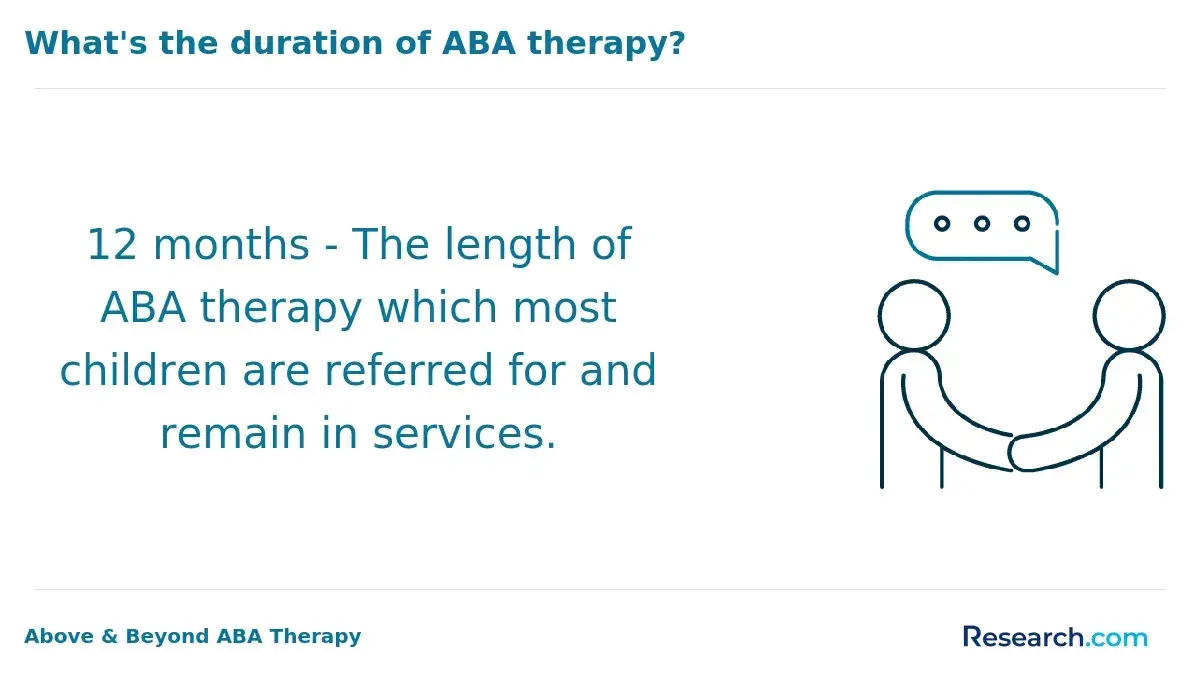
Graduate assistantships for ABA students commonly align with the expected length of the degree, but they are not automatically guaranteed for the entire program. Master’s assistantships typically last around 2 years, while doctoral assistantships often last around 3 years. Renewal usually depends on academic standing, satisfactory job performance, funding availability, and continued departmental need.
For master’s students, a 2-year assistantship may cover the main coursework period and provide time to build research, teaching, or applied experience. It may not fully account for extended fieldwork, part-time enrollment, exam delays, or interruptions in progress. Students should map the assistantship calendar against their course sequence and certification plan rather than assuming the funding timeline will match every requirement.
For doctoral students, a 3-year assistantship can support advanced coursework, research development, practicum experiences, and early dissertation work. However, dissertations and research timelines can extend beyond funded years. Some programs provide support for up to five years, but students should confirm whether that support is standard, competitive, renewable, or contingent on available funding.
Reappointment policies matter. Programs may require performance evaluations and must notify students if renewal will not be offered, giving them time to seek alternative support. Ask when renewal decisions are made, what standards are used, and whether funding continues during summer terms, internships, dissertation credits, or reduced enrollment.
The safest approach is to build a funding plan before enrollment. Meet with an academic advisor, the graduate program director, and the assistantship supervisor to compare your expected graduation date, certification-related timeline, course load, and work obligations. Assistantships are helpful only if they support timely progress rather than slowing it down.
Several universities with established behavior analysis graduate training are known for assistantship opportunities that combine financial support with teaching, research, or clinical experience. Examples include the University of North Texas, Simmons University, and Endicott College. Because accreditation labels, certification requirements, and program recognition can change, students should verify current program status, coursework eligibility, and assistantship availability directly with each institution before applying.
The University of North Texas provides paid assistantships where students assist with faculty-led research projects, gaining hands-on experience in experimental design and data analysis. Simmons University emphasizes clinical applications, allowing assistants to be involved in behavioral intervention studies. Endicott College offers teaching assistant roles to improve instructional delivery in behavior analysis coursework.
These roles can help students manage graduate school costs while building skills that are useful in ABA employment settings. Typical duties may include grading, leading discussion sections, assisting with research trials, organizing data, supporting student learning, or participating in faculty projects. The best option depends less on the university name alone and more on whether the assistantship connects to the student’s intended career path.
Competition should be expected. In 2023, postsecondary teaching assistants accounted for 126,540 positions nationwide, or 4.09% of employment in education. ABA students should therefore prepare focused applications, contact programs early, and ask whether assistantships are awarded at admission, after enrollment, through faculty labs, or through a separate graduate school process.
Graduate assistantships can improve career readiness for ABA students because they create documented experience before graduation. A student who has collected behavioral data, supported research, helped with instruction, contributed to intervention materials, or worked under faculty supervision can speak more concretely in interviews than a student whose experience is limited to coursework alone.
The career value depends on the duties. A research assistantship may strengthen applications for doctoral programs, research coordinator roles, academic labs, or data-focused positions. A teaching assistantship can support future supervision, training, and instructional responsibilities. A clinical or applied assistantship may be most relevant for students planning to work in schools, clinics, healthcare settings, or private practice, especially if the work is supervised appropriately and aligned with professional standards.
Assistantships also expand professional networks. Faculty supervisors may become references, connect students with research opportunities, recommend conference presentations, or help them identify suitable employment settings. This can be particularly important for students entering ABA from unrelated fields who need credible, field-specific experience.
Students should be cautious when interpreting job placement claims. Some programs may report that graduates with assistantship experience tend to find employment within six months post-graduation at higher rates than those without, but reported outcomes can vary based on definitions, response rates, and whether jobs are full-time, part-time, ABA-specific, or related to the degree. NALP employment outcome reports for law graduates show how different reporting methods can affect perceptions of job placement rates, a useful reminder to evaluate multiple sources critically, according to NALP in November 2023.
To get the most career value, choose assistantships that produce evidence you can show employers: presentations, research contributions, teaching evaluations, supervised applied experience, data systems, treatment materials, or strong letters of recommendation. Ask each program how assistantship experience has helped recent graduates, but also request details rather than relying on general placement claims.
An ABA graduate assistantship can support the path toward BACB certification and professional licensure, but it does not replace those requirements by itself. Students must still meet current BACB eligibility rules, complete required graduate coursework, document supervised fieldwork correctly, pass the required examination, and comply with any state licensing rules that apply where they plan to practice.
The BCBA certification pathway generally requires a master’s degree in behavior analysis or a related field, supervised fieldwork hours, and passing the BACB exam. Assistantships may help students gain relevant experience, but students should not assume every assistantship hour counts. The experience must meet the applicable supervision, activity, documentation, and supervisor qualification rules.
Supervised experience pathways can vary. Concentrated fieldwork requires 1,500 hours over at least 12 months; practicum tracks combine 1,000 hours with coursework. If an assistantship provides applied experience with approved supervisors and meets documentation standards, it may help students progress more efficiently toward credentialing. If it is primarily administrative, grading-based, or research-only, it may still be professionally valuable but may not count in the same way.
Licensure and certification questions to ask before accepting an assistantship
- Will any assistantship duties count toward supervised fieldwork requirements?
- Who will supervise the experience, and are they qualified under current BACB rules?
- How will hours be documented and reviewed?
- Are restricted and unrestricted activities clearly identified?
- Does the program’s coursework meet current certification requirements?
- What state licensure rules apply in the state where you plan to work?
State licensing requirements vary and may include holding the BCBA credential, completing additional supervised experience, submitting fees, passing background checks, or meeting continuing education requirements. Students considering practice in states such as California and Texas should consult the relevant state regulatory board early because state rules, protected titles, and legal practice requirements may differ.
Salary outcomes also vary by role, location, employer, and credential level. Behavior analysts often earn median salaries above $70,000. By comparison, paralegal roles, which share some administrative and organizational skills, had a median wage of $61,010 with little growth projected by the Bureau of Labor Statistics Occupational Outlook Handbook. The key takeaway is that BCBA certification and any required state licensure can materially affect the range of ABA roles a graduate may legally and competitively pursue.
How should prospective ABA students evaluate and compare graduate assistantship offers across different institutions?
Prospective ABA students should compare assistantship offers using total value, not stipend amount alone. A lower stipend with full tuition remission, strong supervision, and duties aligned with certification goals may be more valuable than a higher stipend with limited tuition support and unrelated work. Conversely, an assistantship with generous funding can still be a poor fit if the workload delays graduation or provides little relevant experience.
As a compensation reference point, comparing an offer to the reported mean wage of $46,960 for postsecondary teaching assistants can help identify packages that deserve closer review. However, assistantship value also depends on tuition remission, benefits, course load, required hours, and career relevance.
| Factor to compare | Why it matters | Questions to ask |
| Stipend or wage | Determines how much support you receive for living expenses. | How much is paid, when is it paid, and is it taxable? |
| Tuition remission | Often represents the largest financial benefit. | Does it cover full tuition, partial tuition, non-resident tuition, fees, or summer credits? |
| Weekly workload | Affects your ability to complete coursework and fieldwork. | How many hours are expected, and are evenings or weekends required? |
| Duties | Determines whether the role builds useful ABA skills. | Will the work involve research, teaching, clinical support, data analysis, or administration? |
| Supervision and mentorship | Can influence certification planning, references, and career development. | Who supervises the work, how often do meetings occur, and does supervision align with ABA goals? |
| Renewal terms | Shows whether funding is stable throughout the degree. | Is renewal automatic, competitive, performance-based, or dependent on funding? |
| Program fit | Connects the assistantship to long-term outcomes. | Does the role support your intended setting, such as schools, clinics, research, consulting, or doctoral study? |
Students should also calculate the effective hourly value. A fixed stipend can look attractive until divided by the expected hours, especially if duties regularly exceed the official appointment. Ask current students whether the workload is manageable and whether supervisors respect academic demands.
Before deciding, request the offer letter, tuition waiver details, job description, renewal criteria, supervisor information, and any policies on outside employment. The strongest assistantship is the one that supports your finances, protects your academic progress, builds relevant ABA experience, and keeps you on track for certification and licensure goals.
Other Things You Should Know About Applied Behavior Analysis
Yes, if the role includes supervised experience that meets the Behavior Analyst Certification Board’s 2027 fieldwork rules. The hours must be documented, supervised by an approved BCBA, and completed within the BCBA-eligible experience standards rather than counted as ordinary campus work.
In 2027, graduate assistantships for ABA students typically involve supporting faculty with research projects, helping to develop and implement ABA programs, and assisting in teaching undergraduate courses. Responsibilities may also include data collection for ongoing studies and participation in clinical supervision under licensed BCBAs.
Applicants for 2027 ABA graduate assistantships generally need a bachelor's degree in psychology or a related field, strong academic records, and relevant research or practical experience. Specific requirements may vary by institution, so prospective students should verify directly with their chosen program.
A typical graduate assistantship in ABA for 2027 requires a commitment of 10-20 hours per week. These hours may be allocated to research, teaching, or administrative duties, ensuring students can balance their academic responsibilities and practical experience effectively.
- 40+ Best Online ABA Masters Programs [for 2025] https://abamastersprograms.org/online-aba-masters-programs/
- What Qualifications Are Required to Become a BCBA? https://bluegemsaba.com/bcba-qualifications-requirements/
- | Association of American Universities (AAU) https://www.aau.edu/category/tags/graduate-education-funding
- Applied Behavior Analysis Master’s Degree | Georgian Court University | Lakewood, New Jersey https://georgian.edu/academics/graduate-programs/applied-behavior-analysis/
- Understanding Graduate School Financial Aid - Graduate Programs for Educators https://www.graduateprogram.org/blog/understanding-graduate-school-financial-aid/
- Essential Requirements for Securing a Graduate Assistantship - Academic Insights http://haghish.com/essential-requirements-for-securing-a-graduate-assistantship/
- College of Education & Behavioral Sciences Graduate Assistantship https://www.eastern.edu/academics/colleges-seminary/college-education-and-behavioral-sciences/programs-offered/graduate-0
- ABA Therapy Certification Requirements | Advanced Autism Services https://www.advancedautism.com/post/aba-therapy-certification-requirements
- The Student Guide to Finding, Applying, and Landing a Graduate Assistantship https://www.onlinemastersdegrees.org/student-resources/graduate-and-teaching-assistantships/
- Degrees Online https://www.appliedbehavioranalysisedu.org/degrees-online/