2027 Working With Adults vs Children as a BCBA: Career Comparison

Co-Founder and Chief Data Scientist
Choosing whether to work primarily with adults or children is one of the most important early career decisions for a Board Certified Behavior Analyst (BCBA). The credential is the same, but the day-to-day work can look very different. Pediatric roles often center on early intervention, autism services, school collaboration, and parent training. Adult roles more often involve independent living, vocational behavior supports, residential services, mental health settings, and long-term quality-of-life goals.
This guide compares the two paths so prospective and current BCBAs can make a more informed decision. It explains how responsibilities, training, curriculum, salaries, job outlook, work settings, and career paths differ when serving adults versus children. It also highlights what to look for in BCBA degree and training programs, especially if you already know which population you want to serve.
Key Things You Should Know
- BCBAs working with adults often address skill maintenance, vocational training, and behavior reduction in populations with developmental disabilities, contrasting with children-focused interventions emphasizing language and social skills acquisition.
- Adult ABA positions generally show higher average salaries, with a 2025 survey reporting a 12% salary increase compared to pediatric roles due to specialized care demands and fewer service providers.
- Certification and continuing education requirements remain consistent, but practice settings differ: adults are commonly served in community and residential programs, while children more often receive school-based or early intervention services.
What is a BCBA and key responsibilities with adults vs children?
A Board Certified Behavior Analyst (BCBA) is a graduate-level behavior analysis professional who assesses behavior, identifies why behavior occurs, designs evidence-based interventions, trains caregivers or staff, and monitors progress through data. The core clinical process is similar across populations, but the goals, stakeholders, settings, and pace of treatment often differ sharply between adult and child services.
In child-focused applied behavior analysis, BCBAs commonly support children with developmental delays, autism spectrum disorders, communication needs, and behavioral challenges. Their work may include early intervention planning, language and social skill development, school readiness, adaptive behavior training, parent coaching, and collaboration with teachers or special education teams.
Common child-focused methods may include discrete trial training, natural environment teaching, functional communication training, reinforcement-based skill acquisition, and generalization planning across home, school, and community settings. Because children are still developing foundational skills, treatment goals often focus on building new abilities as early and consistently as possible.
BCBAs who work with adults are more likely to focus on independence, safety, dignity, community participation, employment readiness, behavior reduction, and skill maintenance. Adult clients may have intellectual or developmental disabilities, acquired disabilities, mental health conditions, traumatic brain injury, or long histories of prior interventions. Services may take place in supported living programs, group homes, day programs, employment sites, hospitals, mental health facilities, or community settings.
Across both populations, strong BCBAs must be skilled in functional behavior assessment, data collection, treatment design, ethical decision-making, staff or caregiver training, and ongoing program adjustment. The difference is not whether ABA principles apply; it is how those principles are adapted to the client’s age, environment, communication style, autonomy, support system, and long-term goals.
Pediatric ABA shows faster employment growth at about 15% annually, while adult services grow at a rate near 8%. That difference helps explain why many entry-level BCBA opportunities are child-focused, while adult services may require more targeted experience or specialized supervision. Students comparing training options can review flexible online BCBA certification program options to find programs aligned with their career goals.
What are the education and certification requirements to become a BCBA?
To become a BCBA, candidates generally need a master’s degree or higher in behavior analysis, education, psychology, or a related field, along with behavior-analytic coursework that satisfies current certification requirements. The academic preparation should cover the BACB's 5th Edition Task List, including ethics, behavioral assessment, experimental design, measurement, behavior-change procedures, supervision, and intervention planning.
The degree alone is not enough. Candidates must also complete supervised fieldwork under a qualified BCBA supervisor. The required experience totals 1,500 hours for concentrated fieldwork or 2,000 hours for standard fieldwork. These hours are where candidates learn to translate classroom concepts into real assessment, treatment planning, data review, caregiver or staff training, and ethical decision-making.
Fieldwork settings matter. A candidate who wants to work with children should seek supervised experience in early intervention, schools, clinics, home-based pediatric services, or programs serving children with developmental disabilities. A candidate interested in adult services should look for placements in residential programs, supported employment, adult day services, hospitals, behavioral health programs, or community-based disability services.
After completing the education and supervised experience requirements, candidates must pass the BCBA certification exam. The exam evaluates knowledge of behavior-analytic principles, ethics, assessment, intervention, supervision, and professional practice. Once certified, BCBAs must complete continuing education units every two years to keep the credential active and stay current with professional standards.
Prospective students should treat certification planning as a checklist, not an assumption. Before enrolling, confirm that the program’s coursework fits current eligibility rules, that fieldwork supervision is available or clearly supported, and that the program can explain how graduates move from coursework to exam eligibility.
Salary comparisons between child- and adult-focused roles show notable differences. According to the 2025 Occupational Outlook Report, BCBAs working with adults often earn higher median salaries, reflecting the specialized expertise required. Students comparing graduate options can use lists of BCBA accredited programs as a starting point, then verify current certification alignment directly with each school.
How does working with adults differ from children as a BCBA?
Working with adults differs from working with children in purpose, environment, collaboration, and clinical complexity. Child services often emphasize skill acquisition during key developmental periods. Adult services often emphasize independence, quality of life, community access, risk reduction, vocational functioning, and maintenance of skills over time.
With children, BCBAs frequently design programs around communication, play, social interaction, classroom behavior, self-care, and early learning. Parents and caregivers are usually central partners, and the BCBA may need to coordinate with teachers, speech-language pathologists, occupational therapists, physicians, and school teams. Progress is often measured through developmental gains, reduced interfering behavior, and improved participation at home or school.
With adults, intervention goals may involve supported employment, daily living routines, medication adherence supports, community safety, residential stability, social boundaries, or reduction of severe behavior in less structured settings. Adult clients may have longer behavioral histories, co-occurring mental health needs, trauma histories, medical concerns, or service systems that are harder to coordinate. Consent, autonomy, dignity, and client preference are especially central in adult practice.
Settings are another major difference. Children commonly receive services in clinics, homes, schools, and early intervention programs. Adults more often receive services in community centers, residential facilities, supported living programs, employment sites, hospitals, or mental health facilities. These settings affect scheduling, supervision, staff training, safety planning, and how directly a BCBA can observe the behavior of concern.
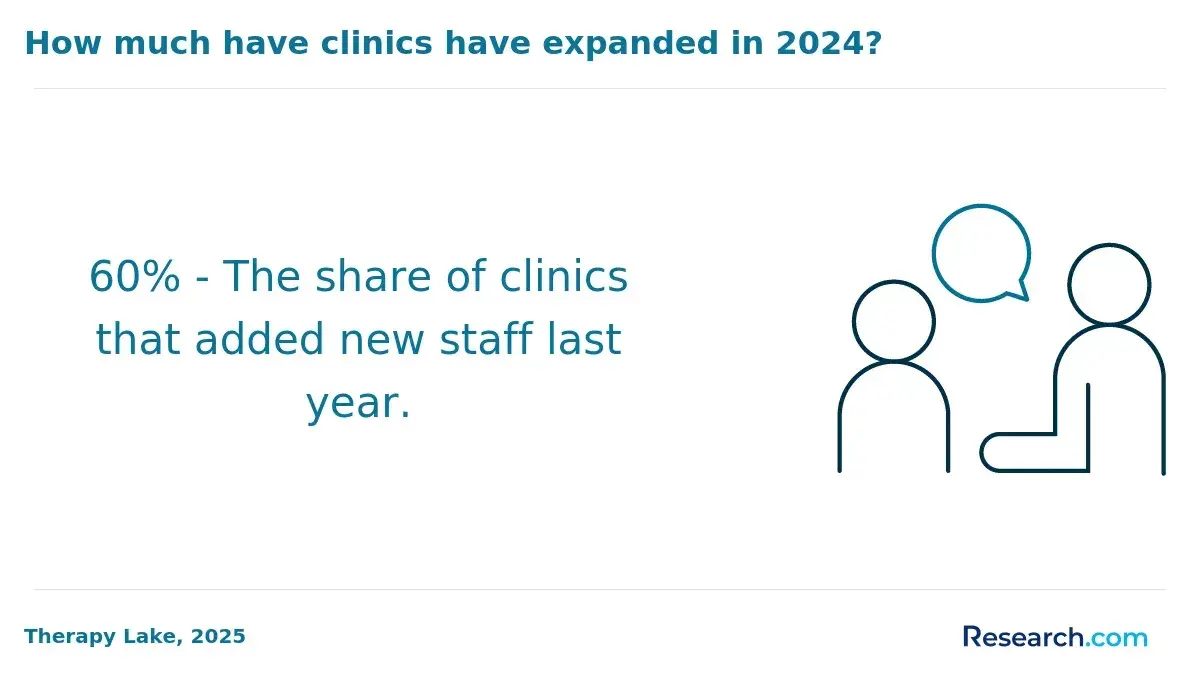
Demand also differs. Demand data from the Behavior Analyst Certification Board shows about 60% of BCBA jobs target pediatric populations and around 30% focus on adults. This split reflects the larger and more standardized pediatric ABA market, especially around autism and early intervention, while adult services continue to grow as systems recognize lifelong behavioral health needs.
- Choose child-focused work if: you enjoy developmental skill building, parent training, school collaboration, and structured treatment plans.
- Choose adult-focused work if: you are interested in independence, employment, residential supports, complex case coordination, and long-term service planning.
- Be cautious if: you assume one path is easier. Pediatric work can involve high treatment intensity and family expectations, while adult work can involve complex systems, safety concerns, and fewer standardized program models.
Students who want training that can support either path may compare online ABA master’s programs and ask each program how it supports fieldwork across both pediatric and adult settings.
What degree programs prepare you for BCBA certification?
Degree programs that prepare students for BCBA certification are usually at the graduate level and commonly include behavior analysis, applied behavior analysis, psychology, education, or special education. A master’s degree is the most common route because BCBA eligibility requires graduate-level coursework that covers behavior-analytic concepts, assessment, intervention, ethics, supervision, and research methods.
Specialized master’s degrees in applied behavior analysis are often the most direct option because the curriculum is designed around the competencies future BCBAs need. However, students may also complete a related graduate degree, such as special education or psychology, with behavior-analytic coursework that satisfies certification requirements. A master’s in special education supplemented with ABA courses, for example, may fit students planning to work in schools or pediatric developmental services.
The best degree choice depends partly on the population you want to serve. Students aiming for child-focused roles often benefit from programs with coursework or practica in autism, early intervention, developmental psychology, special education law, parent training, and school collaboration. Students aiming for adult roles may prefer programs with opportunities in organizational behavior management, clinical psychology, intellectual and developmental disability services, mental health, gerontology, or community-based supports.
Applicants should verify three things before enrolling. First, the curriculum must meet current BCBA eligibility requirements. Second, the program should explain how students secure supervised fieldwork. Third, the program should offer practicum or employment connections in the type of setting the student wants after graduation.
Research from the Association for Behavior Analysis International highlights that client satisfaction varies by population served, so training that exposes students to real cases across age groups can be valuable. A student who trains only in one setting may still become certified, but may need additional mentoring before moving confidently into another population.
Accreditation, current curriculum design, qualified faculty, exam preparation, supervision support, and fieldwork access should all factor into the decision. Students comparing distance learning options can review online ABA degree programs and then confirm each program’s current certification pathway directly with the institution.
Which online vs campus BCBA programs are accredited?
Both online and campus BCBA programs can prepare students for certification, but students should verify the program’s current accreditation status, coursework alignment, and fieldwork support before enrolling. The key question is not whether the program is online or in person; it is whether the program’s curriculum and supervised experience pathway can help you meet current BCBA eligibility requirements.
Accredited online options include master's programs from the University of Cincinnati and Ball State University, which are commonly considered by students who need flexibility because of work, family, or location. Online programs can be a strong fit for working professionals, but students must be proactive about arranging supervised fieldwork in an appropriate local setting.
Campus programs like those at Simmons University and the Florida Institute of Technology offer structured in-person learning and may provide closer access to university-affiliated clinics, faculty mentoring, and regional practicum partnerships. Campus study can be especially useful for students who want more direct observation, cohort interaction, and built-in practicum connections.
Students should compare online and campus programs using practical criteria:
- Certification alignment: Does the program clearly explain how coursework supports BCBA exam eligibility?
- Fieldwork access: Does the school place students, help students find supervisors, or require students to arrange supervision independently?
- Population fit: Are practicum sites available for children, adults, or both?
- Faculty expertise: Do instructors have experience in the settings where you want to work?
- Exam support: Does the program publish or discuss graduate outcomes, exam preparation resources, and advising?
- Schedule and cost: Can you realistically complete coursework and supervised hours without compromising performance or ethical practice?
Retention and burnout can also vary by training format and subsequent workplace. Research in the Journal of Behavioral Health notes that early-career BCBAs trained primarily online have a 12% higher retention rate in adult services compared to peers from campus programs who tend to work in pediatric settings. This difference may stem from workplace stress, as adult behavioral environments report 15% lower burnout rates than intensive early intervention for children.
What does BCBA curriculum cover for adult and child focus?
BCBA curriculum typically begins with the same foundation for all students: principles of behavior, measurement, assessment, ethics, experimental design, intervention procedures, supervision, and data-based decision-making. These core areas matter whether a BCBA serves toddlers, school-age children, adolescents, adults, or older adults.
The specialization comes from electives, practicum settings, case examples, faculty expertise, and fieldwork supervision. A child-focused curriculum usually emphasizes developmental milestones, early intervention, autism spectrum disorder (ASD), language acquisition, social skills, play skills, school collaboration, family training, and behavior plans that can be implemented by parents, teachers, and technicians.
An adult-focused curriculum places more emphasis on functional behavior assessment in less structured environments, independent living, community participation, staff training in residential or vocational settings, severe behavior, mental health considerations, aging, acquired disabilities, and skill maintenance. Examples may include behavior plans for traumatic brain injury patients and managing severe self-injury in older adults.
Students should look beyond course titles. A course called “Behavior Assessment” may be taught mostly through pediatric autism cases, adult residential cases, school-based examples, or a mix of all three. Ask for sample syllabi, practicum descriptions, and examples of fieldwork sites before assuming the program matches your intended path.
Insurance reimbursement influences these differences strongly. Pediatric services generally receive higher reimbursement rates from healthcare payers and the Behavior Analyst Certification Board, guiding programs to emphasize pediatric competencies. Consequently, adult ABA training occupies a more niche and less standardized space.
If you are undecided, choose a program that offers broad exposure. If you already know your focus, prioritize supervised experience with that population. For adult services, seek training in interdisciplinary teamwork and community-based implementation. For child services, seek deep preparation in ASD intervention, caregiver coaching, developmental assessment, and school coordination.
What are typical salaries for BCBAs working with adults vs children?
BCBA salaries vary by setting, region, experience, caseload complexity, employer type, and leadership responsibility. Population focus can influence earnings, but it should not be the only factor in choosing a career path. Workload, supervision expectations, travel, billing model, staff support, and long-term advancement can matter just as much as base pay.
Board Certified Behavior Analysts (BCBAs) working with adults generally earn between $60,000 and $85,000 annually. Adult roles may be found in community agencies, residential programs, hospitals, behavioral health systems, long-term care, supported employment, or disability services. Compensation can rise when the role includes supervision, program development, crisis support, interdisciplinary leadership, or oversight of multiple sites.
BCBAs specializing in pediatrics, especially in autism spectrum disorder services, typically see salaries ranging from $55,000 to $80,000. Pediatric income may depend heavily on clinic structure, insurance reimbursement, billable hours, travel requirements, technician supervision, school contracts, and whether the position is in a private company, school system, nonprofit, or hospital-affiliated program.
Career advancement differs as well. Adult-focused BCBAs often progress into supervisory roles in community agencies, residential centers, or healthcare facilities, pushing salaries beyond $90,000. Pediatric specialists may move into lead clinician roles, clinical director positions, school consultation, private therapy leadership, or early intervention program management, where leadership can also increase compensation.
When comparing job offers, candidates should ask specific questions:
- Is the salary tied to billable-hour minimums?
- How many clients or sites will the BCBA cover?
- How much travel is required?
- Will the BCBA supervise technicians, caregivers, teachers, or direct-care staff?
- Are evenings or crisis-response duties expected?
- Is there paid time for documentation, assessment, training, and data review?
- What does advancement look like after the first year?
Data from the Behavior Analyst Certification Board highlights that specialization, experience, and work environment strongly impact career progression and salary growth in applied behavior analysis. A higher salary may not be better if it comes with unsustainable caseloads, weak supervision systems, or unrealistic productivity expectations.
What is the job outlook for BCBAs in adult vs child services?
The job outlook for BCBAs remains strong in both adult and child services, but the markets are different. Child services offer broader and more visible employment opportunities, especially in autism intervention, early intervention, schools, and pediatric clinics. Adult services may have fewer posted roles in some regions, but demand is expanding as health, disability, and community support systems recognize the need for behavior-analytic services across the lifespan.
Demand for BCBAs in child services remains strong because of early intervention needs, school-based behavioral support, and autism-related services. These roles are often more standardized, with clearer service models, established funding streams, and larger teams of behavior technicians or related service providers.
Adult services are growing in response to longer lifespans, transition-age needs, mental health complexity, supported employment goals, and long-term support needs for adults with intellectual or developmental disabilities. Adult-focused BCBAs may manage smaller caseloads that require more individualized planning, more staff training, and more coordination with residential providers, clinicians, guardians, employers, or state agencies.
- Medicaid and state funding predominantly support pediatric applied behavior analysis, providing more stable job openings for child-focused BCBAs.
- Adult services receive less uniform funding but are benefiting from growing recognition of behavioral interventions in mental health and developmental disability care.
- Adults with intellectual or developmental disabilities frequently need long-term applied behavior analysis support, offering sustained career prospects.
- The complexity of adult cases often demands advanced specialization, which may limit entry-level roles but can increase earnings potential.
For new graduates, pediatric services may offer a more direct entry point because there are often more clinics, school contracts, and early intervention providers hiring BCBAs. Adult services may require more networking, targeted fieldwork, or willingness to work in interdisciplinary systems that do not always label roles as “ABA” in the job posting.
The better path depends on your preferred work style. Choose child services if you want a larger job market, developmental programming, family involvement, and school or clinic collaboration. Consider adult services if you want complex case consultation, independence-focused goals, interdisciplinary care, and long-term systems-level work.
How do you choose a reputable BCBA training program?
Choosing a reputable BCBA training program requires more than checking whether the school offers ABA courses. The program should have a clear pathway from admission to graduation, supervised fieldwork, exam eligibility, and employment. It should also match the population you want to serve: children, adults, or both.
Start by verifying that the program meets current certification expectations set by the Behavior Analyst Certification Board (BACB). Ask the school to explain exactly how its coursework maps to certification requirements and what students must do outside the classroom to become exam eligible. Do not rely only on marketing language; request current details from an advisor or program director.
Supervised fieldwork is one of the most important factors. BACB requires at least 1,500 hours of supervised fieldwork, but the quality of those hours matters as much as the total. Strong programs help students find appropriate supervisors, define acceptable activities, track hours accurately, and receive feedback on assessment, intervention, ethics, documentation, and caregiver or staff training.
Students planning to work with children should look for partnerships with clinics, schools, early intervention providers, home-based service agencies, or pediatric developmental programs. Students planning to work with adults should ask about placements in residential services, supported employment, mental health programs, hospitals, adult day programs, or agencies serving adults with intellectual or developmental disabilities.
Use these questions when evaluating a program:
- Does the curriculum cover ethics, behavior assessment, intervention strategies, supervision, data analysis, and research design in depth?
- Are adult and child cases both represented in coursework?
- Who provides supervision, and what are their qualifications?
- Does the program assist with fieldwork placement, or must students find sites independently?
- What exam preparation resources are available?
- What are graduate outcomes, including BCBA exam pass rates and job placements?
- Are faculty active in applied behavior analysis practice, research, or supervision?
- Can the program accommodate working students without weakening fieldwork quality?
Flexible delivery can be valuable, especially for working adults, but flexibility should not come at the expense of rigor. A strong online or hybrid program should still provide advising, supervision guidance, faculty access, applied assignments, and clear expectations for ethical practice.
What career paths exist for BCBAs specializing in adults or children?
BCBAs can build careers in clinical practice, education, healthcare, community services, supervision, consulting, administration, and program development. The specific path often depends on whether the BCBA specializes in children, adults, or a broader lifespan model.
BCBAs working with adults often support individuals with autism, developmental disabilities, acquired disabilities, mental health challenges, or complex behavioral needs. Common roles include behavior consultant for residential programs, clinical supervisor in adult disability services, supported employment specialist, hospital-based behavior analyst, long-term care consultant, community agency supervisor, or program director. Their work may involve independence training, staff coaching, environmental modifications, crisis prevention, vocational behavior supports, and interdisciplinary treatment planning.
Adult-focused BCBAs may also move into consulting and systems-level work. For example, they may train direct-care staff across multiple residences, design agency-wide behavior support procedures, consult with employment programs, or help organizations reduce restrictive practices while improving client quality of life.
Pediatric BCBAs commonly work in early intervention programs, autism clinics, schools, home-based therapy programs, pediatric hospitals, and private practices. Their responsibilities may include skill acquisition programming, behavior intervention plans, parent training, technician supervision, school consultation, individualized education plan support, and collaboration with speech-language pathologists, occupational therapists, teachers, and physicians.
Child-focused BCBAs can advance into lead clinician, clinical director, school district consultant, early intervention program manager, training coordinator, or private practice owner roles. These careers often require strong communication with families and educators, as well as the ability to translate behavior data into practical strategies that can be used across daily routines.
Growth in demand is strong for both sectors, with adult services expanding more rapidly due to longer lifespans and recognition of ongoing support needs. According to data from the Behavior Analyst Certification Board and labor market analyses, employment for BCBAs is projected to grow about 20% over the next decade, driven mainly by adult service demand.
Prospective BCBAs should note:
- Adult-focused roles require expertise in managing complex co-occurring conditions and interdisciplinary teamwork.
- Child-focused roles emphasize developmental milestones, family involvement, and educational systems.
- Salary ranges overlap but vary by region and employer; researching specific markets is essential before specializing.
The best career path is the one that fits your strengths and tolerance for the realities of the work. If you value developmental progress, family coaching, and structured intervention models, pediatric ABA may be a strong fit. If you are drawn to independence, community participation, complex systems, and long-term support, adult ABA may offer a more satisfying direction.
Other Things You Should Know About Applied Behavior Analysis
BCBAs can work in a variety of settings depending on their population focus. Those working with children often practice in schools, clinics, and home-based programs, while BCBAs serving adults may be found in community centers, residential facilities, and vocational training environments. Understanding these settings helps clarify the day-to-day environment and client needs.
BCBAs address a wide range of behaviors, including skill acquisition and challenging behaviors. In children, common targets involve communication, social skills, and academic behaviors. For adults, areas often include independence, job skills, and daily living activities, adapting strategies to meet developmental and contextual differences.
Yes, ongoing supervision and professional development are required to maintain BCBA certification. The Behavior Analyst Certification Board mandates continuing education credits and periodic renewal to ensure practitioners stay current with best practices. Supervision requirements help uphold high standards in both adult and child services.
References
- BCBA vs. BCaBA: What’s The Difference? https://www.crossrivertherapy.com/behavioral-analysts/bcba-vs-bcaba
- BCBA Job Responsibilities: What They Do and Why It Matters https://championsaba.com/bcba-job-responsibilities/
- Understanding the Role of BCBAs in Behavioral Health | Behavioral Health Allies https://www.behavioralhealth.org/understanding-the-role-of-bcbas-in-behavioral-health/
- What Jobs Can a BCBA Do - What are the Roles? https://www.biermanautism.com/resources/blog/what-jobs-can-a-bcba-do/
- Choosing Excellence: Discover the Best BCBA Programs Online | Brighter Strides ABA https://www.brighterstridesaba.com/blog/bcba-programs-online/
- ABA Certification Explained: RBT, BCaBA, BCBA, BCBA-D https://onlinecounselingprograms.com/mental-health-careers/how-to-become-behavior-analyst-bcba/aba-certification-explained/
- Why You Should Become A BCBA: The Career Landscape & Future of ABA Therapy https://www.circlecareservices.com/blog/career-outlook-of-bcbas
- Center-Based ABA Therapy Curriculum Guide | Divine Steps ABA https://www.divinestepstherapy.com/blog/center-based-aba-therapy-curriculum
- BCBA Job Growth 2025: Why Demand is Outpacing Available Professionals https://www.weachieveaba.com/blogs/bcba-job-growth-2025-why-demand-is-outpacing-available-professionals
- 29+ ABAI Accredited Programs: B.A. and Master’s Degrees https://abamastersprograms.org/abai-accredited-bcba-programs/