2027 Communication Roles Growing Fast in Digital Media, PR, and Brand Strategy

Co-Founder and Chief Data Scientist
Choosing a communication career now means weighing creative work against a labor market shaped by analytics, AI tools, and constant brand visibility. The U. S. Bureau of Labor Statistics projects employment for public relations specialists to grow 6% from 2023 to 2033, faster than the average for all occupations. This guide is for students, career changers, and working professionals comparing degrees, online programs, and job paths in digital media, PR, and brand strategy. You will learn which roles are expanding, what training helps, what salaries look like, and how to choose a program that supports your goals.
Key Things You Should Know
- Fast-growing communication paths cluster around digital content, social media strategy, PR, marketing analytics, brand management, and crisis communication rather than traditional media-only roles.
- BLS May 2024 wage data shows a wide salary spread: public relations specialists had a median annual wage of $69,780, while advertising, promotions, and marketing managers had a median annual wage of $159,660.
- Education costs vary sharply: College Board data for 2024-25 lists average published tuition and fees of $11,610 at in-state public four-year colleges and $43,350 at private nonprofit four-year colleges, before grants and scholarships.
What communication roles are growing fastest in digital media, PR, and brand strategy?
The fastest-growing communication roles are those that combine storytelling, audience research, digital platforms, measurement, and reputation management. "Communication" is a broad field, but employers increasingly want professionals who can create messages, distribute them across channels, interpret performance data, and adjust strategy quickly.
Because federal labor data does not always track newer job titles such as "creator partnerships manager" or "brand social strategist," it helps to map modern roles to broader occupational categories. The table below shows common growth-oriented roles and the kind of work each typically involves.
| Role | What the role does | Why demand is rising | Best-fit preparation |
| Digital communications specialist | Plans website, email, social, and internal digital messaging | Organizations need consistent communication across many channels | Communication degree plus content management, analytics, and writing samples |
| Public relations specialist | Writes press materials, pitches media, manages reputation, and supports campaigns | Brands face faster news cycles and higher public expectations | Communication, PR, journalism, or strategic communication degree |
| Social media strategist | Builds platform strategy, content calendars, engagement plans, and reporting dashboards | Social platforms remain central to customer service, brand discovery, and audience trust | Communication or marketing coursework plus platform analytics and portfolio projects |
| Content strategist | Develops editorial plans, messaging frameworks, and content performance goals | Companies need useful, searchable, and measurable content to support brand authority | Writing, SEO, audience research, and digital media training |
| Brand strategist | Defines positioning, voice, audience segments, campaign themes, and brand consistency | Competitive markets require clearer differentiation and stronger customer loyalty | Strategic communication, marketing, consumer behavior, and research methods |
| Crisis communication specialist | Prepares response plans, statements, stakeholder updates, and post-crisis reviews | Reputation risks spread quickly through social media and news platforms | PR, ethics, media relations, organizational communication, and simulation experience |
| Marketing communications manager | Coordinates campaign messaging across advertising, PR, events, email, and digital teams | Employers need integrated campaigns rather than disconnected promotional efforts | Communication degree plus project coordination, analytics, and campaign experience |
For students, the practical takeaway is that the strongest roles are not limited to "good writers." They reward people who can connect writing, audience insight, brand judgment, technology, and measurable business goals.
AI is changing the work, but it is not removing the need for communication judgment. Entry-level professionals may use AI to draft variations, summarize research, or organize content calendars, while human skill remains critical for fact-checking, ethics, audience nuance, legal sensitivity, and brand voice.
What degrees and training prepare you for modern communication and media careers?
A bachelor's degree in communication, public relations, journalism, marketing, or media studies is the most common starting point for professional roles. The best choice depends on whether you want to focus on writing and media relations, audience analytics, brand campaigns, internal communication, or digital content production.
The table below compares common education paths so you can match the credential to the type of role you want, rather than choosing a program based only on its title.
| Education path | Best for | Typical strengths | Limitations to check |
| Bachelor's in communication | Students who want broad career flexibility in PR, media, corporate communication, or nonprofit communication | Writing, persuasion, interpersonal communication, media theory, research, and campaigns | May need electives or internships to build specialized digital skills |
| Bachelor's in public relations or strategic communication | Students targeting PR agencies, corporate communication, public affairs, or crisis communication | Media relations, campaign planning, reputation management, and stakeholder messaging | Less ideal if you want heavy data analytics or advertising media buying |
| Bachelor's in marketing or business communication | Students interested in brand strategy, customer insights, campaign performance, or product messaging | Consumer behavior, branding, digital marketing, and business context | May include less training in news writing, ethics, or public interest communication |
| Certificate or bootcamp | Career changers or students who already have a degree and need a focused skill upgrade | Shorter training in social media, SEO, analytics, content strategy, or AI tools | Usually not a substitute for a bachelor's degree when employers require one |
| Master's in communication, PR, or strategic communication | Professionals aiming for leadership, research, public affairs, higher education, or specialized strategy roles | Advanced theory, campaign leadership, research design, and executive communication | ROI depends heavily on prior experience, employer tuition support, and career goal clarity |
Students focused on platform strategy, analytics, and campaign content may also compare an online social media marketing degree with broader communication programs. That route can make sense when your target roles are clearly tied to social media strategy, digital audience growth, or creator and community management.
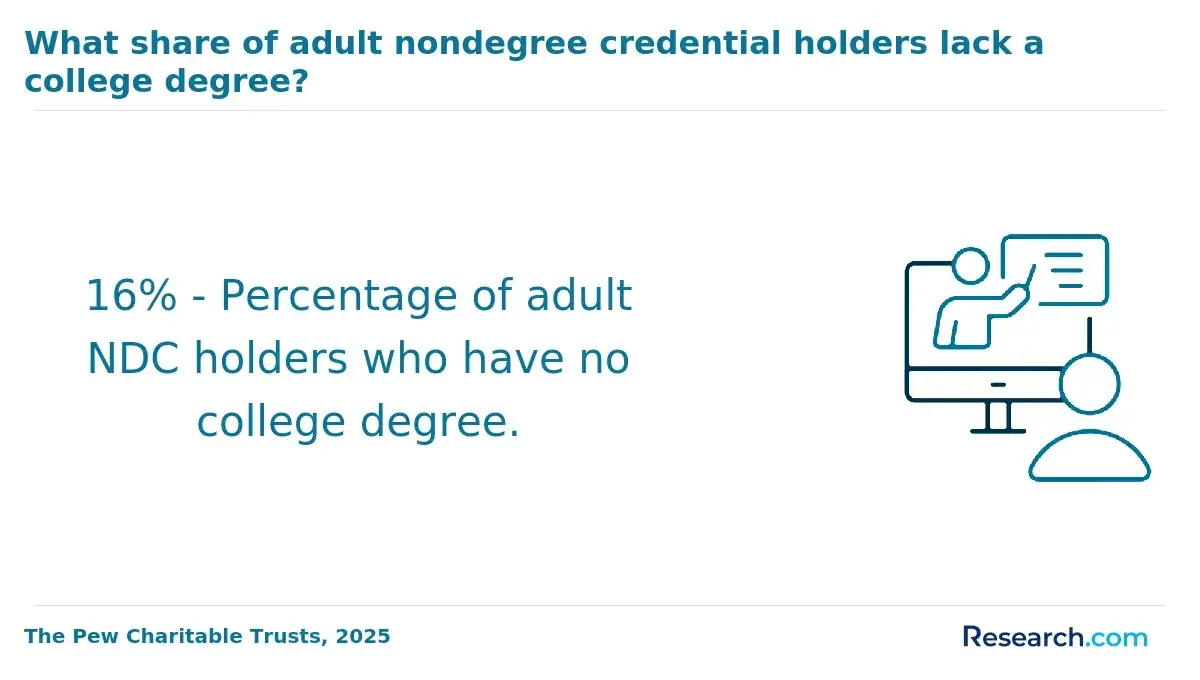
A degree is usually worth stronger consideration if you are early in your career, need internship access, want a structured portfolio, or plan to apply to employers that screen for bachelor's-level education. A certificate may be enough if you already have a related degree and only need targeted training in analytics, content systems, paid social, or AI-assisted production.
How do online and campus-based communication programs compare for career outcomes?
Online and campus-based communication programs can both lead to strong outcomes when they are accredited, career-focused, and portfolio-driven. The format matters less than whether the program gives you access to internships, faculty feedback, digital production tools, industry projects, and alumni or employer connections.
The comparison below highlights the trade-offs that usually matter most to communication students who are balancing cost, schedule, networking, and career preparation.
| Factor | Online communication program | Campus-based communication program | Best choice when |
| Schedule | Often more flexible for working adults and transfer students | Usually follows fixed class times and campus calendars | Choose online if you need work or family flexibility; choose campus if you learn better with a set routine |
| Networking | May use virtual career fairs, online groups, and remote guest speakers | Can offer face-to-face student media, agency visits, and local events | Choose the format with stronger employer access in your target market |
| Portfolio building | Can be strong if courses include real clients, digital campaigns, and instructor critique | Can be strong through student media, campus agencies, and event work | Choose the program that requires finished work samples, not just exams |
| Internships | May support remote or local internships near the student | May have established regional employer pipelines | Ask where recent students interned and whether remote internships count for credit |
| Cost control | May reduce commuting, housing, and schedule-related costs | May provide campus resources bundled into tuition and fees | Compare total cost, not only tuition per credit |
Students should also think about adjacent skills. If you want to manage campaigns, timelines, vendors, and budgets, an accelerated project management degree can be relevant to communication roles that involve cross-functional execution rather than pure content creation.
Before choosing a format, ask schools for concrete evidence of career support. Useful questions include internship placement examples, portfolio requirements, employer partnerships, alumni job titles, access to Adobe, analytics, or social listening tools, and whether online students receive the same advising and career services as campus students.
What courses and skills do communication majors need for digital media and PR work?
Modern communication majors need more than public speaking and writing fundamentals. Employers look for candidates who can understand audiences, produce channel-specific content, manage campaigns ethically, and measure whether communication is working.
The most useful programs combine conceptual courses with applied production and analytics. Look for a curriculum that helps you build the following skill clusters into a portfolio employers can evaluate.
- Strategic writing: press releases, media pitches, executive messages, social copy, newsletters, landing pages, and campaign briefs.
- Digital media production: short-form video, podcasts, graphics, basic editing, accessibility practices, and platform-specific content planning.
- Audience and market research: surveys, interviews, social listening, persona development, and interpretation of engagement data.
- Public relations and reputation management: media relations, crisis communication, stakeholder mapping, ethics, and issues monitoring.
- Brand strategy: positioning, voice and tone, message architecture, competitive analysis, and integrated campaign planning.
- Analytics and reporting: campaign KPIs, dashboard interpretation, A/B testing concepts, SEO basics, and performance storytelling for managers.
- AI and workflow literacy: prompt evaluation, AI-assisted drafting, source verification, bias awareness, editing, and brand-safe use of generative tools.
Course titles vary by school, so read syllabi when available. A course called "digital communication" could be a theory class, a hands-on content lab, or a marketing analytics course; the difference matters if you are trying to graduate with work samples.
A strong student portfolio should include at least a campaign plan, writing samples, social content examples, a basic analytics report, and one project that shows strategic thinking. If your program does not require these, you may need to build them through internships, campus organizations, freelance projects, or student-run agencies.
What are typical admission requirements for U.S. communication bachelor's and master's programs?
Admission requirements vary by school, selectivity, degree level, and whether the program is online or campus-based. Communication programs are not usually licensed programs, but reputable schools still evaluate academic readiness, writing ability, and fit with the program's goals.
The table below summarizes common requirements for U.S. communication degrees. Always verify details with the institution because test policies, portfolio expectations, transfer rules, and GPA standards can change.
| Requirement | Bachelor's programs | Master's programs | Why it matters |
| Prior education | High school diploma or equivalent; transfer students submit college transcripts | Accredited bachelor's degree, often in any major | Determines eligibility and transfer credit review |
| GPA | Minimums vary; selective programs may expect stronger academic records | Many programs set a minimum undergraduate GPA or require explanation of lower grades | Signals academic readiness for writing-heavy coursework |
| Standardized tests | Many schools are test-optional, but policies differ | GRE requirements are less common than in the past, but some schools still request them | Can affect application strategy and timeline |
| Writing sample or essay | Often required through a personal statement or application essay | Commonly required, especially for strategic communication, journalism, or research tracks | Shows clarity, persuasion, and professional motivation |
| Portfolio | Usually optional, except for some media production or journalism tracks | May be requested for applied programs or professional tracks | Can strengthen applications for students with relevant experience |
| Recommendations | Sometimes required by selective programs | Common for master's programs | Provides evidence of writing, leadership, and professional potential |
If your academic record is uneven, focus on evidence that predicts success in communication work. Admissions committees may value a strong essay, recent college coursework, professional experience, published writing, campaign work, or supervisor recommendations.
Transfer students should pay special attention to credit evaluation. A low-cost program can become more expensive if many prior credits are accepted only as electives instead of major requirements.
How long do communication programs take, and what tuition and financial aid can you expect?
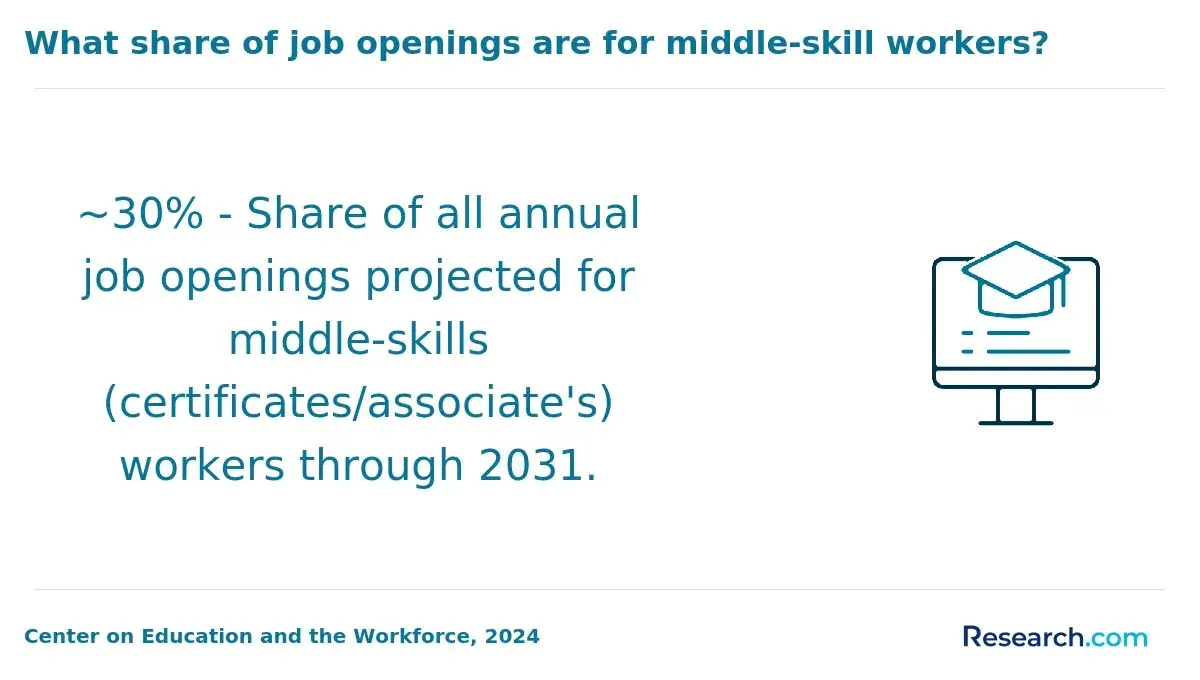
A traditional bachelor's degree in communication usually takes four years of full-time study, while transfer-friendly online programs may take less time if you bring accepted credits. Master's programs commonly take one to two years full time, with longer timelines for part-time students who continue working.
Cost depends on institution type, residency, transfer credits, fees, books, technology, living expenses, and whether you study full time or part time. College Board's 2024-25 published tuition and fee averages give a useful starting point before grants, scholarships, and institutional aid are applied.
- Public four-year, in-state average published tuition and fees: $11,610
- Public four-year, out-of-state average published tuition and fees: $30,780
- Private nonprofit four-year average published tuition and fees: $43,350
Those figures are sticker prices, not the amount every student pays. Net price can be lower after grants and scholarships, but total cost can also rise when housing, transportation, course materials, software subscriptions, and lost work hours are included.
Students trying to reduce cost should compare communication programs with related business options, especially when career goals lean toward marketing, management, or brand operations. A cheapest business administration degree online search may reveal lower-cost programs that still support roles in marketing communication, project coordination, or brand operations.
To estimate your realistic cost, request a degree audit before enrolling, compare net price rather than tuition alone, ask whether internships carry additional fees, and confirm whether required software or equipment is included. If you plan to borrow, check federal loan limits and use conservative salary assumptions rather than assuming a top-paying communications role immediately after graduation.
What is the job outlook and industry demand for communication, PR, and brand roles?
Demand is strongest for communication professionals who can help organizations manage visibility, trust, customer relationships, and digital performance. The field is competitive, but it is not limited to agencies or newsrooms; employers include corporations, universities, hospitals, nonprofits, technology companies, government agencies, entertainment firms, and professional services organizations.
BLS projections released in 2024 help show where demand is concentrated. These categories are broader than many job postings, but they provide a reliable labor-market baseline.
| Occupational category | BLS projected growth, 2023-2033 | What it suggests for students |
| Public relations specialists | 6% | Reputation, media relations, and stakeholder messaging remain useful skills across industries |
| Public relations and fundraising managers | 7% | Leadership roles favor professionals with campaign results, management experience, and strategic judgment |
| Advertising, promotions, and marketing managers | 8% | Brand and campaign leadership can offer strong opportunities for communication graduates with business and analytics skills |
| Market research analysts | 8% | Audience insight and data interpretation are increasingly important for communication strategy |
The key career lesson is that communication roles grow stronger when paired with measurable skills. A student who can write clearly, analyze campaign results, explain audience behavior, and use digital tools responsibly is generally more competitive than a student who has only classroom theory.
AI will likely automate parts of drafting, transcription, content variation, and reporting. However, employers still need people to decide what should be said, who needs to hear it, whether claims are accurate, how risks should be handled, and how communication supports organizational goals.
What salary ranges can communication professionals expect in digital media, PR, and branding?
Communication salaries vary widely by role, industry, geography, experience, portfolio strength, and management responsibility. Entry-level social media or communications coordinator roles usually pay less than management roles, while specialized brand, analytics, and executive communication roles can command higher compensation.
The table below uses BLS May 2024 median annual wage data for relevant U.S. occupational categories. These medians are not guarantees; they are a benchmark for comparing career paths and setting realistic expectations.
| Role category | Median annual wage, May 2024 | How to interpret the number |
| Public relations specialists | $69,780 | A useful benchmark for PR coordinator, media relations, and communications specialist paths |
| Writers and authors | $73,690 | Relevant for content-heavy roles, though freelance and contract income can vary considerably |
| Market research analysts | $76,950 | Relevant for communication graduates who build audience research and analytics strengths |
| Public relations and fundraising managers | $134,760 | Represents more advanced roles that usually require experience and leadership responsibility |
| Advertising, promotions, and marketing managers | $159,660 | Applies to higher-level campaign, brand, and marketing leadership roles, not typical entry-level jobs |
Salary expectations should be tied to your target role. If you want brand strategy or marketing communications management, add business, analytics, and project leadership experience. If you want PR, prioritize writing speed, media judgment, crisis simulations, and internship experience. If you want digital media, build platform fluency, content samples, and reporting skills.
Students should avoid judging ROI by the highest management wage in the field. A better approach is to compare total program cost with realistic first roles, likely career progression, local job markets, and whether the program helps you graduate with evidence employers can review.
How do accreditation and program quality affect communication career and graduate study options?
Accreditation matters because it affects credit transfer, graduate school eligibility, federal financial aid access, and employer confidence. For most communication students, the most important baseline is institutional accreditation from an accreditor recognized by the U.S. Department of Education or the Council for Higher Education Accreditation.
Program-level recognition can also signal quality, but it is not always required for employment. For example, some public relations programs pursue specialized recognition or certification through professional organizations, while many reputable communication departments operate under broader institutional accreditation.
Quality is about more than accreditation status. A reputable communication program should connect coursework to practical outcomes through applied projects, experienced faculty, internships, ethical training, and portfolio development.
Watch for red flags before enrolling. The following issues can make a program less useful even if the marketing materials sound appealing.
- Unclear accreditation: The school should clearly identify its institutional accreditor and allow you to verify that status independently.
- No portfolio requirement: Communication employers often want work samples, so a program without applied projects may leave you underprepared.
- Weak career transparency: Be cautious if the school cannot describe internship support, graduate pathways, or common job titles for recent students.
- Overpromised salaries: No program can guarantee a specific salary, especially in a field where location, industry, and experience matter.
- Poor transfer policies: Ask how many credits will apply to the major before you commit, not after you enroll.
Accreditation is also important if you plan to pursue graduate study. Many master's programs require a bachelor's degree from an accredited institution, and some employers that offer tuition assistance also limit reimbursement to accredited schools.
How should students choose a reputable communication program aligned with their career goals?
The best communication program is not always the most famous or the cheapest. It is the program that fits your target role, budget, schedule, learning style, and need for hands-on experience.
Use the following steps to compare programs in a practical way before you apply or enroll.
- Define your target role first, such as PR specialist, social media strategist, brand coordinator, internal communications associate, or content strategist.
- Check whether the curriculum includes the specific skills your target role requires, including writing, digital production, campaign planning, analytics, and ethics.
- Verify institutional accreditation and ask whether credits will transfer to other accredited schools or graduate programs.
- Request examples of student work, capstone projects, internship partners, and career outcomes rather than relying only on promotional claims.
- Compare total net cost, including fees, software, commuting, housing, and time away from paid work.
- Ask how online students, transfer students, and part-time students receive advising, networking, and career support.
- Choose the program that helps you graduate with a portfolio, references, internship experience, and a clear story about the value you can bring to employers.
If you discover that you are more interested in budgets, timelines, vendors, and cross-functional execution than messaging itself, review a project management degree worth it comparison before committing to a communication-only path. Many communication campaigns need project leadership, but some students may be happier preparing directly for operations or project management roles.
The table below summarizes common decision mistakes and better alternatives. Use it as a final check before submitting applications.
| Common mistake | Why it can hurt your outcome | Better approach |
| Choosing a program based only on ranking | Rankings may not reflect your target role, cost, transfer credits, or local employer network | Compare curriculum, portfolio requirements, internships, and net price |
| Ignoring the portfolio | Communication hiring often depends on visible work samples | Choose courses and internships that produce campaign plans, writing samples, and analytics reports |
| Assuming online means lower quality | Some online programs are rigorous and career-focused, while some campus programs are not | Evaluate accreditation, faculty access, applied projects, and student support |
| Borrowing based on best-case salary assumptions | Entry-level wages may be lower than management medians | Model repayment using realistic first-job scenarios and local job postings |
| Choosing a broad major with no specialization | A general degree may not stand out in competitive digital media or PR hiring | Add a concentration, certificate, minor, internship, or portfolio theme aligned with your goal |
A smart program choice should make your next step clearer. By graduation, you should know which roles you are targeting, have examples of relevant work, and be able to explain how your training connects to employer needs.
Other Things You Should Know About Communication
Communication roles focus on managing information flow and building relationships, often requiring skills in media strategy and brand storytelling. Marketing roles aim at driving sales and conveying product value. In 2027, the distinction is crucial due to specialized demands in digital media and PR strategy.
Yes, a portfolio is strongly recommended. It can include writing samples, campaign plans, social media calendars, video or audio work, media pitches, analytics reports, and class or internship projects. A portfolio helps employers see what you can actually produce.
Yes. Many communication roles rely on research, writing, editing, planning, analytics, and strategic thinking. Some jobs require frequent presentations or client interaction, but others are more focused on content, internal messaging, data interpretation, or behind-the-scenes campaign work.
Useful minors include marketing, business, data analytics, psychology, political science, journalism, graphic design, public health, sociology, and computer science. The best minor depends on your target field, such as healthcare communication, public affairs, brand strategy, or digital media.
References
- A Guide to Modern Digital PR | PR Blog https://pr.co/blog/digital-pr
- Fiche Métier Chargé de Communication : missions, formations et salaire https://www.iscparis.com/en/program/career-guides-communications-specialist/
- Qualities required to work in communications https://www.supdepub.com/en/what-qualities-are-needed-to-work-in-communication/
- How Accreditation Affects the Quality and Recognition of a Master’s Degree https://www.idsnews.com/article/2026/04/sponsored-how-accreditation-affects-the-quality-and-recogintion-04092026
- What Skills You Learn in Online Journalism & Mass Communication | Full Guide 2026 https://www.onlinecu.in/blog/cu/skills-learn-in-online-journalism-and-mass-communication
- Careers in Communication: What Can You Do With a Degree in Communications? https://www.mastersincommunications.com/features/careers-in-communication
- What Are the Prerequisites for a Master's in Communications? - Best Communications Degrees https://www.bestcommunicationsdegrees.com/faq/what-are-the-prerequisites-for-a-masters-in-communications/
- Accreditation as a Strategic Driver of Alignment Across Higher Education and Industry https://acbspjournal.org/2026/05/22/accreditation-as-a-strategic-driver-of-alignment-across-higher-education-and-industry/
- Study Media Abroad: 2026 Global Guide to Courses & Careers https://www.hotcoursesabroad.com/subject/media/
- Finding Your Path: How to Align Studies with Career Goals https://www.alfabetaglobal.com/blogs/finding-your-path-how-to-align-your-studies-with-your-career-goals