2027 Communication Roles at the Center of Digital Media, Brand Strategy, and Public Relations

Co-Founder and Chief Data Scientist
Choosing a communication career now means deciding how you want to influence audiences across social platforms, news cycles, search, owned media, and brand communities. The U. S. Bureau of Labor Statistics projects public relations specialist employment to grow 6% from 2023 to 2033, faster than the average for all occupations, showing steady demand for people who can manage messages and reputation. This guide is for students, career changers, and working professionals comparing communication degrees, digital media roles, PR paths, and brand strategy careers so they can choose a practical education and career plan.
Key Things You Should Know
- Communication careers now span digital content, brand messaging, social media strategy, PR campaigns, analytics, crisis response, and reputation management rather than only writing press releases or producing media materials.
- BLS data published in 2024 projects 6% growth for public relations specialists from 2023 to 2033, while related management and marketing roles often require stronger analytics, leadership, and cross-channel campaign experience.
- The best degree path depends on your target role: a bachelor's degree is usually enough for entry-level media and PR roles, while a master's degree can help with senior strategy, research, executive communication, or specialized leadership positions.
What are the most in-demand communication roles in digital media, branding, and public relations?
The most in-demand communication roles sit where audience insight, content strategy, brand trust, and measurable business outcomes overlap. Employers increasingly want professionals who can write clearly, understand digital platforms, interpret campaign data, and protect organizational reputation during rapid news cycles.
The table below compares common roles by primary function and the kind of candidate each role tends to fit. Use it to narrow your career direction before choosing a degree concentration, internship, or portfolio project.
| Role | What the role does | Best fit for |
| Public relations specialist | Writes media materials, pitches stories, coordinates interviews, monitors public sentiment, and supports reputation campaigns. | Strong writers who enjoy news, relationship-building, and fast response work. |
| Social media strategist | Plans platform-specific content, manages publishing calendars, evaluates engagement data, and adapts messaging for audience behavior. | People who understand digital culture, short-form content, analytics, and community interaction. |
| Brand strategist | Defines positioning, messaging, audience segments, voice, and campaign direction across channels. | Strategic thinkers who enjoy research, consumer insight, and creative problem-solving. |
| Digital content manager | Oversees blogs, newsletters, landing pages, video scripts, podcasts, and editorial workflows. | Organized communicators who can blend storytelling, SEO, editing, and project management. |
| Corporate communications specialist | Creates internal announcements, executive messages, change-management communications, and employee engagement content. | Professionals who want to work inside organizations and translate complex decisions for employees. |
| Crisis communications coordinator | Prepares response plans, drafts holding statements, monitors stakeholder reaction, and coordinates urgent messaging. | Calm, detail-oriented communicators who can write accurately under pressure. |
| Influencer or creator partnerships manager | Identifies creators, negotiates campaign expectations, tracks deliverables, and protects brand alignment. | People interested in culture, contracts, brand safety, and performance reporting. |
A smart entry point is usually a role that lets you build visible work: media pitches, campaign briefs, social content, analytics reports, newsletters, or brand guidelines. Hiring managers often evaluate communication candidates through writing samples and campaign results as much as through job titles.
How do communication professionals shape digital brand strategy and audience engagement today?
Communication professionals shape brand strategy by deciding what an organization should say, where it should say it, who needs to hear it, and how success will be measured. Digital brand strategy connects public relations, marketing, audience research, content planning, and reputation management into one coordinated system.
In practice, this work is less about posting frequently and more about creating consistent meaning across every audience touchpoint. A communication team may translate a brand promise into social posts, media talking points, web copy, executive speeches, employee messages, and crisis statements.
Most digital brand work follows a repeatable strategy cycle. Understanding this cycle helps students and career changers see why communication programs increasingly include analytics, research methods, and digital campaign courses.
- Research the audience: Identify what customers, employees, journalists, communities, or stakeholders care about and what barriers affect trust.
- Define the message: Turn organizational goals into clear positioning, proof points, tone, and audience-specific language.
- Select the channels: Match the message to owned media, earned media, social platforms, email, events, podcasts, video, or executive communication.
- Execute the content plan: Coordinate writers, designers, spokespeople, community managers, and campaign owners so messages stay consistent.
- Measure and adjust: Review engagement, sentiment, search visibility, media pickup, conversions, or stakeholder feedback to improve future campaigns.
AI tools are changing this workflow, but they are not replacing judgment. Generative AI can help draft outlines, summarize social listening themes, or produce first-pass content variations; however, professionals still need to verify facts, avoid bias, protect confidential information, and decide whether a message is ethically and strategically sound.
What skills and competencies are essential for careers at the intersection of media and PR?
The strongest communication professionals combine creative ability with business awareness and evidence-based decision-making. Writing still matters, but employers increasingly expect communication talent to understand analytics dashboards, audience segmentation, brand risk, multimedia production, and cross-functional collaboration.
The following skills are especially useful because they transfer across public relations, brand strategy, corporate communication, nonprofit advocacy, higher education communication, healthcare communication, entertainment, and technology companies.
- Strategic writing: Ability to write press releases, speeches, social posts, email campaigns, web content, talking points, and executive messages for different audiences.
- Digital analytics: Comfort with interpreting engagement, referral traffic, search trends, conversion data, sentiment patterns, and campaign performance reports.
- Media literacy: Understanding how journalists, creators, platforms, algorithms, and audiences shape public attention.
- Brand voice and positioning: Ability to keep messaging consistent while adapting tone for different channels and audience segments.
- Crisis judgment: Capacity to respond quickly without exaggerating, speculating, hiding important information, or damaging credibility.
- Project management: Skill in coordinating calendars, approvals, stakeholders, vendors, and deadlines across multiple campaigns.
- Ethical decision-making: Awareness of transparency, privacy, attribution, disclosure, accessibility, and responsible use of AI-generated content.
Common mistakes include building a portfolio that only shows class essays, ignoring analytics, or presenting personal social media activity as a substitute for campaign strategy. A better approach is to document complete projects: the audience problem, message strategy, content samples, channel choices, performance data, and lessons learned.
Which communication degrees best prepare you for digital media and brand roles?
Several degree paths can prepare you for digital media, branding, and public relations, but they are not interchangeable. The right choice depends on whether you want to write and manage content, lead campaigns, analyze audiences, work in corporate reputation, or move toward marketing leadership.
The comparison below explains how common communication-related degrees align with career goals. It can also help you avoid choosing a program based only on the major name instead of the courses, projects, faculty expertise, and internship access.
| Degree option | Typical focus | Career direction | When it makes sense |
| Bachelor's in Communication | Messaging, media theory, persuasion, public speaking, writing, research, and organizational communication. | PR specialist, communication coordinator, content associate, social media coordinator, internal communication assistant. | You want a flexible foundation that can support multiple media, PR, and corporate communication paths. |
| Bachelor's in Public Relations | Media relations, campaigns, crisis communication, reputation management, writing, and stakeholder communication. | PR assistant, media relations associate, nonprofit communication coordinator, agency account coordinator. | You are specifically interested in earned media, public reputation, campaigns, and organizational image. |
| Bachelor's in Digital Media | Multimedia production, digital storytelling, platform strategy, web content, video, and interactive media. | Digital content producer, social media specialist, multimedia coordinator, audience engagement associate. | You want hands-on production skills and a portfolio-heavy path. |
| Bachelor's in Marketing or Integrated Marketing Communication | Consumer behavior, branding, advertising, analytics, campaigns, and market research. | Brand coordinator, marketing communication associate, campaign specialist, content marketing assistant. | You want communication work tied closely to revenue, customers, and campaign performance. |
| Master's in Strategic Communication | Leadership, research, campaign planning, executive communication, reputation, and digital strategy. | Communication manager, PR manager, brand strategist, senior content strategist, communication director track. | You already have experience or want to move into higher-level planning and leadership. |
Students who want broader management preparation may compare communication majors with a business administration degree online, especially if their long-term goal is brand leadership, entrepreneurship, client management, or marketing operations. Communication degrees usually go deeper into message design and media strategy, while business programs often provide stronger coverage of finance, operations, management, and organizational decision-making.
How do online communication programs compare with campus-based options for these careers?
Online and campus-based communication programs can both prepare students for digital media, brand strategy, and PR careers. The better format is the one that gives you enough flexibility to finish, enough interaction to build a professional network, and enough applied work to create a strong portfolio.
College Board's 2024 pricing data reported average published tuition and fees of $11,610 for in-state students at public four-year institutions and $43,350 at private nonprofit four-year institutions for 2024-2025. Those figures are not communication-specific, but they show why format, transfer credit, residency rules, and total cost should be part of the decision rather than treating the degree title alone as the investment.
The table below highlights the practical trade-offs between online and campus options. It is most useful when comparing programs that have similar accreditation and course quality.
| Factor | Online communication program | Campus-based communication program |
| Schedule | Often better for working adults, caregivers, military students, and students balancing internships. | Often better for students who want a fixed weekly routine and in-person academic structure. |
| Networking | Can be strong when programs include live sessions, group projects, alumni networks, and career coaching. | Can be easier for students who benefit from face-to-face faculty access, student media, and local events. |
| Portfolio development | Strong if courses require campaign plans, digital content, analytics reports, and client-based projects. | Strong if students can join campus media, PR agencies, debate teams, or communication labs. |
| Internships | May support remote, local, or employer-based internships depending on school policy. | May offer easier access to nearby agencies, newsrooms, nonprofits, and campus communication offices. |
| Best fit | Self-directed students who can manage deadlines and communicate proactively online. | Students who want in-person mentoring, campus activities, and a traditional college environment. |
Accelerated formats can reduce time away from the workforce, but speed is only valuable if the workload is realistic. When comparing accelerated business programs with accelerated communication or marketing tracks, ask whether the shorter timeline still includes portfolio projects, internship options, writing feedback, and career support.
What should you look for in accreditation and program quality for communication majors?
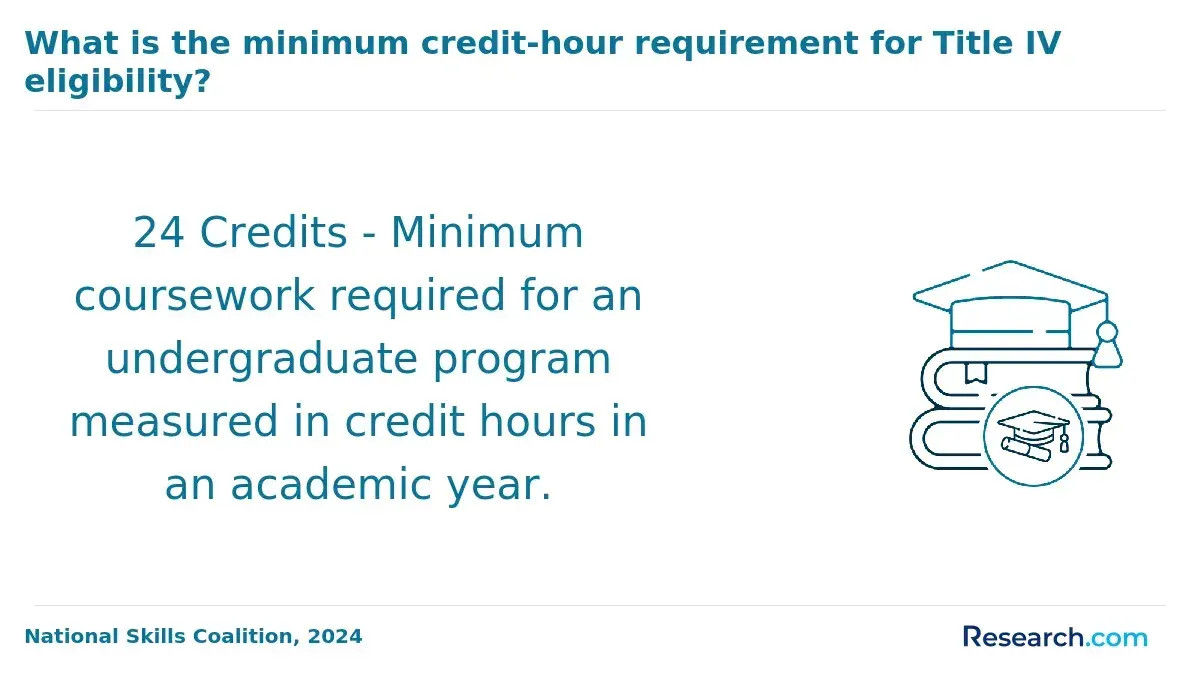
Accreditation matters because it affects credit transfer, graduate school eligibility, employer confidence, and access to federal financial aid. For communication majors, the first check is institutional accreditation from an accreditor recognized by the U.S. Department of Education or the Council for Higher Education Accreditation.
Programmatic accreditation is less universal in communication than in fields such as nursing, counseling, or speech-language pathology. That means students should look beyond the presence or absence of a specialized communication accreditor and evaluate the evidence of program quality.
Use the following checks before applying or enrolling. They help reveal whether a program is built for real communication careers rather than only offering a broad set of lecture courses.
- Confirm the institution's accreditation status through official accreditor or federal databases, not only through marketing pages.
- Review required courses to see whether they include writing, research, digital strategy, ethics, campaign planning, analytics, and portfolio development.
- Ask whether internships, practicums, client projects, student media, or agency-style courses are available to online and campus students.
- Look for faculty with current or recent professional experience in PR, journalism, digital media, corporate communication, marketing, or brand strategy.
- Request career outcome information, but treat salary and placement claims carefully unless the school explains how the data was collected.
- Check transfer credit rules, residency requirements, technology fees, and whether prior learning or professional experience can reduce time to completion.
A red flag is a program that emphasizes convenience but cannot explain how students build work samples, receive writing feedback, or connect with internships. Another warning sign is aggressive pressure to enroll before you have reviewed total cost, accreditation, transfer policies, and course sequencing.
What courses and specializations focus on digital communication, social media, and reputation management?
Course selection is where communication degrees become career-specific. A general communication major can be valuable, but students aiming for digital media, branding, or PR should prioritize programs with applied courses that produce portfolio-ready work.
The courses below are especially relevant because they map directly to common job responsibilities. They also help students speak more clearly in interviews about what they can actually do.
- Public relations writing: Press releases, media advisories, backgrounders, pitches, statements, and spokesperson materials.
- Digital content strategy: Editorial planning, content audits, channel selection, SEO-informed writing, and audience journeys.
- Social media management: Platform planning, community engagement, creator collaboration, content calendars, paid and organic strategy, and reporting.
- Brand strategy: Positioning, message architecture, voice guidelines, audience segmentation, and competitive analysis.
- Crisis and reputation management: Risk assessment, response planning, stakeholder communication, misinformation monitoring, and post-crisis evaluation.
- Media relations: News judgment, journalist outreach, interview preparation, earned media strategy, and media monitoring.
- Communication research and analytics: Survey design, audience research, campaign measurement, social listening, sentiment analysis, and data interpretation.
- Multimedia storytelling: Video, podcasting, photography, visual communication, scripting, and platform-specific production.
Specializations can also point toward adjacent fields. For example, someone drawn to advocacy and healthcare communication may explore clinical or patient-facing communication pathways, while students interested in regulated technical messaging may compare communication degrees with specialized programs such as an accelerated SLP master's program if their goal shifts toward speech-language pathology rather than media or PR.
What are typical admissions requirements and program lengths for communication bachelor's and master's degrees?
Admissions requirements and program length vary by institution, degree level, transfer status, and enrollment pace. Most communication bachelor's programs are designed as four-year degrees for first-time students, while transfer students may finish faster depending on accepted credits and major requirements.
Master's programs in communication, strategic communication, public relations, or integrated marketing communication commonly take one to two years of full-time study, with part-time options for working professionals. Accelerated terms can shorten the calendar, but they also compress reading, writing, group work, and campaign deadlines.
The table below summarizes common requirements. Always verify details with the school because selective programs, graduate assistantships, and international applicants may face additional steps.
| Program level | Common admissions requirements | Typical length | Best candidate profile |
| Bachelor's degree for first-time students | High school diploma or equivalent, transcripts, application form, and sometimes essays or test-optional materials. | About four years full time. | Students seeking entry-level PR, media, content, or brand communication roles. |
| Bachelor's completion program | Prior college credits, minimum GPA, transcripts from all colleges attended, and sometimes a resume. | Often one to three years depending on transfer credits. | Adults with previous coursework who want to finish a degree and move into communication roles. |
| Master's degree | Bachelor's degree, transcripts, statement of purpose, resume, recommendations, and sometimes writing samples. | Commonly one to two years full time, longer part time. | Professionals seeking strategy, leadership, research, or management responsibilities. |
| Graduate certificate | Bachelor's degree or professional background, depending on school policy. | Often several months to one year. | Workers who need targeted skills in social media, PR, crisis communication, or digital strategy without a full degree. |
Before enrolling, ask how often required courses are offered and whether prerequisites can delay graduation. Students comparing unrelated online options, such as a construction management degree online accredited pathway, should notice that professional alignment matters more than format alone; the fastest program is not useful if it prepares you for a different labor market than the one you want.
What salary ranges and advancement opportunities exist in digital media, branding, and PR roles?
Salary potential in digital media, branding, and PR depends on role, region, industry, portfolio strength, management responsibility, and whether the job sits in an agency, corporation, nonprofit, government office, media company, or consulting environment. Entry-level communication salaries are usually lower than management salaries, but advancement can be meaningful for professionals who add analytics, leadership, and strategy experience.
BLS wage data published in 2024 reported a median annual wage of $66,750 for public relations specialists in May 2023. That figure is a midpoint, not a promise; it is best used as a benchmark when comparing entry-level roles, regional cost of living, and the value of internships or specialized skills.
The table below uses BLS occupational categories that overlap with communication career paths. Some digital media and brand jobs do not map perfectly to a single BLS title, so use these figures as context rather than exact predictions for a specific job posting.
| Career category | How it connects to communication | Salary context | Advancement path |
| Public relations specialist | Media relations, campaigns, reputation support, writing, and stakeholder communication. | Median annual wage of $66,750 in May 2023. | Senior PR specialist, account supervisor, communication manager, PR director. |
| Public relations and fundraising manager | Leadership of PR strategy, fundraising communication, stakeholder messaging, and reputation programs. | Typically requires experience and management responsibility. | Director of communications, vice president of communications, chief communications officer. |
| Advertising, promotions, and marketing manager | Brand campaigns, audience strategy, promotional planning, and performance-focused messaging. | Often higher-paying but more closely tied to revenue, budgets, and campaign results. | Brand manager, marketing director, growth lead, chief marketing officer track. |
| Market research analyst | Audience insight, consumer behavior, campaign research, and brand perception analysis. | Useful benchmark for communication professionals who specialize in analytics. | Insights manager, strategy director, research lead. |
| Writer or editor | Content strategy, editorial planning, brand publishing, thought leadership, and message quality control. | Varies widely by industry, freelance status, and technical specialization. | Managing editor, content director, editorial strategy lead. |
To improve earning potential, build evidence of outcomes rather than relying only on credentials. Strong examples include a campaign that improved engagement, a crisis simulation plan, a media kit, an analytics dashboard summary, a brand messaging guide, or a content calendar tied to audience research.
How is the job outlook for communication careers in digital media and public relations?
The job outlook for communication careers is steady but competitive. Digital platforms have expanded the need for skilled communicators, yet many entry-level applicants compete for visible social media, entertainment, sports, agency, and brand roles. The candidates who stand out usually show writing quality, platform judgment, professionalism, and measurable campaign experience.
BLS projections published in 2024 estimate about 27,100 openings for public relations specialists each year, on average, from 2023 to 2033. Many openings are expected because workers change occupations or leave the labor force, so students should view the outlook as opportunity plus competition rather than automatic job security.
Several trends are shaping hiring. AI is speeding up drafting and content variation, which makes editing, fact-checking, brand judgment, and ethics more important. Short-form video and creator partnerships continue to influence brand communication, but employers also value owned media such as newsletters, websites, podcasts, and executive thought leadership because organizations want channels they can control more directly.
For a practical next step, build a career plan around proof of skill. The sequence below can help students and career changers move from interest to employability.
- Choose a target lane, such as PR, social media strategy, brand communication, corporate communication, or digital content.
- Select courses and electives that match that lane instead of taking only broad communication theory courses.
- Create portfolio samples that show strategy, writing, channel selection, and results or evaluation criteria.
- Complete at least one internship, student media role, nonprofit project, campus communication project, or freelance-style client assignment.
- Learn basic analytics tools and practice explaining what the data means for decisions.
- Network with alumni, faculty, agency professionals, recruiters, and local communication associations before graduation.
This field is a good fit if you like writing, audience psychology, public issues, digital culture, and collaborative problem-solving. It may be a weaker fit if you dislike deadlines, feedback, ambiguity, public scrutiny, or frequent changes in platform behavior and organizational priorities.
Other Things You Should Know About Communication
Yes. Most employers expect a portfolio with 3 to 5 work samples, such as press releases, social posts, campaign plans, analytics reports, or brand messaging pieces. For agency and in-house roles, applicants often submit links through an online application system before interviews.
In 2027, communication roles have become increasingly interdisciplinary, blending skills from digital media, data analytics, and storytelling. Professionals are expected to manage multimedia content, engage in strategic brand messaging, and develop data-driven PR campaigns to effectively connect with global audiences across diverse digital platforms.
Certificates can help with targeted skills such as social media analytics, digital marketing, crisis communication, or content strategy. They are less likely to replace a bachelor's degree for roles where employers require a four-year credential.
Internships, student media, campus communication offices, nonprofit campaigns, freelance content projects, and agency-style class projects are all useful. The strongest experience produces samples you can discuss in interviews.
References
- Admissions Requirements for Master's in Communication Programs (Campus, Online) https://www.mastersincommunications.com/faqs/admissions-requirements
- Creative Industries 2025 Salary Census | Major Players https://www.majorplayers.co/en/the-creative-industries-census
- About Accreditation | Council for Higher Education Accreditation https://www.chea.org/about-accreditation
- Program Certification & Accreditation https://www.commissionpred.org/the-professional-bond/program-certification-accreditation/
- Marketing and Communication Degree Careers and Salary in Europe - StudyinEurope.eu https://www.studyineurope.eu/marketing-communication/marketing-communication-degree-careers-salary-europe/
- CourseCareers https://coursecareers.com/blog-posts/college-vs-online-career-training
- Is Public Relations one of the most in-demand careers of 2025? https://www.prca.global/news/public-relations-one-most-demand-careers-2025
- Digital Communication Management Training Course: Navigating Social Media and Online Engagement https://upskilldevelopment.com/digital-communication-management-training-course-navigating-social-media-and-online-engagement
- Online Reputation Management https://www.deonbinneman.com/online-reputation-management-social-media-marketing-training/
- Beyond Writing: Technical Skills That Will Advance Your PR Career | Vetted https://getvettednow.com/beyond-writing-technical-skills-that-will-advance-your-pr-career/