2027 GPA, Test Scores, and Experience Needed for Respiratory Care Therapy Degree Programs

Co-Founder and Chief Data Scientist
Applying to respiratory care therapy degree programs can be challenging for many prospective students who struggle to understand the varying GPA and test score requirements across schools. For example, over 60% of programs now weigh applicant experience alongside academic metrics in admissions decisions. This shift means that strong clinical or volunteer experience may offset lower standardized test scores in some cases.
With the respiratory care workforce expected to grow by 19% over the next decade, meeting these entry criteria is crucial for career advancement. This article examines the typical GPA thresholds, test score policies, and experience expectations to help applicants navigate program requirements effectively.
Key Things to Know About GPA, Test Scores, and Experience Needed for Respiratory Care Therapy Degree Programs
- Most respiratory care therapy programs require a minimum GPA of 2.5 to 3.0, emphasizing strong science and math performance for successful admission and program completion.
- Standardized test requirements vary; some programs are test-optional, but many prefer ACT or SAT scores reflecting critical thinking and problem-solving skills.
- Relevant healthcare experience, such as internships or certifications like CPR, enhances applications by demonstrating practical knowledge and commitment to the respiratory care field.
What Are the Admission Requirements for Respiratory Care Therapy Degree Programs?
Knowing general admission expectations helps applicants effectively organize their materials and anticipate each phase of the respiratory care therapy degree admission criteria. A notable trend in admissions is the adoption of holistic reviews, allowing programs to assess a wider range of applicant qualities beyond traditional academic metrics.
Typical components of the respiratory care therapy admissions process include the following:
- Application materials: Candidates submit a formal application that gathers personal details and their motivation for pursuing respiratory care therapy. This foundational step initiates the evaluation process.
- Prerequisite coursework: Completion of specific courses related to sciences and healthcare provides applicants with a baseline knowledge important for success in the program.
- Eligibility criteria: Applicants must meet defined requirements such as prior educational credentials or other qualifications set by the program.
- Application deadlines: Meeting these deadlines is crucial to ensure the timely processing and consideration of applications.
- Evaluation timeline: Programs typically review applications within a set timeframe and communicate admissions decisions accordingly.
These elements remain consistent despite variations between programs. Candidates focusing on the respiratory care therapy degree admission criteria while understanding GPA and test score requirements for respiratory therapy programs can better prepare themselves. For those exploring related advanced healthcare degrees, reviewing reputable sources on DNP programs may provide valuable insight.
What GPA Do You Need for a Respiratory Care Therapy Degree Program?
Most respiratory care therapy degree programs expect applicants to meet minimum GPA requirements ranging from 2.5 to 3.0 on a 4.0 scale. While this baseline establishes academic eligibility, the average GPA for respiratory care therapy admission is often higher, with competitive applicants presenting GPAs closer to 3.3 or above.
These requirements can vary significantly based on the institution, the specific respiratory care specialization, and whether the program is offered online or on-campus. Such variations accommodate different academic focuses and delivery formats, influencing admissions standards.
Admissions committees use a holistic review process when evaluating GPA and other credentials. Beyond a simple numeric threshold, they consider factors like upward trends in grades, the rigor and relevance of coursework, and prior academic experience related to respiratory care.
This comprehensive approach helps identify candidates who show both academic promise and readiness for the challenges of the profession. For those interested, exploring a fast track medical assistant program can sometimes provide valuable foundational experience before applying to respiratory care therapy degrees.
Do Respiratory Care Therapy Degree Programs Require the GRE or GMAT?
Standardized tests such as the GRE (Graduate Record Examination) and GMAT (Graduate Management Admission Test) are widely used in graduate admissions to offer an objective evaluation of applicants' verbal reasoning, quantitative abilities, and analytical writing. These scores assist institutions in comparing candidates from diverse academic and professional backgrounds.
Below are important considerations regarding GRE and GMAT requirements in respiratory care therapy programs.
- Test-Optional Policies: Many respiratory care therapy programs have adopted flexible policies that do not require GRE or GMAT scores, focusing instead on undergraduate GPA and relevant clinical experience to assess candidate readiness.
- Specialized Programs: Advanced or research-oriented respiratory care degrees may still request GRE results as part of a broader holistic review, particularly for administrative or specialized tracks where academic rigor is emphasized.
- Applicant Experience: Programs often prioritize hands-on clinical experience and prerequisite coursework over standardized tests, valuing practical skills and professional competencies highly.
- Institutional Flexibility: Some institutions allow applicants to waive standardized test requirements if they demonstrate strong academic records or have significant healthcare experience, helping widen access for diverse applicants.
- Alternative Assessments: Personal statements, letters of recommendation, and professional certifications frequently supplement or replace GRE/GMAT scores in respiratory care admissions to better capture candidate potential.
Prospective students comparing GRE and GMAT requirements for respiratory therapy programs should carefully review each school's admissions guidelines, considering both academic achievements and clinical background. For those interested in related fields, exploring options such as a health administration degree online may offer additional career pathways.
Most respiratory care therapy programs do not require prior professional experience for admission, but such experience can enhance an applicant's competitiveness. Around 30% of programs prefer candidates with relevant healthcare backgrounds or may waive prerequisites for those with clinical experience.
Work history often indicates familiarity with patient care and clinical environments, which are important for success in these programs.
Key aspects of how experience influences admission include:
- Entry-level acceptance: Many programs welcome applicants directly from high school or undergraduate studies without work experience.
- Preference and exemptions: Candidates with healthcare-related jobs may gain admissions preference or be exempted from certain courses or exams.
- Alternative preparedness: Volunteer work, internships, or shadowing professionals can substitute for formal work experience to demonstrate readiness.
- Advanced program requirements: Specialized respiratory care programs often expect prior clinical experience or licensure in respiratory therapy or allied health fields.
- Flexible formats: Online programs frequently accommodate working students, offering more lenient experience requirements than traditional on-campus tracks.
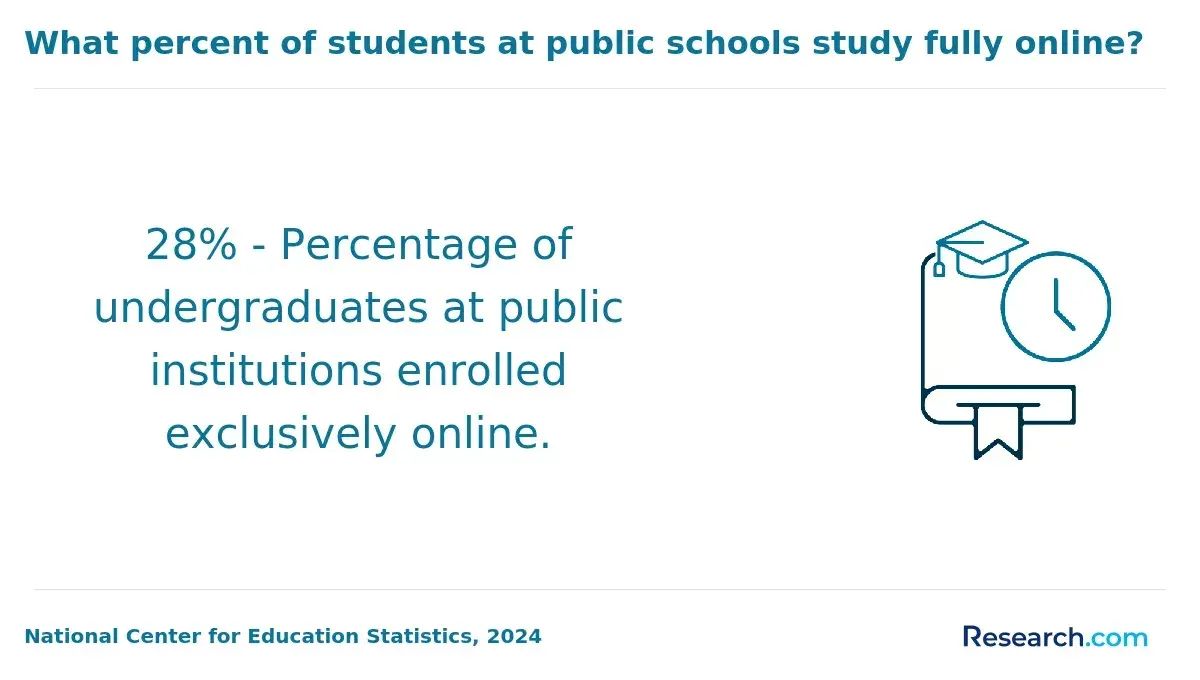
Admission requirements for online respiratory care therapy programs share many similarities with traditional on-campus ones but accommodate the needs of remote learners with greater flexibility. Enrollment in online graduate programs has steadily increased as professionals seek to balance education with work commitments.
Key distinctions in admissions for online programs include the following:
- GPA flexibility: Online programs often accept lower or more varied GPA scores than on-campus cohorts, recognizing diverse educational backgrounds and life circumstances.
- Testing policies: Many online options waive standardized entrance exams or offer alternative assessments, reducing barriers for working adults who might find traditional testing schedules challenging.
- Professional experience: There is typically increased emphasis on relevant healthcare experience, especially for advanced degrees, reflecting recognition of students' practical skills alongside academic records.
- Application adaptability: Deadlines and submission requirements tend to be more flexible to accommodate applicants balancing jobs, families, and education.
- Institutional variation: Requirements can differ widely depending on the degree level, program focus, and accreditation standards, so prospective students should verify specific criteria carefully.
When I spoke with a graduate of an online respiratory care therapy program, he shared how navigating the application felt like a balancing act. "I had practical experience but worried my GPA wasn't strong enough," he recalled. "The flexibility with standardized tests really helped since I was working full time."
He also appreciated the extended deadlines, saying, "It allowed me to gather recommendation letters and complete essays without rushing." His experience underlined how online admissions aim to support professionals advancing their careers despite competing demands.
English proficiency tests are required by about 70% of respiratory care therapy degree programs in the U.S. to ensure non-native speakers can effectively engage with coursework. However, an increasing number of programs are recognizing alternative methods to verify English skills.
Here are some key aspects of how English proficiency is evaluated for admission:
- Minimum Scores: Most programs typically expect a TOEFL score between 80 and 90 or an IELTS band of 6.5 to 7.0, serving as benchmarks for student readiness.
- Alternative Proofs: Some institutions accept previous education completed in English or advanced English course credits as substitutes for standardized testing.
- Testing Waivers: Applicants from countries where English is the official language are often exempt from submitting test scores, depending on program policies.
- Online Program Flexibility: Online respiratory care therapy programs frequently offer more lenient English proficiency requirements compared to traditional, on-campus options.
- Policy Variability: Since requirements differ among schools, prospective students should carefully review each program's specific English proficiency criteria before applying.
Admissions-related expenses for respiratory care therapy degree programs can accumulate quickly, including application costs, testing fees, and document processing charges. Recent studies show that average graduate application fees have surpassed $200 per program, signaling a steady rise in overall admissions costs nationwide.
Below are some typical charges applicants may encounter when applying to these programs.
- Application fees: These generally range from $30 to $75 per program and cover administrative processing. While most schools require them, some institutions offer waivers depending on the applicant's circumstances.
- Standardized tests: Exams like the TEAS often cost between $60 and $150. Many respiratory care programs mandate these tests as part of their admissions requirements.
- Official transcripts: Each transcript request typically incurs a $5 to $15 fee. Applicants transferring from multiple institutions may face higher cumulative costs.
- Credential evaluations: For applicants with international coursework, evaluation services can cost from $100 up to $200. These assessments ensure that prior academic credits meet U.S. standards.
- English proficiency exams: Non-native English speakers might need exams such as the TOEFL, with fees generally around $200. Requirement depends on the program and the applicant's background.
When I spoke with a recent graduate of a respiratory care therapy degree, she reflected on how the financial aspect shaped her application journey. "The costs weren't just numbers on paper-they felt like barriers at times," she said. Navigating the array of fees while managing a tight budget meant carefully prioritizing which tests and documents to submit first.
She recalled applying to multiple schools and the strain of repeatedly ordering transcripts, which added up faster than she expected.
Despite the challenges, she found that understanding each fee's purpose helped her organize her applications more efficiently. "It was a balancing act," she shared, "but taking the time to research potential waivers and plan ahead made the process feel less overwhelming."
Ultimately, overcoming these financial hurdles contributed to a sense of accomplishment and readiness as she moved into her professional career.
Many respiratory care therapy degree programs admit students with a variety of academic backgrounds, including those with lower GPAs, test scores, or limited clinical experience. Institutions recognize that such diversity can enrich the learning environment and that standardized metrics may not fully represent a candidate's potential.
To promote retention and student success, schools often provide targeted academic support tailored to individual needs. The following highlights key resources commonly available for students enrolled with lower academic metrics.
- Tutoring and Academic Coaching: These services focus on respiratory care subjects sometimes found challenging, such as anatomy and respiratory physiology. Individualized tutoring helps students strengthen their understanding and improve their performance in demanding coursework.
- Bridge or Foundational Courses: Designed to build core knowledge, these courses prepare students who may have gaps due to prior academic performance. They serve as a foundation before advancing to higher-level topics.
- Personalized Academic Advising: Advisors provide tailored guidance on study strategies, time management, and course selection. Continuous progress monitoring ensures early recognition of any difficulties, promoting timely intervention.
- Skills Workshops: Focused on clinical practice readiness and exam preparation, workshops equip students with practical competencies and confidence needed for success in both academic and clinical settings.
- Early Intervention and Probation Policies: Programs often implement systems to monitor student performance closely. Those identified as at risk receive proactive outreach and structured probation plans aimed at fostering improvement while maintaining standards.
Resources for students with low GPA in respiratory care programs have become increasingly important to foster academic persistence and professional readiness. Prospective students comparing admission requirements should also consider such academic support when evaluating programs.
For working professionals exploring further education options, it is worth reviewing information on affordable NP programs as part of broader career development pathways.
Speaking with admissions counselors before applying to respiratory care therapy degree programs is essential to clarify expectations, strengthen your application, and avoid costly surprises during enrollment. Recent trends show that about 60% of admissions decisions weigh both academic records and practical experience, underscoring the need to understand program criteria early.
This is especially relevant when considering minimum GPA requirements for respiratory therapy programs and respiratory care program admission test scores.
To make the most of these conversations, prospective students should focus on key questions that reveal important program details and help tailor their preparations. Here are some essential questions to ask admissions counselors:
- How flexible are the GPA and test score requirements? This clarifies whether your academic background fits their standards or if additional coursework or retakes are necessary to meet minimum GPA requirements for respiratory therapy programs or respiratory care program admission test scores.
- What prerequisite courses must I complete before enrollment? Knowing which classes are required helps avoid wasted time and money on courses that don't count toward your degree.
- Is the program offered in flexible formats like online or part-time? Flexibility matters for students balancing work, family, or other commitments; some programs may offer fully online options that can fit better with your schedule.
- What financial aid options exist, and are there hidden fees? Understanding available funding and potential costs prevents unexpected budget shortfalls during your studies.
- What student support services are provided? Access to tutoring, career counseling, or job placement resources can significantly impact your academic success and career outcomes.
For those interested in navigating related healthcare education pathways, exploring affordable rn to bsn online programs can also provide valuable options for advancing your nursing career.
Applicants often believe that respiratory care therapy programs with tougher admissions criteria, such as higher GPAs or challenging entrance exams, lead to increased salary potential. Yet, national surveys suggest that employer preferences and regional demand more strongly influence respiratory therapists' earnings than program selectivity.
Consider these key factors affecting salary outcomes for graduates from selective programs:
- Institutional Reputation: Programs requiring elevated GPAs or test scores may indicate greater curriculum rigor and standing, which can improve graduates' appeal in the job market.
- Networking Opportunities: Selective programs frequently offer robust alumni connections, which might support stronger job placement chances in competitive healthcare environments.
- Employer Priorities: Hiring decisions emphasize practical experience and professional certifications over the prestige or selectivity of the degree program.
- Prior Experience: Candidates with previous healthcare roles often command higher starting salaries regardless of the selectivity of their educational program.
- Limitations of Admissions Standards: Admissions requirements alone poorly predict earnings since local job markets, continuing education, and hands-on skills heavily shape salary trajectories.
What Graduates Say About Their GPA, Test Scores, and Experience Needed for Respiratory Care Therapy Degree
- Andy: "Getting into the respiratory care therapy program was challenging, especially maintaining a strong GPA and passing the entrance exams. The entire cost, from admissions through graduation, was around $25,000, which felt like a smart investment when I consider my current job opportunities. Completing the program truly opened doors for me to work in specialized respiratory care units, and I couldn't be more grateful for the education and experience I gained. "
- Lola: "The experience requirements were the toughest part, but focusing on volunteer work and relevant internships helped me stand out. Financially, the $20,000 program cost felt manageable thanks to scholarships and careful budgeting. Reflecting on my journey, I see how critical this degree was in shaping my career, allowing me to confidently advance within clinical settings and take on leadership roles."
- Summer: "Balancing GPA and test scores demanded discipline, but the structured curriculum made the $22,000 cost more than worth it. The respiratory care therapy program provided me with hands-on skills and knowledge that directly translate to my day-to-day responsibilities as a practitioner. Professionally, the degree has been indispensable for both credibility and career growth. "
Other Things You Should Know About Respiratory Care Therapy Degrees
Prerequisite courses often include human anatomy, physiology, chemistry, and microbiology. Some programs may also require coursework in mathematics and physics to ensure students have a solid scientific foundation necessary for the respiratory care therapy curriculum in 2027.
In 2027, most respiratory care therapy degree programs require ACT or SAT scores. Some programs may also consider the TEAS (Test of Essential Academic Skills) to evaluate applicants' readiness. Check with individual programs for the specific test score requirements as these can vary.
- Global Reach - Best Overseas Education Consultants | Study Abroad https://www.globalreachonline.com/course-details.php
- Application Process for the Respiratory Care Program https://healthprofessions.stonybrookmedicine.edu/programs/rc/admissions/process
- Admission Requirements for the Master of Science in Respiratory Care Program | UAMS Department of Respiratory Care https://healthprofessions.uams.edu/respiratory-care/programs/master-of-science/about/admission-requirements/
- Local Respiratory Therapy Programs Report 100% Employment Rate for Recent Graduates - Kettering College https://kc.edu/local-respiratory-therapy-programs-report-100-employment-rate-for-recent-graduates/
- Respiratory Therapy https://www.sait.ca/programs-and-courses/diplomas/respiratory-therapy
- Respiratory Therapy, AS https://catalog.south.edu/preview_program.php
- Bachelor of Science in Respiratory Care https://uthscsa.edu/health-professions/programs/respiratory-care-bs/admissions
- Respiratory Care, B.S. https://applyzones.com/respiratory-care-b-s-cou50399
- Respiratory Care | American River College https://arc.losrios.edu/academics/programs-majors/respiratory-care
- How to Apply - Respiratory Care Program (Minnesota) - Mayo Clinic College of Medicine & Science https://college.mayo.edu/academics/health-sciences-education/respiratory-care-program-minnesota/how-to-apply/