2027 Best Respiratory Care Therapy Degrees for Working Adults

Co-Founder and Chief Data Scientist
Working adults aiming to enter respiratory care therapy often struggle to find degree programs that accommodate full-time jobs and family commitments. This challenge is significant given that employment in respiratory care is projected to grow 20% through 2032, much faster than average for all occupations.
The increasing demand for qualified respiratory therapists highlights the need for flexible education pathways. This article explores top accredited respiratory care therapy degree programs tailored for working professionals, focusing on those that offer online or hybrid formats to support career advancement without pausing employment.
Key Things to Know About Respiratory Care Therapy Degrees for Working Adults
- Many respiratory care therapy programs offer online or hybrid formats, allowing working adults to balance coursework with professional and personal responsibilities effectively.
- Accelerated pacing options enable faster degree completion, which is critical given the projected 23% job growth in respiratory therapy through 2030.
- Employers increasingly prefer candidates from programs with strong clinical partnerships and dedicated support services that enhance practical skills and career advancement.
What Are the Best Respiratory Care Therapy Degrees for Working Adults?
The best respiratory care therapy degrees for working adults vary based on schedule flexibility, career goals, and return on investment. Many programs now offer part-time or fully online options, reflecting a growing trend toward hybrid education that supports adult learners balancing employment and academics.
Choosing the right degree often depends on whether a student seeks quick entry into the field or advanced roles with leadership potential.
Several degree paths stand out as ideal for employed students seeking the best online respiratory care therapy degrees for working adults:
- Associate of Science in Respiratory Care: Designed for those entering the field, this degree often features expedited schedules with evening or weekend clinical placements, allowing students to gain credentials without disrupting full-time work.
- Bachelor of Science in Respiratory Care: Frequently available online or in hybrid formats, this option targets professionals aiming for management or specialized clinical roles, balancing flexibility with a comprehensive curriculum.
- Respiratory Care Therapy Specializations: Programs focusing on areas like neonatal-pediatric care or pulmonary rehabilitation offer part-time study paths that enhance expertise while accommodating work commitments.
- Completion or Bridge Programs for Licensed Practitioners: These programs help certified therapists earn higher degrees without leaving their jobs, supporting career advancement smoothly.
- Online Certificate Programs: Tailored for working adults seeking rapid skill upgrades in emerging respiratory technologies, these certificates complement existing qualifications with minimal time investment.
Flexible programs that align with clinical demands help meet strong employer demand for credentialed respiratory therapists. Adult learners interested in expanding qualifications might also explore DNP programs as part of their career development journey.
Overall, the top respiratory care programs with flexible schedules provide practical, learner-friendly pathways suited to the busy lives of working professionals.
What Are the Admission Requirements for Working Adults in Respiratory Care Therapy Degree Programs?
Admission requirements for working adults pursuing a respiratory care therapy degree often differ from those aimed at traditional students to better accommodate their unique professional and personal circumstances. Nearly 40% of graduate students in the U.S. are now part-time learners, which reflects the growing need for flexible admission standards and learning options.
This trend supports prospective students balancing full-time employment while advancing their education.
Common admission considerations for respiratory care therapy degree prerequisites for professionals include:
- Prior Work Experience: Many programs recognize relevant healthcare or respiratory care experience as a valuable asset that can sometimes replace formal academic prerequisites, acknowledging the applicant's practical skills.
- GPA Expectations: Admission policies may allow for slightly lower GPA thresholds or offer conditional acceptance to reflect the applicant's professional background and experience.
- Standardized Test Waivers: GRE or similar examination requirements are often waived for working adults who demonstrate sufficient professional competence and experience in the field.
- Professional Recommendations: Strong endorsements from supervisors or healthcare professionals carry significant weight, validating the candidate's readiness for advanced study and clinical responsibilities.
- Flexible Learning Formats: Programs prioritize applicants capable of engaging in part-time, evening, or online study to effectively balance work and education.
For those looking to further their healthcare credentials, programs offering medical coding and billing classes online with financial aid provide additional pathways to enhance career opportunities alongside respiratory care education.
What Coursework Is Required in Respiratory Care Therapy Degree Programs for Working Adults?
Coursework in respiratory care therapy degree programs for working adults is carefully structured to balance career relevance, practical skills, and flexible learning to accommodate employed students. Nearly 60% of students in these programs are non-traditional learners, reflecting a rising demand for adaptable education pathways that support professional growth while working.
This coursework integrates real-world applications directly relevant to students' current roles, ensuring immediate benefits in healthcare settings.
Common core classes in respiratory care therapy degree programs emphasize foundational knowledge and clinical competence. Key coursework includes:
- Cardiopulmonary Anatomy and Physiology: This course provides an in-depth understanding of the respiratory and cardiovascular systems, essential for assessing patient conditions accurately and advancing clinical skills.
- Clinical Respiratory Care Techniques: Designed to enhance practical abilities, this class covers diagnostic and therapeutic procedures, helping working adults improve hands-on proficiency critical to patient care.
- Respiratory Pharmacology: Focusing on medications used for respiratory conditions, this course equips professionals with knowledge necessary for safe administration and advising patients effectively.
- Patient Assessment and Monitoring: Students learn to evaluate patient status using advanced monitoring technology, supporting timely and informed decision-making in diverse care environments.
- Healthcare Ethics and Management: This class prepares students for leadership roles by covering professional ethics and administrative skills important for interdisciplinary collaboration and career advancement.
Working adults exploring respiratory care therapy programs should seek accredited, flexible options that allow integrating studies with ongoing employment. For prospective students interested in other flexible healthcare education paths, certain nursing schools with high acceptance rates may also offer accommodating programs for adult learners.
Completion times for a respiratory care therapy degree vary widely for working adults due to multiple personal and academic factors. While traditional full-time students may finish associate degrees in around two years and bachelor's degrees in four, part-time students often take between three and six years to graduate.
Several key elements influence this timeline:
- Program Format: Online and hybrid programs provide flexibility to fit studies around work hours, which can either accelerate or slow progress depending on self-discipline and pacing choices.
- Course Load: Enrolling part-time reduces credit hours per semester, helping manage work commitments but generally lengthening the overall duration to degree completion.
- Prior Credits: Transfer of previously earned credits or relevant professional experience can shorten the path by reducing required coursework.
- Work Schedule: Intensive or irregular work hours may limit study time, causing slower progress through the curriculum.
- Accelerated Options: Some institutions offer fast-track or competency-based programs that enable highly motivated students to complete their degrees more quickly despite working.
A professional who completed an online respiratory care therapy program while employed shared that balancing study with a full workweek was challenging. He described nights spent reviewing material after long shifts and how the flexibility of online classes was essential to fitting coursework into his hectic schedule.
"Sometimes it felt overwhelming," he recalled, "but knowing I could access lectures anytime made a big difference." He emphasized that persistence and careful time management helped him overcome moments of fatigue and remain focused on finishing the degree as efficiently as possible.
For working adults pursuing a respiratory care therapy degree, managing costs alongside job and life commitments is crucial. Recent data indicates a rise in part-time enrollment among adult learners, allowing them to spread tuition payments over time for better financial balance.
This shift plays a key role in determining total education expenses.
Several elements affect the overall cost of a respiratory care therapy degree for employed students, including:
- Tuition per credit: Costs vary depending on whether the institution is public or private, your residency status, and if courses are offered online or in person. These factors influence the rate charged for each credit hour required.
- Program length: The duration of the program impacts cumulative tuition and fee totals. Many working adults opt for part-time schedules, which extend program length but provide necessary flexibility.
- Additional fees: Expenses such as lab usage, technology support, and clinical training often add to tuition, reflecting the hands-on nature of respiratory care education.
- Textbooks and materials: Specialized textbooks and equipment can incur extra costs annually, which should be anticipated in budgeting.
- Cost-saving strategies: Employer tuition reimbursement, targeted scholarships for adult learners, and online course formats can significantly reduce financial burdens by lowering out-of-pocket expenses and eliminating housing or commuting costs.
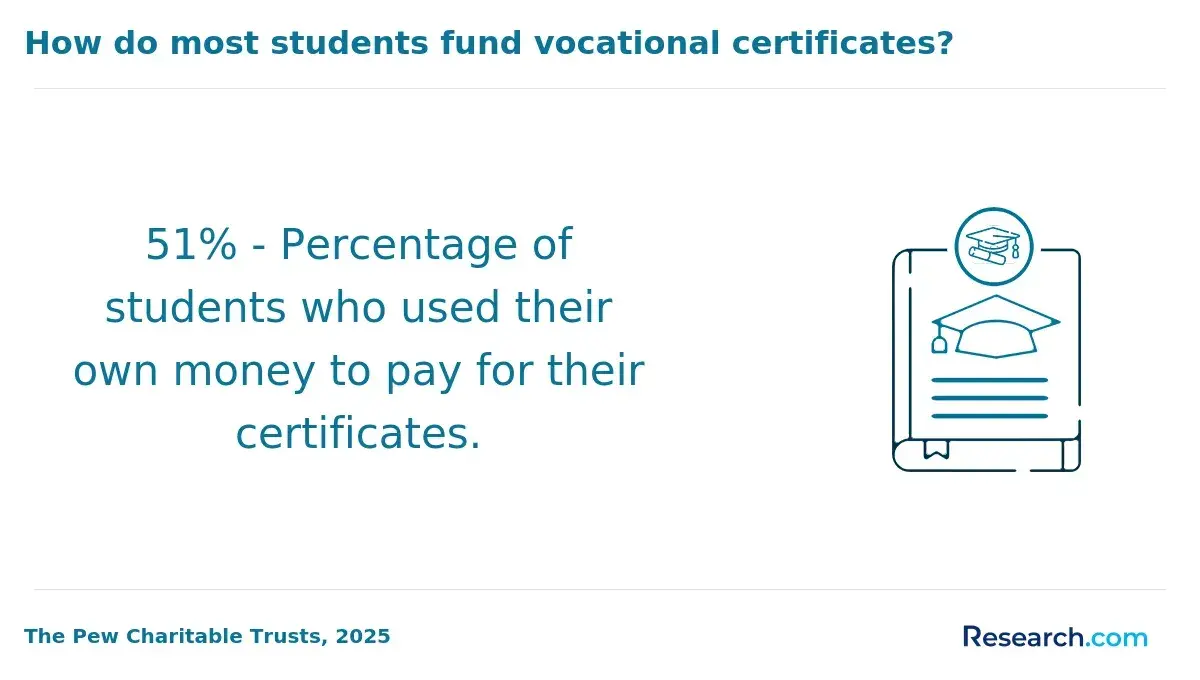
Financial aid plays a vital role for working adults juggling employment, family, and schooling, helping ease the financial load of respiratory care therapy degrees. Securing funding options that fit busy schedules and financial realities enables students to pursue their education without sacrificing stability.
Several financial resources are commonly accessible for those balancing work and studies in respiratory care therapy programs:
- Federal Financial Aid: These include Pell Grants and federal student loans designed to provide need-based support. Applicants must complete the FAFSA and meet progress standards, benefiting from reasonable repayment plans tailored to graduates' situations.
- Employer Tuition Assistance: Many healthcare employers offer tuition reimbursement or educational stipends to support employees advancing their qualifications in respiratory care. This form of aid often requires maintaining employment and satisfactory grades.
- Scholarships for Adult Learners: Various foundations and institutions award scholarships specifically for adult students returning to education, considering both financial need and career aspirations to encourage continued professional growth.
- Grants: State and local healthcare workforce initiatives sometimes provide grants that do not require repayment, aiming to strengthen regional respiratory therapy services through educational funding.
- Payment Plans: Some schools or financing partners arrange installment plans, allowing students to spread tuition payments over manageable periods, which can ease cash flow for those working full-time.
A professional who completed a respiratory care therapy degree while working reflected on her experience, describing the balancing act as challenging yet rewarding. "Between night shifts and study sessions, budgeting time was as tough as budgeting money," she said.
She utilized her employer's tuition assistance but also supplemented it with a state grant to cover unexpected expenses. "Having that financial support meant I didn't have to worry constantly about affording textbooks and fees, which let me focus better on learning."
When asked about advice for others, she emphasized the importance of exploring diverse funding options and reaching out proactively to financial aid advisors. Her journey illustrates how combining aid sources and persistence can make a demanding path doable and fulfilling.
Balancing coursework with full-time work and personal obligations presents notable challenges for adults pursuing a respiratory care therapy degree. Institutional support services play a vital role in helping these students manage stress, allocate their time efficiently, and maintain steady academic progress.
- Academic Advising: Advisors offer tailored assistance to help students choose the right courses and plan a manageable educational path, addressing obstacles early to keep momentum toward degree completion.
- Flexible Scheduling: Offering evening, weekend, and online class options enables working adults to fit studies into their busy routines without compromising other responsibilities.
- Online Learning Support: Technical help and easy access to resources ensure students can fully engage in virtual classes, making distance learning more effective and less stressful.
- Career Services: Through counseling and job placement resources, students receive support aligning their skills with career opportunities, which is crucial for advancing professionally post-graduation.
- Mental Health Resources: Access to counseling and stress management programs aids students in maintaining emotional balance, which is essential for sustaining motivation amid competing demands.
Accreditation for respiratory care therapy programs ensures they meet established national standards through rigorous evaluation of curriculum, faculty, and clinical experiences. This validation is vital for working adults because it confirms the program's quality and relevance to industry requirements, making degrees more attractive to employers.
Graduates from accredited programs are often eligible for federal financial aid, an essential factor for many balancing work and education. Notably, adult learners now account for nearly 40% of graduate students in the U.S., reflecting a growing need for flexible, credible programs.
Accredited respiratory care therapy degrees offer greater long-term value by facilitating credit transfer when changing schools or pursuing further education. They are commonly required to qualify for professional licensure or certification exams, critical steps for career growth.
Without accreditation, adult learners may face obstacles in obtaining credentials that advance their careers. Therefore, accreditation supports both the immediate and future professional goals of working students seeking respiratory care credentials.
Salary growth remains a key motivator for working adults pursuing a respiratory care therapy degree, with typical earnings ranging from $55,000 to $75,000 annually depending on experience and location. This degree often provides a significant salary increase for those advancing in healthcare roles.
- Industry Demand: The healthcare sector's growing need for respiratory therapists, driven by an aging population and increasing respiratory health concerns, creates strong job opportunities. High industry demand supports salary growth as qualified professionals become essential.
- Role Advancement: Higher levels of education often qualify individuals for supervisory or specialized clinical positions, which typically offer higher pay. Pursuing advanced credentials can lead to increased responsibilities and financial rewards in respiratory care therapy roles.
- Employer Policies: Many employers offer incentives or higher salary scales based on education achievements. These policies can directly impact compensation, encouraging working adults to seek accredited respiratory care therapy degree programs that offer flexibility to balance work and study.
- Years of Experience: Combining hands-on experience with formal education enhances earning potential. Seasoned respiratory therapists often negotiate better salaries, reflecting their expertise and longevity in the field.
- Specialization: Expertise in areas like neonatal or pediatric respiratory care can command premium wages. Scarcity of specialists in these niches drives up salary offers as employers compete for skilled therapists.
Working adults interested in a respiratory care therapy degree salary boost should explore flexible, accredited programs that accommodate full-time employment. Many find that accessing the cheapest online WHNP programs and similar flexible educational paths enables them to advance their careers and achieve a salary increase with respiratory therapy degree for working adults without sacrificing work-life balance.
A respiratory care therapy degree enables working adults to qualify for advanced, leadership, or specialized roles beyond entry-level positions. This degree develops clinical skills and knowledge essential for supervisory, management, and expert care functions in respiratory therapy.
Many experienced professionals pursue career advancement opportunities with respiratory care degree credentials, moving into roles that require critical decision-making and clinical oversight. Below are common upward-mobility positions for those who hold this degree.
- Respiratory Therapy Supervisor: This role involves overseeing daily operations within a respiratory care department, managing staff schedules, and ensuring quality patient care. It marks a transition into management by combining clinical expertise with leadership skills cultivated through the degree.
- Clinical Specialist in Respiratory Care: Professionals focus on advanced patient care techniques and train clinical staff. The degree helps develop mastery of complex therapies needed for specialized treatment and clinical excellence.
- Respiratory Care Manager: Responsible for administrative duties, budgeting, and policy development, this position demands strategic planning abilities supported by the educational background in respiratory care therapy.
- Registered Pulmonary Function Technologist: This specialized role conducts diagnostic testing and interprets data, requiring advanced technical knowledge reinforced by a focused respiratory care therapy curriculum.
- Education Coordinator or Instructor: Professionals develop training programs and educate future respiratory therapists, relying on both clinical foundations and academic skills provided by the degree for teaching and mentoring.
For working adults considering flexible, accredited programs that can be balanced with full-time employment, exploring options such as the cheapest DNP online program may offer further educational pathways to enhance job prospects for working adults in respiratory therapy.
What Graduates Say About Their Respiratory Care Therapy Degrees for Working Adults
- Gerry: "Choosing to pursue an online respiratory care therapy degree while working full-time was challenging but incredibly rewarding. The program's cost, averaging around $12,000 to $15,000, was manageable considering I could maintain my job and steady income. Completing the degree opened doors for advancement, and today I'm proud to lead a respiratory care team in a hospital setting."
- Jenny: "Balancing work and study in a part-time respiratory care therapy program gave me the flexibility I needed without sacrificing my career stability. Though the fees were a significant investment-typically between $10,000 and $16,000-it was worth every dollar for the knowledge and skills I gained. This degree profoundly impacted my professional growth, helping me secure specialized positions and increase my earning potential."
- Lois: "The decision to enroll in a part-time respiratory care therapy degree while employed was a strategic move to future-proof my career. The cost, which hovered around $13,000, felt reasonable once I considered how it enhanced my credentials and opportunities. Earning this degree transitioned me from an entry-level technician to a trusted expert often consulted on complex patient cases. "
Other Things You Should Know About Respiratory Care Therapy Degrees
In 2027, working adults pursuing respiratory care therapy degrees can benefit from programs offering flexible options such as evening or weekend classes, hybrid courses blending online and in-person learning, and part-time study paths. These accommodations help balance professional and academic commitments effectively.
Working adults can explore financial aid options like employer tuition reimbursement, federal loans, and scholarships specifically for healthcare degrees in 2027. Programs often provide tailored financial assistance to accommodate the needs of part-time students balancing work and study.
Prospective students usually need a high school diploma or GED and completed coursework in biology and chemistry. Some programs may also require CPR certification or relevant healthcare experience to enroll in a respiratory care therapy degree program in 2027.
- Respiratory Care Therapy https://www.ccbcmd.edu/Programs-and-Courses/SHP/Respiratory-care-therapy/index.html
- A profession in motion: Shifting numbers and growing roles in respiratory therapy - CHEST Physician https://www.chestphysician.org/a-profession-in-motion-shifting-numbers-and-growing-roles-in-respiratory-therapy/
- Respiratory Care Bachelor's Degree https://www.kumc.edu/school-of-health-professions/academics/departments/respiratory-care-and-diagnostic-science/academics/respiratory-care-degree-programs/respiratory-care-bachelors-degree.html
- Respiratory Therapist Jobs, Training, Programs, and More: The Complete Guide https://www.sjvc.edu/guides/guide-to-becoming-a-respiratory-therapist/
- Respiratory Therapy - Foothill College https://foothill.edu/resptherapy/
- Advanced Practice Respiratory Therapist - AARC https://www.aarc.org/your-rt-career/advanced-practice-rt/
- Respiratory Therapy https://www.sait.ca/programs-and-courses/diplomas/respiratory-therapy
- Respiratory Therapist Salary, Job Outlook & Education Options | Respiratory Therapy https://respiratory-therapy.com/department-management/education/respiratory-therapist-salary-job-outlook-education-options/
- Which Respiratory Therapy Degree is Right For You? | NMC https://blog.methodistcollege.edu/associate-vs-bachelors-choosing-a-respiratory-degree
- Respiratory Therapist Salary & Job Demand | StaffDNA https://staffdna.com/ghost/the-demand-for-respiratory-therapists-jobs-salary-and-growth-trends/