2027 Does a Respiratory Care Therapy Degree Require Internships or Clinical Hours?

Co-Founder and Chief Data Scientist
Many prospective respiratory care therapy students wonder how practical experience fits into their education. Programs often require clinical hours or internships, but the extent varies widely. According to the Commission on Accreditation for Respiratory Care, completing a minimum of 750 supervised clinical hours is common for program accreditation. This hands-on training is critical, as respiratory therapists need real-world skills to handle complex respiratory conditions effectively.
This article explores the typical internship and clinical hour requirements across respiratory care therapy programs and explains how these experiences impact students' preparation for certification and employment, helping applicants make informed decisions.
Key Things to Know About Respiratory Care Therapy Degree Internships or Clinical Hours
- Respiratory care therapy degrees require supervised clinical hours essential for licensure and hands-on experience, often totaling several hundred hours to meet professional standards.
- Online programs coordinate local clinical placements, while campus-based programs integrate clinical hours on-site, affecting flexibility and student scheduling.
- Completing clinical hours significantly impacts time commitment but improves career readiness and is linked to higher employment rates within six months post-graduation.
Does a Respiratory Care Therapy Degree Require Internships or Clinical Hours?
A respiratory care therapy degree almost always requires internships or clinical hours as a fundamental part of the education process. These clinical experiences are mandated by accreditation bodies like the Commission on Accreditation for Respiratory Care (CoARC) to ensure students develop hands-on skills essential for patient care.
Far from optional, these hours serve as a core requirement for graduation and are necessary for eligibility to take credentialing exams such as the Certified Respiratory Therapist (CRT) or Registered Respiratory Therapist (RRT). The internship necessity for respiratory care degree programs ensures students transition from theory to practical competence effectively.
Typically, respiratory care therapy clinical hours are completed during the latter semesters after students build a foundation in respiratory care principles and anatomy. This timing allows students to apply theoretical knowledge in real healthcare settings such as hospitals and clinics, supervised by licensed professionals.
Completing between 800 and 1200 clinical hours helps develop technical proficiency with respiratory equipment and patient assessment skills while fostering professional communication within healthcare teams. These extensive commitments, including travel and flexible scheduling, impact students' planning but ultimately enhance career readiness.
Prospective students weighing their options might also consider related fields, such as pursuing a PharmD degree, for additional healthcare career pathways.
Are Internships Paid or Unpaid in Respiratory Care Therapy Programs?
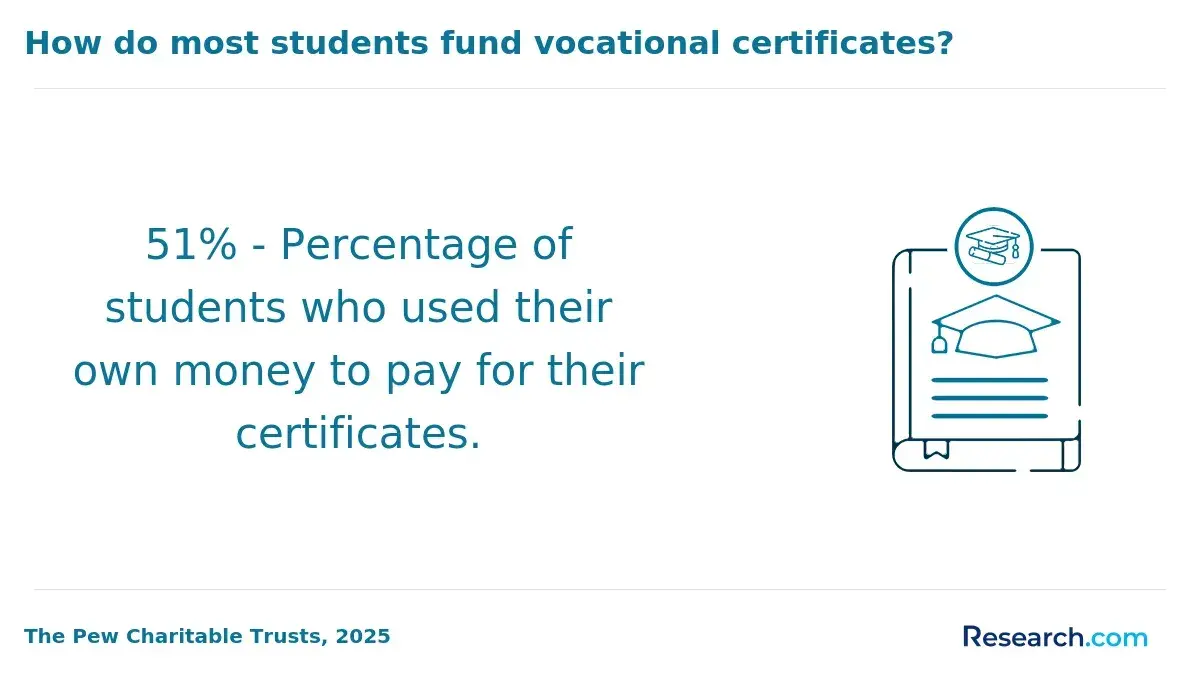
Internships in respiratory care therapy programs are most often unpaid, though payment varies by program and location. This distinction matters for students managing program costs and planning their career path, as unpaid clinical hours for respiratory care students require balancing experience with financial considerations.
Recent data shows that approximately 30% of these internships provide payment or stipends, highlighting a gradual increase in financial support during clinical training.
Key aspects of paid and unpaid internships include:
- Typical Payment Structures: Most internships or clinical hours in respiratory care therapy programs are unpaid, especially those fulfilling academic requirements. Students often gain hands-on skills and academic credit without direct compensation.
- Influencing Factors: Whether an internship is paid depends on healthcare employer policies, state laws, and funding availability. Larger hospitals or health systems with formal fellowship programs are more likely to offer paid internships.
- Career Value of Unpaid Internships: While unpaid clinical hours for respiratory care students do not offer immediate financial benefits, they provide crucial practical experience, networking opportunities, and essential clinical skills necessary for licensure and employment.
- Financial Aid Options: Students concerned about costs may explore related support such as medical billing and coding online schools financial aid to help manage expenses during training.
What Is the Difference Between Internships or Clinical Hours in Respiratory Care Therapy Degree Levels?
Recognizing the differences in respiratory care therapy clinical hour requirements across degree levels is essential for students preparing their education and career paths. These requirements shape the time commitment and the depth of clinical experience students will gain during their studies.
Below is a breakdown of typical expectations for internships or clinical hours by degree level, highlighting important distinctions that affect skill development and professional readiness.
- Associate degree: Clinical hours are generally shorter and focus on fundamental respiratory care skills with close supervision. Students spend fewer total hours, primarily practicing routine procedures and basic patient interactions, which supports entry-level employment.
- Bachelor's degree: Clinical experiences involve longer and more intensive hours, exposing students to a broader range of respiratory conditions and therapies. Responsibilities increase, with more autonomy and interaction in multidisciplinary teams, preparing students for advanced practice and leadership roles.
Prospective students should consider how an internship versus a clinical experience in respiratory care degrees impacts certification preparedness and professional opportunities. For those exploring affordable options, programs such as the low cost medical coding and billing online program may complement their career training.
Understanding these distinctions alongside respiratory care therapy clinical hour requirements helps students align their academic choices with career goals and licensure standards.
Accelerated respiratory care therapy programs condense clinical internships into a shorter timeframe, requiring careful coordination of clinical hours alongside intensive coursework. These programs often schedule clinical rotations during evenings, weekends, or in concentrated blocks to fit the fast-paced curriculum without extending total program length.
Despite the accelerated format, students must still fulfill the same number of clinical hours necessary for licensure and certification. The demanding nature of these programs means students balance rigorous academics with critical hands-on experience.
To help students manage this balance, programs employ strategies such as partnering with healthcare facilities that offer flexible scheduling and providing structured mentorship to enhance learning during limited clinical time. Simulation labs are also commonly used to supplement real patient care when direct clinical contact is constrained.
Nearly one-third of respiratory care therapy students now choose accelerated pathways, highlighting the importance of efficiently integrating clinical hours while maintaining career readiness standards.
A graduate from an accelerated respiratory care therapy program recalled, "The toughest part was juggling full days of lectures with evening clinical shifts that sometimes stretched late. There were moments when exhaustion hit hard, but having a mentor to guide me through complex cases made a big difference."
He also mentioned how simulation sessions helped him gain confidence before attending to actual patients, saying, "Those labs made the transition easier because I felt prepared rather than overwhelmed." His experience reflected the challenges and support systems crucial for succeeding in compact yet comprehensive programs.
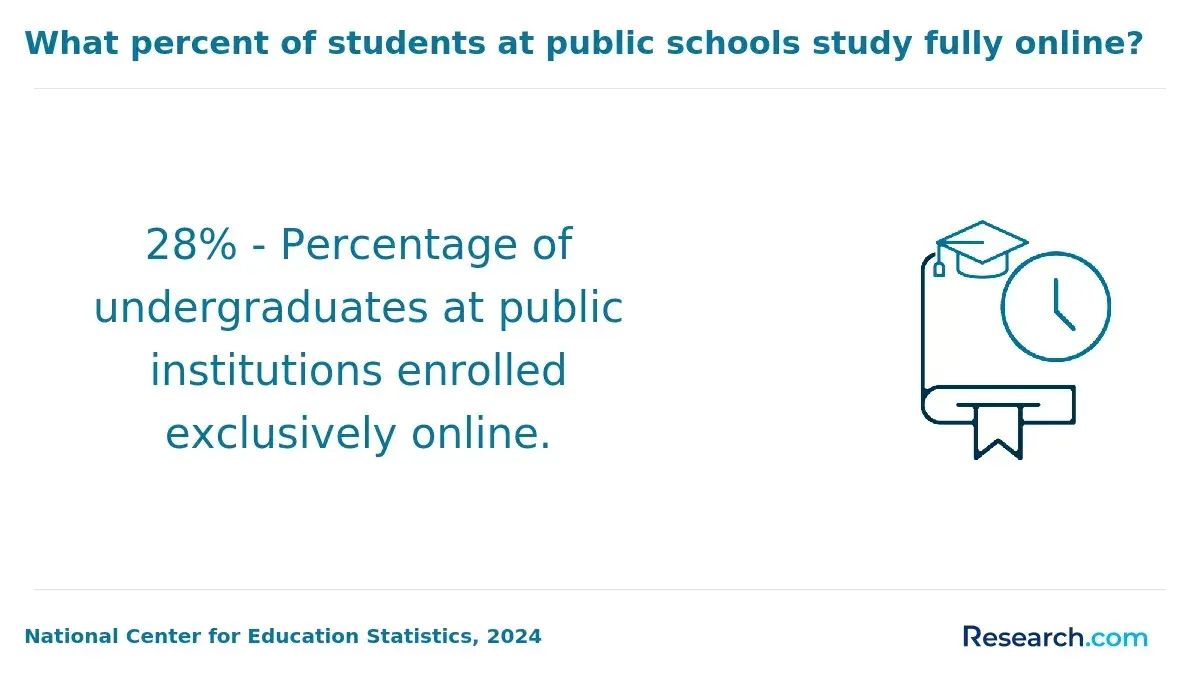
Internship and clinical hour requirements for respiratory care therapy programs do not differ between online and on-campus formats. Both must meet the same professional standards set by accreditation bodies, ensuring students complete a specified number of supervised clinical hours in healthcare environments.
These requirements support consistent learning outcomes and prepare students for credentialing exams. Notably, online healthcare education, including respiratory care therapy, has seen enrollment increase by over 20% annually, highlighting growing demand for flexible programs that maintain strong experiential learning components.
While the clinical hour mandates are similar, the way internships are completed varies in practice. Online students often have more flexibility to select clinical sites closer to home, which helps accommodate personal schedules and minimize travel time.
Supervision and evaluations remain thorough, though they may involve remote coordination between faculty and site preceptors. These logistical differences allow online learners to balance hands-on experience with their unique geographic and time constraints effectively.
Specialization choices within respiratory care therapy degree programs significantly influence internship and clinical hour requirements due to the distinct skills and settings associated with each focus area. Demand for advanced specializations like critical care and neonatal respiratory services has grown by over 15% in recent years, reflecting evolving workforce needs.
These specializations require varied clinical experiences; for instance, neonatal respiratory care internships often involve hours in neonatal intensive care units, while adult care may emphasize placements in general hospital settings. Such variations ensure students develop hands-on expertise specific to their chosen specialty, aligning their practical training with current industry demands related to how respiratory care therapy degree specializations impact clinical internship requirements.
These differences also affect how students schedule their time and manage course workloads. Specialized tracks often demand more intensive and frequent clinical placements, which can lead to a heavier overall workload compared to more generalist paths.
This complexity in scheduling challenges students to balance rigorous practical experiences with academic coursework, ultimately enhancing career preparedness by equipping graduates with targeted skills. For prospective students weighing options, understanding internship variations by respiratory care therapy specialization is vital.
Those seeking flexible educational paths might also consider programs offering the cheapest online healthcare administration degree as a complementary or alternative route within healthcare fields.
Work experience can sometimes be accepted in lieu of formal internships in respiratory care therapy degree programs, a question that frequently arises among working students trying to balance education with job commitments. Whether this substitution is possible depends heavily on program policies, the relevance of the experience to respiratory care, the duration of work, and supporting documentation from an employer confirming clinical responsibilities.
Programs for advanced degrees or specialized applications tend to be more flexible, particularly if candidates bring considerable clinical practice.
Conversely, many bachelor's and associate degree programs still mandate internships to maintain consistent clinical training standards and meet accreditation criteria. Approval of prior work experience is less common in entry-level programs, where hands-on supervised learning is emphasized.
Since these regulations vary widely by institution and degree type, students should engage advisors early to understand how their background might impact internship requirements.
I spoke with a graduate of a respiratory care therapy degree who shared her experience navigating this issue. She recalled feeling uncertain at first about whether her years working as a respiratory technician would count toward internship hours, especially given differing advice from schools.
After thorough documentation of her job duties and employer verification, part of her clinical hours were credited, which significantly eased her course load. She reflected that while the process required patience and clear communication, having relevant work experience ultimately provided a meaningful pathway to fulfill some clinical requirements and allowed her to focus more on advanced training aspects.
Clinical internships and rotations are a crucial aspect of respiratory care therapy degrees, often requiring students to complete between 1,000 and 1,500 hours. On average, these practical experiences span about six months, providing essential hands-on training in various healthcare environments.
Below are typical timelines students may encounter during their clinical education.
- Short-term rotations: Usually lasting 4 to 8 weeks, these focused experiences allow students to develop specific respiratory care skills. They are common in accelerated or part-time programs where concentrated practice on particular techniques or equipment is emphasized.
- Semester-long internships: These rotations generally last an entire academic term and combine multiple clinical exposures. Traditional programs often use this model to offer a balanced mix of patient care scenarios and technical training over roughly 3 to 4 months.
- Extended rotations: Some programs require clinical placements lasting up to a year, especially when students specialize in areas such as neonatal or pulmonary care. These longer commitments provide deeper immersion, often aligned with accreditation requirements and designed to prepare students for complex clinical responsibilities.
The structure and duration of these clinical experiences are also impacted by accreditation agencies like the Commission on Accreditation for Respiratory Care (CoARC), which set standards ensuring comprehensive training. Flexible scheduling options may be available in some programs to accommodate working students or those seeking advanced certifications, reflecting the evolving demands of the respiratory care profession.
Job placement outcomes are a primary concern for students entering respiratory care therapy degree programs, as securing employment quickly after graduation greatly impacts career success. According to a study by the National Board for Respiratory Care, graduates who completed internships experienced a 15% higher employment rate within six months compared to those without such experience.
The impact of clinical hours on respiratory therapist employment highlights several important factors worth considering:
- Employer Preference for Practical Experience: Employers often prioritize candidates with hands-on experience, as internships demonstrate the ability to apply theoretical knowledge in real healthcare environments.
- Skill Development: Completing clinical hours during training helps in mastering patient assessment, ventilator management, and teamwork, all essential for effective performance on the job.
- Professional Networking: Internships create opportunities to connect with healthcare professionals, which can lead to strong recommendations or direct job offers after graduation.
- Conversion to Full-Time Roles: In some cases, internship positions serve as trial periods, enabling employers to evaluate candidates for permanent employment.
For those considering an affordable path in healthcare education, exploring options such as the cheapest RN to BSN programs could be a strategic move. Understanding how respiratory care therapy internship job placement integrates with practical training helps students make informed decisions about their program choices.
Hands-on experience often enhances starting salaries for respiratory care therapy graduates by demonstrating practical skills that reduce employer training time. A survey revealed that those completing clinical rotations typically earn 8 to 12% more than peers with only classroom-based education.
Several important reasons explain this wage difference:
- Employer valuation of readiness: Graduates with direct patient care experience are viewed as job-ready from day one, which employers often reward with higher pay to reflect reduced onboarding efforts.
- Negotiation leverage: Candidates who can provide concrete examples of clinical success or patient outcomes have stronger grounds to negotiate better compensation packages.
- Industry benchmarks: Many healthcare organizations consider clinical hours a quality indicator, prompting them to set salary scales that favor candidates with hands-on backgrounds.
- Specialization and program differences: Those who focused internships on areas like critical care or neonatal respiratory therapy may command higher salaries. Likewise, graduates from programs emphasizing extensive clinical exposure often benefit from a salary premium over those from more theory-focused tracks.
Ultimately, practical experience signals a graduate's ability to apply theoretical knowledge effectively within real-world environments. This advantage often translates into better initial pay and strengthens a candidate's standing in a competitive job market.
Though not universal, the trend clearly favors respiratory care therapy graduates with substantial clinical experience.
What Graduates Say About Their Respiratory Care Therapy Degree Internships or Clinical Hours
- Annie: "The internship component of my online respiratory care therapy degree was surprisingly affordable and flexible, which made balancing work and study much easier. The cost was reasonable compared to traditional programs, and the real-world experience I gained has been invaluable in advancing my career. I'm genuinely grateful for how this opportunity prepared me for the challenges I face daily as a respiratory therapist."
- Stacy: "Completing my internship as part of an online respiratory care therapy degree program was a pivotal moment in my education. Although the expense was a concern at first, it was consistent with the typical costs of internship requirements in healthcare fields. Reflecting back, the hands-on skills and professional connections I developed during that period have greatly shaped my success in the respiratory care field. "
- William: "From a professional standpoint, the internship required in my online respiratory care therapy degree was a worthwhile investment. The program's cost for this practical experience was fair and aligned with industry standards. This internship not only bolstered my clinical expertise but also enhanced my confidence working with patients, which has significantly impacted my career trajectory."
Other Things You Should Know About Respiratory Care Therapy Degrees
In 2027, students in respiratory care therapy programs can expect clinical environments such as hospitals, rehabilitation centers, and outpatient clinics. These settings provide hands-on experience in patient assessment, respiratory therapy techniques, and the operation of advanced medical equipment.
The Commission on Accreditation for Respiratory Care (CoARC) oversees the accreditation of respiratory care therapy programs. These programs typically integrate internships or clinical hours to ensure students gain essential practical experience and meet professional standards for practice.
- Respiratory Care | Delta College https://www.delta.edu/programs/respiratory-care/index.html
- Frequently Asked Questions About the Bachelor of Science in Respiratory Care Program | UAMS Department of Respiratory Care https://healthprofessions.uams.edu/respiratory-care/programs/bachelor-of-science/about/faq/
- Entry-Level MSRT Curricumum - Respiratory Therapy https://www.utmb.edu/shp/academics/rest/msrt-entry/curriculum
- Respiratory Care (Entry-level), BS | Loma Linda University https://llu.edu/academics/programs/school-allied-health-professions/respiratory-care-entry-level-bs
- Respiratory Therapy Internship Program - MultiCare Health System Jobs https://jobs.multicare.org/respiratory-therapy-internship-program/
- Respiratory Therapist Jobs, Training, Programs, and More: The Complete Guide https://www.sjvc.edu/guides/guide-to-becoming-a-respiratory-therapist/
- Respiratory Therapist Degree Program, BS - Academics - IUP https://www.iup.edu/academics/find-your-degree/programs/alph/ug/respiratory-care-bs.html
- Quick Facts https://www.baptistu.edu/RCQuickFacts
- How to Become a Respiratory Therapist https://franu.edu/franu-insider/how-to-become-a-respiratory-therapist.html
- Respiratory Care Services Department https://www.kfshrc.edu.sa/en/education/undergraduate-non-medical-education/internship-training-programs/respiratory-care-services-department