2027 Most Popular Concentrations in Respiratory Care Therapy Degrees

Co-Founder and Chief Data Scientist
With respiratory diseases on the rise, selecting the right concentration within respiratory care therapy has become crucial. Studies show employment for respiratory therapists is projected to grow 15% over the next decade, emphasizing demand for specialized skills. Choosing a focused area can enhance career prospects and improve patient outcomes amid evolving healthcare needs.
This article explores the most popular concentrations in respiratory care therapy degrees, from neonatal care to pulmonary rehabilitation. Understanding these options helps students and professionals align their education with personal interests and industry demands, ensuring a well-informed decision about their future paths.
Key Benefits of Popular Concentrations in Respiratory Care Therapy Degrees
- Specialized concentrations improve job placement rates by equipping graduates with advanced skills tailored to critical care and pulmonary diagnostics, meeting employer demand for expertise in these vital areas.
- Focused training enhances clinical proficiency with cutting-edge respiratory equipment, increasing practitioners' confidence and ability to deliver complex patient care effectively.
- The growing incidence of respiratory illnesses drives sustained industry demand, making those with concentration-specific credentials attractive candidates for higher-level positions and career advancement.
What Are the Most Popular Respiratory Care Therapy Concentrations in 2027?
Interest in specialized respiratory care therapy study paths is rising as healthcare demands evolve and workforce needs shift. Students increasingly seek concentrations that prepare them for advanced roles in diverse care settings and emerging respiratory conditions.
Top concentrations in respiratory care therapy today include:
- Clinical and acute care: This concentration remains the most popular, focusing on mechanical ventilation, cardiopulmonary pathology, and critical care management. It meets the ongoing demand for respiratory therapists in hospitals treating a wide range of patients, from neonates with underdeveloped lungs to adults facing acute respiratory distress.
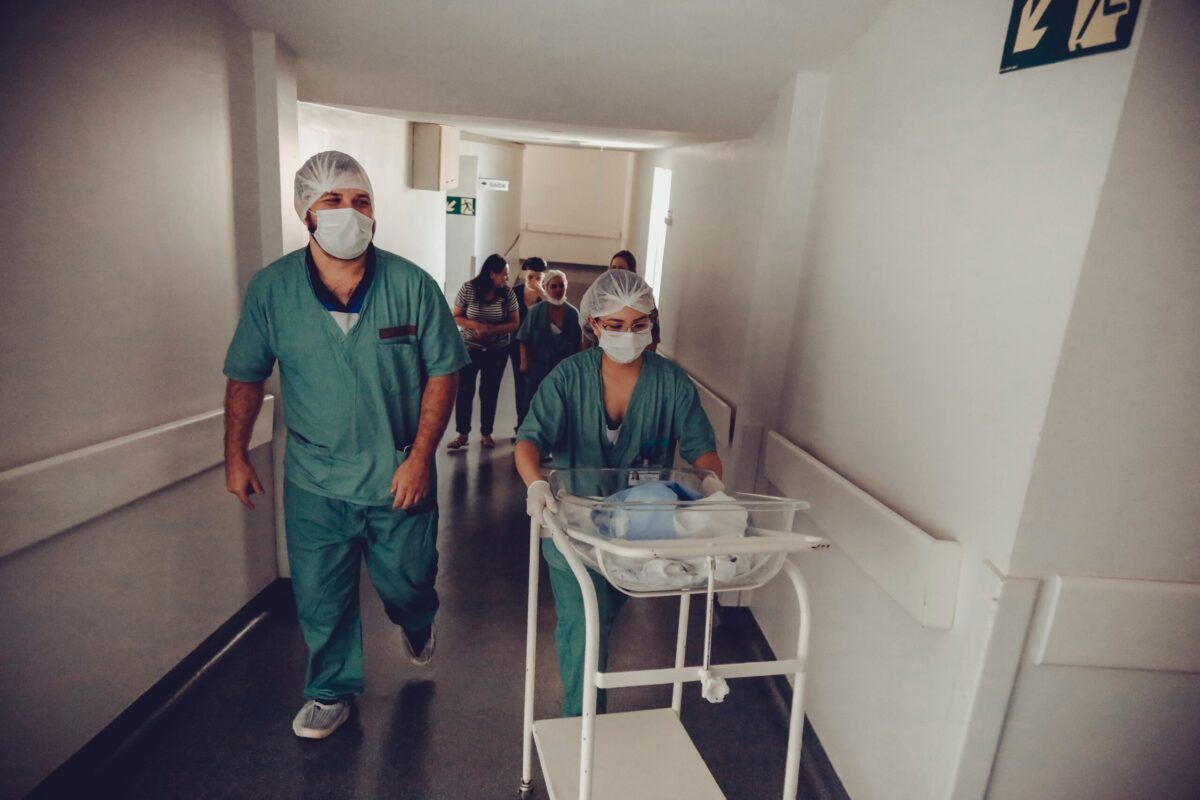
- Neonatal and pediatric respiratory care: Specialists trained in this area address the unique needs of premature infants and children with chronic respiratory disorders. The technical precision required makes this a key pathway amid growing pediatric healthcare demands.
- Healthcare management and administration: Professionals pursuing leadership roles gravitate toward this concentration, which combines clinical expertise with business and health informatics skills. It reflects a trend of therapists seeking career advancement beyond direct patient care.
- Alternate care settings: Expansion into home health, long-term care, and community programs drives interest here. Therapists with these skills are vital in evolving care models outside traditional hospital environments.
- Sleep apnea and CPAP therapy management: Growing patient populations with sleep disorders have increased focus on this specialization. It emphasizes expertise in managing sleep apnea using CPAP devices, a critical therapeutic area in respiratory care today.
Additionally, the COPD home respiratory care specialization addresses rising cases due to aging populations and environmental factors, reinforcing demand for therapists skilled in managing chronic conditions at home.
Regional enrollment trends show notable growth in states like Florida, California, Virginia, and North Carolina, highlighting concentration choices aligned with local workforce opportunities.
For those exploring advanced education options to deepen expertise or shift focus, a one year masters degree may offer targeted preparation aligned with these in-demand concentrations.
What Skills Are Required for the Top Respiratory Care Therapy Concentrations?
Skill development is essential for success in specialized respiratory care therapy concentrations, as modern healthcare demands practitioners equipped to handle complex patient needs and advanced technology. Evolving industry expectations shape the competencies students must build to respond effectively in diverse clinical settings.
The top skills in the practice include:
- Critical thinking and problem solving skills for respiratory therapists: These abilities enable practitioners to analyze cause-effect relationships, synthesize complex medical data, and adapt treatment plans based on patient response. They are vital for making precise clinical decisions and improving patient outcomes.
- Technical proficiency: Mastery of ventilator management, oxygen delivery, cardiopulmonary monitoring, and diagnostic testing ensures safety and efficacy in treatment. Technical skills respiratory therapists need are especially crucial in high-acuity areas like critical care and emergency medicine.
- Interpersonal communication: Effective communication supports patient education and collaboration with medical teams. Translating complex terminology into understandable language helps improve patient compliance and interdisciplinary coordination.
- Detail orientation: Attention to small changes in patient status allows for timely intervention and reduces risks. This trait supports accuracy in monitoring and documentation, meeting workforce demands for reliability.
- Compassion and resilience: Providing empathetic care under pressure enhances patient trust and practitioner well-being. These qualities help manage the emotional challenges common in respiratory therapy settings.
For those considering further educational pathways, exploring degrees for seniors online may offer valuable options to build or update these skills effectively.

Do Different Respiratory Care Therapy Concentrations Have Different Admission Requirements?
Different respiratory care therapy concentrations do have varying admission requirements, often reflecting the complexity of specialization and the rigor of program standards. Entry-level associate degree programs usually set foundational prerequisites, while bachelor's and advanced degrees demand more extensive academic preparation and demonstrated competency.
These distinctions align with the diverse career pathways within respiratory care, ensuring students meet essential criteria before progressing. Variations in requirements acknowledge the unique skills needed for different concentrations, particularly those involving more specialized clinical roles.
This approach provides clarity for applicants comparing respiratory care program admission requirements by school and program level.
For example, associate degree programs, like those at Central Ohio Technical College, typically require a minimum GPA of 2.0 and prerequisite courses completed with a grade of "C" or higher.
In contrast, bachelor's programs, such as Stony Brook University's respiratory care program, enforce higher standards with a minimum overall GPA of 2.5 and a science GPA of 2.0, alongside extensive prerequisite coursework.
Master's programs demand professional credentials like an active RRT license and a minimum GPA of 2.75, reflecting advanced specialization. These programs often require additional academic or clinical experience, ensuring candidates possess the prerequisite knowledge and skills.
Such respiratory therapy prerequisites and GPA standards help maintain program quality and prepare students for certification or advanced practice.
Prospective students seeking a cheap associate degree online will find these criteria important when selecting suitable programs.
Accreditation is essential for students pursuing specialized concentrations in respiratory care therapy because it directly impacts eligibility for licensure and professional certification. Without attending an accredited program, graduates may face obstacles in qualifying for key credentials or employment opportunities.
Below are some facts about accreditation:
- Licensure Requirements: Many states, including California, mandate completion of an accredited respiratory care program as a prerequisite for licensure and legal practice.
- Credentialing Exams: Accreditation by the Commission on Accreditation for Respiratory Care (CoARC) ensures graduates can sit for National Board for Respiratory Care (NBRC) certification exams like the registered respiratory therapist (RRT) credential.
- Employer Preferences: Healthcare employers overwhelmingly prefer graduates from accredited programs, associating accreditation with high curriculum standards and clinical competency.
- Specialized Concentrations: Advanced focus areas such as sleep disorders or graduate-level advanced practice often require prior completion of an accredited entry-level program along with relevant credentials.
- Program Quality Assurance: CoARC accreditation guarantees programs meet rigorous standards, thereby providing a consistent educational foundation necessary for specialized respiratory care roles.
Students increasingly weigh online against on-campus respiratory care therapy programs, with program quality emerging as a decisive factor. As options expand, understanding what ensures educational value across formats is essential.
Here is a comparison of both program formats:
- Curriculum Standards: Both formats adhere to CoARC accreditation criteria, ensuring consistent academic rigor and relevance.
- Accreditation: Accredited programs guarantee competency benchmarks and recognized credentials, irrespective of delivery style.
- Faculty Expertise: Qualified respiratory therapists lead courses in both settings, maintaining instructional quality and clinical insight.
- Learning Outcomes: Graduates from either format meet equivalent skill and knowledge requirements due to standardized assessments and clinical competencies.
- Technology Integration: Online programs employ simulation tools and virtual labs alongside required in-person clinical practice for hands-on experience.
- Student Support: Access to academic advising, tutoring, and clinical placement assistance is emphasized across both platforms.
- Hands-On Training: Mandatory clinical rotations in healthcare environments reinforce practical skills and patient care exposure, regardless of program modality.
Reflecting on the question of quality parity, a graduate of a popular respiratory care therapy concentration shared her experience within a hybrid program. She described managing asynchronous online lectures alongside demanding on-campus lab sessions as challenging yet rewarding.
"Balancing self-paced study with hands-on practice pushed me to stay disciplined while getting real-world exposure," she recalled. She valued the simulation labs on campus, stating they felt "authentic and crucial" to building confidence before clinical placements.
The clinical rotations, conducted at affiliated hospitals, solidified her skills and affirmed that both online coursework and face-to-face components collectively prepared her well.
"There's a lot of hard work involved, but the program's design made me feel equally supported whether I was studying remotely or in person," she reflected, emphasizing that the blend of formats enhanced rather than diluted her learning journey.
Respiratory care therapy concentrations differ in difficulty based on course intensity, technical skill demands, clinical workload, and the patient types involved. Those focusing on critical care, especially in mechanical ventilation and neonatal support, are widely regarded as the most rigorous due to their complex nature and high-stakes environment.
Here are some challenging concentrations:
- Mechanical Ventilation Mastery: Requires understanding intricate ventilator settings and patient-device interactions crucial for life support.
- Advanced Cardiopulmonary Physiology: Demands comprehensive knowledge of respiratory and cardiovascular systems and their coordination in critical situations.
- Neonatal Specialization: Involves managing vulnerable infants with tailored ventilation strategies, increasing clinical complexity.
- ABG Interpretation Skills: Necessitates precise analysis of arterial blood gases to diagnose and treat respiratory and metabolic disorders effectively.
- Clinical Decision-Making Under Pressure: Emphasizes swift, accurate judgments in urgent cases, integrating theoretical knowledge with practical expertise.
Different concentrations in respiratory care therapy equip graduates for specific career paths, helping them target roles aligned with their interests and strengths. Recognizing how each specialization fits various job settings can better guide students in selecting the right focus for their future.
Here are some popular careers associated with respiratory care:
- Adult Critical Care: These therapists commonly work in ICUs and emergency rooms, managing serious conditions like lung failure and assisting with ventilator use. Leadership roles such as clinical team leads or department managers are typical career advancements.
- Neonatal and Pediatric Respiratory Care: Specialists treat heart and lung issues in infants and children, usually in NICUs or pediatric hospitals. This path often requires specialized neonatal experience and certification to support vulnerable young patients.
- In-Home Respiratory Therapy: Providers deliver chronic care directly in patients' homes, offering personalized treatment outside hospital settings. This field is expanding due to growing demand for home-based healthcare services.
- Respiratory Care Education: Educators engage in research and training development, helping to advance treatment methods. Often involving advanced degrees, this career also includes presenting and mentoring practicing therapists.
- Medical Device Consulting and Liaison Roles: In this industry-focused path, therapists work with medical technology companies to improve respiratory care products, blending clinical expertise with innovation outside traditional clinical environments.
A respiratory care therapy professional I spoke with shared how choosing their specialization involved careful consideration of both passion and practical opportunities. Early on, they explored several paths before settling in adult critical care, drawn by the fast-paced environment and teamwork challenges.
"It wasn't just about the technical skills," they reflected, "but also about handling pressure and making quick decisions that impact lives." They appreciated how their education prepared them to adapt and grow into leadership roles.
Despite the demanding nature of the work, they found fulfillment in helping critically ill patients and valued the clear career progression their specialization offered. Their journey underscores the importance of aligning personal strengths with specialization choice when navigating respiratory care therapy careers.
Awareness of evolving industry patterns is vital for students selecting a respiratory care therapy concentration, as market demands influence career opportunities and required skills. Below are important industry trends to take note of:
- Expansion of Home-Based and Portable Device Management: The growing focus on at-home healthcare is increasing the need for professionals skilled in portable oxygen devices, CPAP machines, and non-invasive ventilation. This shift fosters demand for expertise that supports patient care outside traditional clinical environments.
- Growth in Chronic Disease Management: Concentrations centered on conditions such as COPD, asthma, and sleep apnea are rapidly rising due to their dominant share in respiratory care needs. Specialists proficient in managing these long-term illnesses across various settings are especially sought after.
- Integration of Smart Technology and Remote Monitoring: Advancements in connected devices, telehealth, and AI-driven respiratory solutions are creating new roles for those knowledgeable in data analytics and digital healthcare tools. These skills are increasingly important as remote patient management becomes standard.
Salary prospects for respiratory care therapy professionals vary widely by specialization, geographic location, and work setting, making it essential for students to evaluate earning potential when selecting a concentration. Below are the average salaries of professionals from different areas of the discipline:
- Critical Care/Intensive Care Unit (ICU) Specialization: Respiratory therapists in ICU settings are among the highest earners, with salaries typically ranging from $70,000 to $85,000 annually. Premium pay is common in high-demand metropolitan areas and states like California, Texas, and Massachusetts due to the intensive nature and critical skills required.
- Pulmonary Function Testing (PFT): Specialists in pulmonary function testing earn salaries comparable to general respiratory therapists, with median annual pay around $77,960 nationally. This steady demand comes from the increasing need for respiratory diagnostics in outpatient clinics and hospitals.
- Travel Respiratory Therapy: Travel respiratory therapists command the highest pay, averaging $43 per hour or about $90,000 annually. This reflects additional benefits like housing stipends and travel allowances, highlighting the distinct advantages when comparing travel respiratory therapist pay compared to permanent positions.
- Neonatal/Pediatric Specialization: Therapists focusing on neonatal and pediatric care earn competitive salaries in the $70,000 to $85,000 range, reflecting the specialized support required for vulnerable populations in neonatal intensive care units.
For those investigating education options, exploring affordable online colleges that accept FAFSA can provide flexible pathways into these lucrative respiratory care therapy concentrations.
Selecting the right concentration in a respiratory care therapy program is critical for aligning your education with your career goals and personal strengths. It helps ensure that the skills and knowledge you acquire are directly relevant to the field you intend to work in.
When choosing a concentration, consider these practical factors:
- Career Aspirations and Work Environment: Reflect on whether you want to work in critical care, emergency departments, neonatal care, or home health. Your preferred setting influences which concentration best equips you with the necessary clinical expertise.
- Clinical Skill Development: Different concentrations emphasize varied hands-on competencies, from mechanical ventilation and hemodynamic monitoring to bronchial hygiene and emergency protocols like ACLS and PALS certification. Select a path that matches the clinical skills you wish to develop.
- Industry Demand and Employment Outlook: Investigate job prospects regionally and nationally since availability of respiratory care positions differs widely. Aligning your concentration with areas experiencing growth improves your chances of employment after graduation.
- Respiratory Care Program Admission Requirements and GPA Standards: Understand that programs vary in their admission criteria and GPA requirements, usually ranging from 2.0 to 3.0. These standards can impact your eligibility for specific concentrations and institutions.
- Personal Strengths and Interests: Assess if you prefer pediatric or adult patient care and whether acute or chronic disease management suits you best. This self-awareness supports choosing a concentration that sustains your professional satisfaction.
Prospective students should also explore what certificate programs pay well to supplement their respiratory care education with certifications that enhance qualifications and marketability.
What Graduates Say About Their Popular Concentrations in Respiratory Care Therapy Degrees
- Simon: "Pursuing a concentration in pediatric respiratory care was an eye-opening experience that deepened my understanding of specialized patient needs. The program was comprehensive, and while the average cost hovered around $20,000 annually, it was a worthwhile investment considering the rewarding career opportunities that followed. I now feel fully equipped to make a meaningful difference in young patients' lives. "
- Clarence: "The advanced cardiopulmonary concentration challenged me intellectually and personally, offering rigorous training that prepared me for critical care environments. Although the financial commitment was substantial, roughly $18,000 per year, the knowledge gained and career advancement have made it invaluable. Reflecting on the journey, I'm grateful for the solid foundation this degree provided. "
- Aubrey: "Specializing in neonatal respiratory care shaped my professional path in ways I had not anticipated. Balancing the average tuition costs of about $19,000 was tough at times, but seeing the direct impact on fragile newborns makes every dollar and effort worthwhile. The learning experience was practical and engaging, setting me up for a fulfilling career in a vital healthcare niche. "
Other Things You Should Know About Respiratory Care Therapy Degrees
In 2027, the most popular concentrations in respiratory care therapy degrees include Neonatal and Pediatric Respiratory Care, Cardiopulmonary Sciences, and Pulmonary Rehabilitation. These specialties address the growing demand for specialized respiratory care in diverse patient populations, reflecting industry trends and evolving healthcare needs.
Common prerequisites include a high school diploma or equivalent, completion of courses in biology and chemistry, and CPR certification. Additionally, some programs may require prior healthcare experience or an associate degree in respiratory care for advanced concentrations.
- Essential Skills Respiratory Therapists Should Possess http://slchc.edu/respiratory-therapist/become-a-respiratory-therapist/essential-skills-respiratory-therapists-should-possess/
- Admission Requirements for the Respiratory Care Program https://healthprofessions.stonybrookmedicine.edu/programs/rc/admissions/requirements
- How to Choose the Best Respiratory Therapy Program For You https://blog.methodistcollege.edu/how-to-choose-the-best-respiratory-therapy-program
- What Makes a Successful Respiratory Therapy Program https://radiusstaffingsolutions.com/what-makes-a-successful-respiratory-therapy-program/
- 8 Skills You Need as a Respiratory Therapist https://chartercollege.edu/news-hub/skills-respiratory-therapist/
- Respiratory Therapist Salary Guide (2024) | Trusted Health https://www.trustedhealth.com/allied-career-guide/respiratory-therapist/salary-guide
- Lung Simulator Respiratory Therapy Programs: Top 10 Benefits https://www.michiganinstruments.com/2023/06/lung-simulator-respiratory-therapy-program-benefits/
- Is Respiratory Therapy School Hard? https://www.staugustine.edu/2024/01/11/is-respiratory-therapist-school-hard/
- Respiratory Therapy https://www.dal.ca/faculty/health/health-sciences/programs/undergraduate-programs/respiratory-therapy.html
- A.A.S. Respiratory Therapy https://www.nvcc.edu/apps/advance/_2025/Details