2027 Accelerated vs. Traditional Respiratory Care Therapy Degrees: Pros & Cons

Co-Founder and Chief Data Scientist
Choosing between accelerated and traditional respiratory care therapy degrees involves balancing speed with depth. Accelerated programs appeal to working adults and career changers aiming for rapid completion, often finishing in less than two years. Traditional programs, by contrast, provide a more flexible pace, allowing students to engage deeply with academic material and clinical practice. Currently, nearly 40% of respiratory care students in the U.S. opt for accelerated formats, reflecting a shift toward faster educational pathways.
This article examines key differences, including time commitment, learning experience, and career outcomes. It will also highlight critical factors prospective students should consider, such as program intensity, academic support, and how each pathway aligns with long-term professional goals in respiratory care therapy.
Key Points About Accelerated vs. Traditional Respiratory Care Therapy Degrees
- Accelerated respiratory care therapy degrees offer flexible schedules ideal for working adults, enabling faster entry into the workforce and reducing overall education costs by shortening program length.
- Traditional programs promote deeper academic engagement through extended coursework, fostering stronger peer networks and mentorship that support comprehensive skill development.
- Students seeking a balanced learning pace often prefer traditional paths, which allow more time for mastering clinical skills critical for respiratory care therapy certification success.
What Are the Differences Between Accelerated vs. Traditional Respiratory Care Therapy Programs?
Accelerated and traditional respiratory care therapy degree formats differ notably in pacing, scheduling, and learning intensity. These variations significantly impact how students engage with coursework and manage their academic commitments. The following comparison highlights key structural differences between these two program types.
Understanding the differences between accelerated and traditional respiratory therapy programs involves examining factors such as course structure, flexibility, and student support.
- Course Intensity: Accelerated programs require students to follow a fixed sequence of courses, often taking two classes simultaneously during intensive 8-week terms. In contrast, traditional programs usually follow a 16-week semester schedule, offering a more measured pace with opportunities to select electives.
- Flexibility and Customization: Students in accelerated tracks have limited control over their course load and progression, following a preset pathway that may not suit individual preferences or schedules. Traditional formats allow for adjustments each semester, enabling students to tailor their studies toward specific respiratory care interests.
- Student Support: Due to the demanding pace, accelerated programs may provide structured but brief support interactions. Traditional programs often offer more extensive advising and mentoring opportunities, fostering deeper relationships with faculty and peers.
For those exploring options, examining an accelerated bachelor degree programs overview can offer additional insights. This is especially useful when making an accelerated versus traditional respiratory care degree comparison to find the best fit for one's learning style and life commitments.
How Fast Can You Finish an Accelerated vs. Traditional Respiratory Care Therapy Program?
Program length varies significantly between accelerated and traditional respiratory care therapy degrees. Accelerated formats condense coursework into shorter terms, allowing students to complete their studies more quickly. In contrast, traditional paths follow a standard academic pace, typically over several years.
Here is a comparison of completion timelines for the two formats:
- Transfer credits: Prior coursework, certifications, or degrees can significantly reduce the number of credits required. Students with applicable transfer credits often shorten their program length in both accelerated and traditional formats.
- Full-time vs. part-time enrollment: Full-time students progress faster by taking more courses each term. Part-time students may extend their study over additional semesters, affecting overall duration in either program.
- Course intensity and schedule: Accelerated programs feature shorter terms with heavier course loads, demanding greater commitment but enabling faster completion. Traditional programs follow longer terms with steadier pacing.
- Program flexibility: Some programs allow students to customize their course loads, which can speed up or slow down progress depending on the student's availability and motivation.
- Online vs. in-person format: Online options often offer added scheduling flexibility, helping motivated students finish more quickly, especially in accelerated programs.
Associate degree programs, the entry-level requirement for respiratory therapists, usually take about two years, but accelerated or competency-based options may shorten this timeline.

What Are the Admission Requirements for Accelerated vs. Traditional Respiratory Care Therapy Programs?
Admission requirements for accelerated and traditional respiratory care therapy programs often share common standards, such as minimum GPA, prerequisite coursework, and sometimes test scores. However, they differ in how they assess academic readiness, prior clinical experience, and program capacity.
Below are key differences in admissions expectations:
- Academic Performance and Prerequisite Courses: Both formats generally require a minimum GPA of 2.5 and completion of science prerequisites like biology. Accelerated respiratory therapy programs tend to require higher grades (B- or above) in these courses, expecting all prerequisites completed before application. Traditional respiratory therapy degree prerequisites may be fulfilled concurrently with program coursework, allowing more flexibility for students coming directly from high school or other backgrounds.
- Work Experience and Prior Credentials: Accelerated programs usually target applicants who hold an associate degree in respiratory care or related healthcare credentials, allowing a faster progression through the curriculum. Traditional programs typically welcome students with little to no prior healthcare experience, including recent high school graduates.
- Evaluation of Readiness: Applicants to accelerated programs often must demonstrate clinical exposure, such as prior shadowing, work experience, or letters of recommendation from professionals. Traditional programs focus more on academic metrics and may accept students via competitive GPA ranking or waiting lists, placing less emphasis on prior clinical experience.
- Program Selectivity and Capacity: Accelerated tracks are more selective with smaller cohorts designed for intensive study, prioritizing candidates prepared for a fast-paced curriculum. Traditional programs often have larger intakes and use waiting lists to manage demand, making them accessible to a wider range of academic backgrounds.
For students deciding between these formats, it is useful to consider the balance between speed and readiness, along with the intensity of the program. Exploring which college majors make the most money can also inform decisions about career prospects related to respiratory care therapy and other healthcare fields.
Accelerated respiratory care therapy programs compress the standard curriculum into a shorter period, allowing completion in as little as one year versus two to four years in traditional settings. This condensed format results in notable differences in pacing, workload, and course delivery methods compared to conventional programs.
Below are the main distinctions between accelerated and traditional respiratory care therapy courses:
- Course Length: Accelerated programs utilize shorter, often 8-week terms with year-round sessions, enabling quicker completion. Traditional programs follow a longer academic calendar with extended semesters, ideal for those new to the field or preferring a steady learning process.
- Weekly Workload: Students in accelerated tracks manage a heavier weekly workload due to compressed assignments and exams, suiting working professionals ready for an intense study regime. Traditional courses spread assignments more evenly, allowing deeper engagement with each topic.
- Instruction Style: Accelerated degrees are commonly offered fully online or in hybrid formats, accommodating employed respiratory therapists seeking advancement without pausing their careers. In contrast, traditional programs typically require on-campus presence, especially for labs and clinical practice, supporting a more immersive experience.
Both formats uphold rigorous academic standards by maintaining accreditation from the Commission on Accreditation for Respiratory Care (CoARC), ensuring graduates meet professional and licensure requirements.
Tuition and overall expenses for respiratory care therapy programs can vary significantly between accelerated and traditional formats. While accelerated programs often have a higher cost per credit, their reduced length may lead to lower total costs.
Key cost differences include:
- Tuition Rate per Credit: Accelerated programs sometimes charge more per credit due to their intensive schedules, but some online options offer rates comparable to traditional programs. Traditional programs generally have more consistent per-credit costs but require more credits overall.
- Program Duration and Total Cost: Accelerated programs condense coursework into 12-18 months, potentially reducing living expenses and fees. Traditional programs typically last around two years with 60-71 credit hours, increasing total tuition and ancillary costs.
- Opportunity Cost: Students in accelerated tracks enter the workforce faster, allowing earlier earning of a respiratory therapist's median income of $77,960 annually. Longer traditional programs delay employment, potentially increasing lost income during study.
- Financial Aid Availability: Both formats may qualify for federal aid, though accelerated program students should carefully manage aid eligibility due to the compressed academic schedule. Traditional students often have a more straightforward financial aid timeline.
- Additional Expenses: Spending more time in traditional programs can lead to higher housing, transportation, and indirect costs. Shorter accelerated pathways can minimize these expenses by shortening the time before graduation.
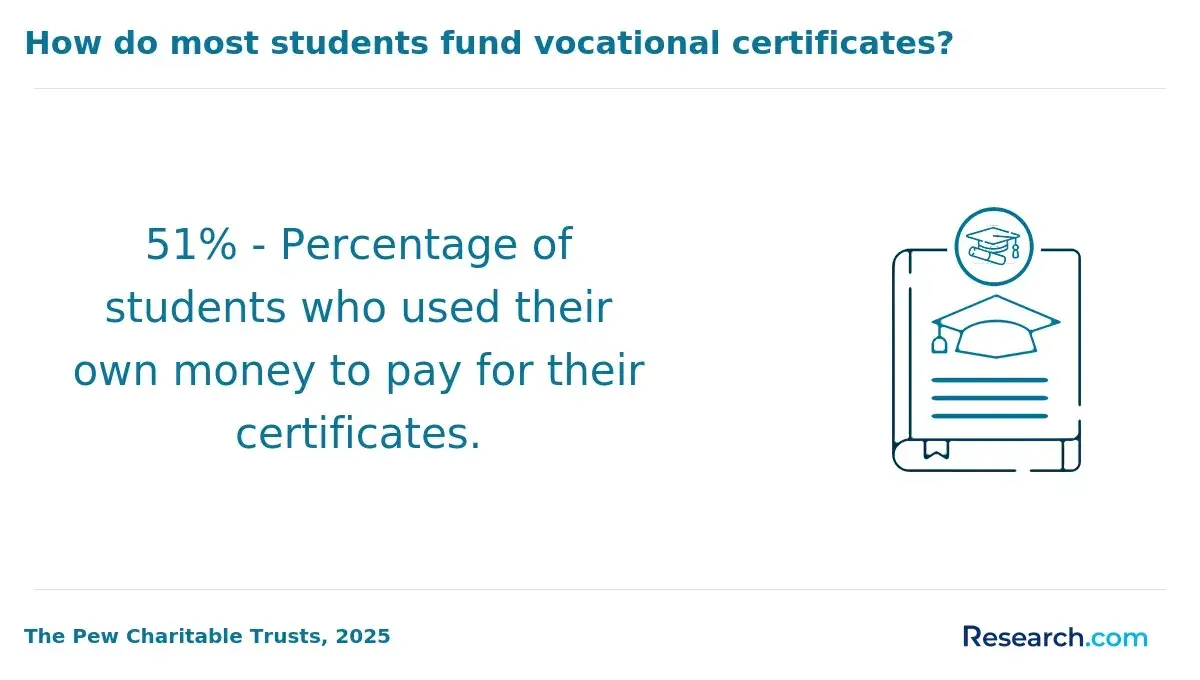
Students enrolled in both accelerated and traditional respiratory care therapy degree programs may qualify for financial aid, though eligibility requirements and funding timelines often vary depending on program duration and enrollment status.
Key distinctions in financial aid access include:
- Federal Aid Eligibility: Both formats qualify for federal loans and grants by filing FAFSA. However, accelerated students need to submit applications promptly due to shortened program lengths, while traditional students generally follow a standard academic aid cycle.
- Scholarship Opportunities: Scholarships such as the NBRC Respiratory Care Scholarship are available for all, but some multi-year awards linked to employment, like St. Luke's Scholar Program, may be more suited to traditional students with longer study periods.
- Employer Tuition Assistance: Traditional programs often align better with employers' tuition assistance schedules due to predictable semesters, yet many employers are increasingly supporting accelerated students as well.
- Aid Disbursement Timing: Accelerated programs' compressed timelines can affect when funds arrive, making timely application and rapid processing critical; traditional students usually benefit from more extended, steady funding intervals.
When asked about financial aid options, a professional who completed an accelerated respiratory care therapy degree shared his experience: "Keeping track of deadlines was intense because everything moved so fast compared to friends in traditional programs. I had to be proactive in applying for federal loans and scholarships early on. The pressure was high, but the flexibility of some employer tuition benefits helped bridge gaps."
He recalls feeling both overwhelmed and empowered by navigating aid processes within the tight, accelerated schedule, ultimately appreciating how financial support made his swift completion possible.
Student support is essential for success in respiratory care therapy programs, with services varying significantly between accelerated and traditional formats. These differences affect the timing, accessibility, and nature of assistance provided to students.
Below is a comparison of common support systems in both program types.
- Academic Advising: Accelerated programs usually offer more frequent, flexible advising, often available outside regular hours to meet the demands of a fast-paced schedule. Traditional programs provide regular advising aligned with semester timelines, supporting a more paced academic plan.
- Tutoring Services: In accelerated tracks, tutoring is intensive and targeted, featuring group sessions and prompt online help to manage the increased workload. Traditional programs tend to have ongoing, broad tutoring options including one-on-one help that supports gradual skill development.
- Career Services: Accelerated programs integrate career workshops and job placement assistance directly into coursework, offering swift access to employer networks. Traditional formats focus on long-term career counseling, mentorship, and professional networking events throughout the degree.
- Peer Interaction: Accelerated students often experience structured, cohort-based collaboration due to compressed schedules, while traditional students may engage in wider peer networking with more opportunities for informal and diverse social connections.
Employment outcomes are often a major factor when choosing between accelerated and traditional respiratory care therapy programs. Both pathways can lead to successful careers, but the speed at which graduates find jobs can vary due to multiple factors.
Here is a comparison of hiring trends and influences affecting job placement for graduates from each format:
- Employer perception: Traditional programs are generally valued for providing comprehensive clinical training, which some employers prefer. Conversely, accelerated graduates appeal to employers looking for candidates who can quickly adapt and perform in demanding environments.
- Career readiness: Graduates from traditional programs often have more extensive hands-on experience, while those from accelerated tracks tend to excel in managing time and solving problems efficiently, traits prized in fast-paced healthcare settings.
- Industry demand: The strong need for respiratory therapists creates quick hiring opportunities for both groups. Notably, some colleges report near-perfect employment rates within two months regardless of program type.
- Job placement speed: Nationwide figures show approximately 85% of new graduates secure employment soon after finishing their training, though local factors and existing employer connections can affect this timing.
When asked about her experience, a respiratory care professional who completed a traditional degree shared that while the process of job hunting was intense and at times uncertain, the depth of clinical skills gained was a decisive advantage.
She recalled, "I felt confident during interviews because my training was thorough, and employers appreciated that." Within weeks of graduation, she received multiple job offers, attributing her success to both the solid foundation her program provided and the network of clinical placements.
Reflecting on the journey, she noted that the traditional path demanded persistence but ultimately opened doors faster than she initially expected.
Accreditation ensures academic quality and legitimacy for both accelerated and traditional respiratory care therapy programs, regardless of differences in pacing or delivery format. This formal recognition affects a student's eligibility for federal financial aid, the ability to transfer credits between institutions, and employer recognition of the degree.
Both program types must meet strict curriculum, faculty, and outcome standards set by accrediting bodies to maintain consistency in education quality. Without proper accreditation, students risk enrolling in programs that may not provide the expected professional value or licensure eligibility.
Therefore, understanding the role of accreditation is crucial for making informed decisions about pursuing a respiratory care therapy degree.
The CoARC accreditation for accelerated respiratory care therapy degrees follows the same rigorous accreditation requirements for traditional and accelerated respiratory care programs. While the core standards apply equally, institutions often design accelerated coursework to fit compressed timeframes, requiring more intensive study patterns.
Accreditation is granted by recognized regional or programmatic accrediting agencies approved by the U.S. Department of Education, and students should always verify that both the program and the institution hold appropriate accreditation before enrolling. This is essential to ensure the degree's acceptance across states and employers.
For those seeking options with financial flexibility, many no application fee accredited online colleges also offer accredited respiratory care therapy programs meeting all these standards.
Choosing between an accelerated and a traditional respiratory care therapy degree largely depends on your career goals, schedule flexibility, and preferred learning pace. Both options offer distinct advantages tailored to different personal circumstances.
To help you decide which path fits best, consider the following key factors:
- Time Commitment: Accelerated programs condense coursework into less than two years, demanding sustained focus and a heavy weekly workload, ideal for those eager to enter the workforce quickly. Traditional programs, lasting two to four years, offer a steadier pace better suited for students balancing other responsibilities.
- Learning Style: Self-driven learners who perform well under pressure often thrive in accelerated settings, whereas those who prefer more time for mastery and reflection might favor the gradual structure of traditional degrees.
- Career Goals: If your priority is to qualify for certification and employment sooner, accelerated degrees are advantageous. However, traditional degrees may provide broader exposure to advanced competencies and interprofessional collaboration, valuable for long-term career advancement.
- Flexibility: Consider your lifestyle and support system carefully. Accelerated pathways require immediate and consistent time investment, while traditional programs grant more flexibility for other life commitments.
When choosing, it helps to compare traditional vs accelerated respiratory care degrees and evaluate which of the best accelerated respiratory therapy programs aligns with your needs and goals.
For more information on flexible educational options, you can explore the top accredited trade schools online.
What Students of Accelerated vs. Traditional Respiratory Care Therapy Programs Say About Their Degree
- Colin: "Enrolling in a traditional respiratory care therapy program gave me a solid foundation with a comfortable learning pace. While the coursework stretched over a few years, it allowed me time to absorb complex concepts and balance work-life obligations. The cost was manageable compared to accelerated options, which helped lessen my financial stress. Overall, this degree has opened doors to varied career roles I am eager to explore. "
- Jason: "The traditional respiratory care therapy curriculum was thorough but sometimes felt drawn out, making it hard to stay consistently motivated. However, the clinical experiences were invaluable, providing me with hands-on skills and confidence. The tuition was significant, but scholarships helped offset expenses, making the investment worthwhile for my long-term professional goals. "
- Stephanie: "Pursuing an accelerated respiratory care therapy program was intense but rewarding. The fast pace challenged me to learn quickly and adapt constantly, which isn't for everyone but fit my go-getter attitude perfectly. Cost-wise, it was higher than traditional programs, but finishing earlier means entering the workforce sooner, balancing out the expense with earlier income. This route sharpened my skills and commitment dramatically. "
Other Things You Should Know About Traditional vs. Accelerated Respiratory Care Therapy Degrees
In 2027, financial aid for accelerated respiratory care therapy programs may include federal loans, grants, and institution-specific scholarships. Students should consult their program’s financial aid office for detailed options since financial aid packages can differ significantly between institutions and programs.
Accelerated programs in 2027 often require 400 hours of supervised clinical practice, with intensive sessions over shorter periods. This demanding schedule aims to equip students quickly, demanding dedication, and focus compared to traditional programs. Specific requirements may vary by institution and state regulations.
Accelerated degrees in respiratory care can enhance long-term professional opportunities by quickly equipping students with necessary credentials. However, the intense curriculum might limit participation in networking events, which could affect career connections. Graduates must proactively seek professional growth and networking to maximize long-term benefits.
- Find The Best Online Respiratory Therapy Programs https://www.accreditedschoolsonline.org/healthcare/respiratory-therapy/
- Respiratory Therapist Career Guide https://www.gmercyu.edu/academics/learn/become-a-respiratory-therapist
- Admission Requirements for the Respiratory Care Program https://healthprofessions.stonybrookmedicine.edu/programs/rc/admissions/requirements
- Advancing Respiratory Care: The Role of Simulation in Clinical Education https://www.emjreviews.com/respiratory/article/advancing-respiratory-care-the-role-of-simulation-in-clinical-education-j160124/
- Certified vs. Registered Respiratory Therapist (CRT vs. RRT) https://www.medicaltechnologyschools.com/respiratory-therapist/certified-vs-registered-respiratory-therapist
- Associate of Science in Respiratory Therapy - Admissions Requirements - South College https://www.south.edu/associate-of-science-in-respiratory-therapy-admissions-requirements/
- Respiratory Therapy Program | Georgia Southern University https://ww2.georgiasouthern.edu/chp/clinical/respiratory-therapy/
- A Preliminary Evaluation of Students' Learning and Performance Outcomes in an Accelerated 3-Year MD Pathway Program https://pmc.ncbi.nlm.nih.gov/articles/PMC8848877/
- Program Costs | Respiratory Care https://www.cod.edu/academics/programs/respiratory-care/program-costs.html