2027 Respiratory Care Therapy Degree Programs for Career Changers

Co-Founder and Chief Data Scientist
Adult learners often face unique challenges when transitioning into respiratory care therapy, balancing education with existing work and family commitments. Nearly 40% of respiratory care therapy students in the U. S. are over 25, reflecting a significant presence of career changers seeking stability in a growing healthcare field. However, many struggle to find programs tailored to their schedules and experience levels. This article explores degree options designed for working professionals, highlighting flexible pathways and industry trends to help prospective students make informed decisions and confidently shift into respiratory care therapy careers.
Key Things to Know About Respiratory Care Therapy Degree Programs for Career Changers
- Many respiratory care therapy degree programs offer flexible scheduling or hybrid formats, allowing working adults to balance education with employment and family commitments.
- Accelerated pacing options can help career changers complete their degrees faster, often within 12-18 months, reducing time away from the workforce.
- Support services such as career counseling and tutoring are increasingly common, enhancing success rates for adult students transitioning to respiratory care therapy careers.
What Respiratory Care Therapy Programs Accept Career Changers?
Respiratory care therapy programs often accommodate working adults and professionals seeking to transition careers by offering flexible prerequisites and practical curricula tailored to diverse backgrounds. Over 40% of students enrolling in graduate healthcare programs are adult learners or career changers, reflecting the growing accessibility of these educational pathways.
- Accelerated Bachelor's Degree Programs: Designed for those with a prior bachelor's degree, these programs offer streamlined respiratory care coursework focused on hands-on clinical experience, enabling career changers to shift efficiently. Such programs often feature flexible entry requirements suited to adult learners. This type can help students explore options similar to accelerated dnp programs.
- Associate Degree Programs: Many community colleges provide associate degrees with minimal healthcare experience prerequisites. Their practical curriculum and local clinical placements provide an accessible entry point for career changers and nontraditional students.
- Online or Hybrid Programs: Combining virtual classes with in-person clinical hours, these options support students maintaining employment while studying. The flexibility of online learning enables smoother transitions into respiratory care therapy roles for working adults.
- Certificate Programs for Healthcare Professionals: Targeted at those with existing healthcare experience, certificate programs focus on respiratory care skills, allowing career changers to leverage prior knowledge while earning credentials more quickly.
These respiratory care therapy programs for nontraditional students offer varied pathways that encourage adult learners to successfully enter the field while balancing other commitments.
What Respiratory Care Therapy Specializations Are Best for Career Changers?
Selecting the right respiratory care therapy specialization is vital for career changers as it helps align their existing skills with growing demands in healthcare, making the transition smoother and more effective. According to the U.S. Bureau of Labor Statistics, respiratory therapists specializing in pediatric or critical care roles are projected to experience a 23% job growth rate through 2030, highlighting strong career opportunities. The following specializations are particularly well-suited for individuals transitioning into this field.
- Pediatric Respiratory Care: This specialization is ideal for career changers with backgrounds in childcare or nursing, as it builds on transferable skills like patient communication and empathy, critical for working with young patients.
- Critical Care Respiratory Therapy: Suited for those with experience in emergency response or intensive care, this path offers a fast-paced work environment and excellent job security, making it appealing for professionals seeking dynamic settings.
- Home Care Respiratory Therapy: Accessible for newcomers, this field emphasizes autonomy and personalized patient interaction, allowing for flexible schedules and a less clinical environment.
- Cardiopulmonary Rehabilitation: Perfect for individuals with exercise science or physical therapy experience, this specialization focuses on patient recovery and long-term wellness, leveraging knowledge of body mechanics and rehabilitation.
Adult learners and working professionals interested in respiratory care therapy advanced certification programs should consider how these options match their prior skills and career goals. For those exploring related healthcare fields, options like medical billing and coding schools online with financial aid offer flexible study routes that complement a healthcare career change.
What Are the Admission Requirements for Career Changers Applying to a Respiratory Care Therapy Program?
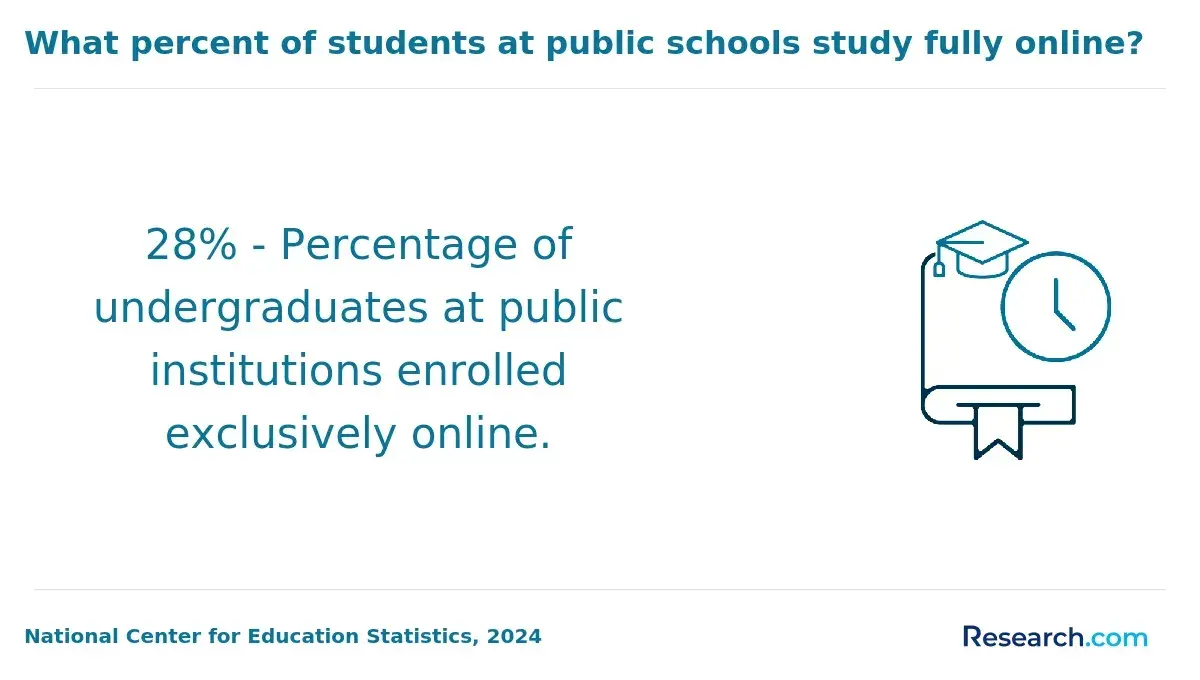
Career changers benefit from understanding admission requirements early, as they often differ significantly from traditional student pathways. Adult learners currently represent about 38% of all postsecondary students in the U.S., reflecting rising demand for flexible and accessible programs. Below are common prerequisites for career changers applying to respiratory care therapy programs.
- Educational Background: A high school diploma or equivalent is typically required. Programs may also accept prior college credits or certifications related to healthcare, easing entry for those with relevant experience.
- Prerequisite Courses: Completion of courses like anatomy, physiology, and chemistry is usually mandatory. Career changers can sometimes transfer these credits from previous studies, accommodating their unique educational paths.
- Examinations and Assessments: Some programs require satisfactory scores on entrance tests or assessments to gauge readiness. Alternative evaluations might be available for applicants with relevant work history.
- Clinical Requirements: Background checks and immunization records are standard due to clinical placements. Flexibility often exists for fulfilling these obligations based on prior healthcare roles.
- Supporting Documents: Official transcripts, letters of recommendation, or personal statements explaining career change motivation are common. These materials help admissions committees understand nontraditional applicants' commitment and qualifications.
- Transferable Skills: Relevant experience in patient care, technical proficiency, or communication can sometimes substitute for formal prerequisites, supporting alternate qualification pathways.
Those exploring career shifts may also consider complementary training options like medical billing and coding classes to expand healthcare credentials. Understanding these admission requirements ensures a clear roadmap for career changers aiming to enter respiratory care therapy efficiently.
For individuals shifting careers, knowing the structure of respiratory care therapy coursework is essential to gauge the workload and time demands. These programs often offer adaptable schedules, such as evening or weekend classes, to help students balance their education with ongoing personal and professional responsibilities. Key elements of the curriculum include the following:
- Foundational Sciences: Students study core subjects like anatomy, physiology, microbiology, and chemistry, building the biological and chemical knowledge vital for understanding respiratory care.
- Clinical Knowledge: This portion delves into respiratory pathophysiology, pharmacology, and diagnostic methods, equipping learners with specialized information about respiratory conditions and treatment strategies.
- Practical Application: Hands-on learning through labs and clinical rotations enables students to experience real-world healthcare environments, practicing the use of equipment and patient interactions, as well as emergency response procedures.
One professional who completed an online respiratory care therapy degree shared insights on the transition: "Balancing work and study was tough at first, especially navigating complex topics without in-person guidance." He mentioned relying heavily on supplemental online resources and virtual study groups that helped clarify challenging material. "I appreciated how the program offered flexible deadlines and direct access to advisors, which reduced stress during busy periods." This approach allowed him to gradually build confidence and adapt to the demands of the healthcare field while managing existing obligations."
Career changers must consider program options that fit their busy lives. A 2023 National Center for Education Statistics report shows about 55% of postsecondary students are adults over 25, many seeking flexible learning such as online or hybrid formats. Here are common respiratory care therapy program options designed to support working professionals:
- Traditional On-Campus: In-person classes and clinical work provide direct faculty engagement and hands-on experience. These often require daytime attendance, which can be challenging for those balancing jobs or family.
- Fully Online: All coursework is delivered virtually, offering maximum schedule flexibility. Clinical hours are arranged locally to accommodate students without relocating, ideal for those needing remote access.
- Hybrid Programs: These combine online lessons with occasional on-campus labs or clinical sessions. They give a balance of convenience and practical exposure, suitable for learners who can attend some in-person activities.
- Evening and Weekend: Designed specifically for working adults, these programs offer in-person instruction outside traditional hours. This schedule minimizes conflict with full-time jobs while maintaining direct interaction.
Selecting a format aligned with personal schedules and commitments helps career changers pursue respiratory care therapy efficiently and confidently.
For adults switching careers, building new, marketable skills is essential to maintain job security in today's rapidly evolving workforce; studies show 94% of employees require reskilling or upskilling to stay competitive. A respiratory care therapy program offers targeted skill-building that helps professionals pivot smoothly into healthcare roles. Key competencies gained include:
- Clinical Competence: Developing expertise in respiratory assessments and treatments equips learners to confidently manage patient care with hands-on proficiency in clinical environments.
- Critical Thinking: Learning to interpret complex patient data and modify treatment plans fosters strong decision-making abilities crucial for handling urgent respiratory conditions.
- Communication Skills: Effective dialogue with patients, families, and interdisciplinary teams enhances collaboration and supports clear, compassionate care delivery.
- Technical Proficiency: Understanding and maintaining respiratory devices prepares students to navigate advanced medical technology vital to contemporary healthcare practices.
- Health Education: Teaching patients about managing respiratory health and prevention techniques empowers them and promotes sustained wellness beyond clinical settings.
These skills not only facilitate a seamless transition into healthcare roles but also underpin long-term adaptability and employment stability. A career changer who completed a respiratory care therapy degree shared that despite initially feeling overwhelmed by new medical terminology and technology, the program's emphasis on applied learning and critical thinking proved invaluable. "I was surprised how quickly hands-on practice built my confidence," she noted, adding that mastering communication with diverse patients was a turning point. She reflected that the combination of technical and interpersonal skills gave her both job readiness and a sense of purpose, illustrating how such programs prepare adult learners for meaningful careers in complex healthcare settings.
Career changers considering a respiratory care therapy degree face unique financial challenges, as the average student loan debt for health-related graduate programs exceeds $70,000. Assessing the full cost allows adult learners to plan effectively and align educational investments with long-term career goals. Below are key cost components to consider.
- Tuition and Fees: Tuition varies widely based on program length and institution, generally ranging from $10,000 to $30,000 for complete degrees aimed at career changers. Many programs offer flexible payment plans or employer tuition reimbursement options to ease the financial burden.
- Books and Supplies: Textbooks and clinical supplies can add several hundred to a few thousand dollars to the overall cost. Working professionals might find affordable options through community college partnerships or online resources, which are often part of affordable respiratory care therapy programs for working professionals.
- Clinical Practicum Costs: Expenses associated with hands-on clinical training often include travel, background checks, and specialized equipment. These costs vary by location but are essential for practical experience needed for credentialing.
- Certification and Licensure Exams: Most respiratory care therapy degrees require passing certification exams, which typically cost between $200 and $500. This is a necessary step for career entry and maintaining professional standards.
- Indirect Costs: Consider potential income loss during study periods as well as commuting or relocation expenses. Part-time or accelerated program formats can help minimize these costs by allowing students to continue working while attending school.
For those balancing career transitions with financial constraints, exploring online or hybrid programs is beneficial. There are even resources highlighting the cheapest FNP programs online, which can offer insights into affordable online healthcare education pathways comparable to respiratory care therapy degrees.
Curriculum design is especially important for career changers entering respiratory care therapy as it must address the unique challenges adult learners face, including balancing education with work and personal commitments. A thoughtfully structured curriculum blends foundational knowledge with practical skills to help learners transition efficiently. Below are key ways respiratory care therapy curriculum supports career transitions.
- Applied Learning: Curriculum incorporates hands-on labs and clinical rotations, providing experiential opportunities that bridge theory with real-world practice, essential for those new to healthcare environments.
- Transferable Skills: Programs focus on developing critical thinking, patient communication, and teamwork, which are vital skills gained in respiratory care therapy programs and applicable across various healthcare roles.
- Flexible Pacing: Offering part-time and evening courses, the curriculum accommodates working professionals and career changers managing other responsibilities, enabling a manageable educational workload.
- Real-World Projects: Case studies and simulated healthcare scenarios help build confidence and job readiness, giving students practical problem-solving experience important for clinical success.
- Specialized Knowledge: Focused instruction on respiratory technologies and treatment protocols equips learners with competencies required for certification exams and employment in respiratory care settings.
For those interested in expanding their healthcare qualifications, exploring affordable RN to BSN online programs can be a complementary pathway to enhance career options and mobility within the field.
Knowing potential career outcomes helps career changers set realistic goals and match their existing skills with growing opportunities. The U.S. Bureau of Labor Statistics forecasts a 23% increase in respiratory therapy positions through 2032, signaling strong demand. Below are common roles that graduates with a respiratory care therapy degree often pursue.
- Respiratory Therapist: Delivers direct patient care involving airway management and diagnostic testing. Prior clinical or technical experience aids in understanding treatments and patient needs, making it a natural fit for those switching fields.
- Pulmonary Rehabilitation Specialist: Develops customized rehab plans for patients with chronic lung diseases. Expertise in patient interaction and program coordination supports success in this role for career changers.
- Sleep Disorder Specialist: Identifies and treats breathing problems related to sleep using advanced equipment. Skills in patient assessment and technology use help transition professionals excel here.
- Home Care Respiratory Therapist: Provides respiratory care in patients' homes, combining clinical knowledge with strong communication and adaptability. This role suits those with backgrounds in healthcare or community services.
- Clinical Research Coordinator: Manages respiratory-related clinical studies, ensuring protocol adherence and participant safety. Analytical skills and attention to detail from previous careers translate well to this research-focused job.
Salary expectations are a key factor for career changers assessing the value of earning a respiratory care therapy degree, as they reflect potential financial growth and stability. Studies show that healthcare workers who reskill typically see a median salary increase of about 15% within two years of finishing their new credentials. The following points highlight typical salary levels and important compensation considerations in this field.
- Entry-Level Salaries: New respiratory care therapists often start with annual earnings between $50,000 and $60,000, which can vary based on location and employer size.
- Experienced Professionals: Those with several years of practice generally earn between $65,000 and $85,000, benefiting from skill development and accumulated clinical expertise.
- Advanced Roles: Specialized certifications or leadership positions can boost pay to $90,000 or more, rewarding advanced knowledge and responsibility.
- Industry Differences: Hospital-employed respiratory therapists usually command higher wages compared to outpatient clinics or home healthcare, reflecting the complexity of care and demand.
- Geographic Impact: Salaries are strongly influenced by the cost of living and local demand, with urban centers offering higher compensation than rural areas.
What Graduates Say About Their Respiratory Care Therapy Degrees for Career Changers
- Loni: "The decision to transition into respiratory care therapy came after many years in retail where job satisfaction was low for me. Despite concerns about the cost, which averaged around $20,000 for the entire program, I found the investment worthwhile as it paved the way for a stable and fulfilling career in healthcare. Completing the respiratory care therapy degree was a game changer that not only opened new doors but also reignited my passion for learning and helping others."
- Ylla: "Switching careers to respiratory care therapy was a thoughtful choice fueled by my desire to make a real difference in people's lives. While the tuition fees were higher than I expected, roughly $18,000, the return on investment became clear as I began working in clinical settings shortly after graduation. The degree program provided me with both the technical skills and the confidence needed to excel in this specialized field."
- Cooper: "I approached the respiratory care therapy program with a professional mindset, understanding the program's cost of about $22,000 was a necessary step for my career switch. Reflecting on this journey, the structured curriculum and hands-on training equipped me with invaluable expertise, enabling my smooth transition from a nonmedical background to a respected healthcare provider. It truly set the foundation for long-term growth and career satisfaction."
Other Things You Should Know About Respiratory Care Therapy Degrees
In 2027, graduates of respiratory care therapy programs, including career changers, must obtain licensure by passing the National Board for Respiratory Care (NBRC) certification exams. States may have additional requirements, such as background checks or further certifications. It’s essential to check specific state regulations where you plan to practice.
To enroll in a respiratory care therapy degree program in 2027, candidates typically need a high school diploma or GED, completed coursework in biology and chemistry, and may need to pass an entrance exam. Some programs also require relevant healthcare experience or certifications.
A 2027 respiratory care therapy degree program should hold CoARC accreditation. This matters because many states require graduation from a CoARC-accredited program before granting eligibility for the National Board for Respiratory Care’s Therapist Multiple-Choice exam, which is the standard entry exam for licensure.
- Respiratory Care https://www.cisco.edu/degrees-programs/associate-of-applied-science/respiratory-care
- Respiratory Care Degree Programs https://www.kumc.edu/school-of-health-professions/academics/departments/respiratory-care-and-diagnostic-science/academics/respiratory-care-degree-programs.html
- Climb The RT Career Ladder - The National Board for Respiratory Care https://www.nbrc.org/careerladder/
- Respiratory Care Admission and Tuition | Labouré College of Healthcare https://www.laboure.edu/academic-programs/associate-degrees/respiratory-care/admission-tuition
- Respiratory Therapist - Explore Healthcare Careers - Mayo Clinic College of Medicine & Science https://college.mayo.edu/academics/explore-health-care-careers/careers-a-z/respiratory-therapist/
- When do I start the application process? https://www.slcc.edu/respiratory-therapy/faq.aspx
- Respiratory Therapist Program: Ideal for Career Changers https://futuramo.com/blog/what-makes-the-respiratory-therapist-program-ideal-for-career-changers/
- Program Costs | Respiratory Care https://www.cod.edu/academics/programs/respiratory-care/program-costs.html
- Respiratory Therapy Careers at RWJBarnabas Health Hospitals in NJ https://www.rwjbh.org/for-health-care-professionals/respiratory-therapy/
- A Career In Respiratory Therapy | Complete 10 Page Guide | WVJC https://www.wvjc.edu/respiratory-therapy-career-guide/