2027 Remote Jobs You Can Get With a Speech Pathology Master's Degree

Co-Founder and Chief Data Scientist

Reviewed by Rhea Paul, PhD
SLP Education & Research Expert
Imagine a licensed speech pathologist with a master's degree evaluating remote job listings, only to find many roles demand hybrid schedules, extensive local caseloads, or specific state licensure.
Despite a 17% projected employment growth for speech pathologists by 2035, a 2024 workforce survey reveals less than 25% of these jobs offer fully remote options. This disconnect highlights the challenge of aligning flexible work desires with professional requirements, credential portability, and employer expectations.
Understanding which remote opportunities genuinely accommodate location-independent practice, and the qualifications they require, is crucial. This article clarifies viable remote jobs for speech pathologists with a master's degree, guiding realistic career decisions.
Key Things to Know About Remote Jobs You Can Get With a Speech Pathology Master's Degree
- Remote speech pathology roles often require state licensure, limiting cross-jurisdictional telepractice; graduates must weigh time and expense of multi-state credentials against employer flexibility and client access.
- Employer surveys in 2024 indicate 42% of telepractice positions prefer candidates with demonstrated digital assessment proficiency, reflecting the shifting demand for tech-savvy remote clinicians over general clinical experience.
- Hybrid roles dominate the current job market, so genuinely location-independent speech pathology jobs remain scarce, compelling candidates to critically evaluate if job descriptions reflect true remote work or require regular onsite presence.
What Remote Jobs Can You Get With a Speech Pathology Master's Degree?
Remote jobs accessible with a speech pathology master's degree often emphasize telepractice roles where clinical expertise directly translates to virtual client care. Employers increasingly expect telepractice speech-language pathologists to hold relevant state licensure and demonstrate proficiency with digital platforms tailored for therapeutic intervention.
However, full-time remote positions remain limited, with most opportunities leaning toward hybrid models that blend onsite and remote responsibilities. Graduates must weigh the tradeoff between the flexibility of remote work and the necessity for rigorous licensure compliance alongside maintaining a strong clinical presence, often reflected in scheduling and workload demands.
Beyond clinical telepractice, remote career opportunities for speech pathologists can include educational consulting or academic roles where expertise is leveraged in curriculum design, training, and assessments conducted virtually. Data-intensive remote research positions also attract those skilled in statistical methodologies and grant writing, though these typically require advanced research experience and sometimes additional academic credentials.
Technical consulting for health technology firms creating speech therapy applications offers a niche but growing avenue that blends clinical knowledge with software development insights. Speech pathology remote jobs with a master's degree therefore demand strategic career planning to navigate industry hiring patterns, especially as employers balance remote, hybrid, and onsite operational models.
Given the complexities around funding and remote work approvals, professionals pursuing these paths should also consider supplementary qualifications or certifications to increase competitive advantage in a selective market. The U.S. Bureau of Labor Statistics projects an 17% growth in speech-language pathology employment through 2035, partially driven by telehealth integration, underscoring evolving standards in remote service delivery.
For those evaluating cost-efficient pathways to enhance their credentials or pivot careers, exploring affordable advanced education options such as cheap nursing programs may provide additional flexibility and cross-disciplinary opportunities in allied health fields.
Which Industries Hire Remote Professionals With a Speech Pathology Master's Degree?
Remote roles for professionals with a master's degree in speech pathology primarily concentrate in healthcare, education, and growing corporate sectors where telepractice integration is advanced. Healthcare dominates, especially outpatient rehab and telehealth services, reflecting a 2024 Bureau of Labor Statistics finding that around 15% of speech-language pathologist positions are now fully remote, a shift driven by regulatory easing and improved digital diagnostic tools.
Educational institutions also offer notable remote work, with nearly 10% of special education speech services delivered online according to the National Center for Education Statistics, though state licensure requirements and compliance with educational mandates often restrict flexibility.
Meanwhile, corporate disability and wellness programs represent emerging, though less prevalent, opportunities requiring remote speech pathologists to navigate both clinical expertise and business-focused communication challenges, adding complexity to role expectations and advancement pathways.
Choosing between these sectors involves critical tradeoffs: healthcare roles tend to demand up-to-date telehealth technology proficiency and ongoing clinical licensure, while education positions require alignment with state-specific policies and sometimes hybrid work models. Corporate roles, though fewer, often prioritize adaptability and cross-disciplinary collaboration but may lack traditional clinical progression routes.
Understanding these nuances is essential for navigating job availability and long-term career sustainability, especially as employers increasingly value hybrid skill sets that blend telepractice savvy with self-directed workflow management. This layered landscape means career decisions hinge not only on remote work desire but also on regulatory environments, client interactions, and technology fluency inherent to each industry.
One remote speech pathology professional recalls encountering unexpected disparities while applying across sectors, noting that healthcare employers demanded extensive telepractice certifications and regular technology updates, whereas educational roles required demonstrable compliance with diverse state licensure laws that complicated interstate remote work.
The individual initially prioritized fully remote healthcare jobs but found the quicker hiring processes and clearer remote policies in education more practical despite some hybrid attendance expectations. This experience underscored the importance of tailoring applications to sector-specific qualifications and clarified that a speech pathology master's degree alone does not guarantee uniform remote opportunities across industries.
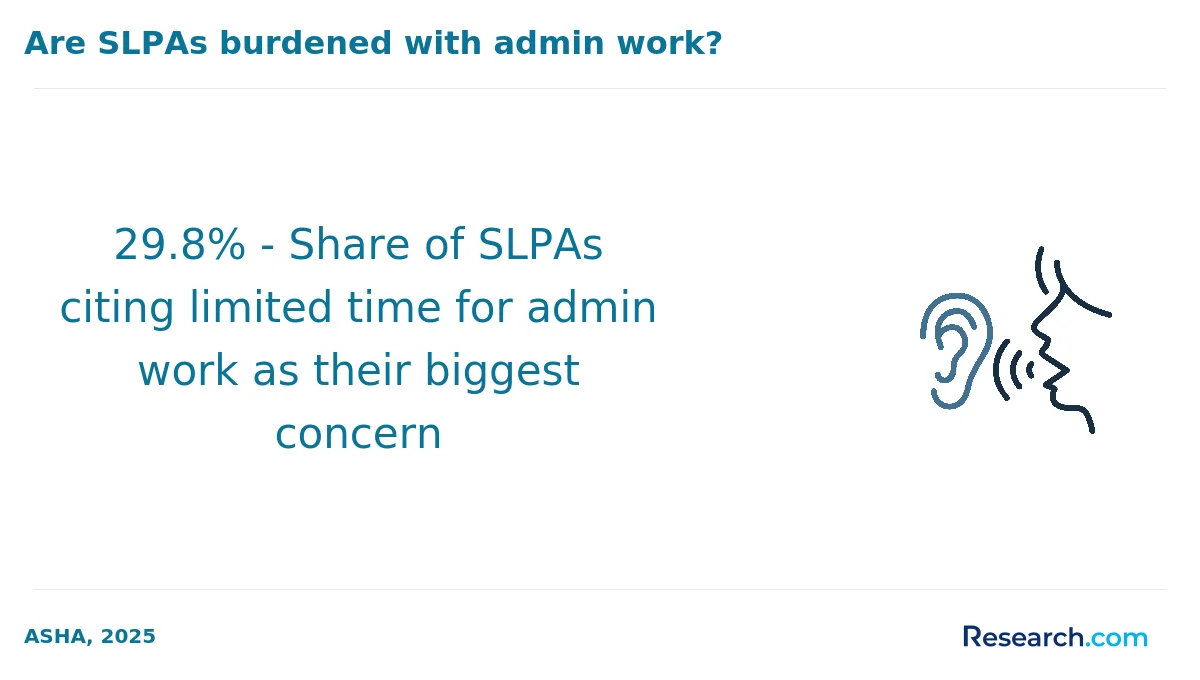
What Are the Highest-Paying Remote Jobs for Speech Pathology Master's Degree Graduates?
The highest-paying remote roles for graduates with a master's degree in Speech Pathology typically demand a blend of specialized clinical expertise and administrative or leadership responsibilities. Telepractice positions within private healthcare providers or specialized telehealth firms tend to offer stronger compensation, particularly when clinicians hold advanced certifications in areas like augmentative and alternative communication or dysphagia management.
Employers often prioritize candidates licensed to practice in multiple states, given that remote service across jurisdictions requires navigating varied regulatory frameworks. However, this expands the candidate pool and imposes ongoing credential maintenance, which can limit accessibility for some.
Competition for remote speech pathology roles exceeds that of traditional onsite positions due to the flexibility appeal, but many higher-tier jobs stipulate demonstrable experience managing complex caseloads virtually and the capacity to utilize specialized video therapy platforms effectively.
According to 2024 data from the U.S. Bureau of Labor Statistics, median wages for speech-language pathologists shift notably upward for those embedded in healthcare systems offering telepractice, reinforcing the premium placed on candidates combining clinical depth with remote delivery skills. Hybrid roles that require intermittent onsite presence may offer supplemental financial incentives but complicate logistical planning and reduce pure remote flexibility, which influences long-term professional trajectories and work-life balance considerations.
The pathway to maximizing remote earnings often involves strategic credentialing and positioning within private sector settings where client complexity and reimbursement structures generate higher pay scales.
For master's graduates aiming to sustain and grow a remote practice, ongoing specialization and state licensure expansion become critical investments, framing remote work not simply as a convenience but as a carefully managed professional model that entails tradeoffs in licensing, practice flexibility, and earnings predictability over time.
Securing a remote position with a master's degree in speech pathology and minimal experience presents distinct challenges, as most employers require demonstrated clinical skills alongside licensure. According to the U.S. Bureau of Labor Statistics' 2024 Occupational Outlook Handbook, approximately 70% of remote speech pathology jobs for entry-level professionals still prioritize candidates with hands-on clinical background, which often includes supervised internships, telepractice experience, or documented case work.
Notably, proficiency in teletherapy technology and effective remote communication are critical competencies that recent graduates must highlight, as theoretical knowledge alone rarely convinces hiring managers in this specialized field.
For those seeking speech pathology remote work opportunities without experience, realistic entry points often involve volunteering for telepractice roles, securing remote internships, or obtaining additional certifications tailored to virtual care.
Employers may offer limited supervised remote positions for new clinicians, but these are highly competitive and contingent on a candidate's ability to demonstrate practical readiness beyond academic credentials. Career changers and new graduates should carefully evaluate opportunities, understanding that building a portfolio of teletherapy cases or treatment plans can markedly improve hiring prospects.
For professionals exploring flexible health-related degrees, programs like online RN programs may provide additional pathways related to remote healthcare employment.
In remote speech pathology roles, employers prioritize a blend of advanced clinical expertise and demonstrated capability in managing the unique demands of virtual care delivery. Essential skills include independent problem-solving, clear and concise written communication for asynchronous client and team interactions, and proficiency with digital collaboration platforms such as electronic health records and telepractice tools.
Candidates who can show applied evidence of these competencies through practicum experiences, certifications, or research projects typically stand out, particularly given the telehealth sector's rapid 42% growth rate reported by the U.S. Bureau of Labor Statistics in 2024. Ownership of patient outcomes and the ability to translate clinical knowledge into accessible virtual interactions further increase hiring appeal, as remote environments require nuanced stakeholder management without immediate supervision.
However, possession of a master's degree alone does not guarantee readiness for remote positions. Employers often encounter candidates with strong academic backgrounds who lack hands-on experience using asynchronous communication or specialized telehealth technologies, which can create onboarding challenges.
Additionally, some speech pathologists may struggle with aligning their clinical scope of practice with organizational telepractice models or navigating state licensing constraints that complicate cross-jurisdictional work. Candidates competing with professionals who have verifiable remote work histories or who can demonstrate robust digital fluency may find themselves at a disadvantage despite their degree, underscoring the need for targeted skill development beyond traditional graduate training.
One candidate recounted their interview for a remote speech pathology role where the hiring manager probed deeply into examples of project ownership and self-direction, beyond clinical qualifications. Initially uncertain about how to convey their adaptability, the candidate shared a capstone project involving telepractice for pediatric clients, highlighting their role in designing asynchronous progress reports and troubleshooting technical issues independently.
This practical demonstration eased employer concerns about remote work reliability, helping to build confidence during the hiring process and ultimately securing the position with a team valuing proactive, remote-specific skills alongside clinical knowledge.
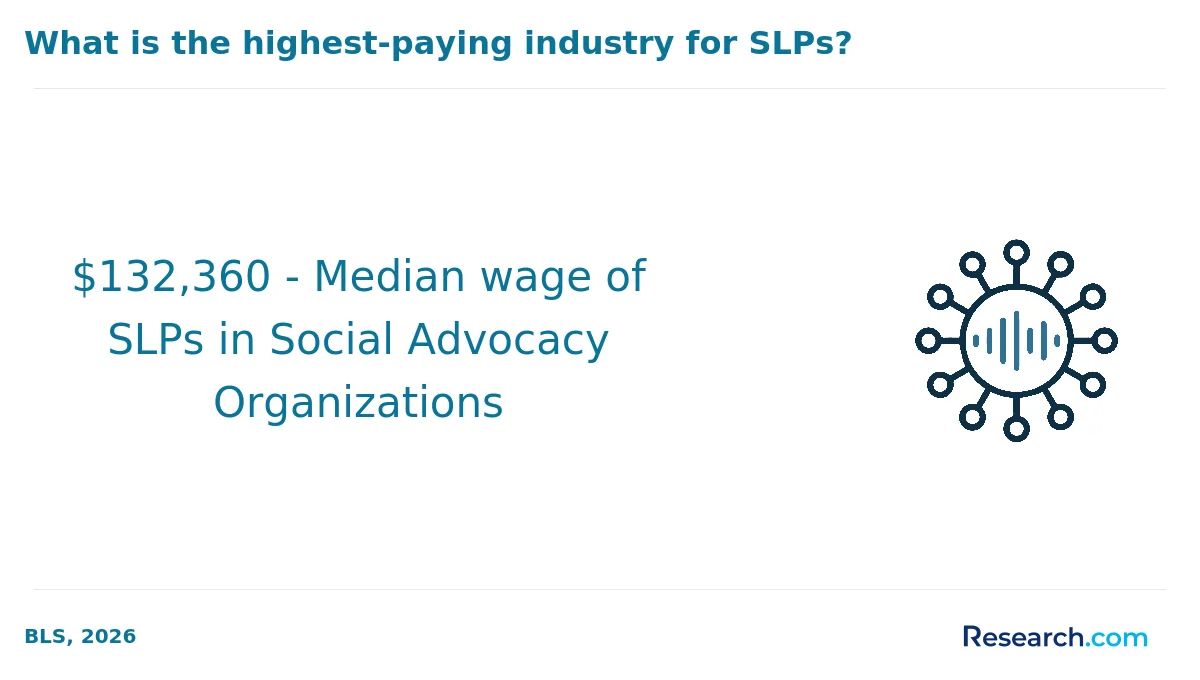
Advanced training through a speech pathology master's degree positions candidates for remote leadership opportunities that demand strategic oversight of distributed teams and nuanced management of clinical workflows.
Unlike traditional onsite supervision, remote management roles require proficiency in asynchronous communication, digital collaboration tools, and establishing measurable outcomes to maintain service quality across locations. Employers increasingly seek candidates capable of navigating regulatory compliance and outcome-based performance metrics, reflecting a shift from direct clinical delivery toward program leadership and data-driven decision-making.
For example, graduates moving into remote management roles for speech pathology graduates often find themselves responsible not only for clinical guidance but also for staff training, quality assurance, and efficient use of telehealth platforms. Such positions emphasize trust-building and accountability without physical presence, requiring leaders to interpret analytic data and digital feedback loops to optimize service delivery.
Practical experience with virtual team coordination and telepractice administration is therefore vital, differentiating candidates who hold a master's degree coupled with relevant health administration knowledge from those focused solely on direct clinical practice.
Data from industry reports underscore that a speech pathology master's degree aligns closely with evolving employer expectations for remote leadership roles, wherein advanced credentials facilitate promotion to supervisory and program director positions that often include telework components. Prospective candidates should also explore complementary educational routes like the best online nutrition degree programs for interdisciplinary skills that can enhance marketability in broader healthcare leadership.
Ultimately, mastering administrative aspects alongside clinical expertise helps address the practical challenges inherent in remote leadership roles within speech pathology.
Freelance consulting with a master's degree in speech pathology presents a valid yet complex opportunity that demands careful navigation of licensure boundaries and service scope. Because state regulations govern speech pathology practice, consultants must often restrict client work to licensed jurisdictions, limiting the potential remote client base.
For example, a consultant developing telehealth protocols may need clear verification of licensure for each client's location, complicating multi-state engagements and requiring timely administrative oversight to remain compliant.
Building credibility independently involves demonstrating proven clinical impact and maintaining steady client acquisition, typically without the structural support common in employed roles. This means investing in a robust evidence-based portfolio and strong professional networks, as referrals and documented outcomes largely drive engagement.
Freelance specialists who combine speech pathology expertise with healthcare administration or digital health skills often expand their market value but must also manage financial variability and increased responsibility for legal and marketing functions. As remote consultations grow in acceptance, consultants face a practical tension between offering regulated clinical advice and delivering broader health system consulting services, which influences the nature of contracts they pursue and the risk profile of their workload.
Given that around two-thirds of speech pathologists remain employed in traditional settings, freelance consulting requires a strategic tradeoff between independence and stability. Professionals must weigh the unpredictable income streams and client-facing demands against the flexibility freelance work offers.
Ultimately, success hinges on aligning specialized knowledge and licensure compliance with proactive client management and realistic acceptance of consulting's operational constraints, rather than relying solely on clinical credentials or remote work trends.
Locating authentic remote roles for master's degree holders in speech pathology demands targeted strategies that go beyond generic job boards. Employers in this field frequently prioritize candidates with verified state licensure and relevant clinical experience, especially given telepractice's significant growth projected at 17% through 2035 by the U.S. Bureau of Labor Statistics.
For example, a candidate relying solely on broad platforms without cross-checking job quality or employer credibility risks encountering hybrid roles misrepresented as fully remote or falling prey to fraudulent postings.
Graduates should focus on channels closely connected to the profession, such as listings from accredited associations like the American Speech-Language-Hearing Association, which vet postings rigorously and reduce exposure to scams. Established healthcare systems, educational institutions, and specialized telehealth providers often have dedicated career pages clearly distinguishing fully remote positions and related credential requirements.
Leveraging alumni networks and state licensure boards also facilitates access to employers actively recruiting clinicians for remote work, helping navigate licensing and geographic restrictions that vary widely across states.
Due diligence is crucial because remote job competition in speech pathology can be intense, with almost 28% of healthcare remote job seekers reporting encounters with fraudulent ads according to a 2024 Workforce Institute survey. Critical evaluation of job descriptions and company reputations protects applicants from unreliable opportunities promising unusually high pay without credential verification.
Ultimately, strategic reliance on trusted professional networks and verified employer portals offers the most reliable pathway to sustainable remote practice in this specialized healthcare sector.
Salary potential for remote professionals with a master's degree in speech pathology is notably influenced by role type, specialization, and licensure requirements rather than degree attainment alone. While the U.S. Bureau of Labor Statistics reported a median annual wage of approximately $97,870 for speech-language pathologists in 2026, this figure aggregates both onsite and remote roles without isolating remote-specific compensation.
Employers hiring for remote speech pathology positions often weigh factors such as the practitioner's credentials, including certification like the Certificate of Clinical Competence in Speech-Language Pathology (CCC-SLP), and experience in conducting virtual therapy sessions, which directly impacts salary offers within broadly regional pay frameworks.
The average income for remote speech pathologists typically aligns with these regional salary standards but can be affected by niche specializations like pediatric speech therapy or neurological rehabilitation, which command higher wages. For example, a remote consultant working independently in telepractice may increase earnings over time by developing a robust client base, though initial compensation may be more modest.
The 2024 ASHA Compensation Report highlights that remote roles still constitute a minority share of positions, reflecting cautious employer adoption of telehealth models and emphasizing the need for remote work adaptability alongside clinical expertise. This dynamic informs realistic expectations for those targeting remote positions with a speech pathology master's degree.
Decision-makers pursuing remote job opportunities should consider how experience, certification, and employer priorities intersect within a competitive labor market shaped by evolving telehealth policies and geographic pay disparities. Those exploring alternative flexible careers may also review bioinformatics degree jobs as another evolving option with distinct remote employment trajectories.
Understanding these operational factors is critical when evaluating the remote speech pathology salary ranges available and how this specialty's compensation compares to comparable flexible healthcare roles.
Remote career paths for professionals with a Speech Pathology master's degree remain viable but increasingly contingent on navigating regulatory and technological challenges. The U.S. Bureau of Labor Statistics projects an 17% growth in employment for speech-language pathologists from 2025 to 2035, reflecting sustained demand driven by an aging population.
However, geographic flexibility is limited by state-specific licensure requirements, which often require multi-state licensure compacts to effectively expand remote work options. This dynamic means that long-term career planning must weigh the benefits of telepractice against regulatory constraints and the need for robust clinical specialization.
The remote job outlook for speech pathology master's graduates is also shaped by evolving employer expectations emphasizing advanced digital competencies and hybrid work models. Many clinicians must combine remote sessions with periodic in-person assessments to meet clinical standards, which can affect job structure and location choices.
Career growth often depends on developing supervisory or program development skills, especially since fully remote senior roles remain limited. For working adults and career changers seeking flexibility, careful attention to teletherapy platforms and continuous technology adoption is essential, complementing professional credentials to remain competitive.
For those exploring new routes into healthcare roles, considering related pathways like the increasing number of easy admission LPN programs may offer alternative or supplementary options.
Ultimately, the trajectory of remote jobs requiring a Speech Pathology master's degree underscores the importance of regulatory agility and digital proficiency to sustain long-term career viability in a field marked by both opportunity and complexity.
What Do Graduates Say About Working Remotely With a Speech Pathology Master's Degree?
- Marilyn: "After completing my master's in speech pathology, I quickly realized that getting licensed wasn't the only path to employment. Many remote positions I applied for valued my portfolio and internship experience more than formal licensure, especially in telepractice roles. This allowed me to enter the workforce faster, though I'm aware that salary growth can plateau without the certification down the line."
- Zoey: "Working remotely as a speech pathology master's graduate has been a balancing act between flexibility and career advancement. Employers often prefer candidates with extensive practical experience or additional certifications over newly minted degrees. That pushed me to take on several project-based roles and build a specialized skill set to stand out, which has made me more competitive despite the challenges of not having a traditional in-person clinical background."
- Eli: "My journey post-master's was shaped by the realities of hiring preferences in the speech pathology field. Even with my degree, I found that many employers prioritized licensed clinicians for onsite roles, so I shifted focus to remote positions where my skillset and adaptability mattered more. This pivot required patience and strategic choices but ultimately led me to a rewarding career that balances work-life flexibility with steady professional growth."
Other Things You Should Know About Speech Pathology Degrees
Remote clinical practicum components vary widely across programs and can significantly influence job readiness. If your program offers predominantly in-person clinical experiences, you may graduate with less hands-on familiarity managing client sessions via telepractice platforms. Prioritizing programs with substantial telehealth training and remote client exposure better equips you to navigate technology, build rapport, and adapt assessment techniques remotely-skills that employers expect for telepractice roles.
You need an active speech-language pathology license in the state where the client is located, and many employers also require ASHA CCC-SLP certification. Telepractice clinicians must follow both state licensure rules and the employer’s telehealth policies for each service location.
In 2027, ASHA's Certificate of Clinical Competence is crucial for remote speech pathology roles. This certification ensures credibility and competence, vital for telepractice compliance with regulations like HIPAA. State licensure is also necessary for practicing legally across different regions.
- U.S. Bureau of Labor Statistics - Speech-Language Pathologists https://www.bls.gov/ooh/healthcare/speech-language-pathologists.htm
- ASHA EdFind - Accredited Speech-Language Pathology Programs https://find.asha.org/ed/
- Audiology and Speech-Language Pathology Interstate Compact https://aslpcompact.com/compact-map/
- Pepperdine University - Master of Science in Speech-Language Pathology https://healthscience.pepperdine.edu/online-masters-in-speech-language-pathology/
- Nova Southeastern University - SLP Program - Master of Science in Speech-Language Pathology https://osteopathic.nova.edu/degrees/masters/speech-language-pathology/index.html
- Pennsylvania Western University - Master of Science in Speech-Language Pathology https://online.pennwest.edu/programs/speech-language-pathology-grad/index.php
- Maryville University - Master of Science in Speech-Language Pathology https://www.maryville.edu/masters/speech-language-pathology/
- Abilene Christian University - Master of Science in Speech-Language Pathology (Online) https://acu.edu/academics/graduate/master-of-science-in-speech-language-pathology/