2027 What Is a Speech Pathology Master's Degree? Definition, Curriculum & Career Paths

Co-Founder and Chief Data Scientist

Reviewed by Rhea Paul, PhD
SLP Education & Research Expert
Rising demands in healthcare highlight the critical role of speech pathology professionals in addressing communication disorders across diverse populations. Recent shifts, such as the 2024 update from the American Speech-Language-Hearing Association emphasizing telepractice competencies, reflect evolving employer expectations. This change requires aspiring clinicians to master both traditional therapeutic techniques and emerging digital modalities.
Understanding the curriculum's balance between foundational science and applied clinical skills reveals how the degree prepares graduates for varied work environments, from schools to medical settings. Exploring these educational components alongside career pathways offers a nuanced view of how this master's degree equips professionals to meet contemporary challenges in speech pathology.
Key Benefits of Speech Pathology Master's Degree
- Specialized clinical training in speech pathology demands extended program lengths, increasing education cost and delaying workforce entry compared to some allied health fields, necessitating careful financial and career timeline planning.
- Employers prioritize candidates with comprehensive mastery of assessment tools validated in recent 2024 studies, signaling employer preference for evidence-based competencies that directly affect patient outcome success rates.
- Data from 2024 indicates a growing demand in diverse linguistic populations, requiring speech pathology graduates to possess cultural competency skills, impacting program content and enhancing graduate versatility in varied clinical settings.
Who Should Pursue a Speech Pathology Master's Degree?
Graduate education holds substantial value when undertaken with clear career goals, targeted skill development, and a strategic view of workforce positioning rather than as a default progression after earning a bachelor's degree. The ideal candidate for a speech pathology master's degree must weigh personal competencies, industry expectations, and how specialized training supports their objectives for professional growth.
This approach ensures the degree functions as an investment that addresses concrete gaps and opens pathways aligned with evolving healthcare and education sectors.
- Career Changers from Healthcare or Education: Individuals shifting into speech pathology from allied health fields, teaching, or social services often encounter a distinct body of clinical knowledge and licensure requirements. The master's program equips them to bridge foundational skill gaps while positioning them in a field with steady growth-projected at 17% through 2035 by the U.S. Bureau of Labor Statistics-offering a resilient alternative to stagnant or saturated career paths.
- Working Professionals Seeking Clinical Specialization: Those already in related roles but aiming for advancement benefit from focused training in areas like pediatric therapy or neurogenic communication disorders. This credential enhances both clinical expertise and credibility, critical for leadership opportunities or to meet demands in niche segments where interdisciplinary collaboration and evidence-based practice are paramount.
- Recent Graduates with Undergraduate Preparation in Communication or Health Sciences: Candidates who completed relevant undergraduate coursework can leverage the master's degree to fulfill specific licensure prerequisites and refine analytic and clinical skills essential for SLP certification. This targeted progression reduces admission barriers and facilitates smoother transitions into supervised clinical practice and entry-level roles.
- Aspiring Leaders in Multidisciplinary Care Settings: Individuals focused on roles that require coordination between educators, healthcare providers, and families benefit from graduate programs emphasizing communication sciences alongside patient advocacy and research literacy. This broad, yet specialized, preparation supports career trajectories toward supervisory, program development, or policy-influencing positions.
- Professionals Entering Emerging Speech-Language Pathology Domains: The expanding need for bilingual and culturally competent SLPs or expertise in aging populations creates niches that master's programs increasingly address. For those aiming to fill gaps in underserved communities or cutting-edge clinical areas, the degree is a deliberate step toward both workforce relevance and long-term impact.
Prospective students weighing speech pathology master's degree requirements should consider whether their personal career goals align with these profiles. Those needing to develop applied clinical experience or meet licensure mandates must view the degree as more than academic—it represents essential preparation for a complex, regulated profession.
Alternatively, career changers and professionals aiming to increase workforce competitiveness must evaluate the time and resource investment against the demonstrated demand and advancement opportunities in the field.
For candidates still determining whether to pursue graduate study immediately or after further professional experience, exploring complementary options can be valuable. For example, exploring the best online RN to BSN programs may inform decisions about degree sequencing and long-term healthcare career planning, especially for those balancing work and education commitments.
What Are the Core Courses in a Speech Pathology Master's Curriculum?
Core courses in a speech pathology master's curriculum create the essential academic framework that supports all subsequent professional learning and practice. While the exact course names may differ between programs, virtually all emphasize a consistent set of subject areas designed to develop clinical expertise, critical analysis, and practical skills that remain relevant across diverse specialization tracks and work environments.
These foundational courses ensure students build a comprehensive understanding of both the science behind communication disorders and the applied methods required in clinical settings.
- Anatomy and Physiology of Speech and Hearing: This course is fundamental for grasping how speech and auditory systems operate and the biological basis of communication impairments. It equips students with detailed knowledge needed to evaluate disorders accurately and lays the groundwork for understanding treatment approaches grounded in human biology.
- Speech and Language Development: Focusing on normal and atypical language acquisition, this course prepares students to differentiate typical milestones from delays or disorders. Integrating cognitive and social science perspectives, it supports diagnostic precision and informs individualized intervention strategies critical for careers ranging from pediatrics to adult rehabilitation.
- Clinical Methods and Diagnostics: Central to professional competency, this coursework trains students in validated assessment tools, standardized testing, and data interpretation. Mastery here is crucial as employers prioritize graduates who can conduct evidence-based evaluations and develop tailored treatment plans effectively from day one.
- Neurology and Neurogenic Communication Disorders: Covering brain-based speech impairments, this content links neuroscience with clinical application, preparing students for settings like hospitals and rehabilitation centers. Understanding neurogenic causes enhances the clinician's ability to adapt therapies to complex patient needs, reflecting a growing area of demand in healthcare.
- Multicultural Perspectives and Audiology Fundamentals: These courses underscore the importance of cultural competence and foundational hearing science, respectively. As speech pathology increasingly serves diverse populations, cultural awareness and audiological knowledge broaden clinicians' effectiveness across demographic groups and communication disorders.
According to recent projections from the U.S. Bureau of Labor Statistics, speech-language pathologist roles are expected to grow by over 17% through 2035, emphasizing the need for graduates who master these core areas to meet expanding service demands.
Employers consistently highlight the value of programs that integrate rigorous scientific training with practical clinical exposure, ensuring new professionals enter the workforce capable of managing complex caseloads and adhering to ethical standards.
One graduate recalled navigating their program's rolling admissions with uncertainty. After submitting an application early in the cycle and waiting weeks without a response, they hesitated to apply elsewhere, hoping for a positive outcome.
When the acceptance finally arrived, it came just days before other program deadlines, prompting a quick decision amid competing offers. This experience highlighted how the timing and clarity of admissions communication can affect prospective students' preparation and peace of mind-elements often overlooked but impactful in starting a speech pathology career pathway smoothly.
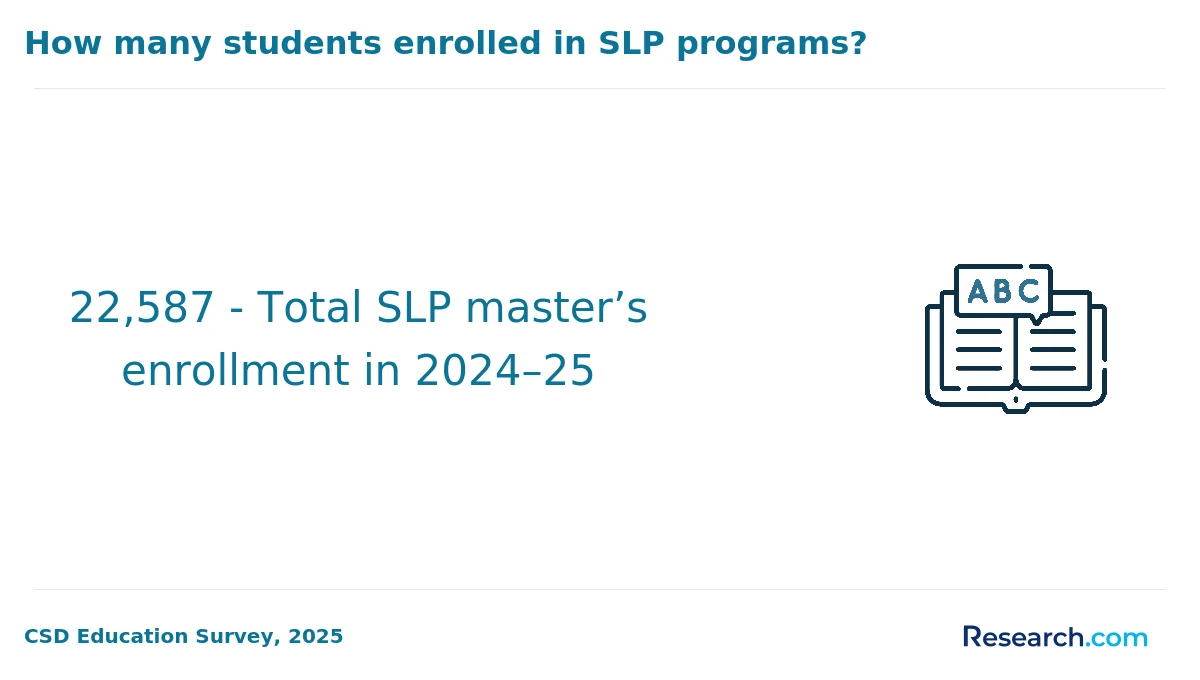
What Specializations Are Available in Speech Pathology Master's Programs?
Speech Pathology master's programs typically include several specialization tracks that let students direct their education toward distinct professional domains. While foundational coursework covers general principles of communication disorders, specialization enables mastering targeted clinical skills and theoretical frameworks relevant to specific populations or conditions.
Selecting the right focus area impacts not only skill acquisition but also job market positioning and career trajectory in fields where employer expectations demand clear expertise.
- Pediatric Speech Pathology: Concentrating on developmental communication challenges in children, this specialization sharpens skills in childhood language acquisition and intervention techniques. Graduates are suited for roles in schools, early intervention programs, and pediatric healthcare settings, where demand remains steady due to the critical nature of early diagnostics and therapy.
- Adult Neurogenic Communication Disorders: This track prepares students to address impairments resulting from neurological events such as stroke or traumatic brain injury. Emphasis on neuroanatomy and cognitive-communication rehabilitation equips professionals to work primarily in hospitals, rehab centers, and long-term care facilities where specialized clinical expertise is essential.
- Augmentative and Alternative Communication (AAC): Focused on assistive technology and communication devices for individuals with severe speech limitations, this specialization develops proficiency in device assessment and interdisciplinary coordination. AAC specialists often find roles in tech-driven clinical settings, educational environments, and counseling services.
- Voice Disorders and Fluency: Targeting speech production issues such as stuttering and vocal pathologies, this area develops precise diagnostic and therapeutic interventions. Career opportunities often involve otolaryngology clinics, private practices, and specialized therapy centers, where nuanced technical knowledge distinguishes practitioners.
- Literacy and Language Development: Concentrating on reading and writing disorders alongside spoken language, this specialization integrates clinical practice with educational theory. This track aligns graduates with school districts, literacy programs, and research institutions prioritizing multidisciplinary approaches.
Data from the U.S. Bureau of Labor Statistics in 2024 confirms employment growth above average in healthcare and educational settings for speech pathology professionals, though growth rates vary by specialization and geography. Employers increasingly seek candidates with focused credentials and demonstrated clinical competencies consistent with their patient populations, making specialization choices a strategic consideration for long-term employability and professional differentiation.
The typical duration to complete a speech pathology master's degree for full-time students ranges from about two to just over two years, commonly cited as 24 to 27 months by accredited programs.
Part-time options intended for working professionals or career changers can extend this period beyond three years. The average duration of speech pathology graduate programs reflects a blend of intensive coursework and essential clinical practicum components required for skill development and certification eligibility, creating a structured yet demanding timeline.
Several factors affect how long students spend completing their degree. The pace of study-whether one enrolls full-time or part-time-plays a significant role, as many balance employment or family commitments alongside coursework.
Clinical practicum mandates, often requiring upwards of 400 hours of supervised experience, can further extend timelines due to placement scheduling complexities. Additionally, program format differences, such as traditional on-campus versus hybrid or online models, influence duration and flexibility, with some accelerated tracks capable of shortening completion times but demanding heavier course loads within condensed periods.
Students often make strategic decisions regarding their study duration based on career objectives and personal circumstances. Some may choose to spread coursework over more terms to accommodate work or financial needs, while others might accelerate their studies for quicker workforce entry.
Considering the practical realities of both academic and fieldwork requirements, understanding this variability helps prospective students align their educational pathway with long-term goals and market demands.
For those navigating these choices, researching program specifics and the impact on licensure timelines ensures better planning and informed decisions, particularly when evaluating related credentials such as CPC certification.
The requirement for internships or practicums in speech pathology master's programs differs significantly depending on the program's focus, institutional priorities, and accreditation standards. Programs with a strong professional orientation typically mandate extensive clinical practicums as integral components, reflecting the field's emphasis on applied skills and credentialing prerequisites.
Conversely, research-focused degrees may offer these experiences as optional or provide more limited clinical exposure, prioritizing academic inquiry over hands-on training. This variability means prospective students should carefully evaluate program curricula and clinical hour expectations in relation to their career objectives and licensure requirements.
These practical experiences serve crucial roles beyond fulfilling academic credit. They bridge classroom theory with client-centered intervention, allowing students to refine clinical reasoning and adapt treatment techniques to diverse populations in real-world contexts.
Moreover, internships enable emerging professionals to cultivate relationships within multidisciplinary teams and healthcare settings, enhancing employability through demonstrated competence and real-time problem solving. Employers frequently favor graduates with substantial, high-quality practicum exposure because such candidates require less on-the-job training and integrate more smoothly into established clinical workflows.
One speech pathology master's graduate recalls the stress of navigating the rolling admissions process while uncertain if her preferred programs required clinical hours during the first year. She hesitated to commit until clarifying this point since coordinating part-time work and coursework depended heavily on practicum scheduling.
Ultimately, gaining this clarity late in her decision timeline felt like a relief, allowing her to prioritize programs with well-structured and transparent clinical placements, which better aligned with her professional timeline and readiness goals.
A speech pathology master's degree aims to cultivate advanced, specialized skills that significantly extend beyond undergraduate learning. These competencies develop through a structured blend of theoretical instruction, applied clinical practicum, and research-driven projects designed to simulate complex real-world professional challenges.
For prospective students seeking to assess how such a degree aligns with their long-term professional goals, understanding the pathways through which these skills emerge-and how they translate into workplace expectations-is essential.
- Advanced Diagnostic Skills: Graduate coursework and supervised clinical practicum focus intensively on assessing diverse speech, language, and swallowing disorders. This training requires mastering differential diagnosis techniques to tailor interventions precisely, a capability highly valued by employers who demand evidence-based, individualized care. The ability to perform nuanced assessments plays a central role in career specialization, influencing opportunities in medical, educational, or rehabilitative settings.
- Effective Communication and Collaboration: Students refine verbal and nonverbal communication through simulated client interactions and team-based projects, developing empathetic and culturally responsive approaches. Employers prioritize these skills for multidisciplinary collaboration with educators, physicians, and therapists, essential in integrated care environments. Mastering these interactions supports roles that extend beyond clinical delivery into advocacy and consultation.
- Evidence-Based Practice and Research Literacy: Rigorous engagement with current scientific literature and research methodologies equips students to critically evaluate and implement validated treatments. This analytical competence is increasingly demanded as healthcare shifts towards data-driven models; employers assess it during credentialing and performance reviews. Long-term, it underpins adaptability to emerging therapies and technologies, sustaining professional relevance.
- Problem-Solving and Adaptability: Structured clinical experiences challenge students to create flexible treatment plans and respond dynamically to client progress or setbacks. This skill is vital in unpredictable care settings where individualized adjustments impact outcomes. Employers look for practitioners who navigate complexity efficiently, a trait that supports advancement into supervisory or specialized clinical roles.
- Ethical Decision-Making and Professionalism: Training emphasizes adherence to confidentiality, consent protocols, and ethical standards, preparing graduates to handle real-world dilemmas confidently. Time management and organizational skills are also stressed due to the intensity of documentation and caseload demands. These competencies reinforce reliability and trustworthiness-qualities critical for sustained employability and leadership potential.
A detailed analysis of employer requirements and workforce studies confirms these competencies are foundational to success in speech pathology careers. For individuals evaluating the long-term impact of a speech pathology master's degree, understanding how these skills intertwine and develop through applied learning is crucial.
Furthermore, the evolving healthcare landscape highlights the importance of continuous skill refinement, especially as speech pathology roles expand across educational, medical, and community health sectors.
Given the varied state-level demand and salary expectations in health-related fields, prospective students might contextualize these skills alongside data such as the psych NP salary trends to gauge regional professional opportunities. Incorporating this information can provide a nuanced perspective when considering the investment in a speech pathology master's degree and its alignment with individual career trajectories focused on specialized health services.
A master's degree in speech pathology offers access to diverse, specialized roles that extend beyond conventional clinical settings, spanning education, research, and healthcare administration. Career outcomes often hinge on chosen areas of specialization, mastery of evidence-based diagnostic and therapeutic interventions, previous professional background, and alignment with evolving labor market needs.
Given the expected 17% employment growth through 2035, roles in this field vary significantly in their operational demands, settings, and advancement pathways.
- Clinical Speech-Language Pathologist: This role focuses on evaluating and treating communication and swallowing disorders across age groups. Master's-level training equips practitioners with skills in assessment techniques and intervention strategies, enabling work in schools, hospitals, rehabilitation centers, or private practices. Career progression may lead to supervisory or specialized clinical positions, often contingent on licensure and continuing education.
- Researcher in Speech and Communication Science: Graduates applying a master's background in research contribute to developing innovative therapies or assistive technologies. This path requires strong analytical skills and familiarity with experimental design, generally found in academic institutions or healthcare R&D settings. Advancement may include project leadership or doctoral study as a gateway to tenure-track roles.
- Educator or Academic Instructor: With in-depth clinical and theoretical knowledge, graduates can train future clinicians or allied health professionals. Teaching roles demand proficiency in curriculum development and clinical supervision, typically within universities or clinical training programs. Professional development in pedagogy and research bolsters opportunities for senior academic appointments.
- Healthcare Administrator or Consultant: Leveraging expertise in communication disorders, some graduates transition to roles influencing healthcare delivery or policy implementation. This requires understanding of regulatory environments and organizational management, common in hospital systems or consultancy firms. Career trajectories often include managerial or executive healthcare positions.
- Specialist in Pediatric, Geriatric, or Neurological Communication Disorders: Focusing on distinct populations such as children with developmental delays or adults affected by neurodegenerative diseases, this specialization demands targeted intervention techniques and interdisciplinary collaboration. Employment is prevalent in specialized clinics, rehabilitation facilities, or educational settings, with advancement linked to certification in subspecialties and clinical experience.
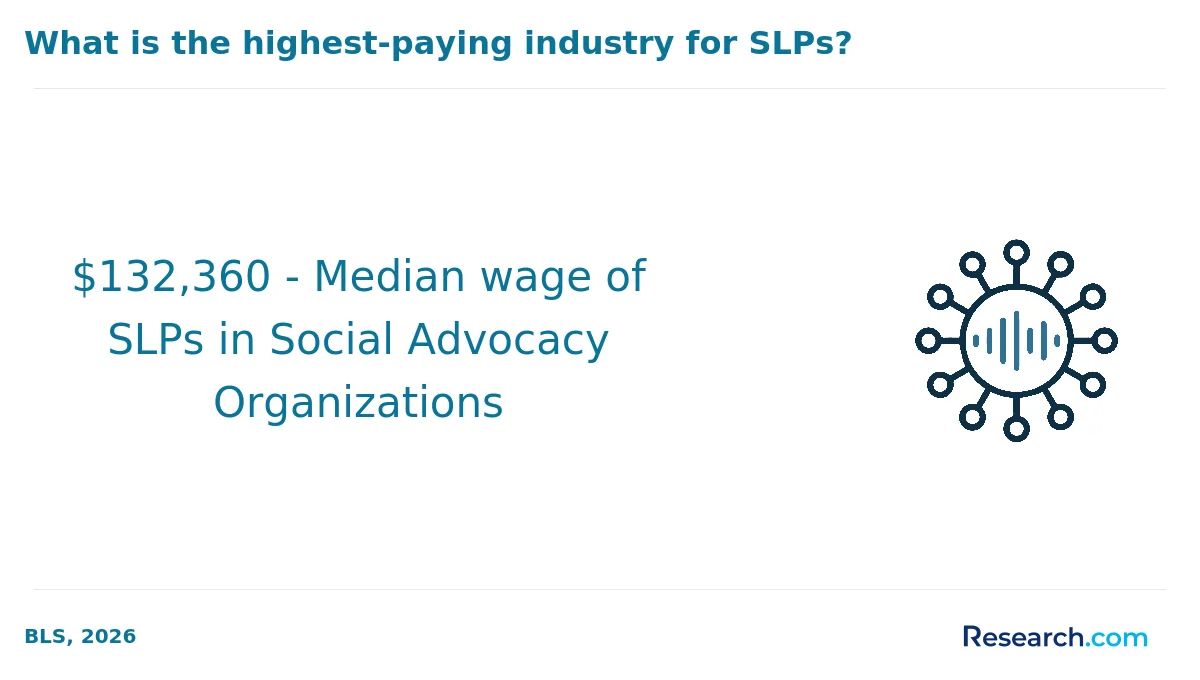
Earning potential for graduates with a speech pathology master's degree is not a fixed outcome but varies significantly based on how the degree is utilized across different industries and professional roles. While the U.S. Bureau of Labor Statistics reports a median annual wage near $82,000, this figure masks considerable variation linked to employment setting and geographic location.
Schools often provide more stable but lower initial salaries, whereas healthcare facilities and specialized clinics may offer higher starting pay and performance incentives. This variability reflects the broad scope of opportunities within speech pathology, spanning educational institutions, medical environments, and outpatient care centers, each with distinct demand drivers and compensation structures.
Compensation differences are strongly influenced by factors such as industry profitability, the rarity of specialized skills, leadership duties, and increasing demand driven by digital transformation and telepractice. Specializations-such as pediatric, geriatric, or neurological speech pathology-can create premium earning opportunities by addressing niche populations with complex needs.
Supervisory roles and those requiring advanced certifications often command higher salaries, reflecting additional responsibilities and clinical expertise. Employers in metropolitan areas tend to offer larger paychecks, though these may be tempered by elevated living costs. The expansion of remote work has introduced flexibility but sometimes less predictable income patterns, underlining tradeoffs between workplace setting and compensation stability.
Long-term salary growth hinges on skill accumulation and deliberate specialization. Entry-level roles usually start between $60,000 and $75,000 but can evolve substantially with experience and advanced clinical competencies.
Continuing education and applying for leadership or specialized clinical positions often accelerate compensation gains. For many, navigating geographic labor markets and industry-specific demand is crucial for maximizing earnings over a multi-decade career in speech pathology.
While a master's degree in speech pathology equips students with specialized skills and access to a meaningful professional field, it requires weighing several significant trade-offs. The disadvantages often relate to long-term financial commitments, demanding academic requirements, and a labor market with geographic and experiential constraints.
These challenges vary depending on individual circumstances, program structures, and local industry expectations. Prospective students should consider these factors carefully before investing time and resources in this graduate path.
- Intensive Time Commitment and Clinical Hours: Graduate programs typically span two to three years of full-time study, with extensive clinical practicums requiring hands-on experience. This intensity can strain working professionals or those balancing family responsibilities, leading to potential burnout or prolonged breaks from employment.
- Financial Burden and Return on Investment Uncertainty: Tuition, clinical fees, and living expenses accumulate substantially during the program. According to workforce data trends in 2024, entry-level salaries in speech pathology, especially outside well-funded urban centers, may not sufficiently offset these costs quickly, affecting long-term financial outcomes.
- Geographic and Employment Limitations: Job availability is often concentrated in metropolitan areas, limiting options for graduates unwilling or unable to relocate. Employers increasingly favor candidates with experience beyond minimal clinical hours or additional certifications, intensifying competition and restricting immediate job placement.
- Professional Licensing Complexity: State-by-state variations in licensure and certification add layers of administrative and financial challenges post-graduation. Maintaining certification requires ongoing professional development, increasing the total cost and time commitment beyond the initial educational investment.
- Career Flexibility Constraints: The degree's focus on clinical or educational roles limits lateral movement within related health professions without further qualifications. This restricts adaptability for those seeking broader career paths, highlighting a notable disadvantage of pursuing a speech pathology master's degree for career flexibility.
Overall, these practical realities underscore why individuals should balance the value of advanced education in speech pathology against the opportunity cost of extended study and financial outlay. As recent data suggest, aligning educational choices with labor market expectations remains crucial. For professionals exploring alternative advanced healthcare routes, examining options like RN to NP programs may also be prudent for broader career mobility.
Not all speech pathology master's programs deliver equivalent educational value or career outcomes despite similar titles. Students must critically assess each program's alignment with their career goals, curriculum design, faculty expertise, experiential learning opportunities, and professional network strength.
These factors significantly influence skill development, employability, and long-term return on investment-variables often masked by surface-level program marketing. Evaluating programs through this multidimensional lens helps distinguish quality educational pathways from less effective ones.
- Accreditation and Certification Alignment: Programs accredited by the Council on Academic Accreditation (CAA) ensure graduates meet national quality standards essential for licensure and certification. Students should verify state licensure compatibility and employer recognition to avoid barriers during workforce entry.
- Clinical Practicum Scope and Quality: The depth, diversity, and supervision level of clinical experiences directly affect readiness. Varied practicum settings across populations facilitate skill applicability and meet documented employer demands, which recent labor market data affirm.
- Curriculum Relevance to Market Needs: Curricula incorporating high-growth specializations like pediatric or neurogenic communication disorders reflect labor market shifts. Evaluating course offerings ensures alignment with emerging client populations and employer priorities in 2024 and beyond.
- Graduate Outcomes and Employment Rates: Robust data on job placement, certification success (e.g., ASHA's Certification of Clinical Competence), and alumni career trajectories indicate program effectiveness and market responsiveness.
- Program Flexibility and Duration: Balancing comprehensive clinical training with practical considerations like part-time formats impacts career timelines and networking opportunities. Flexible scheduling may serve working professionals but can affect exposure to clinical diversity.
Other factors like tuition costs relative to expected salary outcomes should also influence decisions, particularly for students weighing return on investment against program length and format. For those exploring related paths or alternatives, online medical degrees offer additional options within health professions requiring similar considerations.
- best criteria for comparing speech pathology master's programs
- how to evaluate speech pathology graduate programs
What Graduates Say About Speech Pathology Master's Degree
- Esteban: "Completing the speech pathology master's program gave me a solid theoretical foundation, but I quickly learned that employers cared heavily about demonstrated clinical experience and a strong portfolio. Early internships were crucial in landing my first job, even more so than passing the licensure exam. The curriculum does a good job at preparing you academically, but real-world exposure seems to weigh heavier in hiring decisions."
- Alexis: "I appreciated the program's focus on flexibility, which allowed me to explore telepractice options that many traditional roles don't offer. Entering the workforce remotely accelerated my experience accumulation, though I found salary growth somewhat limited without advanced state licensure and specialized certifications. It pushed me to balance further credentials with practical work experience to expand my career path."
- Eli: "After graduating, I realized that competition for hospital-based speech pathology roles was intense and often favored candidates with additional clinical certifications. The program's comprehensive curriculum helped me pivot toward school-based services, where I found a more straightforward path to employment. Navigating these practical hiring realities early saved me from prolonged job searching and allowed me to build relevant experience on the ground."
Other Things You Should Know About Speech Pathology Degrees
Accreditation by the Council on Academic Accreditation (CAA) is essential for certification eligibility and professional licensing. Graduates from non-accredited programs may face significant barriers entering the job market despite having a degree. Prioritizing CAA-accredited programs is a practical necessity even if local convenience or cost tempt otherwise, as employers and state licensing boards often reject credentials from unaccredited sources.
Speech pathology master's programs demand rigorous clinical practicum hours, often alongside coursework, which can create substantial time pressures. Students juggling part-time jobs or family responsibilities must assess whether they can sustain the workload without burnout. Programs offering structured support and flexible scheduling for fieldwork help mitigate these challenges and improve on-time completion rates, making them preferable for non-traditional students.
Most accredited speech-language pathology master’s programs require about 400 supervised clinical clock hours before graduation. Students complete practica in settings such as schools, hospitals, and outpatient clinics, and the hours must be supervised by qualified speech-language pathologists to support licensure and ASHA certification eligibility.
- U.S. Bureau of Labor Statistics - Speech-Language Pathologists https://www.bls.gov/ooh/healthcare/speech-language-pathologists.htm
- ASHA EdFind - Accredited Speech-Language Pathology Programs https://find.asha.org/ed/
- Audiology and Speech-Language Pathology Interstate Compact https://aslpcompact.com/compact-map/
- California State University-East Bay - Online Master of Science in Speech-Language Pathology https://ce.csueastbay.edu/programs/speech-language-pathology/
- California State University-Northridge - Master of Science in Communicative Disorders (Online) https://tsengcollege.csun.edu/programs/CDS
- University of Wisconsin-Eau Claire - Master of Science in Speech-Language Pathology (Online) https://www.uwec.edu/speech-language-and-hearing-sciences-department/graduate-program/speech-language-pathology-online
- University of North Carolina at Greensboro - Speech-Language Pathology, M.A. (Online) https://csd.uncg.edu/graduate/masters-of-arts-online/
- California State University-San Marcos - Online MS in Speech-Language Pathology https://www.csusm.edu/slp/programs/mastersonline/index.html