2027 Industry Demand for Speech Pathology Master's Graduates: Job Outlook & Hiring Trends

Co-Founder and Chief Data Scientist

Reviewed by Rhea Paul, PhD
SLP Education & Research Expert
Choosing a speech pathology master’s degree is ultimately a career-access decision: the degree can qualify graduates for clinical speech-language pathology roles, but the payoff depends on accreditation, supervised clinical preparation, state licensure requirements, employer expectations, and the setting in which a graduate plans to work.
This guide is for prospective graduate students, career changers, and working adults comparing speech pathology master’s programs with job outcomes in mind. It explains where graduates are hired, which titles and skills matter most, how employers evaluate candidates, and how trends such as telepractice, AI-supported tools, and specialization are changing the market.
Flexibility also matters. According to the National Center for Education Statistics 2024 report, around 45% of graduate enrollments come from nontraditional students seeking accessible formats, which helps explain the growing interest in hybrid and fully online options. For speech pathology, however, convenience should never be evaluated apart from accreditation, clinical placement support, licensure alignment, and total cost.
Key Things to Know About Industry Demand for Speech Pathology Master's Graduates
- Employer demand increasingly favors speech pathology master's graduates with specialty certifications, emphasizing expertise in pediatric and geriatric communication disorders for highly targeted treatment roles.
- Workforce shifts toward remote and hybrid clinical models require competencies in telepractice, reshaping hiring criteria and demanding adaptable clinical skills beyond traditional settings.
- Flexible online program growth, noted by a 22% rise in adult learner enrollment since 2022 per National Center for Education Statistics, improves access but may extend time-to-completion, impacting early career entry timing.
What is the Current Job Outlook for Speech Pathology Master's Graduates?
The job outlook for speech pathology master’s graduates is shaped by steady need across healthcare, schools, rehabilitation, and remote service delivery. Employers continue to look for candidates who can evaluate and treat communication and swallowing disorders, but they also expect licensure readiness, documentation discipline, telepractice fluency, and the ability to work with complex caseloads.
For most candidates, the strongest outlook comes from matching graduate training to the requirements of the setting they want to enter. A school-based role, an acute-care hospital position, and a private telepractice job may all use the same graduate credential, but they can involve different schedules, documentation standards, populations, supervision expectations, and hiring timelines.
- Healthcare and education remain the core markets: Hospitals, outpatient clinics, rehabilitation centers, public schools, and early intervention programs continue to be major employers. Graduates who are open to more than one setting usually have more flexibility during the job search.
- Licensure and certification strongly affect employability: State licensure and American Speech-Language-Hearing Association (ASHA) certification are major hiring filters. Candidates should verify whether a program supports the supervised clinical experiences and coursework needed for the states where they may work.
- Telepractice has widened the market: Remote service delivery can create opportunities beyond a graduate’s immediate area, but it also requires comfort with digital platforms, privacy standards, remote engagement strategies, and independent caseload management.
- Specialization can improve competitiveness: Pediatric language disorders, autism spectrum disorders, dysphagia, neurogenic communication disorders, and augmentative and alternative communication can help candidates stand out. The trade-off is that some specializations may be more valuable in certain regions or settings than others.
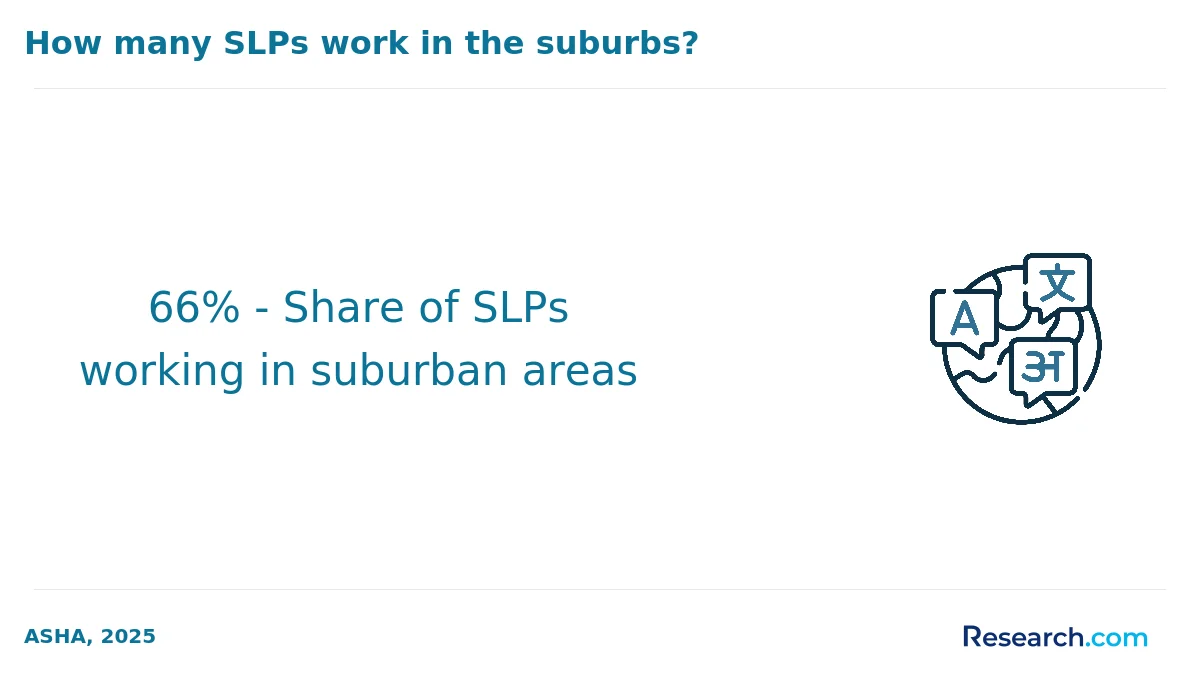
- Location still matters: Urban areas may offer more openings but also more competition. Rural and underserved areas may have fewer postings but stronger need. School budgets, healthcare reimbursement, and regional provider shortages can all influence hiring conditions.
- Career growth is gradual but structured: A master’s degree can open the door to licensed practice, but advancement often depends on clinical experience, specialty training, supervision skills, and the ability to document outcomes clearly.
Students comparing programs should look beyond the promise of demand and ask whether the degree is designed for the roles they actually want. A lower-cost program may offer strong value if it is accredited, supports clinical placement, prepares students for licensure, and teaches current practice tools. A program that is inexpensive but weak on placement support or state authorization can create delays that reduce return on investment.
Some students also compare speech pathology with other advanced healthcare pathways before committing. For example, reviewing options such as easy DNP programs can help candidates understand how different clinical graduate degrees vary in scope, timeline, credentialing, and long-term career direction.
Which Industries Hire the Most Speech Pathology Master's Graduates?
The largest employers of speech pathology master’s graduates are industries that serve people with communication, language, cognitive, voice, fluency, and swallowing needs. The setting a graduate chooses affects daily responsibilities, caseload type, documentation demands, schedule structure, and career growth.
Major hiring settings for speech pathology graduates
- Healthcare organizations: Hospitals, outpatient clinics, rehabilitation hospitals, and specialty medical practices hire speech-language pathologists to evaluate and treat patients with conditions related to stroke, traumatic brain injury, neurological disease, cancer treatment, developmental delays, and swallowing disorders. Acute care settings often require fast clinical judgment and close coordination with physicians, nurses, occupational therapists, physical therapists, and dietitians.
- Schools and early intervention programs: Public schools, private schools, preschool programs, and early intervention agencies hire graduates to support children with speech, language, fluency, social communication, and developmental needs. These roles commonly involve individualized education programs (IEPs), family communication, progress monitoring, and compliance with federal and state education rules such as IDEA.
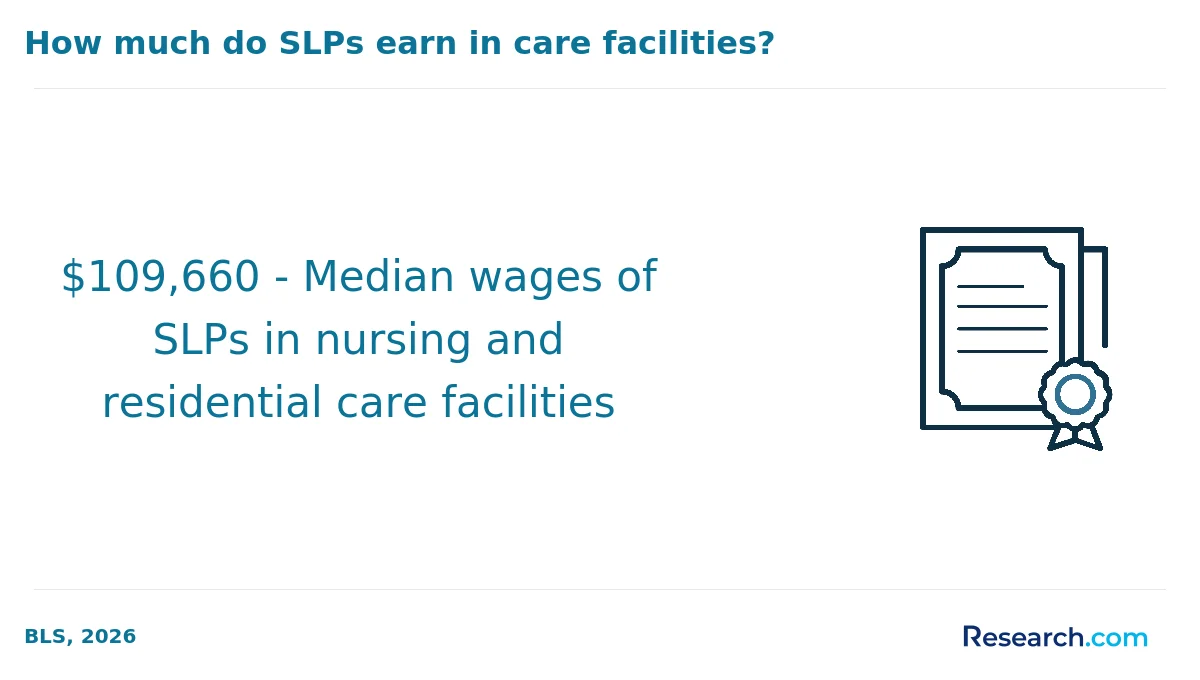
- Long-term care and skilled nursing facilities: These employers need clinicians who can work with older adults experiencing dysphagia, cognitive-communication challenges, voice changes, and speech or language impairments related to aging or illness. Familiarity with Medicare documentation and measurable therapy outcomes can be especially important.
- Private practice and outpatient therapy groups: Private clinics may serve children, adults, or mixed caseloads. These roles can offer scheduling flexibility and specialization opportunities, but candidates may need strong client communication, billing awareness, and comfort working in a smaller-team environment.
- Telepractice providers: Remote therapy companies and hybrid care models hire clinicians who can deliver services through secure platforms. These roles can expand geographic options but may require strong self-management, technology troubleshooting, and careful attention to state practice rules.
- Research, product, and assistive technology organizations: These roles are fewer in number but can be attractive for graduates interested in augmentative and alternative communication, speech recognition tools, clinical research, or product development. They may require additional research training, technical fluency, or experience beyond standard clinical preparation.
Students should treat “industry demand” as more than a count of job postings. A school district may offer a clear entry route and predictable hiring cycle, while a hospital may require more specialized clinical exposure. Telepractice may offer location flexibility, but not every remote role is equally appropriate for a new clinician. The best fit depends on a candidate’s supervised experience, licensure status, preferred population, and tolerance for documentation and regulatory requirements.
What are the Most Common Job Titles for Speech Pathology Master's Degree Holders?
Speech pathology master’s graduates most often pursue roles under the speech-language pathologist title, but job postings can use different labels depending on setting, specialization, seniority, and employer terminology. Candidates should read the responsibilities and licensure requirements carefully rather than relying on the title alone.
Common job titles and what they usually signal
- Speech-Language Pathologist: This is the standard clinical title for practitioners who assess and treat speech, language, communication, cognitive-communication, voice, fluency, and swallowing disorders. Most employers expect master’s-level preparation, supervised clinical experience, and progress toward or completion of required licensure.
- Speech Therapist: Some employers use this title interchangeably with speech-language pathologist. Candidates should confirm whether the role requires the same licensure, certification, and scope of practice.
- School Speech-Language Pathologist: These roles focus on children and adolescents in educational settings. Responsibilities may include evaluations, IEP participation, therapy delivery, teacher consultation, family communication, and compliance documentation.
- Pediatric Speech-Language Pathologist: This title usually signals work with infants, toddlers, children, or adolescents. Employers may value experience with autism spectrum disorders, developmental language disorders, articulation, feeding, and AAC.
- Medical Speech-Language Pathologist: This title often appears in hospitals, rehabilitation centers, or outpatient medical settings. It may involve dysphagia, aphasia, motor speech disorders, cognitive-communication disorders, and collaboration with medical teams.
- Swallowing Specialist or Dysphagia Specialist: These titles point to focused work in swallowing assessment and intervention. Employers may expect experience with instrumental assessment and medically complex patients.
- Lead Speech-Language Pathologist: A lead role typically combines clinical responsibilities with mentoring, caseload coordination, quality improvement, or team oversight. It is more common for candidates with experience.
- Program Director or Clinical Coordinator: These titles usually indicate administrative, supervisory, or program management responsibilities. They may require significant clinical experience and leadership skills.
- Clinical Educator or Speech-Language Pathology Researcher: These roles are connected to teaching, supervision, curriculum, research, or program development. Some may require credentials beyond the master’s degree, depending on the employer and scope.
A useful job-search habit is to compare three parts of every posting: required credentials, population served, and daily responsibilities. A posting titled “Communication Specialist” or “Language Clinician” may overlap with speech-language pathology practice, but it may also include case management, education consulting, or nonclinical duties. Candidates should verify whether the role fits their training and whether it supports licensure or certification goals.
How Does Salary for Speech Pathology Master's Graduates Compare to Other Advanced Degrees?
Salary for speech pathology master’s graduates is best understood as a licensed clinical career outcome rather than a broad graduate-degree premium. The degree can lead to stable professional employment, but compensation varies by setting, location, credentials, specialization, and employer funding model.
Compared with some advanced degrees in business, finance, or technology, speech pathology may offer a more regulated and predictable career path, but often with a narrower ceiling in traditional clinical or school-based roles. Compared with many nonlicensed master’s degrees, however, speech pathology has a clearer link between graduate education, professional eligibility, and defined job functions.
- Healthcare settings may pay differently from schools: Hospitals, rehabilitation centers, and outpatient clinics often use compensation structures tied to clinical productivity, medical complexity, reimbursement, and staffing demand. Schools may offer salary schedules based on education level, years of service, district budgets, and contract rules.
- Credentialing affects access and advancement: Certifications such as the Certificate of Clinical Competence (CCC) can strengthen a candidate’s professional profile and may influence hiring, reimbursement, supervision eligibility, or advancement depending on employer policy.
- Geography changes the comparison: Regions with higher living costs may offer higher pay, but that does not automatically mean stronger purchasing power. Candidates should compare salary with housing, commuting, licensure costs, and local job availability.
- Specialization can help, but it is not automatic: Dysphagia, pediatric feeding, AAC, neurogenic communication disorders, and bilingual service delivery may improve marketability. Salary gains still depend on employer need, caseload volume, and verified competence.
- Leadership paths may require more than clinical excellence: Higher-paying roles may involve supervision, program development, compliance management, training, or administration. Students who want long-term income growth should build leadership and documentation skills early.
Return on salary should be evaluated against the full cost of the degree, including tuition, fees, books, commuting or residency requirements, clinical placement constraints, exam costs, licensure fees, and time away from work. Some students comparing healthcare career paths also review adjacent options, such as a health information management online degree, to understand whether they prefer direct clinical practice or healthcare operations and data-focused roles.
What Hiring Trends are Shaping Demand for Speech Pathology Master's Talent?
Hiring demand for speech pathology master’s graduates is being shaped by service delivery changes, employer pressure to document outcomes, and the need for clinicians who can work across healthcare, education, and technology-enabled environments. The degree remains important, but employers increasingly look for evidence that candidates can perform in real settings with complex caseloads.
- Telepractice is now a mainstream competency: Employers may expect candidates to know how to deliver therapy remotely, maintain engagement online, document services properly, and protect client privacy. Telepractice experience can make a graduate more flexible across locations and settings.
- Documentation quality matters more: Schools, clinics, and medical employers need clinicians who can connect assessment findings, treatment plans, progress notes, and measurable outcomes. Weak documentation can create compliance, reimbursement, and service continuity problems.
- Interdisciplinary care is becoming standard: Speech-language pathologists often work with teachers, physicians, nurses, psychologists, occupational therapists, physical therapists, social workers, families, and caregivers. Employers value candidates who can explain clinical decisions clearly to non-SLP audiences.
- Specialized caseloads are influencing hiring: Demand can be stronger for clinicians prepared to work with autism spectrum disorders, AAC, dysphagia, bilingual populations, neurogenic communication disorders, or medically complex patients.
- Licensure readiness remains a screening point: Candidates who can clearly explain their clinical hours, supervision history, state licensure plan, and certification timeline are easier for employers to evaluate.
- Leadership expectations are appearing earlier: Even nonmanagerial roles may involve mentoring assistants, coordinating services, training staff, contributing to IEP teams, or helping improve clinical workflows.
The main takeaway for students is that “employable” does not simply mean completing a master’s degree. It means graduating with supervised experience, evidence-based clinical judgment, technology readiness, and a clear pathway to the credentials required in the state and setting where they plan to work.
What Skills and Specializations are Most in Demand for Speech Pathology Master's Roles?
The most in-demand speech pathology skills combine clinical accuracy, practical treatment planning, documentation, and the ability to serve specific populations. Employers want graduates who can move from theory to supervised practice with confidence, especially in settings where caseloads are large, medically complex, or highly regulated.
Clinical and technical skills employers value
- Assessment and differential diagnosis: Employers look for candidates who can choose appropriate tools, interpret results carefully, distinguish between related disorders, and explain findings in language that families, educators, or medical teams can understand.
- Evidence-based intervention planning: Strong candidates can connect goals, treatment methods, client needs, and measurable outcomes rather than relying on generic therapy activities.
- Dysphagia knowledge: Adult dysphagia management is especially important in hospitals, rehabilitation settings, and long-term care. Experience with videofluoroscopic swallow studies or fiberoptic endoscopic evaluation of swallowing can strengthen a candidate’s profile when the role requires it.
- Pediatric language and developmental expertise: Schools, early intervention agencies, and pediatric clinics often value preparation in developmental language disorders, articulation and phonology, autism spectrum disorders, social communication, and family-centered intervention.
- Augmentative and alternative communication: AAC knowledge is valuable for clinicians working with children and adults who need communication supports. Employers may look for experience with device selection, implementation, caregiver training, and team collaboration.
- Telepractice delivery: Remote therapy requires more than knowing how to use video software. Clinicians must adapt materials, sustain engagement, manage privacy, coordinate with caregivers or school staff, and document services appropriately.
- Cultural and linguistic responsiveness: Employers need clinicians who can serve diverse communities, recognize when evaluation tools may not fit a client’s background, and work effectively with interpreters, families, and bilingual caseloads.
- Professional communication: Clear reports, concise case presentations, and effective team communication can distinguish a new graduate from an applicant who has strong academic knowledge but limited workplace readiness.
Specialization should be chosen strategically. A focused clinical interest can improve competitiveness, but students should make sure their program offers relevant coursework, supervised experiences, and faculty or placement support in that area. For candidates comparing flexible and affordable slp online programs, the most important question is not only whether classes are online, but whether clinical training is strong enough to support licensure and job placement goals.
Students weighing speech pathology against related healthcare leadership paths may also compare options such as affordable online MBA healthcare management programs. The right choice depends on whether the student wants direct client care, administrative leadership, or a combination of clinical and operational responsibilities.
How Do Employers Describe the Value of Speech Pathology Master's Graduates?
Employers tend to value speech pathology master’s graduates when the degree translates into clinical readiness. A diploma alone is not enough; hiring teams want proof that candidates can assess clients, plan treatment, document progress, collaborate with teams, and move toward licensure or certification without avoidable delays.
- They bring regulated professional preparation: Master’s-level training is tied to the clinical education needed for speech-language pathology practice. Employers see value when graduates understand scope of practice, ethics, supervision, documentation, and state requirements.
- They can handle complex communication needs: Graduates are expected to work with clients who may have developmental, neurological, cognitive, voice, fluency, language, or swallowing challenges. Employers look for sound reasoning, not just familiarity with terminology.
- They support team-based care: In schools, healthcare, and rehabilitation, speech-language pathologists often coordinate with other professionals. Employers value candidates who can contribute to team decisions without overstepping professional boundaries.
- They reduce onboarding burden when well prepared: Strong clinical placements, case documentation, and supervised practice can help new graduates transition more smoothly into employment.
- They strengthen compliance and service quality: Accurate evaluations, appropriate goals, timely reports, and ethical practice protect clients and organizations. This is especially important in settings governed by education law, healthcare privacy rules, reimbursement standards, or facility policies.
- They can grow into leadership roles: Employers often view strong master’s graduates as future mentors, team leads, program contributors, or clinical supervisors once they build experience and meet credentialing requirements.
One graduate described a public school district interview in which the hiring team spent more time on her clinical project portfolio than on general coursework. The interviewers asked how she adapted therapy for bilingual students, how she documented progress, and how she handled remote service delivery. Her degree opened the conversation, but her supervised experience and examples of applied decision-making made the difference.
That distinction is important for students choosing a program. Employers may prefer graduates from programs that produce clear evidence of clinical competence: strong practicum supervision, varied placements, licensure preparation, and faculty guidance on professional documentation.
What ROI Do Speech Pathology Master's Graduates Typically See from Their Degree Investment?
Return on investment for a speech pathology master’s degree depends on more than the first job offer. The degree can create access to a licensed clinical profession, but the financial outcome depends on tuition, debt, time to completion, clinical placement logistics, licensure timing, location, and the setting where a graduate works.
For working adults and career changers, ROI is especially sensitive to opportunity cost. A program that allows students to keep working may reduce lost income, while a program with rigid clinical placement expectations may require schedule changes, relocation, or reduced work hours.
- Tuition and fees: A lower tuition price can improve ROI, but only if the program meets accreditation and licensure needs. Students should compare total cost, not just per-credit tuition.
- Lost income: If full-time study or clinical placements reduce work hours, the true cost of the degree rises. Flexible formats can help, but clinical requirements still need careful planning.
- Licensure and certification costs: Graduates may face application fees, exams, background checks, professional memberships, and supervised practice requirements before realizing the full employment value of the degree.
- Clinical placement quality: Strong placements can shorten the distance between graduation and employment by building experience, references, and setting-specific skills. Weak placement support can delay career entry.
- Regional demand: Graduates in areas with stronger need may find work more quickly, while candidates in competitive urban markets may need broader applications or willingness to commute, relocate, or start in a less preferred setting.
- Specialization and advancement: ROI can improve when graduates build skills in high-need areas, but salary growth may be gradual and may require additional certification, experience, or leadership responsibilities.
Before enrolling, students should estimate a realistic break-even point. That estimate should include tuition, fees, living expenses, income changes during study, expected licensure costs, and likely starting roles in the region where they plan to work. The strongest ROI usually comes from an accredited program that is affordable, supports clinical placements, aligns with state licensure, and helps students build job-ready experience before graduation.
What Job Search and Hiring Strategies Work Best for Speech Pathology Master's Candidates?
The best job search strategy for speech pathology master’s candidates is targeted, credential-aware, and evidence-based. Employers are not just screening for a graduate degree; they are screening for licensure readiness, supervised experience, population fit, documentation skill, and the ability to function in their specific setting.
A generic resume is usually less effective than a setting-specific application. A hospital hiring manager may look for dysphagia exposure, medical documentation, and interdisciplinary experience. A school district may prioritize IEP familiarity, child language experience, caseload management, and collaboration with teachers and families.
- Lead with licensure status: Clearly state your degree status, clinical fellowship or supervision status when applicable, state licensure progress, and any certification timeline relevant to the role.
- Translate practicum experience into employer language: Instead of listing only placement sites, describe populations served, assessment tools used, therapy goals addressed, documentation responsibilities, and team collaboration.
- Customize by setting: Build separate resume versions for schools, hospitals, outpatient clinics, private practice, telepractice, and long-term care if you are applying across settings.
- Use a clinical portfolio carefully: De-identified case summaries, sample goals, treatment plans, reflection papers, and presentation materials can demonstrate reasoning. Candidates must protect privacy and follow all ethical and legal requirements.
- Prepare for compliance questions: Interviews may include questions about IDEA, HIPAA, documentation, mandated reporting, supervision, cultural responsiveness, and ethical decision-making.
- Time applications to the market: School roles may follow academic-year hiring cycles, while healthcare employers often hire on a rolling basis. Starting early can improve visibility.
- Use placement contacts: Supervisors, faculty, clinic directors, and former practicum sites can be important references and referral sources. Many early-career hires come through clinical networks.
- Be realistic about first roles: A first position may not match every preference for salary, population, schedule, and location. The key is whether it builds supervised experience, credentials, and skills that support the next step.
Candidates exploring other healthcare professions sometimes compare speech pathology with options such as an accelerated PharmD program. That comparison can be useful, but the job search realities are different: speech pathology hiring is closely tied to clinical placements, state practice rules, population-specific experience, and demonstrated communication skills.
How Will Future Trends Like AI And Automation Affect Hiring for Speech Pathology Master's Graduates?
AI and automation are likely to change how speech pathology work is supported, documented, and analyzed, but they do not remove the need for licensed clinical judgment. Employers will increasingly value graduates who can use digital tools responsibly while still making individualized, ethical, evidence-informed decisions.
- AI may support assessment and documentation: Tools that assist with speech analysis, transcription, progress tracking, or workflow management can save time, but clinicians remain responsible for interpretation, accuracy, and appropriate use.
- Human judgment remains central: Communication disorders are shaped by context, culture, cognition, emotion, development, medical status, and environment. Automated outputs cannot replace clinical reasoning, rapport, counseling, or individualized treatment planning.
- Digital literacy will become a hiring advantage: Graduates who can work with electronic health records, telepractice systems, data dashboards, and AI-supported platforms may be more competitive than candidates who avoid technology.
- Ethics and privacy will matter more: Clinicians must understand consent, data security, bias, documentation integrity, and appropriate limits when using automated tools.
- Roles may shift toward oversight and interpretation: Routine tasks may become more automated, while master’s-level clinicians may spend more time validating results, designing interventions, coaching families and teams, and handling complex cases.
- Interdisciplinary collaboration may expand: Speech-language pathologists may work more often with technology staff, data teams, product developers, and administrators to evaluate whether tools are clinically appropriate.
Students evaluating graduate programs should ask how technology is integrated into the curriculum. Strong preparation may include telepractice training, exposure to digital assessment tools, documentation systems, ethics discussions, and supervised practice using current platforms. Technology should support clinical competence, not replace it.
Prospective students comparing health-related online programs may also review resources such as the best CAHIIM accredited HIM programs online to understand how accreditation, data systems, and healthcare workforce needs intersect across different fields.
What Do Graduates Say About Industry Demand for Speech Pathology Master's Graduates?
- : "Balancing full-time work with a speech pathology master’s program was difficult, so I chose flexible evening classes. Prioritizing internships over extra certifications helped me get a role through my school’s clinic network, even though the starting salary was lower than I had hoped. The experience showed me that practical clinical experience can matter as much as the credential itself in a competitive market. — Esteban"
- : "After changing careers with limited savings and time, I chose an accelerated speech pathology program with a strong telepractice focus. The workload was intense, but a remote internship gave me portfolio examples and helped me enter a regional hospital hiring pipeline. I have also learned that salary growth can be limited without additional state certifications, so planning the next credential step matters. — Alexis"
- : "Coming from a clinical assistant role, I compared the cost of graduate school with shorter certification options. I chose the MS because supervised hours, internships, and full licensure preparation seemed essential for the jobs I wanted. After graduation, employers paid close attention to my practicum experience, not just the degree. It opened doors, but I still had to stay flexible on location and initial pay. — Eli"
Other Things You Should Know About Speech Pathology Degrees
Yes, programs with established clinical partnerships often provide more diverse and higher-quality practicum sites, which are critical for gaining real-world skills and networking opportunities. Employers frequently value candidates who have experience in varied clinical settings because it signals adaptability and preparedness for different populations. Prioritizing programs that facilitate multiple hands-on experiences can accelerate job placement and create a smoother transition into employment.
Employers typically expect new graduates to enter the workforce with strong proficiency in evidence-based practices and patient management from day one, which can lead to significant early-career workload demands. Graduates unprepared for this intensity may face burnout or require extended supervision, slowing career advancement. Understanding these expectations can guide students to seek programs emphasizing clinical confidence and time management to improve job readiness and reduce transition stress.
While prestige may open doors to competitive employers or specialized roles, it does not always guarantee better hiring prospects or ROI, especially for cost-sensitive learners. Affordable programs that maintain strong accreditation and offer comprehensive clinical experiences can produce equally competent graduates suited for in-demand positions. Students should weigh the financial burden of high-tuition programs against the actual hiring advantages, focusing on practical outcomes like licensure pass rates and employer connections rather than brand recognition alone.
References
- U.S. Bureau of Labor Statistics - Speech-Language Pathologists https://www.bls.gov/ooh/healthcare/speech-language-pathologists.htm
- ASHA EdFind - Accredited Speech-Language Pathology Programs https://find.asha.org/ed/
- Audiology and Speech-Language Pathology Interstate Compact https://aslpcompact.com/compact-map/
- Auburn University, Montgomery - Master of Science in Speech-Language Pathology https://www.aum.edu/degree/ms-speech-language-pathology/
- University of Wisconsin-Eau Claire - Master of Science in Speech-Language Pathology (Online) https://www.uwec.edu/speech-language-and-hearing-sciences-department/graduate-program/speech-language-pathology-online
- University of Nebraska at Kearney - Speech-Language Pathology, Master of Science in Education (Online Track) https://www.unk.edu/online/degrees-programs/speech-language-pathology-online.php
- Baylor University - Master of Science in Speech-Language Pathology (Online) https://csd.robbins.baylor.edu/graduate/online-csd-graduate-program
- Maryville University - Master of Science in Speech-Language Pathology https://www.maryville.edu/masters/speech-language-pathology/