2027 Speech Pathology Master's Programs With Practicum Placement Support

Co-Founder and Chief Data Scientist

Reviewed by Rhea Paul, PhD
SLP Education & Research Expert
Securing quality practicum placements presents a critical hurdle for many entering Speech Pathology master's programs with bridge or foundation courses. Prospective students must navigate complex matching processes, supervisor credentials, and varying site availability, which directly impact clinical experience and eventual employability. Recent data from the National Center for Education Statistics shows a 35% increase in enrollment in flexible, online-accredited programs since 2023, reflecting a shift toward more accessible but logistically challenging practicum arrangements. This trend heightens the importance of understanding how programs structure, vet, and support field placements, especially under accreditation mandates and contingency protocols that safeguard clinical training continuity.
Key Things to Know About Speech Pathology Master's Programs With Practicum Placement Support
- Structured matching processes prioritize student fit with diverse clinical sites, balancing exposure breadth against geographic constraints, which can delay placement yet better align skills with employer expectations.
- Supervisor qualifications often dictate practical training quality; programs relying on licensed clinicians with active caseloads enhance workforce readiness but may limit practicum availability in underserved areas.
- Accreditation compliance ensures federally recognized credential eligibility, impacting financial aid and timing; however, rigorous standards may inadvertently restrict entry flexibility for non-traditional students relying on integrated prerequisite pathways.
What Are Speech Pathology Master's Programs With Practicum Placement Support?
Master's-level practicums in speech pathology serve as a pivotal, regulated phase where academic theory meets rigorous clinical practice, distinctly separating programs with substantive practicum placement support from those that simply list clinical hours as a checkbox. The reality confronting many students-especially those without entrenched networks or residing outside metropolitan hubs-is that securing an appropriate practicum site often makes the difference between timely program completion and extended delays.
Programs offering placement assistance proactively navigate this complexity by leveraging site partnerships and vetting supervisors to guarantee compliant, quality clinical exposure, a factor with tangible downstream impacts on employability and professional readiness.
Key features that define speech pathology master's programs with practicum placement assistance include:
- Definition: A practicum is a credit-earning clinical training period mandated by speech pathology accreditors, emphasizing supervised application of academic knowledge in real-world settings.
- Contrast With Internships: Unlike internships, practicums have stringent educational oversight, evaluation criteria, and integration with program learning outcomes rather than solely work experience.
- Placement Support: Programs with placement support proactively coordinate site agreements, manage schedules, and assign supervisors, lessening administrative burdens on students.
- Importance For Students: This assistance is vital for candidates without strong local clinical contacts or those in rural areas where placement options are scarcer.
- Supervisory and Quality Standards: Supported placements commonly ensure supervisors hold appropriate credentials and that clinical sites offer diverse caseloads aligned with accreditation requirements.
Understanding these distinctions equips prospective students actively evaluating graduate speech pathology programs offering supervised clinical placements with the critical criteria needed to assess program legitimacy, placement reliability, and ultimately, the practical value of their education pathway.
Why Is Practicum Placement Support Critical in Speech Pathology Master's Programs?
Effective practicum placement support in speech pathology master's programs directly shapes a candidate's clinical competence and employability, influencing their ability to navigate licensure and certification hurdles. Without structured assistance, students often confront delays and site mismatches that can stall graduation and jeopardize professional entry.
- Outcomes Impact: Research consistently links well-coordinated, supervised practicum experiences with higher certification pass rates and stronger clinical skills, highlighting the necessity of applied learning under qualified guidance.
- Licensing Compliance: State licensing boards require minimum practicum hours and supervisor credentials. Programs lacking formal placement support risk leaving students exposed to incomplete or noncompliant clinical hours, causing credentialing setbacks.
- Professional Standards: Accreditation bodies such as the American Speech-Language-Hearing Association (ASHA) and the Council on Academic Accreditation (CAA) mandate diverse clinical exposures and qualified supervision. Programs ignoring these criteria face risks to accreditation status and student readiness for complex practice.
- Placement Risks: Students forced to secure their own sites encounter logistical challenges, inconsistent supervision quality, and reduced exposure diversity-all factors that diminish confidence and clinical preparedness.
- Active Partnerships: Programs with established site networks provide systematic matching with backup options and quality assurance, directly mitigating placement uncertainties and ensuring compliance with accreditation and licensing requirements.
How Do Speech Pathology Master's Programs Structure Their Practicum Components?
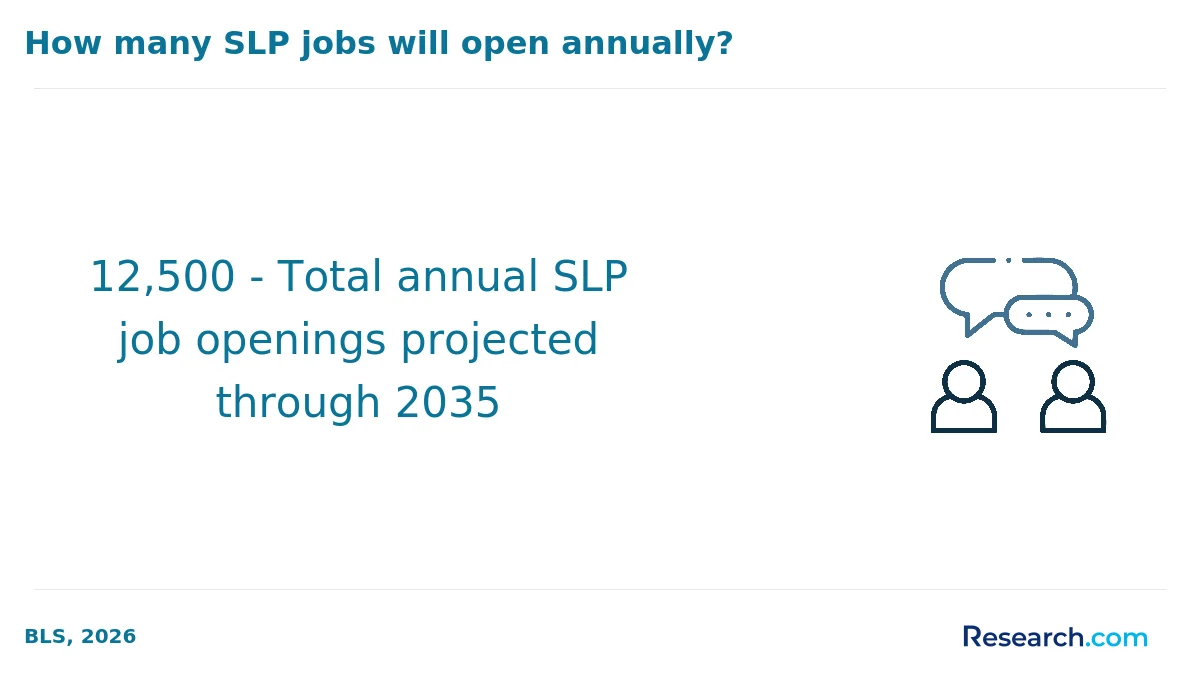
The practicum component in master's programs speech pathology practicum structure is a critical determinant of a graduate's clinical readiness and employability. Programs typically place this hands-on experience after foundational coursework, ensuring candidates have necessary theoretical grounding before engaging with clients.
Variations in how practicum hours are arranged can significantly impact students balancing external responsibilities or geographic constraints, making it crucial to assess not just the total clinical hours but also the format and supervision quality embedded in the placement process.
Key practical considerations include:
- Timing: Clinical placements usually start mid-program, often in the second semester or year, bridging didactic learning with applied practice to maximize knowledge retention and skill development.
- Credit Hours: Practicum carries considerable weight, often between 6 and 12 credits, reflecting its intensive nature and separation from traditional coursework within the overall degree framework.
- Sequential Practica: Most programs distribute practicum requirements across multiple semesters, which supports gradual skill acquisition but can extend degree duration and complicate scheduling for working or rural students.
- Intensive Blocks: Alternatively, some require concentrated clinical immersion in short blocks lasting weeks to months, which aids focus yet reduces flexibility for those with employment or family duties.
- Concurrent Placement: Other models embed practicum alongside ongoing courses each term, enabling immediate application of theory but increasing cumulative workload and stress, a notable factor for nontraditional students.
- Supervision and Site Matching: Programs with robust practicum placement processes prioritize matching students to sites aligned with their learning objectives and provide credentialed supervisors, which directly affects clinical competence and future job prospects.
- Flexibility and Contingency: Offering diverse placement options-including telepractice-and contingency plans can ease access challenges for students in rural locations or those facing personal constraints.
Prospective students should carefully evaluate how programs integrate practicum with didactic instruction and consider practical tradeoffs in placement models. Programs emphasizing thoughtful site matching and supervision tend to better prepare graduates for employment. For individuals comparing pathways, this analysis is essential, particularly for those outside major urban centers or balancing complex schedules.
For a contrasting viewpoint on credentialing pathways, resources such as masters in nutrition illustrate variability in practicum structuring across disciplines and may offer comparative insights.
Access to practicum placement assistance in speech pathology master's programs hinges on meeting specific academic and administrative benchmarks that reflect both regulatory mandates and clinical site standards. Practicum sites often impose strict eligibility filters to minimize risk and uphold quality supervision, influencing a student's trajectory and employability in healthcare settings.
Understanding these prerequisites early can prevent delays that disrupt clinical progression, especially for those balancing work or living far from major training centers.
- GPA Thresholds: Many programs require maintaining a cumulative GPA around 3.0 to ensure students have the academic foundation for ethical clinical practice, a key consideration for site supervisors reluctant to take on underprepared candidates.
- Prerequisite Coursework: Completion of courses like speech anatomy, linguistics, and audiology signals readiness for hands-on clinical learning and aligns with accreditation expectations, reducing gaps in essential knowledge during placement.
- Background Checks: Clearance of criminal background checks is non-negotiable due to client vulnerability and regulatory compliance, with delays in processing often causing hold-ups in placement eligibility.
- Immunization and Health Documentation: Verified immunizations and sometimes TB testing serve as safeguards against public health risks, mandated by many practicum sites to protect at-risk populations.
- Professional Liability Insurance: Enrollment is typically required before starting practicum to mitigate legal and financial risks for students and host organizations.
Prospective students frequently overlook how these criteria interlock with practicum scheduling and site acceptance. Proactively securing prerequisite credits and health clearances before beginning graduate coursework can streamline entry into clinical rotations.
Asking programs for a detailed, written timeline of all required qualifications helps students align their academic and administrative tasks without jeopardizing placement opportunities.
Practicum site selection in speech pathology master's programs fundamentally shapes the competencies students acquire and the populations they serve, making alignment with career objectives critical. Site variety influences not only clinical skills but also professional culture exposure, which impacts post-graduate employability and readiness.
- Hospitals: These fast-paced, medically complex settings demand proficiency in acute care and interdisciplinary coordination, preparing students for roles involving neurological rehabilitation and emergent cases.
- Outpatient Clinics: Focused on longer-term therapies, these sites allow students to develop skills in client continuity and case management, emphasizing therapeutic relationships over time.
- Schools: Placements here address pediatric speech and language development, requiring navigation of educational policies such as IEPs and collaboration within multidisciplinary teams.
- Community Agencies and Nonprofits: Exposure to underserved or specialized demographics fosters cultural competency and adaptability, often serving clients with developmental or socio-economic challenges.
- Government Offices: Engagements may involve policy development or public health initiatives, broadening practitioners' perspectives beyond direct clinical care.
- Private Practices: Smaller scale environments teach business operations and client-centered treatment planning, important for those considering private sector or entrepreneurial paths.
- Corporate or Workplace Environments: These settings emphasize vocational rehabilitation and communication within organizational contexts, beneficial for speech pathologists targeting occupational health roles.
Because each practicum site cultivates distinct skill sets aligned with specific populations and workplace norms, students should investigate how programs distribute placement types and whether there is flexibility in site assignment. Informed decisions about practicum alignment maximize practical training value and future career fit, especially as employers increasingly seek candidates with experience tailored to their service context.
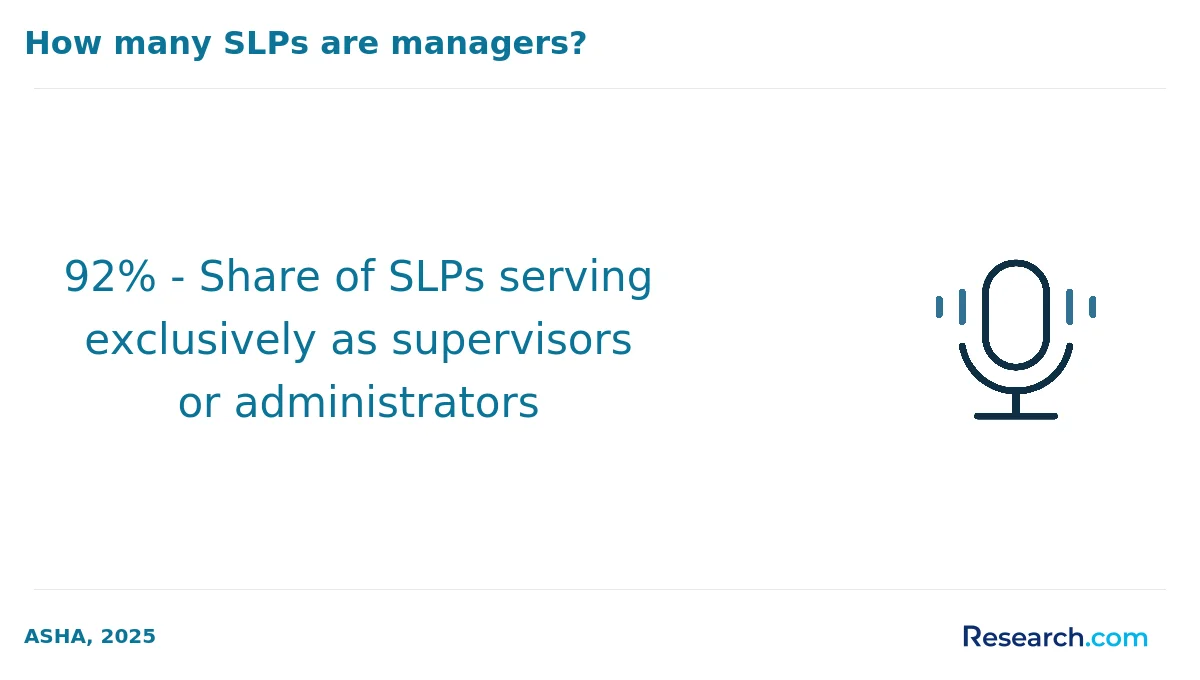
Practicum placement matching in speech pathology master's programs involves a strategic balancing act that directly impacts student readiness and employability. Programs seldom hand over placement choice fully to students; instead, they navigate complex tradeoffs between available clinical sites and student goals.
For example, a student in a rural area aiming to specialize in pediatric speech pathology might face fewer site options, forcing adjustments that could influence hands-on learning depth and future clinical competence. Navigating these constraints early helps avoid gaps in specialized experience that employers increasingly scrutinize.
Effective speech pathology practicum placement matching processes typically weigh multiple factors:
- Placement Systems: Some programs fully manage placements through established partnerships with clinics, hospitals, or schools, ensuring sites meet accreditation standards and readiness criteria. Others adopt hybrid models where students choose preferred sites from a vetted list, but final approval depends on program confirmation and site availability.
- Geographic Proximity: Proximity to urban centers generally broadens options for specialty clinics and supervisors, whereas students in less populated areas may contend with limited access, affecting exposure to diverse caseloads.
- Student Interests: Programs try to align placements with clinical interests such as pediatric, geriatric, or neurogenic speech pathology; however, limited site availability can force compromises, impacting specialization depth.
- Site Availability and Supervision: Site capacity and qualified supervisor availability restrict how frequently students can secure preferred placements, especially at high-demand locations that uphold strict mentorship standards.
- Accreditation Alignment: Placements must satisfy accrediting bodies' demands related to clinical hours and supervisor qualifications, excluding facilities that don't meet these strict criteria and thereby narrowing student choices.
- Advance Confirmation and Student Input: Prospective students should ask programs how soon placements are finalized, what contingencies exist if top sites are unavailable, and whether students have formal input prior to placement decisions, as these factors affect planning and stress mitigation.
Incorporating awareness of these variables is vital for students considering speech pathology practicum placement matching processes and can inform decisions on program selection versus geographic feasibility. Moreover, those investigating career trajectories-such as career changers or professionals seeking to formalize their expertise through a master's degree-should recognize that site diversity and placement quality contribute significantly to workforce preparedness and job market competitiveness.
For example, understanding how placement logistics influence long-term career options is as critical as immediate training. This insight complements broader analysis around specialty demand and salary trends across states, which can be explored through data on psychiatric mental health nurse practitioner salary patterns, as healthcare roles increasingly intersect and evolve.
The distinction between field supervisors and faculty liaisons in speech pathology practicum programs significantly affects the practical training quality students receive. Field supervisors provide hands-on clinical oversight daily, directly shaping a student's skill development through immediate feedback based on extensive licensed clinical experience.
In contrast, faculty liaisons act as the program's academic overseers, ensuring practicum sites comply with curricular and accreditation standards while managing communication between the student, site, and university.
Supervision quality is crucial; many students find that even slight lapses in guidance can delay competency milestones and reduce confidence entering the workforce. Accreditation standards generally require field supervisors to hold active licensure with at least two years of post-certification clinical experience, underscoring the importance of seasoned mentorship in real-world settings.
- Field Supervisors: Licensed practitioners with clinical experience who provide direct, on-site student supervision and coaching.
- Faculty Liaisons: University-affiliated personnel responsible for maintaining academic alignment, site compliance, and resolving practicum challenges.
- Supervision Qualifications: Minimum licensure and two years of clinical work post-certification, ensuring practical expertise guides student learning.
- Supervision Quality: A critical factor affecting student readiness; inconsistent supervision risks skill gaps and delayed professional growth.
- Program Communication: Evaluating liaison-student contact frequency, site visit routines, and escalation procedures is essential, particularly for students outside major urban centers.
Faculty liaisons supplement this by conducting regular check-ins or site visits to verify consistent oversight. Prospective students should assess how programs handle liaison communication during placements, frequency of supervisory evaluations, and clear protocols if conflicts or inadequate supervision arise-issues especially pertinent for those in rural or remote locations, where program responsiveness can vary widely.
Securing a practicum placement presents a critical hurdle in master's speech pathology programs, where real-world clinical experience directly impacts licensure and employability. Programs that demonstrate strong student-centered support recognize that placement challenges range widely-from geographic scarcity of approved sites to mid-placement site failures-and require systematic, proactive solutions.
For example, students in rural areas often face limited clinical options, making broad site diversity and outreach essential. Increasingly, programs record growing demand from concurrent cohorts, necessitating transparent matching processes and robust supervisor networks to prevent bottlenecks.
Data indicates that admissions typically surge in late winter and early spring, aligning with hiring trends in healthcare systems, which underscores the strategic timing needed for submission and placement coordination. This creates a competitive environment where credential and clearance delays can derail timely placement unless dedicated coordinators intervene early to streamline paperwork.
- Geographic Scarcity: Maintaining a vetted, frequently updated database of practicum sites, including rural and underserved locations, expands access beyond urban centers and addresses site shortages common in smaller markets.
- Competitive Demand: Transparent matching protocols allocate limited placements equitably across student cohorts, facilitated by ongoing partnerships with a range of clinical supervisors to sustain site availability.
- Credential or Clearance Delays: Specialized practicum coordinators assist students in completing background checks, health verifications, and paperwork promptly to avoid last-minute barriers to clinical start dates.
- Mid-Placement Site Failures: Documented contingency plans guarantee backup placements or alternative clinical experiences, minimizing disruptions that impact timely program completion and licensure eligibility.
- Personal Hardship: Open communication channels enable adjustments for students facing illness, employment conflicts, or transportation issues, allowing for reassignment or tailored support without derailing clinical progression.
For those concerned about access-particularly individuals balancing work, residing in rural settings, or pursuing specialized clinical interests-inquiring about contingency planning and site diversity should be integral to program selection. Strong support services for speech pathology practicum site placement challenges directly influence not only enrollment success but also the practical quality and relevance of clinical learning that employers demand.
Prospective students should also consider how closely programs align with workforce realities when planning their educational investments. Those looking to formalize their expertise through accredited pathways may also explore related roles, such as how to become a functional medicine nurse practitioner, where clinical placement logistics parallel similar challenges and institutional support models.
Accreditation standards critically shape the clinical training landscape in speech pathology master's programs, influencing not only the quality of practicum placements but also graduates' eligibility for licensure and their credibility with employers. For example, a candidate who completes a program without meeting the accreditor's practicum criteria may face delays or even denial in state licensing, underscoring the real-world impact of program compliance.
Prospective students should scrutinize how accreditation bodies govern practicum requirements to avoid investing in programs with insufficient clinical rigor or inadequate supervision.
- Council on Academic Accreditation (CAA): Acting as the primary programmatic accreditor under ASHA, the CAA mandates at least 400 practicum hours, emphasizing direct client contact across diverse clinical settings. It enforces formal agreements with approved sites, qualified supervisors typically holding ASHA certification, and strict student-to-supervisor ratios often capped at 5:1. The CAA's standards also require ongoing quality monitoring and comprehensive documentation of student competencies, ensuring reliable assessment of fieldwork experience.
- Regional Institutional Accreditors: While less focused on clinical detail, these bodies assess the institution's overall ability to support practicum components. They expect systematic site approval, sufficient faculty oversight, and resources that safeguard educational integrity and student safety, especially important for students in rural or geographically constrained areas.
- State Licensing Boards: Functioning separately from formal accreditation, these boards impose minimum practicum hours and supervision standards linked to licensure, often verifying that clinical experience aligns with accredited program standards. Their requirements highlight the intersection between accreditation and professional qualification.
Evaluating speech pathology master's programs field placement accreditation criteria is vital because licensure boards, employers, and advanced degree programs routinely verify the validity of clinical hours logged under accredited conditions. Applicants should request explicit confirmation of accreditation status from programs and review practicum standards published by relevant accreditors.
This due diligence enables candidates-including recent graduates, career changers, and working professionals-to select programs that offer robust, supervised, and diverse clinical experiences rather than minimal, hard-to-validate placements.
Understanding these nuances also helps students in remote locations assess how programs handle practicum site diversity and contingency planning. Those weighing their options might look beyond general descriptions in admissions materials to probe how placement matching occurs and supervisor qualifications are maintained. For programs offering hybrid or online delivery, comparable rigor in practicum support remains a crucial decision factor.
For individuals seeking accredited credentials, contrasting speech pathology practicum infrastructure with standards in other allied health fields can provide additional perspective-consider exploring the best online health information management degree cahiim accredited programs as a point of comparison in navigating accreditation complexities.
Online and hybrid master's programs in speech pathology confront distinct obstacles in securing practicum placements that meet both accreditation standards and employer expectations. The dispersed nature of their student bodies across multiple states complicates coordination because students must complete clinical hours under supervisors licensed in the same jurisdiction and at approved sites that comply with local regulations.
This complexity often dictates a program's ability to deliver meaningful field experiences essential for graduate employability and licensure portability. Several operational models have emerged to manage these geographic and regulatory challenges, each with tradeoffs relevant to students' professional contexts:
- Nationally Networked Site Databases: Programs maintain vetted clinical site listings across states, simplifying placement selection for students. Such databases offer efficiency but may not reflect up-to-date supervision capacities in rural or underserved areas, limiting access for those geographically isolated.
- State-Specific Placement Coordinators: Dedicated coordinators focus on local partnerships and compliance, improving placement quality and alignment with state licensure rules. However, this model's reach often excludes less populous states, leaving gaps for students outside major population centers.
- Partnerships with Multi-Site Organizations: Collaborations with large healthcare systems or school districts provide stable placement pipelines. Yet, site homogeneity and limited specialty areas might restrict exposure, potentially narrowing skill development important to diverse employer demands.
- Student-Identified Site Approval Workflows: Allowing students to propose new sites increases flexibility and can expand options in underserved areas but shifts administrative burden to students and requires rigorous faculty oversight to ensure compliance and quality training.
Prospective students should probe how many peers the program has successfully placed across their state, what supports exist for those in rural or underserved locations, and if any state-specific licensing barriers could impair degree recognition or employment prospects.
As median entry-level salaries for speech pathologists hover around $62,900 with variations linked to clinical experience and licensure status, poor practicum alignment can delay credentialing and reduce early-career earnings, underscoring the critical nature of informed placement support in program selection.
What Graduates Say About Speech Pathology Master's Programs With Practicum Placement Support
- Esteban: "Balancing a full-time job while pursuing my master's meant I had limited hours for practicum placements. I chose a program that offered flexible scheduling and strong local partnerships to maximize hands-on experience despite time constraints. Ultimately, the internship portfolio I built played a bigger role than the licensure process in landing my first role at a community clinic, where practical skills mattered most to employers."
- Alexis: "I switched to speech pathology mid-career and was wary about the financial investment and time required for licensure. The program's practicum placement support allowed me to gain meaningful clinical exposure early on, which was a deciding factor since it accelerated my workforce entry. While salary growth has been gradual without advanced certifications, this groundwork helped me secure a position focused on pediatric care that aligns well with my long-term goals."
- Eli: "Choosing a master's program with strong practicum placement was essential because I wasn't sure if I wanted to stay in traditional clinical roles. The real challenge came after graduation-many employers prioritize diverse internship experience over formal licensure, especially for remote and flexible positions. Thanks to multiple practicum rotations, I developed a versatile skill set that opened doors to telehealth options, although I'm aware that advancement may require additional credentials down the line."
Other Things You Should Know About Speech Pathology Degrees
Most programs mandate roughly 400 to 375 direct client contact hours, aligning with ASHA's certification standards. This requirement is a critical threshold that determines whether a graduate is immediately eligible to pursue clinical fellowship and certification. Students should prioritize programs that transparently guarantee these hours through well-organized placements, as outsourcing hours post-graduation often means extended timelines and additional expense.
Prospective students should inquire about how placements are matched to students' career goals and geographic constraints, the qualifications and continuity of onsite supervisors, and what contingency plans exist if placements fall through. Programs that provide detailed answers on site diversity, supervisor credentials, and replacement protocols tend to offer more reliable field experiences. Prioritizing these questions can prevent surprises that otherwise result in insufficient practicum hours or mismatched clinical exposure.
Most U.S. speech-language pathology master’s programs require at least 400 supervised clinical hours before graduation. ASHA’s Certification Standards also require 375 hours, including at least 325 in direct client contact and 25 in clinical observation. Programs with practicum placement support help students reach these totals through arranged site placements.
- U.S. Bureau of Labor Statistics - Speech-Language Pathologists https://www.bls.gov/ooh/healthcare/speech-language-pathologists.htm
- ASHA EdFind - Accredited Speech-Language Pathology Programs https://find.asha.org/ed/
- Audiology and Speech-Language Pathology Interstate Compact https://aslpcompact.com/compact-map/
- Ithaca College - Online Master of Science in Speech-Language Pathology https://slponline.ithaca.edu/programs/masters-speech-language-pathology-online
- University of Scranton - Master of Science (M.S.) in Speech-Language Pathology https://www.scranton.edu/academics/pcps/health-and-human-performance/programs/speech-language-pathology/index.shtml
- West Virginia University - Speech-Language Pathology, M.S. - Online https://medicine.hsc.wvu.edu/communications-sciences-and-disorders/speech-language-pathology-ms/future-students/curriculum/online-slp-program/
- New England Institute of Technology - Master of Science in Speech Language Pathology https://www.neit.edu/academics/graduate-degrees/speech-language-pathology-ms
- James Madison University - Master of Science (M.S.) in Speech-Language Pathology (Distance Education / Online) https://www.jmu.edu/chbs/csd/online_ms/index.shtml