2027 Best AI Degrees for Students Interested in Sports Analytics

Co-Founder and Chief Data Scientist
Students aiming to enter sports analytics often face a complex challenge: acquiring robust skills in both data analysis and artificial intelligence without an extensive background in either field. The rapid growth of AI-driven tools in sports demands a specialized education that balances theory with practical application. Navigating available degree programs can be confusing, especially when seeking flexible options suitable for career changers.
This article explores the best accredited AI degree paths designed to equip students with the expertise needed to excel in sports analytics, guiding readers toward informed decisions for successful career transitions.
Key Things You Should Know
- Sports analytics degrees integrating artificial intelligence focus on data-driven decision-making, combining machine learning, statistics, and domain-specific sports knowledge to enhance athlete performance and game strategies.
- According to recent data, employment in sports analytics roles is projected to grow by over 20% from 2024 to 2030, highlighting strong demand for AI expertise in the sports industry.
- Top U.S. programs emphasize practical experience with AI tools like Python, TensorFlow, and data visualization, preparing students for roles in teams, leagues, and sports technology firms.
What is an AI degree for sports analytics, and what skills does it build?
An AI degree for sports analytics careers involves applying artificial intelligence, machine learning, and data science techniques to analyze sports data and enhance decision-making in athletics. This specialized degree builds key skills developed in artificial intelligence for sports data analysis, including programming languages like Python and SQL, which are essential for managing and querying large datasets. Students also study machine learning algorithms to develop predictive models forecasting player performance, injury risks, and game outcomes.
Data visualization is another critical competency, enabling graduates to communicate complex analytics results effectively to coaches, managers, and stakeholders. Coursework typically covers statistical analysis and tools like Tableau or Power BI, translating raw data into actionable insights. Lightcast reports that Python, machine learning, SQL, and data visualization rank among the most requested skills in U.S. job postings for sports analytics roles, highlighting the market relevance of this training.
Programs vary from data science degrees with sports-focused electives to dedicated sports analytics degrees that integrate sports management knowledge. Hands-on experience through internships or projects involving real-world sports datasets often complements theory. Graduates must tackle challenges such as integrating diverse data sources, optimizing predictive accuracy for athlete training, and presenting insights to non-technical audiences.
For those interested in fast-track education options in this field, exploring the fastest way to get a computer science degree can provide valuable pathways.
Which AI degrees best prepare students for sports analytics careers?
Degrees in computer science provide a strong foundation in algorithms, programming, and data structures essential for sports analytics. Many programs now integrate specialized courses in machine learning, data mining, and predictive modeling, which enhance the ability to analyze sports performance and strategy. According to NACE's Winter 2024 Salary Survey, the mean starting salary for new U.S. graduates in computer science was about $76,000, reflecting strong demand for these skills. Students pursuing degrees in artificial intelligence for sports analytics gain additional expertise in statistical methods, neural networks, and natural language processing, enabling them to interpret complex sports datasets like player biometrics and game footage.
Some universities offer specialized sports analytics degrees or minors that merge sports management with AI and data science coursework. This interdisciplinary training blends quantitative analysis with domain knowledge in sports physiology, improving models such as injury prediction. Practical experience through internships or projects using real sports datasets is crucial, especially in programs that include hands-on labs or collaborations with sports organizations. Prospective students should focus on learning programming languages like Python and R, which dominate the AI and analytics industry.
The best AI programs for sports data analysis careers combine rigorous academics with applied sports-focused coursework and experiences. For those exploring options, a mechanical engineering program online might offer complementary analytical skills useful in such interdisciplinary fields.
What jobs can you get in sports analytics with an AI degree?
Graduates with an Artificial Intelligence degree have numerous career opportunities in sports analytics, far beyond the traditional sports statistician role. Key job roles in sports analytics for Artificial Intelligence graduates include business intelligence analysts, data scientists, and strategy analysts who help teams leverage data to enhance performance and operations. The NBA's "NBA Team Marketing & Business Operations" (TMBO) job board lists multiple such openings across franchises, reflecting growing demand in this field.
Business intelligence analysts work on interpreting complex datasets to assist in marketing, ticket sales, and fan engagement decisions. Data scientists build predictive models using machine learning to forecast player performance, injury risks, and game outcomes. Strategy or insights analysts convert data into strategic recommendations for coaches and executives to optimize team tactics and business goals.
Specializations within these roles include video analytics, where AI processes extensive game footage to detect patterns, and wearable technology analytics, which monitor athlete health and training. Scouting departments also use machine learning to objectively evaluate player metrics for talent identification. Students pursuing these paths should consider combining AI techniques with specific sports projects to improve employability.
The labor market further includes front-office analytics for salary cap management, contract negotiations, and franchise valuations. AI expertise in these areas requires strong programming and statistical skills paired with sports domain knowledge. Students interested in expanding into related creative tech fields might explore a video game development degree, which shares overlapping competencies with sports analytics careers.
How do online AI programs compare with campus programs for sports analytics?
Online AI degree programs offer flexibility that suits working professionals and students balancing multiple commitments, making them a strong option when considering how online AI degree programs compare with campus sports analytics degrees. Campus programs, by contrast, provide direct access to hands-on resources such as specialized sports labs, face-to-face mentorship, and stronger local networking within athletic departments.
Data from the U.S. Department of Education's College Scorecard reveals campus graduates often achieve 15% higher median earnings within five years but may carry 20% more debt. This makes analyzing the return on investment essential for those weighing benefits of online versus traditional sports analytics AI education. Cost, access to equipment, networking opportunities, and program flexibility are key factors in this decision.
Campus settings usually include internships with local sports teams, enhancing real-world collaboration with coaches and organizations, while online programs frequently provide virtual internships and use cloud-based analytics platforms for remote data experimentation.
Prospective students should ensure their curriculum aligns with career goals and verify opportunities for virtual project collaborations. For those interested in exploring affordable AI-related education options, programs like cybersecurity masters online highlight the value of accessible online learning.
What courses should an AI sports analytics degree include?
An ai sports analytics degree provides essential skills in programming, data analysis, and domain expertise tailored to sports. Key courses typically cover Python and SQL, widely used languages according to Kaggle's 2024 Machine Learning & Data Science Survey. Mastery of Python libraries like pandas, NumPy, and scikit-learn is crucial for effective data manipulation and predictive modeling.
Foundational coursework includes mathematics and statistics with emphasis on probability, regression, and hypothesis testing to interpret complex sports data. Advanced machine learning classes focus on supervised and unsupervised algorithms, deep neural networks, and reinforcement learning aimed at optimizing athletic performance and game strategies.
Specialized modules address performance metrics, injury prediction, player tracking, and sensor data analysis. Training in computer vision enhances understanding of video and wearable technologies. Further, database design knowledge supports management of vast historical game stats.
Ethics and data privacy are integral, given concerns about player data usage and transparency. Practical experience through real-world projects or internships with sports teams or analytics firms helps reinforce theory.
What are the admission requirements for AI degrees focused on sports analytics?
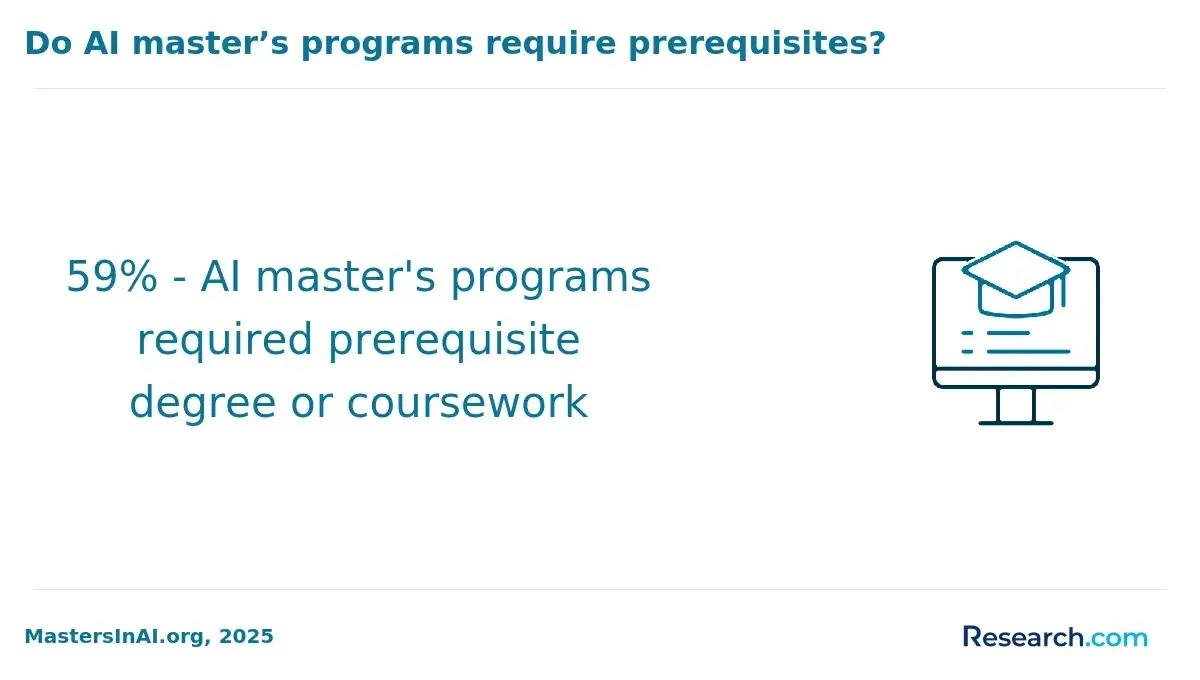
Admission requirements for AI degrees in sports analytics typically demand a strong background in quantitative skills, programming, and related prior education. Applicants often hold a bachelor's degree in computer science, data science, statistics, mathematics, engineering, or other STEM fields. Key coursework usually includes linear algebra, calculus, probability, and programming languages like Python or R.
Test requirements are evolving, with many programs adopting GRE-optional policies. In these cases, relevant experience and project portfolios can substitute for test scores. However, some schools still require GRE scores or place greater emphasis on work and research experience.
Portfolios showcasing data science projects involving performance metrics, sports strategy, or wearable technology analytics are advantageous. Familiarity with databases and AI tools like TensorFlow or scikit-learn can enhance applications.
International applicants must meet English proficiency standards, usually via TOEFL or IELTS. Some programs require remedial courses if prerequisite AI or programming content is missing. Reviewing each institution's admissions page is crucial to tailor applications effectively in today's competitive environment.
How long do AI sports analytics degrees take, and what do they cost?
AI sports analytics degrees generally require two to four years, depending on the level. Associate degrees usually take about two years and focus on data analysis or sports technology. Bachelor's degrees in AI, data science, or sports analytics typically span four years of full-time study. Some universities offer accelerated bachelor's-to-master's programs or specialized master's degrees that add one to two years.
Tuition costs vary significantly. Public four-year universities charge around $11,000 annually for in-state students, resulting in approximately $44,000 for a bachelor's degree in AI sports analytics. Private colleges can cost two to three times more, with tuition between $30,000 and $50,000 per year.
Additional expenses like textbooks, software licenses, and equipment can add $1,000 to $3,000 annually. Many programs include paid internships or cooperative education opportunities, which help offset costs and provide valuable industry experience.
Online degree options offer flexibility and sometimes lower tuition costs while maintaining similar completion times. Professional certifications and short courses in sports analytics or machine learning are useful complements but don't replace degree programs.
Students should check program accreditation, faculty expertise, and career placement rates. Financial aid, scholarships, and employer tuition assistance may reduce overall expenses for eligible students.
How can you verify accreditation for AI degrees and sports analytics programs?
To confirm accreditation for artificial intelligence degrees and sports analytics programs, use the U.S. Department of Education's Database of Accredited Postsecondary Institutions and Programs (DAPIP). This is the official source for verifying an institution's accreditation status and is widely trusted by federal agencies.
Regional accreditors, such as the Higher Learning Commission or Middle States Commission on Higher Education, generally carry more prestige than national or specialized bodies. Programs in artificial intelligence or sports analytics may also have programmatic accreditation related to technology or analytics, but these should complement institutional accreditation rather than replace it.
When evaluating options, verify both the overall institutional accreditation and any specific program accreditations. Some programs operate under a college's accreditation but might also seek additional recognition to highlight their technical strengths.
Confirming legitimate accreditation ensures your degree is recognized for federal aid, credit transfers, and employment opportunities, making this verification essential before enrolling in artificial intelligence or sports analytics studies.
What certifications complement an AI degree for sports analytics roles?
Certifications that complement an AI degree for sports analytics roles focus on enhancing data analysis, domain expertise, and technical skills. Professional certificates in machine learning, data science, and big data analytics help graduates manage large sports datasets effectively. For instance, courses covering Python for data analysis or TensorFlow certifications boost essential algorithmic skills used in sports performance modeling.
Certifications specific to sports analytics and biomechanics provide valuable insights into athlete metrics and game strategies. Programs like the Sports Analytics Certificate from recognized institutions focus on statistical modeling tailored to sports data, supporting predictive analytics for player performance and injury prevention.
Business intelligence (BI) certifications add significant value by teaching tools such as Tableau and Power BI. These help professionals communicate complex AI-driven findings clearly to coaching staff and management, bridging technical work with actionable sports decisions.
Soft skills certifications, including sports management or project management credentials like PMI-ACP, improve teamwork and leadership abilities vital for multidisciplinary sports analytics teams.
What salary and job outlook can AI sports analytics graduates expect?
Graduates skilled in ai sports analytics enjoy promising career prospects fueled by rising demand. Employment for data scientists, closely aligned with ai-driven sports analytics roles, is projected to grow 35% from 2024 to 2034, outpacing average job growth across industries. This growth is driven by the expanding use of data interpretation, machine learning, and predictive analytics within sports organizations.
Median salaries for data scientists typically range between $100,000 and $110,000 annually, surpassing many fields. Entry-level roles in sports teams, tech firms, or consulting start around $80,000 and grow swiftly with experience. For instance:
- Sports analytics professionals with strong AI and programming expertise can earn over $120,000 working with major league teams or startups.
- Those in collegiate athletics or smaller leagues often begin between $65,000 and $85,000, with rapid salary increases as AI adoption advances.
Career roles include developing AI models for player performance forecasting and designing fan engagement algorithms. Employers seek candidates who combine sports domain knowledge with skills in machine learning, data visualization, and statistics. Keeping pace with emerging AI tools enhances opportunities for advancement and income growth in this dynamic field.
Other Things You Should Know About Artificial Intelligence
Most bachelor’s programs in AI or data analytics with a sports focus require about 120 credit hours, usually completed in four years. Many schools also include 15–30 credits of electives in machine learning, statistics, and sport performance analysis, plus a capstone or practicum tied to real sports data.
Admission requirements typically include a bachelor's degree in a related field, GRE scores, and proficiency in programming languages like Python. Some programs may also require prior coursework in statistics or machine learning to ensure readiness for specialized study in sports analytics.
In 2027, leading universities such as Stanford, MIT, and University of Michigan offer AI degrees with dedicated tracks in sports analytics. These programs often include interdisciplinary courses combining data science, machine learning, and athletic performance analysis. Explore AI master’s programs with foundation courses to tailor your education path in this field.
References
- Master’s in AI Applied to Sports https://english-programs.sportsdatacampus.com/masters-in-ai-applied-to-sports/
- Sports Analyst Certifications: Best Credentials to Advance Your Career | Teal https://www.tealhq.com/career-paths/sports-analyst-certifications/
- How to Land High-Paying Sports Analytics Jobs - SportsJobs Online https://www.sportsjobs.online/blogposts/50
- Coursera - 2024 Learner Outcomes Report https://www.coursera.org/research/2024-learner-outcomes-report
- Analytics Degree Accreditation: What to Look For - AnalyticsDegrees.org https://www.analyticsdegrees.org/faq/analytics-degree-accreditation/
- ABET Accreditation and Artificial Intelligence - ABET https://www.abet.org/accreditation/ai-policy/
- Sports Analytics 101 — Career | Towards AI https://towardsai.net/p/l/sports-analytics-101%E2%80%8A-%E2%80%8Acareer
- Postgraduate in Sports Analytics - Barça Innovation Hub https://barcainnovationhub.fcbarcelona.com/education/postgraduate-in-sports-analytics/
- Why More Teams Are Switching to AI-Powered Sports Analytics - WSC Sports https://wsc-sports.com/blog/industry-insights/why-more-teams-are-switching-to-ai-powered-sports-analytics/
- Sports Analytics & AI online course – learn skills sports teams want https://www.sportsmanagementworldwide.com/courses/data-science-analytics