2027 Career Changers in AI Degree Programs

Co-Founder and Chief Data Scientist
Many professionals with non-technical backgrounds face uncertainty when considering a career shift into artificial intelligence. The challenge of finding flexible, accredited programs that offer relevant skills without requiring prior experience often limits their options. This uncertainty can delay or prevent timely transitions into a high-demand field. Understanding which degree programs cater specifically to career changers and how they address skill gaps is crucial for success. This article explores accessible graduate programs designed for individuals from diverse undergraduate backgrounds and offers guidance to help navigate the path into artificial intelligence careers effectively.
Key Things You Should Know
- In 2026, over 40% of enrolled students in AI degree programs are career changers, reflecting growing industry demand and the appeal of new, flexible learning formats.
- Most career changers pursue master's degrees or certificates, with 60% emphasizing practical skills in machine learning, data science, and ethics to enhance employability.
- Salary increases post-graduation average 35%, motivating professionals from diverse sectors like finance, healthcare, and engineering to reskill through AI-focused education.
What does an artificial intelligence degree program offer for career changers in the U.S.?
Artificial intelligence degree programs in the U.S. provide career changers with essential skills in machine learning, data science, Python programming, and AI ethics. These programs offer specialized training that connects the previous work experience of finance, marketing, or healthcare professionals with the critical technical expertise needed in AI roles.
Career changers' artificial intelligence degree programs in the U.S. typically include hands-on coursework and projects using real-world data, along with internships that build practical skills. This approach equips students for diverse roles such as AI specialist, data analyst, or automation engineer, even for those without a technical background.
AI programs emphasize interdisciplinary learning. For example, marketing professionals might apply AI to consumer behavior analysis, while healthcare workers learn to interpret medical data with AI tools. This versatility appeals to mid-career individuals seeking advancement and relevancy in the evolving job market.
A 2026 survey by Intelligent.com highlights that 1 in 10 recent graduates has switched careers due to AI's influence, with 41% considering a career move driven by AI's impact on jobs. AI degree programs address this trend by offering structured learning paths, industry certifications, and exposure to emerging AI technologies to help students rebrand their professional identities.
Benefits of U.S. artificial intelligence degree programs for career changers include network-building opportunities and practical training to overcome barriers in competitive AI roles. Prospective students can explore options among the best universities for data science undergraduate programs to find affordable routes into the field.
How do online and campus-based AI degree programs compare for working adults?
Online vs campus-based AI degree programs for working professionals each have unique advantages. Flexible AI degree options for adult career changers often lean toward online programs, which support balancing full-time jobs and personal commitments through asynchronous lectures and self-paced study.
Campus-based programs offer valuable in-person experiences with hands-on access to AI labs, faculty mentorship, and networking opportunities essential for securing internships or research positions. These benefits are particularly important for career changers seeking immersive environments and immediate peer collaboration.
Cost and time commitments vary: online degrees typically allow part-time enrollment and reduce expenses like commuting, while campus programs often require full-time attendance and additional living costs. Evaluating one's ability to manage time and finances is crucial when deciding between options.
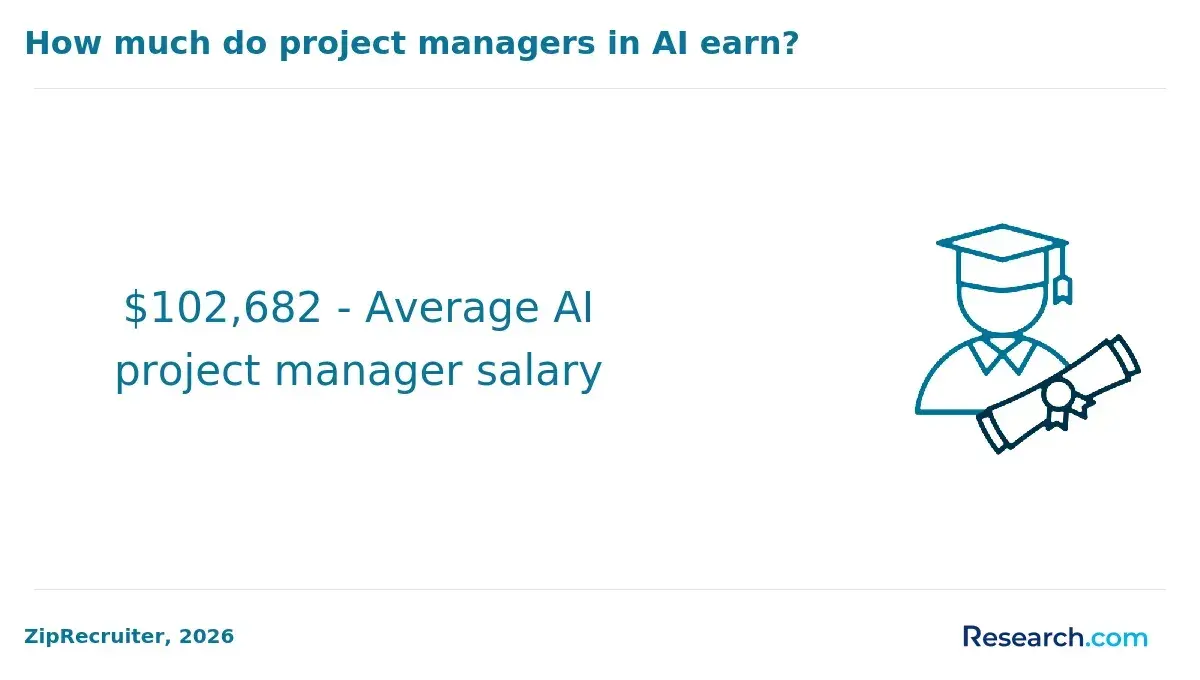
The return on investment from AI degrees remains strong. Professionals entering AI roles, such as machine learning engineers, report a median base salary of $143,000 in the U.S., with total compensation often exceeding $180,000, according to Glassdoor data summarized by Michigan Technological University.
Prospective students can explore the best online masters in artificial intelligence to find flexible and affordable pathways for skill advancement.
What admission requirements do AI bachelor's and master's programs have for career changers?
Admission requirements for career changers in AI bachelor's programs emphasize strong foundational skills in mathematics, such as linear algebra, calculus, and statistics. Most bachelor's programs require relevant prerequisite coursework, while master's programs generally demand proof of quantitative skills through transcripts or standardized tests. Applicants without technical backgrounds often need to complete bridge courses or placement exams before full admission.
Entry criteria for master's programs in artificial intelligence for career switchers may include professional experience or academic work in related areas like computer science or data analysis. However, some master's programs prioritize motivation and potential shown through personal statements and recommendation letters, especially when these documents address the applicant's transition to AI fields.
Application materials typically consist of:
- Official transcripts demonstrating relevant coursework or equivalent experience
- Statement of purpose explaining career shift motivation
- Letters of recommendation highlighting adaptability and analytical skills
- Standardized test scores such as the GRE, though waivers are increasingly granted
Many institutions offer flexible learning options, including part-time, online, or hybrid formats, to accommodate working professionals. According to a Lumina-Gallup study, 70% of technology and vocational students consider transitioning to AI or hybrid programs due to evolving job market demands, reflecting increased diversity among applicants.
Career changers should carefully evaluate programs' flexibility regarding prerequisites and available support, like tutoring or mentoring. Some may provide conditional admission contingent on completing foundational modules early in the curriculum. Transparent communication with admissions offices about individual backgrounds is crucial for success. Those interested in specialized fields might also explore an online game development degree as an alternative path within technology education.
Which types of AI degrees and certificates best support a mid-career transition?
Mid-career professionals pursuing AI degree programs for mid-career professionals benefit from options that combine foundational knowledge with practical skills. Degrees in data science, machine learning engineering, and AI-focused computer science teach critical areas like algorithm development, Python programming, and model deployment, which are essential for technical AI roles.
Programs blending AI with domains such as engineering or healthcare are increasingly valuable. A Goldman Sachs analysis of U.S. enrollment trends for the 2025-26 academic year shows computer science and programming enrollments dropped by over 10%, while healthcare and engineering enrollments rose about 3%. This trend highlights growing demand for AI education integrated with resilient, sector-specific expertise.
For quicker transitions, the best certificates supporting career changes in artificial intelligence offer targeted skills in areas like natural language processing or AI ethics. These certificates allow professionals from marketing, finance, or operations to shift focus without full degree programs.
When choosing programs, consider:
- Hands-on projects or internships to develop a practical portfolio
- AI applications relevant to your current or desired industry
- Flexible options like part-time or online formats
- Institutions with strong industry connections for smoother job placement
These strategic choices help prepare for roles in AI product management, data analysis, or research support. Degrees hybridizing AI with engineering or healthcare meet market needs and reduce automation risks. Certificates focused on specialized AI tools enable swift upskilling for mid-career professionals. For those interested in cybersecurity, consider exploring online cybersecurity degree programs for veterans that complement AI expertise.
What core courses and skills are taught in AI programs for non-tech backgrounds?
AI degree programs aimed at learners from non-technical backgrounds focus on foundational courses that balance theory and hands-on skills. Core subjects frequently include introductory programming, often using Python because of its simplicity and broad AI applications, along with data structures and algorithms. These fundamentals enable effective problem-solving within AI contexts. Mathematics courses such as linear algebra, probability, statistics, and discrete mathematics are essential to understanding machine learning models and data analysis.
Curricula also emphasize machine learning basics, covering supervised and unsupervised learning, neural networks, and deep learning frameworks. Students gain practical experience using AI tools like TensorFlow and PyTorch, often completing projects that enhance their skills. Data management topics such as data cleaning, feature engineering, and database fundamentals are common components.
To help students without technical backgrounds, programs integrate computational thinking, logic, and software development lifecycle basics. Ethical issues, human-computer interaction, and deployment challenges provide a comprehensive view beyond coding. Soft skills, including critical thinking, problem formulation, and communication, are cultivated to prepare graduates to translate technical insights into business or research value.
According to the Dutch AI Monitor 2024, many AI program graduates secure immediate employment in sectors like information and communication or specialized business services, demonstrating the relevance of these core courses for diverse career paths.
How can career changers verify that an online AI program is properly accredited?
Career changers seeking an online AI program should prioritize verifying recognized accreditation to ensure both quality education and eligibility for financial aid or professional certification. Reliable sources for confirmation include the U.S. Department of Education's Database of Accredited Postsecondary Institutions and Programs (DAPIP) and the Council for Higher Education Accreditation (CHEA) directory, which lists federally recognized accreditors.
Regional accreditation, such as from the Middle States Commission on Higher Education or the Western Association of Schools and Colleges, is highly respected. Additionally, professional accreditations like ABET, especially for technical and engineering-focused programs, enhance a degree's credibility. Confirm that the AI program's institution holds accredited status before enrollment.
Prospective students should also assess whether the program aligns with employer expectations. Employers often require accredited degrees in their hiring process, and a lack of proper accreditation can limit career growth. Important factors to consider include curriculum transparency, qualified faculty, and clear graduation requirements.
Insights from program alumni or independent outcome data can reveal industry perceptions of the degree. Roles in AI frequently start at salaries above $120,000, according to projections from the World Economic Forum and Glassdoor, so accreditation can be crucial for securing a competitive position.
What is the typical length and total cost of AI degrees for adult learners?
AI degrees designed for adult learners typically span from 1 to 2.5 years, influenced by study level and format. Certificate and professional development programs usually take 6 to 12 months, focusing on essential skills like machine learning, data analysis, and programming languages such as Python. More in-depth options, including bachelor's degrees and accelerated master's programs, generally require 2 to 2.5 years, providing a solid theoretical foundation and practical AI applications. Part-time and online formats offer flexibility but may extend the duration, accommodating working professionals.
Costs vary widely depending on institution type and program. Certificate programs often cost between $3,000 and $15,000, ideal for quick upskilling. Bachelor's degrees range from $20,000 to $60,000 in total tuition, while master's degrees in AI or related fields can reach $30,000 to $90,000. Public universities tend to be more affordable, especially for in-state students, whereas private institutions often charge premium rates.
The U.S. Bureau of Labor Statistics projects that approximately 30% of U.S. jobs could face automation by 2030, with 60% experiencing significant AI-driven changes. Adult learners should weigh program length and cost against career goals, choosing shorter certificate programs for targeted, quick entry or longer degrees for comprehensive knowledge needed in an evolving job market.
What AI job roles are realistic for career changers after graduation?
Career changers graduating from artificial intelligence degree programs in 2026 can pursue various entry-level roles depending on their skills and experience. Common positions include AI data analyst, machine learning engineer, and AI software developer, all requiring solid programming knowledge, familiarity with machine learning frameworks, and data handling expertise. AI data analysts prepare and interpret datasets, while machine learning engineers focus on developing and optimizing algorithms for production.
More specialized careers such as natural language processing engineer or computer vision specialist need targeted coursework and portfolio projects to showcase competence. Employers value candidates who complement their degrees with internships or real-world AI projects. Additionally, roles in AI ethics or AI product management are open to those with social sciences or business backgrounds combined with AI training.
Reports from Michigan Technological University highlight rising unemployment among new computer science and engineering graduates compared to other fields, emphasizing the importance of acquiring in-demand skills like deep learning, model deployment, and cloud computing. Practical experience through capstone projects or industry collaborations enhances employability.
Job seekers should consider certificate programs or bootcamps in AI specializations, contribute to open-source projects, and build AI applications to demonstrate readiness for specific roles and gain a competitive edge.
What salary ranges and earning potential can AI career changers expect over time?
AI professionals entering the field can expect starting salaries between $70,000 and $90,000 in roles such as data analyst, junior data scientist, or machine learning engineer. With experience and enhanced skills, mid-career pay typically increases to $110,000-$140,000. Senior or specialized positions may offer $150,000 to $200,000 or more, influenced by industry and location. High-demand sectors include finance, healthcare, and technology.
Many career changers without traditional degrees opt for certificates, bootcamps, or micro-credentials to quickly gain relevant skills. According to CCS Learning Academy, over 70% of its AI certificate graduates begin as data analysts or data scientists, while others enter related analytics roles. These pathways often lead to notable salary growth compared to prior non-technical jobs.
For example, bootcamp graduates may start around $75,000, progressing to six-figure salaries within three to five years by acquiring additional certifications and project experience. Those with full degrees in AI or computer science often start higher and move faster into specialized roles.
Location also affects salary; tech hubs like San Francisco and New York provide premium pay but higher living costs. Employer size and industry vertical matter too, with finance, AI research, and specialized software development usually offering better compensation than entry-level analytics in non-tech sectors.
Focused upskilling and project experience remain essential for long-term earnings growth in AI career transitions.
How should career changers evaluate and choose a reputable AI degree program?
Career changers exploring AI degree programs should focus on accreditation and curriculum relevance. Programs accredited by recognized bodies like ABET or regional agencies ensure quality education and industry acceptance. Look for course content covering machine learning, neural networks, natural language processing, and ethics. Hands-on opportunities such as projects, internships, or industry partnerships provide practical skills essential for transitions.
Faculty expertise is another key factor. Programs with instructors engaged in active AI research or consulting offer up-to-date knowledge and valuable professional networks. Flexible formats-part-time, online, or hybrid-help working professionals balance study with other commitments.
Graduate outcomes matter. Institutions reporting strong job placement in AI-related roles demonstrate effective training. Career support services and industry connections further aid employment. Programs emphasizing AI's interdisciplinary applications are ideal, given its growing use in healthcare, finance, manufacturing, and more.
Consider cost and time commitment carefully. Weigh tuition against potential return on investment, including scholarships and salary potential. Shorter certificate options suit those seeking quick entry, while master's degrees provide in-depth study but require more time and expense.
Research from the World Economic Forum, referenced by Michigan Technological University, predicts automation will replace millions of jobs but create roughly twice as many new positions in AI and related fields by 2030. Choosing a program that builds versatile AI skills promotes career resilience.
Other Things You Should Know About Artificial Intelligence
While prior programming experience can be beneficial, many AI degree programs in 2027 are designed to accommodate career changers by offering foundational courses in programming. These courses equip students with essential coding skills, helping them transition smoothly into AI fields.
Graduates with AI degrees frequently find opportunities in diverse sectors such as technology, healthcare, finance, automotive, and retail. Organizations in these industries apply AI technologies for automation, data analysis, customer service, and innovation, increasing demand for professionals skilled in AI tools and methodologies.
A solid understanding of mathematics, especially linear algebra, calculus, probability, and statistics, is essential for grasping many AI algorithms and models. AI programs often incorporate math refresher courses or recommend preparatory study to ensure students can follow technical content effectively.
Many AI degree programs emphasize experiential learning through internships, capstone projects, or research opportunities. These experiences are crucial for applying theoretical knowledge to real-world scenarios, building a portfolio, and improving job market readiness after graduation.
Adaptability, critical thinking, and communication are vital soft skills for career changers in AI degree programs in 2027. These skills complement technical knowledge by enhancing teamwork and problem-solving capabilities. Explore an online master’s in medical artificial intelligence to further develop relevant competencies.
References
- Best AI Courses to Take in 2026 https://applybuddy.co.uk/best-ai-courses-to-take-in-2026/
- Professional AI Training: How to Choose the Right Program https://www.strategicaileader.com/professional-ai-training-how-to-choose-the-right-program/
- Best AI Jobs for Career Changers With No Experience https://www.eduailast.com/blogs/best-ai-jobs-for-care-changers-with-no-experience.php
- AI Courses after 12th - Eligibility, Fees & Duration https://www.universalai.in/top-ai-courses-after-12th-your-guide-to-a-future-proof-career/
- AI Engineer Traineeship | IT Career Switch UK Job Guarantee Programme https://itcareerswitch.co.uk/traineeships/ai-engineer-traineeship/
- How Much Does an AI Course Really Cost? A Comprehensive Breakdown https://www.desireinfotech.biz/blog/how-much-does-an-ai-course-really-cost-a-comprehensive-breakdown/
- AI Training & Certification for Employees: How HR Should Evaluate Providers | Sprad Blog https://sprad.io/blog/ai-training-certification-for-employees-how-hr-should-evaluate-providers
- Artificial Intelligence Degree Requirements: What Do You Need to Apply? https://aifwd.com/education/artificial-intelligence-degree-requirements/
- Best AI Courses Online: Free and Paid Options Compared https://hakia.com/news/best-ai-courses-online/
- 11 AI certifications to grow your career https://www.cio.com/article/4175403/11-ai-certifications-to-grow-your-career.html