2027 Machine Learning in AI Associate Degree Programs

Co-Founder and Chief Data Scientist
Many professionals with undergraduate degrees in unrelated fields face significant barriers when trying to transition into the artificial intelligence (AI) industry. The fast evolution of AI technologies demands up-to-date skills and practical knowledge that traditional degrees often lack. Without a clear, flexible education pathway, breaking into this competitive job market can seem daunting.
Machine learning in AI associate degree programs offers a targeted solution by equipping learners with essential competencies in less time and with greater accessibility than traditional four-year degrees. This article explores how 2027 machine learning in AI associate degree programs can effectively prepare students for successful career shifts into AI fields.
Key Things You Should Know
- In 2026, over 40% of U.S. associate degree programs incorporate machine learning coursework, reflecting growing demand in AI-related industries for skilled technical professionals.
- Curricula focus on practical skills in data analysis, model training, and ethical considerations, preparing graduates for entry-level roles in AI development and deployment.
- Job projections estimate a 21% growth rate in AI and machine learning technician roles through 2030, emphasizing the value of associate degrees as a cost-effective career pathway.
What is a machine learning associate degree and how does it differ from certificate programs or bachelor's degrees in AI?
A machine learning associate degree program benefits students by offering foundational knowledge and practical skills in machine learning and artificial intelligence over two years. This curriculum covers essential topics such as data analysis, programming languages like Python, algorithms, and statistics, preparing graduates for hands-on roles in AI-related fields. Compared to certificate programs-which are shorter, focus on specific skills or tools like TensorFlow or data visualization, and target those seeking quick upskilling-the associate degree provides a broader education blending theory with applied concepts.
Unlike certificates, which usually take weeks or a few months and lack comprehensive general education and technical depth, associate degrees equip students more thoroughly. Meanwhile, bachelor's degrees in artificial intelligence span four years and include advanced coursework in areas such as deep learning, robotics, ethics, and AI system design, targeting higher-level research and leadership positions.
The differences between AI associate degrees and certificates are significant when considering career pathways. Employers increasingly accept associate degree qualifications for entry-level machine learning roles, reflecting a rising demand in this sector. The LinkedIn Jobs Report 2024 shows that machine learning and AI job postings increased 74% year-over-year, with more companies valuing the associate degree as a cost-effective route into the workforce or a stepping stone for further education.
Students seeking flexible options may explore an online computer science degree that accelerates progress toward AI career goals.
What are the core technical skills and programming languages taught in machine learning associate degree programs?
Machine learning programming languages in associate degree programs focus heavily on Python, the dominant language used in 87% of projects, thanks to its rich ecosystem of libraries like TensorFlow, PyTorch, scikit-learn, and Pandas. This makes Python essential for preprocessing data, designing neural networks, and applying various algorithms. Some programs also introduce R for statistical tasks and visualization, alongside Java and C++ for performance-critical or embedded systems work, though these languages are less common.
Core technical skills taught in machine learning associate degrees include foundational mathematics such as linear algebra, calculus, probability, and statistics. Students apply these concepts to grasp algorithm mechanics and evaluate models through methods like cross-validation. Programs emphasize hands-on experience with coding, frameworks, version control, and cloud platforms, preparing graduates for roles as junior ML engineers or data analysts.
Students also learn to tackle challenges such as overfitting, data bias, and model interpretability, ensuring they can build reliable machine learning solutions. These skills align well with the demand for practical expertise found in data science fields, making such associate degrees a strong pathway for careers in artificial intelligence and related areas. Prospective students seeking an affordable entry into this sector may consider comparisons available through a data science degree resource.
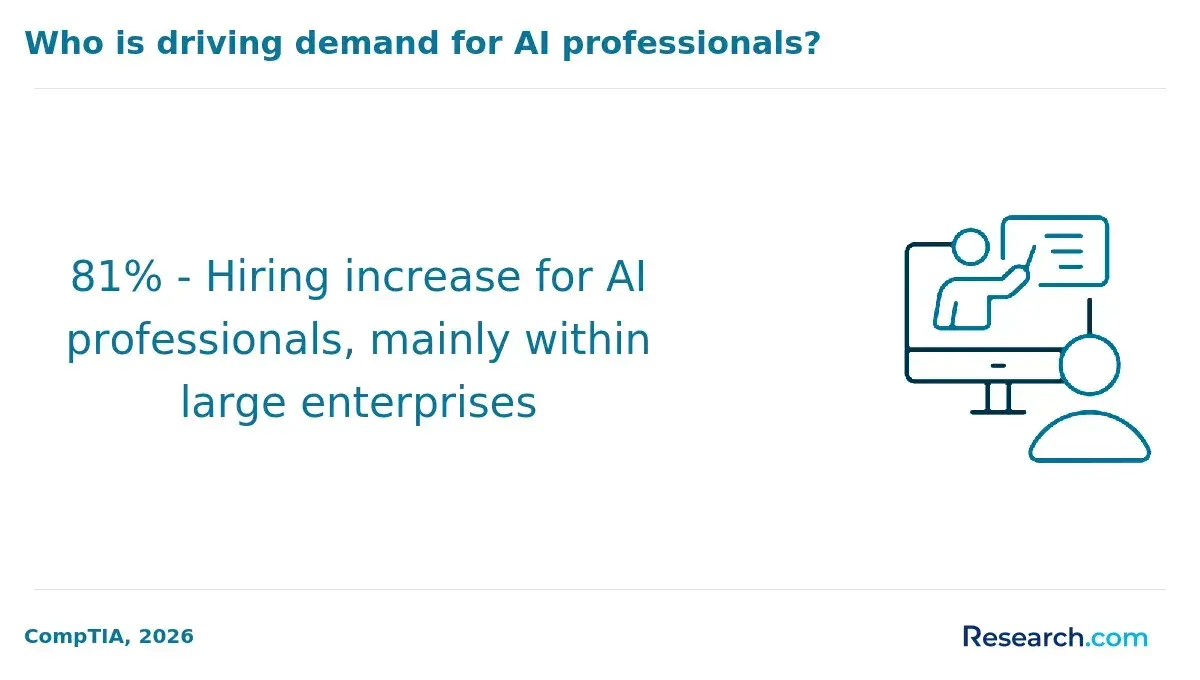
Which accrediting bodies recognize machine learning associate degree programs, and what standards do they enforce?
Machine learning associate degree programs in the U.S. are accredited by both regional institutional accreditors and specialized bodies such as the Accreditation Council for Business Schools and Programs (ACBSP) and the Computing Accreditation Commission of ABET. These accrediting bodies for machine learning associate degrees enforce rigorous standards to ensure high-quality curricula and graduate skills that meet industry demands.
The ACBSP focuses on outcome assessments, continuous improvement, and the alignment of programs with real-world needs. Their standards require demonstration that graduates have practical machine learning competencies and critical thinking skills. According to the ACBSP Outcomes Assessment Report 2024, programs with ACBSP accreditation see a 94% employer satisfaction rate in graduate competencies, contrasting with 78% for non-accredited programs, highlighting the benefits of these strict standards.
ABET's Computing Accreditation Commission emphasizes the technical depth of programs, including mastery of algorithms, data structures, ethical considerations, and applied artificial intelligence skills. Their evaluation guarantees graduates are prepared for the technical challenges inherent in machine learning roles. Regional accreditors such as the Middle States Commission on Higher Education assess institutional quality but rely on specialized bodies to verify curriculum rigor.
Prospective students should carefully review both specialized and regional accreditation to confirm program credibility. Accreditation affects credit transferability, employer recognition, and eligibility for federal aid. Choosing well-accredited programs limits risks associated with outdated curricula and enhances career prospects in the evolving AI sector. For those seeking affordability in technical fields, consider exploring the cheapest online mechanical engineering degree options as a cost-effective pathway to a machine learning foundation.
What are the admission requirements and prerequisites for enrolling in a machine learning associate degree program?
Admission requirements for machine learning associate degree programs typically include a high school diploma or GED. Many programs expect applicants to have completed foundational coursework in subjects such as algebra or precalculus. Some schools also require a minimum GPA, often around 2.5 on a 4.0 scale, to show academic readiness. For non-native English speakers, proof of English proficiency like TOEFL scores may be necessary. These admission conditions are common prerequisites for enrolling in machine learning and ai associate degrees to ensure students are adequately prepared.
Mathematics courses covering linear algebra, statistics, and probability are essential prerequisites. Additionally, many programs mandate introductory computer science or programming classes, frequently in Python or Java, to develop practical skills. Students lacking these may need to complete remedial or bridge courses before full admission. Early preparation in these areas significantly boosts student success and retention.
Research from the Community College Research Center found that students with strong mathematics foundations who complete prerequisites have a 31% higher completion rate in machine learning associate programs. Some colleges offer conditional admission if missing requirements are fulfilled during the first semester, while others require standardized entrance exams covering math and logic. Working professionals can also benefit from refresher courses online or at community colleges prior to applying.
Prospective students seeking the cheapest online PhD in cyber security should similarly check individual program websites for precise admission details. Meeting these requirements is critical for timely and successful completion of a machine learning associate degree.
How do online machine learning associate degree programs compare to campus-based options in terms of curriculum and outcomes?
Online machine learning associate degree programs offer curricula closely paralleling those of campus-based options, covering core subjects like data analysis, algorithms, Python programming, and introductory artificial intelligence concepts. These programs often include hands-on projects and capstone courses to solidify practical skills. According to the National Center for Education Statistics, online graduates achieve an 89% job placement rate within six months, matching on-campus rates and proving their effectiveness in workforce preparation.
Significant cost advantages exist, with online programs typically charging around 40% less tuition, increasing accessibility for students balancing work or financial constraints. Flexible scheduling and the removal of commuting make online degrees especially beneficial for working professionals and caregivers seeking to upskill without disrupting their employment.
While online formats may lack some face-to-face networking and access to physical lab facilities, many virtual programs compensate with remote labs, group collaborations, and interactive instructor support. Prospective learners should verify the availability of career services and internship opportunities, vital in the rapidly evolving machine learning field.
Campus-based options might appeal to those prioritizing traditional college experiences and on-site research resources. Both formats demand strong time management and self-motivation. Ultimately, choosing between online and campus programs depends on personal learning preferences, budget, and career goals, with online pathways offering a rigorous and economically viable route to a machine learning associate degree.
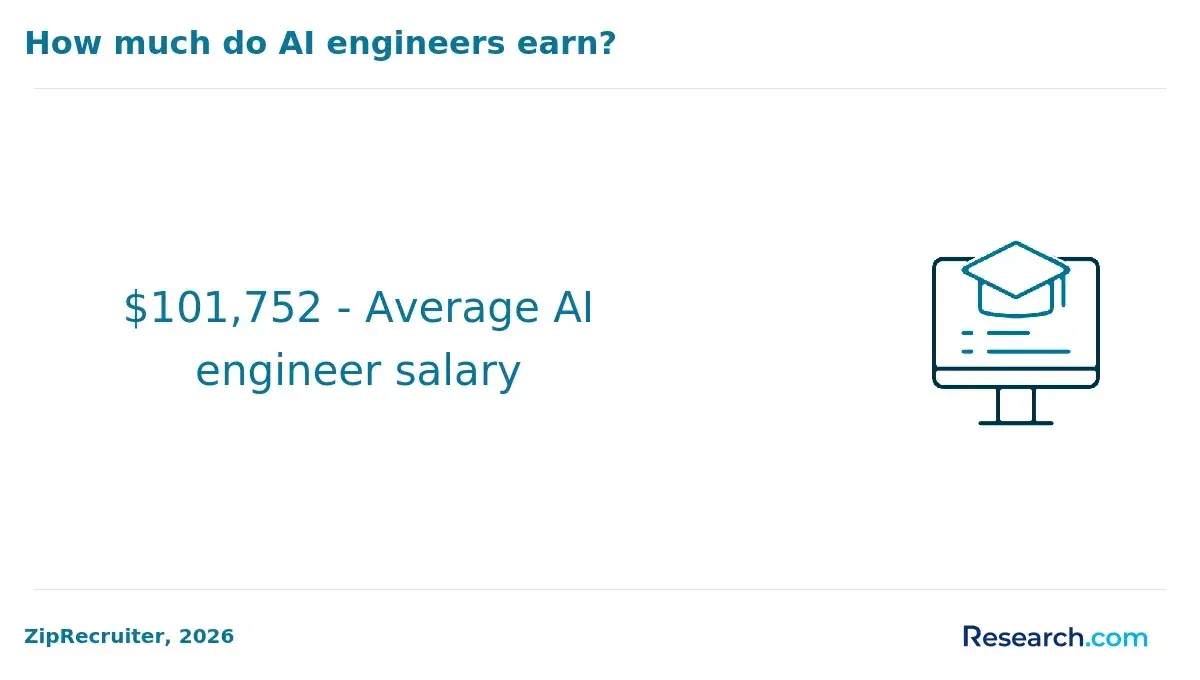
How long does it take to complete a machine learning associate degree, and what is the typical cost?
Completing a machine learning associate degree usually requires about two years of full-time study. Part-time enrollment options can extend this to three or four years, depending on course load and scheduling. Some institutions offer accelerated tracks to finish in as little as 18 months by including summer courses or additional credits each semester, accommodating working professionals or those balancing other commitments.
Total program costs range from $15,000 to $22,000, covering tuition, fees, and sometimes basic instructional materials. Public community colleges typically provide more affordable tuition than private or specialized technology schools, which often fall on the higher end of this scale. Financial aid and scholarships are frequently available to reduce expenses.
The average salary for graduates is around $65,000 annually, representing approximately a 3.2x return on investment relative to total program costs, according to the U.S. Bureau of Labor Statistics. Prospective students should consider program accreditation, curriculum relevance, and alignment with industry needs to ensure value and employability after graduation.
Prerequisite courses in math and programming may affect the time required if they have not been completed previously. Programs incorporating hands-on applications or internships can improve job readiness and increase the long-term benefits of investing time and money into this field.
What entry-level and mid-career job roles are available to graduates of machine learning associate degree programs?
Graduates with an associate degree in machine learning have diverse opportunities in entry-level and mid-career roles across the tech sector. Typical entry positions include data analyst, machine learning technician, and junior MLOps engineer. Data analysts focus on collecting, processing, and visualizing data to aid model training, while junior MLOps engineers support deploying and maintaining machine learning models with an emphasis on scalability and reliability.
Mid-career positions often encompass roles like MLOps engineer, data engineer, and AI technician. These jobs require skills in managing cloud infrastructure, optimizing data pipelines, and implementing model monitoring systems. Employers increasingly value hands-on experience combined with associate degree credentials due to the growing adoption of AI-driven applications.
Hiring trends highlight a 42% increase in job postings for MLOps engineers and data analysts, with 68% of listings explicitly accepting associate degrees as sufficient qualifications (Indeed Hiring Trends 2024). This data confirms that candidates with associate degrees remain competitive without needing a bachelor's degree at the outset.
To enhance employability, graduates should pursue certifications in cloud platforms, Python, SQL, Docker, and Kubernetes. Gaining proficiency in popular machine learning frameworks and data visualization tools, along with strong communication skills, improves advancement prospects. These roles often lead to senior positions in AI development, data science, and AI systems architecture.
What is the average salary for machine learning associate degree graduates, and how does it grow with experience?
Machine learning associate degree holders can expect an average starting salary of $64,500, based on the PayScale Salary Report 2024. This entry-level salary reflects strong market demand for machine learning skills across the tech industry. Within five years, salary growth can reach about $89,200, marking a 38% increase-significantly higher than the 22% growth seen in general IT associate degree salaries. This highlights the premium placed on expertise in machine learning.
Salary advancement is closely tied to gaining hands-on experience and expanding skills. Proficiency in data engineering, deep learning frameworks, or cloud computing can boost earning potential further. Employers particularly value familiarity with tools like TensorFlow and Python. Industry sectors such as healthcare, finance, and autonomous systems often offer higher pay due to specialized applications of machine learning.
Geographic factors also impact salaries. Tech hubs in metropolitan areas tend to pay at the upper end of the scale, while remote work can affect salary and benefits structures. Targeting industries actively investing in artificial intelligence can enhance income growth over time.
In all, machine learning associate degree graduates have a strong foundation for career progression, with substantial earning potential linked to continuous skill development and strategic industry choices.
What professional certifications complement a machine learning associate degree and improve job prospects?
Professional certifications that complement a machine learning associate degree play a crucial role in boosting job prospects. Credentials like AWS Certified Machine Learning - Specialty, Google Cloud Professional Machine Learning Engineer, and Microsoft Certified: Azure AI Engineer Associate align closely with the technical skills gained in associate programs. These certifications validate expertise in deploying and managing machine learning models on cloud platforms, a key requirement for many employers.
Certified professionals typically receive salary offers 34% higher than those without certifications, based on the Coursera Career Outcomes Report 2024. They are also 2.1 times more likely to advance to senior roles within three years, highlighting the significant career benefits these credentials provide. Beyond cloud certifications, foundational ones such as Certified Analytics Professional (CAP) and the TensorFlow Developer Certificate deepen specialization in data analytics and machine learning frameworks.
Graduates and working professionals should align certifications with their career goals and associate degree coursework. Roles in data science, AI application development, and cloud solution architecture often list these credentials as preferred or required. Certifications also address employer concerns about hands-on experience, bridging the gap between theoretical knowledge and practical skills gained during the associate degree.
How should prospective students evaluate and compare machine learning associate degree programs across different institutions?
Prospective students seeking machine learning associate degrees should focus on programs featuring strong industry partnerships and capstone projects. Data from the Chronicle of Higher Education shows that such programs boast a 92% graduate employment rate in machine learning roles within six months, compared to 71% for those without these experiential components. Direct collaboration with companies and opportunities to solve real-world problems can significantly boost job placement.
Regional accreditation is essential, as it enhances the recognition and value of credentials. Students ought to evaluate curricula for coverage of key topics like supervised learning, neural networks, data preprocessing, and practical programming skills in Python or R.
Cost and availability of financial aid also play major roles. Some programs offer employer tuition reimbursement or specialized grants for tech fields, improving affordability. Flexibility matters too, especially for working professionals needing part-time, online, or hybrid formats.
Graduation rates and alumni success provide useful indicators of program effectiveness. Engaging with career services and student forums can deliver valuable insights into market relevance. Faculty expertise and active involvement in research or consulting projects add further educational value and networking potential, helping students make well-informed choices tailored to their career ambitions in artificial intelligence.
Other Things You Should Know About Artificial Intelligence
In 2027, emerging trends in machine learning education for associate degree programs include increased focus on ethical AI practices, integration of low-code/no-code tools for easier access to machine learning, collaborations with industries for hands-on experience, and a stronger emphasis on real-world problem-solving projects.
Yes, many machine learning associate degree programs provide foundational knowledge in AI, statistics, and programming that can prepare students for further graduate studies. However, students may need to complete additional coursework or a bachelor's degree before entering a master's or doctoral program. The associate degree serves as a stepping stone for advanced education.
Non-technical skills such as critical thinking, problem-solving, effective communication, and teamwork are important for success in artificial intelligence careers. These skills help students translate complex AI concepts to diverse audiences and collaborate with multidisciplinary teams. Many programs incorporate these elements into their curricula.
Artificial intelligence influences a wide range of industries, including healthcare, finance, manufacturing, and retail. AI enables improved decision-making, automation of repetitive tasks, and personalized customer experiences. Understanding these industry applications helps students see the real-world importance of their skills.
References
- Identifying Student Candidates in Higher Education using Machine Learning https://clearscale.com/higher-education-machine-learning/
- Join AWS Certified Machine Learning – Associate Program | Netsmartz Academy https://www.netsmartzacademy.com/courses/aws-certified-machine-learning-associate/
- AI/ML Program — Rose State College Workforce Development https://www.workforce.rose.edu/ai-ml-program
- Must-Have Programming Skills from a B.Tech in Machine Learning Course https://www.universalai.in/top-programming-skills-youll-learn-in-a-b-tech-in-machine-learning-course/
- Degree Programs in Artificial Intelligence | ComputerScience.org https://www.computerscience.org/degrees/artificial-intelligence/
- Artificial Intelligence and Machine Learning Program https://www.lonestar.edu/programs-of-study/ai-machine-learning
- Online Degree vs. Traditional: Choosing the Right Path https://beal.edu/online-degree-vs-traditional/
- AI Certifications: Accredited Programs, Vendor Credentials, and Emerging Standards - Total Seminars https://totalsem.com/ai-certifications-accredited-programs-vendor-credentials-and-emerging-standards/
- Entry Level Machine Learning Jobs 2025: Skills, Tips & Salaries https://www.peopleinai.com/blog/entry-level-machine-learning-jobs
- Artificial Intelligence https://bristolcc.edu/learnatbristol/degreescertificatesandclasses/computerscience/artificialintelligence.html