2027 Best AI Associate Degrees for IT Support and Automation Careers

Co-Founder and Chief Data Scientist
Professionals with degrees outside of technology often face challenges when shifting into IT support or automation roles driven by artificial intelligence advancements. These fields demand technical skills that traditional degrees may not cover, creating a gap that slows career transitions. Finding accessible, accredited education that combines foundational IT knowledge with artificial intelligence applications is essential for career growth.
This article highlights the best associate degrees in 2027 designed for working adults seeking flexible programs that support a pivot into IT support and AI-driven automation careers, helping readers identify practical paths to upskill efficiently and meet industry demands.
Key Things You Should Know
- AI associate degrees in IT support and automation offer practical skills in machine learning, robotics, and system integration, aligning with projected 19% job growth through 2031 in related tech fields.
- Programs typically include hands-on training with AI frameworks, emphasizing real-world troubleshooting and automation deployment, critical for efficiencies in modern IT infrastructures.
- Graduates from these degrees can expect entry-level salaries averaging $55,000 to $70,000 annually, with strong opportunities for upward mobility in IT and AI-driven automation roles.
What are AI associate degrees and how do they prepare students for IT support and automation careers?
AI associate degrees for IT support professionals are two-year programs designed to develop practical skills and a solid foundation in AI technologies, with a focus on IT support and automation. Coursework typically includes programming, machine learning basics, data management, and system administration, preparing students to develop, maintain, and troubleshoot AI-driven support systems. Graduates learn how to automate routine IT processes and integrate AI software in real-world environments.
These programs emphasize scripting languages like Python and AI frameworks, paired with automation tools to improve system efficiency. For example, students gain hands-on experience configuring chatbots that assist users or automating network monitoring to predict outages before they occur. Such applied artificial intelligence skills directly meet growing industry needs.
The demand for computer support specialists is expected to grow by 5% from 2023 to 2033, fueled by businesses adopting AI-based automation to streamline operations and enhance customer service. This growth highlights the value of how AI associate degrees enhance automation career skills, combining technical expertise with critical thinking and communication needed in IT roles.
Students also work with real AI tools and platform APIs, making them job-ready to integrate AI components in IT environments. For more insight into the career paths available, visit applied artificial intelligence.
Which accredited schools offer the best AI associate degree programs for IT support and automation?
Several accredited community colleges offer associate degree programs that focus on artificial intelligence for IT support careers. Schools like De Anza College in California, Northern Virginia Community College, and Austin Community College blend AI fundamentals with practical IT skills designed for automation in IT support. These programs emphasize machine learning, robotics basics, and automation tools alongside core IT training.
De Anza College's curriculum integrates AI-driven automation with cloud computing and cybersecurity, preparing students to troubleshoot AI systems and optimize automated workflows. Northern Virginia Community College provides hands-on experience with AI software for managing intelligent help desks and automating IT infrastructure. Austin Community College emphasizes AI programming and data analytics to help graduates maintain AI-enhanced business processes. These options represent some of the best AI associate degree programs for automation in IT support available to learners.
The National Center for Education Statistics reported that community colleges awarded 86,000 STEM-related associate degrees recently, with IT degrees growing quickly. Prospective students looking for accredited artificial intelligence associate degrees for IT support careers should confirm programs cover popular AI frameworks like TensorFlow or PyTorch and IT certifications such as CompTIA A+ or Network+. Programs offering cooperative education or internships provide critical hands-on experience for automation roles.
For those aiming to advance further, exploring the cheapest data science masters in USA can be a strategic next step to build on skills acquired through these associate degrees.
What is the job outlook and salary potential for graduates with AI associate degrees in IT support and automation?
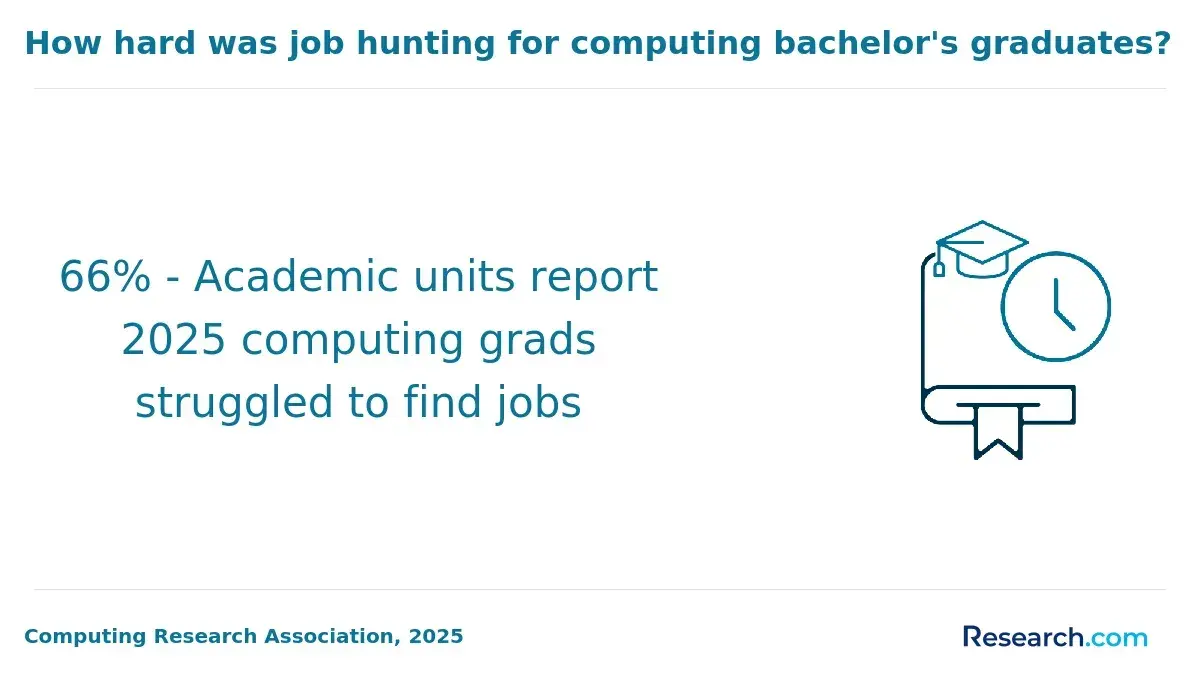
Graduates with an AI associate degree focusing on IT support and automation have a strong job outlook due to increasing demand for professionals skilled in maintaining and optimizing AI-driven tools and automated systems. Roles such as help desk technicians and system support analysts provide entry points into this evolving field. The salary potential in IT support and automation with an AI associate degree is promising. According to the U.S. Bureau of Labor Statistics, computer support specialists earned a median annual wage of $58,310 in May 2023, with the top 10% earning over $99,680, particularly those with expertise in automation and AI.
Proficiency in scripting languages, automation frameworks, and AI concepts enables graduates to solve technical problems efficiently and automate routine support tasks, cutting response times and operational costs. This skill set opens doors to advanced positions like automation specialists or AI support analysts. Certifications in IT automation platforms and AI software further enhance employability and career growth.
Geographic location and industry sectors, such as technology hubs and finance, can influence compensation levels. Those seeking to expand their technical knowledge might consider related training options, including game design courses online which often share foundational programming and automation skills useful in AI applications.
Overall, the job outlook for ai associate degree graduates in it support and automation reflects steady growth and strong earning potential in a technology-driven job market.
Graduation Rates for Top AI Associate Degree Programs (2026)

What are the core curriculum requirements and technical skills taught in AI associate degree programs?
Associate degree programs for IT support and automation careers emphasize a core curriculum for AI associate degrees in IT support that includes foundational computing, programming, and AI technologies. Students learn basics such as data structures, algorithms, and networking combined with programming languages like Python, Java, or C++. Python is particularly stressed for its flexibility in AI and automation applications. According to LinkedIn's 2024 Jobs Report, Python, machine learning, and cloud platforms such as AWS and Azure are among the top employer-desired skills, seeing a 74% growth in demand for entry-level positions.
Technical skills learned in AI automation degree programs include machine learning principles to build predictive models, along with practical experience deploying these models using frameworks like TensorFlow and PyTorch. Cloud computing education focuses on platforms such as AWS, Azure, and Google Cloud to scale AI solutions. Students gain hands-on knowledge in scripting automation with Python and PowerShell, managing cloud infrastructure, and handling security protocols critical for AI systems.
Database management and data preprocessing are taught to ensure high-quality AI inputs, alongside exposure to natural language processing and image recognition modules to expand applied AI expertise. Many programs integrate practical exercises simulating real-world IT support scenarios that use AI tools to boost efficiency and reduce manual effort. Prospective learners can also explore topics like cyber security online degree cost to better understand related educational investments.
What are the admission requirements and prerequisites for enrolling in an AI associate degree program?
Admission to an AI associate degree program usually requires a high school diploma or GED, along with demonstrated proficiency in foundational math and English skills. The ACT 2024 College Readiness Report highlights that 42% of high school graduates lack the math skills needed for college-level STEM studies, making prerequisite assessments vital for AI program success. Many programs test algebra and introductory programming knowledge before or early in the course.
Standardized test scores like the SAT or ACT may be requested, although some colleges waive them based on prior academic records or placement exams. These placement tests identify if students need remediation in math subjects such as algebra or statistics, which are important for understanding algorithms and data structures in AI coursework.
Basic computer literacy and familiarity with programming languages like Python or Java are often prerequisites, especially in programs focused on automation. Prior coursework in statistics, logic, or computer science may also be recommended or required. Working professionals might receive credit for relevant certifications or work experience, offering flexible admission standards.
International students generally must prove English proficiency through exams like TOEFL or IELTS. Applicants should carefully check individual school requirements, as specialized AI tracks may have additional prerequisites. Early advising helps students manage testing requirements, improve weak skills, and prepare for success in AI-related classes geared toward IT support and automation technologies.
How do online AI associate degree programs compare to campus-based options for working professionals?
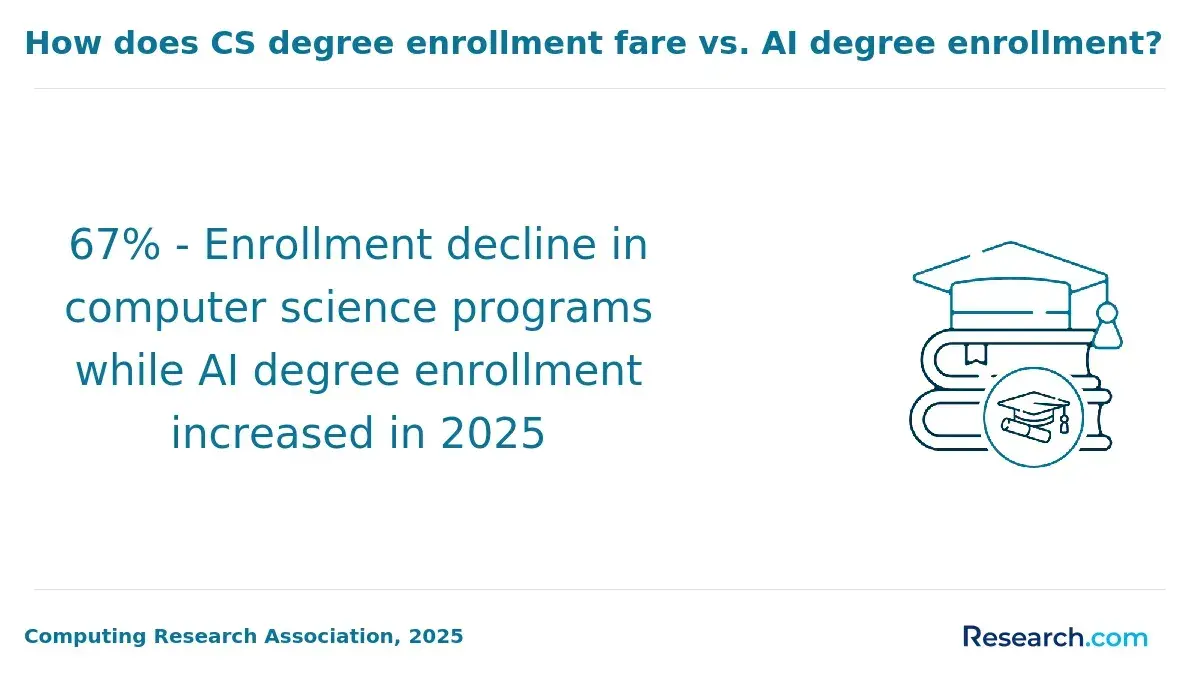
Online AI associate degree programs offer flexibility that suits working professionals managing job commitments alongside education. According to the National Center for Education Statistics, 36% of associate degree students were enrolled exclusively in distance education, and working adults made up 73% of these online community college attendees. This trend highlights the demand for adaptable schedules among learners.
Unlike traditional campus programs that require fixed class times and physical attendance, online courses often provide asynchronous content available 24/7. This allows students, such as IT support professionals, to study automation-related AI topics during off-hours without commuting, minimizing career disruption.
Campus-based programs, however, may offer advantages like in-person networking, hands-on labs, and immediate access to faculty. Some hybrid models merge online theory with on-site workshops, effectively balancing convenience and engagement.
Many online AI programs include virtual labs and simulation environments to mirror the technical experiences required in fields like technical support and automation, reducing the gap with traditional lab access.
Choosing the right program should consider personal learning preferences, technology availability, and time constraints. Working professionals benefit from options with strong technical support, clear communication, and structured pacing. Accreditation and employer recognition remain essential factors regardless of the program's format.
Tech Employees' AI Usage
How long does it take to complete an AI associate degree, and what is the total cost?
Most associate degrees focusing on AI for IT support and automation careers typically require about two years of full-time study. These programs usually include 60 to 65 credit hours combining general education with courses in programming, machine learning fundamentals, and automation technologies. Accelerated or part-time options may extend the duration to three or more years depending on individual circumstances.
The average annual tuition and fees at public two-year colleges are approximately $3,860, according to the College Board's 2024 Trends in College Pricing. This leads to a total tuition cost near $7,720 for completing an associate degree, which is about 70% less expensive than the cost of a four-year bachelor's degree at public universities. Additional expenses such as textbooks, software licenses, lab fees, and sometimes hardware or cloud resources can raise overall costs by several hundred dollars per year.
Many programs offer internships or co-op placements, providing valuable hands-on experience without significantly lengthening program duration. Hybrid and online formats are also common, giving flexibility for working professionals. Students should explore financial aid, scholarships, and employer tuition assistance to help reduce net costs when pursuing AI-related IT education.
What professional certifications and industry credentials should AI associate degree graduates pursue?
Graduates with an AI associate degree aiming for IT support and automation careers should focus on earning professional certifications that verify both basic IT skills and specialized AI knowledge. Core certifications like CompTIA A+ and Network+ demonstrate competence in hardware, software, and network troubleshooting essential for IT support roles. According to CompTIA, combining an associate degree with certifications leads to 25-35% higher salaries and faster advancement by about 18 months compared to uncertified peers.
For roles in automation and AI, certifications such as Microsoft Certified: Azure AI Fundamentals and IBM AI Foundations build expertise in cloud-based AI services and their practical use. These credentials help bridge theoretical knowledge with real-world applications, enhancing competitiveness in a dynamic job market.
Cisco's CCNA certification supports career growth in network automation, which is key for managing AI-enhanced systems. Security certifications like CompTIA Security+ and CISSP address increasing concerns about AI-related vulnerabilities and data protection, essential in many organizations.
Aligning certifications with career goals is crucial: foundational IT certs for entry-level support, AI-specific credentials for automation roles, and security certifications for AI risk management positions. Employers value verified skills alongside degrees, making certification a critical investment that can unlock faster promotions and wider job opportunities in the evolving field of artificial intelligence.
What specific IT support and automation job roles are available to AI associate degree graduates?
Graduates holding an associate degree in artificial intelligence focused on IT support and automation are well-positioned for specialized roles such as IT automation specialist, automation technician, help desk analyst, and systems support technician. These professionals deploy AI-driven tools to streamline technical workflows, manage automated systems, and resolve issues effectively.
IT automation specialists maintain software that automates repetitive IT tasks, configuring robotic process automation (RPA) and monitoring AI-powered diagnostic tools to minimize manual work. Help desk analysts trained in AI use intelligent ticketing systems to prioritize and resolve client issues more efficiently by leveraging AI insights.
These roles often overlap with system administration, integrating AI algorithms for predictive maintenance and cybersecurity threat detection. With entry-level salaries averaging $72,000 and a projected job growth of 13% through 2033-far exceeding general IT growth-this field offers robust career prospects. Additional opportunities include managing smart devices, AI-based network monitoring, and supporting AI-enhanced customer service platforms.
Competence in scripting languages like Python, machine learning basics, and AI communication protocols increases job competitiveness. Practical experience with AI automation software and familiarity with cloud platforms are vital. Knowledge of ethical AI applications and data privacy is essential for compliance-focused roles.
How should prospective students evaluate and choose between different AI associate degree programs?
Students should focus on program articulation agreements when choosing an ai associate degree, as these agreements significantly affect the ability to transfer credits to bachelor's programs. Research shows that 68% of community college transfer students from schools with formal transfer agreements complete bachelor's degrees within four years, highlighting the advantage of selecting institutions with clear transfer pathways.
Evaluating curriculum is essential to ensure it matches industry needs in IT support and automation. Programs offering hands-on experience with automation tools, machine learning frameworks, and scripting languages like Python provide practical skills that improve job readiness. Some programs emphasize certificate stacks or specializations valuable for automation careers, while others concentrate more on theoretical knowledge.
Accreditation and faculty expertise influence the quality of education and employer recognition, so consider these carefully. Flexibility in scheduling through part-time, online, or hybrid formats can benefit working students. Cost and available financial aid should be balanced against program outcomes and transfer opportunities.
Graduate success and employer connections matter as well. Institutions connected to technology companies or local industries may offer internships and job placement support, which are critical for entering automation roles. Career counseling tailored to AI and IT support also boosts long-term employment prospects.
Other Things You Should Know About Artificial Intelligence
Yes, an AI associate degree can open opportunities beyond IT support and automation, including roles in data analysis, machine learning assistance, and customer service automation. However, specialized positions in AI research or development usually require higher degree levels or additional training. Graduates may find entry-level roles in various industries integrating AI technologies.
Internships and hands-on projects are critical components of AI associate degree programs. They provide practical experience with real-world AI tools and systems, enhancing technical proficiency and employability. Many programs include capstone projects or cooperative education opportunities that connect students with industry employers.
Ethics is an increasingly important subject in artificial intelligence education. AI associate degree programs often cover topics such as data privacy, algorithmic bias, and the societal impact of automation. Understanding ethical implications prepares students to develop and implement AI solutions responsibly and in compliance with legal standards.
In 2027, graduates can expect robust job prospects due to the growing demand for tech-savvy professionals in IT support and automation. Industries are increasingly relying on AI, enhancing opportunities for degree holders in diverse fields. Explore more about AI career paths through a healthcare artificial intelligence master’s degree.
References
- Ultimate Guide: How to Choose the Right AI Training Course to Boost Your Career - ONLC https://www.onlc.com/blog/how-to-choose-ai-training-courses/
- Study Abroad Blogs https://one-educationgroup.com/en/5-ai-careers-global-market/
- How to Become an AI Automation Engineer: Your Complete Career Roadmap - tripleten.com/blog https://tripleten.com/blog/posts/how-to-become-ai-automation-engineer
- 7 Industry-Recognized AI Certifications and How to Make Them Count in Your Career | HackerNoon https://hackernoon.com/7-industry-recognized-ai-certifications-and-how-to-make-them-count-in-your-career
- Best Careers After AI & Automation https://talentoindia.com/blog/best-careers-after-ai-automation/
- Understanding AI: AI tools, training, and skills https://ai.google/learn-ai-skills/
- What skills are covered in Artificial Intelligence certification programs in the USA? https://www.h2kinfosys.com/blog/what-skills-are-covered-in-artificial-intelligence-certification-programs-in-the-usa/
- How long will the courses take? https://www.elementsofai.com/ie/faq/how-long-will-the-courses-take
- AI Degrees & Universities | A3 https://www.automate.org/ai/blogs/top-ai-degrees-universities
- Top AI job roles you can apply for after completing a course https://aiiteacademy.in/blogs/ai-job-roles-after-course-completion.php