2027 AI Bachelor's Degrees for Entrepreneurs and Startup Founders

Co-Founder and Chief Data Scientist
Many entrepreneurs and startup founders face challenges integrating artificial intelligence into their ventures without formal training. Switching careers or pivoting into AI can seem daunting for those with unrelated undergraduate degrees. They need a flexible, accredited educational path that balances practical skills with foundational knowledge.
This article explores the most relevant AI bachelor's degrees available in 2027, focusing on options tailored for entrepreneurs and aspiring founders. It highlights programs that offer accessibility and industry-aligned competencies to help readers bridge the gap between business goals and AI expertise. The goal is to guide informed decisions on advancing careers in this fast-evolving field.
Key Things You Should Know
- In 2026, over 100 U.S. institutions offer AI bachelor's degrees designed specifically for entrepreneurs, blending technical skills with business strategy and innovation management.
- Graduates with AI-focused entrepreneurial degrees report a 25% higher startup launch rate within two years compared to traditional business or computer science degrees.
- Curricula prioritize machine learning, data analytics, and ethical AI use, reflecting industry demand for leaders who build responsible and scalable AI-driven ventures.
What skills and knowledge do AI bachelor's degrees teach for entrepreneurship and startup development?
AI bachelor's degrees equip startup founders with a vital combination of technical proficiency, business strategy, and innovation management. Core skills include programming languages like Python and frameworks such as TensorFlow to develop and deploy AI models.
Students gain hands-on experience with data analysis, machine learning algorithms, and neural networks through projects that mirror real-world product development.
These programs also focus on market analysis, product design, and lean startup methodologies, enabling founders to identify customer pain points and leverage AI to develop data-driven solutions. Coursework often covers intellectual property law and ethics, preparing graduates to address legal challenges and societal impacts.
This blend of knowledge gained from ai bachelor's degrees for business innovation is essential for navigating the complex startup ecosystem.
Business acumen integrated with AI expertise is critical for success. Entrepreneurship classes teach venture capital, business models, and investor pitching to help students clearly articulate AI value propositions. Team-based projects foster collaboration skills reflective of startup environments.
According to LinkedIn's 2024 Jobs Report, AI and machine learning specialist roles grew 74% annually over four years, underscoring the demand for professionals combining ai entrepreneurship skills for startup founders with technical know-how.
For those interested in accelerating their education, a 2 year computer science degree online can provide foundational knowledge that supports advancement into AI-focused entrepreneurial roles.
Graduates might build AI-driven SaaS platforms while developing go-to-market strategies based on user analytics, accelerating startup success and funding opportunities.
Which accredited universities offer AI bachelor's degrees designed for founders and startup leaders?
Accredited universities offering AI bachelor's degrees for startup founders have expanded rapidly, with programs designed to merge AI fundamentals and entrepreneurship. Top institutions like Carnegie Mellon University, Stanford University, and the University of California, Berkeley lead with curricula that emphasize AI applications, product management, and innovation skills tailored for entrepreneurs.
These programs equip students with the practical knowledge needed to build and scale technology startups effectively.
The surge in AI bachelor's programs reflects strong industry demand. According to U.S. News & World Report's 2025 rankings, 287 universities now offer dedicated AI or machine learning bachelor's degrees, a 222% increase since 2020. This includes universities such as the University of Texas at Austin and Northeastern University, which incorporate startup-focused coursework and access to incubators.
Such growth illustrates the rise of top accredited AI bachelor programs for entrepreneurs nationwide.
Many programs feature interdisciplinary studies blending computer science, data science, and business, with specialized tracks like AI for business innovation. For instance, the University of Southern California offers entrepreneurial mentorship alongside AI training to enhance leadership skills crucial for startup success.
Prospective students should evaluate programs' industry ties, internships, and mentorship to gain real-world experience and valuable networks.
Students seeking affordable options might explore the cheapest online mechanical engineering degree as a related pathway. Selecting an accredited institution with a comprehensive AI and startup leadership curriculum ensures graduates gain both technical expertise and strategic vision to thrive in AI-powered entrepreneurship.
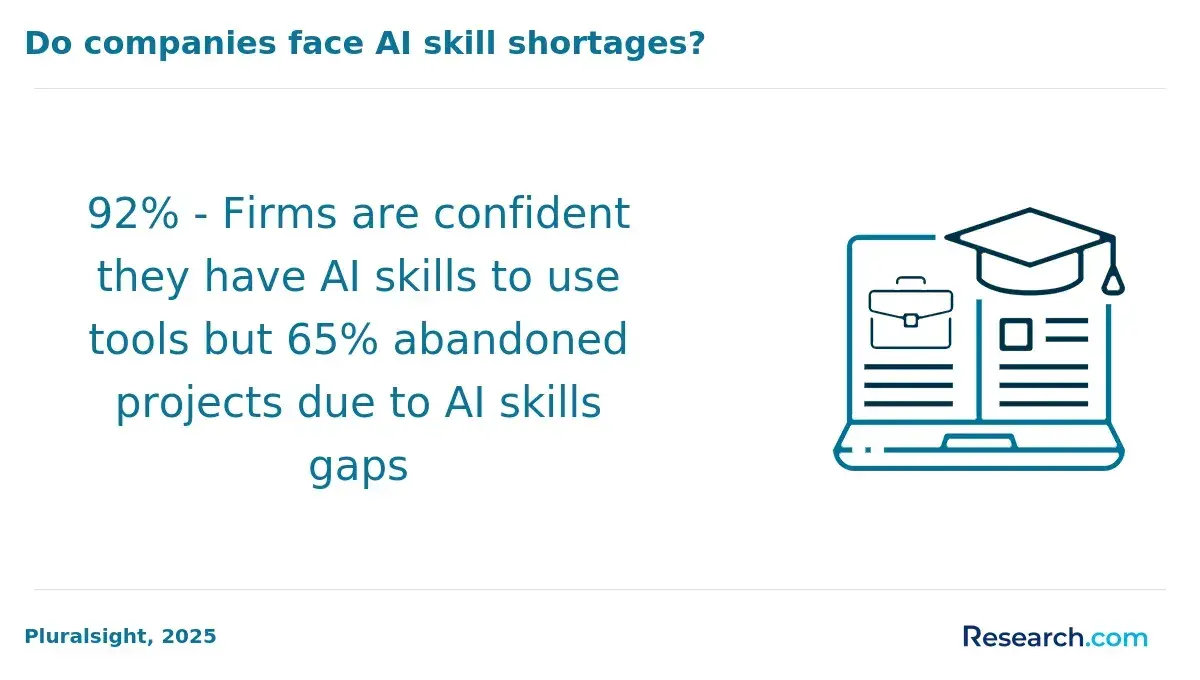
How do online and campus-based AI bachelor's degrees compare for aspiring entrepreneurs?
Online and campus-based AI bachelor's degrees for entrepreneurs present distinct advantages that hinge on personal goals and circumstances. Online programs excel in flexibility, crucial for startup founders balancing business activities with education.
A Coursera study showed that 68% of learners pursuing AI credentials chose online or hybrid formats to support entrepreneurial efforts, enabling real-time application of skills.
Traditional campus degrees, meanwhile, provide immersive environments with direct access to faculty, labs, and networking. Entrepreneurs who thrive on mentorship, collaborative projects, and infrastructure often prefer these hands-on experiences.
These programs usually have fixed semesters and synchronous classes, which may limit flexibility.
Many hybrid models now merge the benefits of both, blending online coursework with on-site residencies, catering well to those seeking balanced entrepreneurial support and comprehensive technical training. When choosing, consider learning style, resource access, and time availability.
For startup founders evaluating benefits of online and traditional AI degrees, online degrees suit independent learners needing schedule control and immediate business application. Campus programs favor students valuing a social, mentorship-rich environment.
Students should also explore options for a cheap online engineering degree to maximize their educational investment while pursuing AI expertise and entrepreneurial ambitions.
What are the admission requirements and prerequisites for AI bachelor's degree programs?
Admission criteria for artificial intelligence bachelor's degrees in the US commonly include a strong foundation in mathematics and programming. Approximately 73% of selective programs require coursework in calculus and programming experience, creating a barrier for non-traditional founders without formal STEM backgrounds.
Applicants typically submit transcripts showing quantitative courses such as calculus, statistics, or linear algebra, alongside proficiency in Python, Java, or C++.
Standardized test scores like the SAT or ACT are often requested, though some programs waive these requirements. Letters of recommendation and personal statements emphasizing technical skills and entrepreneurial motivation are standard components.
Some schools offer prerequisite boot camps or foundational courses for those new to programming or advanced math. Variations exist based on program focus; interdisciplinary tracks may admit students with business or economics degrees if they complete supplemental technical coursework.
Community college transfer paths are a cost-effective way to fulfill prerequisites. Prospective students can strengthen applications through online coding certificates or MOOCs in calculus and programming.
Admissions advisors suggest documenting any self-directed or professional software development or data analysis experience, especially for entrepreneurs, helping meet the prerequisites for AI bachelor programs for entrepreneurs.
For students interested in related fields, an accelerated cyber security degree online offers another fast-track option to tech careers.
How long does an AI bachelor's degree take to complete, and what is the typical cost?
An AI bachelor's degree typically requires four years of full-time study, covering core subjects such as computer science, mathematics, and statistics, along with specialized topics like machine learning, neural networks, and data analysis. Some programs offer accelerated or part-time options, extending completion to five or six years for working students or those balancing other commitments.
The cost varies widely between institutions. Private universities charge around $58,000 per year for AI-related degrees, totaling approximately $232,000 for four years, excluding housing and fees. Public universities provide a more affordable alternative, costing about $28,000 annually, or roughly $112,000 over four years.
This makes public options nearly half the price of private institutions.
Students should factor in scholarships, financial aid, and career goals when choosing a program. Cooperative education and internship opportunities in some AI degrees can help offset expenses while offering valuable experience.
Online and hybrid degree formats also present cost-saving and flexible learning alternatives.
Ultimately, graduates must balance program length and price with education quality and industry networks, which are crucial for employability and success in the competitive AI field.
What career roles and job titles do AI bachelor's graduates pursue in startups and entrepreneurship?
Graduates holding a bachelor's degree in artificial intelligence often find diverse career opportunities in startups and entrepreneurial ventures. According to Burning Glass Technologies' labor market analysis, 28% of these graduates work as machine learning engineers, 22% become data scientists, and 18% take on AI product manager roles in startup settings.
These positions emphasize applying AI skills in product development, algorithm design, and data analysis.
Machine learning engineers create and improve AI models that power innovative products, requiring strong programming skills and algorithm knowledge. This role is well-suited for graduates who enjoy technical challenges and real-time system optimization.
Data scientists analyze and interpret large datasets using statistical methods and predictive modeling, providing startups with actionable insights to inform business strategy and product innovation. This role fits those who blend domain expertise with mathematics.
AI product managers coordinate the development of AI-driven products by linking technical teams and business objectives. They manage feature definitions and timelines, needing strong communication and strategic thinking skills, ideal for graduates aiming for leadership within startups.
Other career paths include AI research analysts, who explore new technological advancements, and AI consultants, assisting startups in adopting AI. Additionally, some graduates launch their own innovative ventures, leveraging AI expertise.
What is the job outlook and salary potential for AI degree holders starting their own businesses?
The job outlook for AI degree holders launching their own businesses is exceptionally positive. According to the U.S. Bureau of Labor Statistics 2024 Occupational Outlook Handbook, employment for AI and machine learning specialists is projected to grow by 18% through 2032, far surpassing the 3% average growth across all fields.
This highlights a strong demand for AI-driven entrepreneurial ventures.
Entrepreneurs with a bachelor's degree in AI bring specialized skills that enable innovation in sectors like healthcare, finance, and retail automation. They have opportunities to develop AI-powered products such as personalized recommendations, predictive analytics, and autonomous systems.
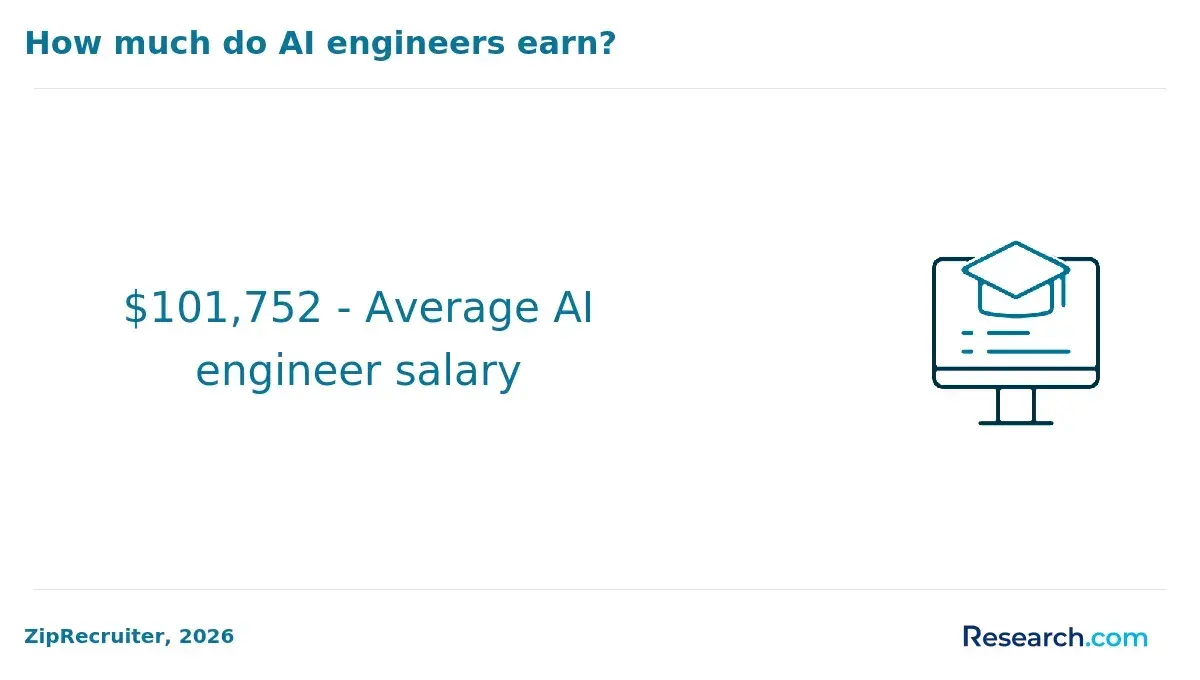
The median salary for AI specialists stands at $156,000, providing a robust financial incentive to start new ventures.
While securing venture capital and navigating AI ethical standards can present challenges, access to diverse funding and industry partnerships is expanding. Founders who stay current with technical skills, leverage online AI courses, or join AI incubators may increase their chances of success.
Prioritizing regulatory compliance and data privacy is essential given the sensitive nature of data handled by AI startups.
In all, a bachelor's degree in AI opens doors to profitable, high-growth entrepreneurship backed by reliable labor market data.
What core and specialized courses are included in AI bachelor's degree curricula?
Most AI bachelor's degree programs include essential courses such as machine learning and neural networks, which are part of 92% of curricula, based on an analysis by the Association for Computing Machinery. These classes teach students how to create algorithms that allow computers to learn from data and imitate human decision-making processes.
Natural language processing (NLP) appears in 81% of programs, covering how AI systems comprehend and generate human language, a crucial skill for applications like chatbots, voice assistants, and translation tools.
Beyond these fundamentals, many programs offer specialized subjects like computer vision, robotics, data mining, and reinforcement learning. These courses apply AI methods to areas such as image recognition, autonomous systems, finding patterns in large datasets, and decision-making in changing environments.
Only about a third of the programs include entrepreneurship or startup-focused modules that teach product development, business models, and venture financing. Prospective students aiming to launch AI ventures should seek programs with these components or find supplemental resources.
Additionally, coursework often includes software engineering, data ethics, and AI policy to equip graduates for industry challenges and regulatory requirements. Many degrees combine theory with hands-on projects or internships for real-world experience.
It is important to review school course offerings carefully to ensure alignment with one's career goals and interests.
Are professional certifications or licensing requirements necessary after earning an AI bachelor's degree?
Professional certifications have become increasingly valuable for entrepreneurs and startup founders with an AI bachelor's degree, even though formal licensing is uncommon. According to a Gartner survey, 64% of AI professionals in startup roles hold additional industry certifications beyond their degree, highlighting their role in demonstrating expertise and practical skills in this fast-changing field.
Cloud certifications like AWS Certified Machine Learning and Google Cloud Professional Data Engineer are the most common, with 47% of startup AI professionals earning these credentials. These certifications confirm the ability to deploy AI models on scalable cloud infrastructure, a critical skill for startups leveraging modern technology platforms.
Founders seeking investors or partners often pursue certifications to boost credibility and technical leadership. Additionally, certifications help entrepreneurs navigate regulatory compliance and security standards crucial for trustworthy AI products.
While licensing is generally not required, certain sectors, such as healthcare AI, may demand legal or ethical compliance certifications. Non-technical credentials, including project management certifications like PMP, can also be advantageous for managing diverse teams.
AI bachelor's graduates should carefully choose certifications aligned with their business objectives and technology environment to enhance both marketability and operational effectiveness.
How should prospective students evaluate and choose between different AI bachelor's degree programs?
Prospective students should carefully assess AI bachelor's degree programs by focusing on post-graduation employment outcomes and founder success rates, as these directly impact return on investment (ROI). Despite ROI being a top factor, only 31% of students review these metrics, according to a study from the National Center for Education Statistics.
Prioritize programs that transparently share career placement details, such as job titles, employers, and average salaries for graduates.
Curriculum depth and specialization are crucial. Strong AI programs typically cover machine learning, data science, ethics, entrepreneurship, and coding skills. Programs with integrated business strategy, innovation labs, or accelerator partnerships offer extra value to entrepreneurs.
Some universities even provide interdisciplinary projects simulating startup environments, helping students gain practical experience.
Faculty expertise and industry contacts matter significantly. Programs led by professors with AI or startup backgrounds often provide better mentorship and networking.
Look for institutions offering internships or cooperative education in AI or tech startups, since hands-on experience enhances employability.
Cost and financial aid also affect ROI. Compare tuition costs against potential salary outcomes. Public universities may offer competitive pricing with solid AI options, while private ones often emphasize entrepreneurship but at higher prices.
Always verify accreditation and program recognition to ensure quality.
Investigate alumni success, especially in entrepreneurship and AI startups. Programs with incubators or venture capital connections can be invaluable for founders needing early-stage funding and guidance.
Other Things You Should Know About Artificial Intelligence
In 2027, ethical consideration is crucial in AI education for budding entrepreneurs and founders. Courses emphasize understanding biases and ensuring AI applications are transparent and equitable. This focus prepares students to develop responsible AI solutions, fostering trust and innovation in their startups.
AI bachelor's programs in 2027 for startup founders focus on learning coding languages such as Python, R, and TensorFlow. These skills are crucial for developing AI algorithms and models, enabling founders to create and implement AI-driven solutions in their startups effectively.
It should be accredited by a recognized regional or national body, such as ABET for computing-related programs in the United States or an equivalent agency approved by the country’s higher-education authority. Accreditation confirms minimum standards and is often required for transfer credit and employer recognition.
Absolutely. Artificial intelligence skills benefit entrepreneurs across various sectors such as healthcare, finance, retail, and manufacturing by enabling automation, data-driven decision-making, and innovation. A grounded AI education equips founders to integrate intelligent solutions that optimize business processes beyond traditional tech fields.
AI bachelor's degrees equip entrepreneurs with critical AI technologies and methodologies, facilitating innovative problem-solving and efficient resource management in tech startups. Graduates can leverage their skills for venture creation or further specialization, such as a financial AI master’s degree.
References
- Artificial Intelligence (procedure for non-EU students) https://apply.unipv.eu/enter/295
- AI In Higher Education: How To Choose The Right Model https://www.quadc.io/blog/ai-in-higher-education-how-to-choose-the-right-model
- What Are the Requirements for an AI Certificate - IABAC https://iabac.org/blog/what-are-the-requirements-for-an-ai-certificate
- AI Certification Programs: Which Ones Matter for Your Career https://www.businessplusai.com/blog/ai-certification-programs-which-ones-matter-for-your-career
- International Bachelor of Science in AI https://psl.eu/en/education/international-bachelor-science-ai
- AI Meets Business: The Smart Degree for Tomorrow’s Business... https://www.euruni.edu/blog/ai-meets-business-the-smart-degree-for-tomorrows-business-leaders/
- 59 AI Job Statistics: Future of U.S. Jobs | National University https://www.nu.edu/blog/ai-job-statistics/
- How Long Does It Take to Complete an AI Course https://www.epw.com/blog/courses/how-long-is-ai-course
- What do you learn in a bachelor's in artificial intelligence? | edX https://www.edx.org/resources/what-do-you-learn-in-a-bachelors-in-artificial-intelligence
- Artificial Intelligence Course Eligibility: Requirements & Prerequisites https://www.mygreatlearning.com/artificial-intelligence/courses/eligibility