2027 How to Become a Special Education Teacher in Scottsdale, AZ: Education Requirements & Certification

Co-Founder and Chief Data Scientist
Becoming a special education teacher in Scottsdale, AZ requires more than wanting to work with students who have disabilities. You need the right degree background, Arizona educator certification, supervised classroom experience, required exams, and a valid fingerprint clearance card before most schools can place you in a special education classroom.
This guide explains the Scottsdale pathway clearly: required coursework, certification steps, alternative routes for career changers, expected costs and timelines, salary information, renewal rules, and common mistakes that can slow down your start date. It is written for future teachers, bachelor’s degree holders considering a career change, paraprofessionals, and education students who want a practical roadmap for teaching special education in Arizona.
Quick answer: How do you become a special education teacher in Scottsdale, AZ?
To teach special education in Scottsdale, you generally need a bachelor’s degree, completion of an approved educator preparation program in special education, passing scores on Arizona-required educator exams, a valid Arizona DPS IVP Fingerprint Clearance Card, and certification through the Arizona Department of Education. If your bachelor’s degree is not in education, you may still qualify through a post-baccalaureate or alternative certification pathway.
Key things to know before you start
- Scottsdale special education teachers must meet Arizona certification rules, not just local district hiring preferences.
- Required preparation usually includes special education law, IEPs, assessment, instructional methods, behavior support, language development, and supervised fieldwork.
- The average salary for a special education teacher in Scottsdale is approximately $61,496 annually, though pay varies by district, experience, credentials, and role.
- Arizona allows non-education bachelor’s degree holders to pursue certification, but they still must complete an approved preparation route and state requirements.
- Delays often happen when candidates take the wrong exams, overlook fingerprint clearance, choose a non-approved program, or wait too long to document field experience.
- What coursework is required for special education certification in Scottsdale, AZ?
- How do you earn Arizona certification to teach special education in Scottsdale?
- How much does special education teacher certification cost in Scottsdale?
- How long does special education teacher training take in Scottsdale?
- What salary can special education teachers expect in Scottsdale?
- Are special education teachers in demand in Scottsdale?
- Can you become a special education teacher in Scottsdale without a teaching degree?
- How can mentorship and networking support your special education career?
- What are the benefits of BCBA certification for Scottsdale special educators?
- How do you keep your Arizona special education certification active?
- What challenges do Scottsdale special education teachers face?
- Which Scottsdale-area schools hire special education teachers?
- How can mental health collaboration improve special education outcomes?
What are the coursework requirements for special education certification in Scottsdale, AZ?
Arizona-approved special education preparation programs must train candidates in both disability-specific instruction and the legal responsibilities of serving students with disabilities. In Scottsdale, the coursework you complete must support Arizona certification requirements because local schools rely on state credentials when hiring teachers.
Core coursework areas
| Coursework area | What you learn | Why it matters in the classroom |
| Special education law and policy | Federal and Arizona rules, eligibility, due process, IEP responsibilities, and student rights | Teachers must write, follow, and monitor legally compliant IEPs. |
| Assessment and evaluation | Progress monitoring, formal and informal assessment, eligibility data, and instructional adjustment | Special educators use data to decide whether interventions are working. |
| Instructional strategies | Methods for teaching reading, writing, math, communication, and functional skills to students with disabilities | Students often need individualized, explicit, and scaffolded instruction. |
| Behavior management | Positive behavior supports, classroom routines, de-escalation, and behavior intervention planning | Effective behavior support protects learning time and student safety. |
| Language development and disorders | Typical and atypical language development, communication supports, and collaboration with specialists | Many students receiving special education services need communication-focused support. |
| Fieldwork or student teaching | Supervised practice in a school setting | Candidates must demonstrate they can apply coursework with real students. |
Practical training is not optional
Most certification routes include practicum, internship, or student teaching requirements in a special education setting. This supervised experience is where candidates practice lesson planning, IEP implementation, family communication, behavior support, and collaboration with general education teachers and related service providers.
Coursework alone is not enough. To move from preparation to certification, you also need to pass Arizona-required exams, obtain fingerprint clearance, and submit documentation to the Arizona Department of Education.
One Scottsdale special education teacher described the preparation period this way: “The hardest part was managing rigorous coursework while completing fieldwork. I had to learn how to adapt lessons for students with very different needs, and that challenged both my patience and creativity. Support from mentors and classmates helped me keep going. Once I began seeing each challenge as a chance to design better instruction, the work became deeply motivating.”
How do you get certified to teach special education in Scottsdale, AZ?
Scottsdale follows Arizona’s statewide educator certification process. The school district or charter school may have its own hiring steps, but the teaching credential comes through the Arizona Department of Education.
- Earn a bachelor’s degree. Arizona special education teachers must hold a bachelor’s degree from an accredited college or university.
- Complete an approved educator preparation program. Choose a special education teacher preparation route that includes required coursework and supervised classroom experience.
- Pass the required exams. Candidates typically complete Arizona Educator Proficiency Assessments, including professional knowledge and special education subject knowledge exams.
- Apply for fingerprint clearance. A valid Arizona Department of Public Safety IVP Fingerprint Clearance Card is required before working with students.
- Submit your application to the Arizona Department of Education. Your packet generally includes transcripts, exam scores, program completion verification, fingerprint clearance information, and required fees.
- Apply for Scottsdale-area teaching positions. Once eligible or certified, you can apply to district, charter, and private school roles that match your credential area.
If you are still comparing the profession with other teaching options, Research.com’s guide to the special education teaching career path explains broader requirements, responsibilities, and career possibilities.
Certification checklist
| Requirement | What to verify | Common delay to avoid |
| Bachelor’s degree | The institution is accredited and transcripts are available | Waiting until the last minute to request official transcripts |
| Educator preparation program | The program is accepted for Arizona certification | Enrolling in a program that does not meet Arizona requirements |
| State exams | You know which AEPA or NES exams apply to your certificate | Registering for the wrong test or delaying exam preparation |
| Fingerprint clearance | Your Arizona DPS IVP Fingerprint Clearance Card is valid | Applying too late and missing hiring deadlines |
| Certification application | All documents, forms, scores, and fees are included | Submitting an incomplete application |
The chart below shows the college majors most commonly reported among certified special education teachers.
How much does it cost to get certified as a special education teacher in Scottsdale, AZ?
The cost depends on whether you complete an undergraduate degree, post-baccalaureate certification program, master’s degree, or alternative certification route. For candidates who already have a bachelor’s degree, local and alternative pathways may be less expensive than earning a second full degree.
| Pathway | Reported cost information | Best fit |
| Post-baccalaureate route, such as the STEP program at Scottsdale Community College | Approximately $85 per credit hour, with total certification costs typically under $5,000 | Bachelor’s degree holders who want a local, lower-cost pathway |
| Alternative certification, such as Arizona Teachers of Tomorrow | About $4,795 total, including enrollment and monthly payments | Career changers who want a structured alternative route with payment flexibility |
| Graduate certification route | Costs vary by institution and program length | Candidates who want certification plus graduate-level preparation |
Tuition is only one part of the total cost. Candidates should also budget for certification application fees, fingerprint clearance, professional exams, textbooks, technology fees, transportation to field placements, and possible lost income during student teaching or internship periods.
Before enrolling, ask each program for a full cost sheet that separates tuition from fees. Also ask whether financial aid, scholarships, employer reimbursement, payment plans, or district partnerships are available. If you are considering advanced study later, Research.com’s list of best doctorate in special education online programs can help you understand long-term education options beyond initial certification.
How long does it take to complete special education teacher training in Scottsdale, AZ?
Special education teacher preparation in Scottsdale commonly takes 12 months to two years for candidates who already have a bachelor’s degree. The exact timeline depends on your program format, transfer credits, field placement schedule, exam readiness, and whether you enroll full time or part time.
| Training route | Typical timeline stated | What can affect completion time |
| Scottsdale Community College STEP program | Completed in just 12 months; hybrid format meeting two evenings per week with field experience | Availability of field placements, course sequencing, and exam timing |
| Arizona State University Special Education (Teacher Certification), MEd | About five semesters, or around 20 months, for single certification; longer for dual certification | Graduate course load, practicum requirements, and dual-certification plans |
| Traditional undergraduate degree | About four years | General education requirements, major requirements, and student teaching schedule |
| Alternative or online pathway | Varies by provider and candidate background | Program approval, district employment status, testing pace, and documentation |
To avoid extending your timeline, meet with an advisor before enrolling, map out exam dates early, apply for fingerprint clearance as soon as you are eligible, and confirm when your fieldwork or student teaching placement will occur. Candidates balancing work and family responsibilities should ask whether evening, hybrid, or online coursework is available.
Readers comparing teacher preparation options more broadly may also find Research.com’s discussion of what is the easiest ECE degree program useful when weighing program structure and flexibility.
What is the average salary for special education teachers in Scottsdale, AZ?
Special education teachers in Scottsdale, AZ earn an average hourly wage of $29.57, or approximately $61,496 per year. That equals about $5,124 per month or $1,182 per week. Reported annual pay ranges from $50,300 at the 25th percentile to $66,400 at the 75th percentile, with top earners reaching up to $84,546 annually.
Entry-level special education teacher pay in Scottsdale typically starts between $49,109 and $54,340 per year based on recent Scottsdale Unified School District postings. Part-time positions may begin near $25 per hour.
Pay can rise with classroom experience, advanced education, hard-to-staff assignments, leadership duties, and specialized credentials. Teachers with endorsements or expertise in areas such as behavioral intervention or autism spectrum disorder may improve their competitiveness for specialized roles, with some specialized positions reaching salaries of around $65,394. Department chair, instructional coach, mentor teacher, and case management leadership responsibilities can also influence compensation.
When comparing income, remember that salary is only part of total compensation. Review benefits, retirement contributions, paid leave, contract length, caseload expectations, planning time, and extra-duty stipends before deciding whether a job offer is strong. For teachers considering affordable ways to strengthen credentials, Research.com’s list of affordable online education degrees may help identify lower-cost education options.
Are special education teachers in demand in Scottsdale, AZ?
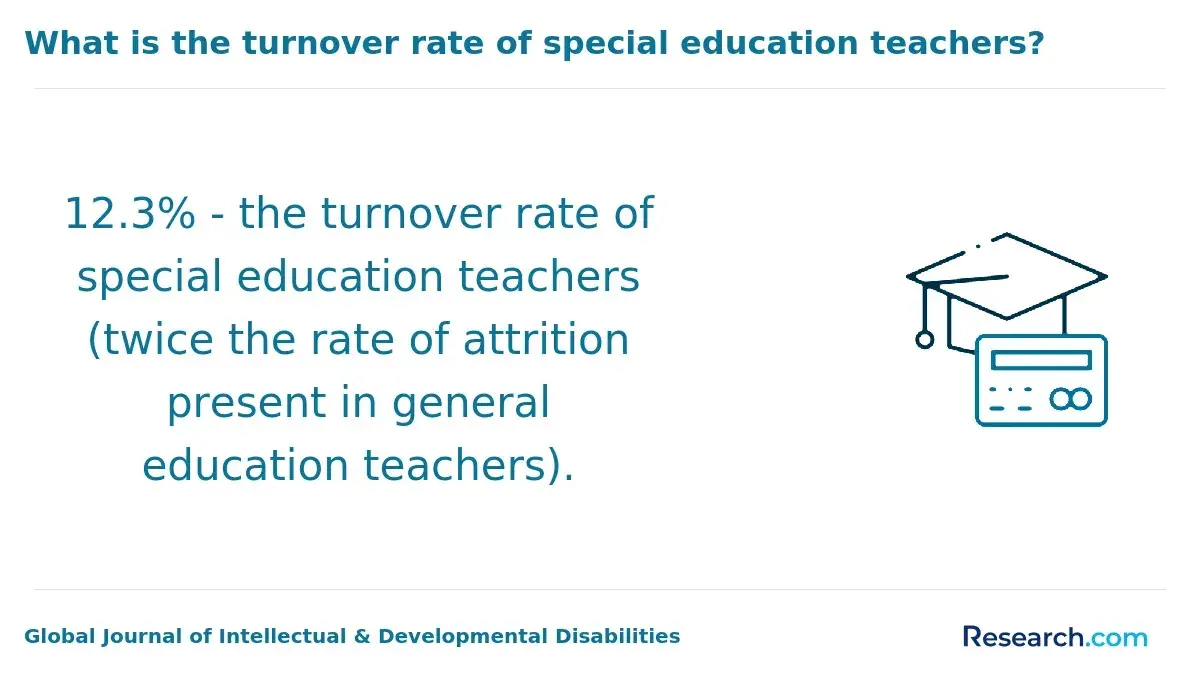
Yes. Scottsdale schools need certified special education teachers because Arizona schools must provide appropriate services to eligible students with disabilities. With over 10% of Arizona’s K–12 students receiving special education services, districts and charter schools need teachers who can deliver instruction, manage IEPs, collaborate with families, and document progress.
Demand is shaped by student enrollment, service needs, teacher turnover, inclusive education practices, and legal requirements. Scottsdale’s hiring market includes district schools, charter networks, and specialized programs. Candidates with Arizona special education certification, IEP experience, behavior support skills, and confidence working with multidisciplinary teams are often better positioned than applicants who only meet minimum requirements.
Skills Scottsdale employers often value
- IEP writing, implementation, and progress monitoring
- Case management and compliance documentation
- Direct instruction in reading, writing, math, communication, and functional skills
- Collaboration with general education teachers, families, paraprofessionals, therapists, and administrators
- Experience with applied behavior analysis strategies, positive behavior support, and individualized interventions
- Comfort using education technology, assistive tools, and data systems
Demand does not guarantee a job offer. Certification area, school needs, interview quality, references, fieldwork experience, and timing all matter. Apply early in the hiring cycle, but also monitor midyear openings, long-term substitute roles, and special education aide positions that can lead to full-time teaching opportunities.
Can you become a special education teacher in Scottsdale, AZ, without a teaching degree?
Yes, but not without a bachelor’s degree. Arizona allows candidates with a bachelor’s degree in another field to pursue special education certification through approved post-baccalaureate or alternative educator preparation routes. Your major does not have to be education, but you still need to complete teacher preparation requirements, pass required exams, and meet fingerprint clearance and certification rules.
Best options for non-education majors
| Path | How it works | Who should consider it |
| Post-baccalaureate certification program | You complete education coursework and field experience after earning a bachelor’s degree. | Career changers who want a structured route focused on certification. |
| Alternative certification program | You complete required preparation while moving toward certification, sometimes with employment-linked options. | Adults changing careers who need flexibility and a faster transition. |
| Online teacher preparation, such as Moreland University’s TEACH-NOW | Fully online preparation designed to be completed in about nine months. | Candidates who need remote coursework and can meet Arizona certification expectations. |
| Emergency or alternative district-supported route | A school may hire a candidate temporarily while certification requirements are completed. | Candidates in shortage areas who have district support and a clear completion plan. |
Before choosing a nontraditional pathway, ask the program to confirm in writing that it supports Arizona special education certification. Also verify which AEPA exams you need, when fieldwork occurs, how student teaching is arranged, and whether the program helps with Arizona Department of Education documentation.
How can mentorship and professional networking opportunities boost your special education career in Scottsdale, AZ?
Mentorship can make the first years of special education teaching more manageable. New teachers must learn curriculum, IEP procedures, parent communication, behavior plans, progress reporting, and district systems at the same time. A strong mentor helps translate certification training into daily classroom decisions.
Professional networks also help teachers find openings, learn district expectations, share intervention ideas, and stay current with legal and instructional changes. Scottsdale educators can build connections through school-based mentor programs, local teacher groups, professional development sessions, conferences, online communities, and graduate cohorts.
If cost is a concern while entering the profession, Research.com’s guide to the cheapest way to become a teacher in Scottsdale can help you compare lower-cost credentialing strategies.
What are the benefits of obtaining BCBA certification in Scottsdale, AZ?
Board Certified Behavior Analyst training can be useful for special education teachers who want deeper expertise in behavior assessment, intervention design, and data-based decision-making. BCBA certification is not the same as an Arizona special education teaching certificate, but it can complement teaching credentials for educators who work with students who need intensive behavioral support.
For Scottsdale special educators, BCBA preparation may support stronger behavior intervention plans, more precise IEP goals, improved collaboration with families and behavior teams, and access to specialized school-based roles. It may be especially relevant for teachers working with students with autism spectrum disorder, emotional disabilities, or significant behavioral needs.
Because BCBA requirements are separate from teaching certification, review prerequisites carefully before investing time or money. Research.com’s guide to BCBA certification requirements in Scottsdale outlines the steps in more detail.
How do you maintain your special education certification in Scottsdale, AZ?
Arizona standard teaching certificates must be renewed every six years. To maintain special education certification, teachers need 90 clock hours of professional development aligned with Arizona academic and professional educator standards. Required areas may include child abuse awareness, human trafficking, dyslexia screening, and technology for students with reading impairments.
You may submit a renewal application up to six months before expiration. If the certificate expires, Arizona allows a one-year grace period for renewal; after that, you may need to reapply under the current standards.
Renewal steps for Scottsdale special education teachers
- Track professional development every year. Completing 15 hours annually can help you reach 90 hours over six years without rushing.
- Keep your Arizona DPS IVP Fingerprint Clearance Card active. Renewal problems can affect your ability to work with students.
- Save documentation. Keep official transcripts, district verification forms, certificates of completion, and other proof of approved professional development.
- Submit the renewal application and fee. The renewal fee is $20 per certificate, and applications may be submitted by mail or in person to the Arizona Department of Education.
- Complete required disclosures. Include the criminal history disclosure form and any other required documentation.
Helpful renewal resources include the Arizona Department of Education Certification Unit in Phoenix, district professional development offices, Happy Teacher Professional Development, and regionally accredited colleges that offer eligible renewal credits.
The chart below shows the distribution of college students by commonly reported disabilities.
What are the most common challenges faced by special education teachers in Scottsdale, AZ?
Special education teaching can be highly rewarding, but it is also demanding. Scottsdale teachers often manage academic instruction, legal documentation, behavior support, parent communication, and collaboration across multiple service providers.
| Challenge | Why it matters | How to prepare |
| Large or complex caseloads | Teachers may support students with very different needs, goals, and service minutes. | Build strong systems for scheduling, documentation, and progress monitoring. |
| IEP paperwork and compliance | Documentation errors can affect services and legal compliance. | Learn district systems early and ask for feedback from experienced case managers. |
| Behavior support needs | Students may need individualized strategies beyond standard classroom management. | Seek training in positive behavior supports, de-escalation, and data collection. |
| Collaboration demands | Special educators coordinate with families, general education teachers, aides, therapists, and administrators. | Use clear communication routines and document decisions after meetings. |
| Limited time and resources | Teachers may need to adapt materials, train aides, and serve multiple grade levels. | Prioritize high-impact interventions and reuse well-designed templates when appropriate. |
| Emotional workload | The job can involve difficult conversations, student crises, and advocacy challenges. | Use mentorship, team support, and sustainable boundaries to reduce burnout risk. |
Common mistakes that can delay your teaching career
- Choosing a program before checking Arizona certification alignment. Always confirm that the pathway supports Arizona special education licensure.
- Focusing only on tuition. Exams, fingerprinting, application fees, materials, and fieldwork logistics can change the true cost.
- Waiting too long to take required exams. Failed or delayed exams can push back certification and hiring.
- Assuming online programs automatically meet Arizona rules. Online can be convenient, but certification requirements are state-specific.
- Ignoring field placement requirements. Student teaching and practicum timing can determine when you actually finish.
- Letting fingerprint clearance lapse. Schools may not be able to place you with students without valid clearance.
- Relying only on rankings or advertisements. Ask direct questions about approval status, pass-rate support, placement help, and total cost.
Which school districts in Scottsdale, AZ, are hiring special education teachers?
Scottsdale-area hiring includes public districts and charter networks. Requirements vary by employer, but special education certification, IEP experience, and strong collaboration skills are commonly valued.
| Employer | What candidates should know | How to strengthen your application |
| Scottsdale Unified School District | SUSD is a major local employer and requires a valid Arizona Special Education Certificate plus a bachelor’s degree in special education or a related field. | Highlight IEP development, case management, direct instruction, and collaboration with general education teams. |
| BASIS Scottsdale | This charter network has offered special education roles with sign-on bonuses up to $5,000. | Emphasize individualized instruction, data use, and applied behavior analysis strategies when relevant. |
| Great Hearts Academies | Certified special education teachers are needed to develop and implement IEPs in collaborative school environments. | Show evidence-based instruction skills and experience supporting inclusive classrooms. |
When reviewing postings, look beyond the job title. A “special education teacher” role may involve resource instruction, inclusion support, self-contained classrooms, case management, behavior programming, or a combination of responsibilities. Research.com’s guide to special education job salary can help you compare roles and career paths within the field.
What do special education teachers in Scottsdale, AZ, have to say about their careers?
“Earning my special education credential at Arizona State University in Tempe changed how I understood teaching. The preparation helped me handle the realities of Scottsdale classrooms, and the community support has made the work feel meaningful. Working with families who care deeply about inclusion has helped me grow as both a teacher and a person.” Johnson
“After graduating from Grand Canyon University, I found special education teaching in Scottsdale to be both challenging and fulfilling. The city’s culture and outdoor spaces have given me creative ways to connect learning with activities that support students academically and therapeutically.” Tyler
“Northern Arizona University gave me the foundation I needed for this career. Scottsdale offers stability and room for professional growth, which matters when you are planning long term. The work also pushes me to reflect, adjust, and keep improving based on what my students need.” Diane
How can partnering with mental health professionals enhance special education outcomes in Scottsdale, AZ?
Special education students may need academic, behavioral, emotional, and social support at the same time. Collaboration with school counselors, psychologists, social workers, behavior specialists, and outside mental health providers can help teachers identify concerns earlier and design more complete support plans.
In practice, this collaboration can improve behavior intervention plans, strengthen IEP services, support crisis prevention, and help families connect with appropriate resources. Teachers still remain responsible for instruction and special education compliance, but mental health professionals can add expertise that improves student well-being and classroom stability.
Educators interested in related professional pathways can review Research.com’s guide on how to become a mental health counselor in Scottsdale.
Related Articles for Nearby States
- 2027 How to Become a Special Education Teacher in New Mexico: Requirements & Certification
- 2027 How to Become a Special Education Teacher in Nevada: Requirements & Certification
- 2027 How to Become a Special Education Teacher in California: Requirements & Certification
- 2027 How to Become a Special Education Teacher in Utah: Requirements & Certification
- 2027 How to Become a Special Education Teacher in Colorado: Requirements & Certification
- 2027 How to Become a Special Education Teacher in Texas: Requirements & Certification
- 2027 How to Become a Special Education Teacher in Oklahoma: Requirements & Certification
- 2027 How to Become a Special Education Teacher in Kansas: Requirements & Certification
- 2027 How to Become a Special Education Teacher in Wyoming: Requirements & Certification
- 2027 How to Become a Special Education Teacher in Idaho: Requirements & Certification
Key insights
- To teach special education in Scottsdale, you need Arizona certification, not just a degree or classroom experience.
- The standard pathway includes a bachelor’s degree, an approved special education preparation program, required AEPA or NES exams, fingerprint clearance, and an Arizona Department of Education application.
- Career changers can enter the field without an education major, but they still need an approved post-baccalaureate, alternative, or educator preparation route.
- Reported Scottsdale certification costs include options such as approximately $85 per credit hour through the STEP program, with total certification costs typically under $5,000, and about $4,795 for Arizona Teachers of Tomorrow.
- Training may take 12 months to two years for many bachelor’s degree holders, while traditional undergraduate preparation usually takes about four years.
- Scottsdale special education teachers earn an average of approximately $61,496 annually, with pay influenced by experience, credentials, district, and specialized responsibilities.
- The most avoidable delays are choosing a non-approved program, postponing exams, failing to secure fingerprint clearance, and underestimating fieldwork or documentation requirements.
- Strong candidates build skills in IEPs, behavior support, data-based instruction, family communication, and collaboration with general education and mental health professionals.
References:
- Arizona Department of Education. (n.d.). Welcome to educator certification. Arizona Department of Education.
- Arizona State University. (n.d.). Special education (teacher certification), MEd. Mary Lou Fulton College for Teaching and Learning Innovation. Arizona State University.
- Daily Independent. (2023, June 14). Special education gaps: Are Arizona schools meeting student needs? Daily Independent.
- Maricopa Community Colleges. (n.d.). Elementary education and special education (BAEE/SPED). Maricopa Community Colleges.
- Moreland University. (2025, June 19). How to become a special education teacher in Arizona: Steps & requirements. Moreland University.
Other Things You Need to Know About Becoming a Special Education Teacher in Scottsdale, AZ
The Arizona Department of Education, through the Educator Certification unit, issues special education teaching certificates for Scottsdale educators. Applicants must apply through AZEDCert, submit transcripts, fingerprint clearance, and meet Arizona certification rules for the special education grade level and assignment they want.
In 2027, aspiring special education teachers in Scottsdale, AZ, must pass the Arizona Educator Proficiency Assessments (AEPA). These include both a Special Education exam and a Professional Knowledge test to qualify for certification by the Arizona Department of Education.