2027 How to Become a Special Education Teacher in Tennessee: Requirements & Certification

Co-Founder and Chief Data Scientist
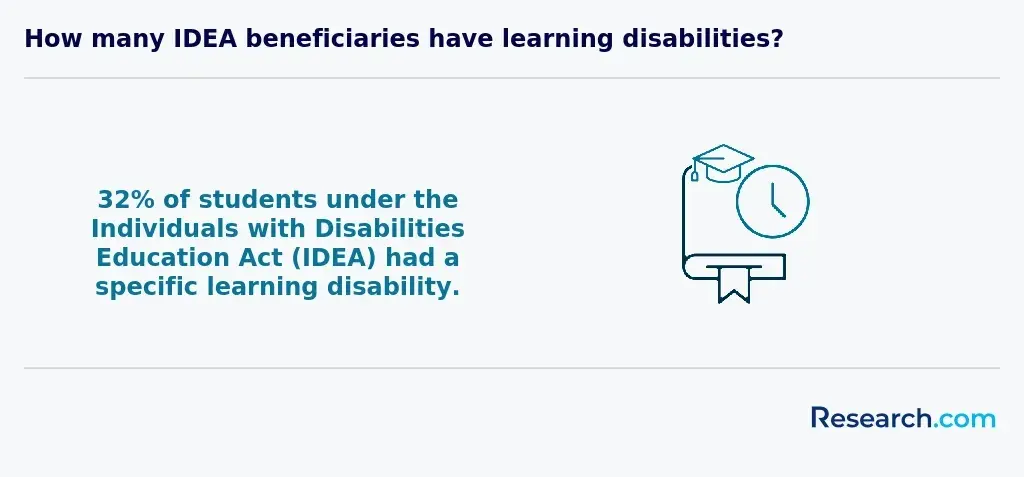
Becoming a special education teacher in Tennessee means preparing for a classroom role that combines instruction, legal compliance, behavioral support, family communication, and student advocacy. The need is clear: the Individuals with Disabilities Education Act (IDEA) protects access to services for students with disabilities, and Tennessee supports approximately 13% of students ages 3 to 21 under this law (National Center for Education Statistics, 2024). At the same time, 31% of SPED teaching positions were vacant during the 2022-23 school year (Amos, 2023), making qualified special education teachers especially important to districts across the state.
This guide explains how to become a licensed special education teacher in Tennessee, what education and testing requirements to expect, how long the process usually takes, what salaries look like, where demand is strongest, and how to decide whether this career path fits your goals. It also covers private school options, advanced roles, financial aid, professional development, and related careers that can expand your impact with students who need specialized support.
Quick Answer: How do you become a special education teacher in Tennessee?
To become a special education teacher in Tennessee, you typically need to complete a bachelor’s degree through an accredited educator preparation program, finish supervised student teaching, meet academic and assessment requirements, pass required background checks, and apply for Tennessee teacher licensure with the appropriate special education endorsement. The standard route often takes about five to seven years, depending on whether you pursue only initial licensure or add graduate study or advanced credentials.
Key Things You Should Know About Becoming a Special Education Teacher in Tennessee
- Tennessee expects continued need for special education teachers, with projected job growth of 5% to 12% through 2030.
- Average salary estimates commonly fall between $50,000 and $65,000 annually, although pay varies by district, role, school level, credentials, and years of experience.
- Professional organizations such as the Tennessee Council for Exceptional Children can help teachers build skills, stay current with policy changes, and connect with peers in the field.
- Large employers such as Memphis-Shelby County Schools and Metro Nashville Public Schools are among the districts that regularly need qualified special education professionals.
- Education requirements for Tennessee special education teachers
- How long the licensing path usually takes
- Tennessee special education teacher licensing requirements
- Job demand for special education teachers in Tennessee
- Special education teacher salaries in Tennessee
- Professional development options for SPED teachers
- Private school opportunities in Tennessee
- Advanced roles for experienced special education teachers
- Work-life balance strategies for special education teachers
- Why communication skills matter in special education
- Affordable teaching credentials and faster entry paths
- Common challenges in Tennessee special education teaching
- How Tennessee special education laws affect teachers
- Early childhood expertise and special education outcomes
- Elementary education strategies for SPED classrooms
- BCBA certification and special education career growth
- How school counselors support special education teams
- Scholarships and grants for future SPED teachers
- Counseling certifications and expanded student support
- Alternative career paths for special education teachers
- How school psychologists support special education
What are the educational requirements to be a special education teacher in Tennessee?
The main educational requirement for Tennessee public school special education teachers is completion of an accredited teacher preparation pathway that leads to licensure. Most candidates begin with a bachelor’s degree in special education or a closely related education field, then complete supervised clinical practice and any program-specific coursework required for the special education endorsement they plan to pursue.
A strong program should prepare you to teach students with a range of learning, behavioral, developmental, physical, and communication needs. It should also train you to write and implement individualized education programs, collaborate with families and specialists, use evidence-based interventions, and document student progress in ways that meet school, district, state, and federal expectations.
- Earn an appropriate degree: The typical first step is a special education degree from an accredited institution. Schools such as the University of Tennessee and Middle Tennessee State University offer programs designed to prepare future special education teachers for classroom practice.
- Complete supervised fieldwork: Student teaching is a core part of preparation because it places candidates in real classrooms where they practice instruction, classroom management, assessment, and collaboration under supervision.
- Meet academic expectations: Many candidates are expected to maintain a minimum cumulative GPA of 2.75 or higher, which helps demonstrate readiness for professional educator preparation.
- Take specialized coursework: Programs often include classes in disability categories, assessment, behavior supports, instructional adaptation, assistive technology, inclusive teaching, and individualized education plan development.
How to choose the right special education degree program
Do not choose a program based only on convenience or tuition. A lower-cost program can be a smart choice, but only if it leads to the license and endorsement you need. Before enrolling, ask whether the program is approved for Tennessee educator preparation, whether it includes student teaching, which special education endorsement areas it supports, and how it prepares candidates for state-required assessments.
| Program factor | Why it matters | Question to ask before enrolling |
| Accreditation and state approval | Licensure depends on completing an acceptable preparation pathway. | Does this program lead to Tennessee teacher licensure in special education? |
| Student teaching placement | Hands-on experience is essential for learning how to manage IEPs, instruction, and behavior supports. | Where are field placements located, and what types of special education settings are available? |
| Endorsement alignment | Different programs may prepare candidates for different grade levels or disability-related teaching assignments. | Which Tennessee special education endorsements does this program support? |
| Faculty expertise | Experienced faculty can help you connect theory with actual classroom challenges. | Do instructors have special education teaching, leadership, or intervention experience? |
| Cost and aid | Total cost includes tuition, fees, books, exams, travel, and lost work time during student teaching. | What scholarships, grants, or loan forgiveness options are available to education majors? |
This chart shows the most common degree SPED teachers possess.
How long does it take to become a special education teacher in Tennessee?
The traditional route to becoming a Tennessee special education teacher usually takes about five to seven years. The exact timeline depends on whether you enter college as a first-time student, transfer credits, complete an approved teacher preparation program within your bachelor’s degree, pursue post-baccalaureate licensure, or add a graduate degree.
- Bachelor's Degree: A bachelor’s degree in special education or a related field typically takes four years and provides the academic foundation for teaching students with disabilities.
- Teacher Preparation Program: Candidates who complete teacher preparation after the bachelor’s degree may spend one to two years in coursework and clinical training focused on special education instruction.
- Student Teaching Internship: Supervised student teaching usually lasts one semester and gives candidates direct classroom experience before full licensure.
- Master's Degree (Optional): Teachers who want deeper expertise or advancement may pursue an online master's in special education, which can take one to two years.
| Stage | Typical time involved | What you accomplish |
| Bachelor’s degree | Four years | Complete general education, education foundations, special education coursework, and early field experiences. |
| Teacher preparation after degree, if needed | One to two years | Meet licensure coursework and supervised practice requirements if they were not built into the undergraduate program. |
| Student teaching | One semester | Teach under supervision and demonstrate readiness for classroom responsibility. |
| Optional graduate study | One to two years | Build advanced knowledge in special education, leadership, intervention, assessment, or related areas. |
If your main goal is to enter the classroom quickly, look for a state-approved program that integrates licensure requirements into the degree plan. If you already hold a bachelor’s degree, ask about post-baccalaureate, job-embedded, or alternative pathways that may shorten the time between enrollment and classroom eligibility.
What are the licensing requirements for special education teachers in Tennessee?
Special education teachers in Tennessee public schools must hold the correct teacher license and endorsement for the students and grade levels they serve. While individual requirements can vary by preparation route, candidates generally need an approved educator preparation program, supervised clinical practice, required assessments, background clearance, and a completed licensure application.
Typical Tennessee special education licensure steps
- Complete an approved educator preparation program: Choose a program that is designed to lead to Tennessee teacher licensure and the special education endorsement you need.
- Finish student teaching or approved clinical practice: This supervised experience allows you to demonstrate instructional planning, classroom management, collaboration, and assessment skills.
- Meet assessment requirements: Candidates must complete the exams required for their licensure area and endorsement pathway.
- Complete background clearance: Public school educators must satisfy required background and suitability checks before working with students.
- Apply for licensure: Your educator preparation provider typically helps verify program completion and guide you through the application process.
- Maintain and advance your license: After entering the profession, teachers must continue meeting state expectations for professional growth and license renewal or advancement.
Traditional, alternative, and out-of-state pathways
The traditional pathway works best for first-time college students who know they want to teach. Alternative or post-baccalaureate routes may be better for career changers who already have a bachelor’s degree. Out-of-state teachers should confirm whether their existing license, exams, and endorsements align with Tennessee requirements before accepting a position. Comparing requirements in other states, such as Illinois education certification, can help teachers understand how licensure rules differ across state lines.
| Pathway | Best for | Main caution |
| Traditional undergraduate teacher preparation | Students starting college with a teaching goal | Make sure the degree leads directly to the correct special education endorsement. |
| Post-baccalaureate or alternative route | Career changers with an existing bachelor’s degree | Confirm whether you can teach while completing remaining requirements. |
| Graduate-level licensure pathway | Candidates who want licensure plus advanced study | Compare total cost, field placement expectations, and completion time. |
| Out-of-state license transfer | Licensed teachers moving to Tennessee | Do not assume another state’s endorsement automatically matches Tennessee’s categories. |
What is the demand for special education teachers in Tennessee?
Demand for special education teachers in Tennessee is strong because schools must provide legally required services to students with disabilities while also managing vacancies, retirements, caseload needs, and increased identification of students who require support. Approximately 8,000 special education professionals are currently employed in the state, but districts continue to report difficulty filling positions.
Recent outlook information points to ongoing opportunities across school levels. Kindergarten and elementary special education teachers can expect around 310 job openings annually. Middle school special education teachers can expect about 100 openings each year. Secondary school special education teachers can expect approximately 240 annual opportunities.
| School level | Projected openings described in the article | What this means for candidates |
| Kindergarten and elementary | Around 310 job openings annually | Early intervention, foundational academics, and inclusion support create steady need. |
| Middle school | About 100 openings each year | Teachers need strong behavior support, transition planning, and collaboration skills. |
| Secondary school | Approximately 240 opportunities annually | High school roles often involve academic support, transition services, and career or postsecondary readiness planning. |
The market is not identical in every district. Urban districts may have more openings and larger specialized teams, while rural districts may offer broader responsibilities and closer community relationships. Candidates who are flexible about location, endorsement area, and school level may have more options.
This chart illustrates the projected demand for special education teachers across school levels in the U.S.
How much do special education teachers in Tennessee earn?
Special education teacher pay in Tennessee depends on district salary schedules, years of experience, degree level, endorsement area, school setting, and local staffing needs. Average salary estimates for special education teachers in the state are often described as ranging from $50,000 and $65,000 annually, while broader estimates place typical earnings between $50,000 and $72,000 annually.
- Entry-level special education teachers: $42,000 - $53,000
- Mid-career special education teachers: $55,000 - $65,000
- Experienced special education teachers: $60,000 - $75,000 or more
Based on the latest data from the U.S. Bureau of Labor Statistics cited in the article, average annual salaries for SPED teachers by level include:
| Special education teaching level | Average annual salary |
| Preschool | $50,700 |
| Kindergarten/Elementary | $59,860 |
| Middle School | $56,370 |
| Secondary School | $57,880 |
| Others | $63,880 |
What can increase or limit your salary?
- District location: Urban districts may offer higher salaries to compete for qualified teachers, while rural districts may offer different benefits, community ties, or leadership opportunities.
- Experience: Pay generally rises as teachers move from entry-level to mid-career and experienced salary bands.
- Education level: A graduate degree or advanced training may affect placement on a district salary schedule.
- Specialized credentials: Additional expertise in behavior analysis, communication, transition planning, or assistive technology can strengthen a teacher’s professional profile.
- Role type: Classroom teachers, coordinators, intervention specialists, and consultants may be paid differently depending on the employer.
Salary should be part of the decision, but not the only factor. Special education teachers should also compare caseload size, planning time, paraprofessional support, mentoring, administrative backing, and access to related service providers before accepting a position.
What professional development opportunities are available for special education teachers in Tennessee?
Professional development is especially important in special education because teachers must keep up with changing legal expectations, instructional interventions, assessment practices, behavior support strategies, and assistive technologies. The best professional learning is practical: it helps teachers write stronger IEPs, manage documentation, collaborate effectively, and adapt instruction for students with different needs.
- Tennessee Education Association (TEA): TEA provides workshops, educator support, advocacy information, and professional learning opportunities for teachers across the state.
- State-Sponsored Workshops: The Tennessee Department of Education offers training on topics such as IEP development, behavior interventions, inclusive practices, and compliance expectations.
- Tennessee Association for Administrators in Special Education (TAASE): TAASE supports administrators and educators through professional development, advocacy, and leadership resources focused on special education services.
Teachers who want broader perspective may also study certification systems in other states. For example, Oklahoma teacher certification classes can provide useful context for educators comparing teacher preparation requirements, instructional models, or professional growth options across regions.
High-value professional development topics for SPED teachers
| Topic | Why it matters | Who benefits most |
| IEP writing and progress monitoring | Teachers must create measurable goals and document student growth accurately. | New teachers and teachers managing large caseloads |
| Behavior intervention | Evidence-based supports can reduce disruptions and improve access to learning. | Teachers working with students who have behavioral or emotional needs |
| Inclusive instruction | Many students with disabilities learn alongside peers in general education settings. | Co-teachers, inclusion teachers, and general education collaborators |
| Family communication | Strong parent communication improves trust, planning, and follow-through. | Teachers leading IEP meetings or transition planning |
| Assistive technology | Technology can improve communication, access, independence, and participation. | Teachers serving students with communication, mobility, or learning barriers |
How do private schools in Tennessee shape opportunities for special education teachers?
Private schools in Tennessee can offer a different employment environment for special education teachers. Some private schools have smaller classes, more flexible instructional models, or specialized missions that serve students with learning differences. Others may have fewer formal supports than public districts, so candidates should investigate each school carefully before accepting a position.
Licensure expectations may differ between public and private schools, but many private employers still prefer teachers with formal special education training, classroom experience, and knowledge of accommodations, interventions, and family communication. Teachers should ask whether the school serves students with IEPs, service plans, or other support plans; what related services are available; and how the school documents accommodations and progress.
If you are considering this route, review how to become a private school teacher in Tennessee to understand how the private school pathway may differ from public school licensure and hiring expectations.
Public school vs. private school special education roles
| Factor | Public schools | Private schools |
| Legal framework | Public schools must provide services under federal and state special education requirements. | Responsibilities vary by school type, funding, and student support model. |
| Licensure | Teachers generally need appropriate Tennessee licensure and endorsement. | Requirements may vary, but special education credentials can still improve competitiveness. |
| Support team | May include related service providers, administrators, paraprofessionals, and district specialists. | Team size and services differ widely by school. |
| Best fit for | Teachers who want structured public systems, legal protections, and district resources. | Teachers who want mission-driven settings, smaller environments, or specialized school models. |
Are there advanced roles for experienced special education teachers in Tennessee?
Experienced special education teachers do not have to remain in the same classroom role for their entire careers. With additional training, certification, graduate study, or leadership experience, they can move into positions that influence assessment, behavior intervention, program coordination, teacher preparation, or district-level services.
- Educational Diagnostician: This role focuses on evaluating students’ learning needs and helping teams design appropriate instructional plans and supports.
- Special Education Coordinator: Coordinators help oversee special education programs, monitor compliance, support teachers, and improve service delivery across schools or districts.
- Behavior Analyst: Teachers with advanced behavior training can help design and monitor interventions that support student learning and behavior.
- Adjunct Professor: Experienced educators may teach future teachers at community colleges or universities while continuing to contribute to the education field.
- Behavior Intervention Specialist: Specialists observe students, analyze behavior patterns, coach teachers, and support intervention plans that help students succeed.
| Advanced role | Best suited for teachers who enjoy | Likely next step |
| Special education coordinator | Compliance, program improvement, coaching, and systems work | Leadership training, administrative experience, or graduate study |
| Behavior analyst | Behavior assessment, intervention design, and data-driven planning | Advanced behavior coursework and certification preparation |
| Educational diagnostician | Assessment, evaluation, and problem-solving with multidisciplinary teams | Specialized assessment training and district experience |
| Adjunct professor | Mentoring adults, teacher preparation, and academic instruction | Graduate degree and higher education teaching opportunities |
How can special education teachers in Tennessee maintain work-life balance?
Special education teaching can be emotionally and administratively demanding because teachers often balance instruction, IEP meetings, documentation, family communication, behavior support, and collaboration with multiple professionals. Work-life balance is not a luxury in this field; it is a retention strategy.
- Protect planning time: Use recurring calendar blocks for IEP drafting, progress monitoring, parent communication, and lesson adaptation.
- Use templates wisely: Standardized checklists and meeting-preparation tools can reduce paperwork overload while still allowing individualized planning.
- Set communication boundaries: Families deserve timely responses, but teachers also need clear expectations for when messages will be answered.
- Seek mentoring early: New special education teachers should ask for help with caseload management, documentation systems, and meeting facilitation.
- Know when to escalate concerns: If caseload, behavior, or staffing issues affect student safety or service delivery, document concerns and involve administrators.
Some educators also compare nearby or related teaching pathways to understand different workloads and classroom expectations. For example, reviewing how to become an English teacher in Tennessee can help teachers compare instructional roles, certification requirements, and career fit within the broader education system.
How can enhanced communication skills benefit special education teachers in Tennessee?
Communication is one of the most important skills in special education because teachers must explain student needs, accommodations, progress data, behavior plans, and legal requirements to families, general education teachers, administrators, and service providers. Strong communication can prevent misunderstandings, improve IEP meetings, and build trust with families.
Teachers who want formal training in writing, speaking, conflict resolution, or digital communication may benefit from studying communication as a discipline. An accelerated communications degree may be useful for educators who want to strengthen advocacy, presentation, collaboration, and family engagement skills while continuing their work in schools.
How can affordable teaching credentials accelerate entry into a special education career in Tennessee?
Cost is a major concern for many future teachers. The fastest path is not always the best path, but an affordable, state-approved credential route can reduce debt and help career changers move into the classroom sooner. The key is to confirm that the program leads to the special education license or endorsement required for your target role.
Prospective teachers comparing teaching credential programs in Tennessee should look beyond tuition. Ask about exam fees, field placement requirements, employment restrictions during student teaching, transfer credits, advising support, and whether graduates are eligible for the specific licensure area they want.
What are the biggest challenges faced by special education teachers in Tennessee?
Special education can be deeply meaningful, but candidates should enter the field with a realistic understanding of the pressure points. The most common challenges involve workload, staffing, behavior support, resources, documentation, and policy expectations.
- Heavy workload: Special education teachers may manage large caseloads, multiple IEP deadlines, progress monitoring, meetings, and differentiated instruction across grade levels or subjects.
- Resource constraints: A Tennessee Department of Education survey found that only 56% of teachers felt they had sufficient resources and training to effectively support students with disabilities.
- Limited staffing and support: When paraprofessional support, mentorship, or administrative assistance is insufficient, teachers may struggle to meet student needs and manage compliance demands.
- Policy and discipline concerns: According to a report from Chalkbeat Tennessee, the Tennessee Disability Coalition argued that some laws emphasize strict discipline instead of evidence-based interventions, which can disproportionately affect students with disabilities who have behavioral challenges (Aldrich, 2024).
Common mistakes future special education teachers should avoid
| Mistake | Why it creates problems | Better approach |
| Choosing a program without checking licensure alignment | You may complete coursework that does not lead to the endorsement you need. | Get written confirmation that the program leads to Tennessee special education licensure. |
| Focusing only on tuition | Low tuition may not include exams, fees, transportation, or unpaid student teaching time. | Compare the full cost of attendance and the total time to completion. |
| Assuming online programs automatically qualify | Online delivery does not guarantee Tennessee approval or required field placements. | Verify state approval, clinical placement support, and endorsement outcomes. |
| Ignoring caseload and support during job searches | A higher salary may come with unsustainable workload or limited support. | Ask about caseload size, paraprofessionals, mentoring, planning time, and service providers. |
| Waiting too long to learn IEP systems | Documentation errors can create compliance problems and stress. | Request training, templates, and mentor review early in your first year. |
How do Tennessee’s special education laws impact teachers?
Special education teachers in Tennessee work within a legal framework shaped by federal law, state rules, district procedures, and school-level implementation. The Individuals with Disabilities Education Act requires public schools to provide a free appropriate public education, often referred to as FAPE, to eligible students with disabilities. In practice, this means teachers must help create, implement, document, and review individualized education programs.
IEPs affect daily teaching decisions. They identify services, accommodations, goals, placement, progress monitoring, and supports. Teachers must understand what is written in each student’s plan and ensure that instruction and accommodations are delivered consistently.
The least restrictive environment principle also matters. Tennessee teachers are expected to support students with disabilities alongside non-disabled peers whenever appropriate, which often requires collaboration with general education teachers, co-teaching, differentiated instruction, and careful planning. Teachers also need to involve parents in the IEP process and communicate clearly about student progress and concerns.
Educators who compare state systems may find it helpful to study different licensure and policy pathways, such as Virginia alternative teacher certification, but Tennessee teachers should always rely on current Tennessee requirements for licensure and classroom compliance.
How can early childhood education expertise enhance special education outcomes in Tennessee?
Early childhood training can strengthen special education practice because many developmental, communication, behavioral, and learning needs become visible in the early years. Teachers who understand early childhood development are often better prepared to identify concerns, support early intervention, communicate with families, and design age-appropriate instruction.
This background is especially useful for teachers working with preschool and early elementary students. Understanding preschool teacher requirements in Tennessee can help special education professionals see how early learning expectations connect with intervention, school readiness, and inclusive classroom practices.
How can elementary education strategies improve special education practices in Tennessee?
Elementary education strategies are highly relevant to special education because many students need explicit instruction in foundational reading, writing, math, social skills, and classroom routines. Special education teachers who understand elementary methods can better adapt lessons, scaffold concepts, manage small groups, and coordinate with general education teachers.
Teachers who want to strengthen this side of their practice can review how to become an elementary school teacher in Tennessee to compare elementary preparation with special education preparation and identify overlapping skills.
How can obtaining a BCBA certification expand career opportunities for special education teachers in Tennessee?
A Board Certified Behavior Analyst credential can be valuable for special education teachers who want advanced expertise in behavior assessment, intervention planning, data analysis, and consultation. This path may be especially relevant for teachers who work frequently with students who need intensive behavioral support.
BCBA preparation can also open doors to roles that connect education and therapeutic services. Teachers considering this route should review how to become a BCBA in Tennessee and compare the time, supervision, coursework, and examination requirements with their long-term career goals.
How can school counselors enhance support for special education in Tennessee?
School counselors can strengthen special education teams by supporting students’ academic planning, emotional well-being, social development, and transitions. They may help identify concerns, connect students with services, support families, and collaborate with teachers during intervention planning.
Special education teachers who understand school counselor requirements in Tennessee can collaborate more effectively with counseling staff and make better referrals when students need social, emotional, or behavioral support beyond classroom instruction.
Are there scholarships and grants available for special education teachers in Tennessee?
Financial aid can make the path to special education licensure more manageable, especially for students who must complete unpaid or low-paid field experiences. Candidates should combine general financial aid, education-specific scholarships, institutional aid, and service-based programs when comparing options.
- TN Future Teacher Scholarship: This loan scholarship supports outstanding students preparing for teaching careers in Tennessee. Eligibility is limited to college juniors and seniors enrolled in an approved educator preparation program at a Tennessee college or university.
- TN Hope Scholarship: This program awards $4,500 annually to incoming college students enrolled in partner postsecondary institutions in Tennessee. Applicants must enroll in a two-year or four-year institution within 16 months after graduating from high school to qualify.
- TEACH Grant: The Teacher Education Assistance for College and Higher Education Grant supports students who agree to teach in high-need fields, including special education, for at least four years. Grants can be up to $4,000 per year, and recipients must meet service obligations to avoid repayment.
How to reduce the cost of becoming a special education teacher
- Start at a lower-cost institution only if credits transfer cleanly into an approved teacher preparation program.
- Ask colleges whether education majors receive placement support, exam preparation, or fee assistance.
- Compare scholarships with service obligations carefully before accepting funds.
- Check whether your employer offers tuition assistance if you already work in a school as a paraprofessional or support staff member.
- Use a career plan, such as a leadership development plan, to connect your degree choice with long-term advancement goals.
Can pursuing counseling certifications expand a special education teacher’s impact in Tennessee?
Counseling-related training can help special education teachers better understand student behavior, trauma-informed support, family systems, crisis response, and referral processes. It does not replace the role of a licensed counselor, but it can improve collaboration and make classroom interventions more responsive to students’ emotional and social needs.
Teachers interested in counseling-adjacent work can explore how to become a substance abuse counselor in Tennessee to understand how counseling credentials differ from teaching credentials and what additional preparation may be required.
Are there alternative career paths for special education teachers in Tennessee?
Special education experience can transfer into several related roles, especially for teachers who want to keep supporting students with disabilities without remaining in a full-time classroom teaching position. Possible directions include instructional coaching, behavior intervention, special education coordination, advocacy, assistive technology support, transition services, curriculum design, and related service collaboration.
One closely connected option is speech-language pathology, which focuses on communication, language, speech, and swallowing needs. Teachers interested in that route can review how to become a speech language pathologist in Tennessee to compare education requirements, clinical preparation, and career responsibilities.
How can school psychologists support special education in Tennessee?
School psychologists play an important role in special education because they help with assessment, eligibility decisions, intervention planning, behavior support, and consultation. Their work can help teachers understand learning patterns, mental health concerns, cognitive strengths, and behavioral needs.
Collaboration between special education teachers and school psychologists is especially valuable during evaluations, IEP meetings, behavior intervention planning, and crisis support. Teachers who understand school psychologist requirements Tennessee can better coordinate with these professionals and support a more complete service model for students.
Questions to ask before becoming a special education teacher in Tennessee
- Do I want to work with younger students, middle school students, high school students, or students across multiple age groups?
- Which special education endorsement does my target job require?
- Does my chosen program lead to Tennessee licensure, and is that confirmed in writing?
- Can I manage the financial and scheduling demands of student teaching?
- Am I comfortable with IEP documentation, family meetings, and legal compliance responsibilities?
- What types of disabilities, support needs, or classroom models am I most prepared to serve?
- How will I evaluate job offers beyond salary, including caseload, mentoring, planning time, and administrative support?
- What professional development will I pursue during my first years in the field?
Key Insights
- Tennessee needs special education teachers because a significant share of students receive IDEA-supported services and districts have reported substantial SPED vacancies.
- The standard path usually includes a bachelor’s degree, an approved educator preparation program, student teaching, required assessments, background clearance, and Tennessee licensure with the correct endorsement.
- The timeline is commonly five to seven years, though career changers and transfer students should ask about alternative or post-baccalaureate routes.
- Salary varies widely by district, experience, school level, and credentials; cited ranges include $50,000 to $65,000 annually and broader estimates of $50,000 to $72,000 annually.
- Before choosing a program, verify accreditation, state approval, field placement support, endorsement alignment, total cost, and graduate outcomes.
- The best job offer is not always the highest-paying one. Caseload size, paraprofessional support, planning time, mentoring, and administrative backing strongly affect sustainability.
- Advanced options such as special education coordination, behavior analysis, educational diagnosis, counseling-related training, school psychology collaboration, and speech-language pathology can expand long-term career opportunities.
Related Articles for Nearby States
- 2027 How to Become a Special Education Teacher in Kentucky: Requirements & Certification
- 2027 How to Become a Special Education Teacher in Mississippi: Requirements & Certification
- 2027 How to Become a Special Education Teacher in Alabama: Requirements & Certification
- 2027 How to Become a Special Education Teacher in Georgia: Requirements & Certification
- 2027 How to Become a Special Education Teacher in North Carolina: Requirements & Certification
- 2027 How to Become a Special Education Teacher in Missouri: Requirements & Certification
- 2027 How to Become a Special Education Teacher in Arkansas: Requirements & Certification
- 2027 How to Become a Special Education Teacher in Virginia: Requirements & Certification
- 2027 How to Become a Special Education Teacher in Indiana: Requirements & Certification
- 2027 How to Become a Special Education Teacher in South Carolina: Requirements & Certification
References:
- Aldrich, M. W. (2024, June 21). Misguided Tennessee policies, not students, are root of classroom discipline problems, report says. Chalkbeat Tennessee. https://www.chalkbeat.org/tennessee/2024/06/21/tennessee-disability-coalition-report-blasts-punitive-student-discipline-policies
- Amos, B. (2023). 2022-23 Vacancy Data Collection. Tennessee Department of Education. https://www.tn.gov/content/dam/tn/stateboardofeducation/documents/2023-sbe-meetings/may-18%2C-2023-sbe-workshop-meeting/5-18-23%202%2030%202022-23%20LEA%20Teacher%20Vacancy%20Data.pdf
- Binsted, K. (2024, February 15). 2023 Tennessee Educator Survey (TES) - Educator Workforce Analysis. Tennessee Education Research Alliance. https://www.tn.gov/content/dam/tn/stateboardofeducation/documents/2024-sbe-meetings/february-15%2C-2024-sbe-workshop/2-15-24%20Educator%20Workforce%20Updated.pdf
- National Center for Education Statistics. (2024, May). Students with disabilities. Condition of Education. https://nces.ed.gov/programs/coe/indicator/cgg/students-with-disabilities
- ONET OnLine. (2024, October 8). Special education teachers, secondary school. Tennessee Employment Trends. https://www.onetonline.org/link/localtrends/25-2058.00?st=TN
- TennesseeCAN. (2021, June). 2021 Special Ed Teacher Survey Results. https://tn-can.org/research-showcase/2021-special-ed-teacher-survey-results
- Tennessee Department of Education. (2023). Tennessee Educator Survey 2023 Overview. https://www.tn.gov/content/dam/tn/education/educators/TDOE_EducatorSurvey_2023-compressed.pdf
- U.S. Bureau of Labor Statistics. (2024, April 3). May 2023 state occupational employment and wage estimates - Tennessee. Occupational Employment and Wage Statistics. https://www.bls.gov/oes/current/oes_tn.htm
Other Things You Should Know About Becoming a Special Education Teacher in Tennessee
Aspiring special education teachers in Tennessee need to pass the Praxis Special Education tests specific to their area of focus, such as the Praxis 5543 for Core Knowledge. These exams assess both general teaching skills and specialized knowledge needed to support students with disabilities.
In 2027, to become a special education teacher in Tennessee, candidates must hold a bachelor’s degree, complete an approved teacher preparation program, and pass the Praxis exams. Additionally, obtaining a Tennessee teaching license with an endorsement in special education is necessary.
The Tennessee State Board of Education, through the Tennessee Department of Education, issues educator licenses, including special education endorsements. Applicants submit materials through the TNCompass licensure system, and the Department reviews degree, preparation, exam, and background-check requirements before issuing the license.