2027 Online Environmental Science Bachelor's Degree Completion Programs for Working Adults

Co-Founder and Chief Data Scientist
Many working adults with some college credits face challenges balancing full-time jobs and family while striving to complete a bachelor's degree in environmental science online. Traditional programs often demand rigid schedules and campus visits, making degree completion daunting. According to the National Center for Education Statistics, 45% of online students pursuing science degrees are part-time learners balancing work and studies. This article explores flexible environmental science bachelor's degree completion programs designed for working adults. It analyzes program structures, transfer policies, accreditation, tuition models, and outcomes, helping readers identify options that align with their professional and personal commitments.
Key Benefits of Online Environmental Science Bachelor's Degree Completion Programs for Working Adults
- Online environmental science bachelor's degree completion programs provide flexible schedules tailored for working adults, allowing career advancement without disrupting current employment.
- Fully asynchronous coursework enables students to study anytime, accommodating demanding work hours and maintaining steady income during degree completion.
- These programs often offer accelerated pathways, reducing time to graduation compared to restarting a traditional four-year degree from the beginning.
What Are Online Environmental Science Bachelor's Degree Completion Programs, and Who Are They Designed For?
Online environmental science bachelor's degree completion programs are tailored for adults who have already earned some college credits but have not yet completed their bachelor's degree. Unlike traditional four-year programs starting from the beginning, these completion tracks focus on transferring previous credits and finishing the remaining coursework in an accelerated timeframe. According to the National Center for Education Statistics (NCES), millions of Americans have some college credits but no degree, making these programs ideal for a large, diverse audience. The best accredited environmental science bachelor's programs for transfer students typically offer flexible formats-fully online or hybrid-that accommodate busy professional and personal schedules.
These programs emphasize accelerated study schedules, allowing students to complete their degrees quickly through intensive courses that fit around work and life demands. High transfer credit acceptance policies enable students to apply most previously earned credits, reducing redundancy and lowering time and cost to graduation. This flexible delivery supports working adults, military veterans, and community college transfers alike. As employers increasingly require bachelor's degrees for jobs that never before mandated them, these completion programs have grown in popularity by enabling career advancement and higher earning potential. For those exploring efficient educational paths, options for quick degrees online that pay well present valuable opportunities.
- Target Audience: Adults with existing college credits seeking to finish their bachelor's degree without restarting a traditional four-year program, including military veterans and working professionals.
- Accelerated Format: Short, intensive courses designed to help students graduate swiftly while balancing work and life commitments.
- Transfer Credit Acceptance: Policies that accept the majority of prior college credits to minimize additional coursework and reduce tuition costs.
- Flexible Delivery: Fully online or hybrid formats that accommodate varied schedules of working adults.
How Do Online Environmental Science Degree Completion Programs Differ From Traditional Four-Year Environmental Science Bachelor's Degrees?
Online environmental science degree completion programs differ from traditional four-year environmental science bachelor's degrees in key structural ways, designed to serve working adults who typically transfer in 60 or more credits from past coursework.
- Credit Requirements: Completion programs usually require between 30 to 60 upper-division credits, significantly fewer than the typical 120 to 130 credits needed in traditional bachelor's programs. This reduction assumes prior credits cover general education and lower-division courses.
- Curriculum Sequencing: These programs streamline the path by concentrating on major-specific and advanced courses, often waiving general education through prior learning assessments or competency-based credits. This curriculum mapping is tailored specifically toward flexible online environmental science programs for working adults, recognizing life experience and professional knowledge.
- Time to Completion: With fewer credits and flexible scheduling, degree completion tracks enable finishing a degree in 1 to 2 years, compared to the standard 4-year timeline in traditional programs. This accelerated pace suits adults balancing careers and family commitments.
- Tuition and Cost Structure: According to IPEDS data, some institutions charge a higher cost per credit hour for completion programs due to specialized online delivery and support services. However, because fewer credits are required, overall program costs can be similar or even less than a traditional four-year degree.
- Practical Trade-Offs: Completion programs offer quicker workforce re-entry and potentially lower total costs, contrasted with the broader academic experience of a full bachelor's degree. These options help adult learners evaluate what fits best with their professional ambitions and lifestyle.
Students seeking options often explore various pathways including online engineering degree programs, which share similar flexible credit transfer and curriculum models tailored for adult learners.
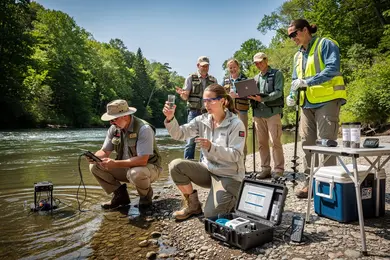
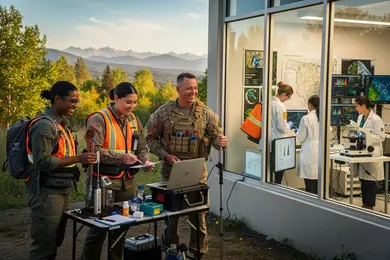
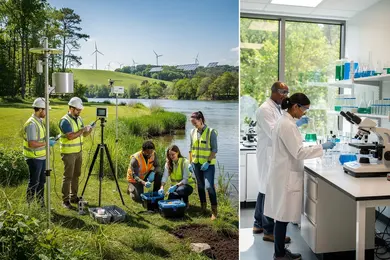
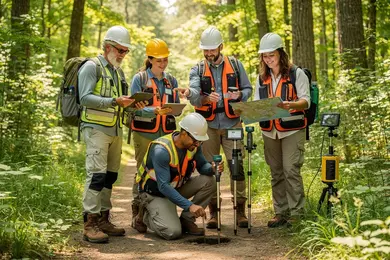
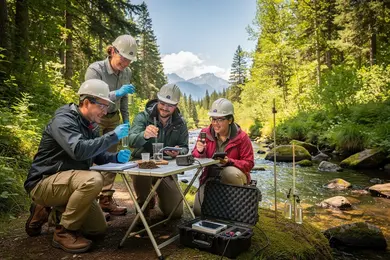
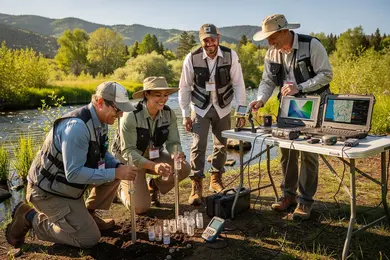
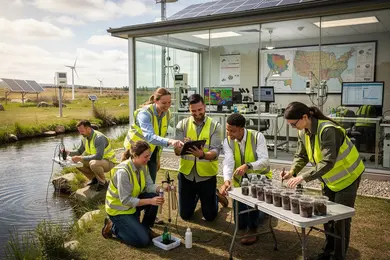
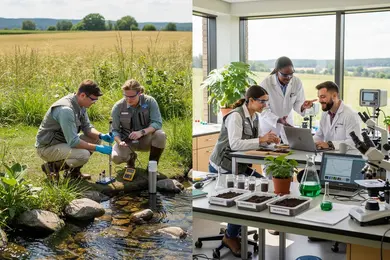
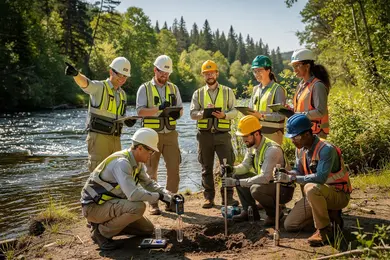
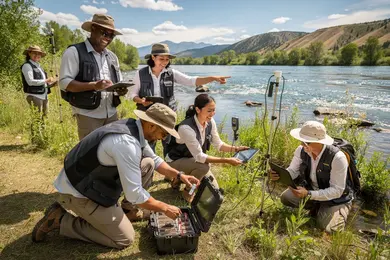
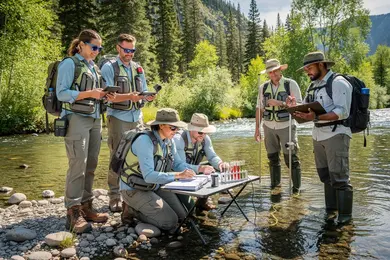
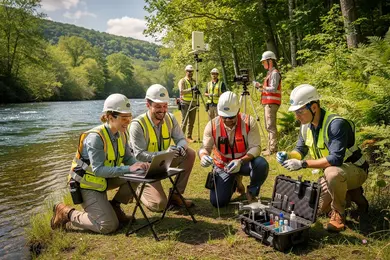
2026 Update: Fieldwork and Lab Requirements for Remote Learners
For 2026, this section was added to help working adults look beyond online course delivery and understand how environmental science programs handle required hands-on learning.
- Check whether labs are fully online, completed with at-home kits, or require campus visits.
- Ask if fieldwork can be completed near your home through approved local sites, parks, agencies, or employers.
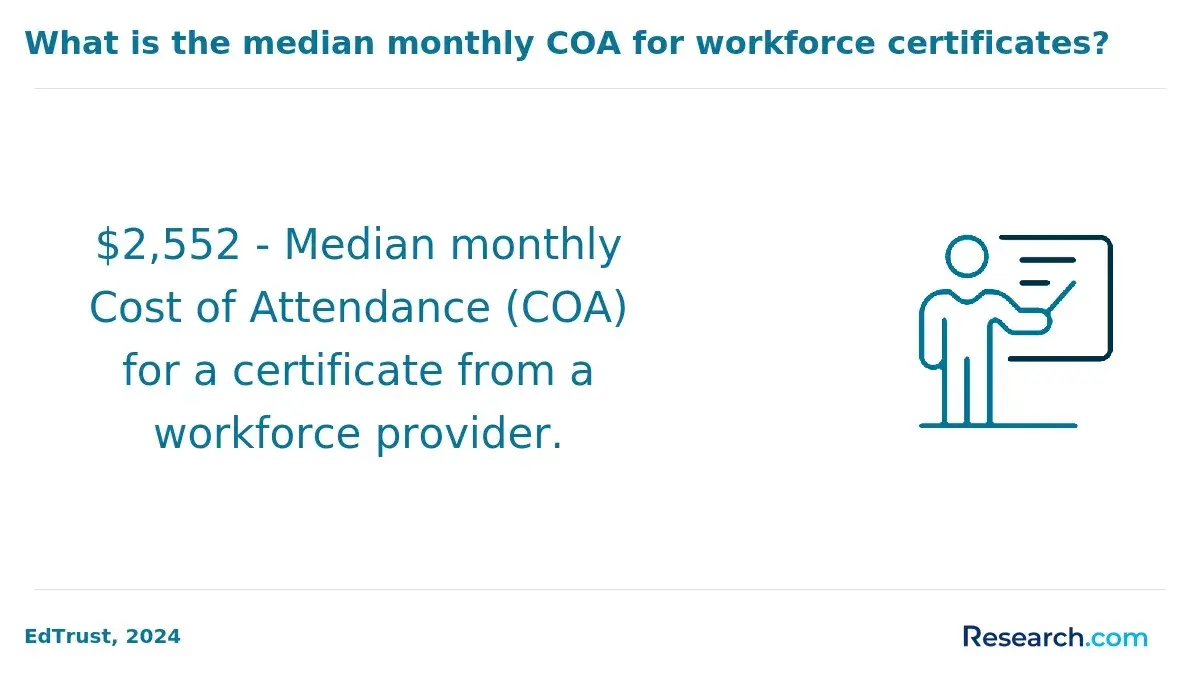
- Review any travel, equipment, lab kit, software, or field safety costs not included in tuition.
- Confirm whether weekend, evening, or block-format field sessions are available for working students.
- Find out who approves local field placements and how far in advance paperwork must be submitted.
- Ask whether your current job duties can satisfy supervised environmental observation or project requirements.
Understanding these requirements early helps students choose a completion program that is not only online, but realistically manageable with work, family, and location constraints.
Which Accredited Universities Offer the Most Affordable Online Environmental Science Bachelor's Degree Completion Programs?
- University of Florida: This institution offers an online environmental science bachelor's completion program with tuition at $129.75 per credit hour for in-state students and $552.05 for out-of-state. Accredited by the Southern Association of Colleges and Schools Commission on Colleges (SACSCOC), its curriculum aligns with standards from the National Association of Environmental Professionals. Transfer students may bring in up to 60 credits, and prior learning assessments are supported to ease time and cost burdens.
- Fort Hays State University: Charging a flat online rate of $218.67 per credit hour for all learners regardless of residency, this university is accredited by the Higher Learning Commission (HLC). Its flexible program accepts up to 76 transfer credits, including military training, though it lacks specialized environmental science accreditation. The longstanding online education experience enhances accessibility for working adults.
- Southern New Hampshire University: Students pay a uniform $320 per credit hour for this bachelor's completion program recognized by the New England Commission of Higher Education (NECHE). The program emphasizes practical, applied learning and accepts generous transfer and military credits, facilitating degree completion for adult learners balancing professional commitments.
- Kansas State University: This university charges $333.18 per online credit and holds HLC accreditation. Its environmental science curriculum meets criteria set by the American Society for Microbiology and the Soil Science Society of America. With transfer credit allowances up to 72 credits, it integrates hands-on internships and capstone projects to prepare students for career readiness.
University of North Dakota: Charging $418 per credit for all students, UND's program is accredited by HLC and enjoys programmatic endorsement from the National Environmental Health Science and Protection Accreditation Council (EHAC). With up to 90 transfer credits accepted, the program supports asynchronous learning suited to the schedules of working professionals.
Among these options, lowest-cost programs often feature flat-rate tuition independent of residency and broad transfer credit acceptance, considerably easing financial strain and accelerating degree progress. Mid-range programs may charge variable tuition but compensate by aligning curricula with specialized environmental organizations and offering experiential learning components critical for workforce preparation.
A professional pursued an online environmental science degree completion to transition into a sustainable careers sector while working full-time. He described the process as "challenging but rewarding," noting that balancing classes with job demands required strict time management. "The ability to transfer many of my credits and apply my military training was essential," he shared. He found value in the program's flexibility, saying it allowed him to "focus on practical skills connected to real-world environmental issues" while progressing steadily toward his career goals.
How Many Transfer Credits Can Working Adults Apply Toward an Online Environmental Science Degree Completion Program?
- Transfer Credit Caps: Most degree completion programs limit the maximum transferable credits to between 60 and 90 semester hours. This ensures compliance with accreditation standards while requiring students to complete essential upper-division courses within the environmental science bachelor's completion programs.
- Equivalency Reviews: Transfer credits are carefully reviewed by admissions or registrar offices to verify course content and academic level. This process helps in aligning previous coursework with program requirements and maximizes the number of applicable credits.
- Articulation Agreements: Many institutions establish formal agreements with community colleges that guarantee the acceptance of specific credits. These partnerships simplify credit transfers, especially for students advancing from two-year colleges to four-year environmental science degree completion programs.
- Credit Loss Statistics: Research from the U.S. Department of Education's transfer summit indicates that students lose approximately 40% of their credits during transfer. This data underscores the importance of selecting programs with structured or guaranteed transfer pathways.
- Military and Professional Credits: Some programs accept ACE-recommended military training and professional certifications. This benefit supports veterans and professionals by recognizing relevant learning experiences outside traditional academic settings.
Transcript Evaluations: Prospective students should request official transcript evaluations before enrollment. This step clarifies how many credits will transfer, preventing unexpected delays in degree progress.
If you are comparing options, consider programs known for transfer-friendly policies, and explore resources such as accounting degree online cheap for insights on flexible tuition models.
What Are the Typical Admission Requirements for Online Environmental Science Bachelor's Degree Completion Programs?
- Transfer Credit Hours: Most programs ask for between 24 and 60 credits from accredited schools, ensuring foundational general education and sometimes basic environmental science courses are completed before advancing.
- Minimum GPA: A cumulative GPA of around 2.5 to 3.0 is commonly expected, though some schools offer conditional admission for those slightly below this range, allowing them to prove academic ability during early classes.
- Documentation Needs: Official transcripts from all previously attended colleges are required. Additional materials like recommendation letters, personal statements, or evidence of relevant work or military experience may also be necessary, especially when using prior learning credits.
- Prerequisite Coursework: Completion of introductory classes in environmental science, biology, or chemistry is often requested. Those lacking these can boost their applications by finishing these courses at community colleges or accredited online programs.
- Admission Selectivity: Open-admission programs welcome a broader pool of students and provide more academic support like tutoring and advising. In contrast, selective programs maintain higher entry standards for enhanced prestige but typically expect greater self-direction with fewer support services.
- Conditional Admission: Some schools grant provisional acceptance to applicants who nearly meet criteria, requiring completion of specific courses with satisfactory grades in their first semester to continue.
- Application Tips: Strengthening an application often involves completing prerequisite science courses, maintaining strong grades in transfer credits, and clearly presenting career goals and relevant experience to the admissions committee.
One professional who completed her online environmental science bachelor's degree reflected that navigating admission requirements felt challenging but empowering. She noted, "Gathering all the transcripts and meeting GPA standards was stressful, but being able to take prerequisite courses beforehand made me feel prepared." She appreciated conditional admission options that provided a chance to prove herself academically early on. Ultimately, the clear guidance on documentation and prerequisites helped streamline her journey, enabling her to focus on advancing her career once enrolled.
How Long Does It Take to Complete an Online Environmental Science Bachelor's Degree Completion Program as a Working Adult?
Completion time for working adults finishing an online environmental science bachelor's degree varies based on transferred credits and course load. Those with 30 transfer credits typically face about 90 remaining semester hours, while students bringing in 60 credits need around 60 more, and individuals with 90 credits usually require only 30 additional hours. Such differences significantly impact how long it takes to graduate.
Part-time enrollment, commonly defined as six credits per semester, generally extends the timeline but works well for professionals balancing full-time jobs. For instance, a student taking two courses each semester in fall and spring can realistically finish a 60-credit program in five years. Conversely, full-time acceleration with 12 or more credits per term can halve that timeframe. Institutions offering eight-week accelerated courses further speed up progress by allowing students to complete more classes annually.
Summer terms play a vital role in reducing total semesters by maintaining continuous enrollment without gaps. Additionally, some programs use competency-based progression, enabling students to advance by demonstrating skills rather than sitting through fixed course durations, which can shorten degree completion even more.
- Transfer Credit Impact: Accepted transfer credits ranging from 60 to 90 dramatically shrink remaining coursework, enabling many learners to graduate within 1 to 3 years.
- Part-Time Vs. Full-Time: Six credits per semester suits working adults but often leads to 4-6 years for completion; double the credits and timelines are substantially reduced.
- Accelerated Terms: Eight-week courses and heavier credit loads help committed students finish their degrees in less than two years.
- Summer Enrollment: Continuous study during summer terms prevents delays by eliminating academic breaks.
- Life Circumstances: Timelines can fluctuate depending on personal responsibilities and employer support, critical factors for sustained academic progress.
- Growing Demand: Online degree enrollment among working adults has surged 25% over the last five years, reflecting increasing preference for flexible program options.
What Financial Aid, Grants, and Employer Tuition Assistance Options Are Available for Online Environmental Science Completion Students?
Working adults returning to complete an online environmental science bachelor's degree can access a broad range of financial aid options designed to ease the cost of finishing their education. Federal financial aid such as Pell Grants and Direct Loans remain accessible to eligible adult learners, providing essential support based on financial need and enrollment status. Many states also administer specific grants targeted at adult returners, offering additional resources for those who paused their education and are now resuming it.
Colleges with environmental science degree completion programs often provide institutional scholarships aimed at non-traditional students balancing school with work and family commitments. These scholarships reward academic progress, leadership, and community involvement. Furthermore, there are scholarships and fellowships exclusively for adults completing environmental science degrees-prospective students should research these targeted opportunities at their schools of interest.
Employer tuition assistance programs are another major financial aid avenue. Under IRS Section 127, employers can contribute up to $5,250 annually in tax-free educational benefits, which can cover tuition, fees, and some textbooks. Working students are advised to connect with their HR departments early to confirm eligibility and secure formal approval for these benefits.
Before enrolling, completing key financial aid steps can maximize funding availability:
- File FAFSA: Complete the Free Application for Federal Student Aid to determine eligibility for federal grants, loans, and some state programs.
- Explore State Grants: Research your state's grants geared toward adult learners returning to college, as these vary widely by location.
- Request Employer Benefits: Contact your employer's HR office to obtain a tuition benefit agreement and understand IRS Section 127 tax-free education assistance rules.
- Search Scholarships: Identify institutional and external scholarships specifically designed for environmental science degree completion students and non-traditional learners.
How Does Per-Credit-Hour Tuition for Online Environmental Science Completion Programs Compare Across Accredited Institutions?
Per-credit tuition rates for online environmental science bachelor completion programs vary widely among accredited institutions. Data from the National Center for Education Statistics (NCES) and the Integrated Postsecondary Education Data System (IPEDS) indicate a national average of approximately $450 per credit hour. This average serves as a useful benchmark for working adults who have completed 60 to 90 credit hours and are comparing accredited online environmental science degree cost options tailored for transfer students.
While University A offers the lowest per-credit rate, University C's lower total credits required may result in a lower overall cost. This comparison highlights the importance of reviewing credit transfer policies and total credit requirements when estimating program expenses.
- Ancillary Fees: Additional costs such as technology, graduation, proctoring, and textbooks can add 10-20% to the total cost and are often excluded from published tuition rates.
- Credit Hour Variability: Some environmental science programs exceed the typical 120 credit hours for graduation, increasing total tuition despite competitive per-credit pricing.
- Transfer Policies: Programs with generous transfer credit acceptance can reduce time to degree completion and thus lower total tuition paid.
- Quality and Accreditation: Accreditation ensures academic standards, but tuition reflects factors beyond affordability, such as institutional prestige and available resources.
Choosing the lowest per-credit tuition does not always equate to the most cost-effective option. Carefully assessing credit requirements, fee structures, transfer acceptance, and program length is essential for understanding the total financial commitment of completing an online environmental science degree. Prospective students may also explore related fields like human services degree online programs, which offer alternative pathways for degree completion.
What Prior Learning Assessment and Credit-by-Exam Options Exist in Online Environmental Science Degree Completion Programs?
Prior learning assessment (PLA) options enable working adults to convert existing knowledge and skills into academic credit, which can shorten the time needed to complete an online environmental science bachelor's degree. These options include CLEP and DSST exams, portfolio assessments, and credit for military training evaluated through the American Council on Education (ACE). Many online environmental science degree completion programs offer robust PLA policies to accommodate diverse learner backgrounds.
- Credit-By-Exam Options: CLEP and DSST exams allow students to demonstrate proficiency in specific subject areas, earning college credit without enrolling in corresponding courses. These exams cover foundational topics relevant to environmental science and related disciplines, making them popular for adults returning to school.
- Portfolio Assessment: Some programs accept portfolios showcasing professional experience, certifications, or specialized training. This evidence is reviewed by faculty to determine applicable credit, enabling students to leverage non-traditional learning toward degree requirements.
- Military Training Credit: The ACE credit recommendation system translates military service training and corporate education into college credits. Many environmental science programs recognize ACE evaluations, providing flexible pathways for veterans and active military personnel to advance their academic progress.
- Maximum Credit Acceptance: Top-ranked online environmental science completion programs often accept between 30 and 60 transfer credits from PLA, with clearly defined limits on each credit type. This flexibility supports a faster degree completion timeline.
Documentation and Submission: To maximize PLA benefits, students should carefully document prior coursework, certifications, or training and follow institutional guidelines for submitting evidence. Early consultation with academic advisors helps clarify evaluation procedures and deadlines.
Working adults can learn more about how can you get a physics degree online resources intersect with PLA strategies, highlighting cross-disciplinary applications in STEM fields.
How Do Asynchronous Schedules in Online Environmental Science Programs Accommodate Full-Time Working Professionals?
- Asynchronous Flexibility: Fully asynchronous online Environmental Science programs let students access lectures, submit assignments, and participate in discussions anytime, supporting learners across all time zones and varying work schedules.
- Synchronous vs. Hybrid Formats: Synchronous courses require real-time attendance, which can challenge shift workers or caregivers. Hybrid models blend live sessions with asynchronous tasks, offering some flexibility but less than fully asynchronous options.
- Eight-Week Terms: Many schools offer accelerated eight-week courses, enabling students to focus on fewer subjects at once. This format helps balance study and professional commitments more effectively than traditional 16-week semesters.
- Time Management Strategies: Successful students often create detailed weekly schedules, set clear priorities, and use digital calendars or task apps to maintain consistent progress despite competing responsibilities.
- Digital Toolkit: Commonly used tools include learning management systems for course materials, video conferencing for optional office hours, and apps like Trello or Todoist to track assignments and deadlines efficiently.
What Concentrations and Career Tracks Are Available Within Online Environmental Science Degree Completion Programs?
Online environmental science bachelor's completion programs typically include a range of concentrations tailored to specific career goals. Most concentrations fit within the standard 120-credit curriculum, avoiding extra tuition or longer study periods; however, some specialized tracks may require additional credits, so verifying program details is important.
- Environmental Policy and Management: Prepares students for roles in agencies, nonprofits, and corporations focused on sustainability and regulatory compliance. Job titles include policy analysts and compliance officers, with median salaries around $73,000 per BLS data.
- Ecology and Conservation: Emphasizes ecosystem preservation and biodiversity management. Graduates often become wildlife biologists or conservation scientists, earning median wages near $64,000, supported by growing environmental awareness.
- Environmental Health and Safety: Focuses on health regulations in workplaces and communities. This track can lead to certifications like Certified Safety Professional (CSP), qualifying students for roles as health inspectors and safety specialists.
- Geographic Information Systems (GIS): Equips students with spatial data analysis skills applicable to urban planning and resource management. GIS technologists earn about $55,000 median annually, with demand rising in consultancy sectors.
- Renewable Energy and Sustainability: Centers on clean energy and sustainable business strategies. Graduates often pursue certifications such as LEED accreditation, enhancing employability in green industries.
Selecting a concentration that aligns with your interests and offers strong job prospects is essential. Concentrations tied to licensure or industry certifications can improve career opportunities and earning potential. Always confirm how a program structures credits for your chosen specialization to manage time and cost efficiently.
What Graduates Say About Online Environmental Science Bachelor's Degree Completion Programs for Working Adults
- Allan: "I appreciated how the program's clear accreditation standards assured me of the quality and recognition of my degree, which was crucial for my career goals. The flexible structure made it easy to continue working while finishing my studies, and the transfer credit policy saved me both time and tuition costs. This thoughtful design made completing my environmental science degree online a truly rewarding experience."
- Gunnar: "Reflecting on my journey, the prior learning options stood out as a significant benefit, allowing me to leverage my previous work experience toward degree credits. The transparent tuition model helped me plan financially without surprises, which was essential for balancing expenses. Ultimately, graduating from this online environmental science program opened new doors at my job and increased my confidence in my professional skills."
- Jaxon: "From a professional standpoint, the program's willingness to accept transfer credits was a game-changer, reducing redundancy in coursework and accelerating my path to graduation. Accreditation gave me peace of mind knowing my degree held weight with employers. The tuition structure was straightforward, making it easy to justify the investment, which has now proven its value through various career advancement opportunities."
Other Things You Should Know About Environmental Science Degrees
Online Environmental Science Bachelor's Degree completion programs typically allow the transfer of up to 90 credit hours from accredited institutions. Policies vary, with some programs requiring that credits are specific to environmental science or related fields for successful transfer by 2027.
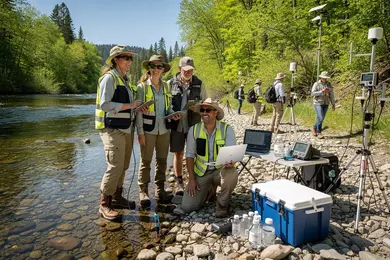
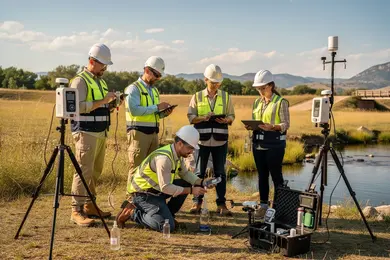
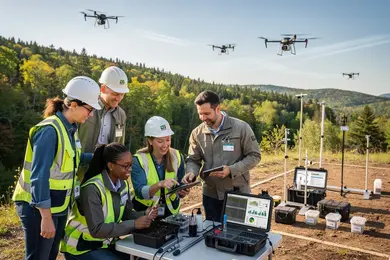
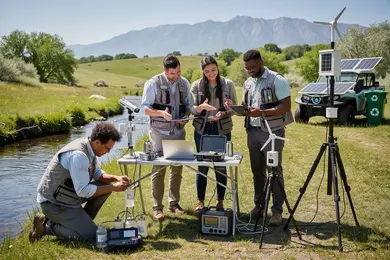
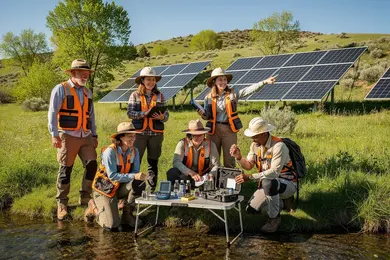
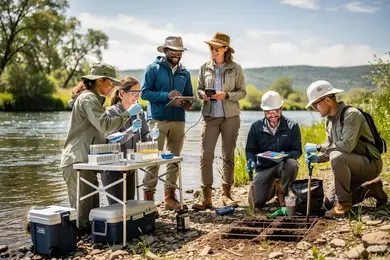
Online Environmental Science Bachelor's Degree completion programs may offer virtual simulations, local fieldwork partnerships, or intensive field courses during summer sessions. These opportunities aim to provide practical, hands-on experience alongside theoretical learning for working adults in the program.
Yes. Most completion programs require a capstone in the final term, usually worth 3 to 6 credit hours. Students apply environmental science methods to a real problem, such as watershed analysis, sustainability planning, or conservation policy, and submit a written report or presentation to meet graduation requirements.
References
- Online BS in Geography and Environmental Science | Texas State https://online.txst.edu/degrees/undergraduate/bachelor-geography-environmental-studies/
- Working Full-Time and Studying Online: A Guide for Public-Sector Professionals https://online.wits.ac.za/blogs/working-full-time-and-studying-online-a-guide-for-public-sector-professionals
- How to Complete Your Bachelor's Degree as an Adult | CIIS https://www.ciis.edu/news/how-complete-your-bachelors-degree-adult
- 2025 Most Affordable Online Environmental Science Degrees https://www.onlineu.com/most-affordable-colleges/environmental-science-degrees
- Advising and Prior Learning Assessment for Degree Completion https://www.wiche.edu/key-initiatives/recognition-of-learning/pla-advising/
- PLA Programme https://online-degrees.org/uni/prior-learning-assessment/programme
- Prior Learning & Experience Credit https://online.champlain.edu/admission/prior-learning-experience-credit
- Asynchronous Education vs Fixed Schedule Online Classes: Which Works for Working Professionals https://puie.ac/asynchronous-education-vs-fixed-schedule-online-classes-which-works-for-working-professionals/
- Benefits of Online Learning for Working Adults https://unity.edu/distance-education-blogs/benefits-of-online-learning/
- Graduate Funding Opportunities https://cenv.wwu.edu/graduate-funding-opportunities